

ProductPRODUCT
Featured products
Contact Us
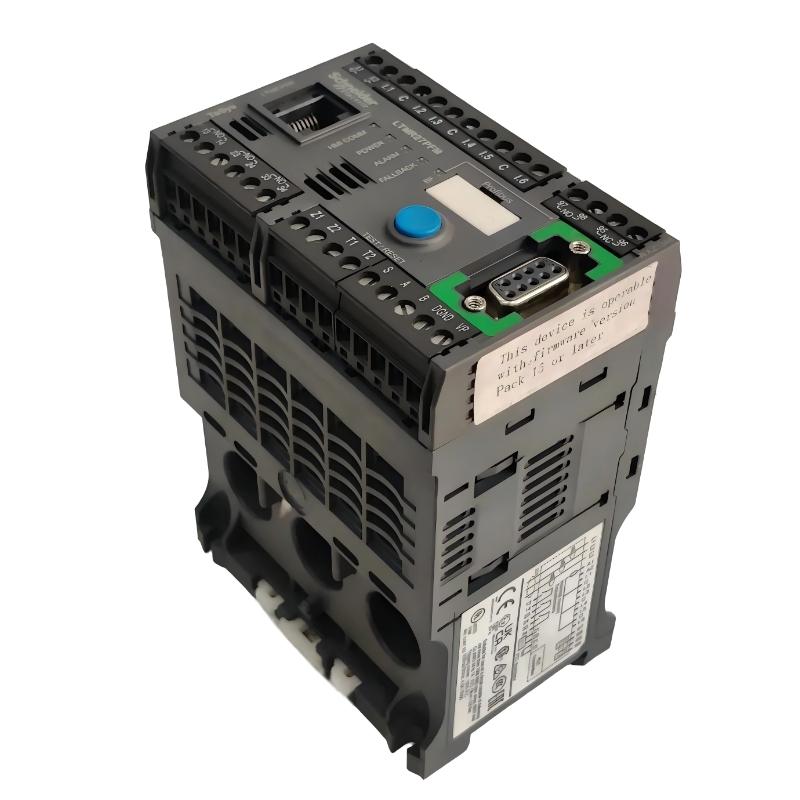
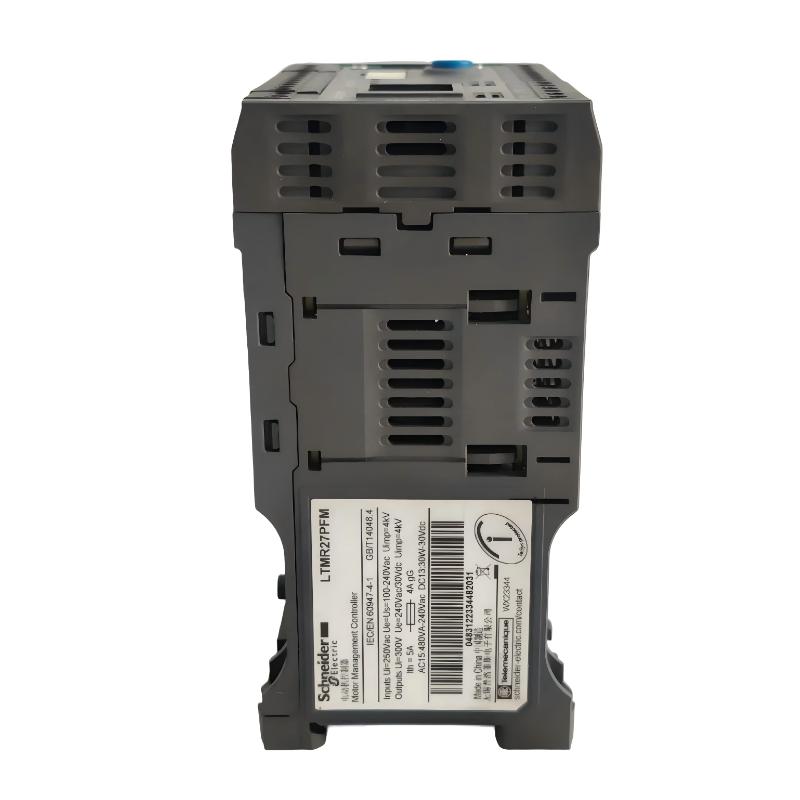
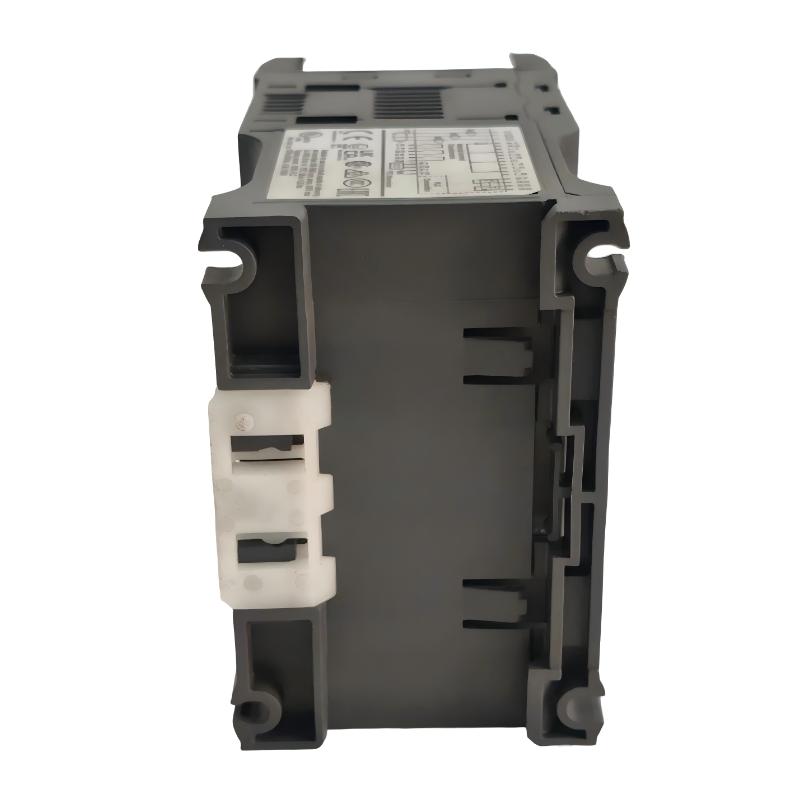
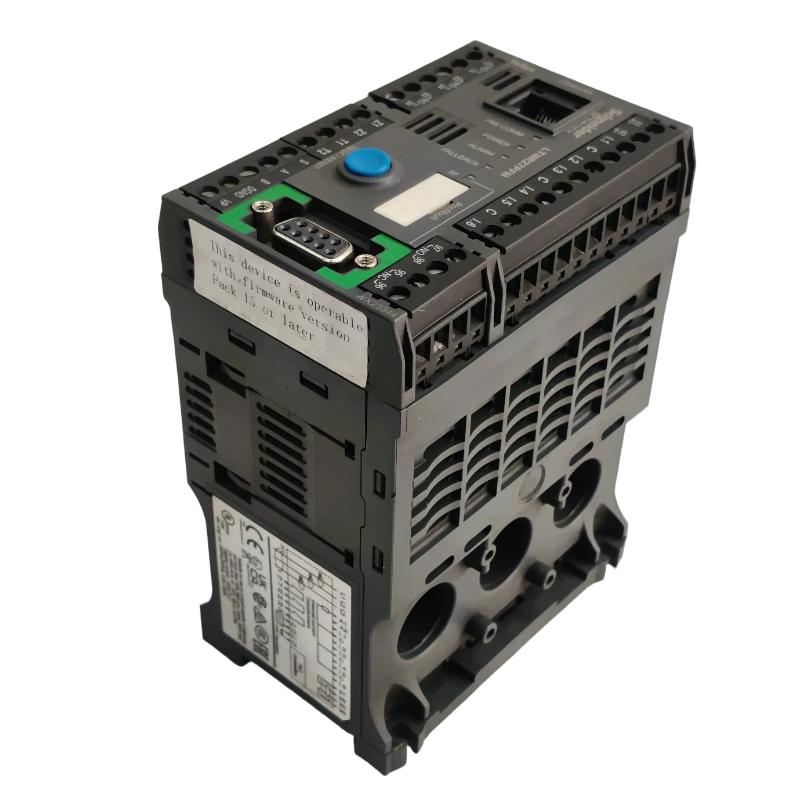
- Schneider
- LTMR27PFM
- Motor Controller
- France
- 91 × 61 × 122.5 mm
- 0.53 kg
- Xiamen, China
- New & In Stock
- T/T, PayPal, Western Union
- 1 Year
- 1-3 Working Days
- DHL, UPS, TNT, FedEx and EMS.
- 24-Hour Service
- COO
- 5
Our advantage

Global Logistics
We have a 10-year logistics and express cooperation agreement, so our products can be shipped to any place in the world.

Brand new and original
Our products are imported in bulk from the place of origin. Because of the cooperative relationship, our products are all original and 100% new.

24-hour service
We provide 7*24 hours service to our customers. We will be there whenever you need us.

Price advantage
All our products are priced very favorably because we have our own warehouse and supply.
| Company Information | |||
| [email protected] | |||
| Mobile | +8615980777398 | ||
| +8615980777398 | |||
| 15980777398 |
Product Overview
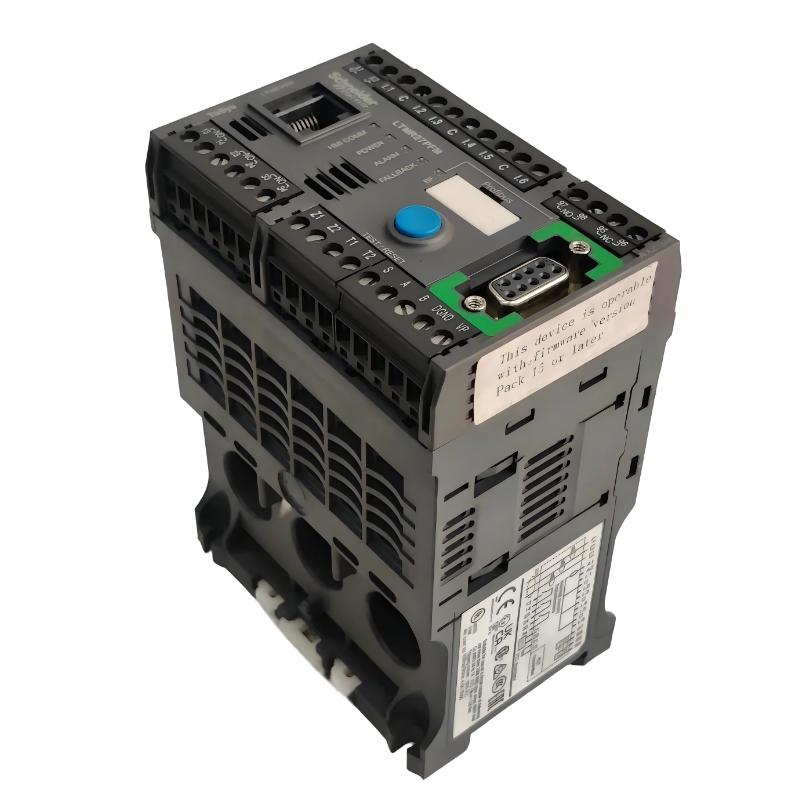
The Schneider LTMR27PFM TeSys T Motor Controller is a motor management and control device for monitoring and controlling compatible low-voltage motor loads. It forms part of the TeSys T motor management system and combines motor control functions with electrical and thermal monitoring.
The controller is installed in the motor-control section of an automation system, typically between the upstream switching equipment and the motor circuit. It can monitor operating conditions such as motor current and use configured protection functions to respond to abnormal conditions.
In a typical industrial installation, the LTMR27PFM works with contactors, circuit protection, control-network equipment, and a PLC or supervisory system. This arrangement allows motor starting and stopping functions to be coordinated with higher-level machine or process control.
The TeSys T architecture is useful for applications where motors need more than simple contactor switching. Centralized motor status, protection information, diagnostics, and control data can be integrated into the wider automation system.
Technical Specifications
| Parameter | Specification |
|---|---|
| Manufacturer | Schneider Electric |
| Model | LTMR27PFM |
| Product Family | TeSys T |
| Product Type | Motor Controller |
| Primary Function | Motor control, monitoring, and protection |
| System Role | Motor management and control |
| Typical Application | Industrial motor control and automation |
| Dimensions | 91 × 61 × 122.5 mm |
| Weight | 0.53 kg |
Product Features
- TeSys T Motor Controller for industrial motor management.
- Combines motor control with monitoring and protection functions.
- Supports integration into automated motor-control architectures.
- Provides motor operating information for control and diagnostic purposes.
- Works with associated switching and protection components.
- Suitable for integration with PLC-based automation systems.
- Supports centralized monitoring of motor operating conditions.
- Applicable to industrial machinery and process equipment with managed motor loads.
Working Principle
The LTMR27PFM monitors the electrical operating condition of a connected motor and coordinates motor-control functions according to the configured application. Motor current and other available operating information are evaluated by the controller to support control, protection, and diagnostic functions.
PLC / Control System → LTMR27PFM → Contactor / Switching Device → Motor
During operation, the controller receives motor-related measurements and control commands. When a start or stop command is issued, the LTMR27PFM works with the associated switching equipment to establish or interrupt the motor circuit.
If the monitored motor condition reaches a configured protection threshold, the controller can initiate the appropriate protective response through the motor-control architecture. Status and diagnostic information can also be exchanged with the higher-level automation system.
The LTMR27PFM therefore combines the motor-control point and the motor-monitoring point within the TeSys T architecture rather than functioning as a general-purpose PLC.
Role in a Schneider TeSys T Motor Management Architecture
The LTMR27PFM occupies the motor management layer between the automation controller, motor switching equipment, and the motor itself. It provides a dedicated control and monitoring interface for the managed motor circuit.
PLC / Automation Controller → LTMR27PFM → Contactor / Switching Equipment → Motor → Mechanical Load
| System Element | Function |
|---|---|
| PLC / Automation System | Provides machine or process control commands |
| LTMR27PFM | Manages motor control, monitoring, and protection |
| Contactor | Switches the motor power circuit |
| Circuit Protection | Protects the motor circuit against electrical faults |
| Motor | Converts electrical energy into mechanical motion |
| Mechanical Load | Receives the motor’s mechanical output |
| HMI / SCADA | Displays motor status, alarms, and diagnostic information |
This architecture separates high-level process sequencing from dedicated motor management. The PLC determines when the motor should operate, while the TeSys T controller handles the motor-specific monitoring and protection functions.
Industrial Applications
| Application | Typical Use |
|---|---|
| Conveyor Systems | Motor starting, monitoring, and protection |
| Pumps | Managed motor operation and fault monitoring |
| Fans and Blowers | Motor control and operating-condition monitoring |
| Compressors | Motor protection and automation integration |
| Material Handling Equipment | Coordinated motor control within automated machinery |
| Process Machinery | Motor status and protection within control systems |
| Manufacturing Lines | Centralized monitoring of production motors |
Installation and Maintenance
- Confirm that the LTMR27PFM is suitable for the intended TeSys T motor-control architecture.
- Verify the motor application and associated switching equipment before installation.
- Check the approved electrical schematic for control, power, and communication connections.
- Install the controller securely within the designated motor-control assembly.
- Verify the motor circuit and protective devices before energizing the equipment.
- Confirm the required motor-control configuration before commissioning.
- Check communication connections between the LTMR27PFM and the higher-level automation system where applicable.
- Verify motor status and measured operating information during controlled startup.
- Test start, stop, fault, reset, and configured protection functions under safe commissioning conditions.
- Inspect terminals, wiring, and associated contactor connections if the motor does not respond correctly.
- Review diagnostic information when abnormal motor current, protection trips, or communication faults occur.
- After replacement, verify motor control, protection, status feedback, and communication with the complete automation system before returning the equipment to service.
Compatible System Components
| Component | Function |
|---|---|
| Schneider TeSys T System | Provides motor management and protection architecture |
| TeSys T Contactor | Switches the motor power circuit |
| Circuit Protection Device | Protects the motor feeder and associated equipment |
| Schneider PLC | Provides machine and process control logic |
| Communication Network | Transfers motor data and commands within the automation system |
| HMI / SCADA | Displays motor status, alarms, and diagnostic information |
| Motor | Converts electrical power into mechanical motion |
| Motor Load | Performs the mechanical process function |
Recommended Related Models
| Model / Product Family | Product Type | Typical Application |
|---|---|---|
| Schneider TeSys T | Motor Management System | Industrial motor control and protection |
| Schneider LTMR27 Series | Motor Controller | Motor monitoring and management |
| Schneider LTMR100 Series | Motor Controller | Advanced motor management |
| Schneider TeSys T Controllers | Motor Controller | Motor control and protection |
| Schneider TeSys Contactors | Contactor | Motor circuit switching |
| Schneider TeSys Protection | Motor Protection | Motor feeder protection |
| Schneider Modicon PLC | PLC Platform | Machine and process control |
| Schneider TeSys T Communication Modules | Communication Module | Motor-management networking |
Key Advantages
- Combines motor control, monitoring, and protection functions.
- Provides a dedicated management point for compatible motor circuits.
- Integrates motor information into PLC-based automation systems.
- Supports centralized motor diagnostics and status monitoring.
- Works with associated TeSys switching and protection equipment.
- Suitable for industrial machinery and process applications requiring managed motor operation.
Technical FAQs
What is the difference between the LTMR27PFM and a conventional motor contactor?
A contactor primarily switches the motor power circuit, while the LTMR27PFM provides motor-management functions such as monitoring, control coordination, protection, and diagnostic information. The two components can therefore work together within the same motor-control circuit.
How should the LTMR27PFM be selected for a motor application?
Selection should be based on the motor’s electrical characteristics, required control functions, protection requirements, associated switching equipment, and the intended TeSys T architecture. The controller should be matched to the actual motor application rather than selected only by physical compatibility.
What should be checked if the motor receives a start command but does not run?
Check the LTMR27PFM status and diagnostics first, then inspect the control wiring, contactor, protection devices, motor circuit, and configured permissive conditions. Communication problems should also be considered when the start command originates from a PLC or supervisory system.
Why is motor-current monitoring useful in an automated production system?
Motor-current information can help identify abnormal loading and support protection and diagnostic functions. When integrated with the automation system, this information can also help maintenance personnel distinguish motor-related problems from upstream control or switching faults.