

ProductPRODUCT
Featured products
Contact Us
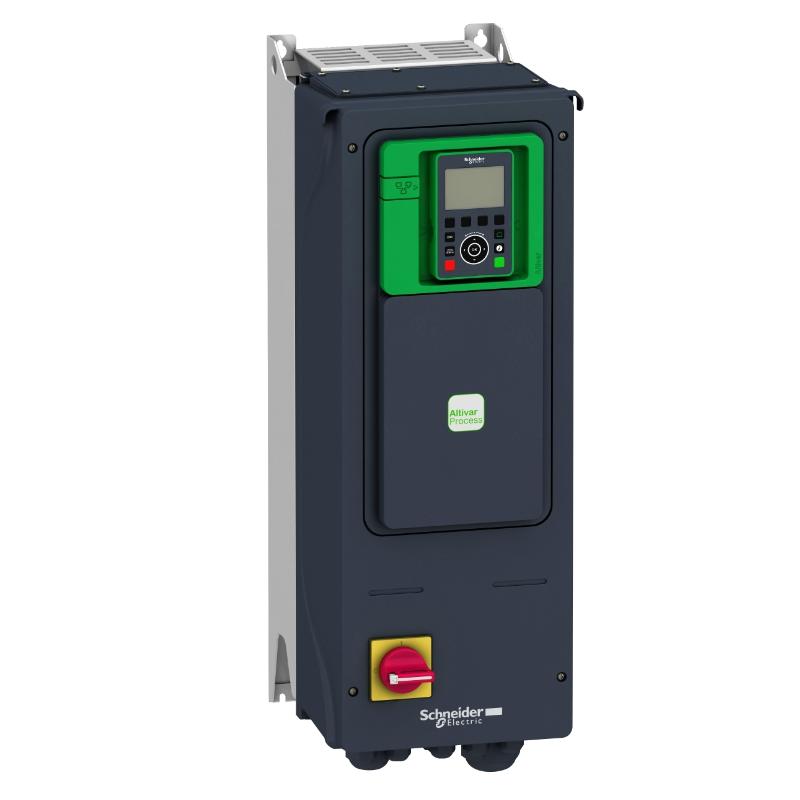
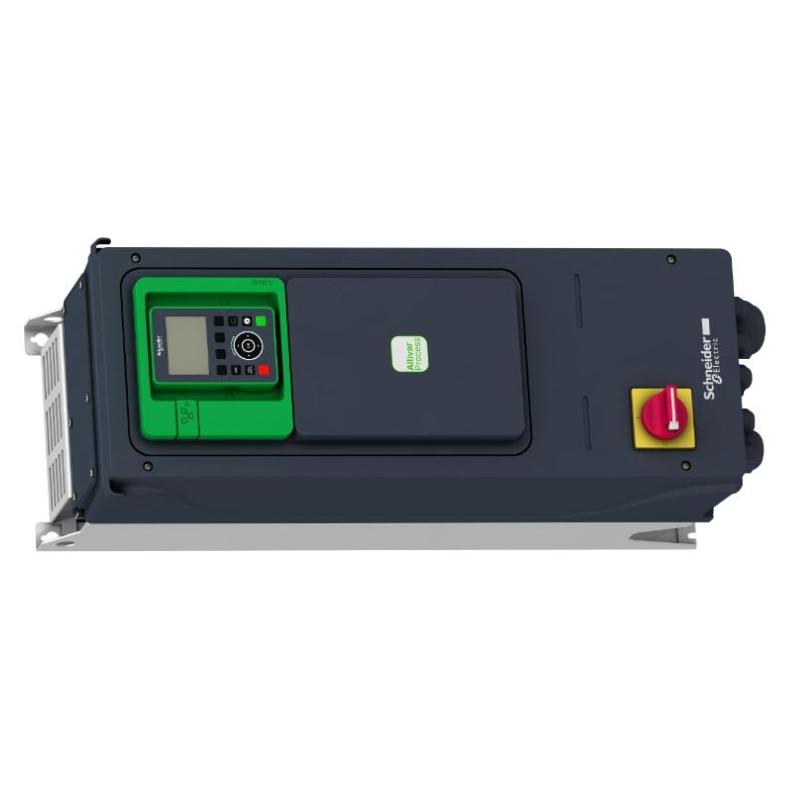
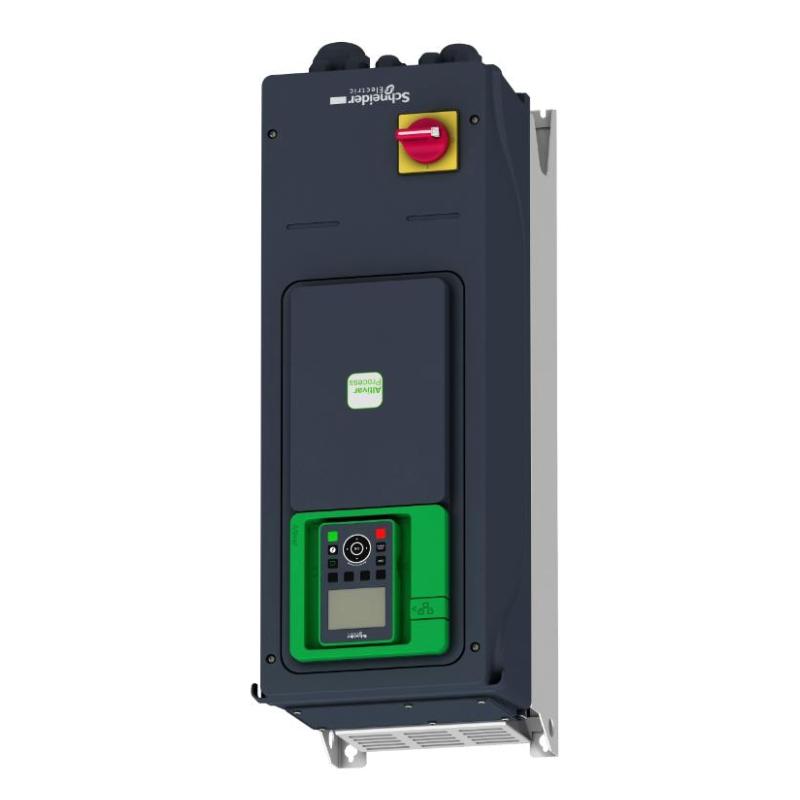
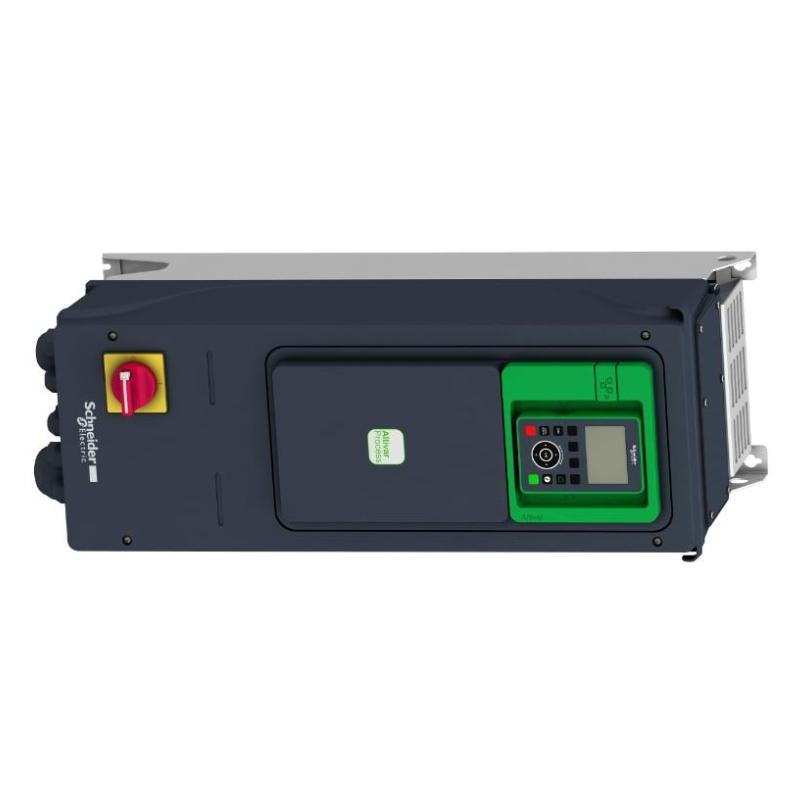
- Schneider
- ATV950U15N4E
- Variable Speed Drive
- France
- 678 x 264 x 300 mm
- 10.5 kg
- Xiamen, China
- New & In Stock
- T/T, PayPal, Western Union
- 1 Year
- 1-3 Working Days
- DHL, UPS, TNT, FedEx and EMS.
- 24-Hour Service
- COO
- 5
Our advantage

Global Logistics
We have a 10-year logistics and express cooperation agreement, so our products can be shipped to any place in the world.

Brand new and original
Our products are imported in bulk from the place of origin. Because of the cooperative relationship, our products are all original and 100% new.

24-hour service
We provide 7*24 hours service to our customers. We will be there whenever you need us.

Price advantage
All our products are priced very favorably because we have our own warehouse and supply.
| Company Information | |||
| [email protected] | |||
| Mobile | +8615980777398 | ||
| +8615980777398 | |||
| 15980777398 |
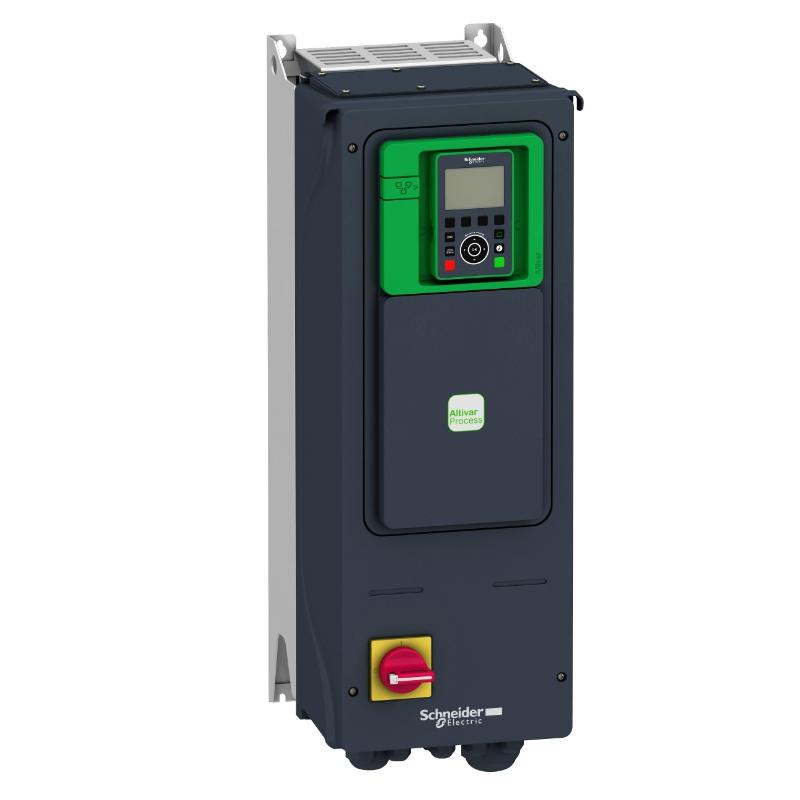
Product Overview
The Schneider ATV950U15N4E Variable Speed Drive is an industrial AC motor control solution designed for demanding automation and machine applications requiring accurate speed regulation, controlled acceleration, and reliable motor operation. As part of the Schneider Electric Altivar 900 family, the ATV950U15N4E is intended for applications where high-performance motor control and integration with modern industrial automation systems are important.
Variable speed drives play a central role in many industrial machines because they allow motor speed and operating behavior to be adjusted according to process requirements. Instead of running an AC motor continuously at a fixed operating condition, the drive provides controlled electrical power to the motor, allowing the machine to respond more effectively to changes in production demand.
The ATV950U15N4E can be incorporated into industrial control architectures containing PLCs, HMIs, sensors, industrial networks, motors, safety systems, and supervisory control equipment. Its role is to provide the controlled motor operation required by the machine while exchanging operating commands and status information with the wider automation system.
The supplied physical specifications for this model are 678 × 264 × 300 mm, with a listed weight of 10.5 kg. These dimensions and weight are important considerations when designing electrical cabinets, planning mounting arrangements, transporting replacement equipment, and maintaining the drive.
Technical Specifications
| Parameter | Specification |
|---|---|
| Manufacturer | Schneider Electric |
| Model | ATV950U15N4E |
| Product Family | Altivar 900 |
| Product Type | Variable Speed Drive |
| Drive Category | Industrial AC Motor Drive |
| Motor Power Class | 1.5 kW |
| Primary Function | Variable-speed AC motor control |
| Dimensions (H × W × D) | 678 × 264 × 300 mm |
| Weight | 10.5 kg |
| Installation | Industrial electrical cabinet / equipment installation |
| Control Application | Industrial automation and motor control |
| Typical System | PLC, HMI, sensors, drive and AC motor |
| Typical Applications | Machinery, conveyors, pumps, fans, process equipment |
Note: The dimensions and weight above are based on the supplied product information. Exact electrical ratings, current values, overload characteristics, terminal assignments, communication configuration, environmental limits, and available options should be verified against the specific ATV950U15N4E hardware and application before installation.
What Is the Schneider ATV950U15N4E?
The ATV950U15N4E is a Schneider Electric variable speed drive intended to control an AC motor within an industrial automation system.
A variable speed drive acts as the controlled electrical interface between the incoming power system and the motor. Instead of connecting the motor directly to a fixed-frequency power source, the drive manages the electrical output according to the required motor operating condition.
A simplified system arrangement is:
Industrial Power → ATV950U15N4E → AC Motor → Mechanical Load
The drive may simultaneously communicate with a machine controller:
PLC / Controller ↔ ATV950U15N4E ↔ Motor
This architecture allows the machine controller to determine the required operating state while the drive manages the motor-control function.
For automated production systems, this separation is useful because the PLC can focus on sequence and process logic while the drive handles motor-related control tasks.
How the Variable Speed Drive Works
The operating principle of an AC variable speed drive involves converting and controlling electrical power before delivering it to the motor.
Power Conversion
The incoming electrical supply is processed by the drive’s internal power electronics.
Controlled Output
The drive generates a controlled motor output that allows motor operating conditions to be adjusted.
Speed Regulation
The drive can regulate motor speed according to the configured control method and commanded operating condition.
Acceleration and Deceleration
Instead of applying an abrupt start or stop to the motor, the drive can provide controlled acceleration and deceleration according to the programmed application requirements.
Automation Command
The motor operating command may originate from local controls, external signals, or a higher-level automation controller depending on the system configuration.
This combination makes the drive suitable for applications where motor speed must be coordinated with production requirements.
Main Functions of the ATV950U15N4E
The ATV950U15N4E provides the motor-control layer of an industrial automation system.
Variable-Speed Operation
The drive allows the connected motor to operate at different speeds rather than being restricted to a single fixed operating condition.
Controlled Starting
Controlled acceleration can help reduce sudden mechanical loading during machine startup.
Controlled Stopping
Controlled deceleration allows the machine to stop according to the requirements of the application.
Motor Regulation
The drive manages the electrical output supplied to the motor so that motor operation can follow the desired command.
Process Coordination
Motor speed can be coordinated with sensors, PLC logic, and other machine-control elements.
Diagnostic Support
Drive status and fault information can assist maintenance personnel in identifying abnormal operating conditions.
Role in Industrial Automation
In a modern industrial control system, the ATV950U15N4E can be positioned between the automation controller and the motor.
A typical control architecture is:
Sensors → PLC → Variable Speed Drive → Motor → Mechanical Process
The sensors provide information about the process.
The PLC evaluates this information and determines the required machine response.
The drive receives the appropriate motor command and controls the connected motor.
The motor then produces the mechanical movement required by the machine.
This architecture is particularly useful when the motor must respond continuously to changing process conditions.
For example, a conveyor may need different speeds during loading, production, accumulation, and unloading. The PLC can change the speed reference while the drive manages the motor response.
Industrial Applications
The ATV950U15N4E can be incorporated into many types of industrial equipment where controlled motor operation is required.
Conveyor Systems
Variable-speed drives are commonly used on conveyors because different production stages may require different speeds. Controlled acceleration also helps reduce mechanical shock to belts, couplings, and gearboxes.
Pumps
Pump systems may require variable operation according to process demand. A drive can allow motor speed to be adjusted as the required flow or pressure changes.
Fans and Blowers
Industrial ventilation systems can use variable-speed operation to adjust airflow according to process requirements.
Material Handling Equipment
Variable-speed motor control is useful for feeders, transport systems, and other equipment where controlled movement is important.
Packaging Machinery
Packaging systems often require coordinated motor speed for feeding, positioning, indexing, and material handling.
Manufacturing Equipment
Machine tools and production equipment can incorporate variable-speed motor control as part of an automated production sequence.
Process Machinery
Mixers, auxiliary machinery, pumps, and other process equipment may require motor speed adjustment to maintain consistent production conditions.
Cabinet Installation and Mechanical Planning
The physical characteristics of the ATV950U15N4E should be considered before designing the electrical enclosure.
The supplied dimensions are:
678 × 264 × 300 mm
The listed weight is:
10.5 kg
Cabinet design should account for the complete installation rather than simply reserving the exact drive dimensions.
Engineers should consider:
- Drive mounting position
- Cable entry space
- Power cable routing
- Control cable routing
- Ventilation
- Heat dissipation
- Maintenance access
- Terminal accessibility
- Adjacent equipment
- Cabinet service clearance
The installation orientation should follow the applicable equipment requirements so that the drive can dissipate heat effectively.
Electrical System Integration
A variable speed drive installation generally contains several electrical layers.
Incoming Power Circuit
The incoming electrical system supplies the drive through suitable switching and protection equipment.
Variable Speed Drive
The ATV950U15N4E converts and controls the electrical power required by the motor.
Motor Circuit
The controlled output is transferred from the drive to the AC motor through the motor cable.
Control Circuit
Control commands may originate from a PLC, HMI, external control signals, or another automation controller.
Communication Network
Where applicable, an industrial communication network can be used to exchange control and diagnostic information.
The overall arrangement can be represented as:
Power Supply → Protection → ATV950U15N4E → Motor
and:
PLC / Automation Controller ↔ ATV950U15N4E
The exact wiring and control architecture depend on the application.
PLC and HMI Integration
The ATV950U15N4E can be integrated into a PLC-based machine-control system.
The PLC may perform functions such as:
- Start and stop sequencing
- Speed command generation
- Process interlocking
- Alarm handling
- Production sequencing
- Machine-state management
- Coordination with other drives
The drive performs the motor-control function.
An HMI can provide operators with access to information such as motor status, operating commands, alarms, and drive diagnostic information depending on the implemented control architecture.
This arrangement creates a clear separation between machine logic and motor-control functions.
Installation Guidelines
Before installing the ATV950U15N4E, engineers should verify the electrical and mechanical requirements of the complete system.
1. Verify the Product
Confirm the full model designation:
Schneider ATV950U15N4E
The complete model reference should be checked before installation or replacement.
2. Confirm Cabinet Space
Reserve adequate space for the supplied dimensions of 678 × 264 × 300 mm, together with the required service and ventilation clearances.
3. Prepare the Mounting Structure
Because the drive weighs 10.5 kg, the mounting structure should be suitable for securely supporting the equipment.
4. Verify Power Wiring
Check incoming power wiring and protection equipment before energizing the drive.
5. Verify Motor Wiring
Inspect the motor cable, terminals, grounding arrangement, and motor connections.
6. Connect Control Wiring
Install external command and control wiring according to the selected automation architecture.
7. Configure Motor Parameters
Enter the motor information required by the drive configuration.
8. Verify Command Source
Confirm whether the drive will be controlled locally, through terminals, or through an industrial automation controller.
Commissioning Procedure
A structured commissioning process can help identify configuration problems before the machine enters normal production.
Initial Inspection
Check the mechanical installation, electrical connections, cable routing, grounding, and cabinet condition.
Parameter Verification
Confirm the motor and application parameters configured in the drive.
Command Verification
Check the start, stop, enable, and speed reference signals.
Initial Motor Test
Where permitted by the machine design, perform an initial motor test under controlled conditions.
Rotation Check
Verify the motor rotates in the intended direction.
Acceleration Test
Check whether the motor accelerates smoothly and reaches the expected operating condition.
Deceleration Test
Verify that stopping behavior is suitable for the mechanical system.
PLC Sequence Test
Test the complete automatic sequence, including interlocks, alarms, speed commands, and machine responses.
Troubleshooting the ATV950U15N4E
Troubleshooting should begin with system-level checks before replacing the drive.
Drive Does Not Start
Check:
- Incoming power
- Drive status
- Start command
- Enable signal
- Speed reference
- Control wiring
- PLC logic
- Safety interlocks
- Active faults
A drive that appears inactive may simply be waiting for a valid command or interlock condition.
Motor Does Not Reach the Commanded Speed
Possible areas of investigation include the speed reference, motor configuration, mechanical load, control parameters, and active drive limitations.
The mechanical system should also be checked for excessive resistance.
Drive Reports a Fault
Record the fault information before resetting the drive.
Repeated faults should not simply be cleared without determining the underlying cause.
Investigate:
- Electrical supply
- Motor circuit
- Motor condition
- Mechanical load
- Control commands
- Drive configuration
- Environmental conditions
Motor Operates Erratically
Unstable operation can be associated with incorrect configuration, unstable command signals, electrical interference, mechanical load variation, or other system-level issues.
Drive Overheating
If excessive temperature is observed, inspect:
- Cabinet ventilation
- Ambient temperature
- Cooling airflow
- Dust accumulation
- Installation arrangement
- Operating load
The drive should not be operated outside its applicable environmental conditions.
Preventive Maintenance
A regular maintenance program can help improve drive-system reliability.
Inspect the Cabinet
Check for dust, moisture, excessive heat, vibration, and other environmental conditions that may affect the equipment.
Inspect Wiring
Power and control cables should be checked for damage, looseness, or deterioration.
Check Connections
Loose connections can result in overheating or intermittent operation and should be addressed during appropriate maintenance procedures.
Review Fault Records
Repeated drive faults may indicate problems in the motor, mechanical system, electrical supply, or application configuration.
Monitor Operating Conditions
Changes in motor behavior, drive temperature, noise, vibration, or process performance can provide early indications of developing problems.
Replacement and Compatibility Considerations
When replacing a Schneider ATV950U15N4E, the complete model reference should be matched rather than selecting a drive solely based on physical appearance.
Important factors include:
- Full model number
- Motor power requirement
- Electrical supply
- Motor characteristics
- Application duty
- Control method
- Communication requirements
- Existing parameter configuration
- Cabinet dimensions
- Cable arrangement
- Environmental conditions
The supplied physical specifications are:
678 × 264 × 300 mm
10.5 kg
A replacement drive should also be checked for mounting compatibility and adequate cabinet space.
Before removing the original unit, documenting its configuration and wiring can simplify commissioning of the replacement.
Related Automation Components
The ATV950U15N4E normally forms only one part of a complete industrial motor-control system.
| System Component | Typical Role |
|---|---|
| ATV950U15N4E | Variable-speed motor control |
| AC Motor | Mechanical power generation |
| PLC | Machine and process logic |
| HMI | Operator interface |
| Sensors | Process and machine feedback |
| Circuit Protection | Electrical protection |
| Disconnect Device | Equipment isolation |
| Motor Cable | Controlled power transmission |
| Industrial Network | Data and command exchange |
| Mechanical Transmission | Transfers motor power to the machine |
The exact configuration should be selected according to the requirements of the individual machine.
Physical Dimensions and Handling
The Schneider ATV950U15N4E has supplied dimensions of 678 × 264 × 300 mm.
Its listed weight is 10.5 kg.
These specifications should be considered during:
- Cabinet design
- Transportation
- Warehouse handling
- Equipment replacement
- Installation planning
- Maintenance access
- Packaging design
Although the physical envelope is an important consideration, engineers should also reserve space for wiring, ventilation, inspection, and servicing.
The 10.5 kg weight should be considered when designing the mounting arrangement and when handling the drive during installation or replacement.
Engineering Best Practices
Reliable operation depends on the complete drive system rather than the drive alone.
Select the Correct Motor
The motor and drive should be appropriately matched for the intended application.
Document Configuration
Important parameters should be documented before commissioning and replacement.
Separate Power and Signal Wiring
Appropriate separation between high-power cables and low-level control or communication wiring can help reduce interference.
Maintain Good Thermal Conditions
Adequate cabinet ventilation and heat management are important for electronic drive equipment.
Verify Mechanical Loads
Motor power requirements should be evaluated together with acceleration requirements, load inertia, duty cycle, and mechanical transmission characteristics.
Test Before Production
A controlled commissioning procedure should be completed before the equipment is returned to full production service.
Key Advantages
The Schneider ATV950U15N4E offers several useful characteristics for industrial automation systems:
- Variable-speed AC motor control
- Integration into PLC-based automation architectures
- Controlled acceleration and deceleration
- Flexible application-oriented motor operation
- Support for machine-level process control
- Industrial cabinet installation capability
- Diagnostic information for maintenance
- Suitable for a wide range of motor-driven equipment
- Compact integration relative to the overall industrial system
- Useful for automated machinery and process applications
Technical FAQs
What is the Schneider ATV950U15N4E?
The Schneider ATV950U15N4E is a Variable Speed Drive from the Schneider Electric Altivar 900 family, designed for industrial AC motor-control applications.
What is the motor power class of the ATV950U15N4E?
The model is identified here as a 1.5 kW-class variable speed drive. Exact application ratings should be confirmed against the actual drive configuration and operating conditions.
What are the dimensions of the ATV950U15N4E?
The supplied dimensions are 678 × 264 × 300 mm.
What is the weight of the ATV950U15N4E?
The supplied weight is 10.5 kg.
Can the ATV950U15N4E be integrated with a PLC?
Yes. A variable speed drive can be integrated with a PLC as part of a machine-control architecture. The exact interface and communication method depend on the system configuration.
What applications are suitable for a variable speed drive?
Variable speed drives can be used for conveyors, pumps, fans, compressors, material-handling systems, manufacturing machinery, packaging equipment, and other motor-driven industrial applications.
Why is commissioning important?
Commissioning verifies that motor parameters, commands, speed references, motor rotation, acceleration, deceleration, interlocks, and automation sequences operate correctly before normal production.
What should be checked when the motor does not start?
Check the incoming power, drive status, start command, enable conditions, speed reference, motor wiring, PLC logic, safety interlocks, and active drive faults.
What should be considered when replacing the ATV950U15N4E?
The complete model number, motor requirements, electrical supply, control architecture, communication requirements, mounting dimensions, wiring, and application duty should be checked before replacement.
Conclusion
The Schneider ATV950U15N4E Variable Speed Drive is an industrial AC motor-control component designed to provide controlled motor operation within automated machinery and process systems. As part of the Altivar 900 family, it can serve as the link between an automation controller and the physical motor, allowing motor speed and operating behavior to be coordinated with machine requirements.
The supplied physical specifications are 678 × 264 × 300 mm with a weight of 10.5 kg. These values are important for electrical cabinet design, equipment handling, mounting, replacement planning, and maintenance access.
For reliable operation, the ATV950U15N4E should be treated as one component within a complete automation system. Proper motor matching, electrical protection, wiring, parameter configuration, cabinet thermal management, commissioning, and preventive maintenance all contribute to stable long-term operation.
Whether incorporated into conveyor systems, pumps, fans, manufacturing machinery, material-handling equipment, or other industrial applications, the ATV950U15N4E provides a flexible variable-speed motor-control platform for automated equipment. Before installation or replacement, the complete model designation and application-specific electrical requirements should be carefully verified against the actual system configuration.