

ProductPRODUCT
Featured products
Contact Us
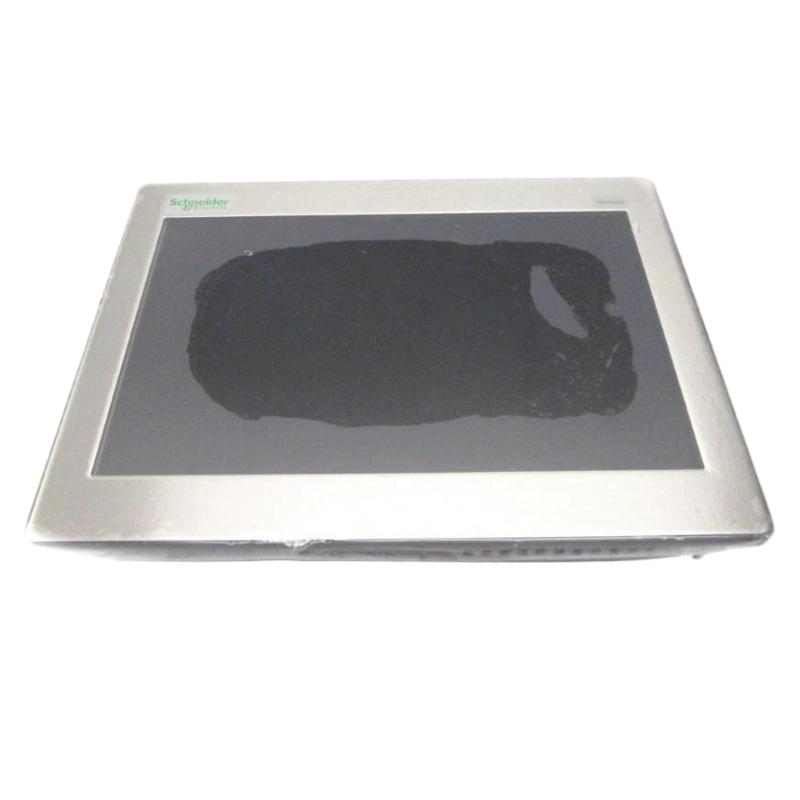
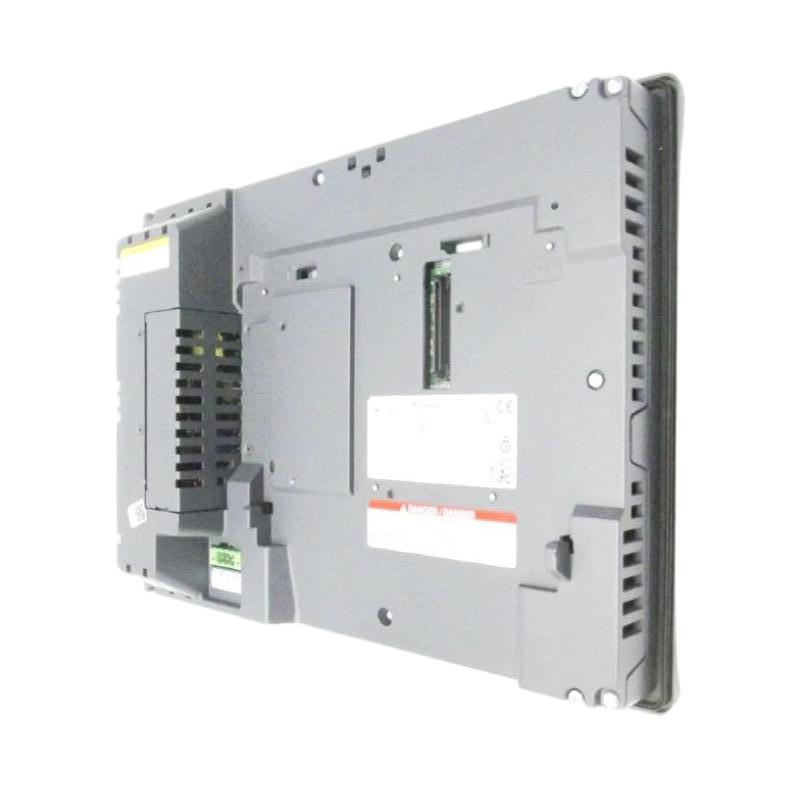
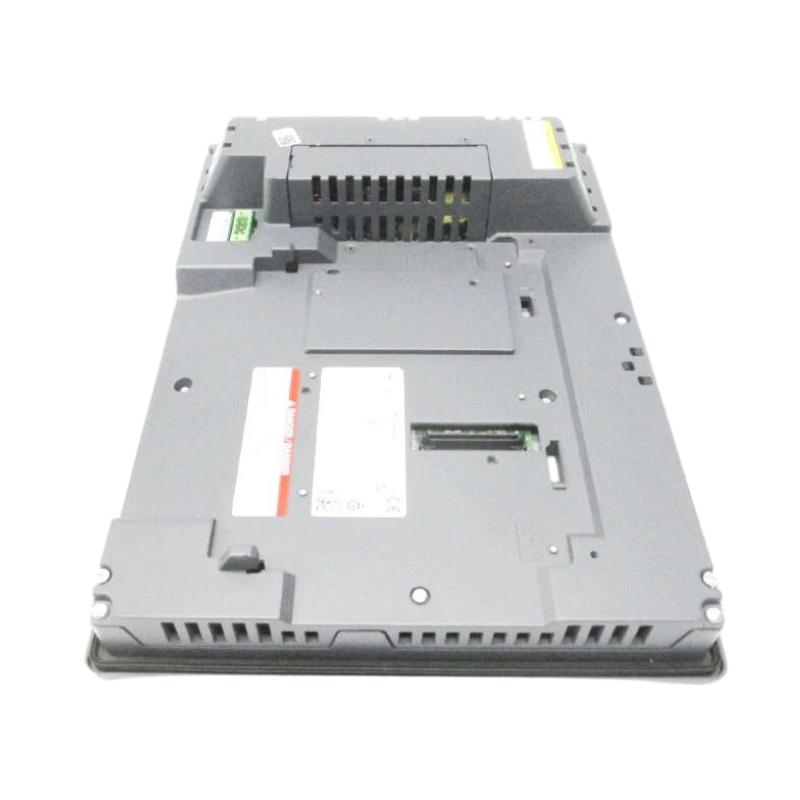
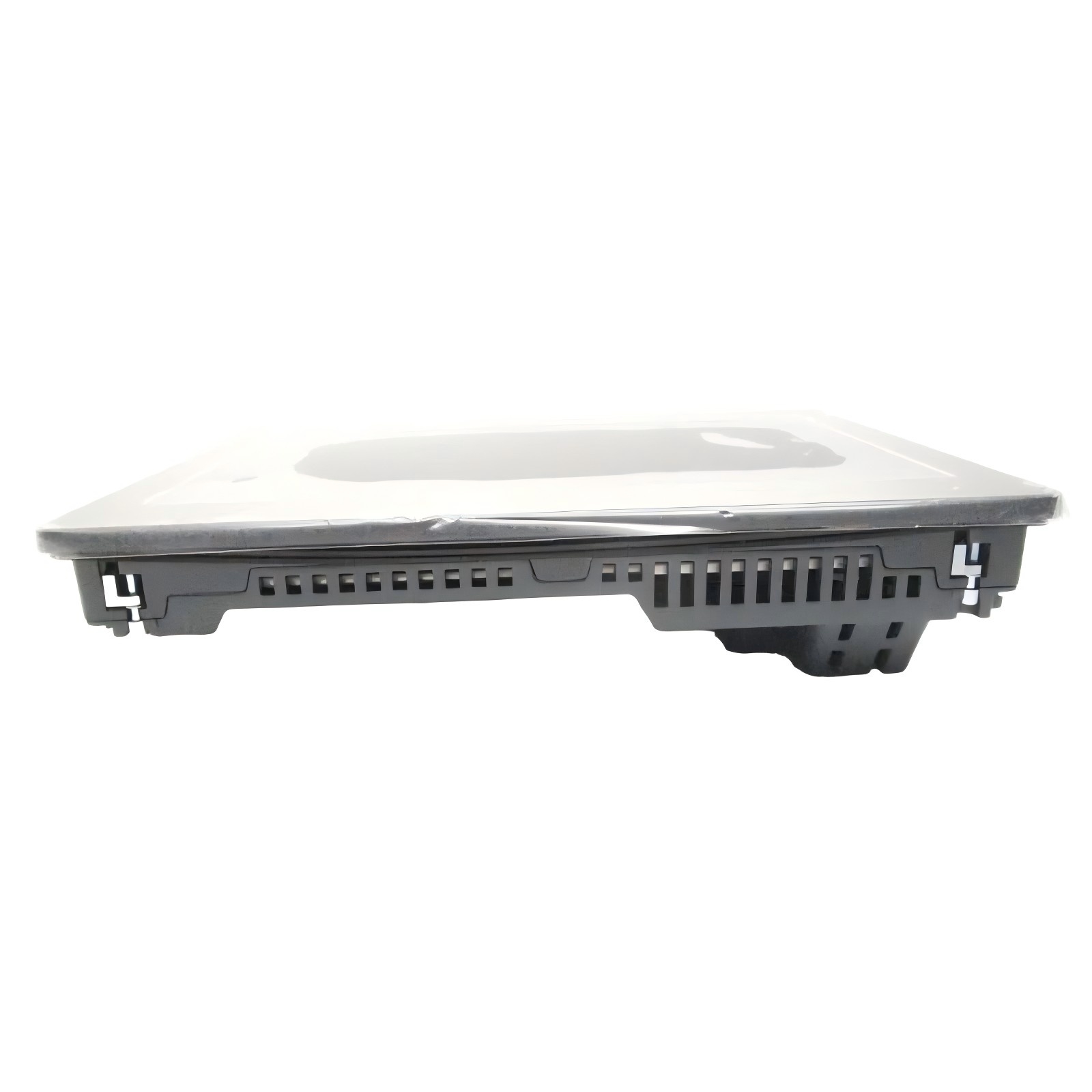
- Schneider
- HMIDT65XFH
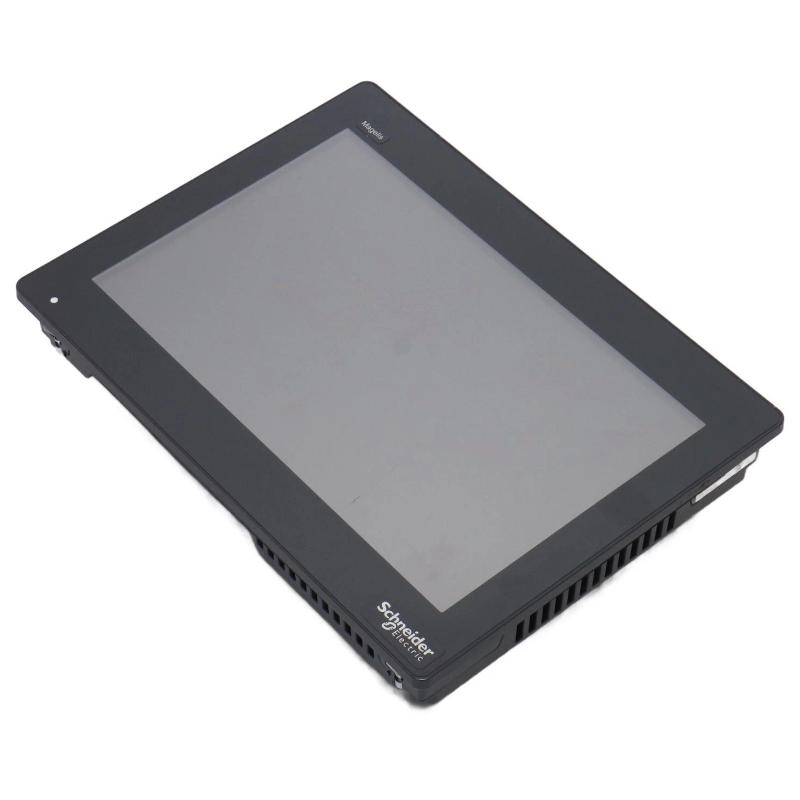
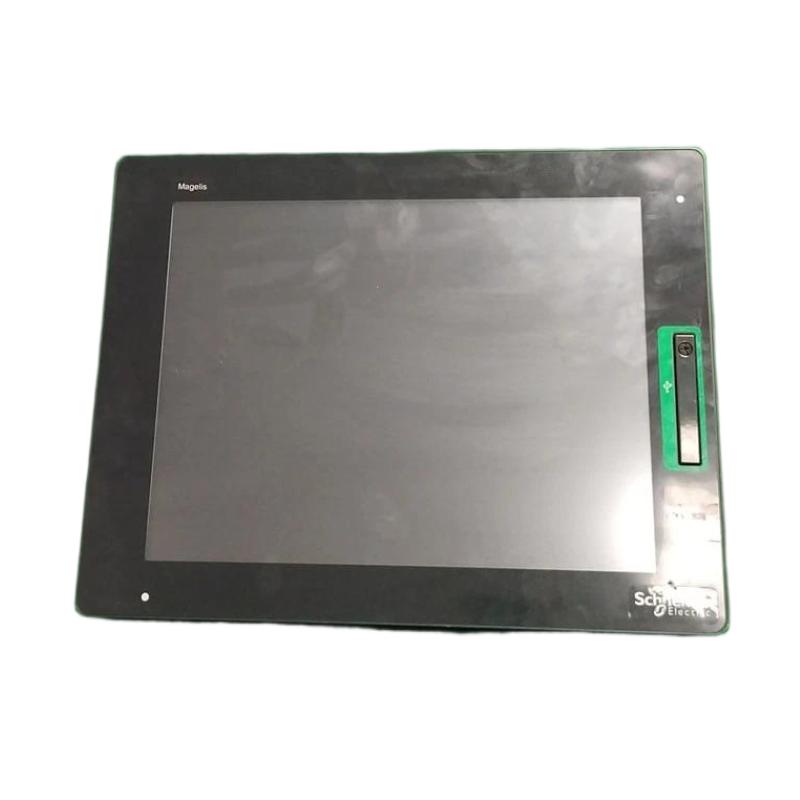
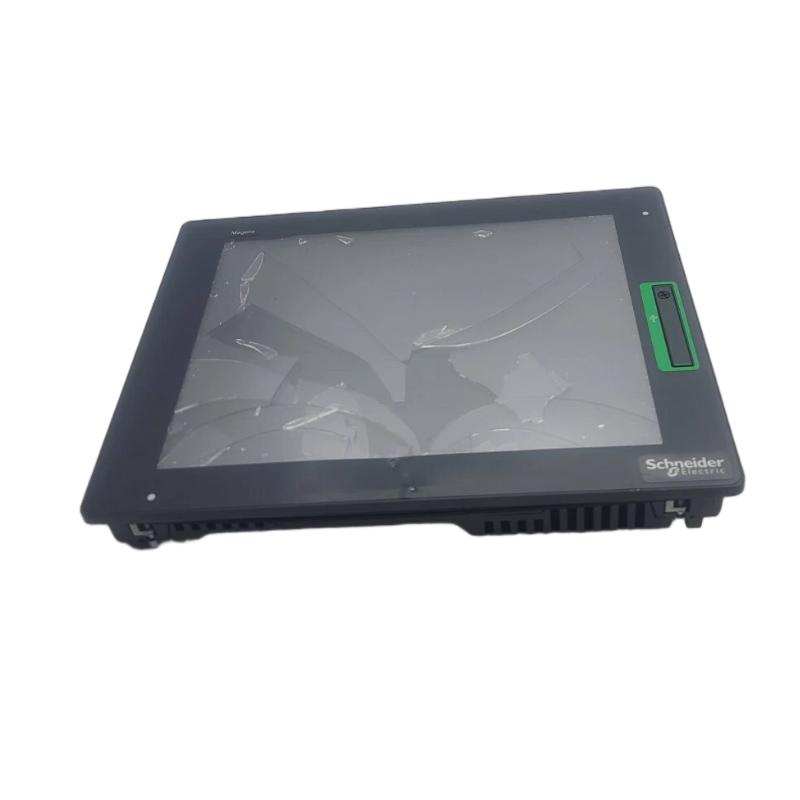
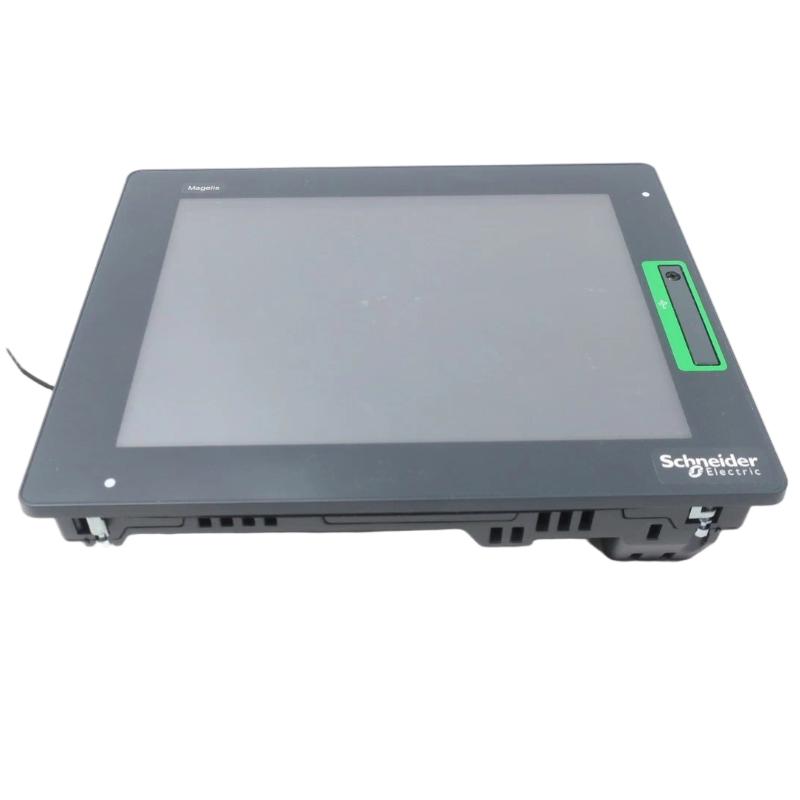
- Ultimate Touch Panel
- France
- 308.5 x 230.5 x 68 mm
- 3.2 kg
- Xiamen, China
- New & In Stock
- T/T, PayPal, Western Union
- 1 Year
- 1-3 Working Days
- DHL, UPS, TNT, FedEx and EMS.
- 24-Hour Service
- COO
- 9
Our advantage

Global Logistics
We have a 10-year logistics and express cooperation agreement, so our products can be shipped to any place in the world.

Brand new and original
Our products are imported in bulk from the place of origin. Because of the cooperative relationship, our products are all original and 100% new.

24-hour service
We provide 7*24 hours service to our customers. We will be there whenever you need us.

Price advantage
All our products are priced very favorably because we have our own warehouse and supply.
| Company Information | |||
| [email protected] | |||
| Mobile | +8615980777398 | ||
| +8615980777398 | |||
| 15980777398 |
Product Overview
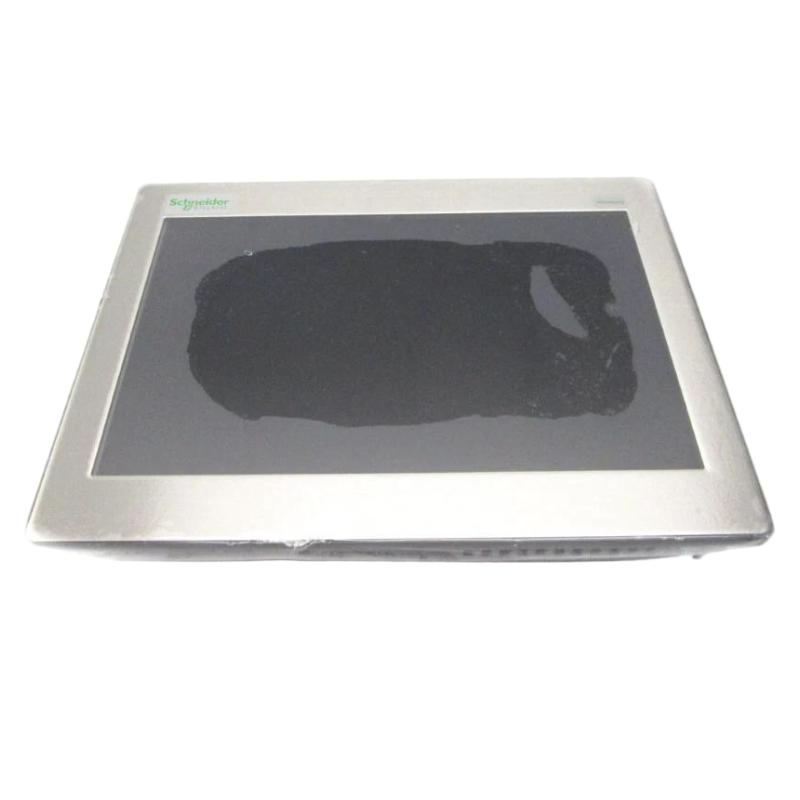
The Schneider HMIDT65XFH Ultimate Touch Panel is an industrial operator-interface device designed to provide advanced touchscreen interaction and graphical visualization for automation and machine-control applications. It can act as the operator-facing layer of an industrial control system, allowing personnel to monitor equipment, review process information, respond to alarms, access diagnostics, and interact with authorized machine functions.
Industrial automation systems frequently combine PLC controllers, remote I/O, drives, sensors, actuators, communication networks, and human-machine interfaces. A touchscreen panel provides a centralized way to organize this information into graphical screens rather than requiring a large number of separate physical indicators and controls.
The HMIDT65XFH is identified as an Ultimate Touch Panel, with supplied dimensions of 308.5 × 230.5 × 68 mm and a listed weight of 3.2 kg. Its physical format makes it suitable for applications requiring a dedicated operator interface integrated into a machine enclosure or industrial control cabinet.
The panel should be evaluated as part of a complete automation system. Exact display specifications, communication interfaces, power requirements, mounting details, environmental ratings, and software compatibility should be confirmed for the specific configuration before installation.
Technical Specifications
| Parameter | Specification |
|---|---|
| Manufacturer | Schneider Electric |
| Model | HMIDT65XFH |
| Product Type | Ultimate Touch Panel |
| Primary Function | HMI visualization and operator interaction |
| Application | Industrial automation and machine control |
| Dimensions | 308.5 × 230.5 × 68 mm |
| Weight | 3.2 kg |
| Installation | Industrial control panel / machine enclosure |
| Interface Role | Human-machine interface |
| Display Type | Touchscreen panel |
The physical dimensions and weight above are based on the supplied product information. Exact display resolution, communication interfaces, power requirements, mounting cutout, environmental limits, and software compatibility should be verified for the intended installation.
What Is the Schneider HMIDT65XFH?
The Schneider HMIDT65XFH Ultimate Touch Panel provides a graphical interface between operators and compatible automation equipment.
In a conventional automation architecture, the PLC or industrial controller executes the control logic, while the HMI presents selected information to operators and provides an interface for authorized commands.
A simplified architecture is:
Field Devices → PLC / Controller → Industrial Network → HMIDT65XFH → Operator
Field devices may include sensors, switches, transmitters, motors, valves, drives, and other equipment. The controller processes these signals and executes the machine or process logic.
The HMIDT65XFH provides the visualization layer through which operators can interact with the system.
Depending on the configured application, the panel can be used to provide:
- Machine status
- Process visualization
- Equipment monitoring
- Alarm information
- Parameter access
- Diagnostic screens
- Maintenance information
- Production information
- Graphical equipment representation
The exact functions depend on the HMI application and automation system.
Ultimate Touch Panel Function
A touchscreen HMI can combine numerous operator functions into a single configurable interface.
Instead of installing separate hardware for every operating function, the application can present different screens depending on the machine state or operator requirements.
Typical screens may include:
Machine Overview
Provides a general representation of the machine or process.
Equipment Status
Displays the condition of individual motors, pumps, valves, conveyors, drives, and other equipment.
Alarm Management
Shows active alarms and other configured warning information.
Parameter Management
Provides authorized users with access to selected machine parameters.
Diagnostic Interface
Allows maintenance personnel to review system information during troubleshooting.
Production Monitoring
Presents relevant production or operating information.
Trend Visualization
Displays selected process values over time when trend functionality is configured.
This configurable approach allows the HMIDT65XFH to serve multiple operator roles through one physical device.
Role in Industrial Automation Architecture
The HMIDT65XFH can serve as the operator and visualization layer of an industrial control system.
A typical automation architecture includes:
Field Layer → Control Layer → Communication Layer → HMI Layer
The field layer contains sensors and actuators.
The control layer contains PLCs and other controllers that execute automation logic.
The communication layer transfers data between controllers, HMIs, drives, remote I/O, and other automation devices.
The HMI layer provides operators with graphical access to selected machine and process information.
This architecture allows the HMIDT65XFH to complement the PLC rather than replacing it.
Industrial Applications
Machine Automation
The HMIDT65XFH can be used as a local operator interface for automated machinery where personnel need access to machine status and authorized operating functions.
Manufacturing Equipment
Production machinery can use touchscreen visualization for equipment status, parameters, alarms, diagnostics, and production information.
Packaging Systems
Packaging equipment can benefit from configurable operator screens for setup, operation, alarm handling, and maintenance.
Material Handling
Conveyor systems, sorting equipment, automated handling machines, and warehouse equipment can use graphical HMI displays to visualize operating conditions.
Process Equipment
Industrial process systems can use touchscreen interfaces for monitoring process values, equipment states, alarms, and diagnostics.
Utility Applications
Pump systems, ventilation equipment, water systems, and other industrial utilities can incorporate an HMI for local monitoring and operator interaction.
Physical Characteristics
The supplied dimensions of the HMIDT65XFH are:
308.5 × 230.5 × 68 mm
The listed weight is:
3.2 kg
These specifications should be considered during machine-panel and cabinet design.
Important planning factors include:
- Front-panel space
- Mounting location
- Operator access
- Viewing angle
- Rear clearance
- Cable routing
- Adjacent equipment
- Maintenance access
The 68 mm depth is particularly relevant when determining the available space behind the panel.
The overall product dimensions should not automatically be treated as the mounting cutout dimensions. The appropriate mechanical installation specification should be used when preparing the enclosure.
Installation Guidelines
Verify Model Identification
Before installation, confirm:
Schneider HMIDT65XFH Ultimate Touch Panel
The complete model number should be matched against the intended HMI application.
Prepare the Mounting Location
The enclosure or machine panel should provide the appropriate mounting opening and mechanical support.
The supplied 308.5 × 230.5 × 68 mm dimensions should be treated as the product dimensions and not assumed to represent the exact cutout.
Provide Mechanical Support
The listed weight of 3.2 kg should be considered when selecting the mounting structure.
The panel should remain secure during normal machine operation and expected vibration.
Allow Rear Clearance
Adequate space should be reserved for:
- Power connections
- Communication cables
- Connector access
- Cable bending
- Maintenance
- Heat management where required
Consider the Installation Environment
The panel should be installed in an environment appropriate for the exact product configuration.
Potential factors include:
- Dust
- Moisture
- Temperature
- Vibration
- Electrical interference
- Mechanical impact
Electrical and Communication Integration
The HMIDT65XFH should be integrated into the communication and control architecture appropriate for the application.
A typical surrounding system may include:
- Schneider Electric PLCs
- Modicon controllers
- Remote I/O
- Variable speed drives
- Servo drives
- Industrial network devices
- Sensors
- Actuators
- Process instrumentation
- Other HMI equipment
The exact communication interfaces and supported protocols should be verified for the HMIDT65XFH configuration.
Reliable communication depends on correct network configuration, device addressing, wiring, controller configuration, and HMI application settings.
HMI Application Structure
The physical panel is only one component of a complete HMI system.
The application may contain:
- Graphical screens
- Navigation
- Controller tags
- Alarm definitions
- User permissions
- Parameter settings
- Equipment graphics
- Diagnostic pages
- Trend displays
- Communication configuration
A well-designed HMI should organize information according to the needs of the operator.
A main overview screen can provide a summary of machine conditions, while additional pages can provide detailed information about specific equipment or processes.
Touchscreen Operator Interface
The touchscreen allows many operator functions to be implemented through software.
Common interface elements include:
- Graphical push buttons
- Status indicators
- Numeric displays
- Numeric input fields
- Alarm lists
- Navigation controls
- Equipment diagrams
- Trend objects
- Diagnostic indicators
The interface should clearly distinguish between monitoring information and control commands.
For critical machine operations, appropriate permissions, interlocks, and confirmation procedures should be implemented in the overall control system.
The HMI itself should not be considered a substitute for dedicated safety systems.
Commissioning Procedure
A systematic commissioning process can help verify the complete installation.
1. Mechanical Inspection
Confirm that the HMIDT65XFH is securely mounted.
2. Wiring Inspection
Check all applicable power and communication connections.
3. Power-Up Test
Energize the panel and confirm normal startup.
4. Communication Test
Verify communication between the touchscreen panel and the intended controller.
5. Application Verification
Confirm that the correct HMI application and configuration are available.
6. Screen Testing
Test screen navigation, graphical objects, status information, and data displays.
7. Touchscreen Test
Verify that touchscreen inputs respond correctly.
8. Alarm Verification
Check configured alarm conditions and display behavior.
9. Process Verification
Compare HMI information with the corresponding controller and field-device data.
Troubleshooting the HMIDT65XFH
Panel Does Not Start
If the panel does not power up, check:
- Power source
- Power wiring
- Connectors
- Protection devices
- External electrical conditions
- Installation environment
A power problem should be eliminated before diagnosing a hardware failure.
Touchscreen Is Not Responding
If the display is active but touchscreen interaction fails, inspect:
- Screen surface
- Application configuration
- Software behavior
- Touch-related settings
- Physical damage
If only selected buttons fail, review the HMI application before replacing the display.
Communication Problem
If the HMI cannot obtain controller information, check:
- Network connection
- Communication cables
- Device addressing
- Controller status
- HMI communication settings
- Application configuration
Communication problems may originate outside the HMI hardware.
Incorrect Data
If displayed values do not match the actual process, compare the HMI information with the controller data.
Potential causes include:
- Incorrect tag mapping
- Incorrect scaling
- PLC configuration
- Communication errors
- HMI application settings
Intermittent Faults
Intermittent HMI behavior can result from:
- Loose connections
- Unstable power
- Network interruptions
- Damaged cables
- Electrical interference
- Environmental conditions
- Software problems
- Hardware faults
Recording the operating conditions when the fault occurs can help identify the source.
Preventive Maintenance
Regular inspection can help maintain reliable HMIDT65XFH operation.
Clean the Touch Surface
Keep the touchscreen clean and free from excessive dust, oil, and contamination.
Inspect the Mounting
Check the mechanical mounting and surrounding panel for looseness or damage.
Check Cables
Inspect power and communication cables for wear, loose connections, and physical damage.
Monitor Network Performance
Recurring communication faults should be investigated.
Maintain Application Backups
Keep a current copy of the HMI project and configuration.
Check Environmental Conditions
Ensure that the control-panel environment remains suitable for the installed equipment.
HMI Project Backup and Configuration Management
The HMI hardware and its application should be managed as two related components.
The application may contain important information such as:
- Screen layouts
- Navigation
- Controller tags
- Alarm settings
- Machine parameters
- User access
- Equipment graphics
- Diagnostic functions
- Communication settings
A current project backup is valuable when troubleshooting or replacing the HMIDT65XFH.
Before removing or replacing an HMI, relevant project files and configuration information should be preserved where applicable.
Replacement Considerations
When sourcing a replacement for the Schneider HMIDT65XFH Ultimate Touch Panel, the complete model designation should be verified.
Important considerations include:
- Full model number
- Product type
- Physical dimensions
- Mounting configuration
- Software compatibility
- Communication architecture
- Power requirements
- Environmental conditions
- Existing HMI application
The supplied physical specifications are:
Dimensions: 308.5 × 230.5 × 68 mm
Weight: 3.2 kg
A similarly sized touchscreen should not automatically be considered a direct replacement. Mechanical, electrical, communication, software, and environmental compatibility must all be evaluated.
Control Cabinet Layout
The HMIDT65XFH should be considered during the cabinet engineering stage.
The 308.5 × 230.5 mm footprint requires adequate front-panel space for comfortable operator interaction.
The 68 mm depth should also be considered when positioning components behind the panel.
Nearby equipment may include:
- PLC racks
- Power supplies
- Drives
- Circuit protection
- Terminal blocks
- Communication equipment
- Push buttons
- Indicator lamps
- Emergency-stop devices
The HMI should be positioned so operators can use it comfortably while maintaining access to other important controls.
System-Level Diagnostics
HMI problems should be investigated as part of the complete automation architecture.
For example, an incorrect equipment status may follow a fault path such as:
HMI Tag → Network → PLC Logic → I/O → Field Device
Likewise, an HMI communication alarm does not necessarily indicate a defective touchscreen.
The network, controller, application configuration, field signals, and HMI hardware should all be considered during troubleshooting.
This approach can help maintenance personnel identify the actual fault source before replacing components.
Key Advantages
The Schneider HMIDT65XFH provides several useful characteristics for industrial automation applications:
- Ultimate touchscreen operator interface
- 308.5 × 230.5 × 68 mm physical format
- Listed weight of 3.2 kg
- Graphical machine visualization
- Touch-based operator interaction
- Configurable HMI screen architecture
- Centralized equipment monitoring
- Alarm and diagnostic visualization
- Suitable for PLC-based automation systems
- Suitable for industrial machine-control applications
- Practical solution for local operator interaction
Technical FAQs
What is the Schneider HMIDT65XFH?
The Schneider HMIDT65XFH is an Ultimate Touch Panel designed to provide graphical visualization and touchscreen operator interaction within compatible industrial automation systems.
What are the dimensions of the HMIDT65XFH?
The supplied dimensions are 308.5 × 230.5 × 68 mm.
How much does the HMIDT65XFH weigh?
The listed weight is 3.2 kg.
Is the HMIDT65XFH a PLC?
No. The HMIDT65XFH is a touchscreen HMI panel. The PLC or controller normally executes the primary machine-control logic.
What is the main function of the HMIDT65XFH?
It provides an operator interface for monitoring machine conditions, displaying process information, managing alarms, viewing diagnostics, and interacting with authorized control functions.
What can be displayed on an industrial HMI?
Depending on the configured application, the HMI can display machine states, process variables, alarms, parameters, diagnostic information, production data, and graphical equipment representations.
Can the HMIDT65XFH be used in a machine control cabinet?
It can be integrated into suitable industrial machine and control-panel applications when the mounting, electrical, communication, and environmental requirements are satisfied.
Are 308.5 × 230.5 × 68 mm the panel cutout dimensions?
No. These are the supplied physical dimensions of the product. The actual mounting cutout should be determined from the applicable installation specifications.
What should be checked if the HMI cannot communicate with the PLC?
Check the network connection, communication settings, addressing, controller status, cables, HMI application configuration, and tag mapping.
Why is an HMI project backup important?
The project may contain screen layouts, tags, alarms, parameters, navigation, and communication settings. A current backup can significantly simplify replacement and system recovery.
Can another touchscreen with similar dimensions replace the HMIDT65XFH?
Not automatically. Physical dimensions alone do not establish compatibility. Mechanical, electrical, software, communication, and environmental requirements must also be verified.
Conclusion
The Schneider HMIDT65XFH Ultimate Touch Panel is an industrial human-machine interface designed to provide a graphical connection between operators and compatible automation equipment. Its touchscreen interface can organize machine information, process data, alarms, diagnostics, parameters, and authorized control functions into a configurable operator environment.
The supplied physical specifications are 308.5 × 230.5 × 68 mm, with a listed weight of 3.2 kg. These values are important for control-panel layout, mounting preparation, enclosure design, rear-clearance planning, cable routing, and replacement logistics.
Reliable operation depends on the complete automation system, including the HMI hardware, application software, PLC or controller, communication network, power system, and field devices. Proper installation, commissioning, application backup, preventive maintenance, and structured troubleshooting can help maintain stable operator interaction.
For new installations or replacement projects, the complete Schneider HMIDT65XFH model should be verified together with its mechanical mounting requirements, electrical configuration, software compatibility, communication architecture, and environmental conditions before commissioning.