Honeywell is continuing to move industrial automation from traditional process control toward more autonomous operations with its Experion Cognition platform. The AI-enabled control system is designed to help industrial facilities detect abnormal conditions, recommend corrective actions and automate selected operational decisions.
The technology has been demonstrated at Borouge International’s Ruwais facility in Abu Dhabi, where the companies are evaluating AI-based autonomous operations for complex petrochemical processes. Honeywell says the initiative is intended to improve production performance, operational reliability and safety while helping address the industrial skills gap.
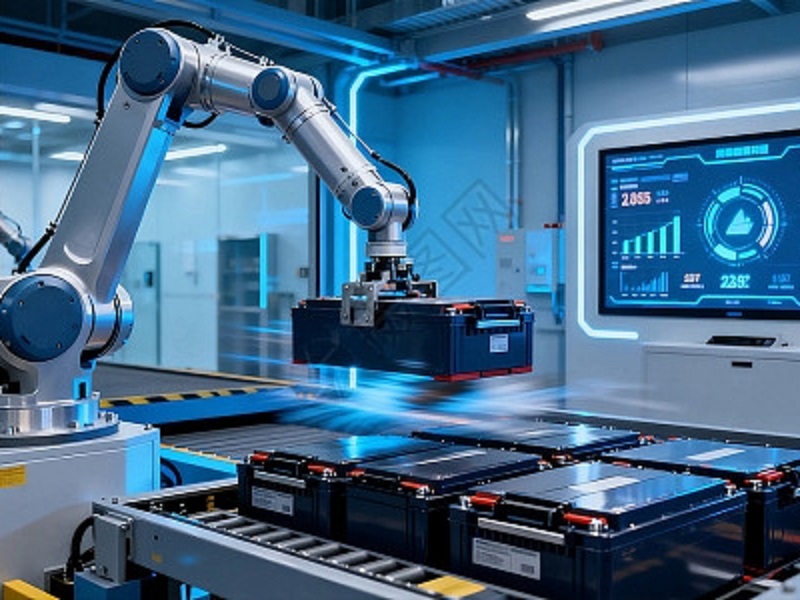
AI-Enabled Control Room Operations
Experion Cognition combines Honeywell’s process automation technologies with artificial intelligence to provide additional intelligence within the control room.
Instead of relying exclusively on operators to interpret alarms and process conditions, the platform can analyze operational information and provide recommendations or take automated actions in defined situations.
One of its key functions is identifying developing abnormal conditions before they become major process disturbances. Honeywell reported that in multiple pilot applications, the system was able to predict certain alarm events an average of 5–10 minutes in advance.
This additional warning can give operators more time to investigate process conditions and respond before production is affected.
Integration with Experion PKS
Experion Cognition is designed to work within the Honeywell Experion PKS distributed control system environment.
This integration is important because autonomous operation requires more than an independent AI application. AI recommendations need access to real-time process information while remaining connected to established control, alarm and safety architectures.
By combining AI capabilities with an existing DCS environment, Honeywell is positioning autonomous operations as an extension of industrial control rather than a completely separate system.
Addressing the Industrial Skills Gap
The industrial workforce is another major factor behind the development of autonomous control technologies.
Many process plants depend on experienced operators who have accumulated years of knowledge about equipment behavior, process disturbances and abnormal operating conditions. As experienced personnel retire, manufacturers need technologies that can help transfer and supplement this operational knowledge.
Experion Cognition is designed to delegate some cognitive tasks to AI-based agents while keeping operators involved in plant management.
This could allow less-experienced personnel to receive more context when responding to complicated process conditions, while experienced engineers can focus on higher-level optimization and plant performance.
From Automation to Autonomy
Honeywell’s broader strategy is increasingly focused on the transition from automation to autonomy. Its recent technology initiatives combine industrial data, AI, process control and digital platforms to support more intelligent operations.
The company is also expanding its industrial cybersecurity portfolio, including AI-powered monitoring designed specifically for operational technology environments.
Together, these developments indicate that future industrial automation systems will increasingly combine traditional PLC and DCS control with AI-based analysis, predictive capabilities and autonomous decision support.
Outlook for Process Automation
AI-enabled control rooms could become increasingly important in oil and gas, petrochemical, chemical, power generation and other continuous-process industries.
For automation engineers, the development of Experion Cognition demonstrates how DCS, AI, predictive analytics and autonomous operations are gradually converging into a single industrial technology environment.
As manufacturers continue modernizing their control systems, the next stage of industrial automation may focus not only on controlling equipment automatically, but also on using AI to understand process conditions, anticipate disturbances and support faster operational decisions.