

ProductPRODUCT
Featured products
Contact Us
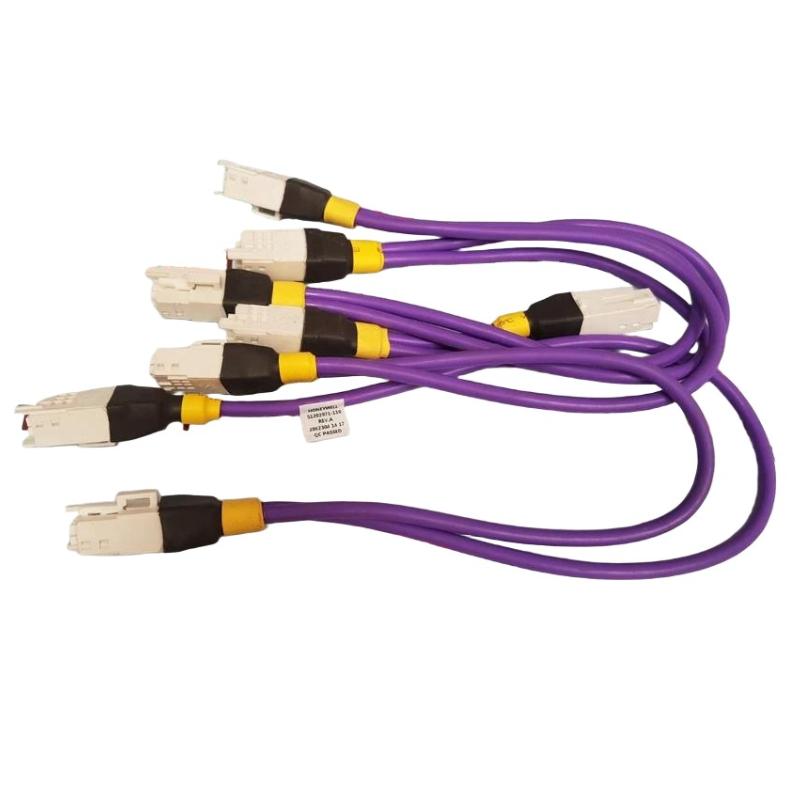
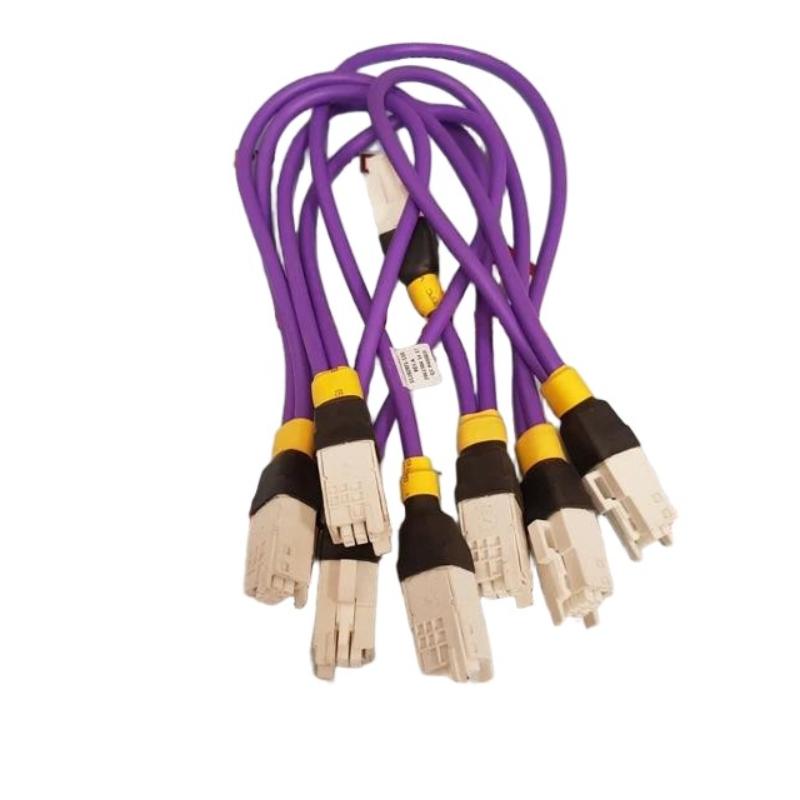
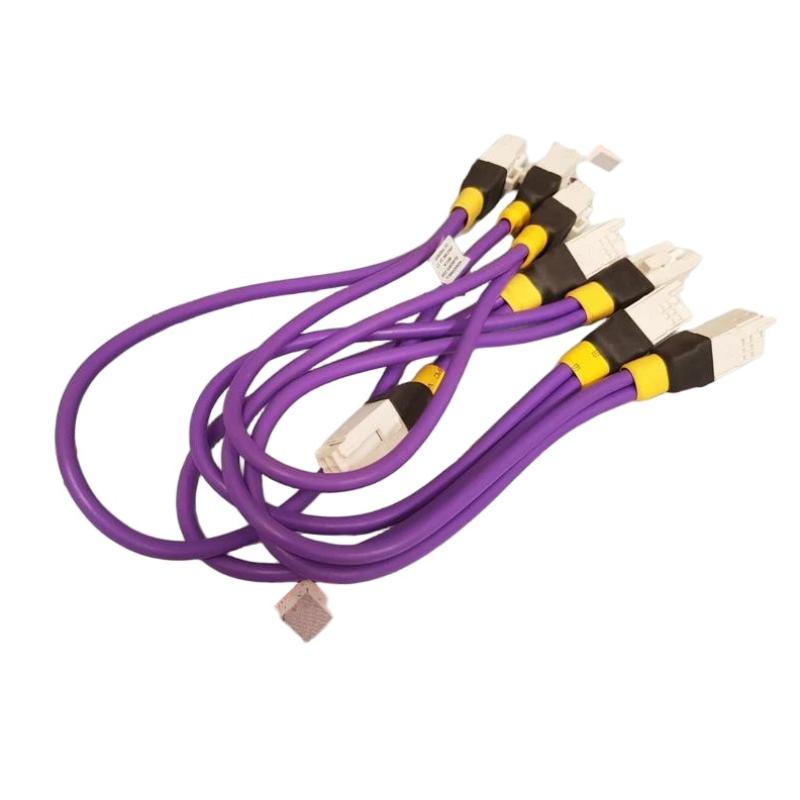
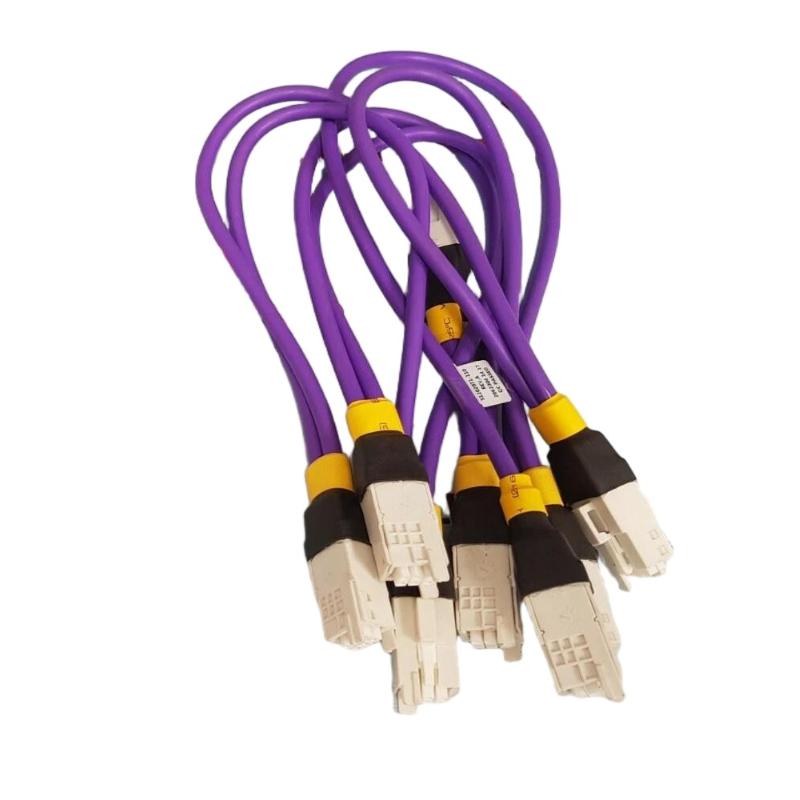
- Honeywell
- 51202971-112
- I/O Connection Cable
- USA
- Optional
- 3 kg
- Xiamen, China
- New & In Stock
- T/T, PayPal, Western Union
- 1 Year
- 1-3 Working Days
- DHL, UPS, TNT, FedEx and EMS.
- 24-Hour Service
- COO
- 132
Our advantage

Global Logistics
We have a 10-year logistics and express cooperation agreement, so our products can be shipped to any place in the world.

Brand new and original
Our products are imported in bulk from the place of origin. Because of the cooperative relationship, our products are all original and 100% new.

24-hour service
We provide 7*24 hours service to our customers. We will be there whenever you need us.

Price advantage
All our products are priced very favorably because we have our own warehouse and supply.
| Company Information | |||
| [email protected] | |||
| Mobile | +8615980777398 | ||
| +8615980777398 | |||
| 15980777398 |
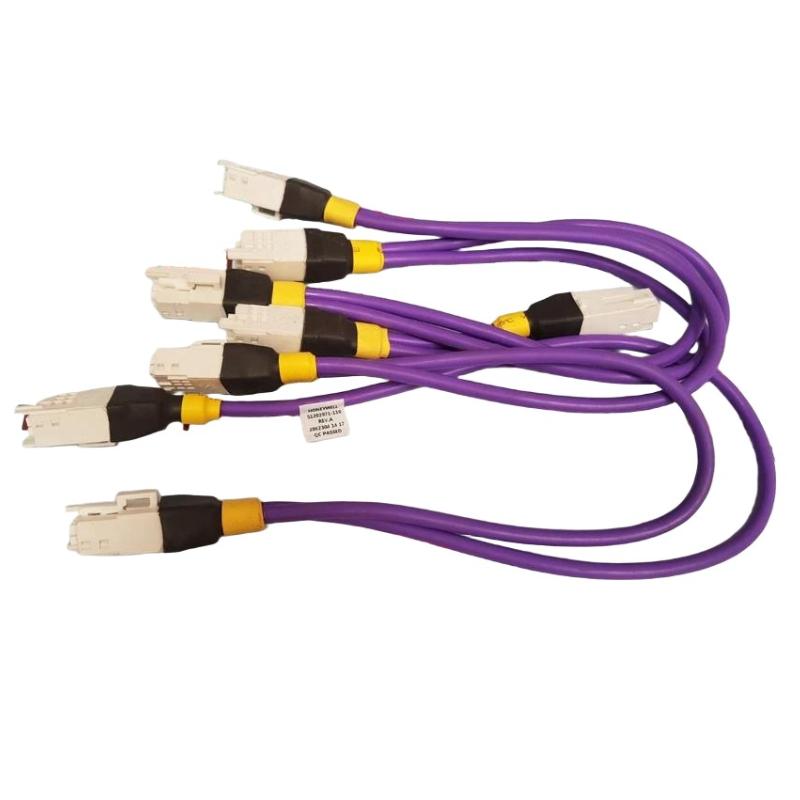
Product Overview
The Honeywell 51202971-112 I/O Connection Cable is an industrial I/O link communication and power transmission cable used in Honeywell distributed control systems (DCS).
It is designed to connect I/O modules to system communication units (such as HPMM or equivalent controller interfaces in legacy Honeywell architectures), enabling stable data transmission and power distribution between control system components.
This cable is widely used in high-reliability industrial automation systems, especially in Honeywell TDC 3000 and related DCS architectures.
Technical Specifications
| Parameter | Details |
|---|---|
| Manufacturer | Honeywell |
| Model | 51202971-112 |
| Product Type | I/O Connection Cable / I/O Link Cable |
| System Platform | Honeywell DCS (TDC 3000 / related architectures) |
| Cable Function | I/O module communication + power transmission |
| Cable Type | Multi-core shielded industrial link cable |
| Length | Optional (commonly 1.5 m – 5 m depending on system configuration) |
| Signal Type | Digital communication + system power lines |
| Connector Type | Industrial multi-pin system connectors |
| Shielding | EMI-shielded industrial-grade construction |
| Installation | Cabinet internal wiring / system interconnect |
| Operating Temperature | -20°C to +70°C (typical industrial range) |
| Storage Temperature | -40°C to +85°C |
| Humidity Range | 5% to 95% non-condensing |
| Weight | Approx. 0.3 kg – 1 kg (varies by length/configuration) |
| Application Environment | Industrial control cabinets |
Function and Working Principle
The 51202971-112 cable operates as a combined communication and power backbone in Honeywell control systems.
Working principle:
- Data Transmission Layer
Transfers I/O signals between field I/O modules and system interface controllers. - Power Distribution Path
Supplies regulated system power to multiple connected I/O modules (multi-drop design). - Multi-Drop Communication Structure
Supports connection of multiple I/O modules through a single cable backbone. - Signal Integrity Protection
EMI shielding reduces noise in high-interference industrial environments. - System Synchronization
Ensures real-time synchronization between distributed I/O nodes and controller units. - Plug-and-Play System Integration
Designed for standardized Honeywell DCS cabinet wiring layouts.
Role in System Architecture
The 51202971-112 cable acts as a critical system interconnect layer in Honeywell DCS environments.
It is responsible for:
- Linking I/O modules with controller interface systems
- Providing both power and communication in a single cable structure
- Reducing cabinet wiring complexity
- Supporting modular expansion of I/O systems
- Ensuring stable real-time process data transmission
In system architecture, it functions as the communication and power backbone of distributed I/O subsystems.
Industrial Applications
The Honeywell 51202971-112 is widely used in:
- Oil and gas production systems
- Petrochemical processing plants
- Power generation control systems
- Refinery automation systems
- Water and wastewater treatment facilities
- Chemical process industries
- Large-scale DCS control cabinets
- Industrial monitoring and safety systems
It is especially suitable for legacy Honeywell DCS installations requiring reliable multi-drop I/O connectivity.
Installation & Integration
Proper installation ensures stable system performance:
- Installed inside industrial control cabinets only
- Connects I/O modules to system interface units
- Must follow Honeywell DCS wiring and layout standards
- Requires proper grounding and EMI shielding practices
- Cable routing should avoid high-voltage interference sources
- Connectors must be fully locked during installation
- Used in fixed system architecture (not field-flexible cabling)
Compatible Components
The 51202971-112 typically works with:
- Honeywell TDC 3000 I/O systems
- HPMM (High Performance Monitoring Modules)
- I/O interface modules
- Field transmitters and signal conditioning units
- Controller processing units
- DCS system racks and backplanes
- Honeywell industrial power modules
- SCADA and process control systems
Recommended Alternative Models
| Model | Type | Feature | Application |
|---|---|---|---|
| 51202971-110 | I/O Cable | Earlier revision | Legacy systems |
| 51202971-120 | I/O Cable | Updated revision | Improved reliability systems |
| Honeywell HC900 RTC Series | Modern cable system | Modular architecture | HC900 platforms |
| Custom DCS cabling | Alternative | Flexible configuration | Retrofit projects |
| Fiber-based I/O links | Upgrade option | Long-distance communication | Advanced systems |
Advantages
- Combines power and communication in one cable
- Reduces complex field wiring
- Supports multi-drop I/O architecture
- High EMI resistance for industrial environments
- Stable long-term signal transmission
- Compatible with Honeywell legacy DCS systems
- Improves cabinet organization and maintainability
- Designed for continuous industrial operation
FAQs
Q1: What is the main function of the 51202971-112 cable?
It connects I/O modules with controller systems while transmitting both power and data.
Q2: Is it a standard Ethernet cable?
No, it is a proprietary industrial I/O link cable used in Honeywell DCS systems.
Q3: Can it be used in HC900 systems?
No, it is primarily designed for older Honeywell DCS architectures such as TDC 3000.
Q4: Does it support multiple I/O modules?
Yes, it supports multi-drop I/O architecture depending on system design.
Q5: Is it field-installable?
Yes, but it is typically used inside control cabinets.
Conclusion
The Honeywell 51202971-112 I/O Connection Cable is a critical component in Honeywell distributed control systems, providing reliable communication and power distribution for I/O modules. Its robust design, EMI shielding, and multi-drop capability make it essential for stable operation in industrial automation environments, especially within legacy DCS architectures.