
NewsNEWCENTER
Featured products






Contact Us
GE Vernova Faces Vineyard Offshore Wind Project Exit: $800 Million Turbine Dispute Highlights Offshore Wind Risks
2026-06-05GE Vernova Exits Vineyard Offshore Wind Project
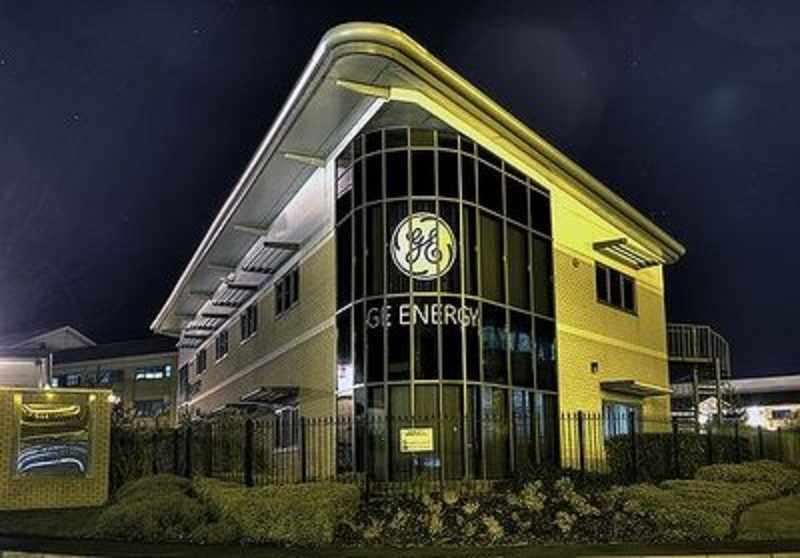
General Electric Energy (GE Vernova) has announced its exit from the Vineyard offshore wind farm project, following a high-stakes dispute over turbine supply contracts valued at $800 million.
The move underscores the complex financial, technical, and operational risks associated with large-scale offshore wind projects, particularly amid rising global demand for renewable energy.
Turbine Dispute and Project Challenges
The dispute centers on the delivery, performance, and contractual obligations of offshore wind turbines provided by GE Vernova. Key factors influencing the project include:
- Delays in turbine delivery and installation
- Technical performance challenges under offshore conditions
- Contractual disagreements with project developers
- Financial exposure associated with multi-billion-dollar offshore projects
Industry experts note that this case highlights the vulnerability of offshore wind projects to supply chain and technical disputes, even for established energy technology providers.
Implications for the Offshore Wind Sector
GE Vernova’s exit and the $800 million turbine dispute have significant implications for the global offshore wind industry:
- Increased Risk Awareness: Developers and investors may now more closely evaluate supply chain, contractual, and performance risks.
- Financial Exposure: Offshore wind projects involve substantial capital commitments, making risk mitigation critical.
- Project Delays: Legal and operational disputes can slow project commissioning and energy production timelines.
- Contract Management: Emphasizes the importance of clear performance agreements and dispute resolution mechanisms.
The incident may prompt heightened scrutiny of turbine contracts, supplier capabilities, and risk-sharing arrangements in future offshore wind developments.
Industry Context: Offshore Wind Growth and Challenges
Despite the risks, the offshore wind market continues to grow due to global energy transition initiatives:
- Rising renewable energy demand driven by decarbonization policies
- Technological advancements in turbine efficiency and floating wind solutions
- International investment opportunities in green energy infrastructure
- Increasing competition among turbine manufacturers
However, high-profile disputes like the Vineyard project remind stakeholders that project execution and contractual certainty are as critical as technological capability.
Outlook: Managing Offshore Wind Risks
Industry analysts recommend strategies to reduce risk in offshore wind projects:
- Rigorous supplier vetting and performance validation
- Detailed contractual agreements with penalties and warranties
- Comprehensive risk management and insurance coverage
- Adoption of digital monitoring and predictive maintenance for turbines
GE Vernova’s Vineyard project dispute may serve as a case study for global offshore wind developers, shaping how future projects manage contractual, technical, and financial risks.
Conclusion
The withdrawal of GE Vernova from the Vineyard offshore wind farm due to the $800 million turbine dispute signals a cautionary moment for the offshore wind sector. While offshore wind continues to be a cornerstone of global renewable energy transition, this case emphasizes the importance of robust contractual frameworks, risk management, and supplier reliability in ensuring project success.
For industrial control, energy equipment, and export-focused companies, such developments highlight the critical role of technology reliability, supply chain management, and strategic risk assessment in global renewable energy projects.