

ProductPRODUCT
Featured products

Contact Us
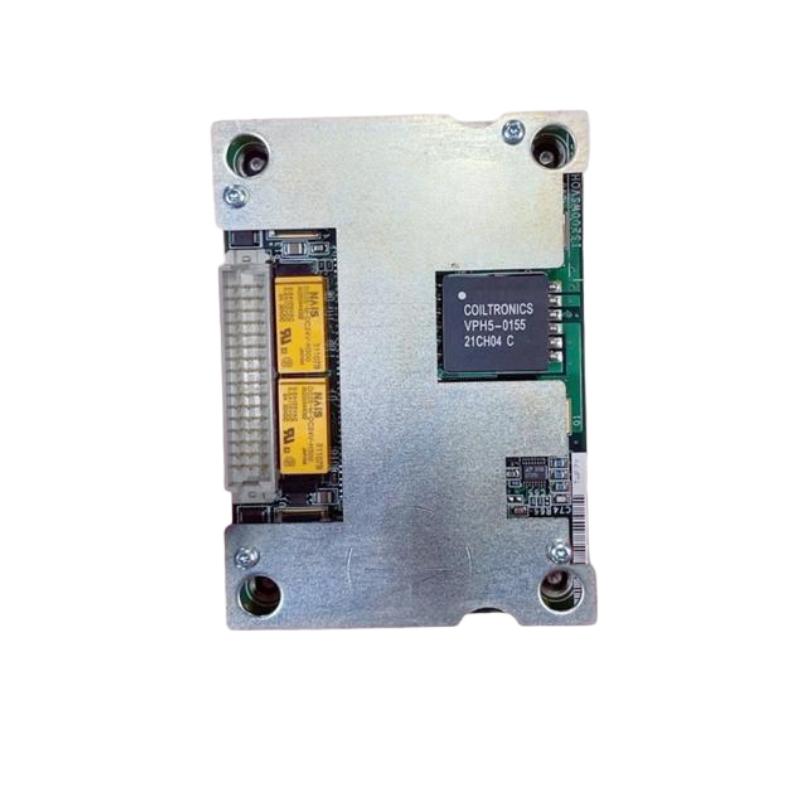
- GE
- IS210WSVOH1A
- WSVO Radiator Assembly
- USA
- 236 x 256 x 168 mm
- 1 kg
- Xiamen, China
- New & In Stock
- T/T, PayPal, Western Union
- 1 Year
- 1-3 Working Days
- DHL, UPS, TNT, FedEx and EMS.
- 24-Hour Service
- COO
- 1
Our advantage

Global Logistics
We have a 10-year logistics and express cooperation agreement, so our products can be shipped to any place in the world.

Brand new and original
Our products are imported in bulk from the place of origin. Because of the cooperative relationship, our products are all original and 100% new.

24-hour service
We provide 7*24 hours service to our customers. We will be there whenever you need us.

Price advantage
All our products are priced very favorably because we have our own warehouse and supply.
| Company Information | |||
| [email protected] | |||
| Mobile | +8615980777398 | ||
| +8615980777398 | |||
| 15980777398 |
Product Overview
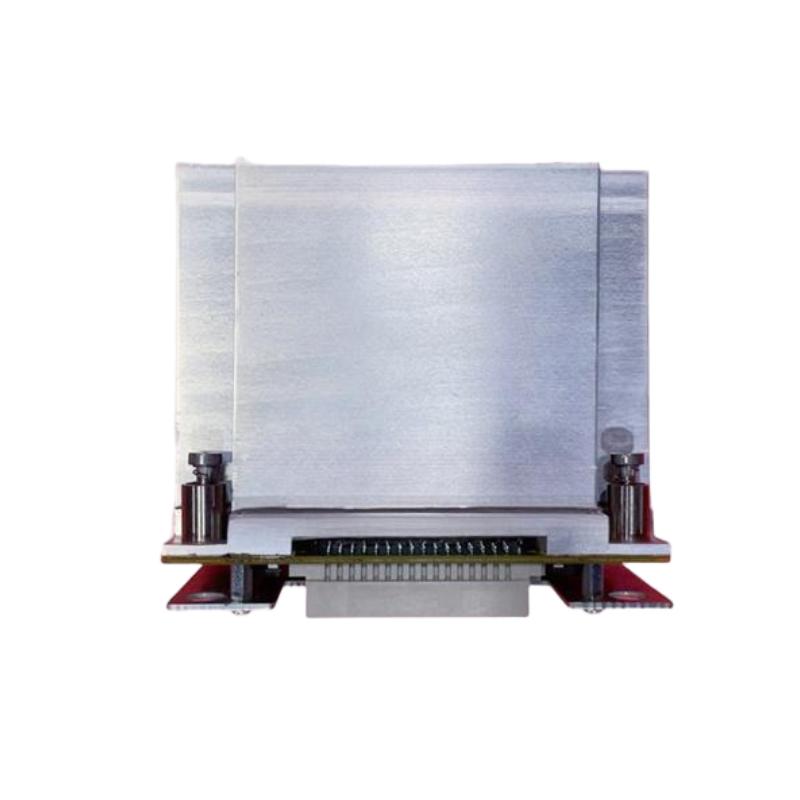
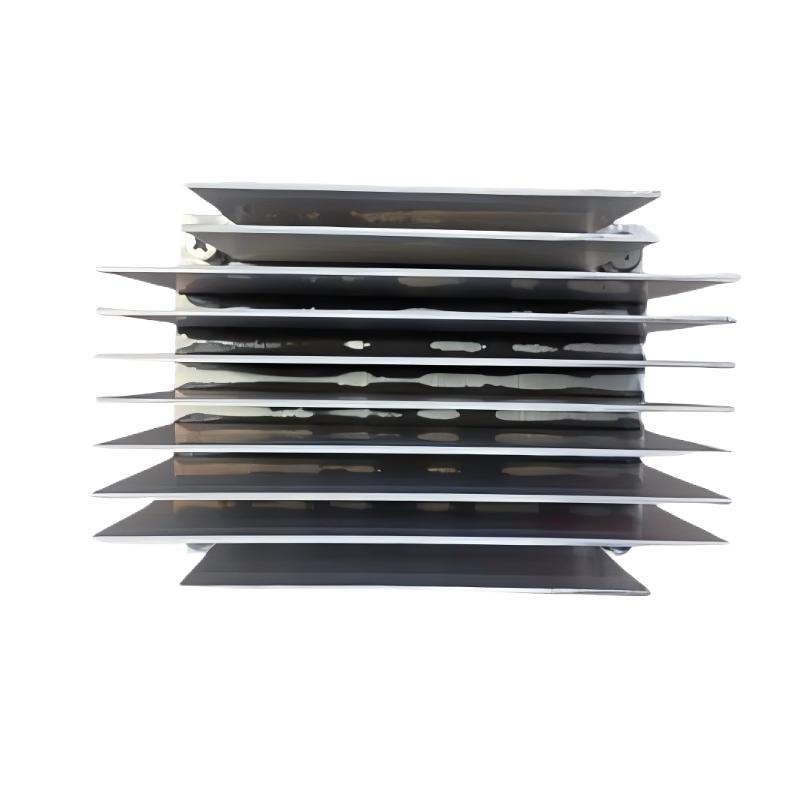
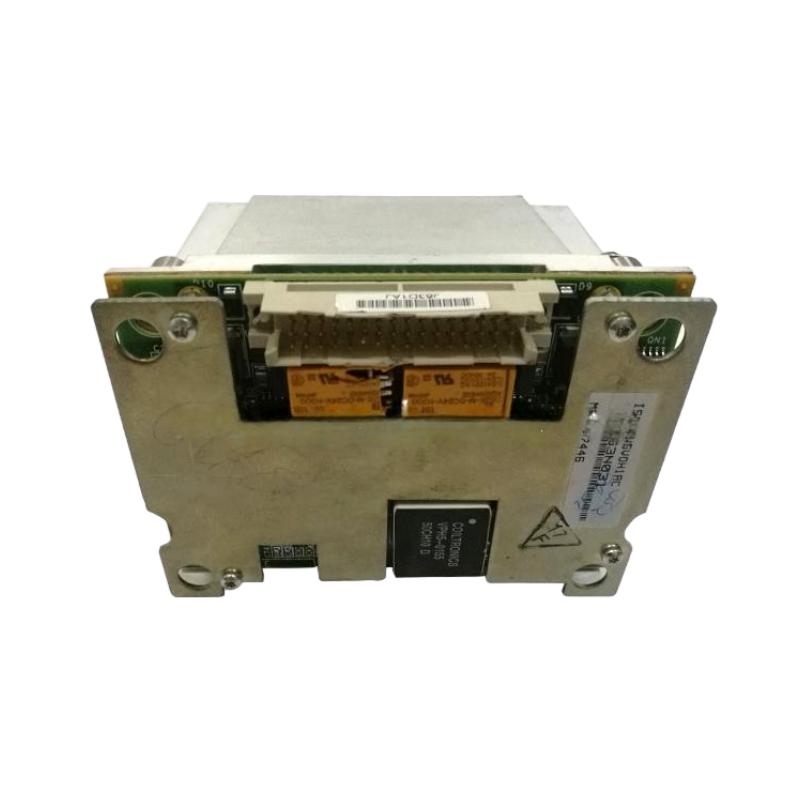
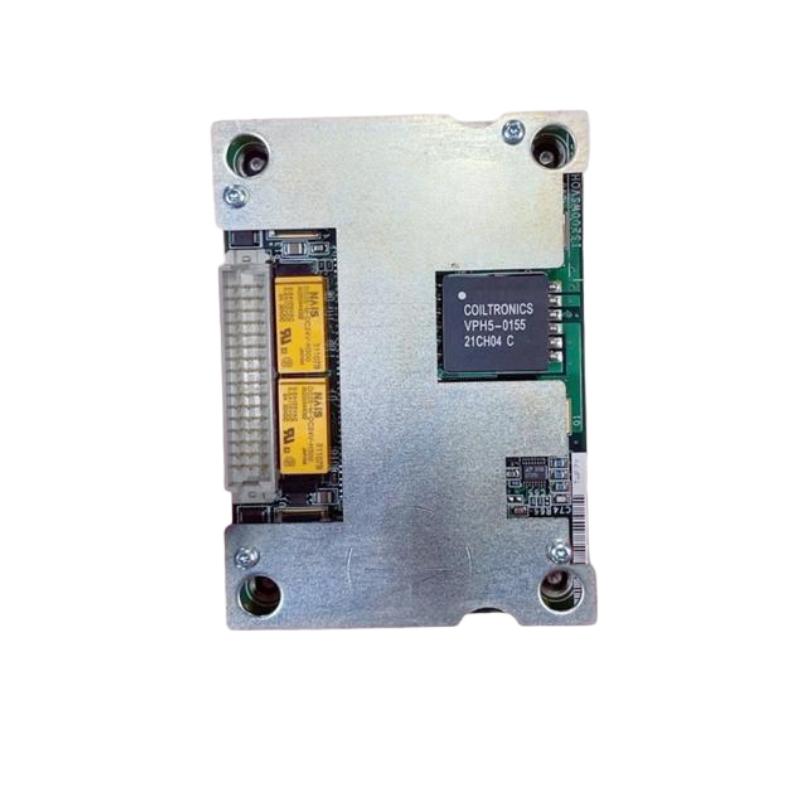
The GE IS210WSVOH1A WSVO Radiator Assembly is a specialized thermal-management component designed for integration into compatible GE industrial control and power electronics equipment. As part of the GE IS210 family, this radiator assembly provides a mechanical and thermal interface intended to support heat dissipation from associated electronic or power components.
Effective thermal management is essential in industrial control systems because electronic components continuously generate heat during operation. If heat is not transferred away efficiently, component temperature can increase, potentially affecting operating stability, service life, and overall system reliability.
The GE IS210WSVOH1A has listed dimensions of 236 × 256 × 168 mm and a weight of approximately 1 kg. Its relatively compact mechanical construction allows it to be incorporated into equipment where heat dissipation and cabinet space must be considered together.
The radiator assembly should be viewed as part of a complete thermal-management system. Its actual mounting arrangement, heat-transfer path, compatible hardware, and operating requirements depend on the equipment in which it is installed.
Technical Specifications
| Parameter | Specification |
|---|---|
| Manufacturer | General Electric (GE) |
| Model | IS210WSVOH1A |
| Product Type | WSVO Radiator Assembly |
| Product Family | GE IS210 Series |
| Primary Function | Thermal management and heat dissipation |
| Assembly Type | Radiator / Cooling Assembly |
| Application | Industrial Control and Power Electronics |
| Installation | Compatible GE Industrial Equipment |
| Dimensions | 236 × 256 × 168 mm |
| Weight | 1 kg |
| Typical Role | Heat dissipation for associated electronic equipment |
| System Function | Thermal management |
Exact thermal ratings, mounting hardware, heat-transfer characteristics, airflow requirements, and compatible host equipment should be confirmed against the applicable system configuration.
What Is the GE IS210WSVOH1A?
The GE IS210WSVOH1A is a WSVO Radiator Assembly intended to support thermal management within compatible GE industrial equipment.
Industrial electronic assemblies frequently contain power semiconductors, switching components, processors, converters, and other devices that generate heat during normal operation. A radiator or heat-dissipation assembly provides a path for transferring heat away from these components and into the surrounding environment.
The basic thermal path can be represented as:
Electronic Component → Thermal Interface → Radiator Assembly → Surrounding Air / Cooling System
The IS210WSVOH1A therefore contributes to maintaining an appropriate thermal environment for the associated equipment.
Its effectiveness depends on correct mechanical installation, adequate thermal contact, suitable airflow, and the operating conditions of the host system.
Function and Working Principle
Heat Transfer
The primary function of a radiator assembly is to transfer heat away from heat-generating components.
When an electronic component operates, electrical losses are converted into heat. The generated heat must then be conducted away from the component and dissipated through the cooling structure.
The radiator provides a larger surface area than the component itself, improving the ability of the assembly to release heat into the surrounding environment.
Thermal Conduction
Heat typically travels from the active electronic device through a thermal interface and into the radiator structure.
A good mechanical interface is important because gaps, contamination, improper mounting, or unsuitable thermal-interface materials can increase thermal resistance.
Heat Dissipation
Once heat reaches the radiator, it is transferred to the surrounding environment.
Depending on the host equipment, heat removal may rely on:
- Natural convection
- Forced airflow
- Cabinet ventilation
- Dedicated cooling equipment
- A combination of thermal-management methods
The exact cooling arrangement depends on the equipment design.
Temperature Management
Effective heat dissipation helps keep associated components within their intended operating temperature range.
Maintaining appropriate temperature conditions can help reduce thermal stress and support stable operation over extended periods.
Role in Industrial Control Systems
Thermal management is an important part of industrial automation reliability.
Control systems may contain multiple electronic assemblies operating continuously. Power conversion, signal processing, switching, communication, and control functions can all produce heat.
A radiator assembly such as the IS210WSVOH1A can contribute to the thermal architecture by providing a dedicated heat-dissipation structure for associated equipment.
Its role can be summarized as:
Heat Generation → Thermal Transfer → Radiator → Heat Dissipation → Temperature Control
By supporting this process, the radiator assembly can help protect the performance and longevity of connected electronic hardware.
Industrial Applications
Industrial Control Cabinets
Industrial control cabinets frequently contain electronic assemblies that require controlled thermal conditions.
A radiator assembly can help transfer heat from designated components to the surrounding cooling environment.
Power Electronics
Power electronic devices can generate substantial heat during continuous operation.
Radiator assemblies are commonly used to provide an efficient thermal path between heat-generating components and the cooling environment.
Turbine Control Equipment
Industrial turbine systems contain control and electronic equipment that may operate continuously under demanding conditions.
Reliable thermal management is therefore an important part of maintaining control-system performance.
Generator and Power Systems
Power-generation equipment may incorporate multiple electronic control and power-conversion assemblies.
A properly installed radiator assembly can contribute to maintaining acceptable thermal conditions within these systems.
Industrial Automation Equipment
Automation systems often operate around the clock. Thermal-management components can therefore play an important supporting role in maintaining long-term equipment reliability.
Thermal Management Architecture
The IS210WSVOH1A should not be considered independently from the equipment that it cools.
A typical thermal path may include:
| Thermal Component | Function |
|---|---|
| Heat-Generating Device | Produces thermal energy during operation |
| Thermal Interface | Transfers heat from device to radiator |
| IS210WSVOH1A | Provides radiator structure for heat dissipation |
| Airflow Path | Carries heat away from radiator |
| Cabinet Cooling | Maintains the surrounding thermal environment |
The exact configuration depends on the host equipment.
For this reason, replacement planning should consider not only the radiator itself but also the associated component, mounting structure, airflow path, and thermal interface.
Installation Guidelines
Verify the Correct Model
Before installation, verify:
- GE model number
- IS210WSVOH1A identification
- Revision designation
- Existing installation location
- Associated equipment
- Mounting arrangement
- Mechanical interfaces
The complete part identification should be confirmed before ordering or installing a replacement.
Check Mounting Surfaces
The radiator should be mounted securely and with an appropriate thermal interface to the associated heat-generating component.
Mounting surfaces should be clean and free from unnecessary contamination.
Verify Mechanical Clearance
The listed dimensions of the assembly are:
236 × 256 × 168 mm
Cabinet designers should also account for additional clearance around the assembly for mounting hardware, airflow, service access, and surrounding components.
Maintain Airflow
If the equipment relies on forced or natural airflow, the radiator should not be obstructed.
Avoid placing cables or other components directly across intended cooling paths.
Thermal Interface Considerations
The connection between the heat-generating component and radiator is particularly important.
Potential causes of poor thermal transfer include:
- Contaminated mounting surfaces
- Improper mounting pressure
- Damaged thermal interface material
- Uneven contact
- Incorrect assembly
- Mechanical deformation
During maintenance, technicians should inspect the complete thermal interface rather than assuming that the radiator itself is the only possible source of a temperature problem.
Commissioning and Inspection
After installation, the radiator assembly should be checked as part of the complete equipment commissioning process.
Step 1: Visual Inspection
Check the radiator for:
- Physical damage
- Deformation
- Contamination
- Corrosion
- Loose mounting hardware
Step 2: Verify Mechanical Installation
Confirm that the assembly is securely installed and properly aligned with the associated equipment.
Step 3: Inspect Thermal Contact
Where applicable, verify that the thermal interface is correctly installed and provides appropriate contact.
Step 4: Check Airflow
Confirm that intended cooling paths are not blocked by wiring, cabinet components, dust, or other obstructions.
Step 5: Monitor Operating Temperature
During controlled operation, observe the relevant equipment temperature indicators or diagnostic information.
An abnormal temperature trend may indicate a cooling problem, excessive system load, airflow restriction, or another equipment issue.
Troubleshooting the GE IS210WSVOH1A
Excessive Operating Temperature
If the associated equipment is operating at an unexpectedly high temperature, inspect:
- Radiator condition
- Airflow
- Thermal interface
- Mounting
- Cabinet ventilation
- Cooling fans where applicable
- Ambient temperature
- Heat-generating components
Replacing the radiator without checking the complete cooling path may not resolve the problem.
Poor Heat Dissipation
Poor heat transfer may result from:
- Dirty radiator surfaces
- Restricted airflow
- Improper thermal contact
- Loose mounting
- Damaged thermal interface
- Excessive ambient temperature
- Cooling-system problems
The complete thermal path should be checked systematically.
Physical Damage
A damaged radiator should be inspected carefully.
Possible concerns include:
- Bent cooling surfaces
- Cracks
- Deformation
- Damaged mounting points
- Corrosion
- Obstruction of airflow paths
Mechanical damage can reduce the effectiveness of the thermal-management system.
Temperature Increasing Over Time
A gradual increase in operating temperature can indicate:
- Dust accumulation
- Reduced airflow
- Cooling fan degradation
- Deteriorating thermal interface
- Increased equipment loading
- Changes in ambient conditions
Trend monitoring can help identify thermal problems before they develop into major equipment failures.
Preventive Maintenance
Regular inspection can help maintain thermal performance.
Clean the Radiator
Dust and contamination can reduce the effective cooling surface and restrict airflow.
Cleaning should be performed according to the maintenance procedures applicable to the host equipment.
Inspect Airflow
Ensure that ventilation openings and cooling paths remain unobstructed.
Check Mounting Hardware
Loose hardware can reduce thermal contact or create mechanical vibration.
Inspect Thermal Interface
During scheduled maintenance, inspect the thermal interface where the radiator connects to the heat-generating component.
Monitor Temperature Trends
Temperature trends can provide useful information about cooling performance.
A gradual increase may indicate a developing airflow, contamination, loading, or thermal-contact problem.
Replacement Considerations
When replacing the GE IS210WSVOH1A WSVO Radiator Assembly, technicians should verify the exact model and mechanical configuration.
Important checks include:
- Complete model number
- Revision designation
- Existing mounting arrangement
- Associated heat-generating component
- Thermal interface
- Mounting hardware
- Airflow direction
- Available cabinet space
The listed physical characteristics are:
- Dimensions: 236 × 256 × 168 mm
- Weight: 1 kg
- Product Type: WSVO Radiator Assembly
Physical dimensions should be checked carefully before replacement because surrounding clearance and mounting interfaces may affect installation even when the nominal radiator dimensions appear suitable.
Physical Dimensions and Weight
The GE IS210WSVOH1A has listed dimensions of 236 × 256 × 168 mm and a listed weight of 1 kg.
These measurements are useful for:
- Cabinet layout
- Spare-parts planning
- Equipment transportation
- Replacement preparation
- Mechanical clearance checks
- Maintenance planning
When planning installation, the required working space should be greater than the basic product dimensions to allow technicians to access mounting points and associated thermal interfaces.
Compatible System Components
The IS210WSVOH1A may form part of a larger GE industrial equipment assembly containing different types of control and thermal-management components.
Depending on the host configuration, related equipment may include:
- GE control boards
- Power electronic assemblies
- Interface boards
- Processor boards
- Terminal boards
- Cooling fans
- Cabinet ventilation components
- Thermal interface materials
- Mounting hardware
- Industrial control processors
The exact compatibility of the radiator assembly should be confirmed against the host equipment rather than assumed from the IS210 product family alone.
Engineering Best Practices
Keep Cooling Paths Clear
Avoid routing cables or installing components in locations that obstruct the intended airflow around the radiator.
Maintain Clean Thermal Surfaces
Contamination between the radiator and heat-generating device can increase thermal resistance.
Monitor Temperature Trends
Trend data can reveal gradual cooling-system degradation that may not be visible during a simple visual inspection.
Inspect the Complete Cooling System
A radiator problem may actually originate from airflow, thermal-interface material, fan operation, cabinet temperature, or excessive equipment loading.
Maintain Accurate Spare-Part Identification
The exact IS210WSVOH1A model should be recorded in the maintenance inventory to prevent installation of an incompatible thermal component.
Key Advantages
Dedicated Thermal Management
The IS210WSVOH1A provides a dedicated heat-dissipation structure for compatible industrial equipment.
Compact Assembly
With listed dimensions of 236 × 256 × 168 mm, the radiator assembly can be incorporated into appropriately designed industrial equipment while allowing thermal-management functions to remain physically organized.
Industrial Application
The assembly is intended for use in industrial environments where reliable cooling of electronic or power-related components is important.
Supports Equipment Reliability
Effective heat dissipation can help maintain appropriate operating temperatures for associated electronic hardware.
Serviceable Design
A dedicated radiator assembly allows thermal-management components to be inspected and replaced as part of scheduled equipment maintenance.
Technical FAQs
What is the GE IS210WSVOH1A?
The GE IS210WSVOH1A is a WSVO Radiator Assembly designed to provide thermal-management and heat-dissipation functionality within compatible GE industrial equipment.
What is the main function of the IS210WSVOH1A?
Its primary function is to transfer heat away from associated heat-generating components and support effective thermal management.
What are the dimensions of the IS210WSVOH1A?
The listed dimensions are 236 × 256 × 168 mm.
How much does the IS210WSVOH1A weigh?
The listed weight is approximately 1 kg.
Is the IS210WSVOH1A an electronic control board?
No. It is a WSVO Radiator Assembly and serves a thermal-management role rather than functioning as a conventional processor, PLC, or I/O board.
What can cause excessive temperature around the radiator?
Possible causes include restricted airflow, contamination, poor thermal contact, damaged thermal-interface material, high ambient temperature, excessive equipment loading, or problems with associated cooling equipment.
How should the radiator be maintained?
Maintenance should include inspection for contamination, physical damage, loose mounting, airflow obstruction, and problems with the thermal interface.
Can another GE IS210 radiator replace the IS210WSVOH1A?
It should not be assumed that another GE IS210 assembly is interchangeable. The complete model number, mechanical interface, thermal requirements, and host-equipment configuration should be verified.
Why is the thermal interface important?
The thermal interface provides the heat-transfer path between the heat-generating component and radiator. Poor contact can significantly reduce heat dissipation performance.
What should be checked before replacing the radiator?
Verify the full model number, dimensions, mounting arrangement, associated equipment, thermal interface, cabinet clearance, and airflow requirements before installation.
Conclusion
The GE IS210WSVOH1A WSVO Radiator Assembly is a specialized thermal-management component designed to support heat dissipation within compatible GE industrial control and power-electronic equipment. By providing a dedicated thermal path between heat-generating components and the surrounding cooling environment, the assembly can contribute to stable equipment operation and long-term reliability.
With listed dimensions of 236 × 256 × 168 mm and a weight of 1 kg, the IS210WSVOH1A provides a compact mechanical solution for industrial thermal-management applications.
For reliable operation, the radiator should be installed with proper mechanical contact, adequate airflow, and appropriate cabinet conditions. During maintenance, technicians should evaluate the complete cooling path—including the radiator, thermal interface, airflow, associated components, and ambient conditions—rather than treating the radiator as an isolated component.
When sourcing a replacement, the complete GE IS210WSVOH1A identification should be verified together with the mounting arrangement and thermal requirements of the host equipment.