

ProductPRODUCT
Featured products
Contact Us
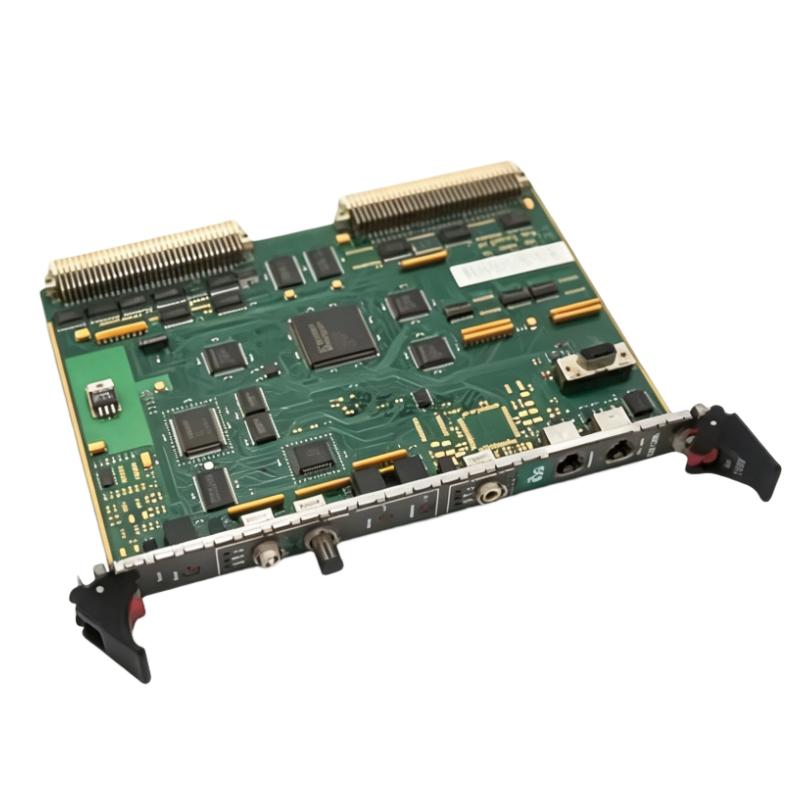
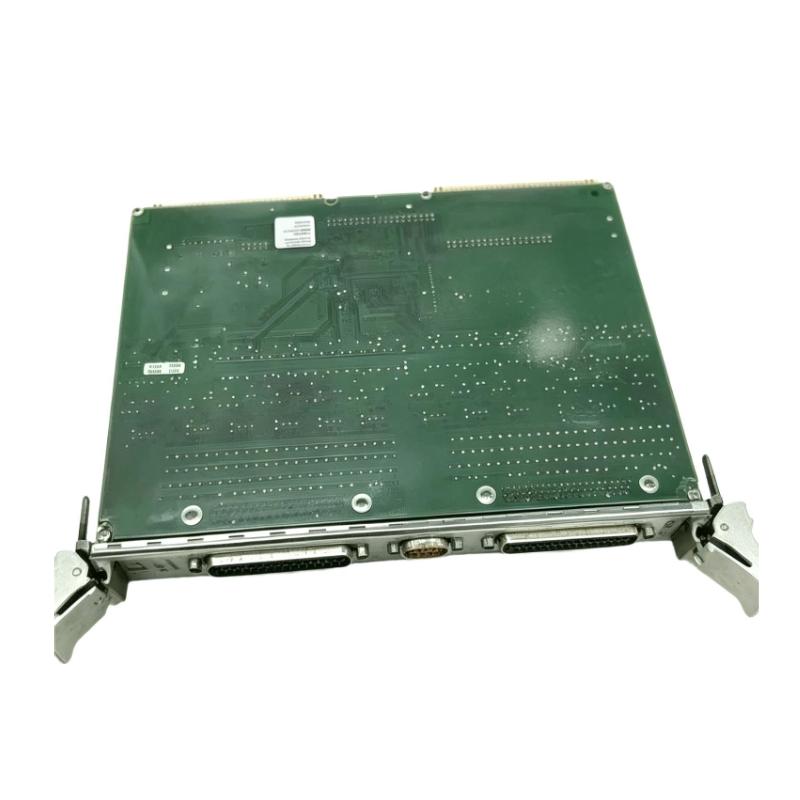
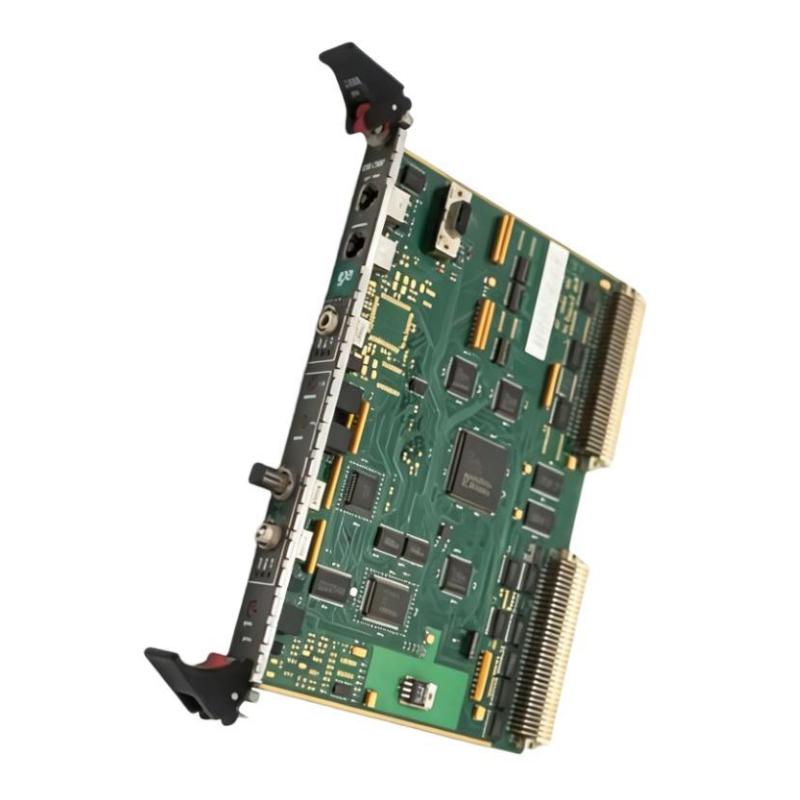
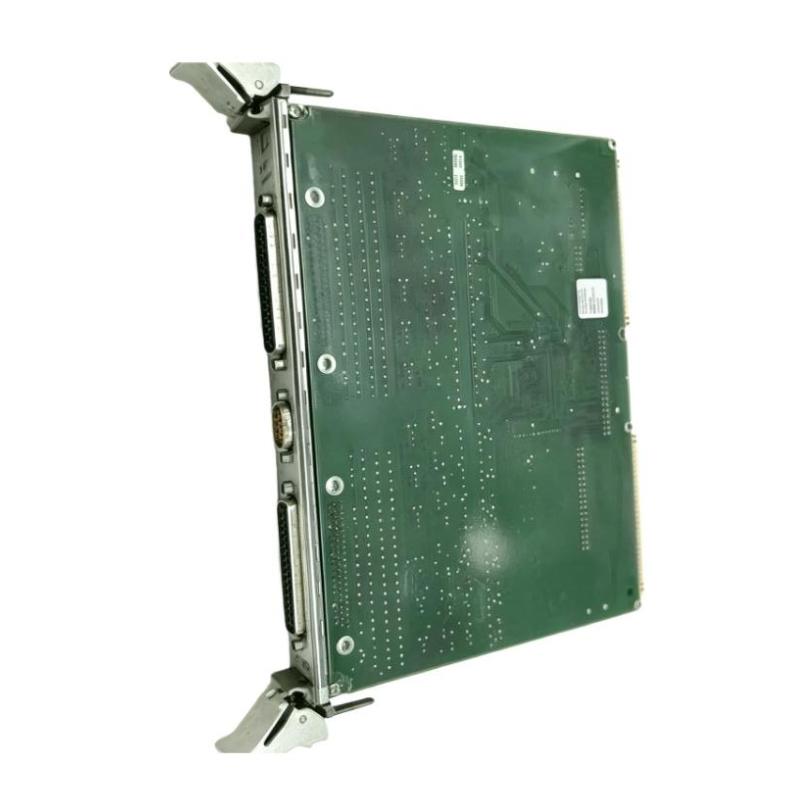
- GE
- EV-CNT/01 EVMECNTM11
- Control Board
- USA
- 130 × 30 × 100 mm
- 0.45 kg
- Xiamen, China
- New & In Stock
- T/T, PayPal, Western Union
- 1 Year
- 1-3 Working Days
- DHL, UPS, TNT, FedEx and EMS.
- 24-Hour Service
- COO
- 6
Our advantage

Global Logistics
We have a 10-year logistics and express cooperation agreement, so our products can be shipped to any place in the world.

Brand new and original
Our products are imported in bulk from the place of origin. Because of the cooperative relationship, our products are all original and 100% new.

24-hour service
We provide 7*24 hours service to our customers. We will be there whenever you need us.

Price advantage
All our products are priced very favorably because we have our own warehouse and supply.
| Company Information | |||
| [email protected] | |||
| Mobile | +8615980777398 | ||
| +8615980777398 | |||
| 15980777398 |
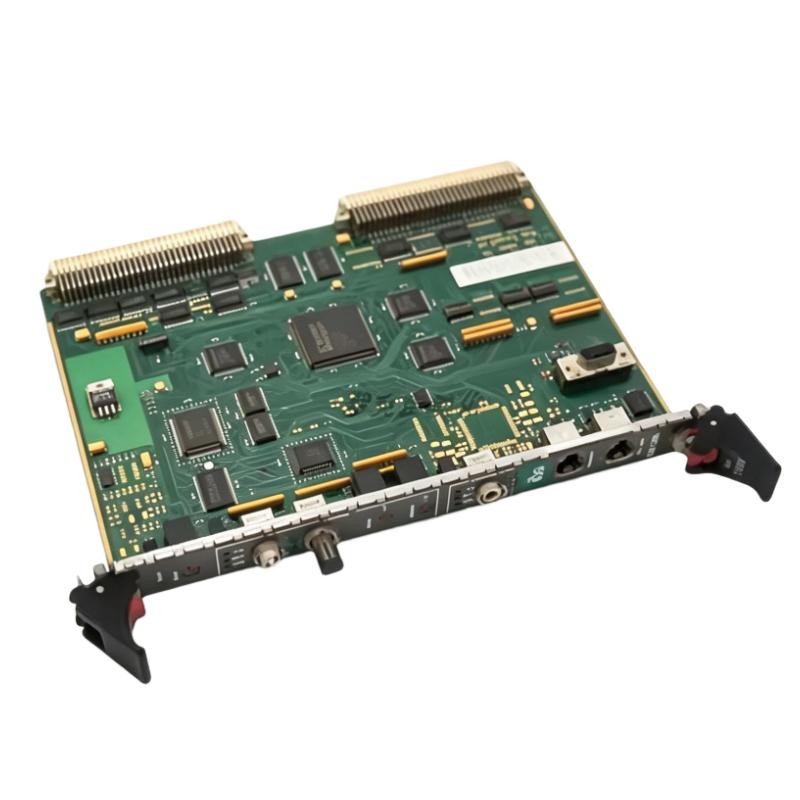
Product Overview
The GE EV-CNT/01 EVMECNTM11 Control Board is an industrial control component associated with GE control equipment. Control boards provide the electronic processing and coordination functions required for equipment operation, handling signals and supporting communication between control circuits and connected system components.
Within an industrial control cabinet, a board of this type may form part of the electronic assembly responsible for processing operating information and coordinating equipment functions. Its role depends on the control system in which it is installed, including the surrounding electronics, connected interfaces, and application-specific configuration.
The EV-CNT/01 and EVMECNTM11 identifiers are useful when identifying the board for maintenance, replacement planning, and spare-parts inventory. When servicing an existing installation, maintaining the correct part identification helps avoid confusion between control boards that may have similar physical appearances but different electrical interfaces or system functions.
For maintenance teams, the control board should be treated as part of the wider control assembly rather than as an isolated component. Its condition and compatibility with the installed equipment can affect the operation of the associated control system.
Technical Specifications
| Parameter | Specification |
|---|---|
| Manufacturer | GE |
| Model | EV-CNT/01 |
| Additional Model Identification | EVMECNTM11 |
| Product Type | Control Board |
| Product Category | Industrial Control Electronics |
| Primary Function | Electronic control and processing within a compatible control system |
| Installation Type | Control equipment or cabinet assembly |
| Application | Industrial equipment control and system maintenance |
| Integration | Installed as part of a compatible electronic control assembly |
| Maintenance Approach | Inspection, fault diagnosis, and replacement as required |
| Dimensions | 130 × 30 × 100 mm |
| Weight | 0.45 kg |
Product Features
- Control Board Architecture: Provides an electronic platform for control-related functions within the equipment assembly for which the board is intended.
- Model-Specific Identification: The EV-CNT/01 and EVMECNTM11 identifiers support part recognition during maintenance, inventory management, and replacement planning.
- Industrial Equipment Integration: Forms part of a larger control arrangement in which electronic boards work alongside power circuits, signal interfaces, and other control components.
- Cabinet Installation: Its board format allows integration into compatible industrial electronic equipment or control assemblies.
- Serviceability: A separately identified control board can be inspected and replaced during maintenance when the fault has been traced to the board and the replacement is suitable for the installed system.
- System-Level Operation: The board functions within the context of the host equipment, with its specific responsibilities determined by the overall control architecture.
- Replacement Planning: Recording the board’s model identifiers and installation location helps maintenance teams manage spare parts and avoid mix-ups during service work.
Working Principle
The GE EV-CNT/01 EVMECNTM11 Control Board operates as an electronic component within its associated control equipment. In a typical industrial control arrangement, a board receives electrical signals or operating information from connected circuits, processes the information according to its implemented logic, and supports the corresponding control functions.
The wider system may include input interfaces, output circuits, communication connections, power-supply components, and other electronic boards. Depending on the host equipment, the control board may participate in processing system conditions, coordinating operating sequences, or exchanging information with other parts of the assembly.
The board’s operation depends on the electrical and functional relationships established by the host system. Correct installation requires the board to be connected through the intended interfaces and supplied under the conditions specified for the equipment. A fault affecting the board or its connections may interfere with the functions associated with that part of the control architecture.
Role in an Industrial Control Architecture
Within an industrial control architecture, the GE EV-CNT/01 EVMECNTM11 Control Board serves as part of the electronic layer that supports equipment control and coordination. It operates alongside other components rather than independently of the system.
| System Component | Function | Relationship to the Control Board |
|---|---|---|
| Control Board | Performs assigned electronic control functions | Provides the board-level processing or coordination role within the host equipment |
| Power Supply | Supplies operating power to electronic circuits | Provides the electrical power required by the control assembly |
| Input Interface | Receives signals from sensors, switches, or other equipment | Supplies information used by the control electronics where applicable |
| Output Interface | Transfers control signals to connected devices | Carries commands or control outputs generated by the wider system |
| Communication Interface | Exchanges data between compatible devices or assemblies | Supports system-level information exchange where the architecture includes communication functions |
| Main Control Assembly | Integrates electronic boards and associated circuitry | Provides the equipment environment in which the board operates |
| Field Devices | Provide operating information or respond to control actions | Interact with the wider control system through the appropriate interfaces |
Industrial Applications
| Application Area | Typical Use | Control Board Role |
|---|---|---|
| Industrial Control Equipment | Electronic control assemblies used in industrial machinery | Supports the control functions assigned to the board within the equipment |
| Equipment Maintenance | Repair and servicing of installed control systems | Serves as a replaceable electronic component when board-level faults are identified |
| Control Cabinet Assemblies | Systems containing multiple interconnected electronic components | Integrates into the host assembly and its associated electrical interfaces |
| Industrial Automation | Equipment requiring electronic coordination of operating functions | Contributes to the wider control architecture |
| Machinery Refurbishment | Restoration of existing industrial equipment | Provides a model-specific replacement option when matched to the original configuration |
| Spare Parts Management | Inventory planning for installed control equipment | Enables identification and tracking through its model designations |
Installation and Maintenance
- Verify the Model Identification: Check the EV-CNT/01 and EVMECNTM11 identifiers against the installed board and the equipment’s parts records before replacement.
- Isolate the Equipment: Follow the applicable electrical safety procedures and isolate the control equipment before opening the assembly or handling the board.
- Record the Original Installation: Note the board’s position, orientation, mounting arrangement, and connected interfaces before removal.
- Inspect the Board: Examine the board for visible damage, discolored areas, cracked components, damaged connectors, or other signs of abnormal operating conditions.
- Check the Mounting Arrangement: Confirm that the replacement board fits the intended mounting position and that its retaining points align with the host assembly.
- Inspect Electrical Connections: Check the associated connectors and terminals for damage, contamination, loose contacts, or signs of overheating.
- Use Appropriate Handling Precautions: Protect the board from electrostatic discharge and avoid touching exposed conductive contacts or components unnecessarily.
- Remove the Existing Board Carefully: Disconnect the relevant interfaces using the appropriate release method. Avoid pulling on wires or applying force to connector housings.
- Install the Replacement Board: Position the board correctly and secure it using the intended mounting arrangement. Do not force it into the assembly if the alignment is incorrect.
- Reconnect the Interfaces: Reconnect the original interfaces according to the recorded arrangement and check that each connection is fully seated.
- Perform Operational Checks: Restore the equipment according to the approved procedure and observe the relevant status indications, alarms, and operating functions.
- Document the Maintenance Work: Record the board identification, replacement date, observed fault, installation details, and results of the post-maintenance checks.
Compatible System Components
| Component | Function | Relationship to the Control Board |
|---|---|---|
| Industrial Power Supply | Provides operating power to electronic circuits | Supplies the control assembly where required |
| Input Signal Interface | Receives signals from connected devices | Provides input information to the control architecture |
| Output Driver or Interface | Transfers control signals to other circuits or devices | Supports output functions associated with the wider system |
| Communication Interface | Enables information exchange between compatible system components | Supports communication where required by the host equipment |
| Backplane or Mounting Assembly | Provides mechanical support and, where applicable, electrical interconnection | Houses or connects the board within the control equipment |
| Main Control Unit | Coordinates system operation at the equipment level | Works with the board as part of the overall control arrangement |
Recommended Related Models
| Model or Product Category | Product Type | Relationship |
|---|---|---|
| GE EV-CNT/01 | Control Board | Primary model identification for the specified product |
| GE EVMECNTM11 | Control Board Identification | Additional identifier associated with the specified board |
| Industrial Control Board | Electronic Control Component | Related category for board-level replacement and maintenance |
| Industrial Input Interface Board | Signal Interface Component | Related component category for systems using separate input circuitry |
| Industrial Output Interface Board | Output Control Component | Related component category for systems using separate output circuitry |
| Industrial Communication Board | Communication Interface Component | Related category for control assemblies that use dedicated communication hardware |
Key Advantages
- Clear Part Identification: The EV-CNT/01 and EVMECNTM11 identifiers support maintenance records and spare-parts tracking.
- Board-Level Replacement: Allows the control board to be serviced as a distinct component of the host equipment.
- Industrial Integration: Forms part of a wider electronic control assembly.
- Maintenance Planning: Supports structured replacement planning for installed industrial control systems.
- System Coordination: Contributes to the electronic functions required by the host equipment.
- Equipment Lifecycle Support: Provides a specific model reference for servicing and refurbishment activities.
Technical FAQs
1. What role does the GE EV-CNT/01 EVMECNTM11 Control Board perform in an industrial control system?
The board operates as part of the host equipment’s electronic control assembly. Its specific function depends on the system architecture and the circuitry implemented on the board. Correct identification of the installed equipment and board configuration is necessary when determining its precise role.
2. What should be checked when diagnosing a suspected GE EV-CNT/01 EVMECNTM11 board fault?
Check the board for visible damage and inspect its accessible connectors, mounting arrangement, and associated wiring. The diagnostic process should also consider the control assembly’s power supply and connected interfaces so that an external connection fault is not mistaken for a board failure.
3. How can technicians determine whether a replacement board is compatible with the installed equipment?
Compare the complete model identification with the original board and the equipment’s parts records. The mounting arrangement, connector layout, electrical interfaces, and intended system application should also match the installed configuration.
4. What precautions are necessary when replacing the GE EV-CNT/01 EVMECNTM11 Control Board?
Isolate the equipment according to the approved safety procedure, apply electrostatic discharge protection, and record the original board orientation and connections before removal. After installation, check the connectors and mounting, then perform the required functional tests before returning the equipment to service.