

ProductPRODUCT
Featured products
Contact Us
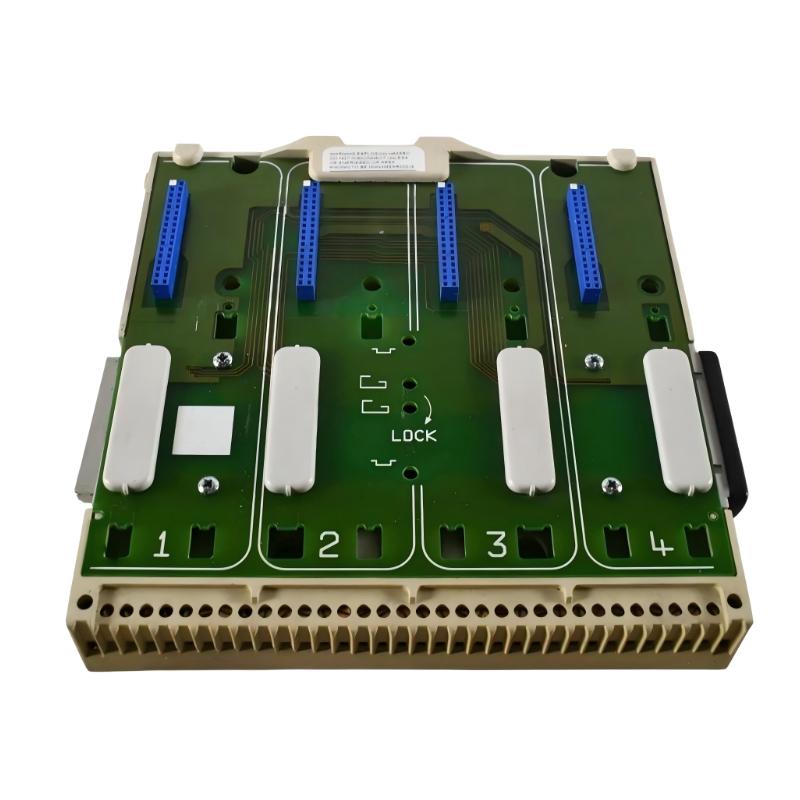
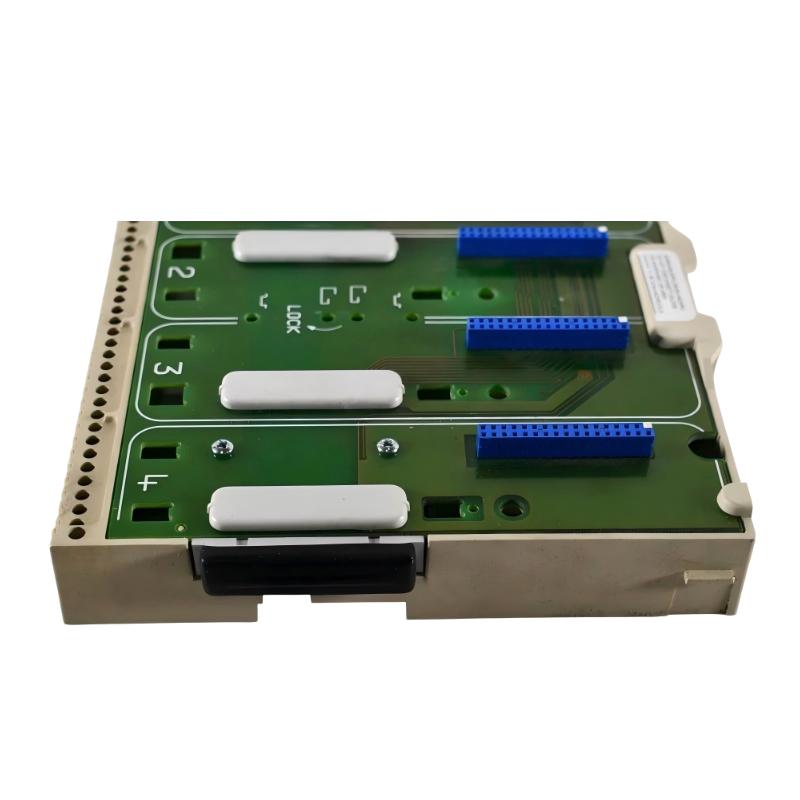
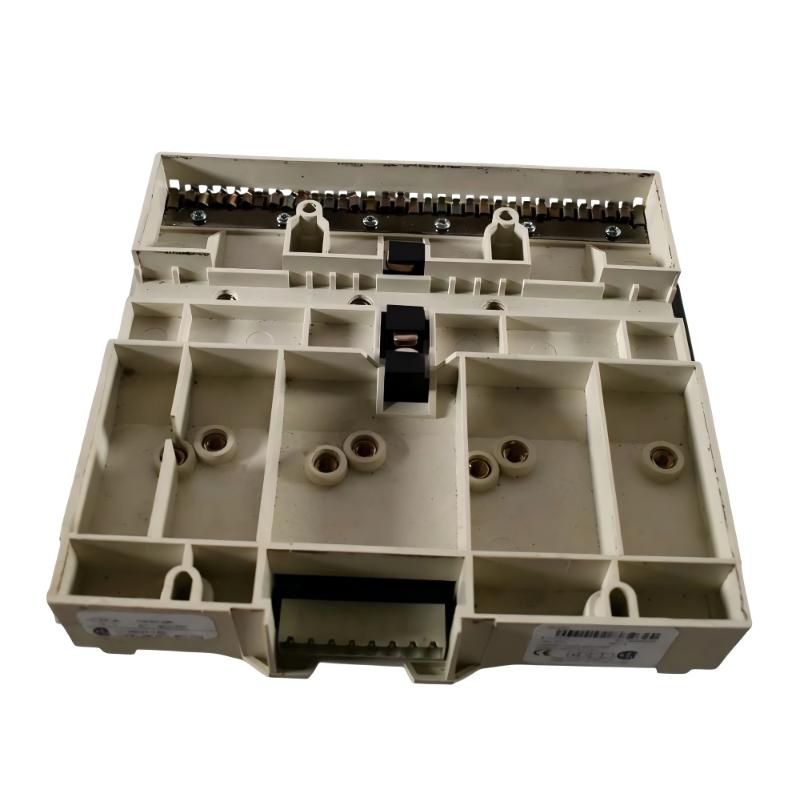
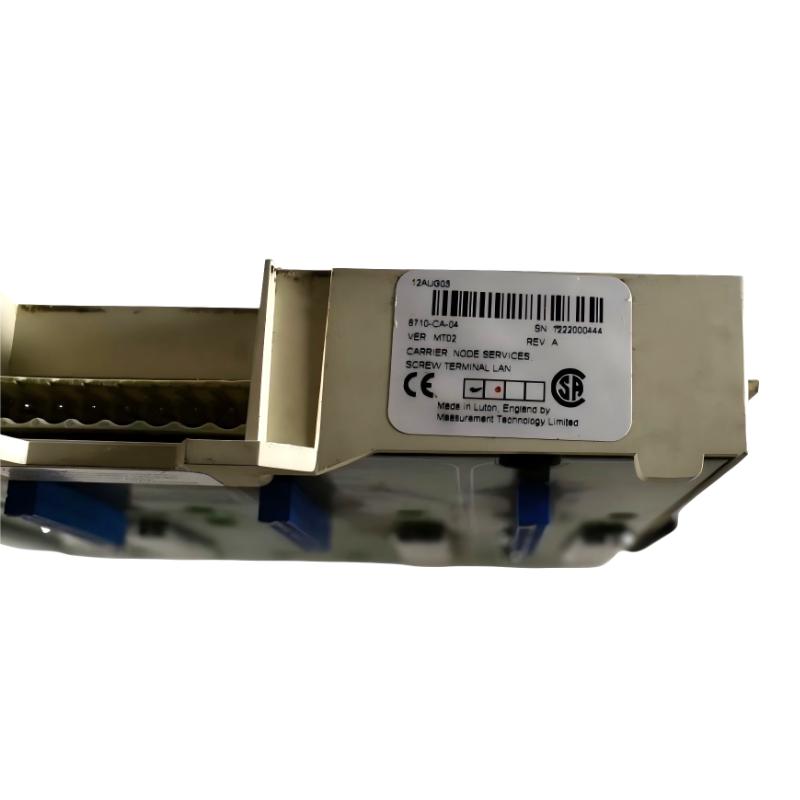
- GE
- 8710-CA-04
- 4-Module Carrier Board
- USA
- 178 x 22 x 170 mm
- 0.35 kg
- Xiamen, China
- New & In Stock
- T/T, PayPal, Western Union
- 1 Year
- 1-3 Working Days
- DHL, UPS, TNT, FedEx and EMS.
- 24-Hour Service
- COO
- 5
Our advantage

Global Logistics
We have a 10-year logistics and express cooperation agreement, so our products can be shipped to any place in the world.

Brand new and original
Our products are imported in bulk from the place of origin. Because of the cooperative relationship, our products are all original and 100% new.

24-hour service
We provide 7*24 hours service to our customers. We will be there whenever you need us.

Price advantage
All our products are priced very favorably because we have our own warehouse and supply.
| Company Information | |||
| [email protected] | |||
| Mobile | +8615980777398 | ||
| +8615980777398 | |||
| 15980777398 |
Product Overview
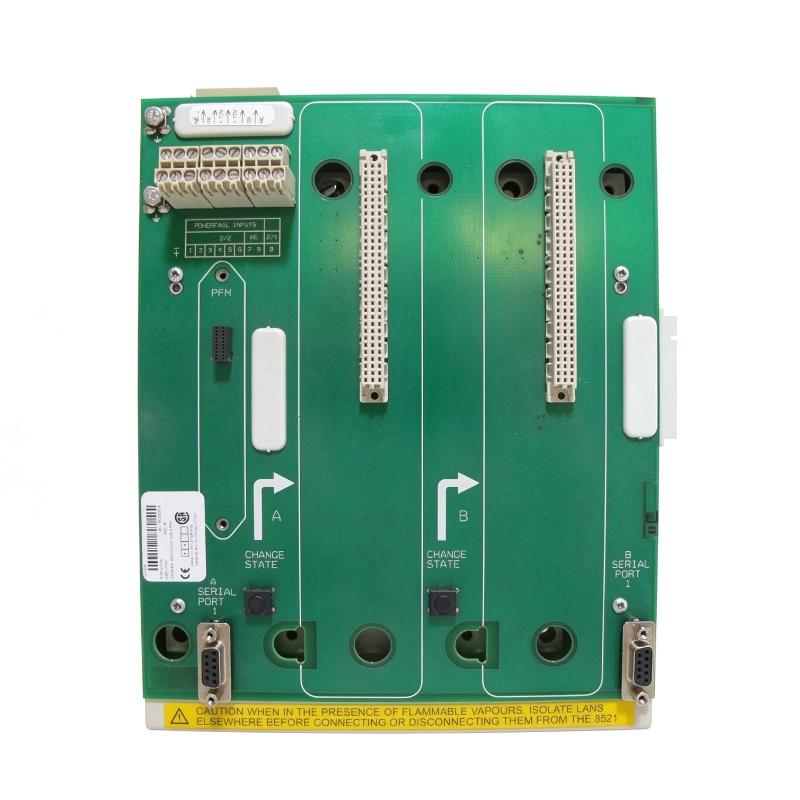
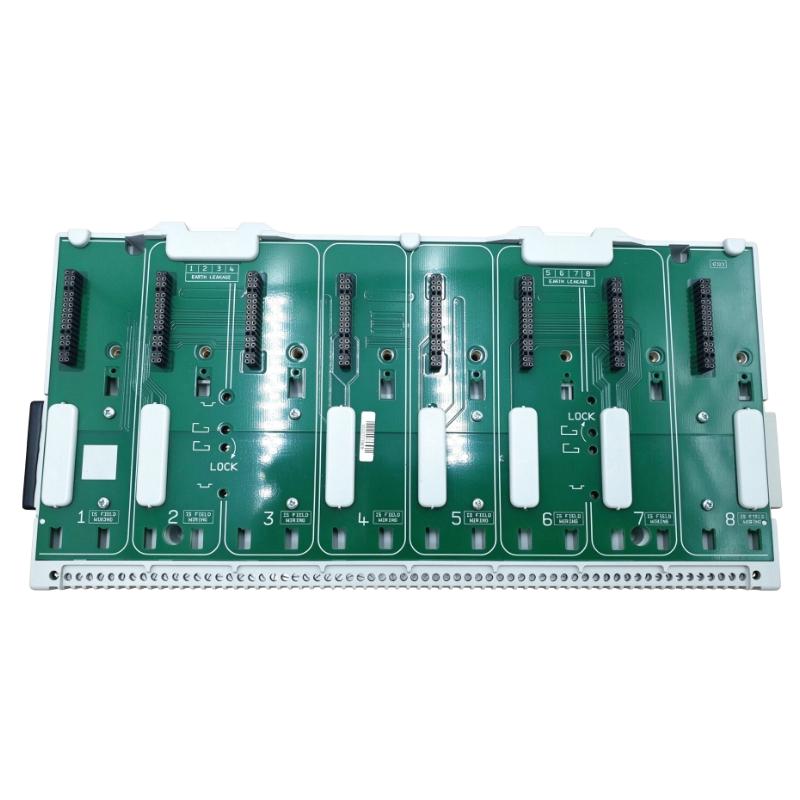
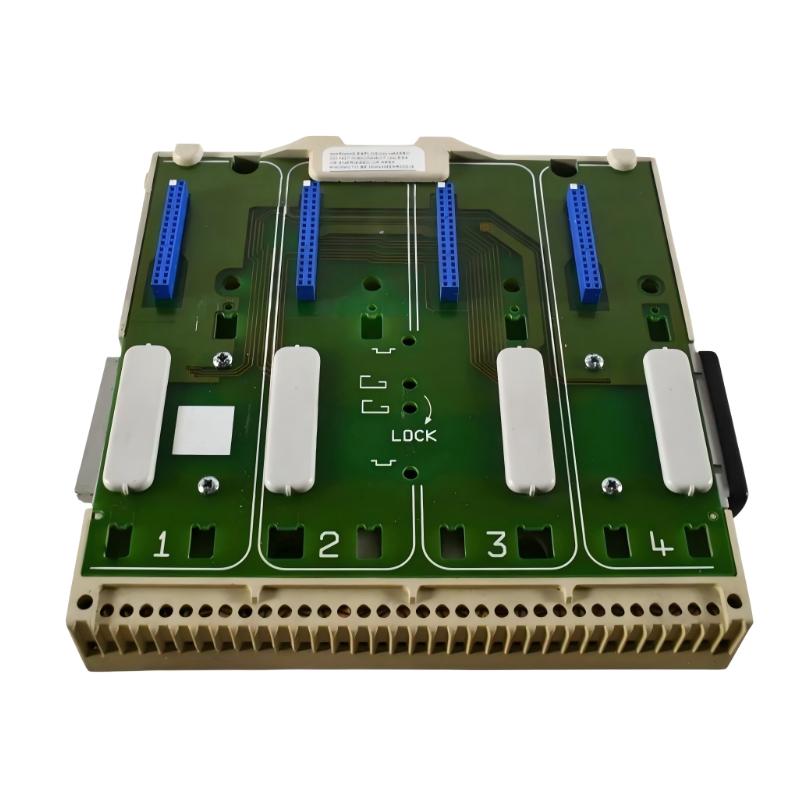
The 8710-CA-04 4-Module Carrier is a passive mounting and interconnection component used in PAC8000 distributed I/O systems. It provides a physical platform for installing up to four compatible I/O modules and their associated field terminals. The carrier also distributes communication signals and power connections between the installed modules and the system Railbus.
In an industrial automation installation, I/O carriers provide the mechanical and electrical foundation for modular control systems. They allow input and output modules to be arranged in an organized structure while maintaining connections to the system communication bus. This modular arrangement makes it easier to configure field interfaces according to the number and type of signals required by a process.
The 8710-CA-04 is designed for applications using a 32-slot addressing arrangement. It has a female Railbus input connector and a male Railbus output connector, allowing the carrier to participate in the system’s bus structure. The carrier supports DIN-rail or flat-panel mounting, providing flexibility when designing control cabinets and distributed I/O installations.
Unlike an active controller or signal-processing module, the 8710-CA-04 does not perform independent logic execution or signal conversion. Its primary purpose is to hold compatible modules, provide their interconnection paths, and distribute the required electrical connections.
This distinction is important when selecting spare parts. A carrier cannot replace an I/O module, controller, or power supply. It must be used with compatible PAC8000 system components and the appropriate field terminals.
Technical Specifications
| Parameter | Specification |
|---|---|
| Brand / Product Family | MTL / PAC8000 |
| Catalog Number | 8710-CA-04 |
| Product Description | 4-Module Carrier |
| Product Type | I/O Module Carrier |
| System | PAC8000 Distributed I/O |
| Module Capacity | Up to 4 I/O modules |
| Module Addressing | 1–32 |
| Railbus Input | Female connector |
| Railbus Output | Male connector |
| Module Communication | Railbus |
| Field Power Distribution | Bussed Field Power connections |
| Field Terminal Compatibility | Compatible general-purpose 2/2 field terminals |
| Mounting Options | DIN rail or flat panel |
| Supported DIN Rail | 35 × 7.5 mm and 35 × 15 mm top-hat rail; G-section rail |
| Dimensions Provided | 178 × 22 × 170 mm |
| Manufacturer Dimensions | 178 × 170 × 22 mm (W × D × H) |
| Weight Provided | 0.35 kg |
| Manufacturer Weight | 0.35 kg |
| Active Electronics | None |
| Typical Application | PAC8000 distributed I/O installation |
Function and Working Principle
The 8710-CA-04 provides the mechanical mounting and electrical interconnection required by a group of PAC8000 I/O modules. Its operation is based on several integrated carrier functions.
1. I/O Module Mounting
The carrier provides four module positions for compatible I/O equipment. Each position supports the installation of an I/O module and its associated field terminal arrangement.
The carrier helps maintain an organized module layout and provides the mechanical support needed for installation in a control cabinet. This modular structure allows engineers to group related field signals in a single location.
The number and type of modules installed must remain within the carrier’s compatibility requirements. The carrier itself does not determine the signal function; that function is provided by the individual I/O modules.
2. Railbus Communication
The 8710-CA-04 carries control signals and data through the PAC8000 Railbus system. Its female input and male output connectors allow it to connect with the corresponding bus connections in the system architecture.
The Railbus provides the communication path between the carrier’s installed modules and the wider distributed I/O arrangement. This enables the modules to participate in the control system without requiring each module to have a separate independent network connection.
Correct bus connection and addressing are essential. The carrier is designed for the 32-slot addressing arrangement and must not be mixed with carriers intended for the 64-slot addressing system.
3. Field Power Distribution
The carrier provides connections for Bussed Field Power. These connections allow suitable external field power supplies to be distributed to compatible I/O modules.
The field-power arrangement is divided between module groups. The carrier’s connector terminals provide the required positive and negative or live and neutral connections according to the system wiring design.
Not every I/O module requires the same field-power arrangement. Engineers must check the requirements of the selected modules and ensure that adjacent modules connected to a shared field-power supply are compatible with that supply.
4. Field Terminal Installation
Field terminals provide the connection point between external field wiring and the installed I/O modules. On the 8710-CA-04, compatible field terminals are fitted to the carrier and secured through the module installation arrangement.
This design helps organize signal wiring and supports replacement or maintenance of individual modules. The terminal type must match the selected I/O module and the field wiring requirements.
5. Cable Shield and Screen Termination
The carrier includes an isolated earthing arrangement for cable screens and shields. This provides a designated connection point for managing cable shielding within the distributed I/O installation.
Proper shield termination can help reduce electromagnetic interference in industrial environments. The final grounding arrangement must follow the system documentation and the plant’s electrical design requirements.
Role in Industrial Control Systems
The 8710-CA-04 is a supporting component in a PAC8000 distributed I/O architecture. Its function is to provide the mounting, bus connection, and field-power distribution required by the installed I/O modules.
Distributed I/O Organization
Industrial plants often have sensors and actuators distributed across different machines, process units, and equipment areas. A distributed I/O system allows these field signals to be collected and controlled through modular remote I/O arrangements.
The 8710-CA-04 provides a compact four-module mounting platform for compatible I/O modules. This can help organize signal interfaces in a cabinet or remote I/O node.
Communication with the Control System
The carrier connects its installed modules to the PAC8000 Railbus. The communication architecture allows the I/O modules to exchange information with the wider control system.
The carrier is not itself a controller or network gateway. Communication processing and control functions depend on the relevant system components installed elsewhere in the PAC8000 architecture.
Field Signal Connections
The I/O modules installed on the carrier provide the actual interface for field signals. Depending on the selected module type, these signals may include digital inputs, digital outputs, analog inputs, or analog outputs.
The carrier provides the physical and electrical arrangement needed to connect those modules to field terminals and the Railbus.
Cabinet Layout and Maintenance
A four-module carrier can be used where a smaller I/O grouping is sufficient. Its DIN-rail and flat-panel mounting options provide flexibility for different cabinet layouts.
The modular design also supports maintenance planning. Individual I/O modules and field terminals can be identified and serviced without treating the carrier as an active signal-processing device.
Industrial Applications
The 8710-CA-04 can be used in PAC8000 installations across different industrial sectors where distributed I/O modules are required.
1. Oil and Gas Facilities
Oil and gas facilities use distributed control and monitoring systems to collect information from field instruments and operate equipment.
A PAC8000 I/O carrier can provide the mounting and interconnection platform for compatible modules used in process monitoring, equipment status collection, and field signal interfaces.
The specific I/O module and field-terminal combination must be selected according to the installation’s electrical and hazardous-area requirements.
2. Chemical and Petrochemical Plants
Chemical plants often contain numerous sensors, valves, and equipment-status signals. Distributed I/O arrangements can help organize these field connections across process areas.
The 8710-CA-04 provides a four-position platform for compatible modules, supporting structured signal termination and communication within a PAC8000 installation.
3. Power Generation
Power generation facilities use control systems to monitor equipment conditions and coordinate auxiliary processes. Distributed I/O modules may be installed to collect digital and analog signals from field equipment.
The carrier supports the physical organization and electrical interconnection of compatible modules within the control system.
4. Water and Wastewater Treatment
Water treatment facilities use sensors, pumps, valves, and other field equipment that require monitoring and control.
A PAC8000 I/O arrangement can support the connection of field signals to the control architecture. The 8710-CA-04 may be used where a four-module carrier is sufficient for the required I/O grouping.
5. Manufacturing and Process Automation
Manufacturing plants often use distributed I/O for machine status, interlocks, actuator commands, and process measurements.
The carrier helps organize compatible modules in a compact installation and provides their connection to the Railbus and field-power arrangement.
Installation and System Integration
Correct installation is important for maintaining reliable communication, proper field-power distribution, and secure module mounting.
1. Verify System Compatibility
Before installing the 8710-CA-04, confirm that the system uses the compatible PAC8000 architecture and 32-slot addressing arrangement.
Do not mix this carrier with 64-slot addressing carriers. Confirm that the intended I/O modules and field terminals are approved for use with the carrier.
2. Select the Mounting Method
The carrier supports DIN-rail or flat-panel mounting. Supported DIN-rail arrangements include 35 × 7.5 mm and 35 × 15 mm top-hat rails, as well as G-section rail.
Ensure that the mounting surface is stable and that the carrier is securely fixed. Allow adequate space for module installation, terminal access, wiring, and maintenance.
3. Connect the Railbus
The carrier has a female Railbus input and male Railbus output. Connect it according to the PAC8000 system layout and the applicable bus wiring instructions.
Check connector alignment and ensure that the carrier is properly integrated into the bus arrangement. Incorrect connections can interrupt communication with the installed modules.
4. Configure Field Power
Where field power is required, connect the appropriate supply to the carrier’s Bussed Field Power connector.
Check the voltage, polarity, current capacity, and power requirements of the installed I/O modules. The field-power connections are grouped by module positions, so adjacent modules sharing a supply must be suitable for the same power arrangement.
5. Install I/O Modules and Field Terminals
Install compatible field terminals and I/O modules in the correct positions. Confirm that each terminal type matches its associated module and field wiring.
Secure the modules according to the manufacturer’s installation instructions. Check that the connections are fully seated and that the wiring is properly identified.
6. Ground Cable Shields
Terminate cable screens and shields using the designated isolated earthing arrangement. Follow the system grounding plan and applicable electrical standards.
Incorrect shield termination can increase susceptibility to electrical interference or create unwanted grounding paths.
7. Inspect the Completed Installation
Before energizing the system, inspect the carrier mounting, Railbus connections, field-power wiring, module positions, and field terminals.
After power-up, confirm that the installed modules are recognized by the system and that the relevant field signals operate as expected.
Compatible System Components
The 8710-CA-04 is designed to work with compatible PAC8000 I/O system components.
| Component | Function | Integration Considerations |
|---|---|---|
| PAC8000 I/O modules | Provide digital or analog field signal interfaces | Confirm module compatibility and addressing |
| Compatible field terminals | Connect field wiring to I/O modules | Match terminal type to the installed module |
| Railbus connections | Carry system communication signals and data | Maintain correct bus direction and addressing |
| Bussed Field Power supply | Supplies power to compatible field circuits | Verify voltage, polarity, and module requirements |
| PAC8000 controller or system interface | Coordinates the distributed I/O architecture | Confirm the system’s supported architecture |
| DIN rail | Provides mechanical mounting | Use a supported rail profile |
| Flat-panel mounting surface | Alternative carrier mounting method | Ensure secure fixing and adequate access |
| Shielded field cables | Carry field signals while managing interference | Terminate screens according to the grounding plan |
The carrier does not include the active I/O modules, field terminals, power supplies, or controller functions. These components must be selected separately according to the system design.
Alternative Models and Replacement Considerations
When replacing a damaged carrier or expanding an existing PAC8000 installation, the addressing arrangement and module capacity must be considered.
| Related Model | Description | Replacement Considerations |
|---|---|---|
| 8710-CA-04 | 4-Module Carrier | Suitable for compatible four-module, 32-slot addressing applications |
| 8707-CA-08 | 8-Module Carrier | Provides more module positions; verify cabinet space and system configuration |
| 8709-CA-08 | 8-Module Carrier with extended addressing | Designed for a 64-slot addressing arrangement; not a direct substitute for a 32-slot carrier |
| 8720-CA-04 | 4-Module Intrinsically Safe Carrier | Intended for specific intrinsically safe I/O arrangements; verify system compatibility |
A replacement carrier should not be selected solely because it has the same number of module positions. Check the following before ordering:
- PAC8000 system compatibility.
- 32-slot or 64-slot addressing arrangement.
- Number and type of supported I/O modules.
- Railbus connector configuration.
- Field-power distribution arrangement.
- Field-terminal compatibility.
- Cable shield and grounding provisions.
- Mounting dimensions and rail requirements.
Using a carrier with an incompatible addressing arrangement can affect system configuration and prevent the intended modules from operating correctly.
Key Advantages
Four-Module Installation Capacity
The carrier provides four positions for compatible I/O modules, making it suitable for smaller distributed I/O groups.
Railbus Connectivity
Its female input and male output connectors support integration into the PAC8000 Railbus architecture.
Field-Power Distribution
The carrier provides Bussed Field Power connections for compatible modules that require field-circuit power.
Flexible Mounting
DIN-rail and flat-panel mounting options support different cabinet designs and installation requirements.
Organized Field Wiring
The carrier works with compatible field terminals to provide an organized interface between field wiring and I/O modules.
Shield Termination Support
Its isolated earthing arrangement provides a designated point for cable screen and shield connections.
Passive Design
The carrier has no active electronic components. Its primary functions are mechanical support and electrical interconnection rather than signal processing.
Technical FAQs
1. What is the GE 8710-CA-04?
The 8710-CA-04 is a four-module carrier used in PAC8000 distributed I/O systems. Manufacturer documentation identifies it as an MTL 4-Module Carrier. It provides mounting, Railbus connections, and field-power distribution for compatible modules.
2. How many I/O modules can it support?
The carrier supports up to four compatible I/O modules and their associated field terminals.
3. Is the 8710-CA-04 an active I/O module?
No. It is a passive carrier with no active electronic components. The installed I/O modules perform the actual signal acquisition and output functions.
4. What addressing arrangement does it use?
It uses a 1–32 module addressing range. It must not be mixed with carriers designed for the 64-slot addressing system.
5. What is the function of the Railbus connectors?
The carrier has a female input and male output connector. These connections carry control signals and data through the PAC8000 Railbus architecture.
6. Does the carrier distribute field power?
Yes. It provides Bussed Field Power connections for compatible I/O modules that require power for their field circuits.
7. What mounting options are available?
The carrier supports DIN-rail and flat-panel mounting. Supported rail types include 35 × 7.5 mm and 35 × 15 mm top-hat rails, as well as G-section rail.
8. What are the dimensions and weight?
The manufacturer specification lists dimensions of 178 × 170 × 22 mm and a weight of approximately 350 g. The supplied listing values of 178 × 22 × 170 mm and 0.35 kg represent the same dimensions in a different order and the same weight.
9. Can it replace an 8-module carrier?
Not as a direct equivalent. The 8710-CA-04 supports four modules, while an 8-module carrier provides more installation positions. Addressing and field-power arrangements must also be checked.
10. What should be checked before purchasing a replacement?
Verify the complete part number, PAC8000 compatibility, addressing arrangement, Railbus connectors, field-power requirements, module capacity, physical condition, and mounting dimensions. Also confirm whether field terminals or other accessories are included.
Procurement and Maintenance Recommendations
When purchasing the 8710-CA-04, confirm the complete catalog number and the PAC8000 system architecture in which it will be installed. The carrier’s four-module capacity and 32-slot addressing arrangement are important identification points.
For replacement projects, compare the existing carrier with the proposed unit before ordering. Check the Railbus connectors, field-power connections, module positions, and mounting arrangement. A carrier from a different addressing family should not be treated as a direct substitute without an engineering review.
For used or surplus equipment, inspect the connector contacts, carrier body, printed wiring board, mounting features, and field-power terminals. Look for physical damage, corrosion, contamination, or signs of overheating. Confirm that the unit is supplied with the required accessories if the installation depends on them.
During maintenance, ensure that the carrier is securely mounted and that all module and bus connections remain properly seated. Inspect field wiring and shield terminations as part of the system maintenance routine. Any replacement or reconnection work should follow the applicable isolation and electrical safety procedures.
Keeping accurate records of installed carrier types, module positions, addressing, and field-power assignments can simplify future troubleshooting and system expansion.
Conclusion
The 8710-CA-04 4-Module Carrier is a passive PAC8000 distributed I/O component designed to support up to four compatible I/O modules. It provides Railbus connectivity, Bussed Field Power connections, field-terminal mounting, and flexible DIN-rail or flat-panel installation.
With manufacturer dimensions of 178 × 170 × 22 mm and a weight of approximately 0.35 kg, it offers a compact mounting platform for smaller distributed I/O groups. For maintenance and replacement applications, confirming the 32-slot addressing arrangement and compatibility with the installed PAC8000 modules is essential.