

ProductPRODUCT
Featured products
Contact Us
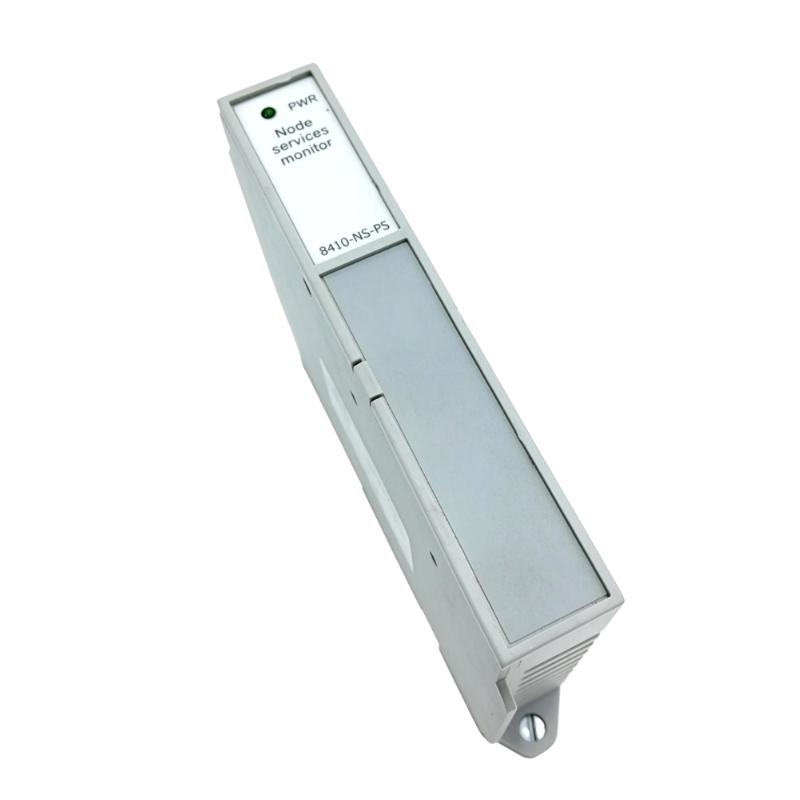
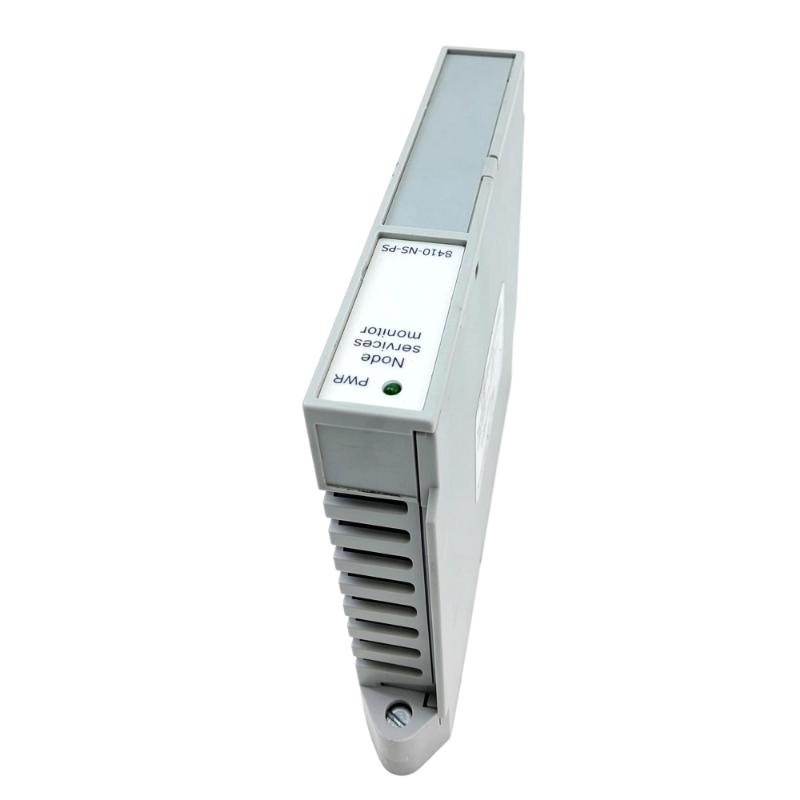
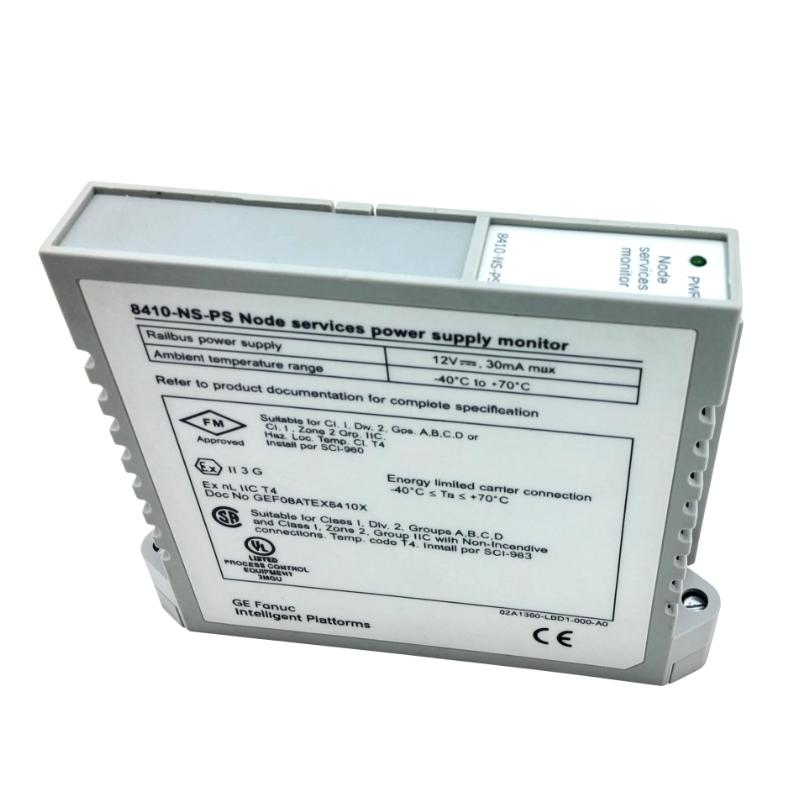
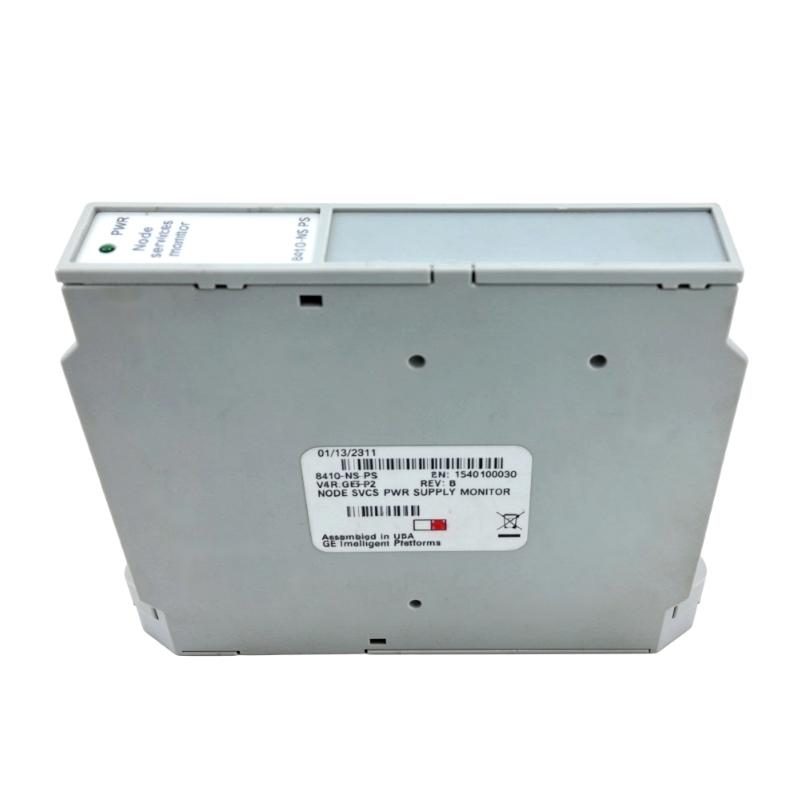
- GE
- 8410-NS-PS
- Node Service Power Monitor
- USA
- 100 x 25 x 85 mm
- 0.1 kg
- Xiamen, China
- New & In Stock
- T/T, PayPal, Western Union
- 1 Year
- 1-3 Working Days
- DHL, UPS, TNT, FedEx and EMS.
- 24-Hour Service
- COO
- 25
Our advantage

Global Logistics
We have a 10-year logistics and express cooperation agreement, so our products can be shipped to any place in the world.

Brand new and original
Our products are imported in bulk from the place of origin. Because of the cooperative relationship, our products are all original and 100% new.

24-hour service
We provide 7*24 hours service to our customers. We will be there whenever you need us.

Price advantage
All our products are priced very favorably because we have our own warehouse and supply.
| Company Information | |||
| [email protected] | |||
| Mobile | +8615980777398 | ||
| +8615980777398 | |||
| 15980777398 |
Product Overview
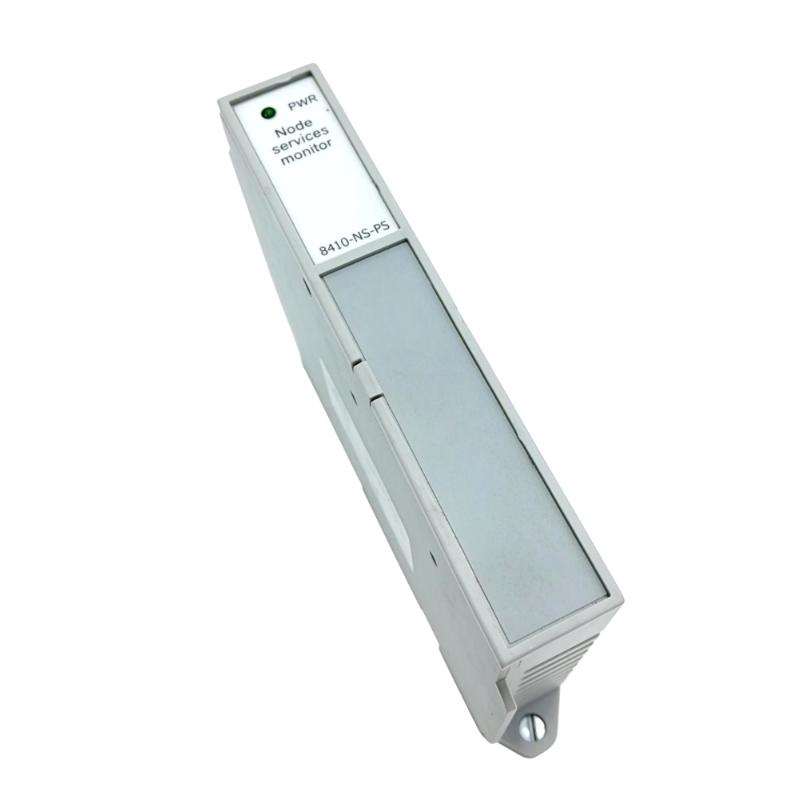
The 8410-NS-PS Node Services Power Supply Monitor is an industrial power-status monitoring module designed for compatible node-based control systems. It monitors the condition of power supplies serving an industrial control node and communicates detected supply failures to the associated controller.
In industrial automation, stable power distribution is essential for maintaining controller availability, remote I/O operation, and process continuity. A failure in one of the power supplies supporting a control node can affect connected equipment and may lead to unexpected system interruptions. A dedicated power supply monitor helps maintenance personnel identify these conditions and respond before they develop into more serious operational problems.
The 8410-NS-PS is associated with legacy GE Fanuc SafetyNet and node-services equipment documentation. Its documented function is to receive power-status signals from compatible power supply units and report supply failures to the SafetyNet Controller. It can monitor specified AC power supplies and DC supplies used for intrinsically safe I/O arrangements.
Where redundant power supplies are installed, the module helps identify which supply has failed. This makes it easier for maintenance personnel to investigate a power problem and replace a defective supply without unnecessarily interrupting the process, provided the system’s redundancy arrangement remains healthy.
The module is not a general-purpose power supply and does not independently generate the operating power required by the control node. Its primary purpose is monitoring and reporting power-supply status.
For procurement and replacement projects, the exact product designation, carrier compatibility, monitored power supply types, and system generation should be checked before installation. The 8410-NS-PS appears in historical SafetyNet documentation and in later node-services product listings, so the associated system documentation should be used to confirm the intended configuration.
Technical Specifications
| Parameter | Specification |
|---|---|
| Product Designation | 8410-NS-PS |
| Product Name | Node Services Power Supply Monitor |
| Product Category | Power Supply Monitoring Module |
| Associated Product Documentation | GE Fanuc / SafetyNet node-services systems |
| Primary Function | Monitoring power supply status |
| Controller Interface | Reports detected supply failures to the controller |
| Monitored AC Supplies | Compatible 8913-PS-AC and 8914-PS-AC |
| Monitored DC Supply | Compatible 8920-PS-DC for intrinsically safe I/O arrangements |
| Monitoring Capacity | Up to two 8913-PS-AC and four 8914-PS-AC supplies, plus applicable node supply monitoring |
| Mounting Carrier | 8571-CA-NS |
| System Power Consumption | Approximately 5 mA typical, 10 mA maximum, according to historical SafetyNet documentation |
| Status Indicator | PWR |
| Hazardous-Area Application | Documented Zone 2 / Division 2 installation compatibility |
| Protection Classification | Historical documentation specifies EEx nL IIC T4 and Class I, Division 2, Groups A, B, C, D, T4 |
| Dimensions Provided | 100 × 25 × 85 mm |
| Weight Provided | 0.1 kg |
| Historical Drawing Dimensions | Approximately 104 × 89 × 15.8 mm |
| Historical Documented Weight | Approximately 75 g |
Important: The supplied dimensions and weight are retained as listing parameters. Historical SafetyNet documentation gives different mechanical figures. Verify the physical module, mounting arrangement, and applicable product revision before finalizing technical drawings or shipping information.
Function and Working Principle
The 8410-NS-PS operates as a monitoring component within a compatible node-services architecture. Its function is to collect status information from supported power supplies and make that information available to the associated control system.
1. Power Supply Status Monitoring
The module monitors the status signals provided by compatible power supply units. These signals allow the monitoring system to determine whether the monitored supplies are operating normally or have experienced a fault.
This function is particularly important in industrial nodes containing multiple power supplies. Without dedicated status monitoring, a supply failure might remain unnoticed until it causes a more visible equipment problem.
By collecting supply-status information, the 8410-NS-PS helps improve the visibility of the node’s power condition.
2. Failure Reporting to the Controller
When a monitored supply reports a failure, the 8410-NS-PS communicates the condition to the SafetyNet Controller.
This reporting function allows the control system to recognize a power-related abnormal condition. Depending on the controller configuration and application logic, the information can support alarms, maintenance notifications, and troubleshooting procedures.
The module should be understood as a monitoring and reporting device. It does not independently determine the complete process response to every power failure.
3. Monitoring Redundant Power Arrangements
Some industrial control nodes use redundant power supplies to maintain availability. In such arrangements, more than one supply may support the node’s power requirements.
The 8410-NS-PS helps identify failures within the monitored supply arrangement. If one supply fails while another remains operational, the control system can receive information about the failure without necessarily requiring an immediate process shutdown.
This capability supports maintenance planning and can help technicians identify a defective supply before the remaining redundancy is lost.
Actual system availability depends on the complete power architecture, load distribution, protective devices, wiring, and the health of the remaining supply.
4. Monitoring Intrinsically Safe I/O Power
Historical SafetyNet documentation also identifies monitoring of 8920-PS-DC supplies used for intrinsically safe I/O modules.
This is relevant to installations where field instrumentation operates through intrinsically safe interface arrangements. Monitoring the supporting power supply helps maintenance personnel assess the condition of the node’s associated power infrastructure.
The module must be used with the power supplies and carriers specified for the particular system configuration.
5. Local Status Indication
The documented module includes a PWR indicator for system power presence.
This indicator provides a local visual reference during inspection and maintenance. It can help technicians determine whether the module is receiving its required system power, although it should not be treated as a substitute for checking the complete power distribution and controller diagnostics.
Role in Industrial Control Systems
The 8410-NS-PS supports power-condition monitoring within industrial node-based control architectures. Its role is particularly relevant in installations where control equipment, remote I/O, and field interfaces depend on multiple power sources.
SafetyNet Controller Integration
The module is designed to report monitored supply failures to a compatible SafetyNet Controller. The controller can then use the information within its diagnostic and system-management functions.
For maintenance personnel, this creates a more direct way to identify power-related problems at a node rather than relying only on symptoms such as missing I/O signals or unexpected equipment behavior.
Node-Level Power Management
An industrial control node may contain controllers, communication equipment, I/O modules, and power supplies. Monitoring the power sources supporting this equipment helps improve awareness of the node’s operating condition.
The 8410-NS-PS provides a dedicated monitoring function for supported power supplies, helping maintenance teams distinguish a supply-related problem from other types of equipment faults.
Redundancy Supervision
Where redundant supplies are installed, the monitoring module helps identify a failed supply while the remaining supply may continue supporting the node.
This information is useful for maintenance planning because it allows technicians to investigate the failed unit before another supply problem creates a more serious interruption.
Industrial Alarm and Maintenance Strategies
Power-status information can support maintenance procedures and alarm management. A controller receiving the relevant status signal may be configured to notify operators or maintenance personnel when a monitored supply fails.
The precise alarm behavior depends on the controller configuration and the system’s application logic.
Industrial Applications
The 8410-NS-PS is intended for compatible node-services and SafetyNet installations rather than general-purpose power monitoring. Its applications are associated with industrial control nodes that require monitoring of their supporting power supplies.
1. Process Automation Systems
Process automation installations often contain distributed control equipment operating across different plant areas. Each node may rely on several power supplies to support control and I/O functions.
The 8410-NS-PS can help monitor compatible supplies within these arrangements and report failures to the controller. This supports troubleshooting and helps maintenance personnel identify power-related issues at the node level.
2. Safety Instrumented and SafetyNet Installations
Historical product documentation identifies the 8410-NS-PS as part of the SafetyNet product environment.
In such installations, power-status monitoring contributes to the visibility of the supporting control infrastructure. It helps identify supply faults that could affect the availability of connected equipment.
The module itself should not be interpreted as an independent safety controller or as a replacement for the system’s certified safety architecture.
3. Distributed I/O Nodes
Remote I/O nodes may be installed throughout a plant to collect field signals and communicate with central control equipment.
These nodes require stable power distribution. Monitoring the supporting power supplies helps maintenance teams identify abnormal conditions that may otherwise appear as communication or I/O problems.
4. Hazardous Industrial Areas
Historical SafetyNet documentation specifies Zone 2 and Division 2 mounting compatibility for the documented module arrangement.
This is relevant to certain industrial installations where equipment must meet defined hazardous-area requirements.
Actual installation suitability must be confirmed against the complete approval documentation, system design, carrier, enclosure, and applicable local regulations. Historical certification information should not be assumed to apply automatically to every product revision or installation arrangement.
5. Redundant Control Power Systems
Industrial systems may use redundant supplies to improve equipment availability. Monitoring the individual supplies allows maintenance personnel to identify a failure while the remaining supply continues operating.
This is especially useful in installations where an unnecessary shutdown would interrupt production or require a complex restart procedure.
Installation and System Integration
Correct installation is necessary for reliable power-status monitoring and accurate fault reporting.
1. Confirm the System Compatibility
Before installation, identify the control system in which the module will operate. The 8410-NS-PS is documented for node-services and SafetyNet applications, so it should not be treated as a universal power-monitoring module.
Check the associated system documentation, hardware revision, monitored power supply models, and required carrier.
2. Verify the Mounting Carrier
Historical SafetyNet documentation identifies the 8571-CA-NS Carrier as the mounting arrangement for this module.
Confirm the carrier part number and mechanical compatibility before installing the unit. Incorrect mounting hardware can prevent proper mechanical installation or electrical connection.
3. Check Monitored Power Supply Types
The documented monitoring arrangement includes compatible 8913-PS-AC and 8914-PS-AC power supplies, as well as applicable 8920-PS-DC supplies used for intrinsically safe I/O modules.
The number and type of monitored supplies must remain within the supported configuration. Do not assume that every power supply with a similar voltage rating can be monitored by this module.
4. Inspect the Electrical Connections
Inspect the carrier, module contacts, supply-status connections, and associated wiring before installation.
Check for loose terminals, damaged conductors, contamination, or signs of overheating. Follow the manufacturer’s system-specific wiring instructions rather than applying a generic power-monitoring connection scheme.
5. Verify Status Reporting
After installation, confirm that the module receives its required system power and that the PWR indicator operates as expected.
Where practical, verify that the controller can recognize the monitored supply status and report an appropriate fault condition. Any testing or simulation of supply failure should follow approved maintenance procedures to avoid unintended disruption.
6. Follow Hazardous-Area Requirements
For installations in hazardous locations, verify the applicable certification, mounting arrangement, environmental conditions, and local regulatory requirements.
Do not rely solely on historical product literature when determining whether a specific module and carrier combination is approved for a current installation.
Compatible System Components
The 8410-NS-PS is used with specific node-services hardware. The following components are relevant to the documented monitoring arrangement.
| Component | Function | Compatibility Considerations |
|---|---|---|
| 8571-CA-NS Carrier | Provides the documented mounting arrangement | Verify the exact carrier and hardware revision |
| 8913-PS-AC Power Supply | Provides AC power to a compatible node | The monitor is documented for status monitoring of up to two units |
| 8914-PS-AC Power Supply | Provides AC power in the node-services architecture | The monitor is documented for status monitoring of up to four units |
| 8920-PS-DC Power Supply | Supports applicable intrinsically safe I/O power arrangements | Verify the relevant node configuration |
| SafetyNet Controller | Receives power supply failure indications | Confirm the controller version and system documentation |
| Node I/O Modules | Provide field signal interfaces | Verify the node’s power distribution and supply arrangement |
| Intrinsically Safe I/O Modules | Interface with compatible field circuits | Confirm the associated 8920-PS-DC power arrangement |
| Node Power Distribution | Distributes power to the node’s equipment | Check supply redundancy, wiring, and load requirements |
The table describes associated system components, not a package of accessories included with the 8410-NS-PS.
Alternative Models and Replacement Considerations
The 8410-NS-PS performs a specialized node-services monitoring function. A replacement should be selected according to the original system architecture rather than by choosing a generic power supply monitor.
| Alternative or Related Component | Consideration |
|---|---|
| Another 8410-NS-PS unit | Preferred starting point for like-for-like replacement, subject to revision and condition verification |
| 8571-CA-NS Carrier | Related mounting component, not a functional substitute for the monitor |
| 8913-PS-AC Power Supply | A monitored power source, not a replacement for the monitoring module |
| 8914-PS-AC Power Supply | A monitored power source, not a replacement for the monitoring module |
| 8920-PS-DC Power Supply | Supports a related node power arrangement but does not perform the same monitoring function |
| Compatible modern node power-monitoring hardware | May be considered during a system upgrade, subject to controller, carrier, wiring, and software compatibility |
Before selecting a replacement, verify:
- Complete product designation and hardware revision.
- Associated controller and node-services architecture.
- Carrier type and mounting arrangement.
- Supported AC and DC power supply models.
- Number of supplies to be monitored.
- Power-status signal wiring.
- Controller diagnostic and alarm configuration.
- Hazardous-area approval requirements.
- Mechanical dimensions and terminal arrangement.
A generic power monitoring relay or voltage-monitoring device should not be assumed to provide equivalent functionality. The 8410-NS-PS is designed to work with specific node-services power supply status signals and a compatible controller environment.
Key Advantages
Dedicated Power Supply Monitoring
The module provides a specific function for monitoring compatible node power supplies, helping maintenance personnel identify supply-related faults.
Controller Fault Reporting
Detected power supply failures can be communicated to the associated SafetyNet Controller, supporting system diagnostics and maintenance response.
Support for Redundant Power Arrangements
The monitoring function helps identify a failed supply in a redundant installation while another supply may continue supporting the node.
Multiple Supply Monitoring
The documented configuration supports monitoring of specified AC supplies and applicable DC supplies used in intrinsically safe I/O arrangements.
Local Status Indication
The PWR indicator provides a convenient visual reference for checking the module’s system power condition.
Node-Level Maintenance Support
By making supply status visible to the controller, the module can help maintenance personnel distinguish power-related faults from other equipment problems.
Application in Legacy Control Systems
The 8410-NS-PS remains relevant when maintaining existing SafetyNet and node-services installations. Accurate identification can help reduce the risk of installing an incompatible replacement.
Technical FAQs
1. What is the GE 8410-NS-PS?
The 8410-NS-PS is a Node Services Power Supply Monitor. It monitors compatible power supplies serving an industrial control node and reports detected supply failures to the associated controller.
2. Is the 8410-NS-PS a power supply module?
No. It is a monitoring module, not a power source. Its purpose is to supervise the status of compatible power supplies rather than generate the power required by the node.
3. Which power supplies can it monitor?
Historical SafetyNet documentation identifies compatible 8913-PS-AC and 8914-PS-AC power supplies, as well as applicable 8920-PS-DC supplies used for intrinsically safe I/O modules.
4. How many power supplies can it monitor?
The historical documentation specifies monitoring of up to two 8913-PS-AC supplies and four 8914-PS-AC supplies, together with applicable node supply monitoring for intrinsically safe I/O arrangements. The exact configuration should be checked against the relevant system documentation.
5. Which carrier is used with the 8410-NS-PS?
The historical SafetyNet documentation identifies the 8571-CA-NS Carrier as its mounting arrangement.
6. What happens when a monitored power supply fails?
The module reports the supply failure to the SafetyNet Controller. The controller can then make the condition available to the system’s diagnostic and alarm functions, depending on its configuration.
7. Does the module support redundant power supplies?
It supports monitoring in documented redundant power arrangements. This allows maintenance personnel to identify a failed supply while another supply may continue powering the node.
8. Does it have a status LED?
Yes. Historical product documentation identifies a PWR indicator showing the presence of system power.
9. Can it be installed in a hazardous area?
Historical SafetyNet documentation specifies Zone 2 and Division 2 mounting compatibility. Confirm the approval applicable to the exact module, carrier, installation, and current regulatory requirements before use.
10. What should be checked before purchasing a replacement?
Confirm the exact part number, product revision, carrier compatibility, monitored power supply types, physical condition, and system documentation. For critical installations, also verify the module’s functional status and controller fault-reporting behavior.
Procurement and Maintenance Recommendations
The 8410-NS-PS is a specialized component for compatible node-services systems. Procurement should begin with the full part number and identification of the installed control architecture.
For replacement purchases, check the product label, hardware revision, carrier requirements, and the supported power supply models. Confirm that the module matches the existing system’s monitoring arrangement. A visually similar power-monitoring component may use different status signals and may not communicate correctly with the controller.
For used or surplus equipment, request clear photographs of the module, mounting points, electrical contacts, and identification label. Check for physical damage, corrosion, contamination, and signs of overheating. Where the module is used in a critical control installation, request suitable functional testing.
During maintenance, inspect the carrier and electrical connections, verify the PWR indicator, and review controller diagnostics for reported power supply failures. Keep the system’s power supply configuration and replacement history documented.
If the installation uses redundant power supplies, verify the status of the remaining supply before removing a failed unit. Follow the approved maintenance procedure and ensure that the process remains within its permitted operating conditions.
Because historical documentation and current supplier listings may describe the product under different manufacturer or system-brand names, verify the actual part number and technical documentation rather than relying on the brand field alone.
Conclusion
The 8410-NS-PS Node Services Power Supply Monitor is a specialized industrial monitoring module designed to supervise compatible power supplies within node-based control systems. Its primary function is to identify supply failures and report them to the associated controller.
With support for specified AC and DC power supply arrangements, the module helps maintenance teams monitor node power conditions and identify faults in redundant supply configurations. Its application is particularly relevant to legacy SafetyNet and node-services installations.
For procurement and replacement, the most important considerations are exact model identification, carrier compatibility, supported power supply types, controller integration, and installation requirements. Careful verification helps maintain reliable power monitoring and avoid incompatibility within existing industrial control systems.