

ProductPRODUCT
Featured products
Contact Us
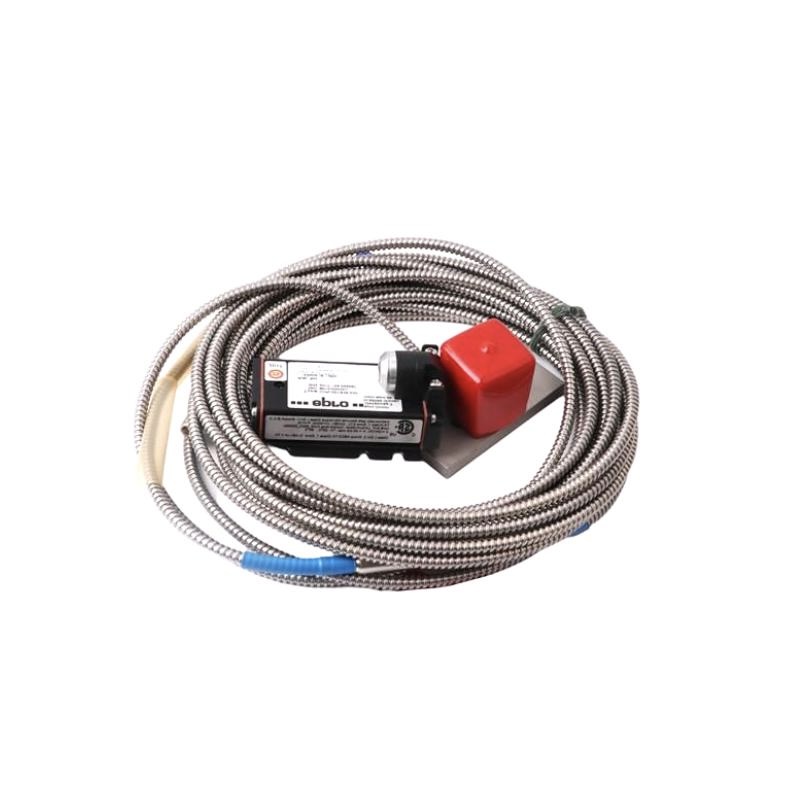
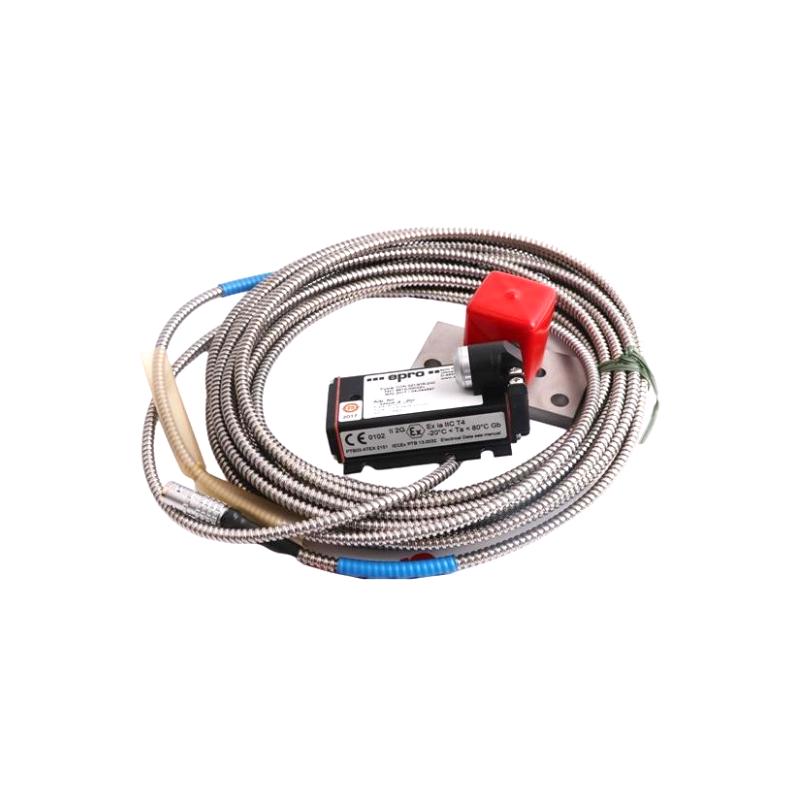
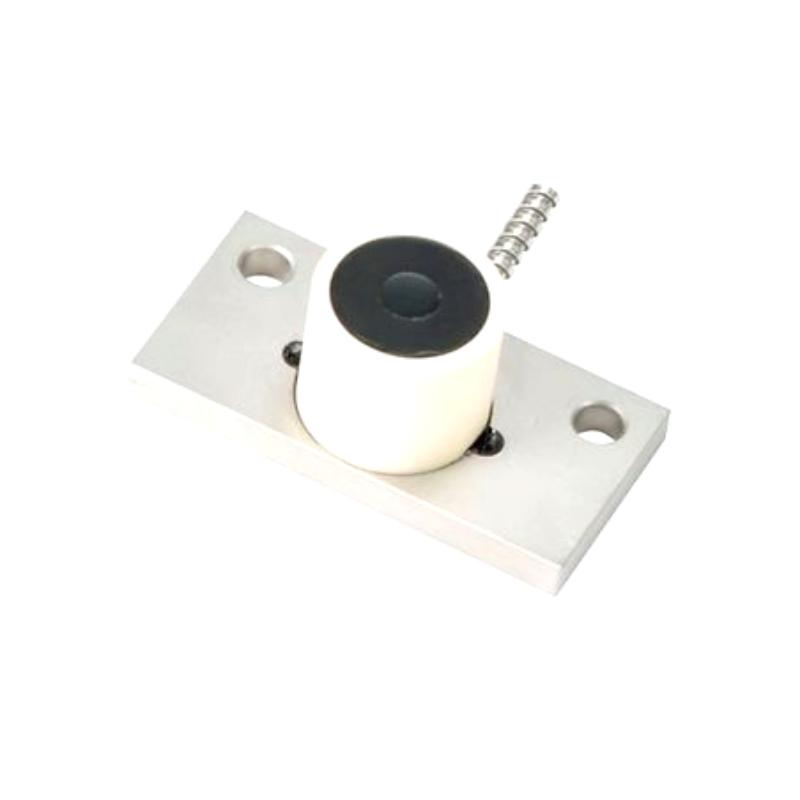
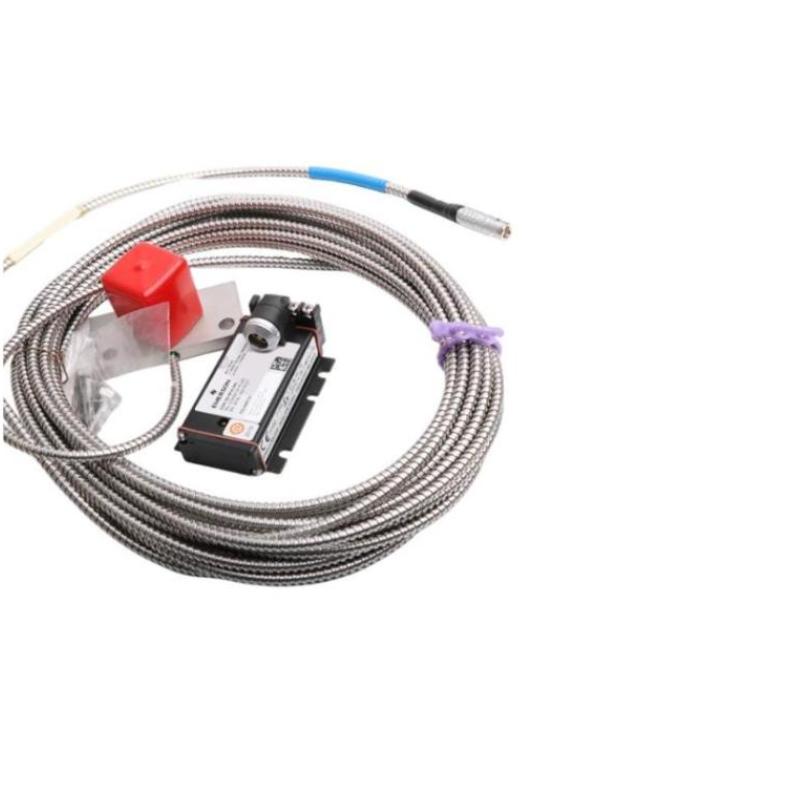
- Epro
- PR6426/010-120
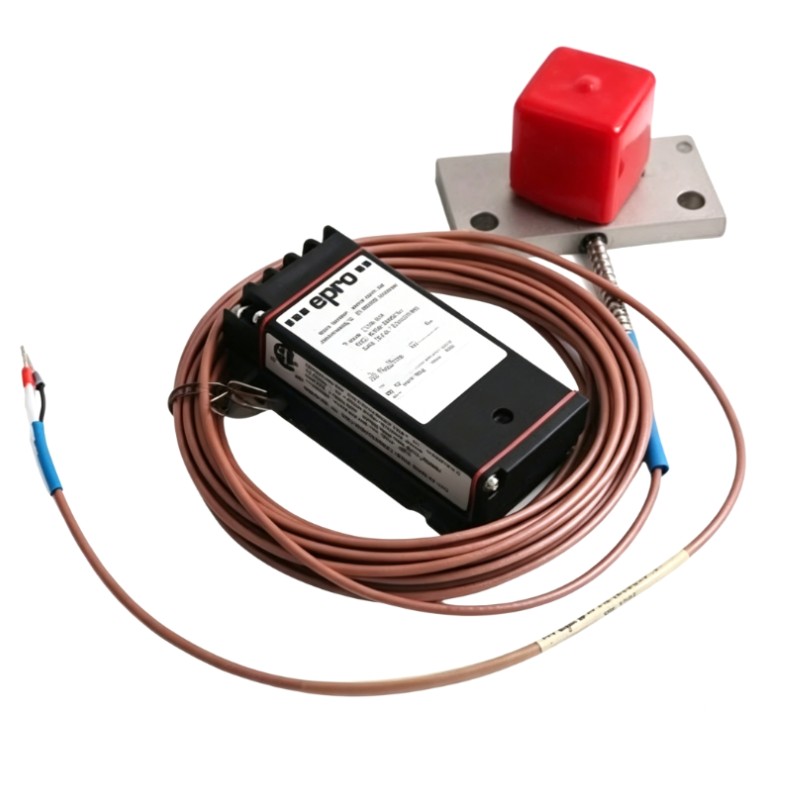
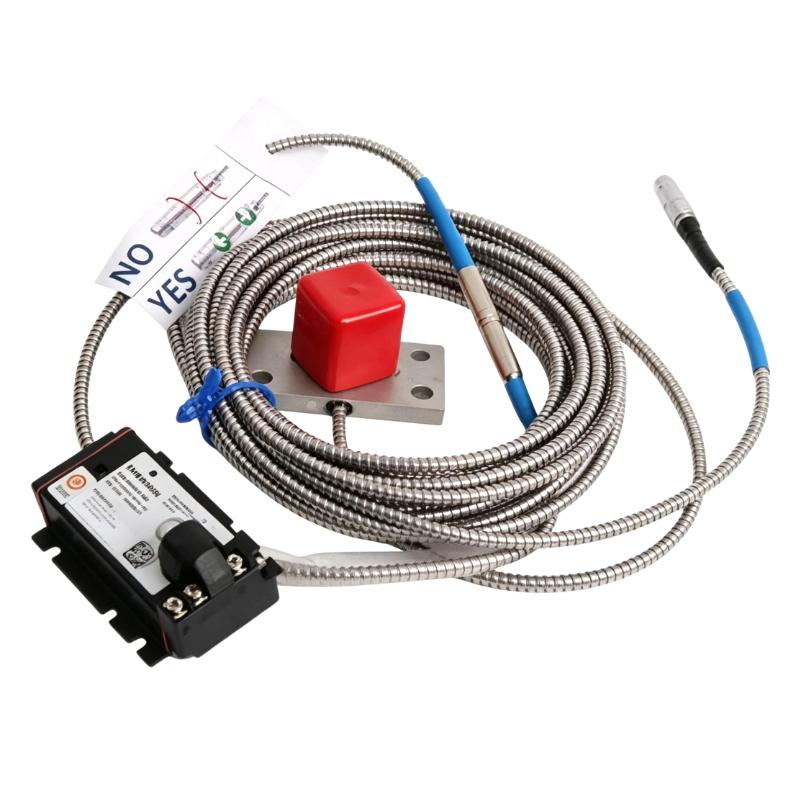
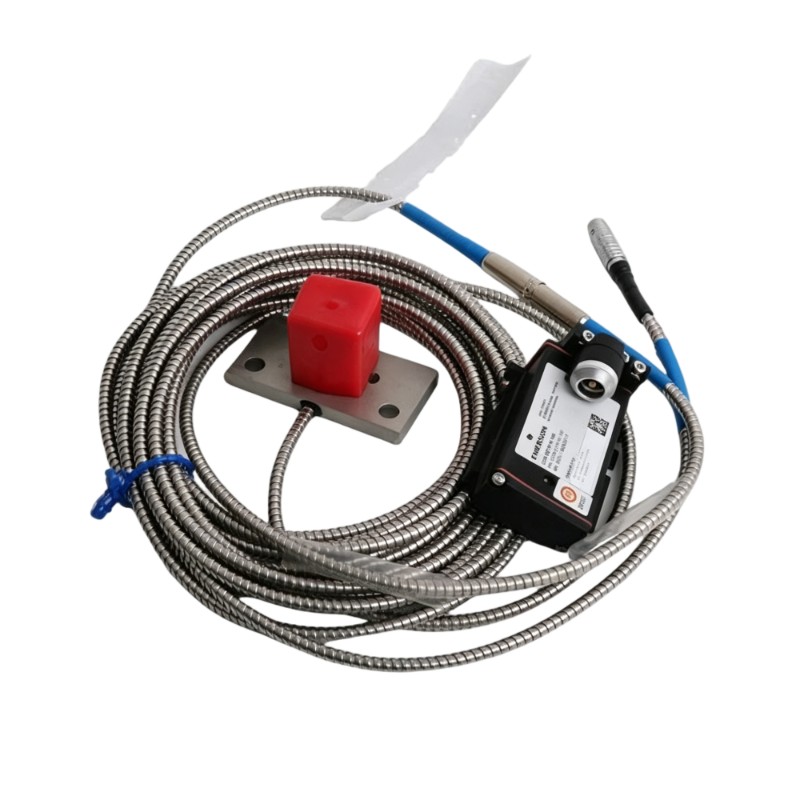
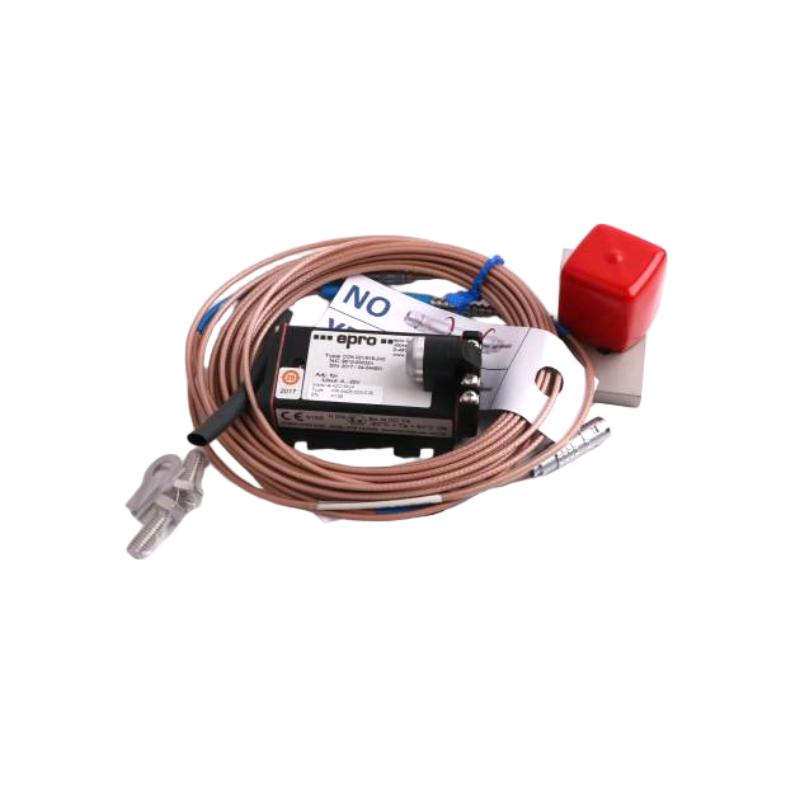
- 32 mm Eddy Current Sensor
- Germany
- 32 mm
- 0.8 kg
- Xiamen, China
- New & In Stock
- T/T, PayPal, Western Union
- 1 Year
- 1-3 Working Days
- DHL, UPS, TNT, FedEx and EMS.
- 24-Hour Service
- COO
- 4
Our advantage

Global Logistics
We have a 10-year logistics and express cooperation agreement, so our products can be shipped to any place in the world.

Brand new and original
Our products are imported in bulk from the place of origin. Because of the cooperative relationship, our products are all original and 100% new.

24-hour service
We provide 7*24 hours service to our customers. We will be there whenever you need us.

Price advantage
All our products are priced very favorably because we have our own warehouse and supply.
| Company Information | |||
| [email protected] | |||
| Mobile | +8615980777398 | ||
| +8615980777398 | |||
| 15980777398 |
Introduction
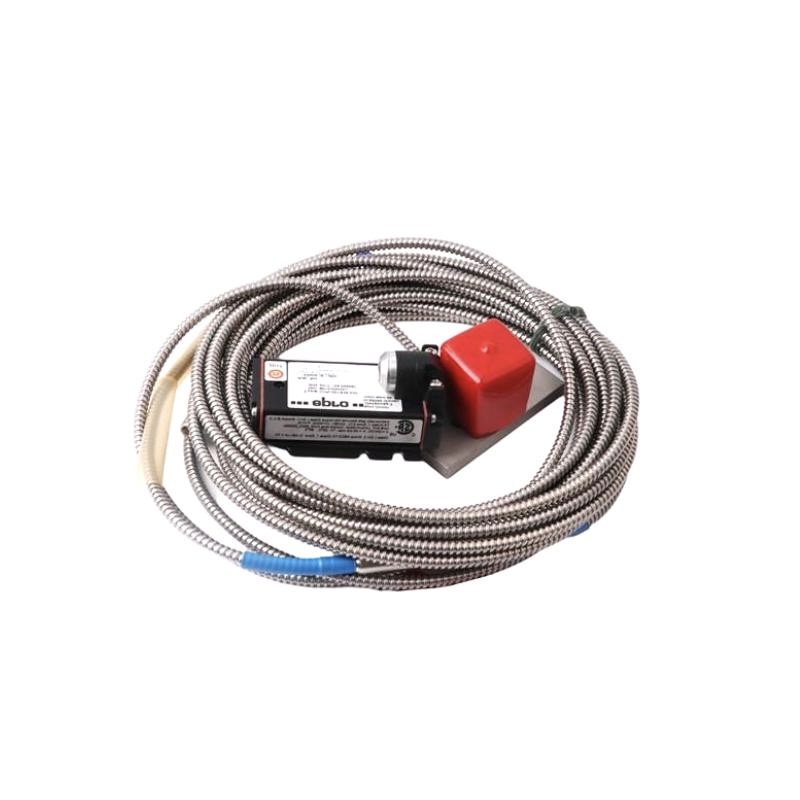
The Epro PR6426/010-120 is a 32 mm eddy current sensor designed for non-contact measurement in industrial machinery monitoring and automation systems. As part of the PR6426 sensor family, it is intended for applications where reliable measurement of the position or displacement of conductive metallic targets is required.
Eddy current sensing technology is widely used in rotating machinery because it allows measurements without direct mechanical contact. This makes it suitable for monitoring moving machine components, particularly in environments where continuous operation and dependable condition monitoring are important.
With a sensor head diameter of 32 mm and a listed weight of 0.8 kg, the PR6426/010-120 can be considered for machinery installations that require a larger sensor-head format. Before installation, the complete sensor designation and its compatibility with the associated measuring system should be checked.
Applications
The Epro PR6426/010-120 can be used in industrial measurement and machinery monitoring applications involving conductive targets.
Typical application areas include:
- Rotating Machinery Monitoring: Non-contact displacement measurement for selected rotating machine components.
- Shaft Position Measurement: Monitoring the relative position of a conductive shaft surface when used with a compatible measurement system.
- Vibration Monitoring: Supporting vibration measurement installations where the sensor and signal-conditioning equipment are correctly matched.
- Industrial Turbomachinery: Potential use in turbine and other rotating-equipment monitoring systems, subject to system compatibility.
- Power Generation: Supporting condition-monitoring arrangements for machinery in power plants.
- Industrial Process Equipment: Integration into machinery monitoring systems where continuous measurement is required.
The actual application depends on the sensor’s electrical characteristics, target material, installation geometry, and compatible signal-conditioning equipment.
Key Features and Advantages
1. Non-Contact Measurement
The PR6426/010-120 uses eddy current measurement technology. Since the sensor does not need to touch the measured metallic target, it avoids the mechanical wear associated with contact-based measurement methods.
2. 32 mm Sensor Head
The specified sensor head diameter is 32 mm. This dimension is an important consideration when evaluating mounting space, probe clearance, brackets, and the mechanical arrangement around the measurement point.
3. Suitable for Machinery Monitoring
Eddy current sensors are commonly applied in machinery condition-monitoring systems. When correctly configured, they can provide measurement signals for evaluating changes in shaft position or displacement.
4. Continuous Measurement Capability
Non-contact sensing is useful in installations where machinery operates continuously and measurement needs to be maintained while components are moving.
5. Industrial Integration
The sensor can be considered for integration into an appropriate monitoring arrangement. The required extension cable, converter, and monitoring hardware must be selected according to the complete system configuration.
6. Model Identification
The full model number, PR6426/010-120, should be used when identifying or replacing the component. Similar-looking sensor models should not automatically be treated as interchangeable.
Technical Specifications
| Parameter | Specification |
|---|---|
| Brand | Epro |
| Model | PR6426/010-120 |
| Product Type | Eddy Current Sensor |
| Product Series | PR6426 |
| Sensor Head Diameter | 32 mm |
| Measurement Method | Non-contact eddy current sensing |
| Target Type | Conductive metallic target |
| Weight | 0.8 kg |
| Application | Industrial machinery measurement and monitoring |
Technical note: The supplied product information confirms the model number, sensor head diameter, and weight. Exact measurement range, sensitivity, linearity, frequency response, operating temperature, cable arrangement, and electrical characteristics should be verified against the applicable manufacturer documentation before ordering or installation.
Operating Principle and Measurement Function
Eddy current sensors operate through electromagnetic interaction between the sensor coil and a conductive target.
When the sensor is supplied with the appropriate excitation signal, an electromagnetic field is generated around its sensing element. If a conductive metallic object is positioned within the effective sensing area, eddy currents are induced in the target. These currents influence the electromagnetic characteristics of the sensor.
Changes in the distance between the sensor and the target produce corresponding changes in the sensor’s electrical response. A compatible signal-conditioning unit can process this response and convert it into a measurement signal.
In machinery monitoring applications, this principle can support measurements such as:
- Relative shaft displacement
- Changes in target position
- Dynamic movement of metallic machine components
- Displacement-related vibration measurements, when configured as part of a suitable monitoring system
The accuracy and usable measurement range depend on the complete measuring chain, including the sensor, signal conditioner, target material, mounting arrangement, and calibration.
Installation and System Integration
Correct installation is essential for obtaining reliable measurement results from the Epro PR6426/010-120.
Mechanical Installation
Before mounting the sensor, confirm that the available installation space accommodates its 32 mm sensor head. The mounting position should provide suitable clearance from surrounding machine structures and allow the sensing surface to face the intended metallic target.
The sensor should be securely installed using an appropriate mounting arrangement. Loose brackets, excessive vibration at the mounting point, or changes in sensor alignment can affect measurement stability.
Target Surface Considerations
The target should be conductive and suitable for the intended measurement application. Surface condition, material properties, geometry, and target dimensions can influence the sensor response.
For rotating machinery, the measurement location should be selected carefully to avoid unsuitable surface features or installation conditions that could introduce unwanted signal variation.
Electrical and System Compatibility
The sensor should be connected only to compatible signal-conditioning equipment. Before connecting it to an existing monitoring system, verify:
- Sensor model and electrical configuration
- Required cable and connector arrangement
- Compatibility with the associated converter
- Power and signal requirements
- Calibration and measurement range
- Monitoring-system input configuration
Do not assume that another PR6426 model or a different sensor family can replace the PR6426/010-120 without checking the complete system requirements.
Commissioning
After installation, inspect the mounting arrangement and cable connections. Confirm that the sensor produces a stable signal under the intended operating conditions. Where required, perform calibration and verify the measurement response before placing the equipment into normal service.
Maintenance and Troubleshooting
Although eddy current sensors do not require physical contact with the measured target, periodic inspection remains important.
Recommended maintenance checks include:
- Inspect the sensor housing for visible damage.
- Check that the mounting arrangement remains secure.
- Examine cables and connectors for wear or looseness.
- Confirm that the sensing surface is correctly positioned.
- Check the signal-conditioning equipment for abnormal indications.
- Compare measurement readings with expected operating conditions.
- Verify calibration according to the maintenance requirements of the monitoring system.
Common troubleshooting considerations:
- Unstable readings: Check sensor mounting, cable connections, target surface condition, and possible electrical interference.
- No measurement signal: Verify the power supply, cable continuity, connector condition, and compatibility of the signal-conditioning unit.
- Unexpected measurement values: Review the sensor gap, target material, installation geometry, and calibration settings.
- Intermittent signal: Inspect cables and connectors and check for vibration or mechanical movement affecting the installation.
Troubleshooting should be performed with reference to the applicable equipment manuals and site safety procedures.
Technical FAQs
1. What is the Epro PR6426/010-120?
It is a 32 mm eddy current sensor intended for non-contact measurement applications involving conductive metallic targets.
2. What is the sensor head diameter?
The specified sensor head diameter is 32 mm.
3. What is the weight of this model?
The listed weight is 0.8 kg.
4. Does the PR6426/010-120 use contact measurement?
No. It uses eddy current technology, which measures the target without requiring direct physical contact.
5. What materials can it measure?
Eddy current sensors are designed for conductive materials. The actual response depends on the target material and the measuring system configuration.
6. Can this sensor be used for rotating machinery monitoring?
It can be considered for suitable rotating machinery monitoring applications, provided that the sensor is compatible with the associated signal-conditioning and monitoring equipment.
7. Can it measure shaft displacement?
Eddy current technology is commonly used for non-contact shaft displacement measurement. The specific measurement capability must be confirmed for the complete PR6426/010-120 installation.
8. Is the PR6426/010-120 interchangeable with other PR6426 models?
Not necessarily. Different model designations may indicate different configurations or technical characteristics. Compatibility should be confirmed before replacement.
9. What should be checked before installation?
Verify the sensor model, mounting dimensions, target material, required clearance, cable arrangement, signal conditioner, and calibration requirements.
10. What information should be confirmed before purchasing?
Confirm the complete model designation, physical condition, sensor configuration, compatibility requirements, and any additional accessories required by the existing monitoring system.
Conclusion
The Epro PR6426/010-120 32 mm Eddy Current Sensor is designed for non-contact measurement applications in industrial machinery monitoring. Its 32 mm sensor head provides a defined mechanical dimension for installation planning, while its eddy current operating principle makes it suitable for measurement arrangements involving conductive metallic targets.
For maintenance teams, system integrators, and industrial equipment purchasers, confirming the complete model designation and compatibility with the existing signal-conditioning equipment is essential. Proper installation, calibration, and periodic inspection help support dependable operation in industrial monitoring systems.