
NewsNEWCENTER
Featured products
Contact Us
Emerson KJ4110X1-BA1 I/O Terminal Block Installation Guide
2026-11-19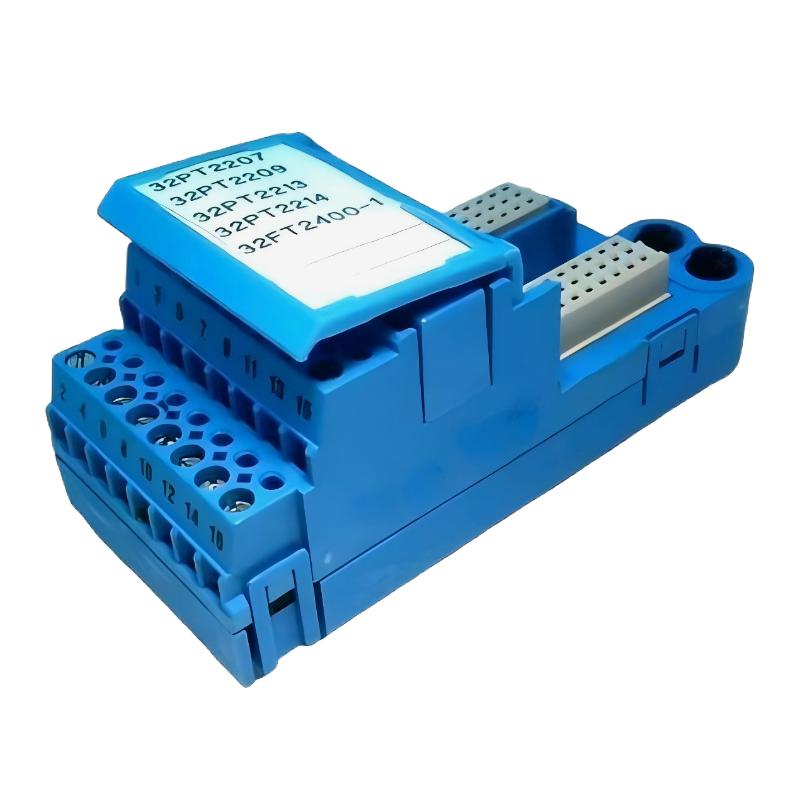
The Emerson KJ4110X1-BA1 is an I/O terminal block associated with the DeltaV M-series system. Correct installation requires matching the terminal block to the intended I/O module, checking its mechanical keying, verifying field wiring, and following the applicable electrical and hazardous-area requirements. Product identification is especially important because this model is also identified in legacy DeltaV documentation as an intrinsically safe terminal block used with specific I/O arrangements.
Emerson KJ4110X1-BA1 Terminal Block Identification and Application
The KJ4110X1-BA1 provides a physical termination interface between field wiring and a compatible DeltaV I/O arrangement. It is not a standalone controller or an independently functioning I/O processor. Its role is to support the connection of field circuits to the appropriate control-system hardware.
Legacy DeltaV installation documentation identifies KJ4110X1-BA1 as an IS terminal block in certain intrinsically safe I/O configurations. The documentation associates it with specific I/O modules and carriers. Therefore, do not treat it as a universal terminal block for every DeltaV I/O card.
- Verify the complete KJ4110X1-BA1 model number on the product label.
- Identify the exact I/O module and carrier intended for the installation.
- Check the applicable terminal-block key position.
- Confirm whether the application requires an intrinsically safe field circuit.
- Review the system drawings and relevant installation instructions.
KJ4110X1-BA1 Pre-Installation Checks
Before installation, review the I/O assignment, field termination drawings, hazardous-area classification, and the approved DeltaV hardware configuration. If the terminal block is used in an intrinsically safe application, the complete loop design must be assessed as a system rather than treating the terminal block as an isolated component.
Hardware and documentation checks
- Compare the terminal block model with the approved bill of materials.
- Confirm the matching carrier and I/O module.
- Check the terminal block for cracks, deformation, corrosion, or damaged contacts.
- Inspect the mounting position and verify that the carrier is correctly installed.
- Review the field wiring schedule and channel assignments.
- Check the required safety approvals and installation conditions for the location.
Do not rely solely on a supplier’s generic description to establish hazardous-area suitability. Confirm the markings on the actual equipment and the certification documentation for the complete installation.
Emerson KJ4110X1-BA1 Terminal Block Mounting Procedure
Install the KJ4110X1-BA1 in the designated DeltaV carrier position. Mechanical alignment and keying are important because they help prevent an incompatible I/O module and terminal block combination from being assembled.
- Isolate the relevant field circuits and system power as required by the installation procedure.
- Locate the correct carrier slot using the approved hardware layout.
- Inspect the carrier connector and terminal block mating surfaces.
- Verify that the keying arrangement matches the intended I/O module.
- Align the terminal block with the designated mounting position.
- Seat the component evenly without forcing the connector.
- Check mechanical retention and confirm that the assembly is secure.
Never force a terminal block into a carrier position when the keying or alignment does not match. Stop and verify the module combination before proceeding.
KJ4110X1-BA1 Field Wiring and Signal Connections
Field wiring must follow the terminal assignment and connection diagram for the exact I/O module and terminal block combination. The terminal block provides the connection point, but the signal type and wiring arrangement are determined by the associated I/O hardware and system design.
- Use the approved wiring diagram to identify each channel and terminal.
- Confirm field-device polarity and signal type before termination.
- Keep intrinsically safe and non-intrinsically safe wiring segregated as required.
- Use the specified conductor size and termination method.
- Apply the manufacturer’s specified terminal tightening requirements.
- Label conductors at both ends to match the loop and cabinet drawings.
- Inspect for loose strands, damaged insulation, and accidental shorts.
For intrinsically safe applications, verify the loop parameters, associated apparatus, cable characteristics, grounding arrangements, and applicable installation rules. Do not assume that the use of an IS terminal block alone makes an entire field circuit intrinsically safe.
Emerson KJ4110X1-BA1 Setup and Commissioning
Commissioning should confirm mechanical compatibility, wiring accuracy, channel assignment, and correct signal behavior. Complete the checks before returning the connected process equipment to normal operation.
- Verify the terminal block and I/O module model numbers.
- Compare every field conductor with the approved loop drawing.
- Check continuity and insulation where the approved procedure requires it.
- Confirm that the carrier and module assembly is fully seated.
- Restore power according to the site’s approved sequence.
- Check the I/O module’s diagnostic indicators and DeltaV system status.
- Perform the approved channel-level signal or loop test.
- Confirm that the control system reports the expected signal condition.
For output circuits, coordinate functional testing with operations before actuating valves, relays, starters, or other field equipment. For input circuits, use an approved signal simulator or field-device test method appropriate to the I/O type.
KJ4110X1-BA1 DeltaV System Configuration and Validation
After installation, verify that the physical wiring agrees with the DeltaV configuration. The channel assignment in the engineering database must correspond to the actual field termination and connected I/O module.
Final validation checklist
- Correct KJ4110X1-BA1 identification
- Compatible carrier and I/O module installed
- Correct mechanical keying
- Field wiring checked against loop drawings
- Intrinsically safe circuit requirements reviewed where applicable
- Channel identification and signal type verified
- No unexpected I/O diagnostics or system alarms
- Functional test completed and recorded
Retain the completed inspection and commissioning records with the cabinet documentation. These records make later troubleshooting and replacement work more efficient.
Emerson KJ4110X1-BA1 Installation FAQs
What is the Emerson KJ4110X1-BA1 used for?
It is an I/O terminal block used in DeltaV hardware arrangements. Legacy documentation identifies it as an intrinsically safe terminal block for specified I/O configurations.
Is the KJ4110X1-BA1 an I/O controller?
No. It provides a field termination interface and must be used with compatible I/O hardware and the designated carrier.
Can it be installed with any DeltaV I/O module?
No. Confirm the supported module and carrier combination, including the required mechanical keying, before installation.
Why is terminal-block keying important?
Keying helps prevent incompatible terminal blocks and I/O modules from being assembled together. Never modify the keying to force an unverified combination.
Does the terminal block itself guarantee intrinsic safety?
No. Intrinsic safety depends on the complete loop design, associated apparatus, field device parameters, wiring, installation conditions, and applicable certification requirements.
Can I use a generic wiring diagram for the KJ4110X1-BA1?
No. Use the terminal assignment for the exact I/O module and system configuration. Terminal numbers and channel mappings should not be guessed.
What should be checked if the module does not recognize a field signal?
Check the field-device supply, wiring continuity, polarity, channel assignment, terminal-block seating, and I/O module diagnostics.
Can the terminal block be removed while the system is energized?
Do not assume that energized removal is permitted. Follow the applicable hardware and hazardous-area instructions, and isolate field circuits as required.
Does the KJ4110X1-BA1 require calibration?
The terminal block is a passive termination component rather than a measuring instrument. Calibration requirements generally relate to the associated field device or I/O channel, not the terminal block itself.
What information should be recorded after installation?
Record the model number, carrier and I/O module combination, terminal assignments, wiring inspection, loop-test results, safety checks, and commissioning approval.
Emerson KJ4110X1-BA1 Installation Conclusion
Correct installation of the Emerson KJ4110X1-BA1 depends on matching the terminal block with the intended DeltaV I/O hardware, verifying mechanical keying, following the correct field wiring diagram, and completing the required safety and commissioning checks. In intrinsically safe applications, assess the entire loop and installation arrangement rather than relying on the terminal block designation alone. A documented installation process helps maintain wiring integrity and reliable operation in legacy DeltaV control systems.