AI-Powered Automation Platforms Drive the Next Generation of Smart Process Manufacturing
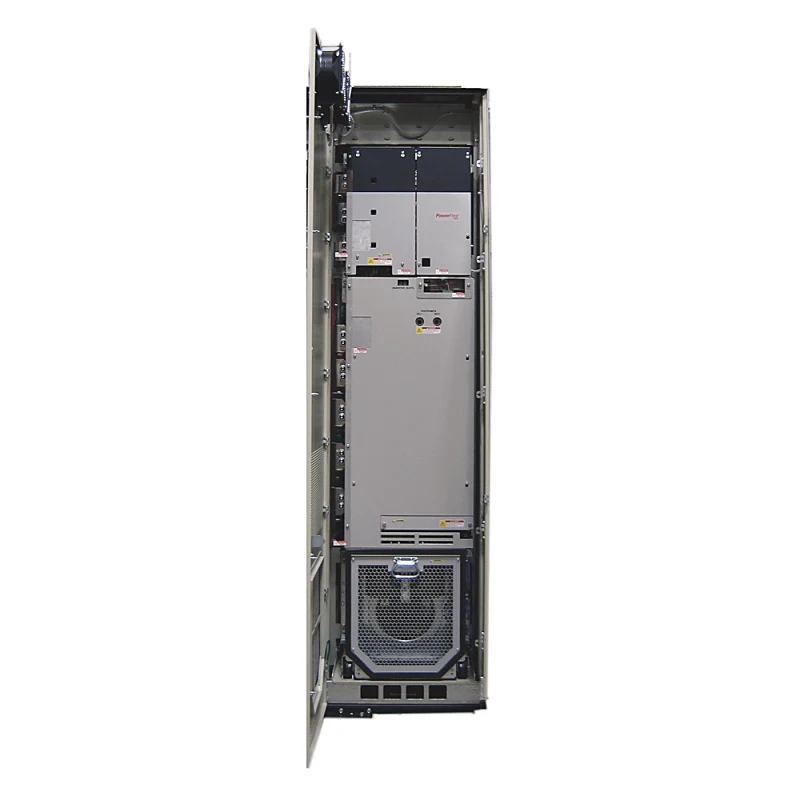
Industrial manufacturers are rapidly transforming their operations as artificial intelligence, software-defined automation and intelligent digital platforms become essential components of modern production facilities. Emerson is strengthening its automation portfolio by expanding software-centric control technologies that help industrial companies improve operational efficiency, simplify system modernization and accelerate the journey toward autonomous operations.
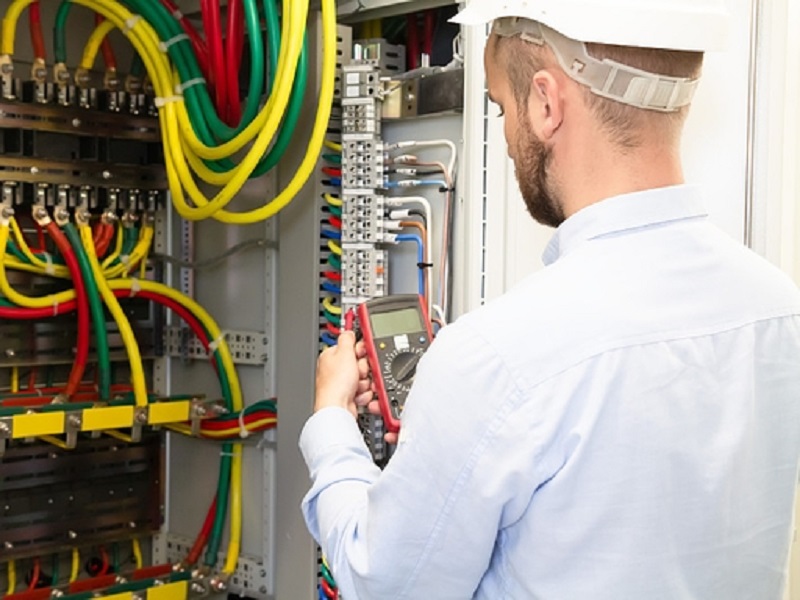
Manufacturers across industries including oil and gas, power generation, chemical processing, pharmaceuticals and food production are facing increasing pressure to improve productivity while maintaining high levels of safety and reliability. Traditional automation systems continue to provide dependable process control, but modern facilities now require greater flexibility, faster engineering and more intelligent decision-making than conventional architectures can easily provide.
One of the most important developments is the transition toward software-defined automation. Instead of depending entirely on dedicated control hardware, manufacturers are increasingly adopting software platforms that separate engineering applications from physical controllers. This allows automation software to be deployed more flexibly while simplifying future upgrades and reducing engineering complexity. Emerson has continued to expand software-defined capabilities within its DeltaV automation platform to improve operational intelligence, cybersecurity and enterprise-wide data visibility.
Artificial intelligence is becoming another major driver of industrial innovation. Modern control systems continuously collect enormous amounts of operational data from transmitters, analyzers, valves, sensors and field instruments. AI-powered analytics can process this information in real time, identify abnormal operating conditions and recommend adjustments that improve process stability and equipment performance.
Rather than replacing engineers, Industrial AI serves as an intelligent assistant capable of analyzing production trends, identifying hidden process relationships and supporting faster operational decisions. Emerson’s AI strategy focuses on practical industrial applications such as predictive maintenance, operational guidance, asset optimization and autonomous process control.
Digital transformation is also changing engineering workflows. Cloud-connected engineering platforms enable automation projects to be developed, tested and maintained collaboratively across multiple production sites. Engineers can standardize control strategies, deploy software updates remotely and manage automation assets more efficiently throughout their operational lifecycle.
Predictive maintenance continues to expand across industrial facilities. Intelligent monitoring systems continuously evaluate equipment conditions including vibration, pressure, flow, temperature and valve performance. By detecting abnormal operating behavior before failures occur, maintenance teams can schedule repairs proactively, reduce unexpected shutdowns and extend equipment service life.
Another significant trend is the increasing integration of operational technology with enterprise software. Modern automation platforms no longer function as isolated control systems. Instead, production data is shared securely with maintenance applications, manufacturing execution systems, asset management platforms and business intelligence software. This integrated environment enables organizations to make faster, data-driven decisions while improving overall operational transparency.
Industrial cybersecurity remains a critical consideration as digital connectivity expands. Manufacturers are implementing secure remote access, network segmentation, user authentication and continuous system monitoring to protect critical automation infrastructure from evolving cyber threats. Cybersecurity has become an essential component of every modern automation project rather than an optional system enhancement.
Sustainability continues to influence industrial investment decisions. Intelligent process optimization allows manufacturers to reduce energy consumption, minimize raw material waste and improve overall production efficiency. Advanced control algorithms automatically adjust operating parameters to maintain product quality while lowering environmental impact and operating costs.
Remote operations are becoming increasingly common across large industrial enterprises. Engineers can supervise production facilities, analyze alarms, review equipment performance and support maintenance activities from centralized operation centers. This capability improves response times while allowing technical expertise to be shared across geographically distributed facilities.
Looking ahead, software-defined automation, Industrial AI, cloud engineering and autonomous operations will continue to reshape the future of process industries. Manufacturers investing in these technologies will be better positioned to improve productivity, strengthen operational resilience and remain competitive in an increasingly digital industrial environment.
As industrial automation continues to evolve, Emerson’s focus on intelligent software, AI-powered analytics and flexible automation architectures demonstrates how modern process control is moving beyond traditional hardware toward connected, data-driven and increasingly autonomous manufacturing systems.