

ProductPRODUCT
Featured products
Contact Us
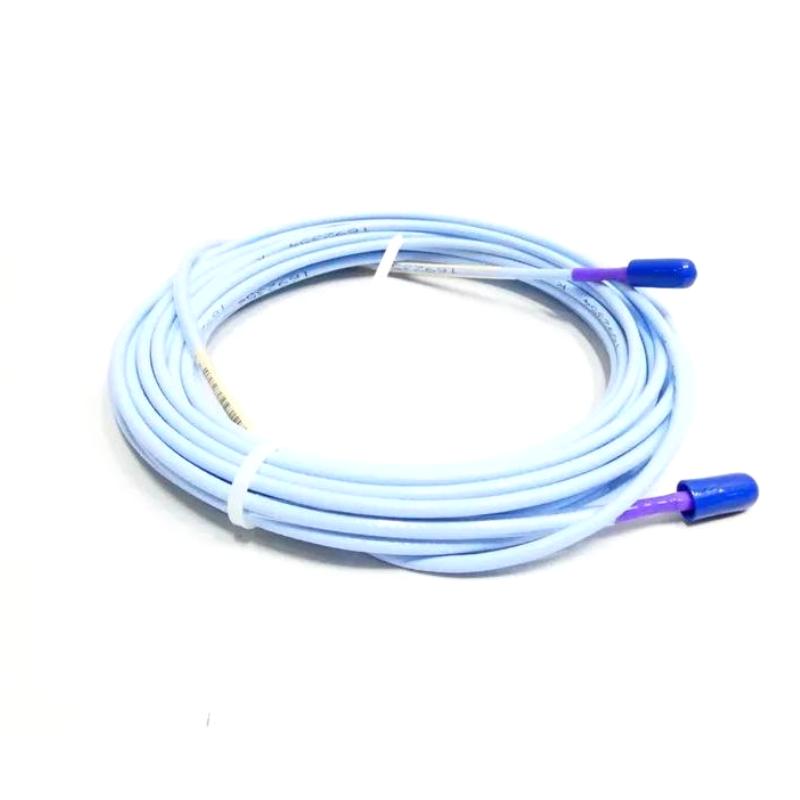
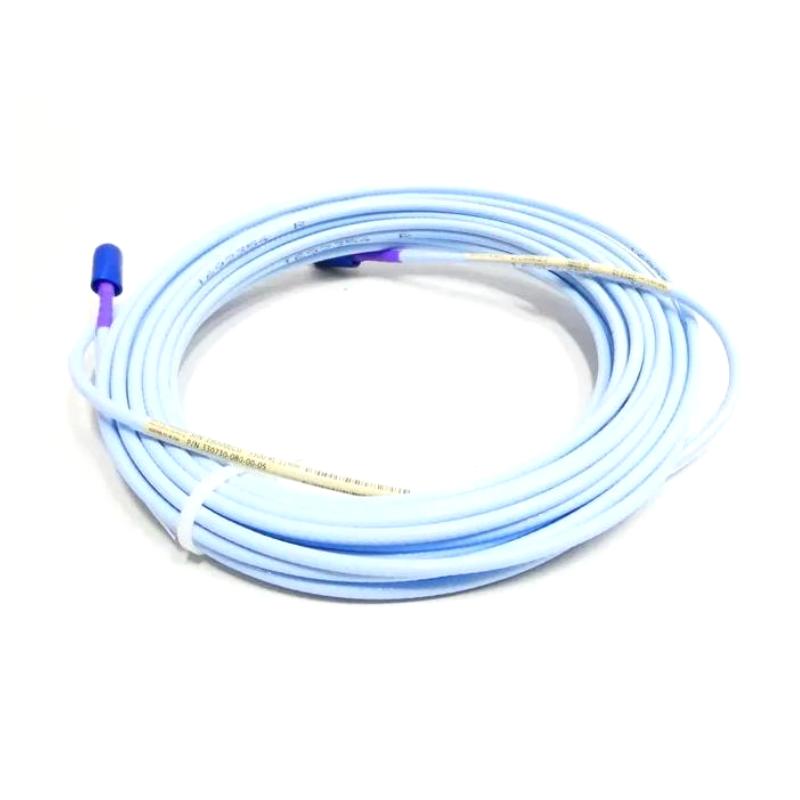
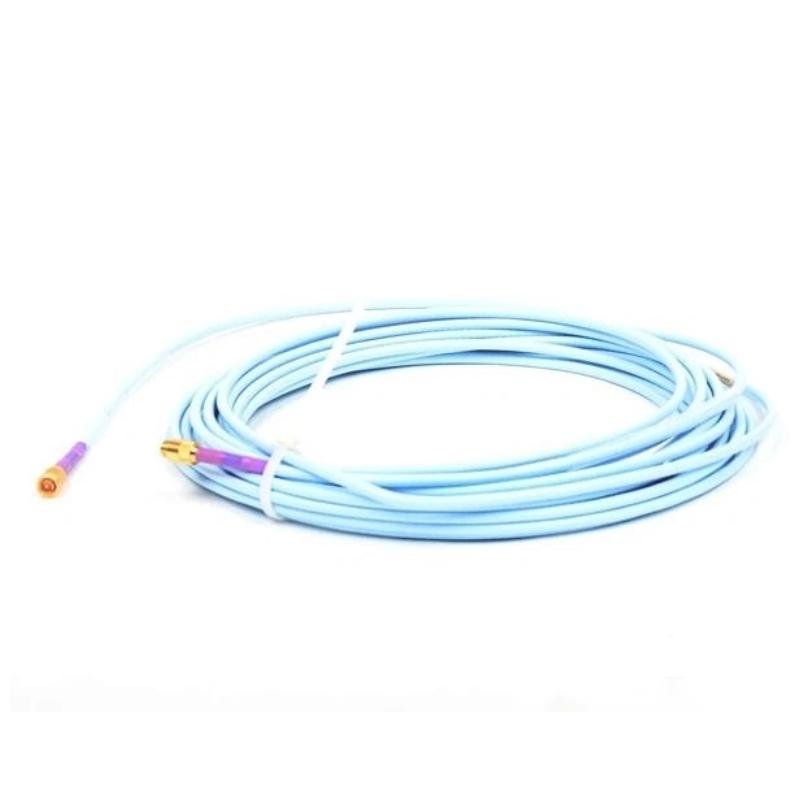
- Bently Nevada
- 330730-080-00-00
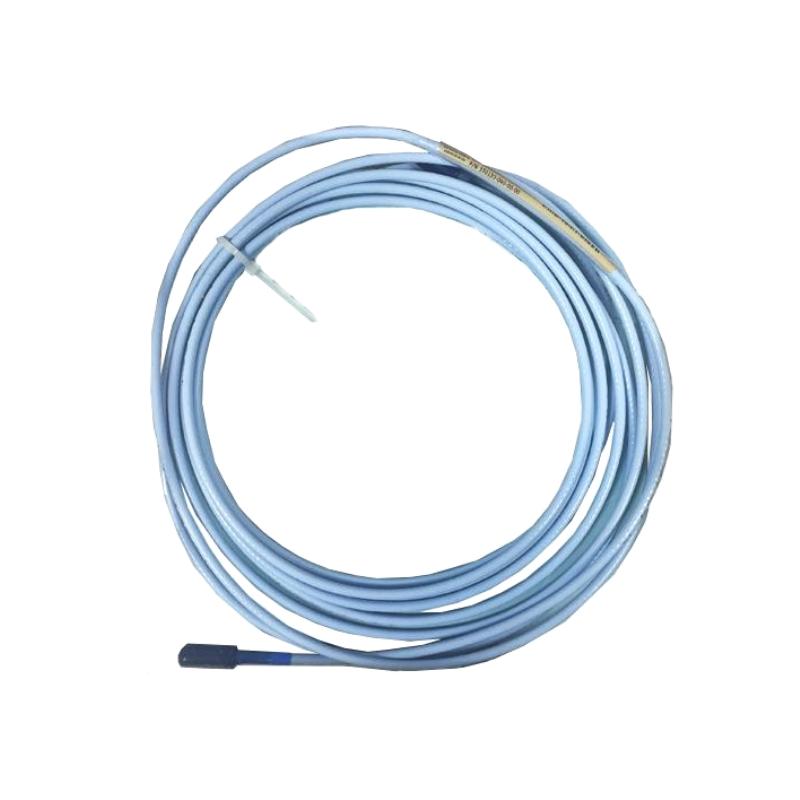
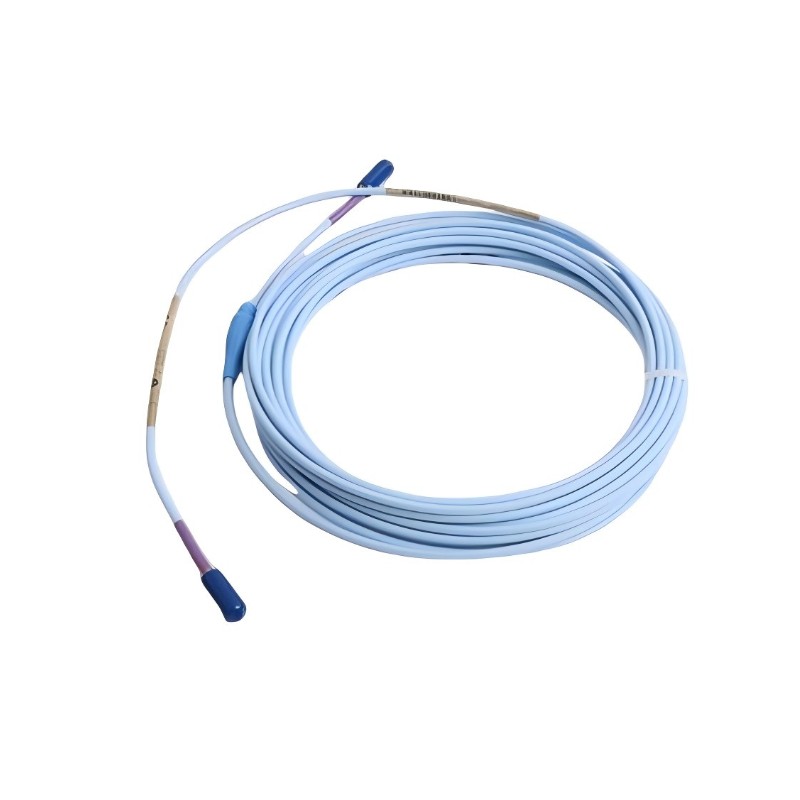
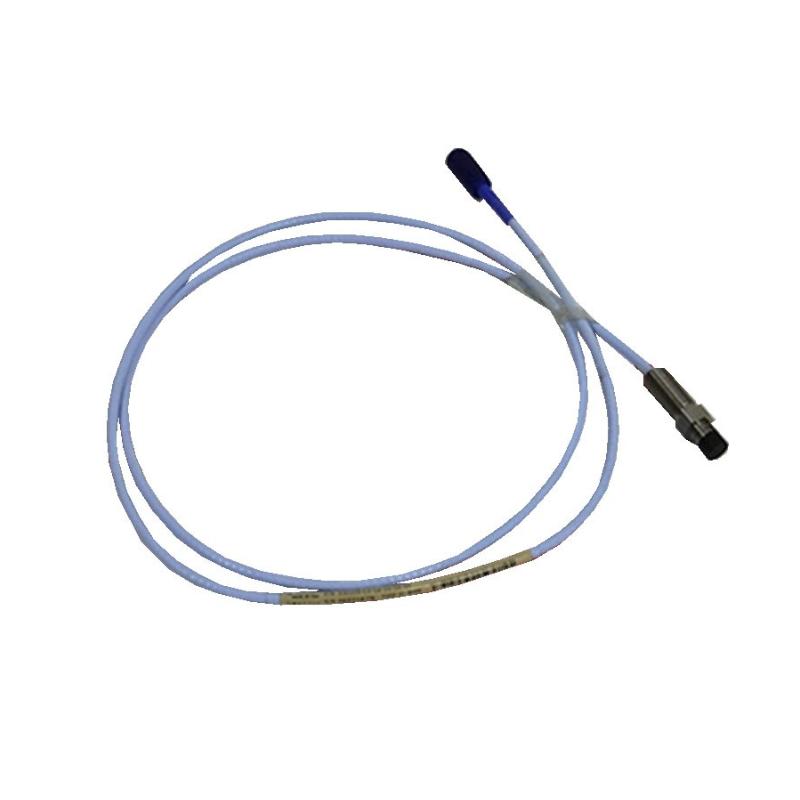
- 3300 XL 11mm Extension Cable
- USA
- 4.0 m
- 1kg
- Xiamen, China
- New & In Stock
- T/T, PayPal, Western Union
- 1 Year
- 1-3 Working Days
- DHL, UPS, TNT, FedEx and EMS.
- 24-Hour Service
- COO
- 3
Our advantage

Global Logistics
We have a 10-year logistics and express cooperation agreement, so our products can be shipped to any place in the world.

Brand new and original
Our products are imported in bulk from the place of origin. Because of the cooperative relationship, our products are all original and 100% new.

24-hour service
We provide 7*24 hours service to our customers. We will be there whenever you need us.

Price advantage
All our products are priced very favorably because we have our own warehouse and supply.
| Company Information | |||
| [email protected] | |||
| Mobile | +8615980777398 | ||
| +8615980777398 | |||
| 15980777398 |
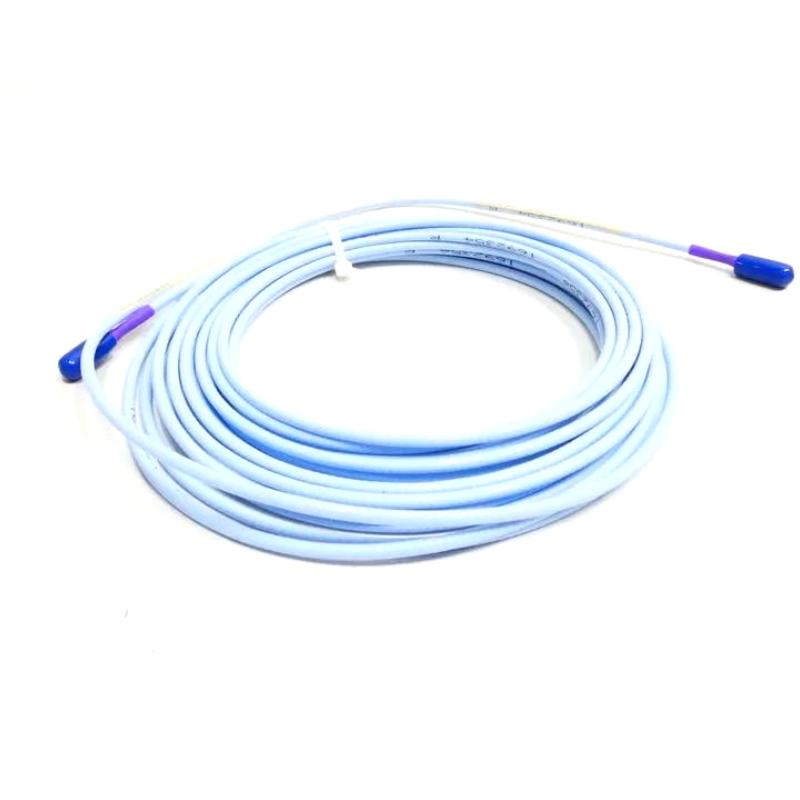
Bently Nevada 330730-080-00-00 Extension Cable — Product Description, Technical Specifications, Applications, Advantages, and Related Models
1. Product Overview
The Bently Nevada 330730-080-00-00 is associated with the 3300 XL 11 mm proximity sensor system and is identified by its model designation as an extension cable configuration. Extension cables are used to connect compatible proximity probes to their corresponding proximitor sensors, allowing the sensor system to be installed in machinery monitoring applications where the probe and signal-conditioning equipment are separated by a certain distance.
In rotating machinery monitoring, the extension cable is an important part of the measurement chain. It carries the electrical signal between the proximity probe and the associated sensor electronics, helping the complete system measure shaft vibration, shaft displacement, and related mechanical movement.
The cable must be matched with the appropriate probe and proximitor configuration. Compatibility depends on the complete system configuration, including cable length, connector arrangement, electrical characteristics, and the required total system length.
The model number alone should not be treated as confirmation of every electrical or mechanical specification. The detailed values below distinguish general product characteristics from dimensions and weights that require confirmation against the exact supplied unit.
2. Technical Specifications
The following table summarizes the product’s identification and principal technical characteristics. Exact order-code details that cannot be established confidently from the model number are marked as requiring confirmation rather than being presented as verified measurements.
| Parameter | Specification |
|---|---|
| Brand | Bently Nevada |
| Model | 330730-080-00-00 |
| Product type | Extension cable |
| Product family | 3300 XL proximity measurement system |
| Associated probe family | 3300 XL 11 mm proximity probes, subject to configuration compatibility |
| Primary function | Signal connection between a compatible proximity probe and proximitor sensor |
| Measurement application | Non-contact shaft vibration and displacement monitoring |
| Cable length | Not independently confirmed for this exact order code |
| Cable construction | Must be confirmed against the specific cable version |
| Connector type | Compatible system connectors; exact connector configuration requires confirmation |
| Electrical impedance | Requires confirmation for the exact model |
| Capacitance | Requires confirmation for the exact model |
| Operating temperature | Refer to the applicable product specification for the supplied configuration |
| Installation method | Installed between compatible proximity probe and sensor electronics |
| Mounting style | Cable routing and securing depend on the machine installation |
| Dimensions | Overall length and connector dimensions require confirmation |
| Weight (kg) | Not independently confirmed; obtain the actual unit or packaging specification |
| Intended environment | Industrial machinery monitoring installations |
| Replacement compatibility | Must be checked against the existing probe, sensor, cable length, and system configuration |
2.1 Dimensions and Weight
Dimensions and weight are important when planning spare-parts storage, shipping, installation, and replacement work. However, an extension cable does not have a single fixed set of dimensions independent of its configuration: cable length, connector design, protective hardware, and packaging can all affect the measured values.
| Physical parameter | Value for 330730-080-00-00 |
|---|---|
| Cable overall length | Requires exact model confirmation |
| Cable outside diameter | Requires confirmation |
| Connector body dimensions | Requires confirmation |
| Connector protector dimensions | Requires confirmation |
| Approximate shipping dimensions | Dependent on packaging |
| Net weight (kg) | Not verified |
| Gross weight (kg) | Dependent on packaging |
For purchasing and inventory purposes, the net weight should refer to the cable assembly itself, while gross weight includes packaging and any accompanying accessories. These values should not be treated as interchangeable.
It would be misleading to assign a precise length, diameter, or weight to the 330730-080-00-00 without a confirmed specification for this exact order code.
2.2 Electrical and System Compatibility
An extension cable is not simply a general-purpose electrical cable. In a proximity measurement system, its electrical properties form part of the calibrated measurement chain.
Important compatibility considerations include:
– Electrical characteristics: Cable impedance and capacitance must be suitable for the associated probe and proximitor.
– Total system length: The probe, extension cable, and proximitor must form a compatible system configuration.
– Connector compatibility: The cable ends must mate correctly with the intended probe and sensor connections.
– Environmental resistance: Temperature exposure, oil, moisture, vibration, and mechanical abrasion must be considered during installation.
– Signal integrity: Excessive cable length, damaged connectors, poor routing, or incompatible components may affect measurement performance.
The safest replacement procedure is to compare the complete existing assembly and its identification labels with the required replacement configuration before installation.
3. Product Description
The 330730-080-00-00 belongs to the category of extension cables used in industrial proximity measurement systems. Its role is to provide an electrical connection between a compatible proximity probe and the associated monitoring electronics.
A proximity probe detects the position or movement of a conductive target, such as a rotating shaft. The probe operates as part of a system that converts changes in the probe-to-target gap into an electrical signal. The extension cable carries the signal between system components so that the sensor electronics can process it.
In practical machinery installations, the probe is normally mounted close to the monitored shaft or target, while the proximitor may be installed on a nearby bracket, panel, or equipment structure. An extension cable allows these components to be positioned according to the mechanical layout while maintaining the intended electrical connection.
The cable therefore contributes to the overall functionality of the monitoring system, even though it does not independently measure vibration or displacement.
3.1 Role in the Proximity Measurement Chain
A typical proximity measurement arrangement consists of three principal elements:
1. Proximity probe: Installed near the target surface to detect changes in the gap between the probe tip and the target.
2. Extension cable: Connects the probe to the compatible proximitor and provides the required electrical path.
3. Proximitor sensor: Supplies the appropriate probe circuitry and processes the measurement signal for use by monitoring equipment.
The complete system can support measurements used to evaluate shaft vibration, shaft position, and changes in machine operating behavior.
The extension cable must be selected as part of this complete arrangement. Substituting a cable based only on physical appearance or connector fit may result in an electrically incompatible system.
3.2 Construction and Design Considerations
The detailed construction of the exact 330730-080-00-00 configuration should be confirmed from its product identification and applicable technical documentation. In general, industrial sensor extension cables are designed with several functional considerations in mind.
Electrical insulation
The insulation separates the signal conductor from surrounding conductive materials and helps maintain consistent electrical performance.
Cable shielding and signal integrity
Where included in the specific design, shielding helps reduce unwanted electrical interference from nearby motors, drives, power cables, and other industrial equipment.
Connector integrity
The connectors must provide reliable electrical contact and mechanical retention. Contamination, corrosion, loose connections, and damaged contact surfaces can contribute to unstable measurements.
Mechanical flexibility
The cable must be routed without excessive bending, tension, twisting, or crushing. Proper routing helps reduce mechanical damage during installation and subsequent maintenance.
Environmental suitability
The actual cable construction must be suitable for the temperature, oil exposure, humidity, vibration, and other conditions present at the installation location.
4. Product Applications
The principal application of an extension cable in a proximity monitoring system is to connect the probe and sensor electronics while preserving the electrical characteristics required for accurate measurement.
4.1 Turbine Monitoring
Industrial steam turbines and gas turbines use shaft monitoring systems to evaluate machine movement and operating condition.
A compatible extension cable helps connect shaft-mounted proximity probes to their associated sensor electronics. The resulting measurement signals can be used by monitoring equipment to evaluate shaft vibration and relative shaft displacement.
These measurements can assist maintenance personnel in identifying changes in machine behavior that may require further inspection.
4.2 Compressor Monitoring
Centrifugal and other industrial compressors often operate at high speeds and under demanding mechanical conditions.
Proximity measurement systems can monitor shaft movement and vibration-related parameters. A suitable extension cable provides the required connection between the probe and the sensor electronics, supporting the wider monitoring arrangement.
Typical installation considerations include routing around compressor casings, maintaining connector accessibility, and avoiding excessive mechanical stress on the cable.
4.3 Pump Monitoring
Large process pumps and other critical rotating machines may use proximity sensors to monitor shaft movement or related mechanical conditions.
The extension cable connects the sensing components so that measurements can be transmitted to the monitoring system.
In these installations, careful cable routing is particularly important where oil, moisture, vibration, or restricted maintenance access may affect the cable assembly.
4.4 Gearbox and Drive-System Monitoring
Industrial gearboxes, coupled drives, and other rotating assemblies may require continuous or periodic monitoring of shaft behavior.
When the monitoring arrangement uses compatible proximity probes, the appropriate extension cable forms part of the electrical measurement chain.
The cable does not independently diagnose gear damage or bearing failure, but it supports the collection of measurement data used in machinery condition assessment.
4.5 Power Generation Facilities
Power generation equipment often requires reliable monitoring of critical rotating machinery.
Extension cables can be used in compatible proximity measurement installations associated with turbines, compressors, and other rotating equipment. Their correct selection and installation help maintain the intended signal path between the probe and sensor electronics.
4.6 Petrochemical and Process Industries
Process plants frequently operate pumps, compressors, turbines, and other machinery that may be difficult or costly to shut down unexpectedly.
In installations that use compatible proximity measurement systems, extension cables help connect sensing components to the associated electronics. Reliable cable connections contribute to the availability of measurement data used by plant maintenance teams.
Suitability for a particular hazardous area or environmental classification must be assessed using the specifications of the complete installed equipment.
4.7 Predictive and Condition-Based Maintenance
Condition-based maintenance relies on information collected from machinery during operation.
Proximity measurement systems can provide data concerning shaft vibration and displacement. A properly matched extension cable supports the transmission of this information to the monitoring system.
Maintenance teams may use the collected data alongside other measurements, operating records, and inspection results to determine whether further investigation is necessary.
5. Product Advantages
The benefits of the 330730-080-00-00 should be understood in the context of its role as a compatible extension cable rather than as an independent measurement instrument.
5.1 Supports the Complete Measurement System
The extension cable enables the probe and sensor electronics to be installed at practical locations within the machinery layout.
This flexibility can be important when the probe mounting point and electronics enclosure cannot be positioned immediately next to each other.
5.2 Helps Maintain Signal Continuity
A correctly specified cable provides the intended electrical connection between the probe and the proximitor.
Maintaining the correct connection is essential because the cable forms part of the system used to generate meaningful proximity measurements.
5.3 Facilitates Equipment Maintenance
When the correct replacement cable is available, maintenance personnel can replace a damaged or unsuitable cable without necessarily replacing the entire proximity measurement system.
Before replacement, technicians should verify that the cable is compatible with the installed probe and proximitor.
5.4 Supports Flexible Installation
Extension cables allow sensor components to be arranged according to the physical requirements of the equipment.
Appropriate cable routing can help keep connections accessible while reducing interference with moving parts, maintenance pathways, and other equipment.
5.5 Contributes to Measurement Reliability
A suitable cable with properly maintained connectors can help reduce connection-related problems.
However, overall measurement reliability also depends on probe condition, sensor compatibility, installation quality, grounding and shielding arrangements where applicable, and the condition of the monitoring electronics.
5.6 Suitable for Industrial Monitoring Architectures
Extension cables are useful in industrial environments where monitoring components are distributed across a machine or equipment enclosure.
Their role is especially relevant when the monitoring system requires a defined cable length and a specific electrical interface.
5.7 Simplifies Spare-Parts Management
Recording the exact model number helps maintenance teams identify the intended cable assembly and distinguish it from cables with different lengths or configurations.
A clear spare-parts record can reduce the risk of installing a physically similar but electrically incompatible replacement.
6. Brand Overview
Bently Nevada is the brand associated with the product.
The brand is known in the industrial machinery monitoring field for equipment used to measure and monitor the condition of rotating machinery. Its product families include proximity measurement systems, vibration monitoring equipment, and related machinery protection and diagnostic products.
These technologies are used in applications where changes in shaft vibration, displacement, or other mechanical measurements can provide useful information about machine condition.
The 3300 XL product family is associated with proximity measurement technology. In a typical application, a probe detects the target’s relative position, compatible sensor electronics process the signal, and monitoring equipment uses the resulting measurement.
For the 330730-080-00-00, the brand is relevant because the cable must be matched to the intended measurement system rather than selected solely by its general appearance.
7. Product Series: 3300 XL Proximity Measurement System
The 3300 XL series includes components used in non-contact proximity measurement applications. Depending on the particular model, the system may include probes, extension cables, proximitor sensors, and associated monitoring equipment.
7.1 General Series Characteristics
| Feature | Description |
|---|---|
| Series | 3300 XL |
| Primary technology | Non-contact proximity measurement |
| Typical target | Conductive machine shaft or target surface |
| Common measurement purpose | Shaft vibration and relative displacement |
| System components | Probe, compatible extension cable, proximitor sensor, monitoring equipment |
| Typical machinery | Turbines, compressors, pumps, and other rotating machinery |
| Installation requirements | Correct probe mounting, cable routing, connector compatibility, and system configuration |
| Maintenance focus | Cable condition, connector integrity, correct component matching, and signal quality |
7.2 Why the Series Configuration Matters
The components of a proximity measurement system operate together. The extension cable is not an isolated accessory whose suitability can be determined solely by length or connector shape.
A cable with the wrong electrical characteristics or an unsuitable total system length may cause measurement errors or prevent the system from operating as intended.
For this reason, the model number of the installed probe, extension cable, and proximitor should be checked together when planning a replacement.
8. Installation and Maintenance Recommendations
Correct installation helps protect the cable assembly and preserve the intended electrical connection.
Before installation
– Confirm the complete model number on the cable label.
– Check the compatibility of the cable with the existing probe and proximitor.
– Inspect both connectors for damage, contamination, or corrosion.
– Compare the required cable length and connector arrangement with the existing installation.
During installation
– Route the cable away from sharp edges and moving components.
– Avoid pulling, crushing, or twisting the cable.
– Observe the applicable minimum bend radius.
– Secure the cable so that its weight and movement do not place unnecessary stress on the connectors.
– Follow the equipment-specific requirements for grounding, shielding, and electrical separation.
During maintenance
– Inspect the cable jacket for cuts, abrasion, deformation, or other damage.
– Check that connectors are properly seated and mechanically secure.
– Investigate intermittent or implausible readings rather than assuming that the probe itself is defective.
– Replace damaged assemblies with a verified compatible part.
– Record the replacement model and installation date in the maintenance system.
9. Five Related Models and Series Alternatives
The following models are potential alternatives or related parts to investigate within the same product family or broader proximity measurement system range. Their inclusion does not establish direct interchangeability with 330730-080-00-00.
Because the exact configuration of the target model has not been independently verified here, cable lengths, suffix meanings, physical dimensions, and weights should be checked against the specific part before purchase.
| No. | Model | Product category | Main parameters or identifying considerations | Dimensions | Weight (kg) |
|---|---|---|---|---|---|
| 1 | 330730-040-00-00 | Extension cable family candidate | Different model designation; confirm cable length, connector arrangement, and electrical compatibility | Requires confirmation | Not verified |
| 2 | 330730-040-03-00 | Extension cable family candidate | Related 330730 model; confirm full cable configuration and required system length | Requires confirmation | Not verified |
| 3 | 330730-040-03-05 | Extension cable family candidate | Related ordering configuration; confirm suffix requirements and connector details | Requires confirmation | Not verified |
| 4 | 330730-040-10-05 | Extension cable family candidate | Related model designation; verify the exact cable assembly and system compatibility | Requires confirmation | Not verified |
| 5 | 330730-040-12-00 | Extension cable family candidate | Related model designation; verify cable length, electrical properties, and connector configuration | Requires confirmation | Not verified |
How to Select Among These Related Models
The most important selection criteria are the complete system length, electrical compatibility, connector configuration, and the requirements of the existing installation.
A model with a similar prefix is not automatically a valid replacement. Before ordering, compare the existing cable label with the proposed replacement and confirm that the intended probe and proximitor can operate with it.
10. Five Other Popular Models Associated with the Brand
The following models represent other product categories or commonly encountered model families associated with Bently Nevada machinery monitoring. They are not all extension cables, and they should not be considered direct substitutes for the 330730-080-00-00.
The table focuses on their general product roles. Exact specifications, dimensions, and weights depend on the specific part number and configuration.
| No. | Model | Product category | Main parameters or characteristics | Dimensions | Weight (kg) |
|---|---|---|---|---|---|
| 1 | 330101-00-08-10-02-00 | Proximity probe model family candidate | Verify probe length, thread, connector, and complete ordering configuration | Requires exact model confirmation | Not verified |
| 2 | 330103-00-07-10-02-00 | Proximity probe model family candidate | Verify probe construction, mounting requirements, and compatible sensor system | Requires exact model confirmation | Not verified |
| 3 | 330104-00-06-10-02-00 | Proximity probe model family candidate | Confirm the exact probe configuration and compatibility before selection | Requires exact model confirmation | Not verified |
| 4 | 330180-50-00 | Proximitor sensor model family candidate | Sensor electronics; confirm system compatibility, output requirements, and configuration | Requires exact model confirmation | Not verified |
| 5 | 3300 XL 11 mm proximity probe system | Proximity measurement system | System-level combination of compatible probe, cable, and proximitor components | Depends on selected components | Depends on selected components |
Important: The part numbers in these recommendation tables are candidates for further identification, not verified purchasing equivalents. Some suffix combinations may correspond to different configurations or may require correction against the actual nameplate. Confirm the exact part number before using the tables for procurement.
11. Product Selection Checklist
Use the following checklist when sourcing a replacement or evaluating a new installation.
| Checkpoint | What to verify | Why it matters |
|---|---|---|
| Exact model | Full model number, including all suffixes | Prevents confusion between similar-looking configurations |
| Cable length | Required installed length | Helps maintain the intended system configuration |
| Probe compatibility | Existing probe model | Ensures the cable is suitable for the sensing component |
| Sensor compatibility | Existing proximitor model | Helps preserve correct electrical operation |
| Connector arrangement | Connector type and mechanical interface | Prevents connection and installation problems |
| Electrical characteristics | Required impedance and capacitance | Helps maintain measurement performance |
| Environmental suitability | Temperature, oil, moisture, and vibration exposure | Reduces the risk of premature damage |
| Dimensions | Cable diameter and connector envelope | Supports installation planning |
| Net weight (kg) | Actual cable assembly weight | Supports shipping and inventory records |
| Gross weight (kg) | Packed shipping weight | Supports freight and warehouse planning |
| Documentation | Label and applicable specification | Provides a basis for final verification |
12. Summary
The Bently Nevada 330730-080-00-00 is treated here as an extension cable model associated with the 3300 XL proximity measurement system. Its general purpose is to connect a compatible proximity probe to the corresponding sensor electronics, supporting the measurement chain used for shaft vibration and relative displacement monitoring.
Its principal value lies in providing the required electrical connection within a correctly configured machinery monitoring system. Appropriate cable selection, connector condition, installation routing, and compatibility with the probe and proximitor are essential to achieving reliable operation.
The exact cable length, construction details, electrical values, dimensions, and weight in kilograms have not been confirmed for this specific order code. Those values should be obtained from the supplied unit’s identification label or its applicable product specification before purchasing, replacing, or entering the item into a formal inventory record.
For the same reason, the related models listed above are starting points for comparison rather than guaranteed substitutes. The correct replacement is the model whose complete configuration is confirmed to match the installed proximity measurement system.