

ProductPRODUCT
Featured products



Contact Us
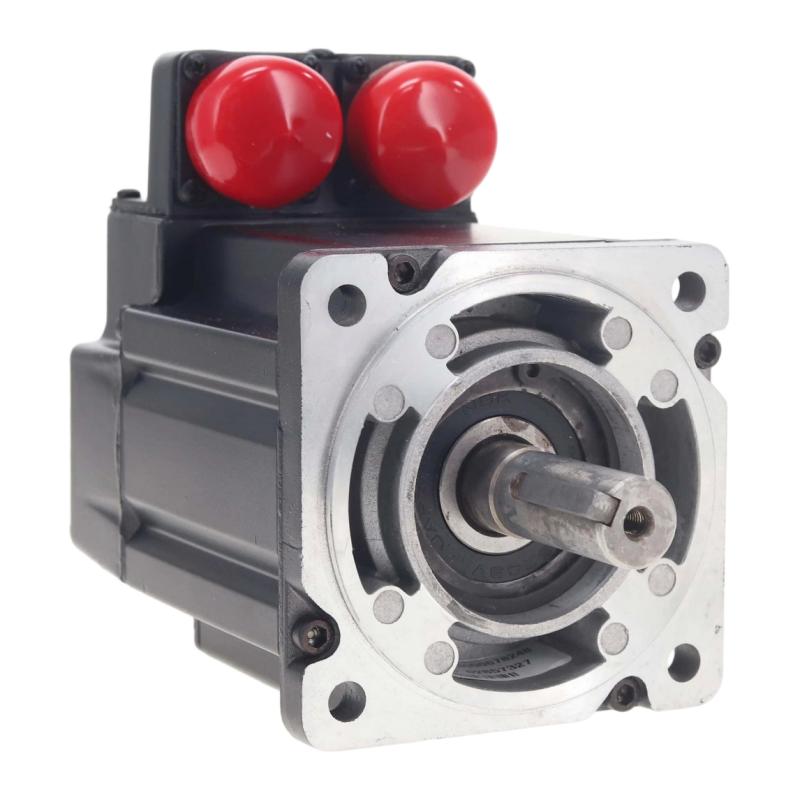
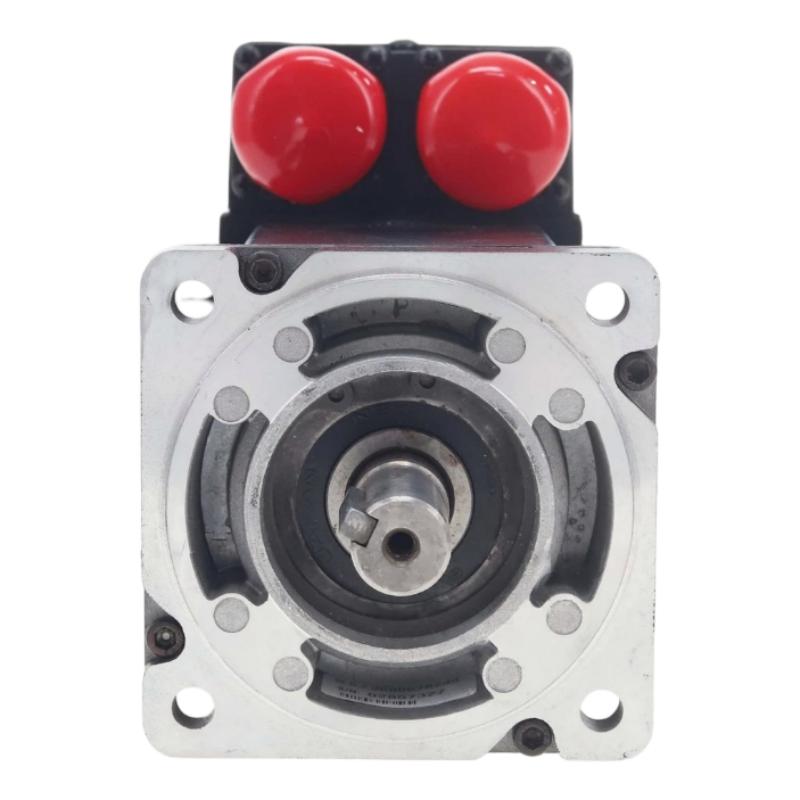
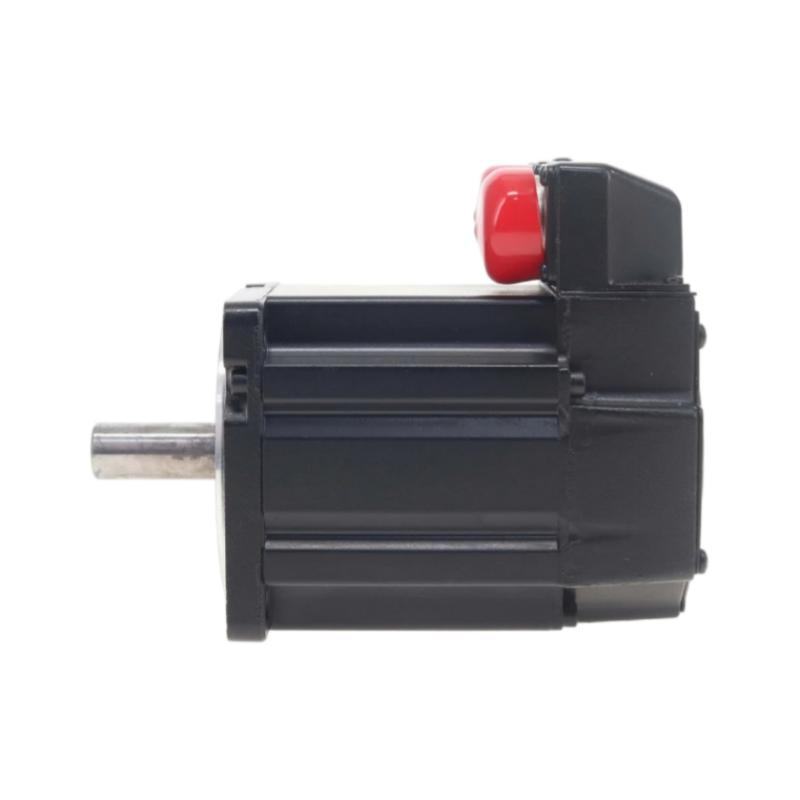
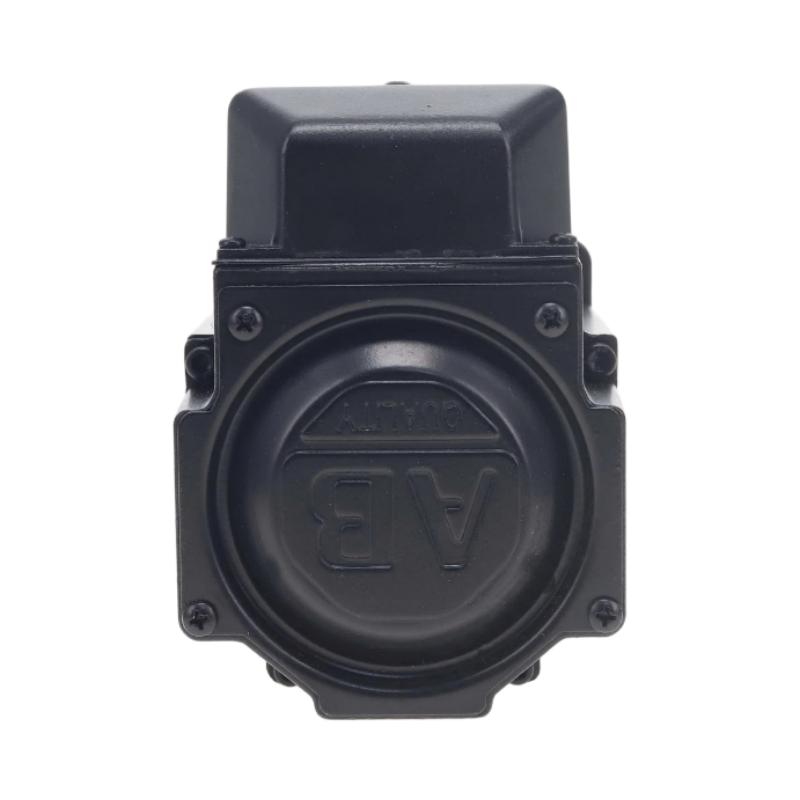
- Allen Bradley
- MPL-A560E-M-X189
- Servo Motor
- USA
- 165 mm
- 14.51 kg
- Xiamen, China
- New & In Stock
- T/T, PayPal, Western Union
- 1 Year
- 1-3 Working Days
- DHL, UPS, TNT, FedEx and EMS.
- 24-Hour Service
- COO
- 28
Our advantage

Global Logistics
We have a 10-year logistics and express cooperation agreement, so our products can be shipped to any place in the world.

Brand new and original
Our products are imported in bulk from the place of origin. Because of the cooperative relationship, our products are all original and 100% new.

24-hour service
We provide 7*24 hours service to our customers. We will be there whenever you need us.

Price advantage
All our products are priced very favorably because we have our own warehouse and supply.
| Company Information | |||
| [email protected] | |||
| Mobile | +8615980777398 | ||
| +8615980777398 | |||
| 15980777398 |
Product Overview
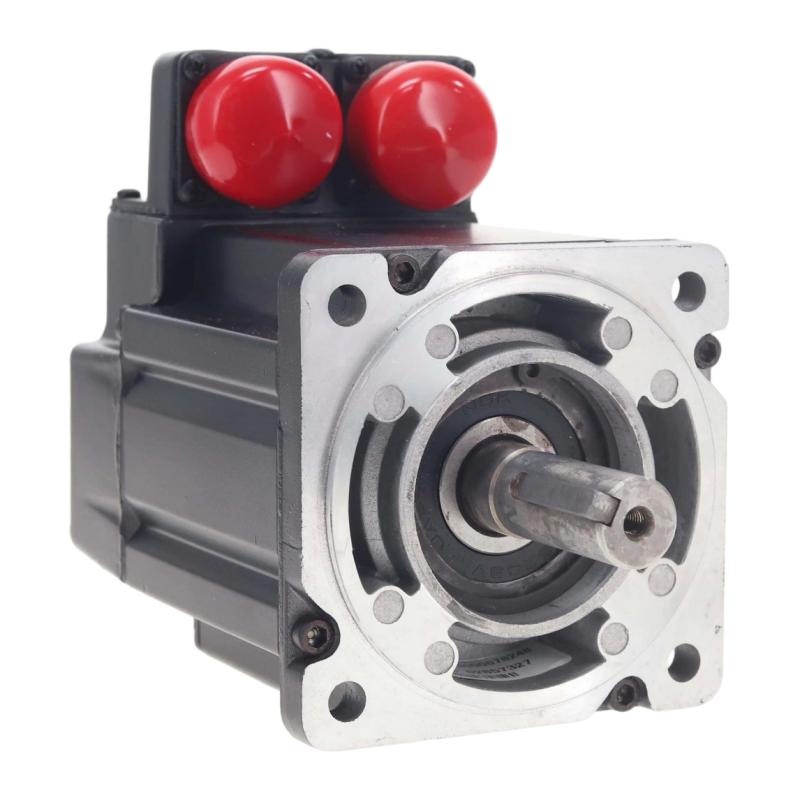
The Allen Bradley MPL-A560E-M-X189 Servo Motor is an industrial AC servo motor designed for integration into high-performance motion control systems. As part of the Allen Bradley MPL family of servo motors, the MPL-A560E-M-X189 is intended for applications where accurate positioning, controlled acceleration and deceleration, repeatable motion, and coordinated machine operation are important.
With a 165 mm frame size and a listed weight of 14.51 kg, the MPL-A560E-M-X189 is a substantial industrial servo motor suited to machine architectures that require a mechanically robust motor platform. Its physical design allows it to be integrated with compatible servo drives, motion controllers, feedback systems, mechanical transmissions, and machine-axis components.
Servo motors such as the MPL-A560E-M-X189 are commonly used in automated manufacturing equipment, material-handling systems, packaging machinery, machine tools, converting equipment, assembly systems, and other applications where conventional open-loop motor control cannot provide the required level of motion accuracy.
The motor should be evaluated as part of a complete motion-control system rather than as an isolated component. Correct selection requires consideration of the compatible servo drive, controller, feedback arrangement, mechanical load, acceleration requirements, duty cycle, installation environment, and machine safety architecture.
Technical Specifications
| Parameter | Specification |
|---|---|
| Manufacturer | Allen Bradley |
| Model | MPL-A560E-M-X189 |
| Product Type | AC Servo Motor |
| Motor Family | Allen Bradley MPL Servo Motor |
| Frame Size | 165 mm |
| Weight | 14.51 kg |
| Application | Industrial Motion Control |
| Control System | Servo Drive and Motion Controller |
| Feedback | Compatible feedback system required |
| Installation | Machine-mounted servo motor |
| Typical Applications | Automation, packaging, material handling, machine tools, assembly systems |
The specifications above are based on the available product identification information. Detailed electrical characteristics, rated speed, continuous and peak torque, winding configuration, feedback device, shaft dimensions, connector arrangement, brake configuration, and environmental ratings should be confirmed from the motor nameplate and the applicable technical documentation for the exact MPL-A560E-M-X189 configuration.
Understanding the MPL-A560E-M-X189
The MPL-A560E-M-X189 belongs to the Allen Bradley MPL servo motor family used in industrial motion-control applications. Unlike a conventional induction motor operated primarily for continuous-speed applications, a servo motor forms part of a closed-loop control system.
In a typical installation, the motor is connected to a compatible servo drive. The drive receives commands from a motion controller and regulates electrical power delivered to the motor. Feedback from the motor is used by the control system to monitor actual shaft motion and compare it with the commanded position or speed.
This closed-loop architecture allows the motion system to continuously correct differences between commanded and actual motion.
A simplified control chain can be represented as:
Motion Controller → Servo Drive → MPL-A560E-M-X189 Servo Motor → Mechanical Load
with feedback returning from the motor toward the drive and controller.
This architecture is particularly valuable when a machine must repeatedly reach defined positions, maintain controlled speed, synchronize multiple axes, or respond rapidly to changing operating conditions.
Servo Motor Working Principle
The MPL-A560E-M-X189 converts electrical energy supplied by a compatible servo drive into controlled mechanical rotation.
The servo drive regulates the motor’s electrical input according to commands received from the motion-control system. During operation, the drive manages motor output so that the commanded movement can be achieved.
Feedback plays an important role in this process. The control system can compare the requested movement with actual motor behavior and make corrections when necessary.
Depending on the complete system configuration, servo control can involve:
- Position control
- Speed control
- Torque control
- Acceleration control
- Deceleration control
- Electronic gearing
- Electronic camming
- Multi-axis synchronization
- Coordinated machine motion
The actual capabilities depend on the selected servo drive, controller, firmware, feedback configuration, and machine application.
Role in Industrial Motion Control
The MPL-A560E-M-X189 can serve as the mechanical actuator for a controlled machine axis.
A modern servo system typically consists of several interconnected elements:
- Motion Controller – Generates the required movement commands.
- Servo Drive – Converts control commands into controlled electrical power.
- Servo Motor – Produces mechanical rotation.
- Feedback System – Provides information about actual motor movement.
- Mechanical Transmission – Transfers motor motion to the machine mechanism.
- Machine Load – Performs the required production operation.
The performance of the overall system depends on coordination among all these elements.
For example, a packaging machine may require a servo motor to move a material web to a precise location before a cutting or sealing operation. The controller generates the movement command, while the servo drive controls the MPL-A560E-M-X189 and uses feedback to maintain the required motion.
Typical Industrial Applications
The Allen Bradley MPL-A560E-M-X189 can be considered for a variety of industrial motion-control applications where a suitable drive and mechanical configuration are available.
Packaging Machinery
Packaging equipment often requires repeated positioning, indexing, acceleration, and synchronization. Servo motors are frequently used for conveyors, feeders, cutting mechanisms, sealing mechanisms, and coordinated machine axes.
Material Handling
Automated material-handling systems can use servo motors for controlled movement of conveyors, transfer mechanisms, positioning systems, and automated handling equipment.
Assembly Machinery
Automated assembly machines may require accurate positioning of components and tools. Servo-based motion control provides the controllability required for repeated machine cycles.
Machine Tools
Machine tools can require precise movement of machine axes. Servo systems can be used where controlled positioning and coordinated axis movement are important.
Printing and Converting
Printing, labeling, web-handling, and converting equipment frequently relies on synchronized motion. Servo motors can provide controlled movement for rollers, feeders, indexing mechanisms, and other machine axes.
Automated Production Equipment
General production machinery can use servo motors for rotary or linear mechanisms through appropriate mechanical transmission systems.
Mechanical Integration
The 165 mm frame size is an important mechanical consideration when integrating the MPL-A560E-M-X189 into a machine.
Before installation, engineers should verify:
- Available mounting space
- Motor mounting arrangement
- Shaft alignment
- Coupling compatibility
- Mechanical load
- Radial loading
- Axial loading
- Cable routing
- Cooling requirements
- Service access
- Motor-to-drive compatibility
The listed motor weight is 14.51 kg, which should also be considered during machine-frame design and installation.
A motor of this physical size should be adequately supported during installation. The machine structure must be capable of handling the motor’s weight as well as dynamic forces generated during acceleration, deceleration, reversing, and changes in load.
Servo Drive Integration
The MPL-A560E-M-X189 should be paired with a compatible Allen Bradley servo drive and control architecture.
The drive must be properly matched to the motor’s electrical characteristics and feedback configuration. Incorrect drive selection can lead to commissioning problems, incorrect motor operation, or equipment faults.
Before commissioning, engineers should verify:
- Motor model identification
- Drive compatibility
- Motor feedback compatibility
- Motor power wiring
- Feedback wiring
- Grounding
- Control-network configuration
- Motion-controller configuration
- Motor direction
- Mechanical load characteristics
The exact drive model should be selected based on the complete electrical and motion requirements of the application rather than the motor frame size alone.
Feedback and Closed-Loop Control
Closed-loop feedback is one of the fundamental characteristics of a servo motion system.
The controller sends a motion command, while the servo system monitors actual motor behavior. If the actual position or speed differs from the requested value, the control system can adjust motor operation.
This allows the system to respond to:
- Position error
- Speed variation
- Load changes
- Acceleration requirements
- Deceleration requirements
- Machine synchronization requirements
The exact feedback technology and feedback specifications for the MPL-A560E-M-X189 should be verified from the exact motor configuration before system design or replacement.
Installation Guidelines
Correct mechanical and electrical installation is essential for reliable servo operation.
1. Verify the Motor Identification
Confirm that the motor nameplate matches:
Allen Bradley MPL-A560E-M-X189
The complete catalog number should be recorded before installation.
2. Inspect the Motor
Check the motor housing, mounting surfaces, shaft, connectors, and cables for visible damage.
If the motor has been stored for an extended period, its condition should be evaluated before installation.
3. Prepare the Mounting Surface
The machine mounting surface should be rigid and correctly aligned.
Poor mechanical alignment can increase vibration, bearing loading, coupling stress, and overall system wear.
4. Install the Motor
Secure the motor using the appropriate mounting hardware and installation procedure for the machine.
Because the motor weighs 14.51 kg, suitable lifting and handling practices should be used during installation.
5. Connect Motor Wiring
Motor power and feedback connections should be made according to the applicable system wiring requirements.
Do not rely solely on connector appearance when replacing an existing motor.
6. Verify Grounding
Proper protective grounding and cable installation are important for electrical safety and noise control.
7. Check Mechanical Coupling
The motor shaft should be correctly aligned with the driven mechanism.
Excessive misalignment can place additional loads on the motor and mechanical transmission.
Commissioning Procedure
A controlled commissioning procedure helps reduce the risk of unexpected motion.
Step 1: Verify Wiring
Check motor power, feedback, grounding, and control connections.
Step 2: Confirm Motor Configuration
Verify that the servo drive is configured for the correct motor model.
Step 3: Check Feedback
Confirm that the drive can correctly identify and communicate with the motor feedback system.
Step 4: Inspect the Mechanical System
Ensure that the motor shaft and connected machinery can move safely.
Step 5: Perform Initial Motion Test
Use a low-speed or controlled test condition where appropriate.
Step 6: Check Direction
Confirm that actual motor rotation corresponds to the commanded direction.
Step 7: Verify Positioning
Check whether the machine reaches the required commanded positions.
Step 8: Test Under Operating Conditions
Gradually introduce the normal machine load while monitoring servo performance.
Important parameters to observe can include:
- Position error
- Motor current
- Speed
- Following error
- Drive status
- Fault conditions
- Mechanical vibration
- Abnormal noise
- Motor temperature
Troubleshooting the MPL-A560E-M-X189
Servo motor problems should be diagnosed as part of the complete servo system.
Motor Does Not Rotate
Possible causes include:
- Incorrect drive configuration
- Missing enable command
- Power connection problem
- Feedback communication problem
- Drive fault
- Mechanical obstruction
- Incorrect motion command
The servo drive status should be checked before replacing the motor.
Motor Rotates in the Wrong Direction
Possible causes include incorrect axis configuration, control-command settings, or wiring/configuration issues.
The machine’s motion configuration should be reviewed before making changes to motor wiring.
Positioning Error
Position errors may be associated with:
- Mechanical backlash
- Coupling problems
- Excessive load
- Incorrect tuning
- Feedback problems
- Mechanical misalignment
- Motion-profile settings
The complete mechanical and control system should be evaluated.
Excessive Vibration
Potential causes include:
- Mechanical misalignment
- Loose mounting
- Excessive load
- Incorrect servo tuning
- Coupling problems
- Bearing condition
- Resonance within the machine structure
Mechanical inspection should be performed before concluding that the motor itself has failed.
Overheating
Abnormal motor temperature may result from:
- Excessive mechanical load
- High duty cycle
- Restricted cooling
- Poor installation conditions
- Incorrect drive configuration
- Mechanical friction
The motor should be operated within the conditions specified for the exact configuration.
Intermittent Operation
Intermittent faults may be caused by:
- Loose connectors
- Damaged cables
- Feedback communication problems
- Electrical noise
- Drive faults
- Mechanical vibration
Cable and connector inspection is particularly important in machines with continuous movement.
Preventive Maintenance
Regular inspection can improve the reliability of the servo system.
Mechanical Inspection
Inspect:
- Mounting bolts
- Motor housing
- Couplings
- Shaft alignment
- Mechanical transmission
- Machine structure
Electrical Inspection
Check:
- Power cables
- Feedback cables
- Connectors
- Grounding
- Cable routing
- Signs of insulation damage
Operating Condition Monitoring
Monitor machine behavior for unusual:
- Vibration
- Noise
- Temperature
- Position error
- Current demand
- Servo faults
Changes in operating behavior can provide an early indication of mechanical or electrical problems.
Replacement Considerations
When replacing an existing servo motor with an MPL-A560E-M-X189, the complete catalog number should be verified.
Important considerations include:
- Exact motor model
- Frame size
- Motor weight
- Drive compatibility
- Feedback compatibility
- Mechanical mounting
- Shaft and coupling requirements
- Cable and connector arrangement
- Machine load
- Control-system configuration
The 165 mm frame size should be considered when checking physical compatibility, while the 14.51 kg weight should be included in mechanical support and handling calculations.
A motor with a similar appearance or frame size should not automatically be considered an interchangeable replacement.
Compatible Motion-Control Architecture
The MPL-A560E-M-X189 can be incorporated into an Allen Bradley motion-control architecture consisting of compatible:
- Servo drives
- Motion controllers
- PLC platforms
- Industrial communication networks
- Feedback systems
- Motor power cables
- Feedback cables
- Mechanical couplings
- Linear or rotary transmission mechanisms
- Machine safety systems
- Human-machine interfaces
The exact combination depends on the application and the selected control platform.
For multi-axis systems, the motor may operate alongside other servo motors to provide coordinated machine movement.
Physical Characteristics
The Allen Bradley MPL-A560E-M-X189 has a listed:
- Frame Size: 165 mm
- Weight: 14.51 kg
These characteristics are useful when planning machine installation, replacement logistics, cabinet or machine-frame space, lifting arrangements, and mechanical support.
The motor’s physical dimensions should be verified from the applicable mechanical drawing before final machine design, because frame size alone does not define all mounting, shaft, connector, and clearance dimensions.
Key Advantages
The MPL-A560E-M-X189 offers several characteristics relevant to industrial servo applications:
- 165 mm industrial servo motor frame
- 14.51 kg listed weight
- Suitable for closed-loop motion-control architectures
- Designed for integration with compatible servo drives
- Suitable for precise automated machine movement
- Supports coordinated industrial motion applications
- Appropriate for demanding automation environments when correctly configured
- Can be integrated into multi-axis motion systems
- Suitable for machine positioning and controlled motion applications
- Supports Allen Bradley-based automation architectures
Technical FAQs
What is the Allen Bradley MPL-A560E-M-X189?
The Allen Bradley MPL-A560E-M-X189 is an industrial AC servo motor designed for integration into closed-loop motion-control systems.
What is the frame size of the MPL-A560E-M-X189?
The listed frame size is 165 mm.
How much does the MPL-A560E-M-X189 weigh?
The listed weight is 14.51 kg.
What is the main function of this servo motor?
Its primary function is to convert controlled electrical energy from a compatible servo drive into mechanical motion for an automated machine axis.
Can the MPL-A560E-M-X189 operate without a servo drive?
A servo motor requires an appropriate motor-control system. The MPL-A560E-M-X189 should be integrated with a compatible servo drive and associated control architecture rather than operated as a conventional standalone motor.
What applications can use the MPL-A560E-M-X189?
Potential applications include packaging machinery, material handling, assembly equipment, machine tools, converting systems, and other industrial automation equipment requiring controlled motion.
What should be checked before replacing the motor?
The complete motor catalog number, frame size, mechanical mounting, drive compatibility, feedback arrangement, cabling, shaft/coupling requirements, and machine load should all be verified.
What can cause servo positioning errors?
Positioning errors can result from mechanical backlash, incorrect tuning, excessive load, feedback problems, coupling issues, misalignment, or motion-control configuration problems.
Is the 165 mm frame size enough to determine mechanical compatibility?
No. Frame size provides an important mechanical reference, but shaft dimensions, mounting-hole patterns, overall motor dimensions, connector locations, feedback configuration, and clearance requirements must also be verified.
Conclusion
The Allen Bradley MPL-A560E-M-X189 Servo Motor is an industrial motion-control motor intended for integration into compatible closed-loop automation systems. With a 165 mm frame size and a listed 14.51 kg weight, it provides a substantial motor platform for machine applications requiring controlled, repeatable, and coordinated motion.
The MPL-A560E-M-X189 should be selected and commissioned as part of a complete servo system that includes a compatible drive, controller, feedback arrangement, mechanical transmission, and machine safety architecture. Proper mechanical alignment, electrical wiring, feedback configuration, commissioning, and preventive maintenance are essential for reliable operation.
For replacement or new machine integration, engineers should verify the complete MPL-A560E-M-X189 catalog number and confirm all electrical and mechanical interface requirements before installation. The supplied 165 mm frame size and 14.51 kg weight are important reference values for machine design, handling, and replacement planning.