

ProductPRODUCT
Featured products
Contact Us
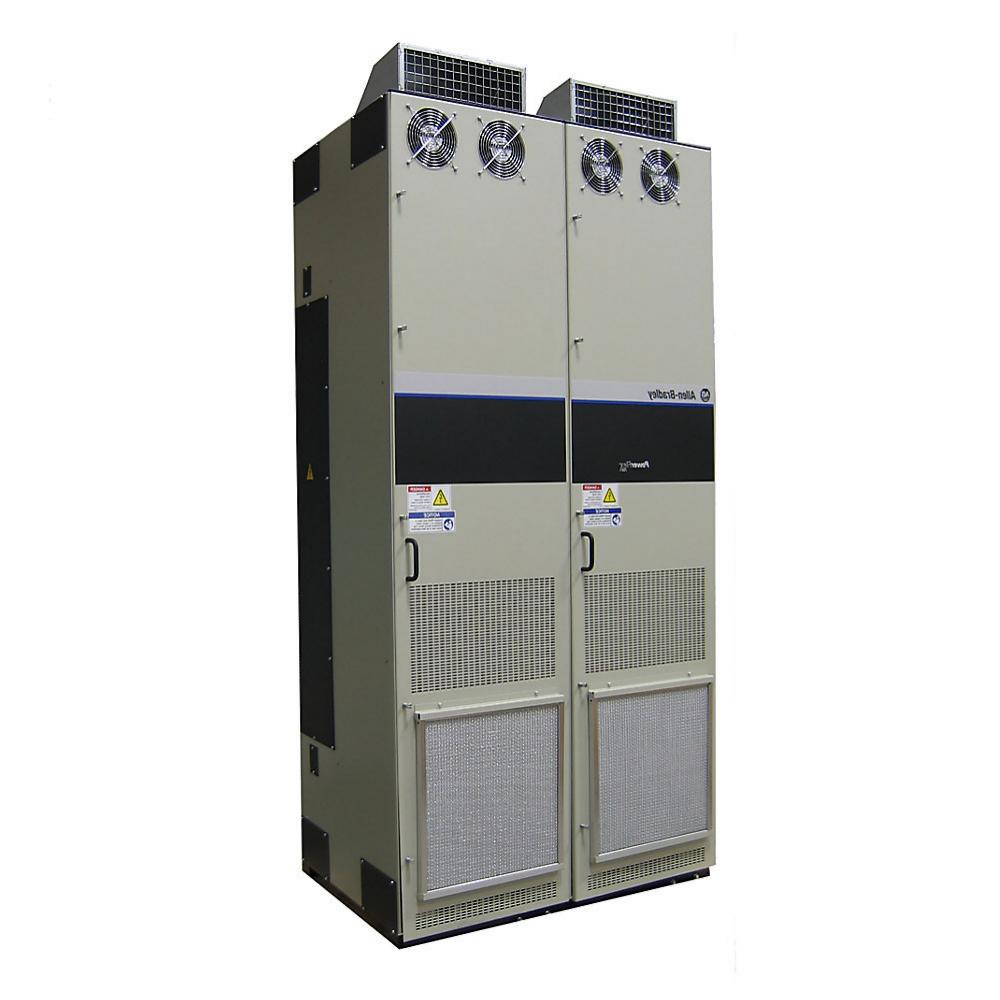
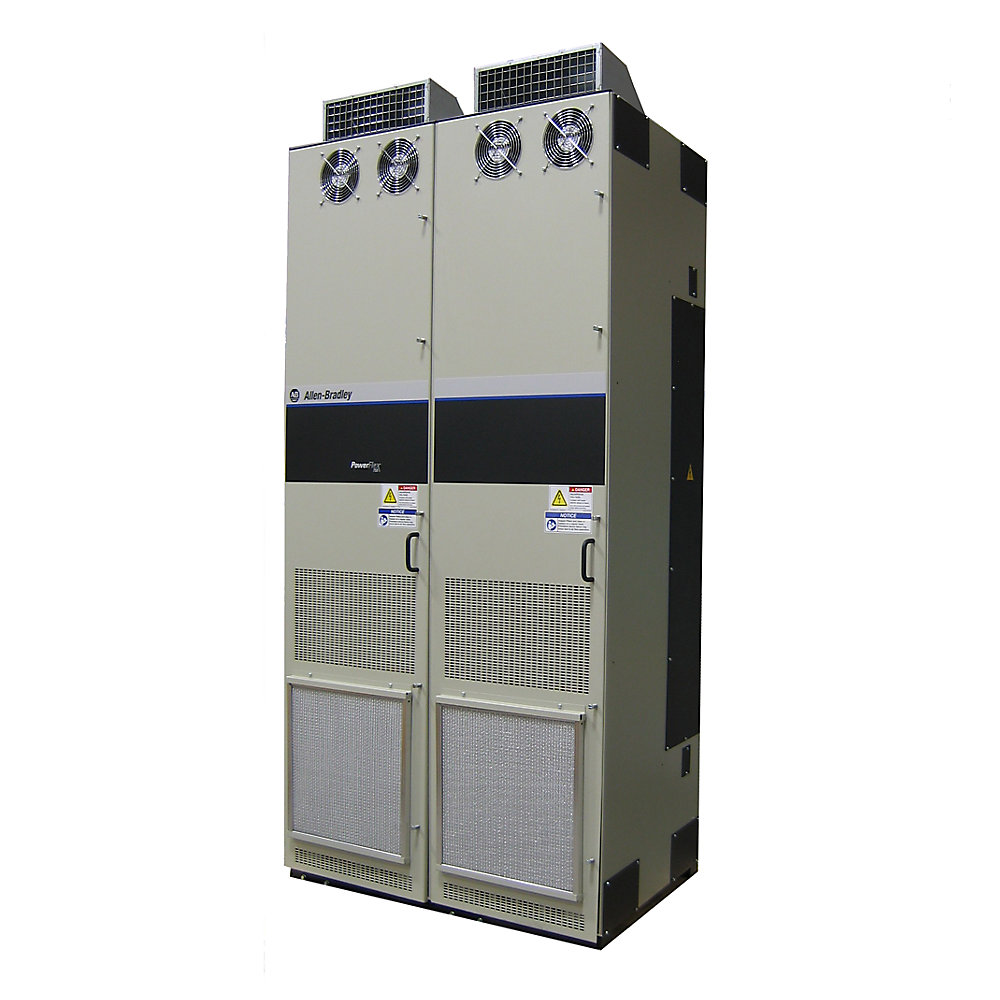
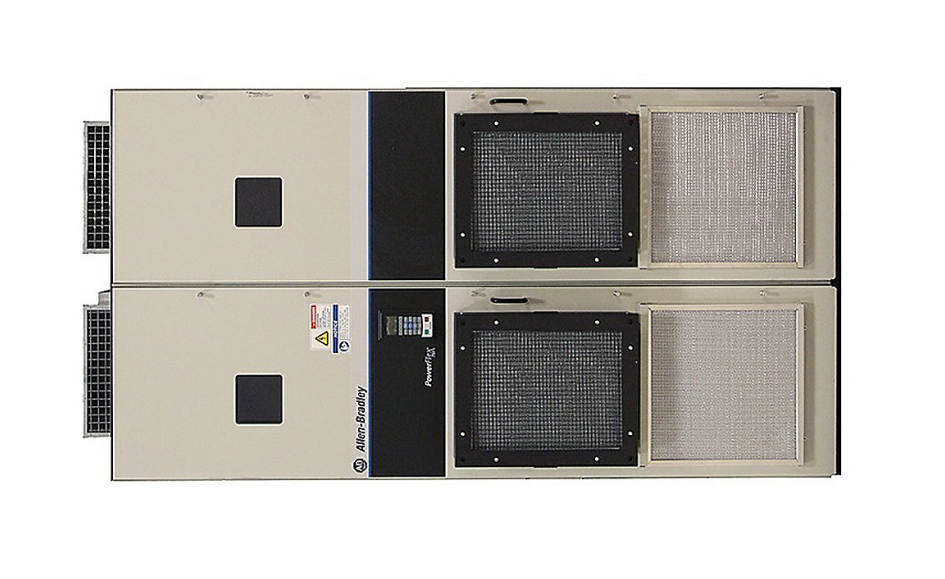
- Allen Bradley
- 20G1G3D1K0LNDNNNNN
- PowerFlex AC Drive
- USA
- 1100 × 1400 × 2300 mm
- 986kg
- Xiamen, China
- New & In Stock
- T/T, PayPal, Western Union
- 1 Year
- 1-3 Working Days
- DHL, UPS, TNT, FedEx and EMS.
- 24-Hour Service
- COO
- 3
Our advantage

Global Logistics
We have a 10-year logistics and express cooperation agreement, so our products can be shipped to any place in the world.

Brand new and original
Our products are imported in bulk from the place of origin. Because of the cooperative relationship, our products are all original and 100% new.

24-hour service
We provide 7*24 hours service to our customers. We will be there whenever you need us.

Price advantage
All our products are priced very favorably because we have our own warehouse and supply.
| Company Information | |||
| [email protected] | |||
| Mobile | +8615980777398 | ||
| +8615980777398 | |||
| 15980777398 |
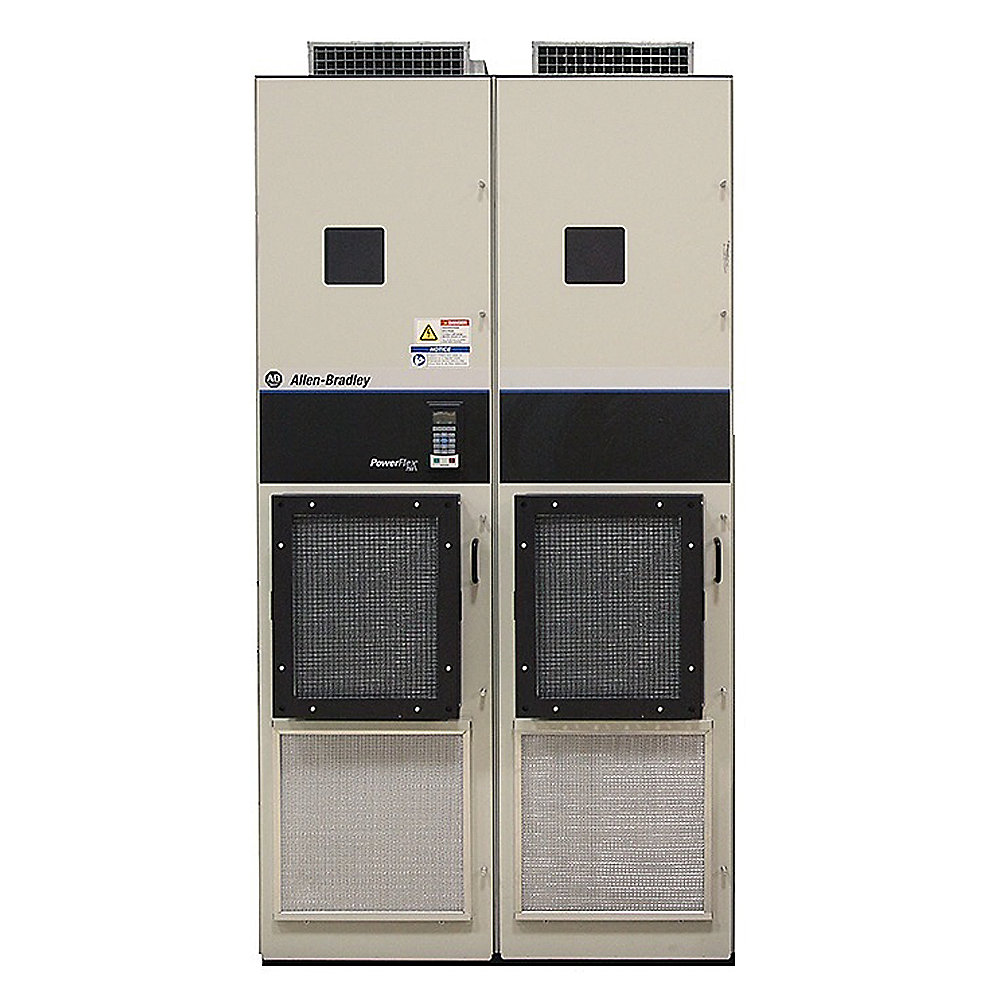
Allen-Bradley 20G1G3D1K0LNDNNNNN — Detailed Technical Product Overview
1. Product Overview
The Allen-Bradley 20G1G3D1K0LNDNNNNN is a very high-power industrial AC drive belonging to the PowerFlex 755 family. It is designed for large three-phase motor applications where substantial current capacity, controlled acceleration and deceleration, advanced motor control, and integration with a larger industrial automation system are required.
This model belongs to the PowerFlex 755T generation of high-performance drives and uses an air-cooled packaged construction. The catalog number identifies a 480 V AC, three-phase configuration with a D1K0 normal-duty rating class.
The D1K0 rating is significantly larger than the C770 and C920 models used in many 400 V-class installations. At the 480 V level, the D1K0 class is associated with approximately 1,045 A normal-duty output current and 900 hp normal-duty capacity, with approximately 1,135 A and 1,000 hp in the light-duty category.
This places the product firmly in the large industrial-drive category.
It is intended for applications involving very large motors, such as major pumps, compressors, fans, blowers, conveyors, process equipment, material-handling machinery, mining equipment, and other heavy industrial systems.
The physical size is also substantial. This is not a compact machine-mounted inverter. It is a floor-mounted industrial drive that normally requires dedicated electrical-room space, suitable ventilation, proper floor support, lifting equipment, and adequate service clearance.
2. Brand and Product Series
| Item | Specification |
|---|---|
| Model | 20G1G3D1K0LNDNNNNN |
| Brand | Allen-Bradley |
| Product family | PowerFlex |
| Product series | PowerFlex 755 |
| Technology generation | PowerFlex 755T |
| Product type | High-power air-cooled AC drive |
| Drive configuration | Packaged industrial drive |
| Input voltage | 480 V AC class |
| Input phase | 3-phase |
| Normal-duty current | Approximately 1,045 A |
| Normal-duty power | Approximately 900 hp |
| Light-duty current | Approximately 1,135 A |
| Light-duty power | Approximately 1,000 hp |
| Frame | Frame 9 class |
| Cooling | Forced air |
| Mounting | Floor-mounted |
| Enclosure class | Type 1 / IP21 class |
| Control architecture | TotalFORCE-based PowerFlex 755 control |
| Typical application | Very large industrial AC motors |
The D1K0 designation is particularly important because it identifies the high-current rating class.
The D voltage designation corresponds to the 480 V AC, three-phase version of the PowerFlex 755T rating structure.
The model therefore differs significantly from a 400 V C-series drive such as a C770 or C920.
3. Main Technical Parameters
| Parameter | Specification |
|---|---|
| Model | 20G1G3D1K0LNDNNNNN |
| Brand | Allen-Bradley |
| Product family | PowerFlex |
| Series | PowerFlex 755 |
| Technology | PowerFlex 755T / TotalFORCE |
| Product type | High-power air-cooled AC drive |
| Input voltage | 480 V AC class |
| Input phase | 3-phase |
| Input frequency | 50/60 Hz class |
| Normal-duty current | Approximately 1,045 A |
| Normal-duty power | Approximately 900 hp |
| Light-duty current | Approximately 1,135 A |
| Light-duty power | Approximately 1,000 hp |
| Heavy-duty selection | Requires appropriate lower-rated catalog configuration; D1K0 is not the heavy-duty rating for this power class |
| Frame | Frame 9 |
| Cooling | Forced air |
| Mounting | Floor-mounted |
| Enclosure | Type 1 / IP21 class |
| Input configuration | High-power industrial AC input |
| Control | TotalFORCE control architecture |
| Motor control | Variable-frequency and high-performance motor control |
| Feedback capability | Available through appropriate configuration |
| Communication | Network and communication options available |
| Operator interface | HIM options / configured operator interface |
| Harmonic solution | Dependent on exact 755T configuration and selected drive type |
| Approx. width | 1100 mm class |
| Approx. depth | 1400 mm class |
| Approx. height | 2300 mm class |
| Approx. weight | Approximately 986 kg class |
| Weight in kg | Approx. 986 kg |
| Application category | Very large industrial motor control |
The current rating is the key specification when matching this drive to a motor.
At approximately 1,045 A normal duty, this model is intended for motors substantially larger than those normally connected to compact variable-frequency drives.
The approximately 900 hp normal-duty rating places it around the 670 kW class when expressed as mechanical power equivalent.
For lighter-duty applications, the drive can reach approximately 1,000 hp in the corresponding light-duty rating class.
The actual motor selection should always be based on the motor nameplate current and the required duty rather than horsepower alone.
4. Electrical Rating Details
The following table gives a practical view of the main rating categories.
| Rating category | Approx. current | Approx. power | Typical use |
|---|---|---|---|
| 20G1G3D1K0LNDNNNNN — Light duty | 1,135 A | 1,000 hp | Smooth loads with lower overload demand |
| 20G1G3D1K0LNDNNNNN — Normal duty | 1,045 A | 900 hp | General large industrial loads |
| Heavy-duty category | Lower power/current catalog rating required | Approximately 750 hp class for this rating family | High-overload applications |
The difference between light duty and normal duty is important.
A large pump or fan with a relatively smooth torque requirement may be able to use the higher light-duty rating.
A general industrial machine may be evaluated against the normal-duty rating.
A machine requiring repeated high overload current, frequent acceleration, or high starting torque may require a different heavy-duty-rated catalog configuration rather than simply assuming that the D1K0 model can provide the same power at heavy duty.
This is an important point when selecting a drive for a large motor.
5. Physical Dimensions and Weight
The 20G1G3D1K0LNDNNNNN is a very large industrial drive.
| Mechanical parameter | Approximate value |
|---|---|
| Model | 20G1G3D1K0LNDNNNNN |
| Width | Approximately 1100 mm |
| Depth | Approximately 1400 mm |
| Height | Approximately 2300 mm |
| Approximate footprint | 1100 × 1400 mm |
| Approximate weight | 986 kg |
| Weight in kilograms | 986 kg |
| Frame | Frame 9 |
| Mounting | Floor-mounted |
| Cooling | Forced air |
| Enclosure | Type 1 / IP21 class |
| Installation environment | Industrial electrical room / equipment area |
The dimensions above should be regarded as a practical reference for the large Frame 9 package.
The final physical arrangement can vary depending on the complete factory configuration.
Additional wiring compartments, disconnect equipment, input equipment, output equipment, braking arrangements, communication equipment, or other options can change the final footprint and weight.
The approximately 986 kg reference weight also means that the equipment should be handled as major electrical machinery.
A suitable lifting method should be arranged before installation.
Floor loading should also be checked.
The transportation route from unloading point to the final electrical-room position should be considered in advance, particularly when door openings, ramps, elevators, or restricted access routes are involved.
6. Product Introduction
The PowerFlex 755 is a high-performance industrial AC drive platform designed for large and technically demanding motor applications.
The 20G1G3D1K0LNDNNNNN represents a much higher power level than compact drives intended for small machine motors.
The drive is designed to regulate the speed and torque of large three-phase motors while providing the control functions needed for integration into an industrial automation system.
A large motor can create significant electrical and mechanical stress during starting.
Direct-on-line starting can produce high inrush current and a sudden application of torque.
A variable-frequency drive provides a much more controlled starting process.
The motor can be accelerated according to a programmed ramp.
Speed can be changed during operation.
The motor can be decelerated in a controlled manner.
Operating information can be monitored.
Fault conditions can be detected and reported.
This makes the drive a central component in many large industrial machines.
7. 480 V High-Power Configuration
The D1K0 configuration belongs to the 480 V AC, three-phase section of the PowerFlex 755T rating structure.
This is important when comparing it with other models.
For example, a C-series model such as C770 belongs to the 400 V class, while the D-series models are associated with the 480 V class.
The voltage difference changes the current required for a given power level.
For the same approximate motor power, a higher motor voltage generally means lower current.
That is one reason the D1K0 model can handle a very large motor-power range at a current level around 1,045 A rather than requiring an even larger current rating.
8. TotalFORCE Control Architecture
The PowerFlex 755T platform uses a high-performance control architecture intended for demanding industrial applications.
The control system is designed to provide more than simple frequency adjustment.
Depending on the final configuration, the drive can support functions associated with:
- Speed control.
- Torque control.
- Motor feedback.
- Start and stop control.
- Acceleration and deceleration.
- Fault monitoring.
- Diagnostic information.
- Process control.
- Network communication.
- Drive parameter management.
- Motor protection functions.
This is particularly valuable for large machines where the motor is directly connected to an important production process.
9. High-Performance Motor Control
Large motors often need more sophisticated control than simple open-loop frequency adjustment.
For example, a conveyor may require stable torque during acceleration.
A compressor may require controlled speed according to process demand.
A large pump may need its speed adjusted according to flow.
A large fan may need different speeds depending on ventilation requirements.
A material-handling system may require controlled acceleration and deceleration.
The PowerFlex 755 architecture is designed to provide the flexibility required for these applications.
10. Main Advantages
10.1 Very High Current Capacity
The most obvious characteristic of this model is its approximately 1,045 A normal-duty output current.
This places it in a very different class from compact variable-frequency drives.
A drive with more than 1,000 A of output capacity is intended for large industrial motors and substantial mechanical loads.
This makes the model particularly relevant to major pumps, fans, compressors, conveyors, and process machinery.
10.2 Approximately 900 hp Normal-Duty Capability
The normal-duty rating is approximately 900 hp.
This corresponds to a motor-power range around the high hundreds of kilowatts.
For large industrial systems, this level of capacity can allow one drive to control a very large motor without requiring multiple smaller drives.
10.3 Up to Approximately 1,000 hp Light-Duty Class
The light-duty rating reaches approximately 1,000 hp.
This is useful for applications where the load does not demand the same level of overload capability as a heavy-duty machine.
Typical examples can include large centrifugal pumps and fans with relatively smooth load characteristics.
10.4 Controlled Motor Starting
A large motor can draw a very high current when connected directly to a fixed-frequency supply.
The variable-frequency drive provides controlled acceleration.
This can reduce mechanical shock and make the starting process much smoother.
10.5 Adjustable Speed
The motor does not have to operate continuously at full speed.
The drive can provide variable-speed operation according to the requirements of the machine.
This is particularly useful in pump, fan, compressor, conveyor, and process applications.
10.6 Controlled Torque
In applications where torque is important, the drive can provide more controlled motor behavior than a simple starter.
This is useful for heavy machinery, conveyors, material handling, and process equipment.
10.7 Advanced Diagnostics
At this power level, an unexpected motor shutdown can affect an entire production system.
Diagnostic information is therefore especially valuable.
Drive status, faults, operating values, and other information can help maintenance personnel determine the source of an abnormal condition.
10.8 Industrial Automation Integration
The drive is intended to work as part of a larger industrial automation system.
It can be connected to controllers, operator systems, supervisory systems, and industrial networks through appropriate options.
This allows motor operation to be coordinated with the rest of the production process.
11. Typical Applications
11.1 Large Water Pumping Systems
Large pumps can require hundreds of kilowatts of motor power.
The 20G1G3D1K0LNDNNNNN provides sufficient capacity for very large pumping applications.
Typical uses include:
- Water distribution.
- Industrial water systems.
- Cooling-water systems.
- Large pumping stations.
- Process-water circulation.
- Utility pumping.
Variable-speed operation can be used to adjust flow according to actual process demand.
12. Wastewater Applications
Wastewater treatment systems often contain large pumps and blowers.
The operating conditions can change throughout the day.
A variable-frequency drive allows the motor speed to follow the process requirement instead of relying entirely on fixed-speed operation.
For a very large wastewater facility, a drive in the D1K0 class can provide the electrical capacity needed for major pumping equipment.
13. Large Fans and Blowers
Large industrial fans can consume substantial amounts of power.
Examples include:
- Process ventilation.
- Furnace ventilation.
- Dust extraction.
- Mining ventilation.
- Large air-handling systems.
- Industrial cooling.
- Combustion-air systems.
Variable-speed control allows airflow to be adjusted.
This can also help the plant avoid unnecessary full-speed operation when process demand is lower.
14. Compressor Applications
Large compressors can have high motor power requirements and substantial mechanical inertia.
A high-power drive can provide controlled acceleration and adjustable speed.
This can help coordinate compressor operation with the process system.
The exact drive configuration should be matched to the compressor type, pressure requirements, acceleration profile, and control strategy.
15. Conveyor Applications
Large conveyors can require very high motor torque during acceleration.
A sudden start can produce high mechanical stress on:
- Belts.
- Gearboxes.
- Shafts.
- Couplings.
- Bearings.
- Drive pulleys.
A variable-frequency drive allows the acceleration profile to be controlled.
The conveyor can gradually reach its operating speed rather than receiving full speed immediately.
This is especially useful for long conveyors and conveyors carrying heavy material.
16. Mining and Heavy Industry
The D1K0 power class is suitable for many types of heavy industrial equipment.
Potential applications include:
- Large crushers.
- Mining conveyors.
- Large ventilation systems.
- Dewatering pumps.
- Material feeders.
- Process machinery.
- Large fans.
- Heavy material-handling equipment.
These applications often require high motor power and reliable operation over long periods.
17. Process Industry Applications
Large continuous-process facilities can use very high-power motors for:
- Pumps.
- Fans.
- Compressors.
- Mixers.
- Process blowers.
- Material-handling systems.
- Cooling systems.
- Circulation systems.
The drive can become part of the process-control system and allow motor speed or torque to be coordinated with production requirements.
18. HVAC and Utility Systems
Although smaller drives are normally sufficient for ordinary HVAC equipment, very large facilities can require drives in this power range.
Examples include:
- Large chilled-water pumps.
- Large cooling-water pumps.
- Large cooling-tower fans.
- Central ventilation systems.
- Industrial air-handling systems.
The D1K0 class becomes relevant when the motor itself approaches the very large industrial range.
19. Low-Speed Operation
Large motors often need to operate at different speeds depending on the process.
The drive provides a controlled variable-frequency output so the motor can operate below its nominal frequency.
This can be useful for:
- Flow regulation.
- Pressure control.
- Conveyor speed adjustment.
- Process synchronization.
- Fan control.
- Compressor operation.
The actual minimum operating speed should be evaluated against motor cooling, torque requirements, and the mechanical limitations of the connected machine.
20. Acceleration and Deceleration
The large mechanical inertia of industrial equipment can make acceleration and deceleration important design considerations.
The drive allows the engineer to define an acceleration profile.
For example, a large conveyor does not need to go immediately from zero speed to full speed.
It can be ramped gradually.
The same principle can be used for large fans, pumps, compressors, and other rotating machines.
Controlled deceleration can also reduce sudden mechanical loading.
21. Cooling and Thermal Management
The 20G1G3D1K0LNDNNNNN uses forced-air cooling.
At this power level, heat generation is a major engineering consideration.
The electrical room must be capable of removing the heat produced by the drive.
The installation should therefore provide:
- Adequate airflow.
- Proper ventilation.
- Appropriate ambient temperature.
- Clean air passages.
- Suitable equipment spacing.
- Access for fan inspection.
- Adequate maintenance clearance.
The actual heat load should be calculated using the complete drive configuration rather than relying only on the nominal motor power.
22. Physical Installation
A drive weighing approximately 986 kg requires careful installation planning.
The equipment should be installed on a suitable floor or mounting structure.
The floor must support the equipment weight and any additional dynamic or installation loads.
The transportation route should be checked before delivery.
Door dimensions should be verified.
Lifting equipment should be selected according to the final packaged weight.
There should also be sufficient space around the drive for service access and ventilation.
23. Electrical Installation Considerations
The incoming power system should be designed according to the drive’s voltage and current requirements.
Important considerations include:
- Incoming disconnect.
- Protective devices.
- Short-circuit capacity.
- Grounding.
- Input cabling.
- Motor cabling.
- Control wiring.
- Communication wiring.
- Cable separation.
- Electromagnetic compatibility.
- Electrical-room ventilation.
At more than 1,000 A of output current, the associated power cables and bus structures become substantial.
The electrical installation should therefore be engineered as a complete system.
24. Motor Selection Considerations
The following motor information should be reviewed before selecting this drive.
| Motor parameter | Why it matters |
|---|---|
| Motor voltage | Must be compatible with the drive output range |
| Motor full-load current | Critical for drive sizing |
| Motor power | Establishes the approximate power class |
| Motor frequency | Required for correct control configuration |
| Motor speed | Important for operating range |
| Motor power factor | Affects current and system loading |
| Motor efficiency | Helps determine actual operating power |
| Overload requirement | Determines appropriate duty rating |
| Starting torque | Important for high-inertia machinery |
| Acceleration time | Determines current/torque demand |
| Deceleration time | Determines braking requirements |
| Minimum speed | Important for motor cooling |
| Maximum speed | Must remain within mechanical limits |
| Feedback requirement | Determines control configuration |
| Load inertia | Important for acceleration and deceleration |
A drive should not be selected simply because the horsepower number appears to match the motor.
The motor’s actual full-load current is particularly important.
25. Catalog Configuration
The requested catalog number is:
20G1G3D1K0LNDNNNNN
The major portions provide useful information about the drive configuration.
| Catalog section | Practical meaning |
|---|---|
| 20G | PowerFlex 755 family |
| 1 | Product configuration identifier |
| G | PowerFlex 755T generation/configuration |
| 3 | Floor-mounted industrial enclosure configuration |
| D | 480 V AC, 3-phase voltage class |
| 1K0 | Approximately 1,045 A normal-duty class |
| L | Specific input/filtering and common-mode capacitor configuration |
| N… | Additional factory configuration positions |
The D1K0 portion is the most useful part for identifying the voltage and current/power class.
The final characters should be interpreted using the complete catalog-number configuration table when the exact factory options are important.
26. Five Recommended Same-Series or Closely Related Models
The following models are useful comparisons within the same high-power PowerFlex 755/755T range.
| Model | Voltage class | Current class | Approx. normal-duty rating | Approx. light-duty rating | Frame | Approx. dimensions | Approx. weight |
|---|---|---|---|---|---|---|---|
| 20G1G3D960LNDNNNNN | 480 V, 3-phase | 960 A | 800 hp class | 900 hp class | Frame 9 | Approx. 1100 × 1400 × 2300 mm | Approx. 900–950 kg |
| 20G1G3D1K0LNDNNNNN | 480 V, 3-phase | 1,045 A | 900 hp | 1,000 hp | Frame 9 | Approx. 1100 × 1400 × 2300 mm | Approx. 986 kg |
| 20G1G3D1K1LNDNNNNN | 480 V, 3-phase | 1,135 A class | 1,000 hp class | 1,100 hp class | Frame 9 | Configuration dependent | Approx. 1,000 kg class |
| 20G1G3D1K3LNDNNNNN | 480 V, 3-phase | 1,365 A class | 1,100 hp class | 1,250 hp class | Frame 9 | Configuration dependent | Approx. 1,000 kg class |
| 20G1G3D1K4LNDNNNNN | 480 V, 3-phase | 1,420–1,500 A class | 1,250 hp class | 1,500 hp class | Frame 10 class | Configuration dependent | Configuration dependent |
The D960 is a logical neighboring model when the motor current is lower.
The D1K0 is appropriate for applications around the 900 hp normal-duty class.
The D1K1, D1K3, and D1K4 move into progressively higher current and motor-power categories.
The physical dimensions also become increasingly important as the drive rating increases.
27. Same-Series Power Comparison
| Model class | Approx. normal-duty current | Approx. normal-duty power | Approx. light-duty power | General application |
|---|---|---|---|---|
| D740 | 800 A class | 650 hp | 700 hp | Large industrial motor |
| D800 | 960 A class | 700 hp | 800 hp | Very large motor |
| D960 | 1,045 A class | 800 hp | 900 hp | Very large motor |
| D1K0 | 1,045 A class | 900 hp | 1,000 hp | Extremely large motor |
| D1K1 | 1,135 A class | 1,000 hp | 1,100 hp | Extremely large motor |
| D1K3 | 1,365 A class | 1,100 hp | 1,250 hp | Heavy industrial equipment |
| D1K4 | 1,420 A class | 1,250 hp | 1,500 hp | Very high-power machinery |
The exact rating relationship depends on whether the drive is being evaluated under light-, normal-, or heavy-duty conditions.
This is one reason the catalog number should be evaluated together with the application duty.
28. Five Commonly Used Models From the Same Brand
The following five models represent other widely used PowerFlex drive sizes and are included as broader comparison references.
| Model | Product family | Voltage class | Current class | Approx. power | Approx. dimensions | Approx. weight |
|---|---|---|---|---|---|---|
| 25B-D024N114 | PowerFlex 525 | 400/480 V class | 24 A | Approx. 11–15 kW | Approx. 180 × 100 × 200 mm | Approx. 3–4 kg |
| 25B-D017N114 | PowerFlex 525 | 400/480 V class | 17 A | Approx. 7.5–11 kW | Approx. 180 × 100 × 200 mm | Approx. 3 kg |
| 25B-D010N114 | PowerFlex 525 | 400/480 V class | 10 A | Approx. 4–5.5 kW | Approx. 180 × 100 × 200 mm | Approx. 2–3 kg |
| 25A-D017N114 | PowerFlex 523 | 400/480 V class | 17 A | Approx. 7.5–11 kW | Approx. 180 × 100 × 200 mm | Approx. 2–3 kg |
| 20F1ANC030JA0NNNNN | PowerFlex 753 | 400/480 V class | 30 A class | Approx. 15–22 kW | Approx. 300 × 200 × 250 mm class | Approx. 15–20 kg |
These models cover a much smaller power range than the requested D1K0.
They are useful for comparison because they show the breadth of the product family.
The compact 25B models are intended for relatively small machines.
The 20F model represents a more substantial industrial-drive category.
The 20G1G3D1K0LNDNNNNN, by contrast, is intended for very large industrial motors and can weigh close to one metric ton in its standard large-frame configuration.
29. Comparison Between the Requested Model and Smaller Drives
| Characteristic | 20G1G3D1K0LNDNNNNN | 25B-D024N114 | 20F1ANC030JA0NNNNN |
|---|---|---|---|
| Product family | PowerFlex 755 | PowerFlex 525 | PowerFlex 753 |
| Voltage class | 480 V | 400/480 V class | 400/480 V class |
| Current class | Approx. 1,045 A | 24 A | 30 A class |
| Normal-duty power | Approx. 900 hp | Approx. 11–15 kW | Approx. 15–22 kW |
| Physical size | Very large | Compact | Medium |
| Approx. dimensions | 1100 × 1400 × 2300 mm | 180 × 100 × 200 mm | 300 × 200 × 250 mm class |
| Approx. weight | 986 kg | 3–4 kg | 15–20 kg |
| Mounting | Floor-mounted | Panel/machine mounting | Panel/cabinet |
| Cooling | Forced air | Compact drive cooling | Forced air / configuration dependent |
| Typical motor size | Very large | Small/medium | Medium |
| Application complexity | High | Low to medium | Medium to high |
The difference is substantial.
A D1K0 drive is not simply a larger version of a compact machine inverter.
It is a major industrial electrical installation component designed for motors in the high-hundreds-of-kilowatts range.
30. Advantages for Large Pump Systems
Large pumping systems are one of the most suitable applications for this type of drive.
A pump does not always need to operate at maximum capacity.
The required flow can change according to:
- Production requirements.
- Water demand.
- Pressure.
- Tank level.
- Process conditions.
- Time of day.
The drive allows pump speed to be adjusted according to these requirements.
For very large pumping stations, the D1K0 current and power capacity provides the ability to control substantial pump motors.
31. Advantages for Large Fan Systems
Large fans can also benefit from variable-speed control.
Instead of operating continuously at full speed, the fan can operate according to actual airflow demand.
This can be useful for:
- Industrial ventilation.
- Furnace systems.
- Dust collection.
- Mining ventilation.
- Large air-handling systems.
- Cooling systems.
The ability to control fan speed also provides greater flexibility when the process conditions change.
32. Advantages for Conveyor Systems
For large conveyors, acceleration is often more important than maximum speed.
A controlled acceleration profile can gradually build motor torque.
This reduces sudden loading on the mechanical transmission.
It can be particularly useful when the conveyor is:
- Very long.
- Heavily loaded.
- Inclined.
- Frequently started and stopped.
- Connected to a large gearbox.
- Carrying valuable or fragile material.
33. Advantages for Compressors
Large compressors often have high inertia and substantial power requirements.
A high-power variable-frequency drive can provide controlled acceleration.
It can also allow operating speed to be coordinated with process demand.
The exact control method should be selected according to the compressor design and process requirements.
34. Advantages for Heavy Material Handling
Heavy material-handling machinery often requires high torque and controlled movement.
The D1K0 drive’s high current capability provides a large electrical margin for major motor applications.
Potential applications include:
- Large material feeders.
- Heavy conveyors.
- Industrial handling systems.
- Large process transport equipment.
- Heavy production machinery.
The mechanical braking requirements should be evaluated separately because high-inertia systems can require dedicated braking arrangements.
35. Harmonic and Power-Quality Considerations
At approximately 900–1,000 hp, the electrical input power of the drive is substantial.
Power quality therefore becomes an important part of system design.
A large facility may have:
- Multiple high-power drives.
- Large transformers.
- Generators.
- Sensitive instrumentation.
- Process-control systems.
- Other nonlinear electrical loads.
The complete drive configuration should be selected according to the facility’s harmonic requirements.
The drive itself is only one part of the overall power-quality system.
36. Maintenance Considerations
Large air-cooled drives require regular attention to their cooling system.
Maintenance personnel should inspect:
- Cooling fans.
- Air passages.
- Ventilation openings.
- Filters where installed.
- Power connections.
- Grounding connections.
- Control wiring.
- Motor cables.
- Signs of overheating.
- Fault history.
- Abnormal noise.
- Unusual vibration.
Dust is especially important.
A dusty electrical room can gradually restrict airflow and increase operating temperature.
The electrical room should therefore be kept as clean and controlled as practical.
37. Environmental Requirements
The standard Type 1/IP21 configuration is intended for a suitable industrial indoor installation.
The drive should be protected from unnecessary exposure to:
- Water.
- Condensation.
- Conductive dust.
- Excessive airborne contamination.
- Corrosive chemicals.
- Excessive ambient temperature.
- Restricted airflow.
If the installation environment is unusually harsh, the complete enclosure and environmental configuration should be reviewed before selecting the final equipment.
38. Mechanical Installation Planning
The approximate 986 kg equipment weight should be incorporated into the mechanical design.
The following items should be checked before installation:
| Installation item | Consideration |
|---|---|
| Floor strength | Must support approximately 1 tonne of equipment |
| Mounting surface | Must be level and structurally suitable |
| Lifting equipment | Must support the final packaged weight |
| Door opening | Must accommodate the cabinet |
| Transportation path | Must allow safe movement of the drive |
| Service clearance | Required for maintenance |
| Ventilation | Required for forced-air cooling |
| Cable entry | Must be planned before installation |
| Electrical-room heat load | Must account for drive losses |
| Future replacement | Access should allow removal of major components |
Large drives are much easier to maintain when the original installation provides enough space.
Trying to fit a nearly one-ton drive into an undersized electrical room can create significant problems later during maintenance.
39. Recommended Selection Procedure
A practical selection procedure is:
Step 1 — Check the motor voltage
Confirm that the motor is appropriate for the 480 V-class drive system.
Step 2 — Check motor current
This is one of the most important selection values.
Step 3 — Determine the duty
Establish whether the machine is a light-duty, normal-duty, or heavy-duty application.
Step 4 — Check overload
Determine how much overload current is required and how frequently it occurs.
Step 5 — Check acceleration
Large inertia may require substantial acceleration current.
Step 6 — Check deceleration
Determine whether normal deceleration is sufficient or whether additional braking equipment is required.
Step 7 — Check feedback
Some applications need encoder or other motor-feedback systems for more precise control.
Step 8 — Check environmental conditions
Review ambient temperature, altitude, dust, humidity, and ventilation.
Step 9 — Check physical dimensions
Make sure the electrical room can accommodate the complete package.
Step 10 — Check weight and transportation
Plan the delivery and lifting procedure before ordering the equipment.
40. Overall Technical Advantages
| Advantage | Practical meaning |
|---|---|
| 1,045 A normal-duty current | Suitable for very large motors |
| 900 hp normal-duty rating | Supports major industrial machinery |
| 1,000 hp light-duty rating | Suitable for large smooth-torque loads |
| 480 V three-phase input class | Suitable for common large industrial power systems |
| Frame 9 construction | Designed for very high-power equipment |
| Forced-air cooling | Appropriate for properly designed electrical rooms |
| TotalFORCE control | High-performance motor and process control |
| Variable-speed operation | Allows motor speed to follow process demand |
| Controlled acceleration | Reduces mechanical starting shock |
| Controlled deceleration | Helps manage large rotating inertia |
| Advanced diagnostics | Supports commissioning and maintenance |
| Automation integration | Can be integrated into larger control systems |
| Large motor capability | Suitable for pumps, fans, compressors and conveyors |
| Floor-mounted package | Appropriate for major industrial electrical installations |
41. Final Technical Summary
| Category | Specification |
|---|---|
| Model | 20G1G3D1K0LNDNNNNN |
| Brand | Allen-Bradley |
| Product family | PowerFlex |
| Product series | PowerFlex 755 |
| Technology | PowerFlex 755T |
| Product type | High-power air-cooled AC drive |
| Voltage class | 480 V AC |
| Phase | 3-phase |
| Normal-duty current | Approx. 1,045 A |
| Normal-duty power | Approx. 900 hp |
| Light-duty current | Approx. 1,135 A |
| Light-duty power | Approx. 1,000 hp |
| Frame | Frame 9 |
| Cooling | Forced air |
| Mounting | Floor-mounted |
| Enclosure | Type 1 / IP21 class |
| Control | TotalFORCE |
| Approx. width | 1100 mm |
| Approx. depth | 1400 mm |
| Approx. height | 2300 mm |
| Approx. weight | 986 kg |
| Weight | Approximately 986 kg |
| Typical motor | Very large three-phase AC motor |
| Typical applications | Pumps, fans, blowers, compressors, conveyors, mining, process machinery and material handling |
| Main advantage | Very high-current, high-power industrial motor control |
42. Final Product Description
The Allen-Bradley 20G1G3D1K0LNDNNNNN is a high-power PowerFlex 755 industrial AC drive designed for very large three-phase motor applications.
Its 480 V AC three-phase configuration and approximately 1,045 A normal-duty current rating place it in the upper range of industrial variable-frequency drive applications.
The model provides approximately 900 hp normal-duty capacity and approximately 1,000 hp light-duty capacity, making it suitable for very large pumps, fans, compressors, conveyors, process machines, and other heavy industrial equipment.
The drive’s high-power architecture provides controlled motor acceleration, adjustable speed, controlled deceleration, advanced motor-control functions, diagnostics, and industrial automation integration.
Its physical size is also important.
A reference installation size of approximately 1100 × 1400 × 2300 mm and a reference weight of approximately 986 kg mean that the equipment should be treated as major floor-mounted electrical machinery.
The installation should therefore include suitable floor support, lifting arrangements, transportation access, ventilation, cable-routing space, and maintenance clearance.
The D1K0 rating is especially useful for applications where the motor operates in the approximately 900 hp normal-duty class.
For lighter and smoother loads, the approximately 1,000 hp light-duty capability provides additional capacity.
For applications with particularly demanding overload requirements, the appropriate heavy-duty catalog rating should be selected rather than assuming that the D1K0 configuration provides the same horsepower under heavy-duty conditions.
The closest related models include the D960, D1K0, D1K1, D1K3, and D1K4 configurations.
These models provide a practical range from roughly 800 hp through the 1,500 hp class and allow the drive to be matched more closely to different motor sizes and load requirements.
For smaller machinery, models from the PowerFlex 525 and PowerFlex 753 ranges are much more compact and have dramatically lower current and power ratings.
The 20G1G3D1K0LNDNNNNN should therefore be selected when the application genuinely requires this level of motor power and current capacity.
The most important engineering information for final selection is the motor nameplate voltage, full-load current, power, operating frequency, speed range, overload requirement, acceleration time, deceleration time, load inertia, braking requirement, environmental conditions, and feedback requirements.
In practical terms, this model is best viewed as a large industrial motor-control system rather than simply a large inverter.
It is intended for installations where the motor itself is a major part of the production process and where reliable variable-speed operation, controlled torque, process coordination, and high-current capability are important.
For large pumping systems, industrial fans, compressors, mining conveyors, heavy material handling, and continuous-process machinery, a drive in this class can provide the electrical capacity and control flexibility required for very large motors.
The combination of high current capability, 480 V three-phase operation, high-power motor capacity, advanced control, diagnostic capability, and industrial integration makes the 20G1G3D1K0LNDNNNNN a substantial high-power solution for demanding industrial motor applications.