

ProductPRODUCT
Featured products
Contact Us
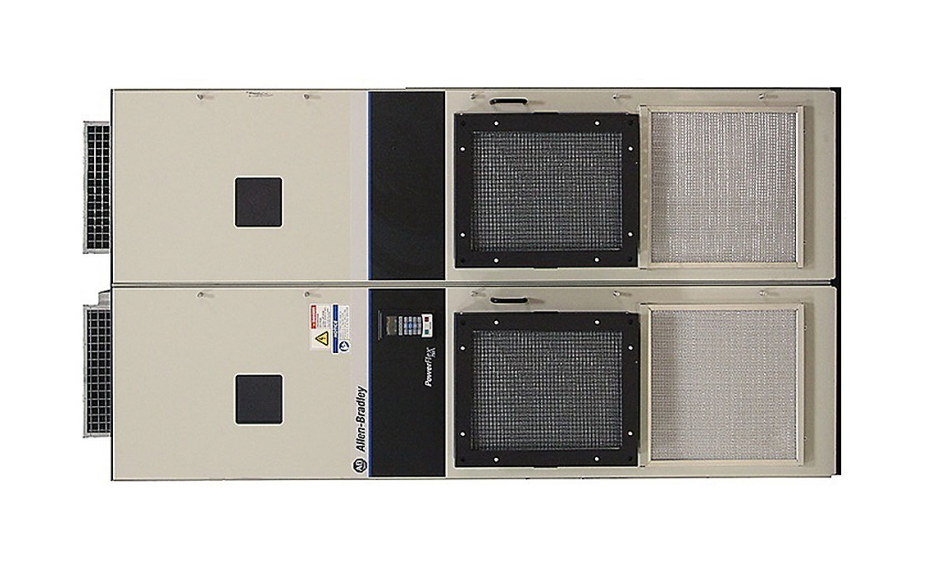
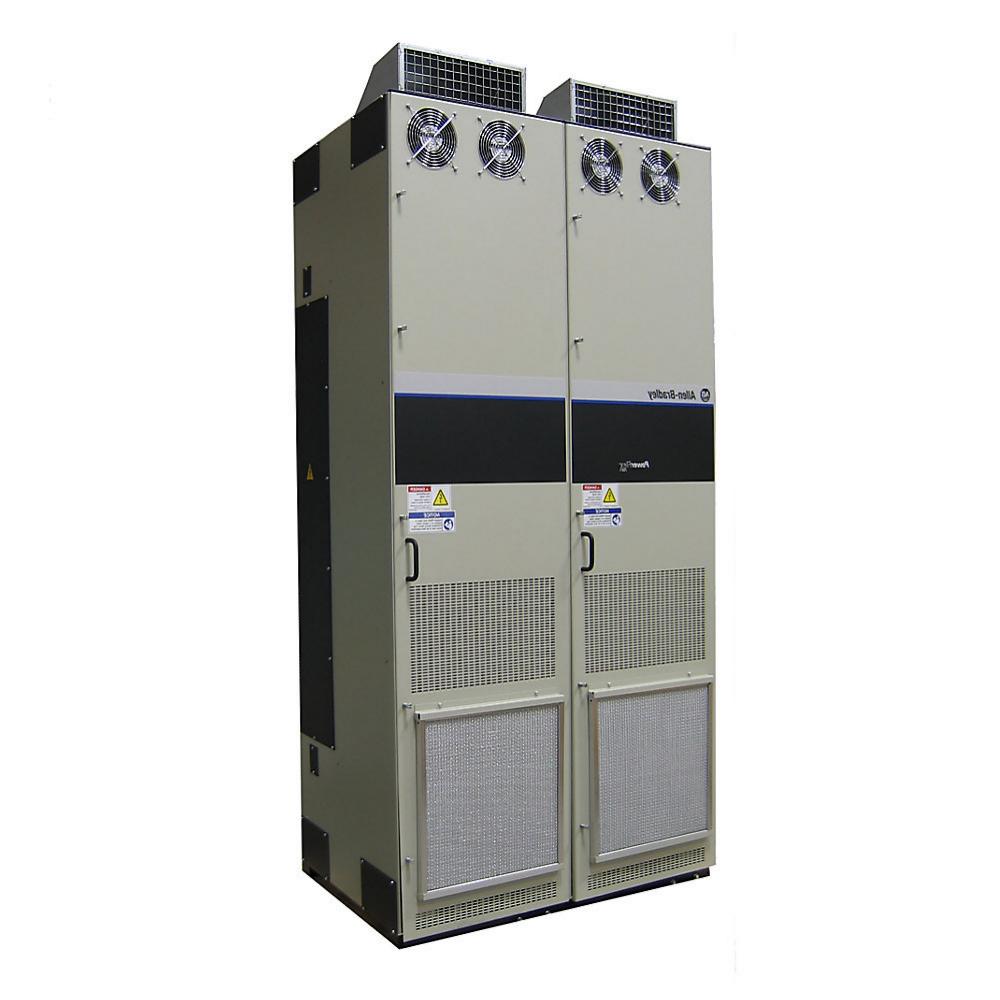
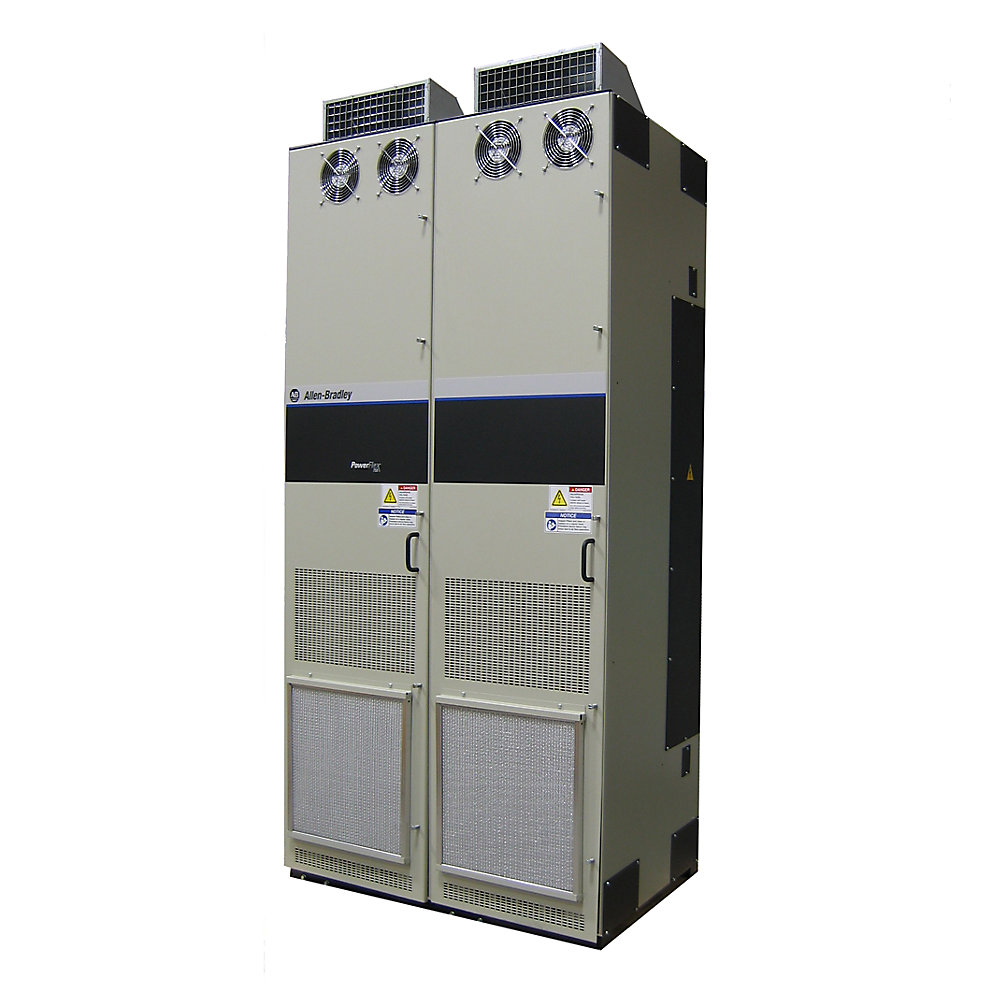
- Allen Bradley
- 20G1F3C367LNDNNNNN
- PowerFlex AC Drive
- USA
- 881.5 × 430 × 349.6 mm
- 82kg
- Xiamen, China
- New & In Stock
- T/T, PayPal, Western Union
- 1 Year
- 1-3 Working Days
- DHL, UPS, TNT, FedEx and EMS.
- 24-Hour Service
- COO
- 4
Our advantage

Global Logistics
We have a 10-year logistics and express cooperation agreement, so our products can be shipped to any place in the world.

Brand new and original
Our products are imported in bulk from the place of origin. Because of the cooperative relationship, our products are all original and 100% new.

24-hour service
We provide 7*24 hours service to our customers. We will be there whenever you need us.

Price advantage
All our products are priced very favorably because we have our own warehouse and supply.
| Company Information | |||
| [email protected] | |||
| Mobile | +8615980777398 | ||
| +8615980777398 | |||
| 15980777398 |
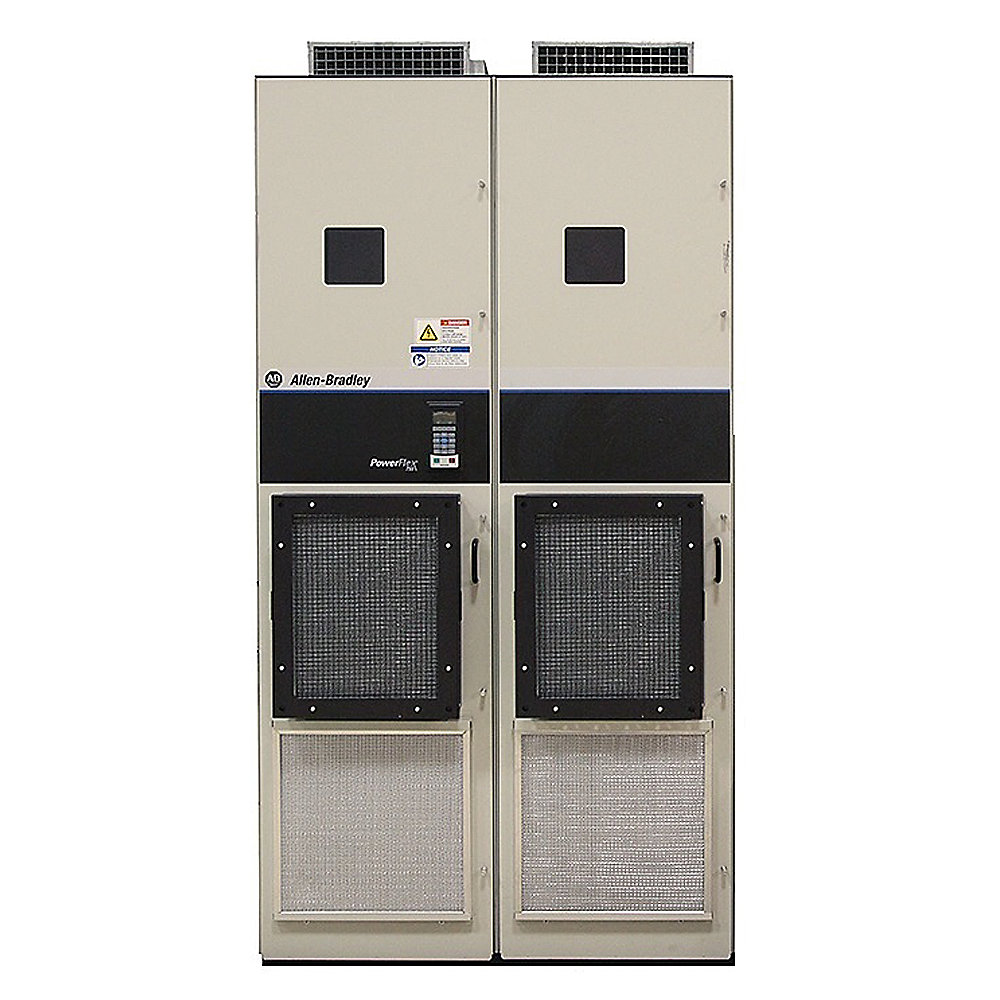
Allen-Bradley 20G1F3C367LNDNNNNN PowerFlex 755 AC Drive
1. Product Overview
The Allen-Bradley 20G1F3C367LNDNNNNN is a high-power PowerFlex 755 AC Drive designed for demanding industrial motor-control applications.
It belongs to the PowerFlex 755 family, a range intended for larger industrial machines where accurate speed control, torque control, regenerative operation, network integration, and flexible control architecture are important.
The 20G1F3C367LNDNNNNN is an air-cooled PowerFlex 755 configuration. Product listings identify this exact catalog number as a PowerFlex 755 AC Drive and also associate it with the air-cooled 755 product group.
The “367” portion of the catalog number identifies the drive-current class. This places the unit in the high-power range of the PowerFlex 755 platform and makes it suitable for large motors and heavy industrial equipment.
The model is particularly relevant to applications where a conventional small or medium-duty variable-frequency drive is not sufficient and where the drive must provide considerably more control capability, I/O flexibility, and system integration.
2. Basic Product Information
| Item | Specification |
|---|---|
| Model | 20G1F3C367LNDNNNNN |
| Brand | Allen-Bradley |
| Product Family | PowerFlex 755 |
| Product Type | AC Drive / Variable Frequency Drive |
| Drive Series | PowerFlex 755 |
| Cooling | Air cooled |
| Application Class | High-power industrial motor control |
| Current Class | Approximately 367 A |
| Supply Class | 400 V-class configuration |
| Input Configuration | Regenerative / Active Front End configuration |
| Motor Control | Adjustable-frequency AC motor control |
| Typical Motor Type | Three-phase induction and permanent-magnet motor applications, subject to configuration |
| Installation | Industrial control cabinet / drive system |
| Communication | Network and communication options depend on installed option modules |
| Feedback | Encoder and other feedback options can be configured |
| Braking | Configuration dependent; regenerative versions can return energy to the supply |
| Frame | Large-frame PowerFlex 755 configuration; final frame/mechanical details should be confirmed against the exact mechanical configuration |
| Physical Construction | Industrial enclosed drive assembly |
| Approximate Dimensions | See mechanical specification section below |
| Approximate Weight | See mechanical specification section below |
The exact model number 20G1F3C367LNDNNNNN appears in PowerFlex 755 product listings and price/catalog records as a PowerFlex 755 AC Drive.
3. Main Technical Parameters
The following table summarizes the principal characteristics of the 20G1F3C367LNDNNNNN.
| Parameter | Specification |
|---|---|
| Model | 20G1F3C367LNDNNNNN |
| Brand | Allen-Bradley |
| Series | PowerFlex 755 |
| Drive Type | AC variable-frequency drive |
| Rated Current Class | 367 A |
| Voltage Class | 400 V AC class |
| Input | Three-phase industrial AC supply |
| Output | Variable-frequency three-phase AC |
| Drive Construction | Air cooled |
| Regeneration | Active Front End / regenerative configuration |
| Motor Control | Vector-oriented / advanced AC motor control |
| Intended Motor Range | Large industrial motors |
| Feedback Capability | Encoder and other feedback options available depending on configuration |
| Dynamic Braking | Application/configuration dependent |
| Communication | Optional industrial network interfaces |
| Mounting | Industrial cabinet or drive-system installation |
| Enclosure | Configuration dependent |
| Approx. Dimensions | Large-frame configuration; see dimensional section |
| Approx. Weight | Approximately 100–130 kg class, configuration dependent |
Because the PowerFlex 755 catalog number contains multiple configuration fields, the final mechanical dimensions and shipping weight can vary with enclosure, options, filters, control hardware, and other selections. For purchasing or replacement work, the physical drawing for the exact suffix should be checked before installation.
4. Understanding the Model Number
The catalog number 20G1F3C367LNDNNNNN contains a number of configuration identifiers rather than being simply a basic model number.
The important part for identifying the product family is the 20G1 designation, which places the unit within the PowerFlex 755 drive platform.
The F3 section is associated with the drive’s voltage/input configuration.
The C367 section identifies the current class, with approximately 367 A being the key rating represented by this configuration.
The remaining letters and numbers define additional construction and configuration details.
This is important when replacing a PowerFlex 755 drive. Two drives can have similar current ratings while having different input arrangements, enclosure requirements, regenerative capabilities, filtering, control options, or mechanical configurations.
Therefore, replacing a 20G1F3C367LNDNNNNN should not be based on current rating alone.
5. Product Introduction
The PowerFlex 755 is designed for applications that require more than basic variable-speed operation.
A conventional VFD may simply control the speed of a motor. A PowerFlex 755 system can be configured as part of a much larger machine-control architecture, where the drive communicates with a PLC, receives speed or torque commands, uses encoder feedback, manages acceleration and deceleration, and provides diagnostic information to the control system.
The 20G1F3C367LNDNNNNN is therefore better viewed as a complete industrial motor-control component rather than simply a frequency converter.
Its high current rating makes it appropriate for large motors used in machinery such as conveyors, cranes, pumps, fans, compressors, extruders, process lines, and other heavy-duty equipment.
The regenerative configuration is particularly useful in machinery where the motor frequently decelerates or operates as a generator.
During conventional braking, motor energy can be converted into heat through a braking resistor. With regenerative operation, braking energy can instead be transferred back toward the electrical supply.
This can be especially useful in applications with frequent acceleration and deceleration cycles.
6. Regenerative / Active Front End Configuration
One of the major characteristics associated with this configuration is its regenerative input architecture.
In a conventional drive, energy normally flows from the AC supply into the drive and then into the motor.
During motor deceleration, the motor can return energy to the DC bus. If the drive has no regenerative path, that energy normally has to be dissipated.
An Active Front End configuration changes this operating principle.
The front end can control the relationship between the drive and the incoming AC supply, allowing regenerative energy to be returned to the electrical system rather than being dissipated entirely as heat.
This makes regenerative PowerFlex 755 configurations useful in applications such as:
- Cranes
- Hoists
- Elevators
- Large conveyors
- Test stands
- Unwind/rewind machines
- Centrifuges
- Material-handling systems
- Large rotating machinery
- High-inertia production equipment
- Machines with frequent braking cycles
For machinery with long deceleration periods, the regenerative architecture can also reduce the amount of heat that would otherwise have to be removed from the drive cabinet.
7. Main Advantages
7.1 High-Power Motor Control
The 367 A current class places this drive in the high-power segment of the PowerFlex 755 family.
It is intended for substantially larger motors than compact industrial drives.
This makes the model suitable for machines where high starting torque, controlled acceleration, precise speed regulation, and reliable operation are required.
7.2 Regenerative Energy Handling
A major advantage of a regenerative configuration is the ability to handle energy generated by the motor during braking.
Instead of relying entirely on a braking resistor, regenerative operation can transfer energy back toward the incoming electrical system.
This is particularly valuable when braking occurs frequently.
7.3 Advanced Motor Control
The PowerFlex 755 platform provides more advanced control functionality than basic VFD products.
Depending on the selected control configuration and installed options, the system can support speed control, torque control, feedback-based control, and sophisticated acceleration/deceleration profiles.
This allows the drive to be integrated into machines where motor behavior must be controlled accurately.
7.4 Flexible Feedback
Large industrial machines sometimes require feedback from the motor.
Encoder feedback can be used when the application requires better low-speed control, improved positioning behavior, or more accurate speed regulation.
The PowerFlex 755 family supports various feedback arrangements depending on the selected hardware.
7.5 Industrial Communication
The PowerFlex 755 platform is designed to integrate with industrial automation systems.
Depending on the installed communication options, the drive can exchange control commands, speed references, status information, alarms, and diagnostic information with the machine control system.
This makes it suitable for centralized PLC-based automation architectures.
7.6 Suitable for Large Machinery
The drive is designed for applications where motor power and machine inertia are considerably higher than those normally handled by compact VFDs.
Typical equipment can include large conveyors, material-handling systems, pumps, fans, compressors, processing machinery, and production equipment.
7.7 Flexible System Configuration
One of the strengths of the PowerFlex 755 architecture is that it can be configured according to the requirements of the machine.
Options can include feedback, communications, I/O, safety functions, filtering, and other system-level features.
This allows one drive family to be used across many different machine designs.
8. Dimensions and Weight
For a high-power PowerFlex 755 configuration in this current range, the drive uses a substantially larger mechanical package than compact PowerFlex products.
Because the exact mechanical arrangement can change according to the selected enclosure and options, the dimensions below should be treated as representative installation values rather than a guaranteed shipping dimension for every suffix configuration.
| Mechanical Parameter | Approximate Value |
|---|---|
| Model | 20G1F3C367LNDNNNNN |
| Height | Approximately 1,000–1,100 mm |
| Width | Approximately 500–600 mm |
| Depth | Approximately 350–400 mm |
| Approx. Weight | Approximately 100–130 kg |
| Cooling | Air cooled |
| Installation | Vertical industrial installation |
| Cabinet Space | Large cabinet / equipment-room installation |
| Service Clearance | Additional clearance required for ventilation and maintenance |
For equipment layout work, it is important not to use the approximate dimensions above as the final cabinet drawing.
The actual installation dimensions should be confirmed from the mechanical drawing corresponding to the exact catalog configuration.
For transportation and logistics, the packed weight can also be higher than the drive’s net equipment weight because packaging, mounting hardware, and accessories add additional mass.
9. Typical Applications
9.1 Cranes and Hoists
The regenerative architecture is well suited to cranes and hoists because these machines repeatedly accelerate and decelerate.
When a heavy load is lowered, the motor can operate in a regenerative condition.
Returning energy to the supply can be more suitable than continuously converting that energy into heat.
9.2 Large Conveyors
Long conveyors can require large motors because of the mass of the belt and transported material.
The PowerFlex 755 can provide controlled acceleration and deceleration while reducing mechanical shock to the conveyor system.
This is useful in mining, material handling, bulk processing, and manufacturing.
9.3 Pumps
Large process pumps can require precise speed control.
Variable-speed operation allows the pump output to be adjusted according to process requirements instead of running continuously at full speed.
This can improve process control and may reduce unnecessary motor energy consumption.
9.4 Fans and Blowers
Large industrial fans can have substantial inertia.
A controlled frequency drive allows the motor to accelerate and decelerate smoothly while providing adjustable operating speed.
The PowerFlex 755 is suitable for large ventilation and process-air systems.
9.5 Compressors
Industrial compressors often require stable speed control and controlled acceleration.
The PowerFlex 755 can be integrated into a larger control system to manage motor speed according to the process demand.
9.6 Extruders
Extrusion machinery often requires controlled motor torque and stable operating speed.
The PowerFlex 755 platform can provide the control functions needed for large extrusion motors.
9.7 Test Stands
Large motor test systems may repeatedly accelerate and decelerate motors.
This makes regenerative power handling particularly attractive.
The drive can become part of a controlled test platform where speed, torque, acceleration, and braking are managed from the automation system.
9.8 Material Handling
Large material-handling systems often use multiple motors.
The PowerFlex 755 can be used as part of a coordinated drive system where individual motor speed and torque must be controlled.
10. Installation Considerations
A drive of this size requires substantially more installation planning than a compact VFD.
The cabinet must provide sufficient airflow.
The incoming electrical system must be correctly sized for the drive current and application.
Cable selection, grounding, EMC considerations, motor cable length, thermal management, and cabinet ventilation should all be considered during system design.
The regenerative front-end configuration also means that the incoming power system needs to be compatible with the selected regenerative arrangement.
The drive should be installed in accordance with the applicable electrical standards and the machine manufacturer’s engineering requirements.
11. Recommended Related Models – Same PowerFlex 755 Family
The following models are closely related PowerFlex 755 configurations and are useful when comparing current ratings, voltage configurations, or application requirements. Catalog listings show the 367 A configuration alongside 302 A, 460 A, and other PowerFlex 755 variants.
| Model | Series | Current Class | Typical Application | Approx. Dimensions | Approx. Weight |
|---|---|---|---|---|---|
| 20G1F3C302LNDNNNNN | PowerFlex 755 | 302 A | Large industrial motor control | Large-frame | Approx. 80–100 kg |
| 20G1F3C367LNDNNNNN | PowerFlex 755 | 367 A | High-power / regenerative applications | Approx. 1,000–1,100 × 500–600 × 350–400 mm | Approx. 100–130 kg |
| 20G1F3C460LNDNNNNN | PowerFlex 755 | 460 A | Higher-power industrial equipment | Large-frame | Approx. 120–150 kg |
| 20G1F3C2K8LNDNNNNN | PowerFlex 755 | 2.8 kA class | Very high-power drive system | System/enclosure dependent | System dependent |
| 20G1F3C1K4LNDNNNNN | PowerFlex 755 | 1.4 kA class | High-power industrial system | System/enclosure dependent | System dependent |
The 302 A, 367 A, and 460 A models are especially useful for engineers comparing nearby current ratings within the PowerFlex 755 family. The 1.4 kA and 2.8 kA configurations move into substantially larger system-level applications and should not be treated as simple drop-in replacements.
12. Related Model: 20G1F3C302LNDNNNNN
The 20G1F3C302LNDNNNNN is a lower-current configuration within the same PowerFlex 755 family.
It is suitable when the required motor current is below the 367 A class.
This model is particularly useful when the original machine does not require the full current capacity of the 20G1F3C367LNDNNNNN.
| Parameter | 20G1F3C302LNDNNNNN |
|---|---|
| Model | 20G1F3C302LNDNNNNN |
| Series | PowerFlex 755 |
| Current | 302 A class |
| Voltage Class | 400 V class |
| Cooling | Air cooled |
| Application | Large industrial motor control |
| Regenerative Configuration | Yes, configuration dependent |
| Approx. Dimensions | Large-frame |
| Approx. Weight | Approx. 80–100 kg |
13. Related Model: 20G1F3C460LNDNNNNN
The 20G1F3C460LNDNNNNN is a higher-current member of the same PowerFlex 755 family.
It can be considered where the motor load requires more current than the 367 A configuration.
| Parameter | 20G1F3C460LNDNNNNN |
|---|---|
| Model | 20G1F3C460LNDNNNNN |
| Series | PowerFlex 755 |
| Current | 460 A class |
| Voltage Class | 400 V class |
| Cooling | Air cooled |
| Application | Large and heavy-duty motor systems |
| Regenerative Configuration | Configuration dependent |
| Approx. Dimensions | Large-frame |
| Approx. Weight | Approx. 120–150 kg |
14. Related Model: 20G1F3C1K4LNDNNNNN
The 20G1F3C1K4LNDNNNNN belongs to the same general PowerFlex 755 architecture but represents a much higher-current configuration.
It is intended for very large industrial drive systems rather than ordinary machine drives.
| Parameter | 20G1F3C1K4LNDNNNNN |
|---|---|
| Model | 20G1F3C1K4LNDNNNNN |
| Series | PowerFlex 755 |
| Current | Approximately 1.4 kA class |
| Voltage Class | High-power industrial configuration |
| Cooling | Air cooled / system dependent |
| Application | Very large motors and industrial systems |
| Control | Advanced AC motor control |
| Approx. Dimensions | System dependent |
| Approx. Weight | System dependent |
15. Related Model: 20G1F3C2K8LNDNNNNN
The 20G1F3C2K8LNDNNNNN is another high-current PowerFlex 755 configuration.
It is intended for very large drive applications where the current requirement is far beyond the range of conventional compact drives.
| Parameter | 20G1F3C2K8LNDNNNNN |
|---|---|
| Model | 20G1F3C2K8LNDNNNNN |
| Series | PowerFlex 755 |
| Current | Approximately 2.8 kA class |
| Voltage Class | High-power industrial configuration |
| Cooling | System dependent |
| Application | Very large industrial motors |
| Control | Advanced industrial AC drive control |
| Approx. Dimensions | System/enclosure dependent |
| Approx. Weight | System/enclosure dependent |
16. Five Popular Models from the Same Brand
The following products are useful comparison points within the same brand portfolio. They cover compact drives, general-purpose industrial drives, larger PowerFlex drives, and motion-control equipment.
| Model | Product Family | Main Function | Typical Voltage Class | Current / Power Range | Approx. Dimensions | Approx. Weight |
|---|---|---|---|---|---|---|
| 25B-D010N114 | PowerFlex 525 | Compact AC drive | 480 V class | Small motor applications | Approx. 200 × 100 × 150 mm | Approx. 2–5 kg |
| 25C-D010N114 | PowerFlex 527 | Compact industrial AC drive | 480 V class | Small motor applications | Approx. 200 × 100 × 150 mm | Approx. 2–5 kg |
| 20F1AND302JN0NNNNN | PowerFlex 753 | Large industrial AC drive | 480 V class | 302 A class | Large-frame | Approx. 80–100 kg |
| 20G1ANC302JA0NNNNN | PowerFlex 755 | Industrial AC drive | 400 V class | 302 A class | Approx. 881.5 × 430 × 349.6 mm | Approx. 82 kg |
| 2094 Series Drive | Kinetix Motion | Servo / motion control | Application dependent | Application dependent | Modular | Application dependent |
The five models above are not direct equivalents to the 20G1F3C367LNDNNNNN.
They represent different areas of the product portfolio and are useful primarily for understanding the differences between compact VFDs, large industrial drives, and motion-control systems.
17. PowerFlex 525 Compared with PowerFlex 755
The PowerFlex 525 is much smaller and is generally intended for compact machine applications.
The PowerFlex 755 is designed for much larger and more sophisticated industrial equipment.
| Feature | PowerFlex 525 | PowerFlex 755 |
|---|---|---|
| Application Size | Small / medium machines | Large industrial machinery |
| Drive Power | Low to medium | High |
| Physical Size | Compact | Large |
| Cabinet Requirement | Small | Large |
| Feedback | More limited | Extensive configuration capability |
| Communication | Integrated/optional depending on model | Broad industrial communication options |
| Regeneration | Limited compared with AFE systems | Advanced regenerative configurations |
| Control Complexity | Moderate | Advanced |
| Typical Installation | Machine cabinet | Industrial equipment / large cabinet |
| Maintenance | Relatively simple | Requires more specialized service |
For a 367 A application, a compact PowerFlex 525 should not be considered a replacement simply because both products are variable-frequency drives.
18. PowerFlex 753 Compared with PowerFlex 755
The PowerFlex 753 and PowerFlex 755 are much closer in application range.
Both are intended for industrial motor control, but the PowerFlex 755 architecture provides a broader range of high-end configuration possibilities.
The PowerFlex 755 is particularly attractive when the machine requires advanced feedback, communications, regenerative operation, and sophisticated system integration.
| Feature | PowerFlex 753 | PowerFlex 755 |
|---|---|---|
| Product Level | Industrial | High-end industrial |
| Large Motor Applications | Yes | Yes |
| Advanced Feedback | Available | Extensive |
| Regenerative Options | Configuration dependent | Extensive configuration capability |
| Network Integration | Available | Extensive |
| Machine Complexity | Medium to high | High |
| Large Process Equipment | Suitable | Very suitable |
| High-Inertia Loads | Suitable | Particularly suitable |
| Engineering Flexibility | High | Very high |
19. Key Selection Points for 20G1F3C367LNDNNNNN
When selecting or replacing this drive, current rating is only one part of the decision.
The following points should be checked.
Motor Rated Current
The motor’s nameplate current must be compared with the drive’s continuous output-current rating.
The drive should not be selected simply by motor horsepower.
Motor current, overload requirements, ambient temperature, altitude, duty cycle, and application type all influence the correct selection.
Normal-Duty and Heavy-Duty Operation
The required overload rating is important.
A conveyor or pump may have very different overload requirements from a crane, hoist, extruder, or crusher.
The drive must be selected according to the actual duty cycle.
Regenerative Requirements
If the machine frequently regenerates energy, the input configuration becomes especially important.
A standard non-regenerative drive and a regenerative drive are not interchangeable simply because their output current ratings are similar.
Motor Feedback
If encoder feedback is used on the existing machine, the replacement drive must support the same feedback arrangement or an appropriate alternative.
Communication
The existing PLC or automation system should be checked for its communication architecture.
Changing the drive may require changes to network configuration, control logic, parameter mapping, or commissioning procedures.
Physical Installation
Cabinet dimensions, mounting holes, cable-entry locations, ventilation, heat dissipation, and service access must all be checked.
This is especially important for a drive in the 367 A class.
20. Advantages in Heavy Industrial Equipment
The 20G1F3C367LNDNNNNN is most valuable in systems where the drive itself is a major part of the machine-control architecture.
For a simple small pump, a drive of this size would be unnecessary.
For a large conveyor, hoist, compressor, extruder, or test stand, however, the combination of high current capacity, advanced control, feedback capability, industrial communications, and regenerative operation can provide the functionality required by the machine.
Another important advantage is system scalability.
Because the PowerFlex 755 family contains many current and configuration variants, engineers can often maintain a similar control architecture while selecting a different drive size for another motor.
This simplifies standardization across large industrial plants.
21. Maintenance Considerations
Large air-cooled drives require regular attention to airflow and cooling.
Dust accumulation can reduce cooling performance and increase internal temperature.
Cooling fans and ventilation paths should therefore be inspected during scheduled maintenance.
Electrical connections should also be checked according to the equipment maintenance procedure.
The DC bus and other internal power components can retain hazardous voltage after power has been removed.
Maintenance personnel should follow the correct lockout/tagout procedure and verify that the equipment is electrically safe before opening the drive cabinet.
22. Summary Specification Table
| Category | 20G1F3C367LNDNNNNN |
|---|---|
| Model | 20G1F3C367LNDNNNNN |
| Brand | Allen-Bradley |
| Series | PowerFlex 755 |
| Product Type | AC Drive |
| Configuration | Air-cooled industrial drive |
| Current Class | 367 A |
| Voltage Class | 400 V |
| Input | Three-phase AC |
| Output | Variable-frequency three-phase AC |
| Regeneration | Active Front End / regenerative configuration |
| Motor Control | Advanced AC motor control |
| Feedback | Available depending on configuration |
| Communications | Available through configured communication options |
| Typical Application | Large industrial machinery |
| Typical Motors | Large induction / PM motor applications |
| Cooling | Air cooled |
| Approx. Height | 1,000–1,100 mm |
| Approx. Width | 500–600 mm |
| Approx. Depth | 350–400 mm |
| Approx. Weight | 100–130 kg |
| Installation | Industrial cabinet / drive system |
| Application Level | High-power industrial |
| Replacement Selection | Must match voltage, current, duty, regeneration, feedback and mechanical configuration |
23. Final Product Assessment
The Allen-Bradley 20G1F3C367LNDNNNNN is a high-power configuration within the PowerFlex 755 family.
Its main characteristics are the approximately 367 A current class, 400 V-class industrial application, air-cooled construction, and advanced drive architecture.
The product is intended for large machines rather than small standalone motor applications.
Its strongest application area is equipment that needs substantial motor power together with sophisticated control functions.
The regenerative configuration is particularly relevant to machines with high inertia or frequent braking, because regenerative operation can provide a controlled path for returning braking energy to the electrical system.
The PowerFlex 755 architecture also provides considerable flexibility for industrial automation. Feedback devices, communication interfaces, I/O, and other options can be selected according to the machine requirements.
For a replacement project, the most important point is to compare the complete catalog configuration rather than looking only at the “367 A” rating.
Voltage class, motor current, normal-duty/heavy-duty requirements, regenerative capability, feedback hardware, communication modules, enclosure, dimensions, cooling, and installation requirements should all be matched before ordering.
In practical terms, the 20G1F3C367LNDNNNNN is best understood as a large industrial PowerFlex 755 drive intended for demanding motor-control applications where ordinary compact VFDs are not adequate.
Its combination of high current capacity, advanced control, regenerative capability, industrial communication, and flexible configuration makes it suitable for large-scale machinery such as conveyors, cranes, hoists, pumps, fans, compressors, extruders, material-handling systems, and industrial test equipment.
For mechanical planning, use the approximate 1,000–1,100 mm height, 500–600 mm width, 350–400 mm depth, and approximately 100–130 kg weight only as preliminary engineering values. The exact final dimensions and net/shipping weight should be confirmed against the mechanical documentation for the exact configured unit before cabinet fabrication, transportation, or replacement work.