

ProductPRODUCT
Featured products
Contact Us
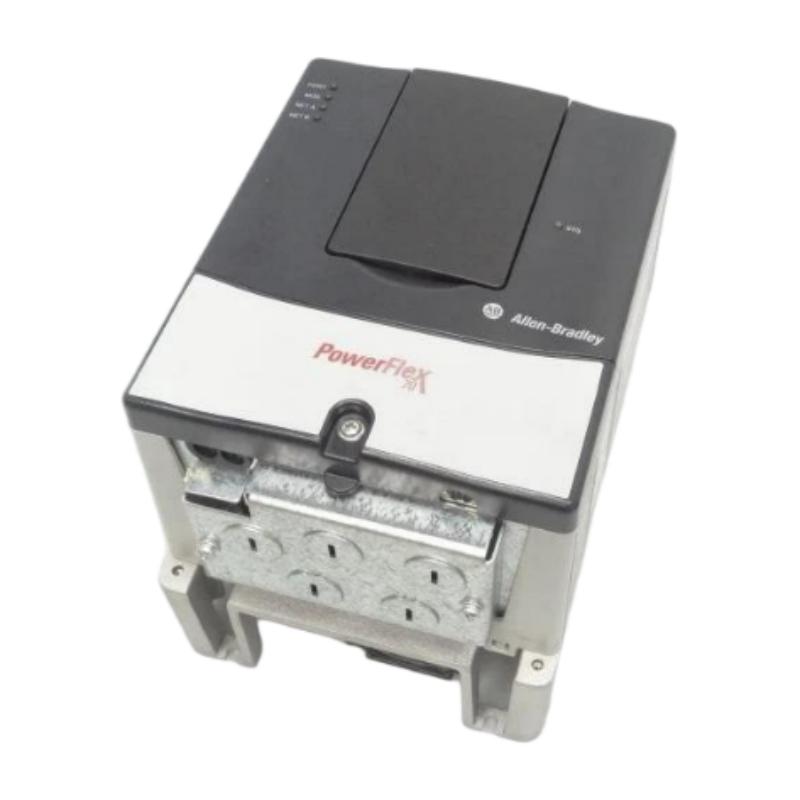
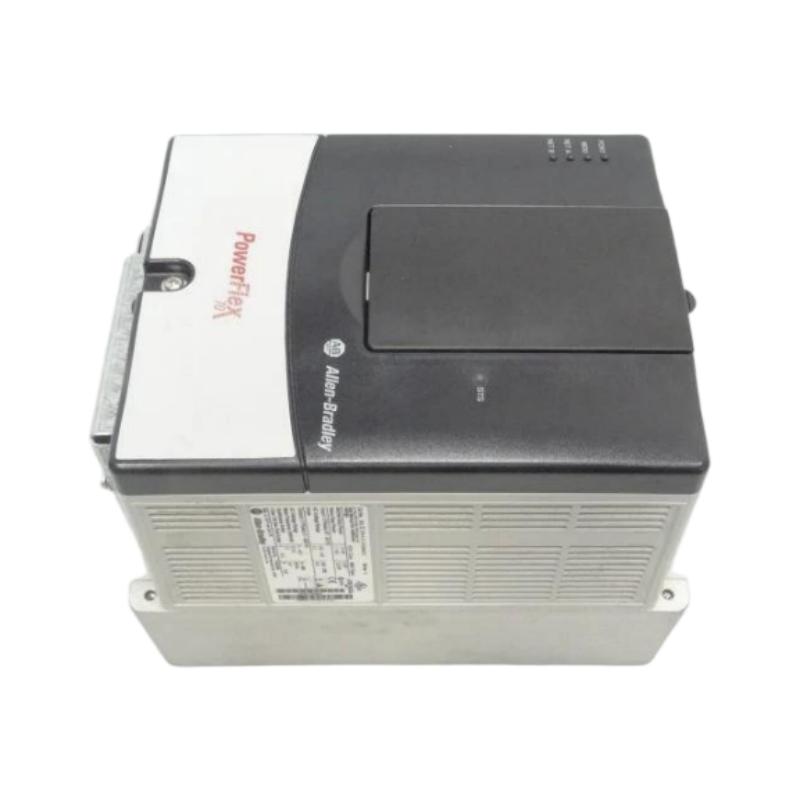
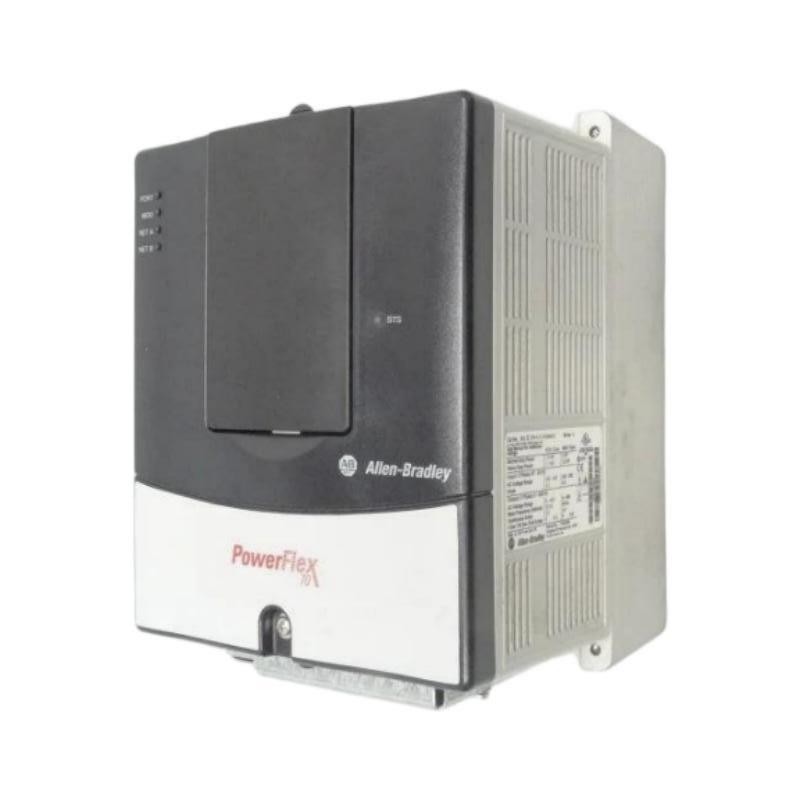
- Allen Bradley
- 20AD3P4A0AYNANC0
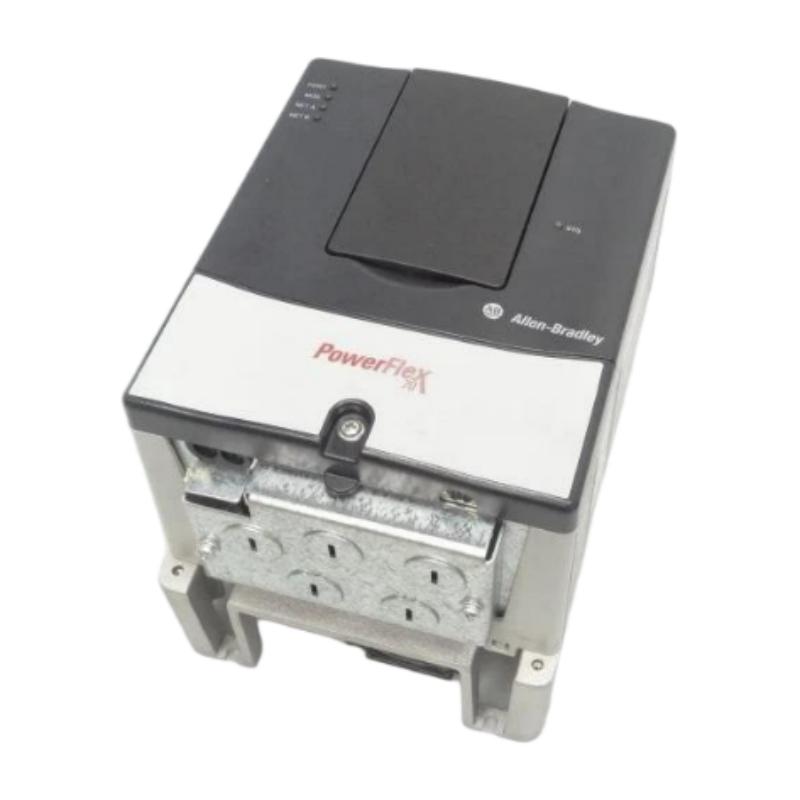
- PowerFlex 70 AC Drive
- USA
- 225.7 x 179.8 x 122.4 mm
- 2.71 kg
- Xiamen, China
- New & In Stock
- T/T, PayPal, Western Union
- 1 Year
- 1-3 Working Days
- DHL, UPS, TNT, FedEx and EMS.
- 24-Hour Service
- COO
- 3
Our advantage

Global Logistics
We have a 10-year logistics and express cooperation agreement, so our products can be shipped to any place in the world.

Brand new and original
Our products are imported in bulk from the place of origin. Because of the cooperative relationship, our products are all original and 100% new.

24-hour service
We provide 7*24 hours service to our customers. We will be there whenever you need us.

Price advantage
All our products are priced very favorably because we have our own warehouse and supply.
| Company Information | |||
| [email protected] | |||
| Mobile | +8615980777398 | ||
| +8615980777398 | |||
| 15980777398 |
Product Overview
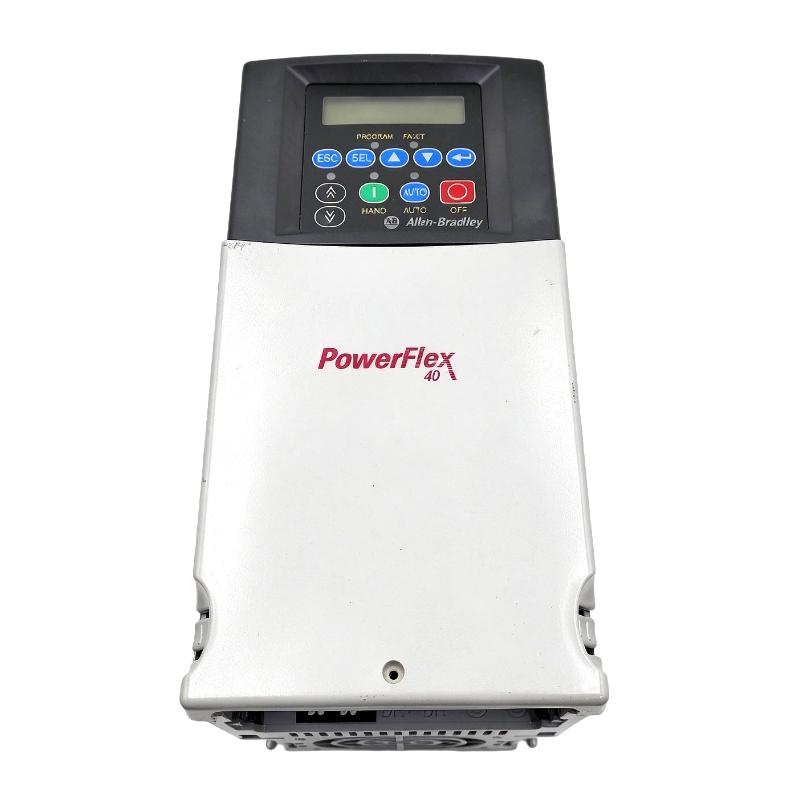
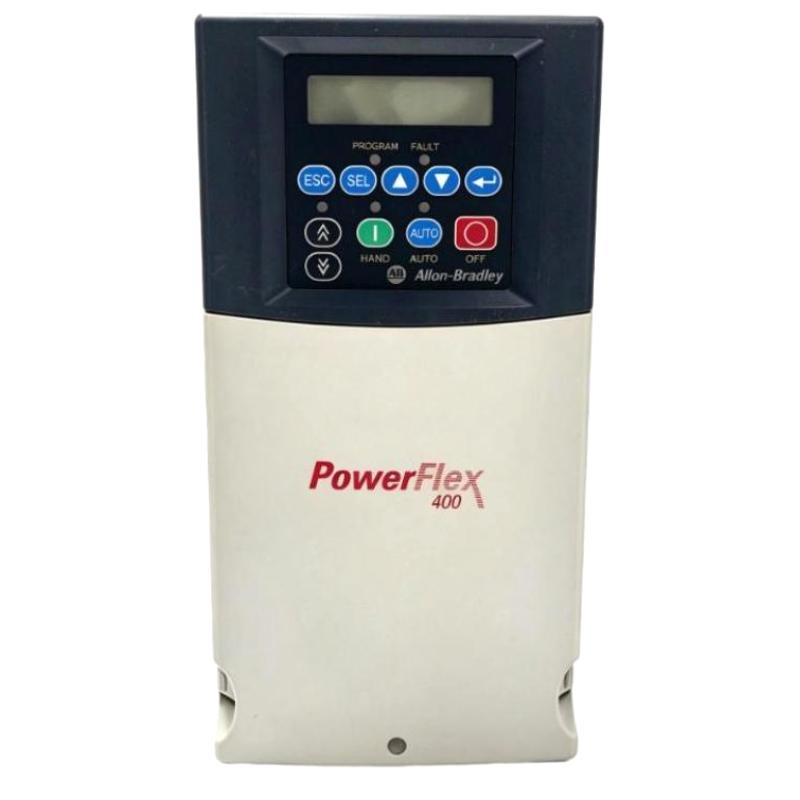
The Allen-Bradley 20AD3P4A0AYNANC0 PowerFlex 70 AC Drive is an adjustable-frequency drive designed to provide variable-speed control for three-phase AC motors in industrial automation systems. Manufactured by Rockwell Automation, the PowerFlex 70 family is used in applications requiring controlled motor operation, flexible speed adjustment, and integration with industrial control equipment.
Variable frequency drives regulate motor speed by adjusting the frequency and voltage supplied to an AC motor. This allows machinery to operate according to actual process requirements instead of running continuously at a fixed speed. In suitable applications, variable-speed control can improve process coordination, reduce mechanical stress during starting and stopping, and support more efficient equipment operation.
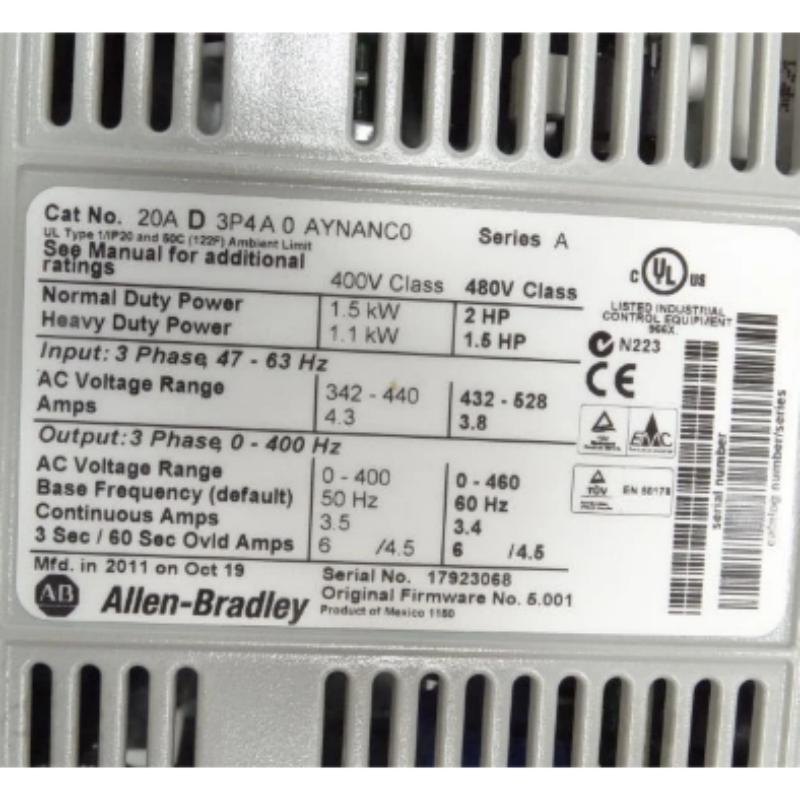
The 20AD3P4A0AYNANC0 is designed for a 480 V AC three-phase supply. It provides a continuous output current of 3.4 A and supports a rated output of 2 HP under normal-duty conditions and 1.5 HP under heavy-duty conditions.
This model features enhanced control with 24 V I/O, an installed braking IGBT, and an EMC filter with a common-mode choke. It also has a conformally coated configuration intended for industrial environments. The drive is supplied without a local human interface module (HIM), an internal communication module, or a feedback option. An internal braking resistor is not included.
These configuration details are important when selecting the drive for an existing machine or replacement project. A similar-looking PowerFlex 70 unit may have a different braking arrangement, filtering configuration, control interface, or feedback capability. The complete catalog number should always be checked before purchasing.
The 20AD3P4A0AYNANC0 is suitable for compatible motor-control applications where its electrical ratings and control functions meet the system requirements. It is particularly relevant to maintenance and replacement projects involving existing PowerFlex 70 installations.
Technical Specifications
| Parameter | Specification |
|---|---|
| Brand | Allen-Bradley |
| Manufacturer | Rockwell Automation |
| Model | 20AD3P4A0AYNANC0 |
| Product Series | PowerFlex 70 |
| Product Type | AC Drive / Variable Frequency Drive |
| Input Voltage | 480 V AC |
| Input Phase | Three-phase |
| Continuous Output Current | 3.4 A |
| Normal-Duty Power Rating | 2 HP / 1.5 kW |
| Heavy-Duty Power Rating | 1.5 HP / 1.1 kW |
| Control Type | Enhanced Control |
| Control I/O | 24 V DC I/O |
| Frame Size | Frame B |
| Enclosure | Panel Mount |
| Protection Rating | IP20 / NEMA Type 1 |
| Conformal Coating | Included |
| Braking IGBT | Installed |
| Internal Braking Resistor | Not included |
| EMC Filtering | EMC filter with common-mode choke |
| Human Interface Module | No HIM; blank plate |
| Internal Communication Module | Not included |
| Feedback Option | Not included |
| Dimensions Provided | 225.7 × 179.8 × 122.4 mm |
| Weight Provided | 2.71 kg |
| Product Lifecycle | End of Life |
| Typical Application | Industrial AC motor speed control |
Note: Dimensions and weight are the supplied product-listing values. Confirm the physical unit and manufacturer’s documentation before using these figures for shipping or installation planning.
Function and Working Principle
The PowerFlex 70 drive controls the electrical power supplied to a connected AC motor. By adjusting the output frequency and voltage, it allows the motor to operate at different speeds according to programmed settings and external control commands.
1. Variable-Frequency Speed Regulation
The rotational speed of an AC motor is related to the frequency of its electrical supply and the motor’s design. A variable frequency drive changes the output frequency to regulate motor speed.
For example, a conveyor may need to operate at different speeds depending on product flow. The drive can adjust motor speed to support the required production sequence without relying entirely on mechanical speed-adjustment equipment.
The usable speed range depends on motor characteristics, load conditions, cooling requirements, and the configured operating parameters.
2. Enhanced Motor Control
The 20AD3P4A0AYNANC0 uses an enhanced-control configuration with 24 V I/O. This allows the drive to work with suitable industrial control circuits and external automation equipment.
The control system can use digital and analog signals, according to the configured terminal functions, to manage motor commands and speed references.
Correct parameter configuration is important for reliable operation. Motor nameplate information, command sources, speed references, and protection settings should be checked during commissioning.
3. Acceleration and Deceleration Control
The drive supports programmable acceleration and deceleration ramps. These settings determine how quickly the motor changes from one operating speed to another.
Suitable ramp settings can help reduce mechanical shock during starting and stopping. This is useful for conveyors, fans, pumps, and other machinery where sudden changes in motor speed may affect equipment operation.
The ramp times should be selected according to the load inertia and process requirements. Rapid deceleration may generate regenerative energy, so the braking arrangement must be evaluated carefully.
4. Braking Circuit Function
The specified configuration includes a braking IGBT. This component provides the switching capability used in a dynamic braking circuit.
However, the drive does not include an internal braking resistor. Where the application requires frequent or rapid deceleration, an appropriately selected external braking resistor or another approved braking solution may be necessary.
The braking circuit must be designed according to the manufacturer’s electrical and thermal requirements.
5. Electrical Protection and Monitoring
The PowerFlex 70 provides protective and diagnostic functions to help identify abnormal operating conditions. Depending on the configuration and application, these functions can assist with detecting overcurrent, voltage abnormalities, motor overload, and drive temperature problems.
These functions support equipment protection but do not replace correctly rated upstream protective devices, proper grounding, or machine-level safety systems.
Role in Industrial Control Systems
The 20AD3P4A0AYNANC0 is commonly used as a motor-control component within a broader industrial automation architecture. It receives electrical power from the supply system and provides controlled power to a compatible motor.
PLC Integration
A programmable logic controller can coordinate the drive with sensors, actuators, switches, and other equipment.
In a typical installation, the PLC may issue start and stop commands, provide speed references, and monitor operating signals. The drive then regulates motor operation according to these commands and its configured parameters.
The 20AD3P4A0AYNANC0 includes enhanced control with 24 V I/O but does not include an internal communication module. Engineers should verify the intended control interface and any additional communication hardware before designing a network-based integration.
HMI and Operator Control
A human-machine interface provides operators with access to process information, operating commands, and alarms.
The specified drive configuration has a blank HIM position rather than an installed local human interface module. An HMI may still be integrated through a PLC or another supported control arrangement.
For maintenance and commissioning, the required programming and parameter-access method should be confirmed before installation.
Motor and Process Coordination
The drive can operate as part of a coordinated production system. For example, a PLC may adjust conveyor speed according to product availability or coordinate a motor with other machine operations.
Combining variable-speed control with suitable sensors and automation logic helps support consistent machine operation.
Industrial Applications
The PowerFlex 70 series is used in a variety of industrial motor-control applications. The 20AD3P4A0AYNANC0 should be selected only when the motor and application requirements fall within its electrical and overload ratings.
1. Conveyor Systems
Conveyors require controlled motor operation to move products between production stages. A variable frequency drive can regulate conveyor speed and support smoother starting and stopping.
In automated manufacturing facilities, conveyor speed may need to change according to product flow, packaging requirements, or downstream equipment capacity.
2. Pumping Equipment
Industrial pumps may operate under changing flow and pressure requirements. A compatible drive can adjust motor speed to match process demand.
For pump applications, engineers should evaluate motor current, pump characteristics, minimum operating speed, fluid conditions, and required pressure before selecting the drive.
3. Industrial Fans and Ventilation
Fans and ventilation equipment often require adjustable airflow. Variable-speed control can help match fan output to actual ventilation requirements.
In suitable fan applications, operating at a lower speed can reduce energy consumption. Correct motor sizing and adequate drive ventilation remain important.
4. Packaging Machinery
Packaging systems use motors for product feeding, conveyor movement, wrapping, and other auxiliary operations.
The PowerFlex 70 can provide adjustable motor speed for compatible equipment. Its suitability depends on the required speed range, torque response, machine cycle, and control interface.
5. Material Handling Equipment
Material-handling machinery may require controlled acceleration and deceleration to reduce sudden movement and improve operational consistency.
A properly configured drive can support speed adjustment in suitable material-handling applications. The motor, mechanical load, and braking requirements must be evaluated together.
6. General Manufacturing Equipment
The drive can be considered for compatible motors in production machinery, auxiliary equipment, and industrial process systems.
Before installation, verify that the motor’s rated current and overload requirements are within the drive’s capabilities.
Installation and System Integration
Correct installation is essential for electrical safety, reliable motor control, and stable long-term operation.
1. Verify Input Power Requirements
The 20AD3P4A0AYNANC0 is designed for a 480 V AC three-phase supply.
Before connecting the drive, confirm the incoming voltage, supply frequency, motor voltage, motor rated current, and required protective devices.
Do not select a drive based on horsepower alone. Motor current, overload requirements, and the application duty classification must also be considered.
2. Confirm Mounting Dimensions
The supplied dimensions are 225.7 × 179.8 × 122.4 mm.
Before designing a control cabinet, verify the manufacturer’s dimensional drawing for the exact frame and mounting arrangement. Allow sufficient clearance for ventilation, wiring, maintenance access, and heat dissipation.
The IP20 / NEMA Type 1 enclosure is intended for protected installation environments. It does not provide sealed protection against water or unrestricted exposure to dust and contaminants. Use a suitable cabinet where additional environmental protection is required.
3. Wiring and Grounding
Power wiring, motor wiring, control wiring, and grounding should follow the manufacturer’s installation instructions and applicable electrical codes.
Keep control wiring appropriately separated from power conductors to reduce electrical interference. Use suitable cable types, grounding methods, and protective devices.
Before servicing the drive, isolate the incoming power and follow the required lockout and verification procedures.
4. Configure Motor Parameters
Enter the motor nameplate information and configure the operating parameters according to the application.
Important settings include:
- Motor rated voltage and current.
- Motor rated frequency.
- Command source.
- Speed reference source.
- Acceleration and deceleration times.
- Minimum and maximum operating frequency.
- Protection and fault-response settings.
Correct configuration helps ensure that the drive operates within the motor’s permitted operating range.
5. Evaluate Braking Requirements
The specified model includes a braking IGBT but does not include an internal braking resistor.
For applications involving rapid stopping, frequent deceleration, or high-inertia loads, engineers should determine whether an external braking resistor is required.
Resistor selection must account for braking energy, duty cycle, resistance value, power rating, installation location, and thermal protection.
6. Commissioning and Functional Testing
After installation, inspect the electrical connections, grounding, and mounting arrangement.
Before normal production begins, test:
- Start and stop commands.
- Motor rotation direction.
- Speed reference response.
- Acceleration and deceleration.
- PLC or external control signals.
- Interlocks and protective functions.
- Fault indication and recovery procedures.
Record the final parameter settings to simplify future maintenance and replacement work.
Compatible System Components
The 20AD3P4A0AYNANC0 is designed to operate within an appropriately engineered motor-control system. The following components may be used in a typical installation, depending on the control architecture.
| Component | Function | Compatibility Considerations |
|---|---|---|
| Three-phase AC motor | Converts electrical energy into mechanical movement | Verify voltage, current, horsepower, and load requirements |
| PLC | Coordinates motor commands and machine logic | Confirm 24 V I/O requirements and available control signals |
| 24 V DC power supply | Supplies compatible control circuits | Check voltage, current capacity, and grounding |
| HMI | Provides operator monitoring and control | May communicate through the PLC; no local HIM is installed |
| Circuit breaker or fuses | Provides upstream electrical protection | Select according to manufacturer recommendations |
| Motor isolator | Supports electrical isolation for maintenance | Follow the recommended installation arrangement |
| External braking resistor | Dissipates regenerated energy during braking | Required only when application braking demands it |
| EMC accessories | Support electromagnetic compatibility | Follow grounding, shielding, and cable-routing guidance |
| Industrial control cabinet | Houses and protects electrical equipment | Provide suitable ventilation and environmental protection |
The components listed above are examples of equipment that may be used in a complete installation. They are not necessarily supplied with the drive.
Alternative Models and Replacement Considerations
When replacing a PowerFlex 70 drive, selecting a unit with a similar horsepower rating is not sufficient. The full electrical and configuration details must be compared.
| Alternative or Related Option | Replacement Considerations |
|---|---|
| Another PowerFlex 70 drive | Verify voltage, current, frame size, control options, braking, and filtering |
| Allen-Bradley PowerFlex 700 | May be considered for certain industrial applications, subject to system compatibility |
| Allen-Bradley PowerFlex 525 | A newer drive family that may suit selected applications but is not automatically a direct replacement |
| Allen-Bradley PowerFlex 4M | May suit simpler motor-control duties if the electrical and functional requirements match |
| Current-generation Rockwell Automation drive | May be appropriate for a modernization project requiring engineering and commissioning changes |
Before choosing a replacement, compare:
- Input voltage and phase configuration.
- Continuous output current.
- Normal-duty and heavy-duty ratings.
- Control method and speed-regulation requirements.
- Control I/O voltage and terminal assignments.
- Communication requirements.
- Braking IGBT and resistor configuration.
- EMC filtering and environmental specifications.
- Frame size and mounting dimensions.
- PLC logic and parameter settings.
The original catalog number should be used as the starting point for replacement selection. Any proposed substitute should be reviewed against the actual motor and machine requirements.
Key Advantages
Adjustable Motor Speed
The drive provides variable-frequency motor control, allowing compatible motors to operate at speeds appropriate to changing production requirements.
Enhanced Control with 24 V I/O
The enhanced-control configuration supports integration with suitable industrial control circuits and external automation equipment.
Controlled Acceleration and Deceleration
Programmable ramp settings allow engineers to adapt motor starting and stopping behavior to the mechanical characteristics of the application.
Integrated Braking IGBT
The installed braking IGBT provides a braking-circuit function. External braking hardware may still be required depending on the load and stopping requirements.
EMC Filtering
The EMC filter and common-mode choke help manage electromagnetic interference when the drive is installed and wired correctly.
Conformal Coating
The conformally coated configuration provides additional protection for electronic assemblies under appropriate industrial environmental conditions. It does not make the drive suitable for direct exposure to water or corrosive substances.
Established Industrial Application
The PowerFlex 70 family has been used in industrial motor-control systems. Its established installed base makes accurate model identification important for spare-parts procurement and maintenance planning.
Technical FAQs
1. What is the Allen-Bradley 20AD3P4A0AYNANC0?
It is a PowerFlex 70 variable frequency drive designed for controlling compatible three-phase AC motors in industrial applications.
2. What is the input voltage of this drive?
The nominal input voltage is 480 V AC, three-phase. Verify the drive nameplate and installation documentation before connecting it to the electrical supply.
3. What is its rated output current?
The continuous output current is 3.4 A.
4. What are its normal-duty and heavy-duty power ratings?
The normal-duty rating is 2 HP (1.5 kW), while the heavy-duty rating is 1.5 HP (1.1 kW).
5. Does this model include a braking resistor?
No. The drive has a braking IGBT installed, but an internal braking resistor is not included. An external braking resistor may be required depending on the application.
6. Does it have a built-in communication module?
No internal communication module is included in this configuration. Verify the required communication method and any additional hardware before integrating the drive into a control network.
7. Can it work with a PLC?
Yes. It can be incorporated into a suitable PLC-based control system through its enhanced control configuration and 24 V I/O. The exact wiring and command method depend on the system design.
8. Does it include a local operator panel?
No. The specified configuration uses a blank plate instead of an installed human interface module.
9. What is the protection rating?
The drive is specified as a panel-mount IP20 / NEMA Type 1 unit. It should be installed in an appropriate protected environment.
10. Is the 20AD3P4A0AYNANC0 discontinued?
Rockwell Automation currently identifies the product as End of Life and lists May 30, 2027, as its announced discontinuation date. Buyers should check current availability and replacement guidance before procurement.
11. What should be checked before purchasing a replacement?
Verify the complete catalog number, voltage, current rating, frame size, control options, braking configuration, EMC filtering, physical condition, and any included accessories.
12. Is the listed weight of 2.71 kg correct?
The supplied listing value is 2.71 kg. However, some supplier listings report a different weight of approximately 4.0 kg. Confirm the actual unit weight and distinguish it from packaged shipping weight before using it for logistics calculations.
Procurement and Maintenance Recommendations
When sourcing the Allen-Bradley 20AD3P4A0AYNANC0, begin by checking the complete catalog number on the drive nameplate. Confirm the 480 V AC three-phase rating, 3.4 A continuous output, normal-duty and heavy-duty power ratings, and the specified enhanced-control configuration.
Because the product is approaching its announced discontinuation date, procurement teams should consider spare-parts availability and long-term replacement planning. For existing installations, keeping a compatible spare drive may help reduce equipment downtime.
For used or refurbished units, request clear photographs of the nameplate, terminals, and enclosure. Confirm the unit’s condition, test status, included accessories, warranty terms, and return policy.
During routine maintenance, inspect the cooling path, electrical connections, grounding, and cabinet environment. Keep the drive free from accumulated dust and ensure that ventilation is not obstructed.
Parameter backups should be maintained for each installed drive. These records can help maintenance personnel restore operating settings after a drive replacement or fault-related reset.
For modernization projects, evaluate whether a newer drive can meet the existing motor-control requirements. Consider control wiring, PLC programming, braking arrangements, cabinet dimensions, and commissioning work before approving a replacement.
Conclusion
The Allen-Bradley 20AD3P4A0AYNANC0 PowerFlex 70 AC Drive is a 480 V AC three-phase variable frequency drive with a continuous output current of 3.4 A, a 2 HP normal-duty rating, and a 1.5 HP heavy-duty rating.
Its enhanced-control configuration with 24 V I/O, installed braking IGBT, EMC filtering, and conformal coating makes it suitable for compatible industrial motor-control applications. The drive does not include an internal braking resistor, local HIM, or internal communication module.
For industrial maintenance and spare-parts procurement, verifying the complete catalog number and configuration is essential. Since Rockwell Automation has announced the product’s End of Life status, buyers should also review availability and plan technically appropriate replacement options.