
NewsNEWCENTER
Featured products
Contact Us
Allen-Bradley 150-C85NBD SMC-3 Smart Motor Controller Troubleshooting Guide
2026-07-16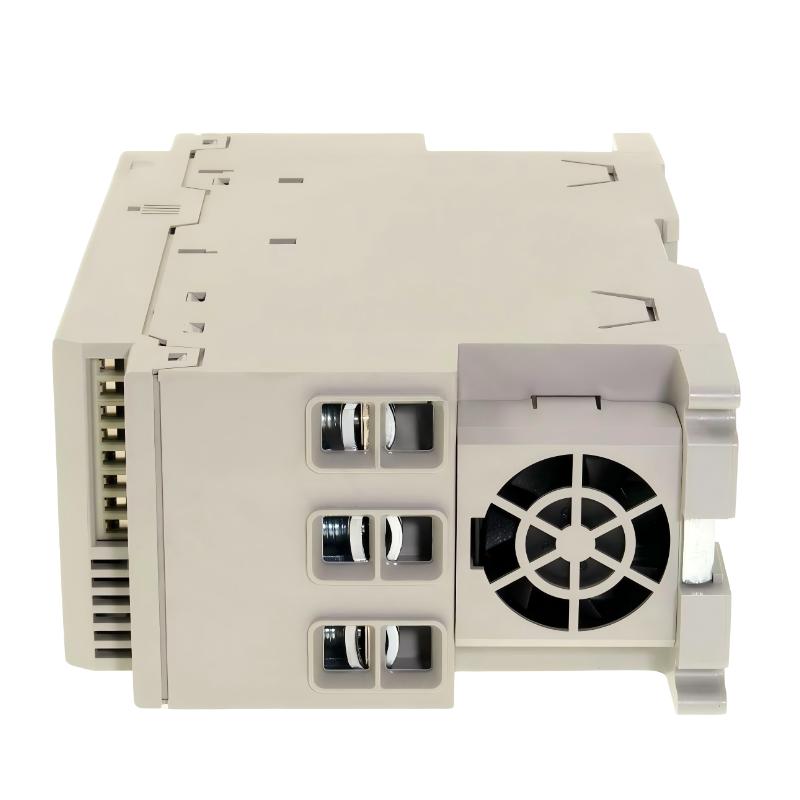
Table of Contents
- Field Case: 150-C85NBD Motor Controller Unexpected Shutdown Analysis
- 150-C85NBD SMC-3 Smart Motor Controller Fault Symptoms
- SMC-3 Fault Diagnosis Process
- Common Causes of 150-C85NBD Controller Faults
- 150-C85NBD Troubleshooting Procedure
- Fault Repair and Recovery Actions
- Post-Repair Testing and Verification
- FAQs on 150-C85NBD Troubleshooting
- Engineering Summary
Field Case: 150-C85NBD Motor Controller Unexpected Shutdown Analysis
The Allen-Bradley 150-C85NBD SMC-3 Smart Motor Controller Troubleshooting process requires a complete analysis of the motor control system, including power supply, motor load, control signals, and controller configuration.
In one industrial production line application, the motor controlled by the 150-C85NBD suddenly stopped during normal operation. The operator noticed a protection alarm and attempted a restart, but the controller continued to enter a fault condition.
Engineers performed a detailed Fault Diagnosis process and discovered that the actual cause was not internal controller damage. The problem was related to excessive motor load and incorrect protection parameter settings.
This case demonstrates that SMC-3 troubleshooting requires checking the complete system instead of immediately replacing the motor controller.
150-C85NBD SMC-3 Smart Motor Controller Fault Symptoms
Common fault symptoms found during maintenance include:
- Motor cannot start normally
- Controller stops during acceleration
- Unexpected overload alarm
- Frequent restart failure
- Motor current higher than normal
- Control command does not respond
- Intermittent operating shutdown
These symptoms may result from different causes, including electrical problems, mechanical issues, or incorrect controller settings.
SMC-3 Fault Diagnosis Process
A complete Fault Diagnosis procedure for the 150-C85NBD should include the following steps:
- Record fault conditions and operating status
- Check incoming power quality
- Inspect motor wiring connections
- Verify control circuit signals
- Check motor mechanical load
- Review controller parameters
- Perform controlled operation testing
This method helps engineers determine whether the problem comes from the motor, electrical system, control circuit, or SMC-3 controller.
Common Causes of 150-C85NBD Controller Faults
The common causes of SMC-3 faults include:
- Motor overload condition
- Excessive mechanical resistance
- Incorrect motor wiring
- Loose electrical connections
- Unstable power supply
- Incorrect overload settings
- Improper startup configuration
- Insufficient heat dissipation
In industrial environments, many motor controller failures are caused by external operating conditions rather than hardware failure.
150-C85NBD Troubleshooting Procedure
A practical troubleshooting workflow includes:
- Check the controller status and fault indication
- Measure incoming voltage condition
- Inspect motor connection terminals
- Check motor current during operation
- Verify control input signals
- Review parameter configuration
- Test the system after correction
SMC3_FAULT_DIAG

MODEL = 150-C85NBD
CHECK = POWER_INPUT
CHECK = MOTOR_LOAD
CHECK = MOTOR_WIRING
CHECK = CONTROL_SIGNAL
CHECK = PARAMETERS
During one troubleshooting case, a large fan motor repeatedly generated overload alarms during startup. Engineers inspected the system and found that the fan mechanical load had increased because of equipment contamination. After cleaning the mechanical system and adjusting protection parameters, the controller returned to stable operation.
Fault Repair and Recovery Actions
After identifying the fault source, engineers can perform the following corrective actions:
- Remove excessive mechanical load
- Correct motor wiring problems
- Tighten electrical terminals
- Adjust protection parameters
- Improve cabinet cooling conditions
- Restore correct control settings
Many 150-C85NBD faults can be recovered through proper inspection and adjustment without replacing the complete SMC-3 controller.
Post-Repair Testing and Verification
After completing troubleshooting, engineers should perform final verification:
- Confirm stable power supply
- Verify motor startup sequence
- Check acceleration performance
- Test overload protection
- Monitor motor operation under load
- Record maintenance information
A complete verification process ensures that the motor control system can return to reliable industrial operation.
FAQs on 150-C85NBD Troubleshooting
Why does the 150-C85NBD enter overload protection?
Possible causes include excessive motor load, incorrect settings, mechanical problems, wiring issues, or unstable operating conditions.
Can a fault always be solved by replacing the controller?
No. Engineers should first complete Fault Diagnosis because many problems are caused by external factors.
What is the most important troubleshooting step?
The most important step is identifying whether the fault comes from the motor system, electrical wiring, configuration, or the controller itself.
Engineering Summary
The Allen-Bradley 150-C85NBD SMC-3 Smart Motor Controller Troubleshooting process requires systematic inspection of electrical connections, motor conditions, control signals, and configuration parameters. Field experience shows that accurate Fault Diagnosis can solve most startup failures and protection alarms while reducing unnecessary equipment replacement and improving industrial motor system reliability.