

ProductPRODUCT
Featured products
Contact Us
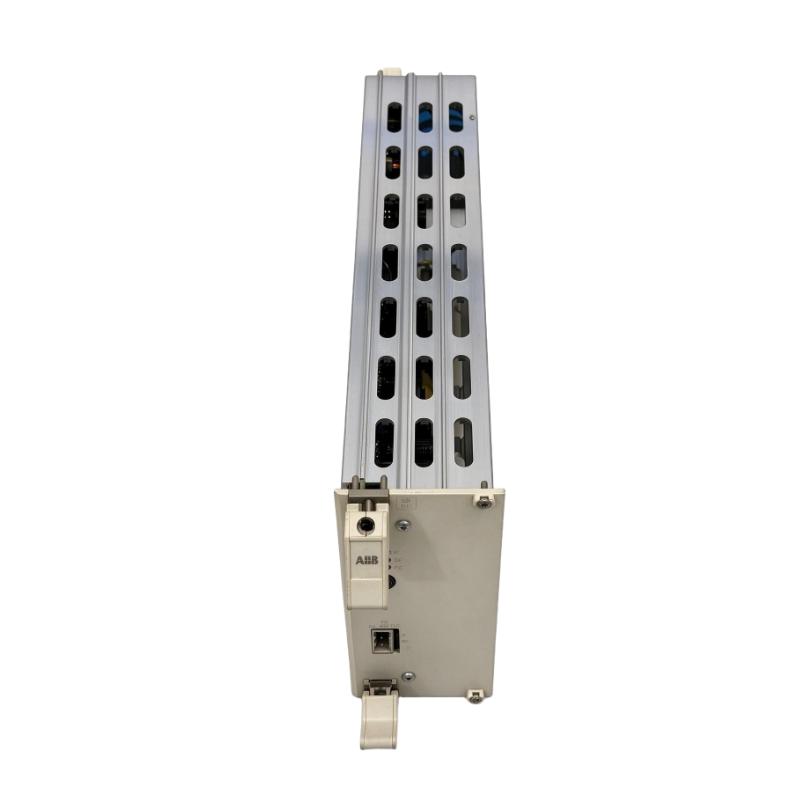
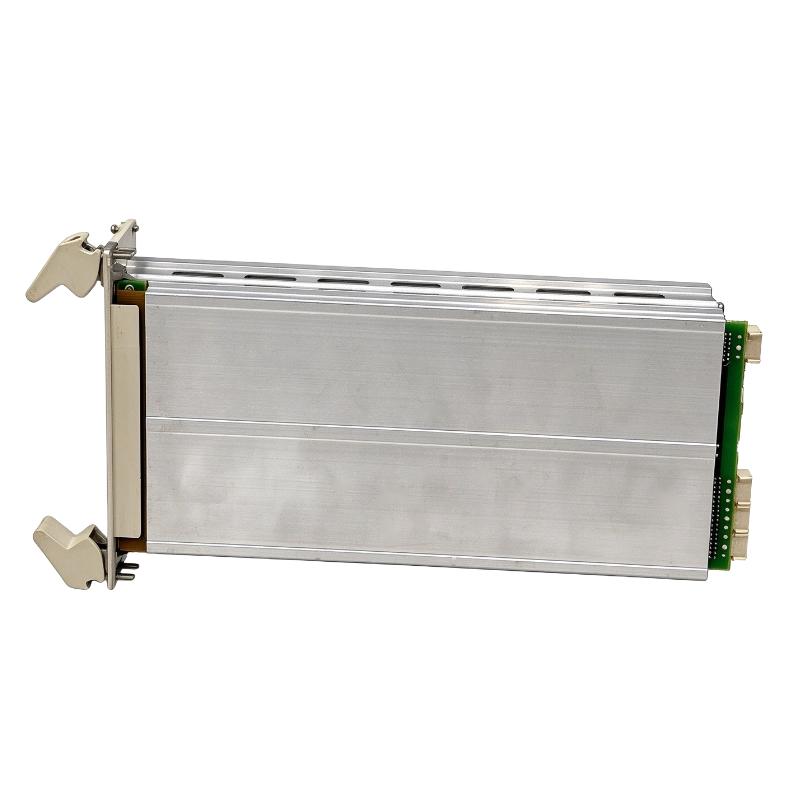
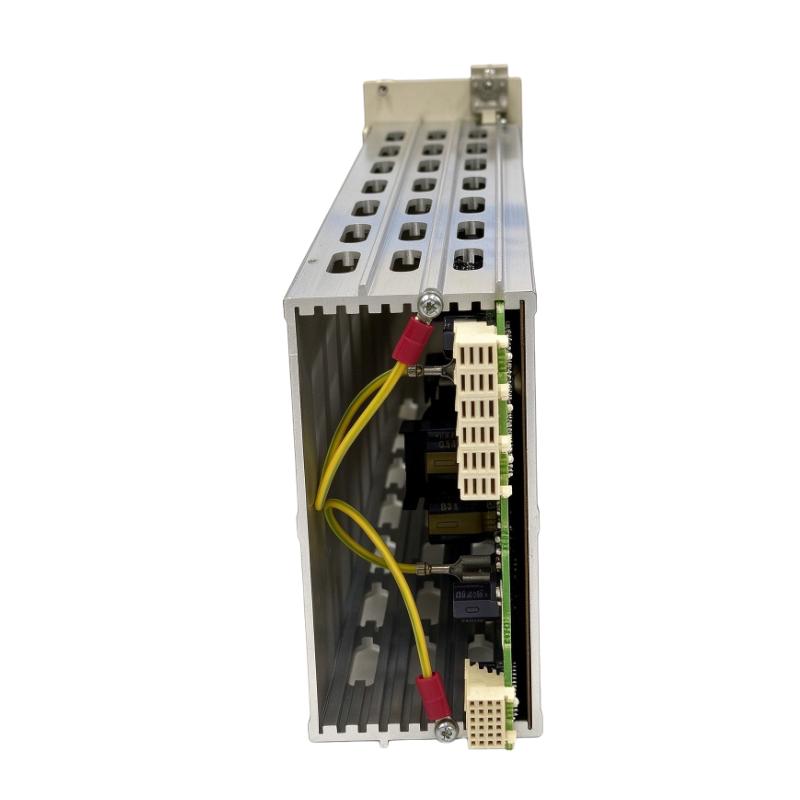
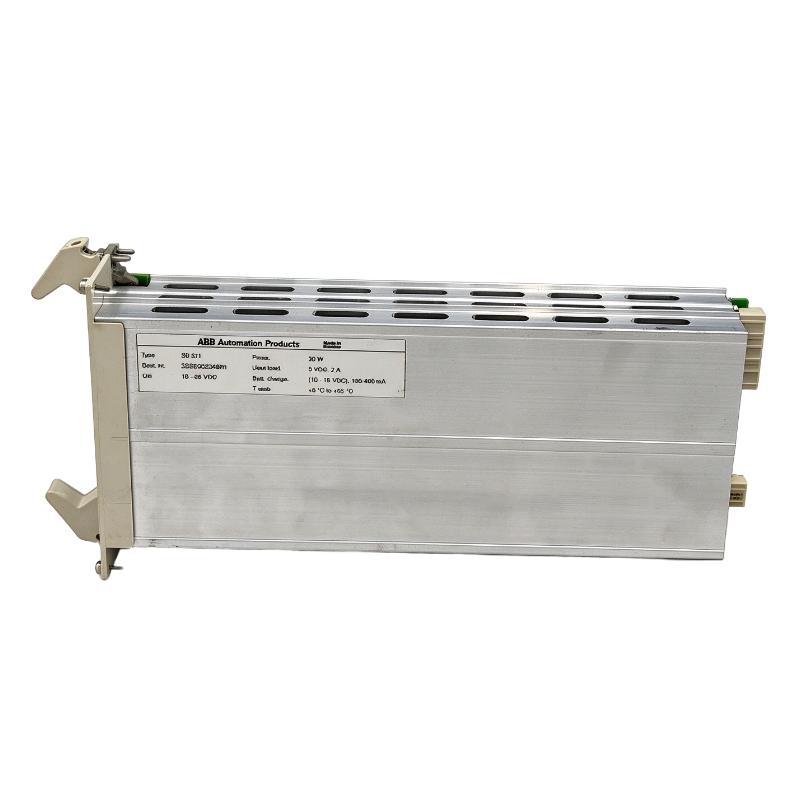
- ABB
- SB511K01 3BSE004451R1
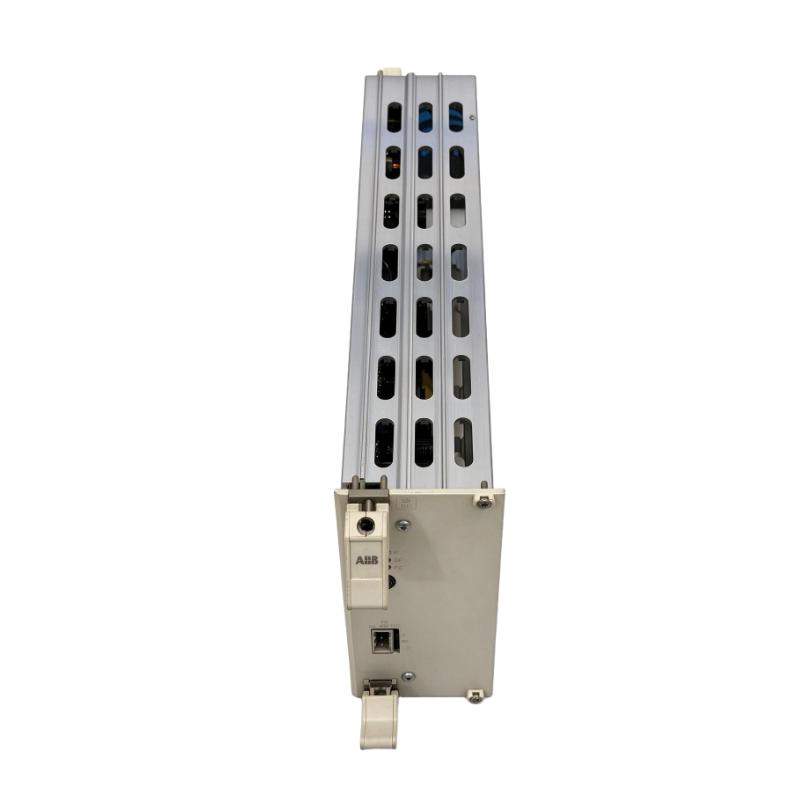
- Advant Master Battery Charger Kit
- Sweden (SE)
- 291 × 150 × 90 mm
- 1.1 kg
- Xiamen, China
- New & In Stock
- T/T, PayPal, Western Union
- 1 Year
- 1-3 Working Days
- DHL, UPS, TNT, FedEx and EMS.
- 24-Hour Service
- COO
- 6
Our advantage

Global Logistics
We have a 10-year logistics and express cooperation agreement, so our products can be shipped to any place in the world.

Brand new and original
Our products are imported in bulk from the place of origin. Because of the cooperative relationship, our products are all original and 100% new.

24-hour service
We provide 7*24 hours service to our customers. We will be there whenever you need us.

Price advantage
All our products are priced very favorably because we have our own warehouse and supply.
| Company Information | |||
| [email protected] | |||
| Mobile | +8615980777398 | ||
| +8615980777398 | |||
| 15980777398 |
Product Overview
The ABB SB511K01 3BSE004451R1 Advant Master Battery Charger Kit is an industrial power-related component associated with ABB Advant Master control systems. Battery charging equipment supports the availability of backup power in installations where control electronics must remain operational or be brought through a controlled shutdown during a loss of the primary power supply.
In an industrial control cabinet, a battery charger works with the designated battery arrangement and power distribution hardware. Its charging function helps maintain battery readiness for applications that depend on backup DC power. In process plants, this can be particularly relevant to control infrastructure that monitors operating conditions, manages equipment sequences, or supports shutdown-related functions.
The SB511K01 designation and 3BSE004451R1 part number are important when identifying the required kit for maintenance or replacement. Before installing a replacement, technicians should verify the existing unit’s complete identification, battery arrangement, electrical connections, and mounting requirements. Compatibility should be assessed against the actual Advant Master installation rather than inferred from the product name alone.
Technical Specifications
| Parameter | Specification |
|---|---|
| Brand | ABB |
| Model | SB511K01 |
| Part Number | 3BSE004451R1 |
| Product Series | Advant Master |
| Product Type | Battery Charger Kit |
| Product Category | Industrial Control Power Equipment |
| Primary Function | Battery charging within the intended system configuration |
| System Application | Industrial control and backup power arrangements |
| Power System Integration | Equipment-specific battery and DC power configuration |
| Installation Context | Industrial control cabinet or designated equipment assembly |
| Electrical Interface | Verify against the applicable system configuration |
| Battery Compatibility | Depends on the specified battery arrangement |
| Maintenance Focus | Connection inspection, charging-system checks, and fault diagnosis |
| Dimensions | 291 × 150 × 90 mm |
| Weight | 1.1 kg |
Product Features
- Model-specific identification: The SB511K01 model and 3BSE004451R1 part number help distinguish the required component during procurement, inventory management, and maintenance.
- Battery charging function: Supports battery charging within the electrical arrangement for which the kit is specified.
- Advant Master system association: Identifies the kit with ABB’s Advant Master control-system environment.
- Backup power support: Can form part of a battery-backed power arrangement intended to support designated control-system loads.
- Maintenance accessibility: Provides a distinct equipment item that can be inspected and replaced when troubleshooting identifies a problem with the charging assembly.
- System-level integration: Its installation depends on the associated battery, wiring, power distribution, and cabinet configuration.
- Replacement traceability: Recording the complete part number helps reduce the risk of selecting a kit with different electrical or mechanical requirements.
Working Principle
A battery charger supplies controlled electrical energy to a compatible battery so that the battery can store energy for later use. In an industrial control installation, the charger operates as part of the wider power arrangement, with its behavior determined by the charger’s circuitry, battery requirements, and system configuration.
During normal operation, the charging assembly receives its designated input power and provides the charging output required by the supported battery arrangement. The battery stores energy that may be used when the normal supply is interrupted, provided the overall installation includes the appropriate backup-power connections and switching arrangement.
The charger and battery perform different functions. The charger maintains the battery’s charge, while the battery supplies stored energy when required by the connected system. Their correct operation depends on suitable electrical ratings, proper wiring, sound connections, and a battery compatible with the installed charging equipment.
When a charging fault occurs, technicians should check the input supply, connection integrity, battery condition, protective devices, and any available status indications. This helps distinguish a charger fault from a degraded battery or a problem elsewhere in the power distribution path.
Role in an Advant Master Power Architecture
Within an ABB Advant Master installation, the SB511K01 Battery Charger Kit is associated with the power arrangement used to support the intended control-system configuration. The charger, battery, distribution hardware, and control equipment must operate as a coordinated electrical system.
| System Component | Function | Relationship to the Battery Charger Kit |
|---|---|---|
| SB511K01 Battery Charger Kit | Provides the specified battery-charging function | Supports the charging arrangement for the compatible battery |
| Battery Assembly | Stores electrical energy for backup use | Receives charging power and supplies stored energy when required |
| AC or DC Input Supply | Provides the charger’s designated input power | Supplies the energy used by the charging assembly |
| DC Power Distribution | Distributes power to designated equipment | Connects the relevant power sources and supported loads |
| Control-System Power Supply | Supplies operating power to control electronics | Forms part of the wider control-system power arrangement |
| Advant Master Control Hardware | Performs configured monitoring and control functions | May depend on the system’s designated power and backup arrangement |
| Protective Devices | Help protect circuits against specified electrical faults | Provide protection according to the installed electrical design |
| Cabinet Wiring | Connects the charger, battery, and associated equipment | Establishes the electrical paths required by the system |
The exact position of the SB511K01 within this architecture depends on the installed configuration. Battery voltage, charging requirements, connection assignments, and the loads supported by the backup arrangement should be verified before commissioning or replacement.
Industrial Applications
| Application Area | Typical Requirement | Relevance of the Battery Charger Kit |
|---|---|---|
| Process Automation | Maintain designated backup-power arrangements for control equipment | Supports battery charging within the applicable system configuration |
| Chemical Processing | Keep control-system power arrangements ready for abnormal supply conditions | Can form part of the battery charging infrastructure |
| Oil and Gas Facilities | Support power continuity for selected automation equipment | Serves the charging function where specified in the installation |
| Power Generation | Maintain batteries associated with control and auxiliary systems | Supports the designated battery arrangement |
| Water and Wastewater Plants | Maintain backup power for selected monitoring and control equipment | Contributes to battery readiness when integrated into the system |
| Industrial Control Cabinets | Integrate charging equipment with batteries and power distribution | Provides a model-specific component for cabinet maintenance |
| Legacy Control-System Maintenance | Replace a failed or degraded charging assembly | Supports maintenance when the replacement matches the original configuration |
| Equipment Refurbishment | Restore existing control-system power hardware | Provides a defined part reference for service planning |
Actual application suitability depends on the installed electrical design, battery requirements, and the loads assigned to the backup-power arrangement.
Installation and Maintenance
- Verify the component identification: Confirm the SB511K01 model and 3BSE004451R1 part number against the installed equipment and maintenance records.
- Review the power arrangement: Identify the charger’s designated input, battery connections, and associated DC distribution circuits before starting work.
- Apply electrical isolation: Follow the site’s approved isolation procedure and account for both the normal supply and any connected battery source.
- Record the existing connections: Document connector positions, cable routing, polarity, and terminal assignments before disconnecting the assembly.
- Inspect the installation area: Check the mounting surface, cabinet space, ventilation provisions, and surrounding wiring for damage or contamination.
- Examine the charger assembly: Look for visible damage, discoloration, loose hardware, or other signs of overheating or abnormal operation.
- Check the battery arrangement: Verify that the installed battery type and electrical requirements match the intended charging configuration.
- Inspect wiring and terminals: Check for loose connections, corrosion, damaged insulation, and incorrect polarity in the relevant circuits.
- Install the replacement kit: Secure the unit using the specified mounting arrangement and avoid forcing connectors or mounting hardware into position.
- Reconnect the electrical interfaces: Restore the connections according to the documented wiring arrangement and confirm that terminals are properly secured.
- Perform charging and functional checks: Restore power under the approved procedure and verify the relevant charging indications, battery condition, and system response.
- Document the maintenance results: Record the part number, battery checks, observed faults, connection changes, and post-maintenance test results.
Compatible System Components
| Component | Function | Relationship to the Battery Charger Kit |
|---|---|---|
| Compatible Battery Assembly | Stores electrical energy for backup use | Must match the charger’s supported electrical requirements |
| Industrial Power Supply | Provides the designated input power | Supplies the energy required for charging |
| DC Distribution Assembly | Routes power to designated equipment | Connects the relevant charging and load circuits |
| Battery Connection Wiring | Carries charging current between the charger and battery | Must match the specified wiring and polarity |
| Circuit Protection Devices | Protect electrical circuits according to the system design | Support safe integration of the charging arrangement |
| Advant Master Control Equipment | Executes configured control and monitoring functions | May be supported by the wider backup-power architecture |
| Control Cabinet Assembly | Houses the charger and associated electrical equipment | Provides the mounting and wiring environment |
| Power Monitoring Devices | Indicate or monitor relevant power conditions where fitted | Help maintenance personnel assess charging-system status |
Compatibility must be established from the complete part identification and the electrical requirements of the installed system. Similar-looking chargers or battery assemblies should not be treated as direct substitutes without checking their ratings and connections.
Recommended Related Models
| Model or Product Category | Product Type | Relationship |
|---|---|---|
| ABB SB511K01 3BSE004451R1 | Advant Master Battery Charger Kit | Specified component for identification and replacement |
| ABB Advant Master Power Supply Modules | Industrial Power Supply Components | Related equipment within the control-system power architecture |
| ABB Advant Master Control Modules | Industrial Control Components | Control hardware that operates within the associated system |
| Industrial Backup Battery Assembly | Battery Component | Stores energy for the designated backup-power arrangement |
| Industrial DC Distribution Module | Power Distribution Component | Routes DC power to compatible equipment |
| Industrial Battery Monitoring Equipment | Battery Monitoring Component | Supports assessment of battery condition where included in the installation |
These are related component categories rather than confirmed direct replacement models. Selection should be based on the required electrical characteristics, connection arrangement, and compatibility with the existing installation.
Key Advantages
- Provides a clearly identified component reference for maintenance and spare-parts management.
- Supports battery charging within the intended Advant Master power configuration.
- Helps maintenance teams isolate charging-system faults from battery and wiring problems.
- Can be assessed and replaced as a distinct item when the fault is traced to the charging assembly.
- Supports maintenance records through its model designation and part number.
- Fits into an established industrial control power arrangement when correctly matched.
Technical FAQs
What should be verified before replacing an SB511K01 battery charger kit?
Confirm the full SB511K01 and 3BSE004451R1 identification, the existing charger’s electrical connections, the supported battery arrangement, and the cabinet mounting configuration. Physical similarity alone is not sufficient to establish compatibility.
How can a battery that is not charging be distinguished from a charger fault?
Check the charger’s input supply, connection integrity, protective devices, available status indications, and battery condition. A battery with reduced capacity or an open connection can produce symptoms similar to a charging-assembly fault.
Why is battery polarity important during installation?
Incorrect polarity can prevent proper operation and may damage connected equipment. Record the existing wiring arrangement and verify the designated positive and negative connections before restoring power.
What should be checked if the control system loses backup-power support?
Inspect the charging assembly, battery condition, DC distribution path, protective devices, and relevant wiring. Confirm which loads are intended to receive backup power, since not every component in a control cabinet is necessarily connected to the battery-backed circuit.