Product Overview
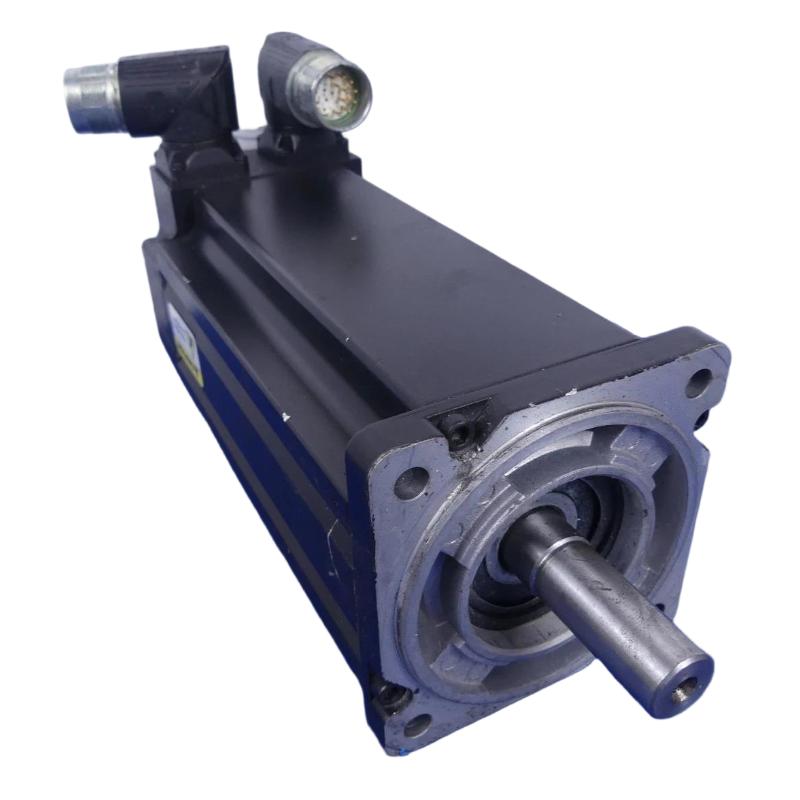
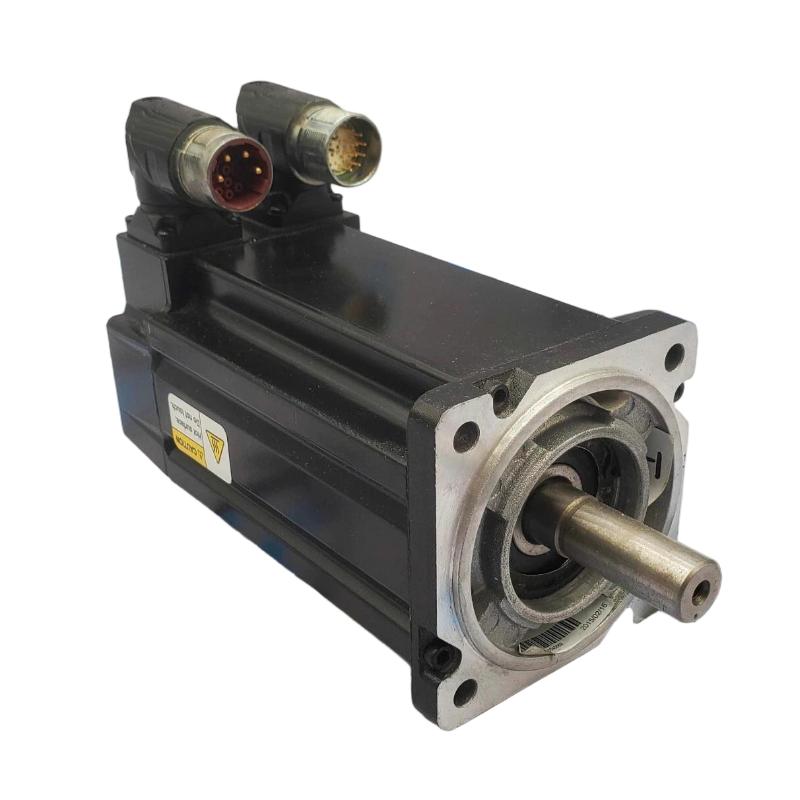
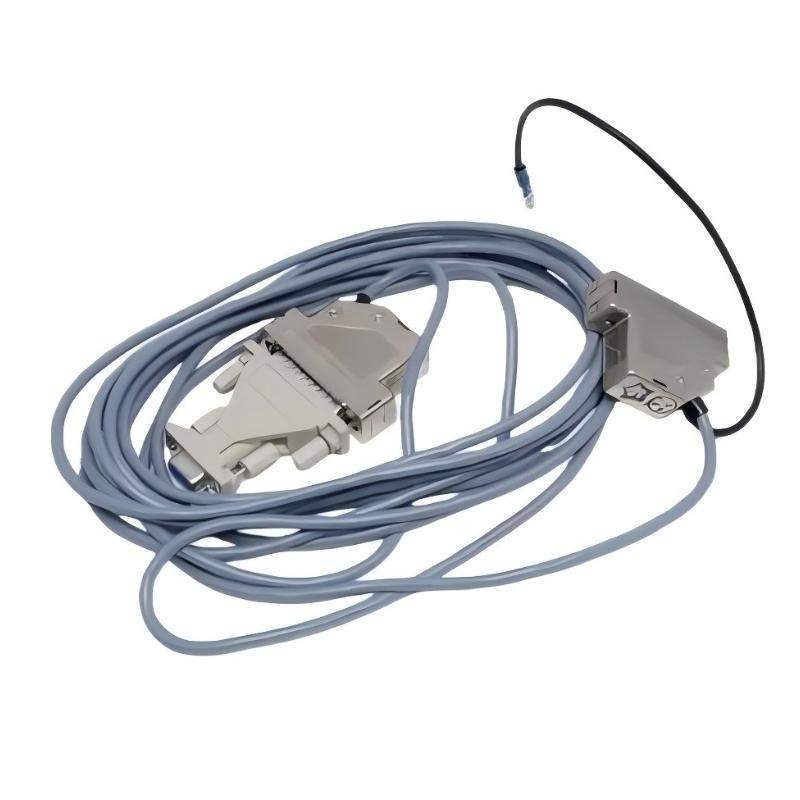
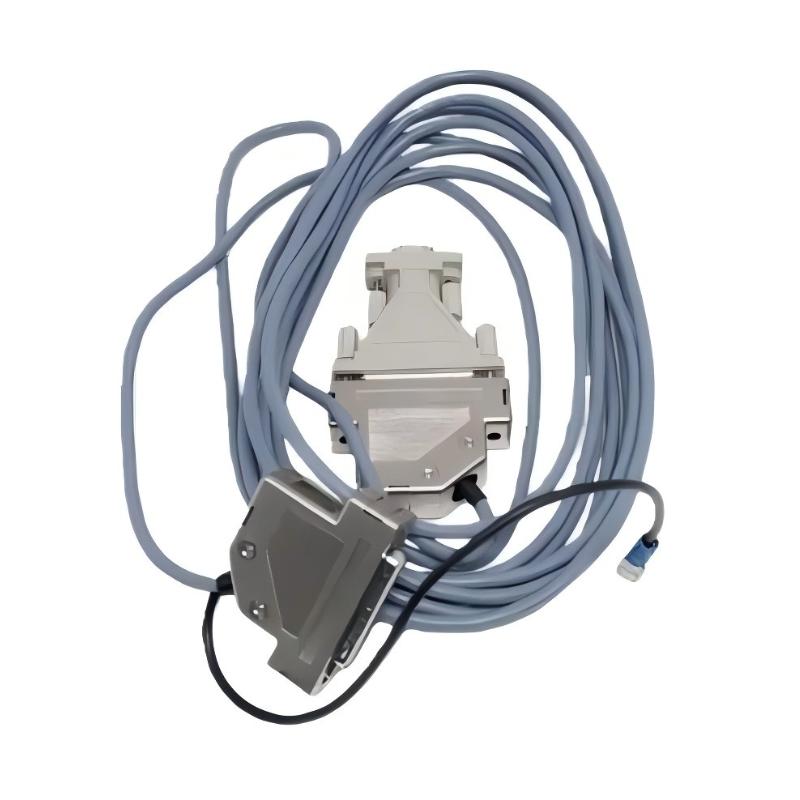
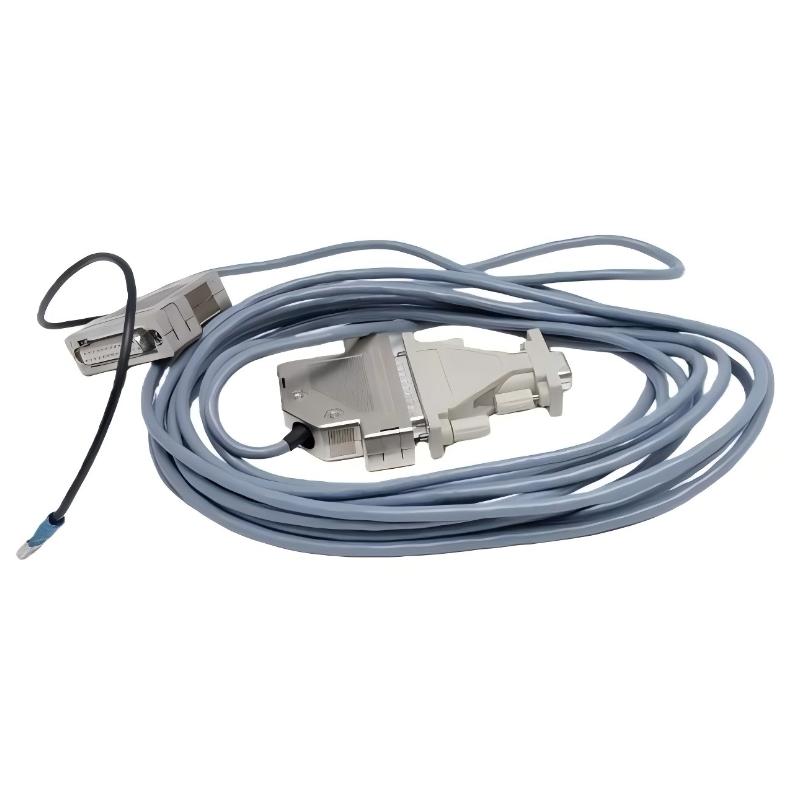
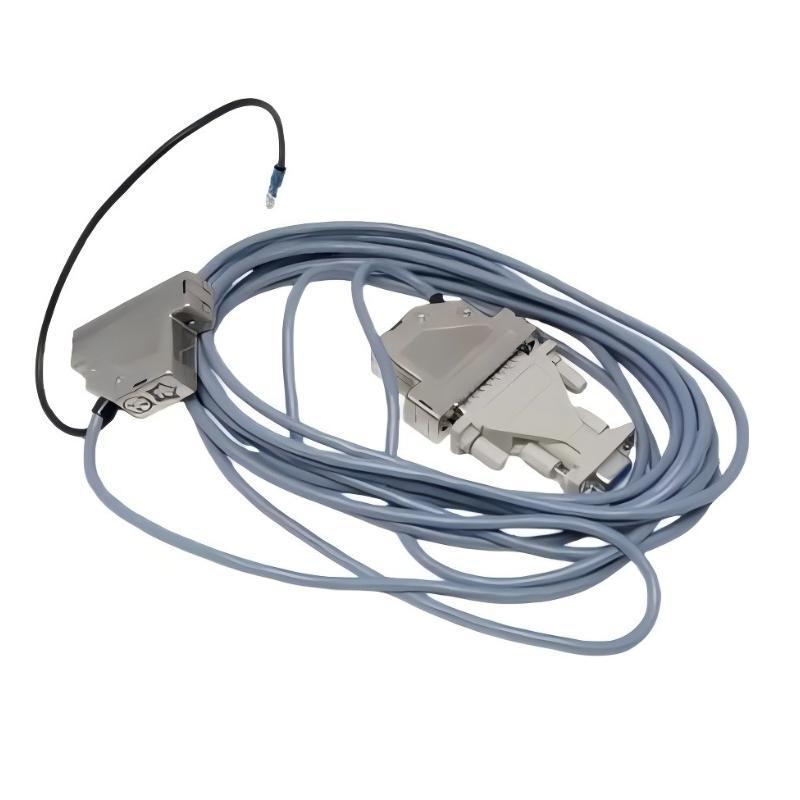
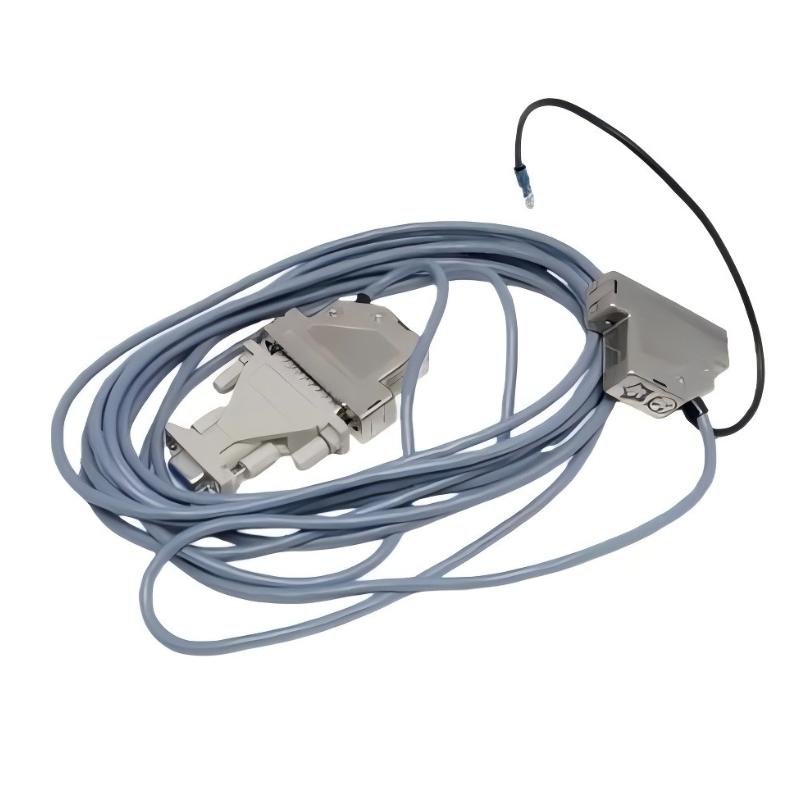
The ABB GJR2370500R2 Control Module is an industrial automation control component designed for process control systems, industrial equipment, and automation applications.
The control module plays an important role in industrial control architectures by processing signals, managing system operations, and supporting communication between different automation components. It helps ensure reliable equipment control, stable data processing, and efficient industrial operation.
The ABB GJR2370500R2 is designed for industrial environments that require dependable control performance, continuous operation, and accurate signal handling. It is suitable for installation in control cabinets, automation systems, and industrial electrical equipment.
With dimensions of 200 × 130 × 40 mm and a weight of 0.45 kg, the ABB GJR2370500R2 features a compact structure that allows convenient integration into industrial control systems.
Typical applications include:
- Industrial automation systems
- Process control applications
- Factory automation equipment
- Industrial control cabinets
- Machine control systems
- Automation system maintenance and replacement
Technical Specifications
| Parameter |
Description |
| Manufacturer |
ABB |
| Model |
GJR2370500R2 |
| Product Type |
Control Module |
| Function |
Industrial control processing and system management |
| Application |
Automation and process control systems |
| Dimensions |
200 × 130 × 40 mm |
| Weight |
0.45 kg |
| Installation Type |
Control cabinet / automation system installation |
Working Principle
The ABB GJR2370500R2 Control Module operates as a control processing unit within industrial automation systems.
The working process includes:
- Field devices send input signals to the control module.
- The module receives and processes electrical information.
- Internal control logic analyzes system conditions.
- Control commands are generated and transmitted to connected equipment.
- Feedback signals are collected to maintain stable operation.
Through continuous signal processing and control execution, the module helps industrial equipment achieve reliable and accurate automation performance.
Main Features
1. Reliable Control Processing
The ABB GJR2370500R2 provides stable control processing capability for industrial applications.
Key advantages:
- Accurate signal processing
- Reliable control execution
- Stable system operation
- Supports continuous industrial processes
Reliable control performance helps improve automation efficiency and equipment productivity.
2. Industrial Automation Compatibility
The control module is designed for industrial automation environments.
Benefits include:
- Supports complex control applications
- Provides dependable operation
- Improves system coordination
- Suitable for long-term industrial use
3. Compact Design Structure
The ABB GJR2370500R2 features a compact industrial design:
Dimensions: 200 × 130 × 40 mm
Advantages:
- Saves installation space
- Easy integration into electrical cabinets
- Convenient maintenance replacement
- Suitable for compact control systems
4. Lightweight Construction
The control module weighs:
0.45 kg
Benefits:
- Easy handling during installation
- Simplifies maintenance work
- Reduces replacement time
- Flexible system integration
5. Stable Industrial Performance
The module is designed for reliable operation in industrial environments.
Features:
- Stable electronic performance
- Reliable signal management
- Strong industrial adaptability
- Long service life
Industrial Applications
Factory Automation Systems
The ABB GJR2370500R2 is suitable for automated production environments.
Applications:
- Manufacturing equipment
- Automated assembly systems
- Production line control
- Industrial machine management
The module helps improve system coordination and operational stability.
Process Control Systems
Industrial processes require reliable control components for accurate operation.
Applications:
- Process monitoring systems
- Industrial production control
- Equipment management systems
- Automated processing applications
Machine Control Equipment
The control module can support various industrial machine applications.
Applications:
- Industrial machinery
- Motion control systems
- Equipment monitoring
- Automated production equipment
Control Cabinet Applications
The compact design allows installation in industrial electrical cabinets.
Applications:
- Automation panels
- Control stations
- Electrical enclosures
- Industrial system integration
Installation Guide
Mechanical Installation
Recommended installation procedure:
- Confirm the ABB GJR2370500R2 model.
- Check the installation position inside the control cabinet.
- Ensure the mounting area is clean and dry.
- Install the module securely.
- Verify mechanical stability.
Proper installation helps prevent vibration damage and ensures reliable operation.
Electrical Installation
Before installation:
- Disconnect all system power
- Check electrical safety conditions
- Inspect wiring and connectors
- Verify interface compatibility
Installation steps:
- Mount the control module in the correct position.
- Connect required signal interfaces.
- Connect communication cables.
- Check all terminals.
- Restore system power after inspection.
Correct wiring ensures stable communication and reliable control performance.
Configuration and Testing
Recommended testing steps:
- Confirm module installation.
- Check communication status.
- Verify input signal operation.
- Test control functions.
- Monitor system performance.
Commissioning Procedure
During commissioning:
- Inspect the installed ABB GJR2370500R2 module.
- Verify all electrical connections.
- Power on the control system.
- Check communication performance.
- Test control responses.
- Confirm normal system operation.
Proper commissioning helps ensure stable automation performance.
Common Faults and Troubleshooting
| Fault Symptom |
Possible Cause |
Recommended Solution |
| Module does not power on |
Power supply problem |
Check power connections |
| Communication failure |
Connection issue |
Inspect cables and interfaces |
| Incorrect control response |
Configuration error |
Check system settings |
| Signal loss |
Wiring problem |
Verify input connections |
| System alarm |
Module malfunction |
Inspect or replace module |
| Intermittent operation |
Loose connector |
Tighten connections |
Maintenance Recommendations
To maintain reliable operation:
- Inspect the control module regularly
- Check connectors and wiring
- Keep the control cabinet clean
- Monitor operating temperature
- Check communication stability
- Replace damaged components promptly
Regular maintenance helps reduce unexpected downtime and improves system reliability.
Advantages of ABB GJR2370500R2 Control Module
- Reliable industrial control performance
- Stable signal processing capability
- Compact installation design
- Lightweight structure
- Suitable for automation systems
- Supports industrial process control
- Easy maintenance and replacement
- Long-term operational reliability
Frequently Asked Questions
What is ABB GJR2370500R2?
The ABB GJR2370500R2 Control Module is an industrial automation component used for control processing, signal management, and system coordination.
What is the main function of ABB GJR2370500R2?
It processes control signals and supports reliable operation of industrial automation systems.
Where is ABB GJR2370500R2 used?
It is commonly used in factory automation, process control systems, machine control equipment, and industrial cabinets.
What are the dimensions of ABB GJR2370500R2?
The dimensions are 200 × 130 × 40 mm.
What is the weight of ABB GJR2370500R2?
The weight is 0.45 kg.
Conclusion
The ABB GJR2370500R2 Control Module is a reliable industrial automation component designed for control processing, signal management, and system integration applications.
With stable control capability, compact dimensions, lightweight construction, and dependable industrial performance, it helps improve automation system reliability and maintain efficient equipment operation.
The ABB GJR2370500R2 Control Module is an effective solution for industrial systems requiring accurate control functions, stable communication, and long-term operational reliability.