

ProductPRODUCT
Featured products
Contact Us
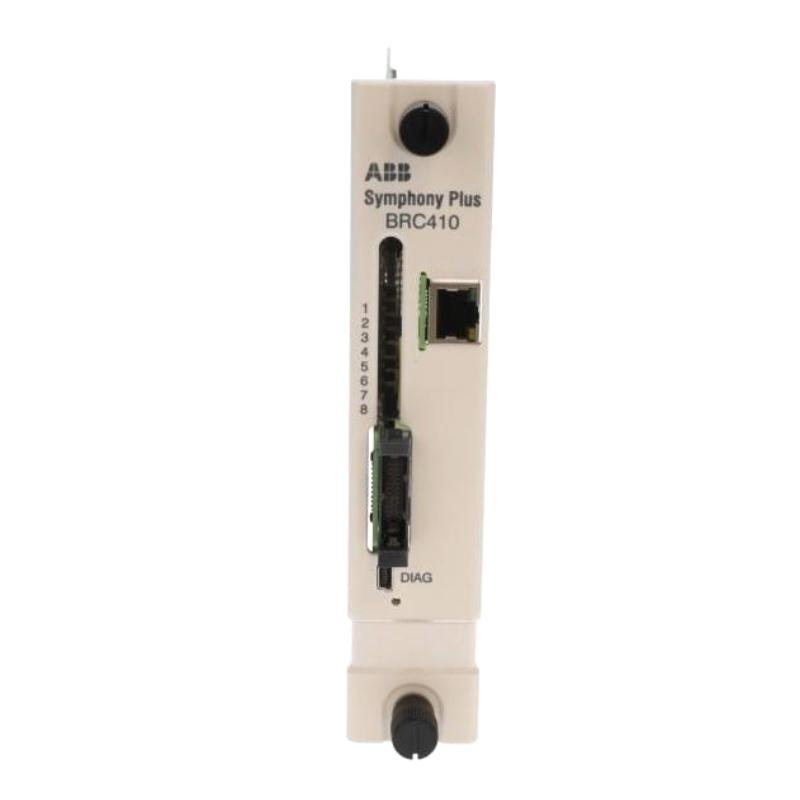
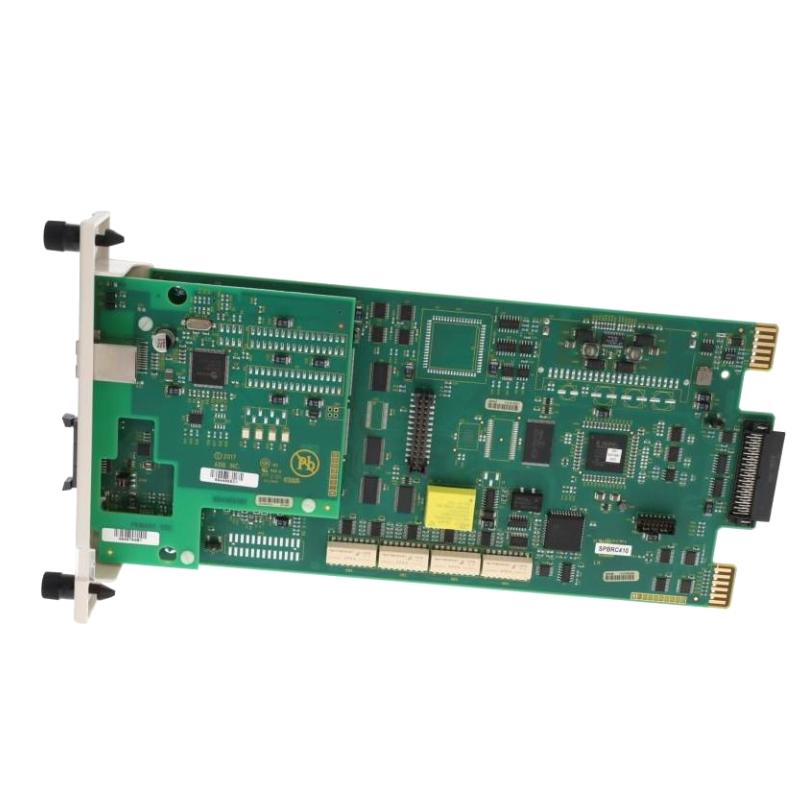
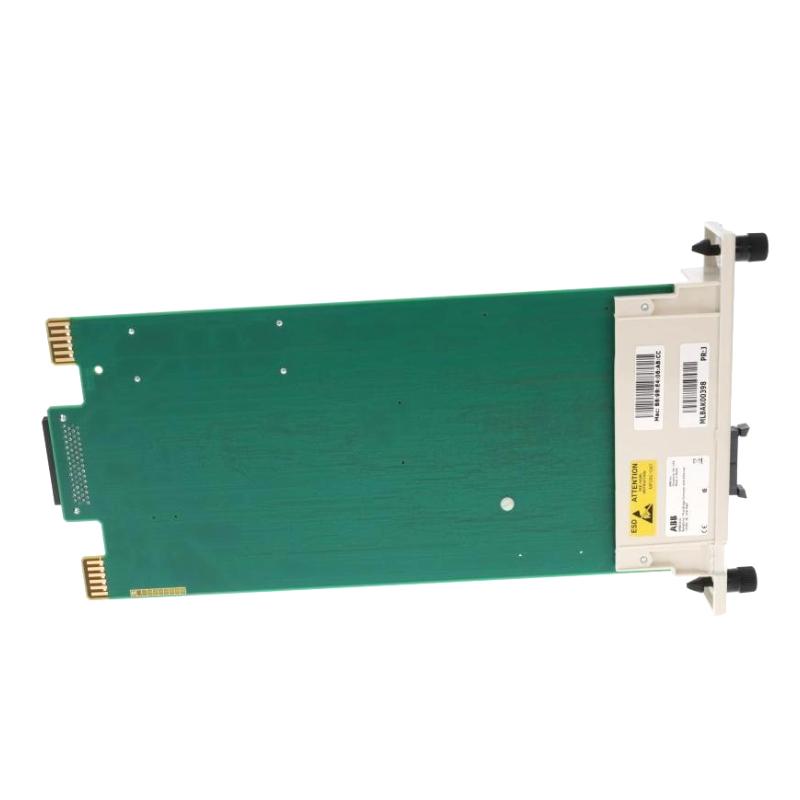
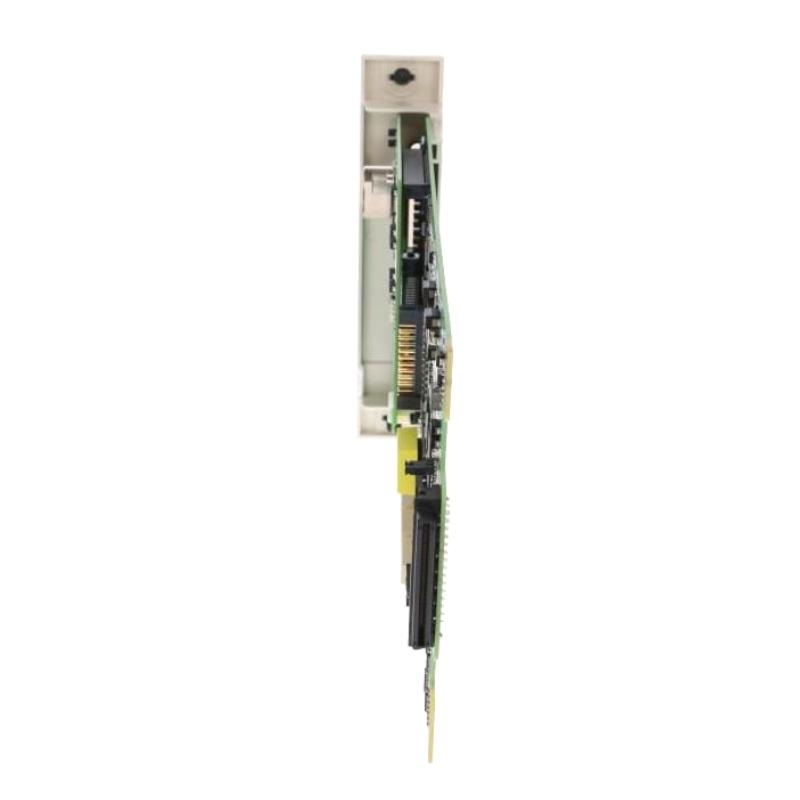
- ABB Bailey
- SPBRC410
- Controller with Modbus TCP Interface
- Germany
- 101.6 × 254 × 203.2 mm
- 0.499 kg
- Xiamen, China
- New & In Stock
- T/T, PayPal, Western Union
- 1 Year
- 1-3 Working Days
- DHL, UPS, TNT, FedEx and EMS.
- 24-Hour Service
- COO
- 66
Our advantage

Global Logistics
We have a 10-year logistics and express cooperation agreement, so our products can be shipped to any place in the world.

Brand new and original
Our products are imported in bulk from the place of origin. Because of the cooperative relationship, our products are all original and 100% new.

24-hour service
We provide 7*24 hours service to our customers. We will be there whenever you need us.

Price advantage
All our products are priced very favorably because we have our own warehouse and supply.
| Company Information | |||
| [email protected] | |||
| Mobile | +8615980777398 | ||
| +8615980777398 | |||
| 15980777398 |
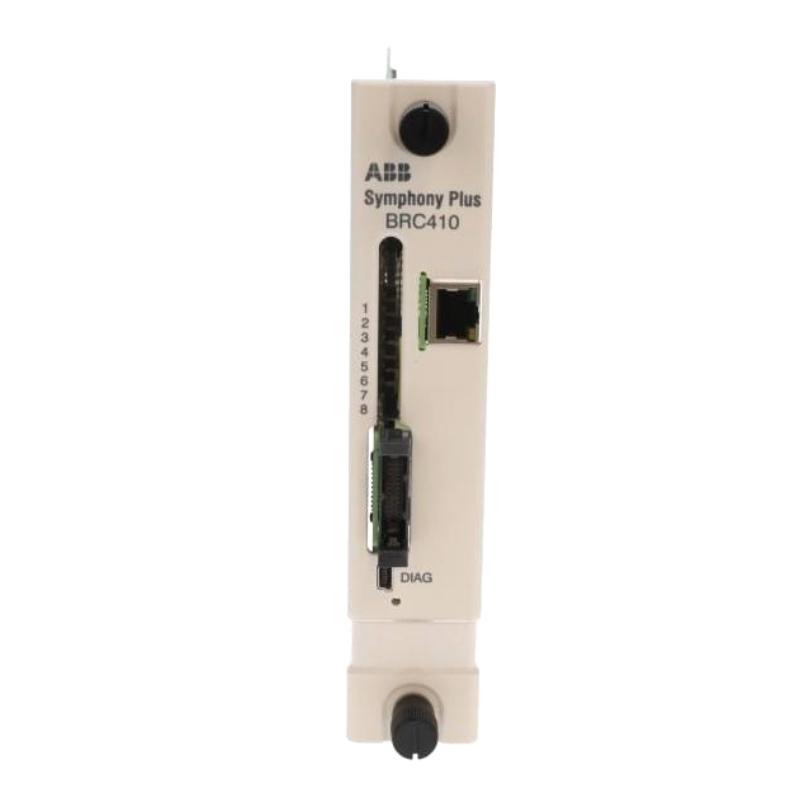
Product Overview
The ABB Bailey SPBRC410 Controller with Modbus TCP Interface is a controller intended for industrial process-control systems where control functions need to be combined with Modbus TCP communication. It provides a bridge between process-control logic and Ethernet-based devices that communicate through the Modbus TCP protocol.
In a practical automation architecture, the controller can sit between the control system and external equipment such as PLCs, remote I/O, meters, intelligent instruments, drives, or third-party controllers. The Modbus TCP interface allows process data to be exchanged over an industrial Ethernet network instead of relying exclusively on proprietary control-system communication.
This makes the SPBRC410 particularly relevant to plant integration projects where ABB Bailey control equipment needs to exchange selected process information with external Ethernet devices.
The controller should be considered a system-level component. Its actual application depends on the Modbus TCP network structure, register mapping, control strategy, and the other devices connected to the network.
Technical Specifications
| Parameter | Specification |
|---|---|
| Manufacturer | ABB Bailey |
| Model | SPBRC410 |
| Product Type | Controller with Modbus TCP Interface |
| Communication Interface | Modbus TCP |
| Main Application | Industrial Process Control and Ethernet Integration |
| Network Type | Industrial Ethernet |
| Controller Function | Control Processing / System Integration |
| Dimensions | 101.6 × 254 × 203.2 mm |
| Weight | 0.499 kg |
Product Features
The SPBRC410 combines controller functionality with Ethernet-based Modbus TCP communication, making it suitable for applications where process-control data needs to be exchanged with external systems.
Key characteristics include:
- ABB Bailey process-control controller
- Integrated Modbus TCP interface
- Ethernet-based industrial communication
- Suitable for third-party device integration
- Supports controller-level process data exchange
- Useful for plant-wide communication architectures
- Suitable for PLC and remote-device integration
- Applicable to distributed control environments
- Useful for system modernization and expansion
- Supports integration with compatible Modbus TCP devices
- Dimensions of 101.6 × 254 × 203.2 mm
- Weight of 0.499 kg
When engineering a Modbus TCP connection, the physical Ethernet connection is only the first step. IP addressing, network segmentation, register mapping, data types, polling behavior, and communication ownership should all be defined before commissioning.
Working Principle
The SPBRC410 combines local control processing with network-based data exchange.
A simplified architecture is:
Field Devices / Control System → SPBRC410 → Ethernet Network → Modbus TCP Device
A connected Modbus TCP device exchanges process information using TCP/IP Ethernet communication. Depending on the application, this information may include measurements, operating states, commands, setpoints, alarms, or equipment status.
The controller handles the control-side processing while the Modbus TCP interface provides the communication path to external equipment.
For example, a plant may have an ABB Bailey control system responsible for a process unit while a packaged machine uses a third-party PLC. The SPBRC410 can provide a structured communication path for exchanging selected data between the two systems.
The key engineering task is the mapping of process values to Modbus registers. The receiving system must know which registers contain each value, whether the data is an integer or floating-point value, how multi-word values are arranged, and how status information should be interpreted.
Role in a Modbus TCP Control Architecture
The SPBRC410 serves as a controller and Ethernet communication point within the process-control architecture.
A typical arrangement may be represented as:
ABB Bailey Control System → SPBRC410 → Ethernet Switch → Modbus TCP Devices
Connected equipment may include:
- Third-party PLCs
- Remote I/O stations
- Power meters
- Motor control equipment
- Variable-speed drives
- Packaged process skids
- Intelligent instruments
- Energy-management equipment
- SCADA or supervisory systems
This type of architecture is especially useful when different automation platforms need to exchange a defined set of process variables without replacing the existing control system.
The controller therefore has two distinct responsibilities: processing control functions within the Bailey architecture and supporting data exchange through the Modbus TCP interface.
Industrial Applications
The SPBRC410 can be applied wherever ABB Bailey control systems need Ethernet-based communication with compatible external equipment.
| Application | Typical Use |
|---|---|
| Power Generation | Exchange data with packaged equipment |
| Oil & Gas | Integration of third-party control systems |
| Chemical Processing | Modbus TCP equipment integration |
| Water Treatment | Communication with remote PLCs and instruments |
| Utilities | Power and equipment monitoring |
| Process Skids | Exchange operating data with skid controllers |
| Manufacturing | Integration with machine controllers |
| Energy Management | Acquisition of equipment data |
| Plant Expansion | Adding Ethernet-connected equipment |
| Brownfield Modernization | Connecting legacy control systems to newer devices |
The communication design should account for network reliability, device response time, register addressing, and the importance of each exchanged process variable.
Installation and Maintenance
Installation of the SPBRC410 should be approached as both a controller installation and a network-integration task.
Before commissioning, engineers should verify:
- Complete SPBRC410 model and hardware revision.
- Controller compatibility with the existing ABB Bailey architecture.
- Required power supply.
- Ethernet network topology.
- IP address and subnet configuration.
- Modbus TCP client/server arrangement.
- Register mapping.
- Data types and byte/word order.
- Polling intervals.
- Communication timeout settings.
- Network switch configuration.
- Cable and connector condition.
- Control-system configuration backup.
During commissioning, test the communication path independently from the process-control logic. First verify Ethernet connectivity, then confirm Modbus TCP communication, and finally validate the actual process values being exchanged.
For maintenance, communication failures should be separated into three areas:
Network → Modbus TCP Configuration → Process Data Mapping
A successful Ethernet connection does not necessarily mean that the Modbus application is functioning correctly. A device may respond to network-level tests while still having incorrect register addresses or data formatting.
Related Components
The SPBRC410 typically works with several components in an industrial Ethernet control architecture.
| Component | Function |
|---|---|
| ABB Bailey Controller | Executes process-control functions |
| Ethernet Switch | Connects Modbus TCP devices |
| Modbus TCP PLC | Exchanges process data with the controller |
| Remote I/O | Provides distributed field signals |
| Intelligent Instrument | Supplies measurement or status data |
| Variable-Speed Drive | Exchanges drive commands and status |
| Power Meter | Provides electrical measurements |
| Engineering Station | Handles controller and communication configuration |
| 24 V DC Power Supply | Provides system power |
| Industrial Ethernet Cable | Carries Modbus TCP communication |
The exact combination depends on whether the SPBRC410 is being used primarily for third-party equipment integration, remote data acquisition, supervisory communication, or a broader plant modernization project.
Recommended Related Models
For ABB Bailey control and communication applications, related products should be selected according to whether the requirement is controller processing, analog I/O, digital I/O, or network integration.
| Model | Product Type | Main Function | Typical Application |
|---|---|---|---|
| ABB Bailey SPBRC410 | Controller with Modbus TCP | Ethernet-based system integration | Modbus TCP device communication |
| ABB Bailey SPBRC400 | Harmony Bridge Controller | Harmony / Symphony Plus integration | Brownfield modernization |
| ABB Bailey SPASI23 | Analog Input Module | Analog process acquisition | Process measurement |
| ABB Bailey IMASI23 | Analog Input Module | Analog input processing | Instrumentation |
| ABB Bailey NIAI01 | Analog Input Module | Analog signal acquisition | Distributed process I/O |
| ABB Bailey IMDSO14 | Digital Output Module | Discrete control output | Actuator and relay control |
If the project requires Modbus TCP communication, the SPBRC410 should be evaluated based on the required network role and data-exchange architecture rather than simply replacing another Bailey controller with a similar physical format.
Key Advantages
- Integrated Modbus TCP communication
- Ethernet-based process-data exchange
- Suitable for third-party equipment integration
- Combines controller functionality with network communication
- Useful for brownfield automation projects
- Suitable for distributed process-control architectures
- Supports communication with compatible PLCs and intelligent devices
- Applicable to plant expansion and modernization
- Useful for packaged equipment integration
- Suitable for industrial Ethernet environments
- Dimensions of 101.6 × 254 × 203.2 mm
- Weight of 0.499 kg
Technical FAQs
What is the main advantage of having Modbus TCP directly associated with the SPBRC410?
It allows the controller to exchange selected process data with compatible Ethernet-based devices without requiring a separate protocol-conversion layer for every connected device. This can simplify integration between the Bailey control environment and third-party equipment.
What information must be defined before creating a Modbus TCP data exchange?
At minimum, the engineering team should define the network addressing, communication role, register addresses, data types, scaling, word order where applicable, update rate, and communication timeout behavior. Without a clear register map, a network connection alone does not guarantee meaningful process-data exchange.
Why can Modbus TCP communication appear connected while process values are still incorrect?
Ethernet connectivity and application-level data validity are separate issues. A device may be reachable over TCP while the register address, data type, byte order, scaling, or polling configuration is incorrect. The actual received values therefore need to be validated against known field values.
What should be checked first if the SPBRC410 stops communicating with a third-party PLC?
Start with the physical Ethernet connection and network status, then check IP addressing and network connectivity. If the network is functioning, inspect the Modbus TCP client/server configuration, connection status, register mapping, and timeout settings before investigating the process-control application itself.