

ProductPRODUCT
Featured products
Contact Us
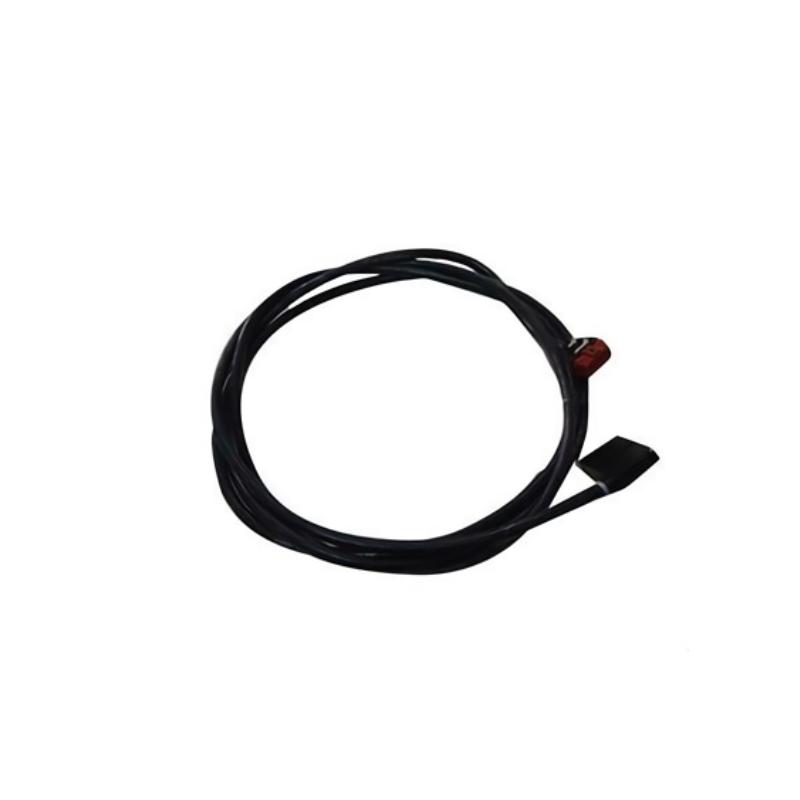
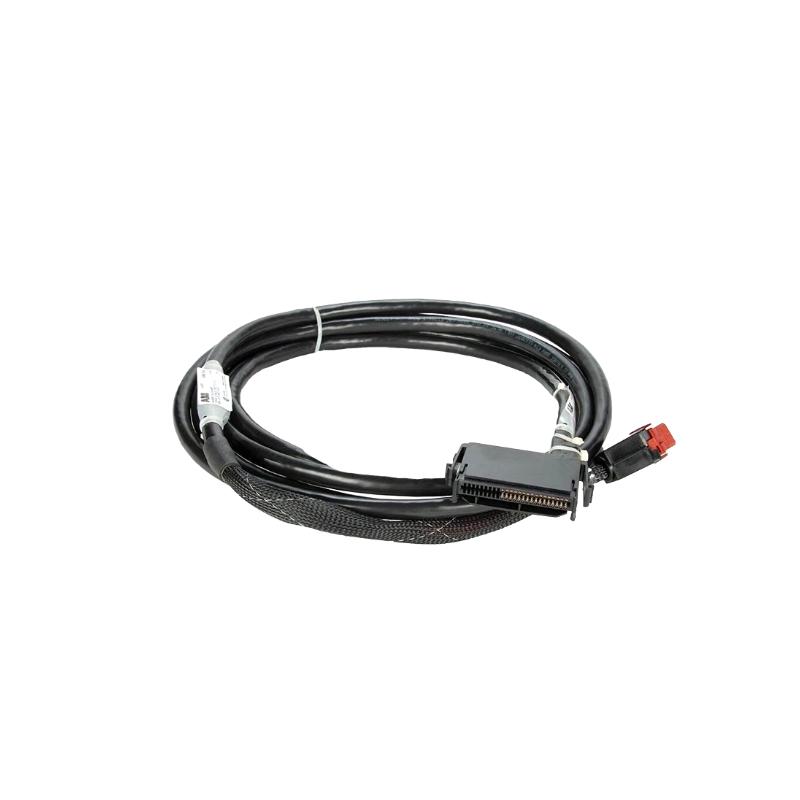
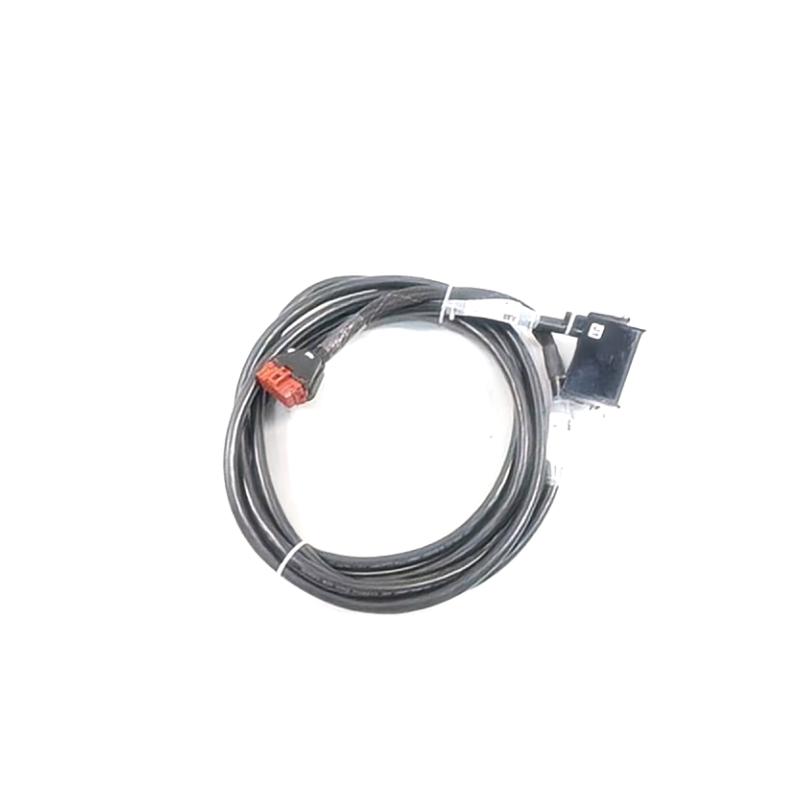
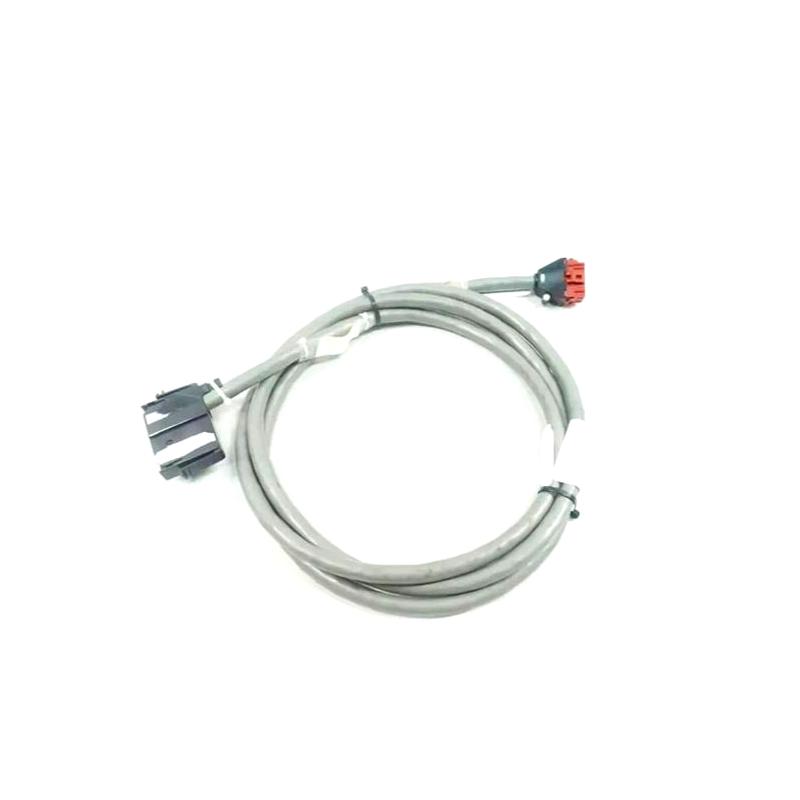
- ABB Bailey
- NKSD01-10
- SOE DI Digital Input Module Cable
- Sweden (SE)
- 10 feet
- 3 kg
- Xiamen, China
- New & In Stock
- T/T, PayPal, Western Union
- 1 Year
- 1-3 Working Days
- DHL, UPS, TNT, FedEx and EMS.
- 24-Hour Service
- COO
- 86
Our advantage

Global Logistics
We have a 10-year logistics and express cooperation agreement, so our products can be shipped to any place in the world.

Brand new and original
Our products are imported in bulk from the place of origin. Because of the cooperative relationship, our products are all original and 100% new.

24-hour service
We provide 7*24 hours service to our customers. We will be there whenever you need us.

Price advantage
All our products are priced very favorably because we have our own warehouse and supply.
| Company Information | |||
| [email protected] | |||
| Mobile | +8615980777398 | ||
| +8615980777398 | |||
| 15980777398 |
Product Overview
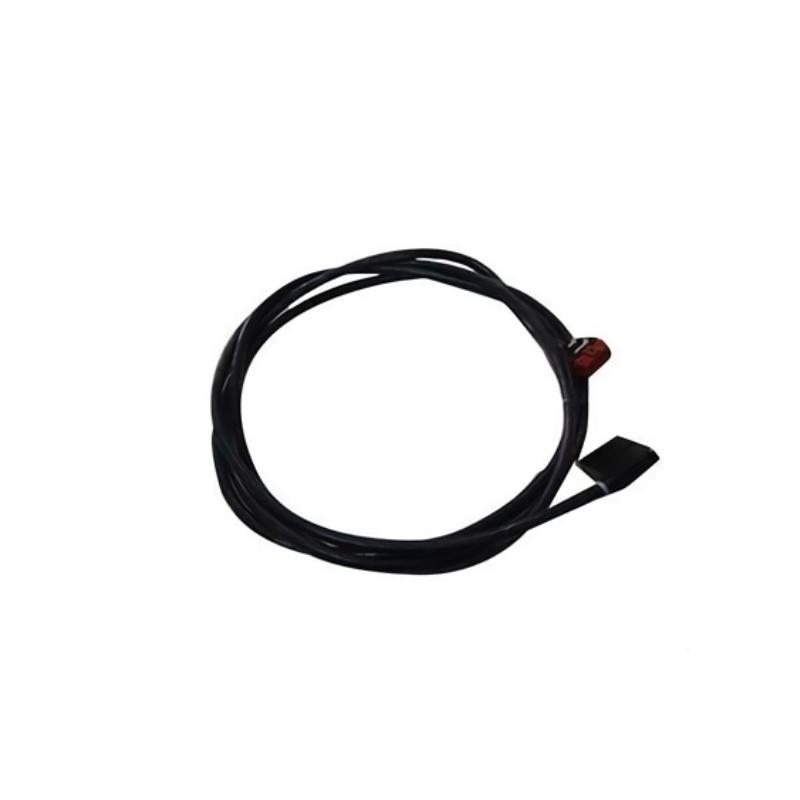
The ABB Bailey NKSD01-10 SOE DI Digital Input Module Cable is an industrial-grade Sequence of Events (SOE) digital input cable used in ABB Bailey INFI 90 / Net 90 Distributed Control Systems (DCS). It is designed to connect SOE digital input modules with termination units, ensuring accurate and stable transmission of digital event signals.
This 10-foot version is commonly used in standard cabinet and rack installations, where controlled wiring distance and reliable signal integrity are required for industrial event monitoring systems.
The cable plays a key role in supporting high-speed digital event acquisition, allowing control systems to capture and record field events with consistency and reliability.
Technical Specifications
| Parameter | Details |
|---|---|
| Manufacturer | ABB (Bailey) |
| Model | NKSD01-10 |
| Product Type | SOE Digital Input Module Cable |
| System Compatibility | ABB Bailey INFI 90 / Net 90 DCS |
| Function | Digital input signal transmission for SOE system |
| Cable Length | 10 feet (3.05 m) |
| Signal Type | SOE digital input signals |
| Shielding | Industrial EMI-protected design |
| Connector Type | System-specific pre-terminated connectors |
| Installation Type | Plug-in industrial cable assembly |
| Operating Temperature | -20°C to +70°C |
| Storage Temperature | -40°C to +85°C |
| Humidity Range | 5%–95% non-condensing |
| Shipping Weight | 3 kg |
Function and Working Principle
The NKSD01-10 cable is used to transmit digital event signals from field devices to SOE input modules within ABB Bailey control systems.
In operation, field devices such as switches, sensors, and contact-based instruments generate digital signals when a process event occurs. These signals are transmitted through the cable to the SOE module, where they are recorded and processed in sequence.
The cable is designed to minimize external electrical interference, helping maintain stable and accurate signal transmission even in industrial environments with high electrical noise.
This ensures reliable event detection, accurate time sequencing, and consistent system monitoring performance.
Role in Industrial Control Systems
Within ABB Bailey INFI 90 / Net 90 systems, the NKSD01-10 is used for:
- Connecting SOE digital input modules to field devices
- Supporting event-based data acquisition
- Ensuring stable transmission of digital input signals
- Maintaining accurate sequence-of-events recording
- Improving monitoring reliability in industrial control systems
It is a key component in industrial event tracking and control system diagnostics.
Industrial Applications
The ABB NKSD01-10 is widely used in:
- Power generation control systems
- Oil and gas processing facilities
- Petrochemical plants
- Water treatment systems
- Industrial automation monitoring systems
- ABB Bailey legacy DCS installations
- Sequence of Events recording systems
Installation and System Integration
Proper installation is important to ensure stable performance:
- Installed between SOE input modules and termination units
- Used for digital input signal wiring
- Requires correct connector alignment and secure locking
- Shielding must be properly grounded
- Should be routed away from high-voltage power cables
- Installed by qualified industrial control engineers
- Integrated into SOE signal acquisition systems
Compatible System Components
The NKSD01-10 typically works with:
- ABB Bailey SOE digital input modules
- NTDI termination units
- INFI 90 / Net 90 controller systems
- Field switches and digital sensors
- Event monitoring and recording subsystems
- DCS cabinet wiring infrastructure
Recommended Alternative Models
| Model | Type | Key Feature | Application |
|---|---|---|---|
| NKSD01-10 | SOE DI cable | Standard 10 ft length | Cabinet wiring systems |
| NKSD01 | SOE DI cable | Flexible length option | Custom installations |
| NKSD01-15 | SOE DI cable | Medium-range version | Larger cabinet layouts |
| NKSD01-20 | SOE DI cable | Extended reach | Expanded system setups |
| NIDI01 series | Digital input module | Signal processing unit | SOE input handling |
Key Advantages
- Reliable transmission of digital event signals
- Stable performance in industrial environments
- Strong resistance to electromagnetic interference
- Supports accurate Sequence of Events recording
- Compatible with ABB Bailey DCS systems
- Ensures consistent system monitoring performance
- Designed for long-term industrial operation
Technical FAQs
Q1: What is the main function of NKSD01-10?
It transmits digital input signals for Sequence of Events recording systems.
Q2: Does it process signals?
No. It only transmits digital input signals to the SOE module.
Q3: What systems use this cable?
It is used in ABB Bailey INFI 90 and Net 90 distributed control systems.
Q4: Why is SOE important?
It ensures accurate recording of industrial events in the exact order they occur.
Conclusion
The ABB Bailey NKSD01-10 SOE DI Digital Input Module Cable is an essential component in ABB Bailey distributed control systems. It ensures stable and accurate transmission of digital event signals, supporting reliable Sequence of Events recording and system diagnostics.
Its role is critical in industrial environments where precise event tracking, monitoring accuracy, and control system reliability are required, such as power plants, petrochemical facilities, and large-scale automation systems.