

ProductPRODUCT
Featured products
Contact Us
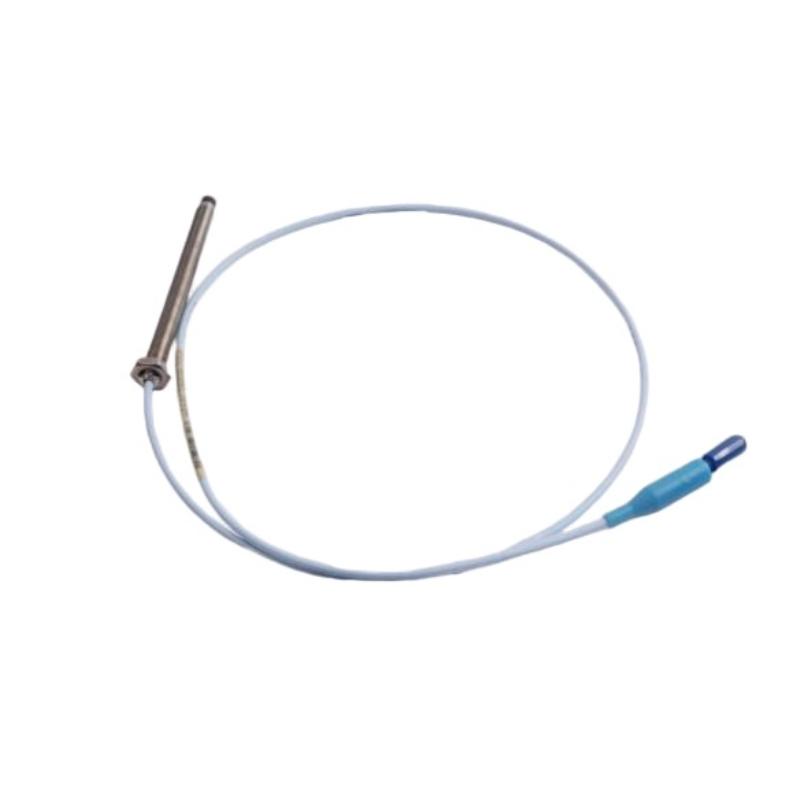
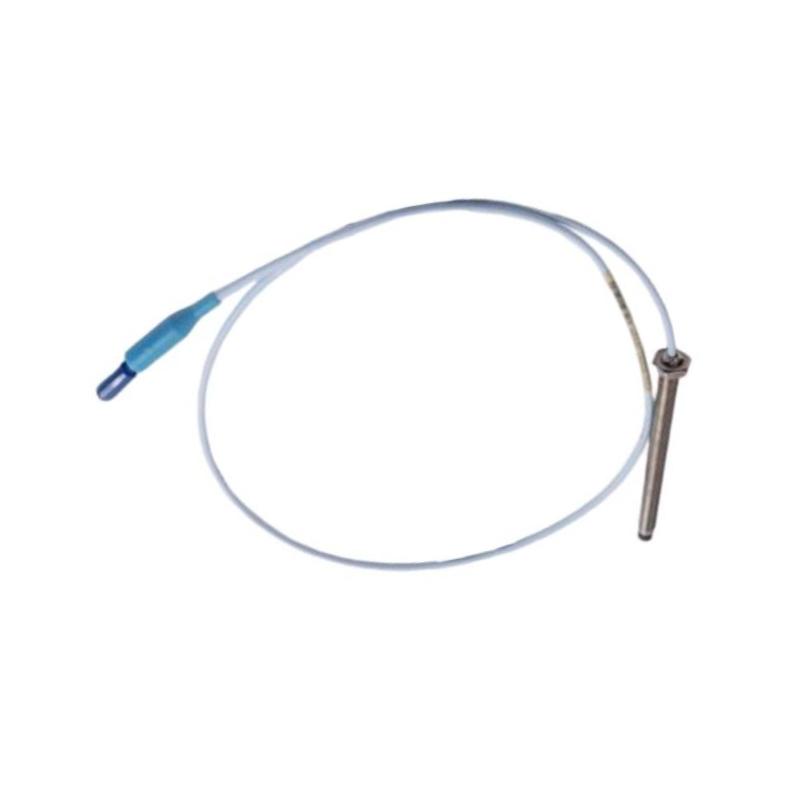
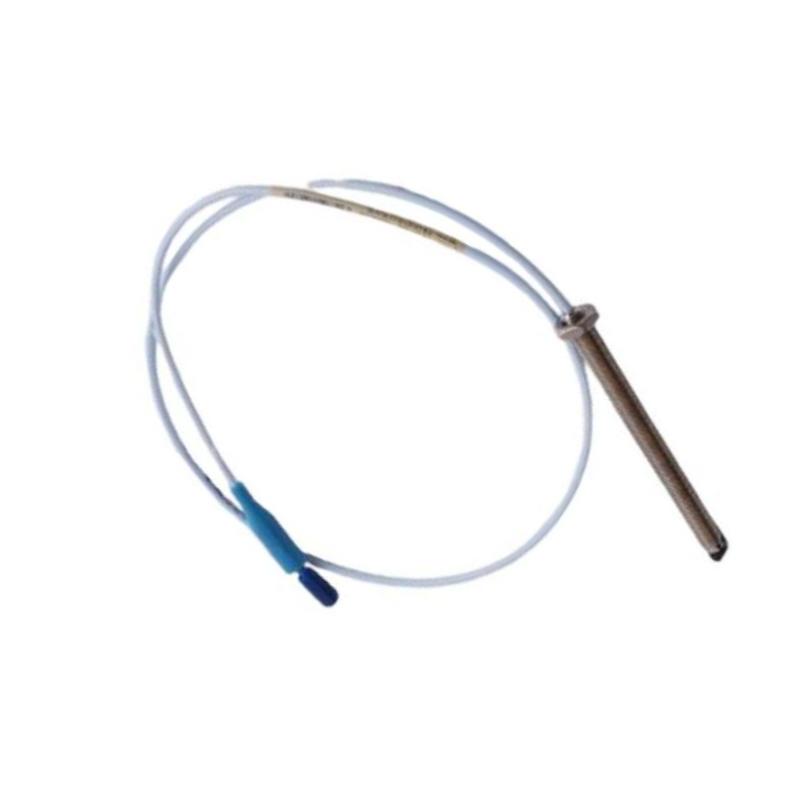
- Bently Nevada
- 330103-03-08-10-01-00
- 3300 XL 8 mm Proximity Probes
- USA
- 80 × 50 × 60 mm
- 0.25kg
- Xiamen, China
- New & In Stock
- T/T, PayPal, Western Union
- 1 Year
- 1-3 Working Days
- DHL, UPS, TNT, FedEx and EMS.
- 24-Hour Service
- COO
- 197
Our advantage

Global Logistics
We have a 10-year logistics and express cooperation agreement, so our products can be shipped to any place in the world.

Brand new and original
Our products are imported in bulk from the place of origin. Because of the cooperative relationship, our products are all original and 100% new.

24-hour service
We provide 7*24 hours service to our customers. We will be there whenever you need us.

Price advantage
All our products are priced very favorably because we have our own warehouse and supply.
| Company Information | |||
| [email protected] | |||
| Mobile | +8615980777398 | ||
| +8615980777398 | |||
| 15980777398 |
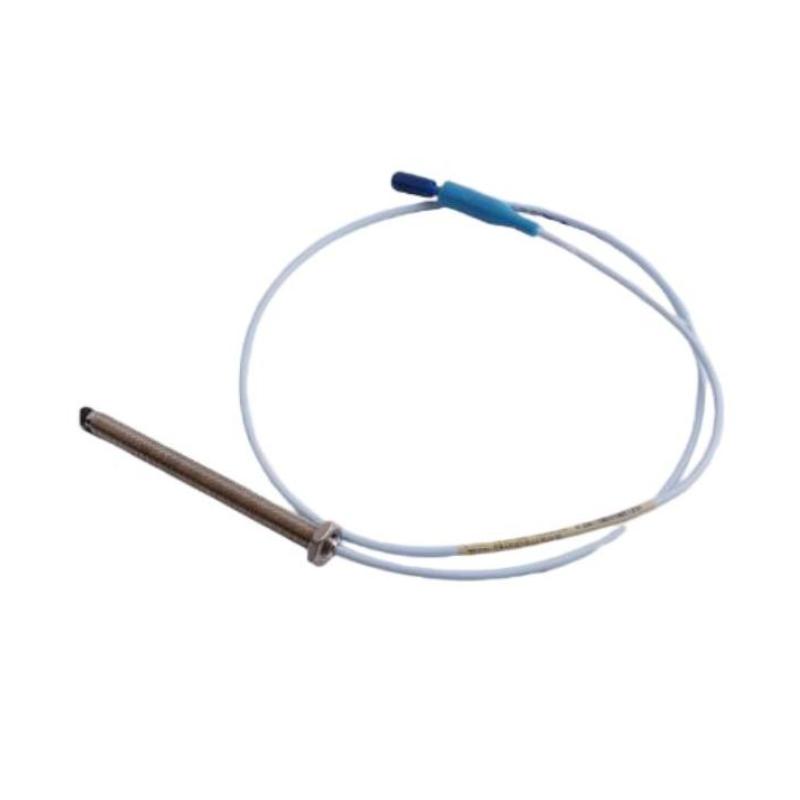
Bently Nevada 330103‑03‑08‑10‑01‑00 Product Profile
Product Overview
The Bently Nevada 330103‑03‑08‑10‑01‑00 is a high-precision eddy-current proximity probe designed for monitoring industrial rotating machinery. It provides non-contact measurement of shaft displacement and vibration, enabling real-time condition monitoring and predictive maintenance.
This model is part of the 3300 XL Proximity Transducer Series, known for rugged design, reliability, and high-frequency measurement capability. These sensors are essential in power plants, oil & gas facilities, manufacturing plants, and heavy industries where critical rotating equipment requires continuous monitoring.
The 330103‑03‑08‑10‑01‑00 features a stainless steel construction, compact size, and a miniature coaxial connector for secure integration into monitoring systems. It is designed for durability in harsh environments, capable of operating across wide temperature ranges and resisting dust and moisture ingress.
Product Parameters
| Parameter | Specification |
|---|---|
| Model | 330103‑03‑08‑10‑01‑00 |
| Series | 3300 XL Proximity Transducer |
| Brand | Bently Nevada |
| Sensor Type | Eddy-Current / Proximity Probe |
| Operating Voltage | 12–24 V DC |
| Detection Range | 1–10 mm (typical, depending on calibration) |
| Frequency Response | Up to 20 kHz |
| Output Type | Analog voltage signal |
| Case Material | Stainless Steel |
| Connector Type | Miniature coaxial (ClickLoc™ style) |
| Operating Temperature | -40°C to 180°C |
| Protection Class | Industrial grade, dust and water resistant |
| Dimensions (mm) | 80 × 50 × 60 |
| Weight (kg) | 0.25 |
| Mounting Thread | Metric or imperial depending on variant |
| Compliance / Standards | Industrial safety and vibration monitoring |
Applications
- Rotating Machinery Monitoring – Tracks shaft displacement and vibration in turbines, generators, compressors, and pumps.
- Predictive Maintenance – Enables early detection of mechanical faults and reduces unplanned downtime.
- Power Generation – Monitors critical rotating equipment to ensure stable plant operation.
- Oil & Gas Industry – Detects vibration anomalies in compressors, pumps, and drilling machinery.
- Process Industry – Provides shaft movement and vibration feedback for process control systems.
- Heavy Industry – Monitors mechanical performance in mining, steel, and material handling equipment.
- Aerospace Ground Systems – Measures dynamic movement and vibration of test stand machinery.
Product Advantages
- Non-Contact Measurement – Eliminates physical wear on sensors and machinery.
- High Accuracy – Precise detection of shaft displacement and vibration.
- Rugged Design – Stainless steel housing ensures mechanical and environmental durability.
- Wide Operating Range – Functional between -40°C and 180°C.
- Dust and Water Resistant – Suitable for harsh industrial environments.
- High-Frequency Response – Accurate dynamic vibration analysis.
- Minimal Maintenance – Long service life due to non-contact operation.
- Easy Integration – Compatible with standard proximity measurement systems.
Related Models in the Same Series
| Model | Key Parameters |
|---|---|
| 330103‑03‑07‑10‑01‑00 | 1–10 mm range, 0.25 kg, standard analog output |
| 330103‑03‑08‑10‑02‑00 | 1–10 mm range, 0.26 kg, high-sensitivity variant |
| 330103‑03‑07‑11‑01‑00 | 1–10 mm range, 0.25 kg, extended temperature rating |
| 330103‑04‑07‑10‑01‑00 | 2–10 mm range, 0.30 kg, heavy-duty industrial variant |
| 330103‑03‑07‑12‑01‑00 | 1–10 mm range, 0.26 kg, enhanced vibration response |
Popular Models from the Same Brand
| Model | Key Parameters |
|---|---|
| 3300/10‑01‑06‑00 | Power supply module for 3300 system, 0.6 kg |
| 3300/03‑01‑00 | System monitor for multiple probe channels |
| 3300/65‑03‑01‑00 | Dual probe vibration sensor, 0.5 kg |
| 3500/32‑01 | 4-channel relay module for 3500 series, 1.2 kg |
| 125720‑01 | Compact 4-channel relay module, 0.8 kg |
Frequently Asked Questions (FAQ)
Q1: What is the primary function of this sensor?
A1: It measures shaft displacement and vibration in rotating machinery without physical contact.
Q2: What type of output signal does the sensor provide?
A2: Analog voltage corresponding to the detected distance.
Q3: What are its dimensions and weight?
A3: 80 × 50 × 60 mm, 0.25 kg.
Q4: What environmental conditions can it withstand?
A4: Operating temperature from -40°C to 180°C; resistant to dust and water ingress.
Q5: Why is an eddy-current probe used?
A5: Non-contact measurement minimizes wear on both the sensor and machinery.
Q6: Can it detect both static position and dynamic vibration?
A6: Yes, it has a high-frequency response suitable for vibration monitoring.
Q7: How is the sensor mounted?
A7: Using standard threaded mounting into the machinery frame near the shaft.
Q8: What connector type does it use?
A8: Miniature coaxial ClickLoc™ connector for secure and reliable connections.
Q9: Is it suitable for predictive maintenance applications?
A9: Yes, widely used in condition-based maintenance systems for early fault detection.
Q10: Which industries commonly use this sensor?
A10: Power generation, oil & gas, process industries, heavy manufacturing, and aerospace ground systems.