

ProductPRODUCT
Featured products
Contact Us
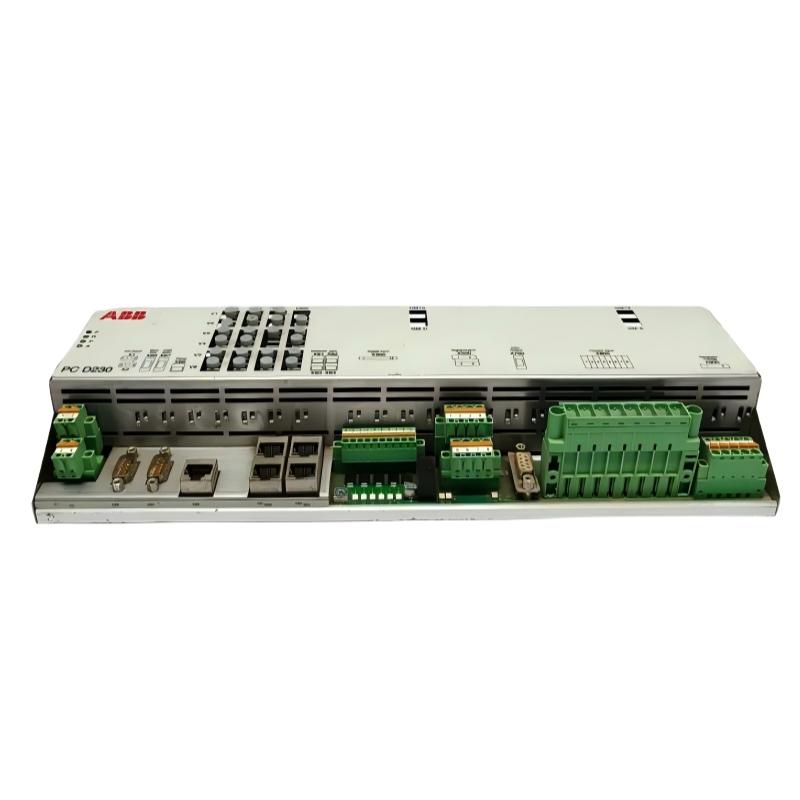
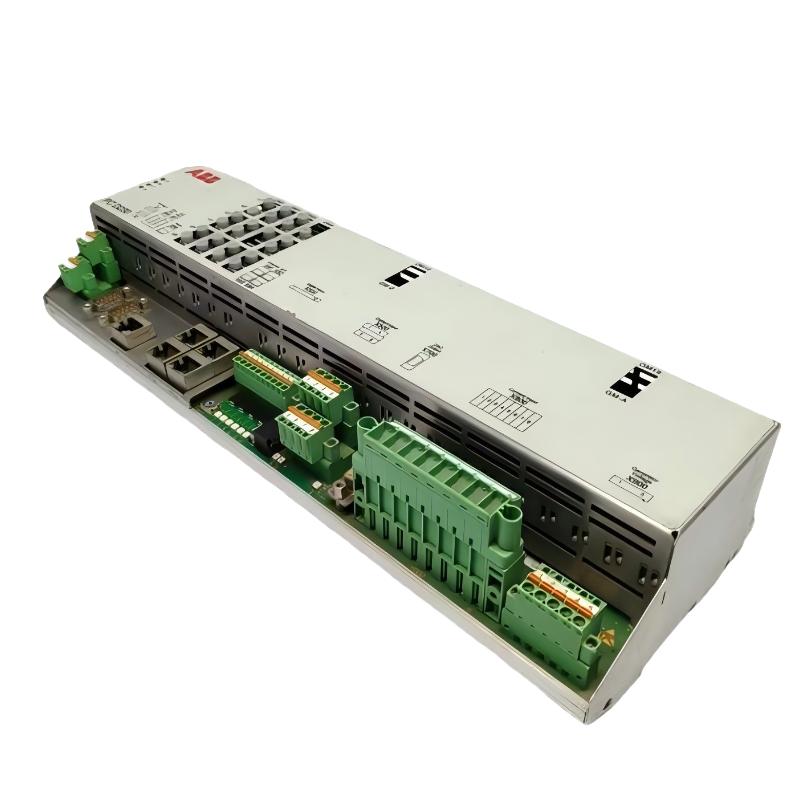
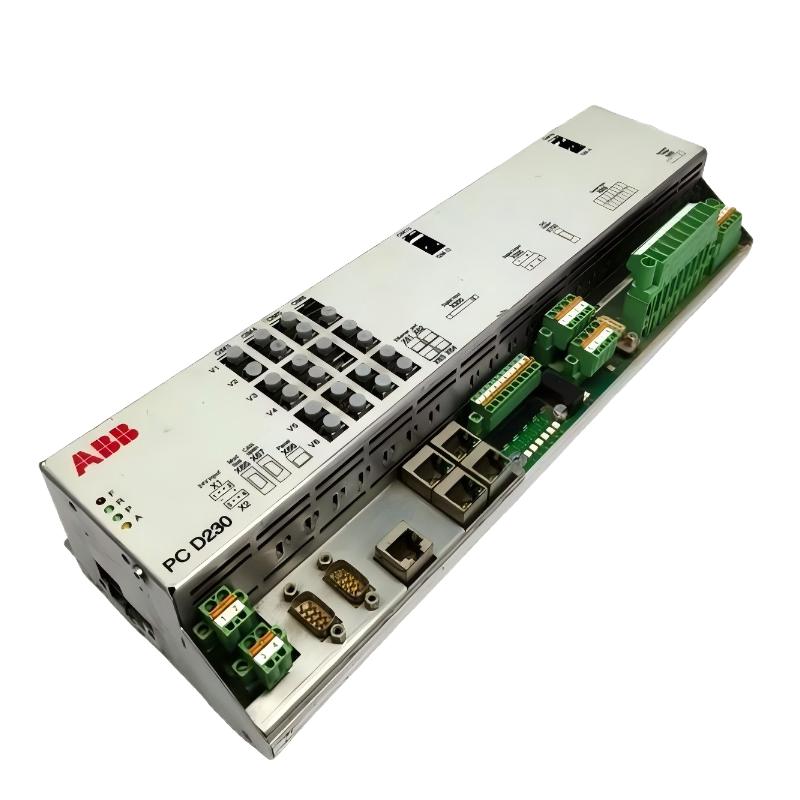
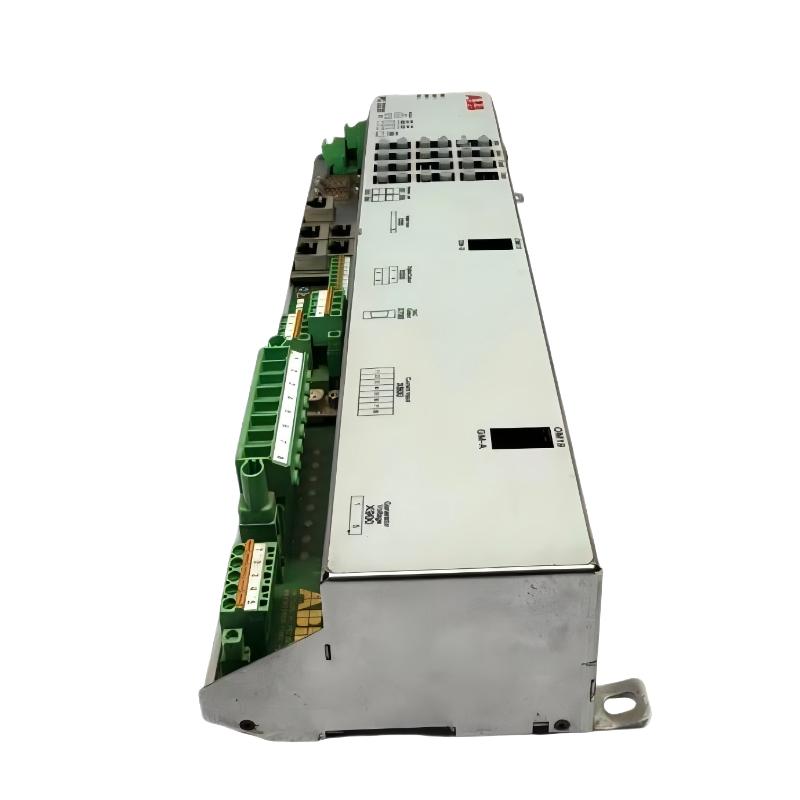
- ABB
- PC D230 A 3BHE022291R0101
- Controller Module
- Sweden (SE)
- 142 x 373 x 73.5 mm
- 1.53 kg
- Xiamen, China
- New & In Stock
- T/T, PayPal, Western Union
- 1 Year
- 1-3 Working Days
- DHL, UPS, TNT, FedEx and EMS.
- 24-Hour Service
- COO
- 130
Our advantage

Global Logistics
We have a 10-year logistics and express cooperation agreement, so our products can be shipped to any place in the world.

Brand new and original
Our products are imported in bulk from the place of origin. Because of the cooperative relationship, our products are all original and 100% new.

24-hour service
We provide 7*24 hours service to our customers. We will be there whenever you need us.

Price advantage
All our products are priced very favorably because we have our own warehouse and supply.
| Company Information | |||
| [email protected] | |||
| Mobile | +8615980777398 | ||
| +8615980777398 | |||
| 15980777398 |
Introduction
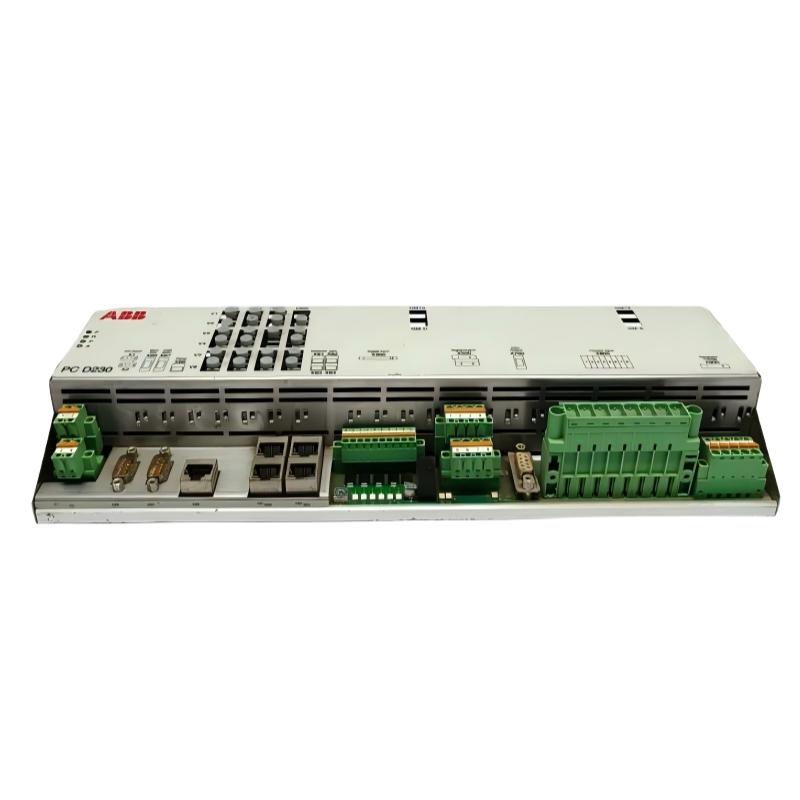
The ABB PC D230 A (3BHE022291R0101) is a controller module designed for industrial automation and power control systems. It serves as a central control component within ABB automation platforms, coordinating communication between system processors, I/O modules, and field devices.
Controller modules such as the PC D230 A are critical in complex industrial environments where accurate control, system monitoring, and reliable operation are required. This module helps maintain stable operation by managing signals and processing control data across the automation system.
Technical Specifications
| Parameter | Description |
|---|---|
| Manufacturer | ABB |
| Model | PC D230 A |
| Order Number | 3BHE022291R0101 |
| Product Category | Controller Module |
| Dimensions | 142 × 373 × 73.5 mm |
| Core Function | Industrial system control and coordination |
| Installation | Industrial control cabinet mounting |
| System Integration | ABB automation and power control platforms |
| Communication Capability | Internal system communication interface |
| Operating Environment | Industrial automation and power systems |
Applications
The ABB PC D230 A controller module is widely used in industrial environments where precise automation control and system coordination are required.
Typical applications include:
-
Industrial automation systems
-
Power generation and energy management facilities
-
Generator and turbine control systems
-
Distributed control infrastructures
-
Manufacturing process automation
By managing control signals and coordinating system components, the module helps ensure efficient operation and reliable industrial performance.
Key Advantages
Reliable System Control
Provides stable control functions required for complex automation environments.
Integration with ABB Platforms
Designed to work within ABB automation and power control architectures.
Continuous Industrial Operation
Built for systems that require long-term, stable operation in demanding environments.
Flexible Communication Capability
Supports interaction between processors, I/O modules, and monitoring systems.
Compatible Modules and System Components
The PC D230 A module is typically integrated with several other automation components to form a complete control system.
Common associated modules include:
-
Communication interface modules
-
Excitation controller modules
-
Distributed digital and analog I/O modules
-
Industrial processor modules
-
Automation rack and backplane assemblies
These components together create a reliable industrial control network that supports monitoring, regulation, and automation functions.
Recommended Related Models
| Model | Product Category | Typical Function |
|---|---|---|
| PC D232 A | Communication I/O Module | System communication interface |
| PC D235 A | Exciter Controller Module | Generator excitation management |
| PC D244 A | Excitation Controller Module | Industrial power control |
| PEC80-CIO | Communication Module | Automation network interface |
| ABB Industrial Control Modules | Automation hardware | Process and power control |
Technical FAQs
What is the main role of the ABB PC D230 A module?
It provides central control functionality within industrial automation and power control systems.
Where is this controller module typically installed?
The module is installed inside industrial control cabinets or automation racks.
Which industries commonly use controller modules like this?
They are widely used in power generation, manufacturing automation, and energy management systems.
Why are controller modules important in industrial automation?
They coordinate system operations, process control signals, and ensure reliable communication between different automation components.