

ProductPRODUCT
Featured products
Contact Us
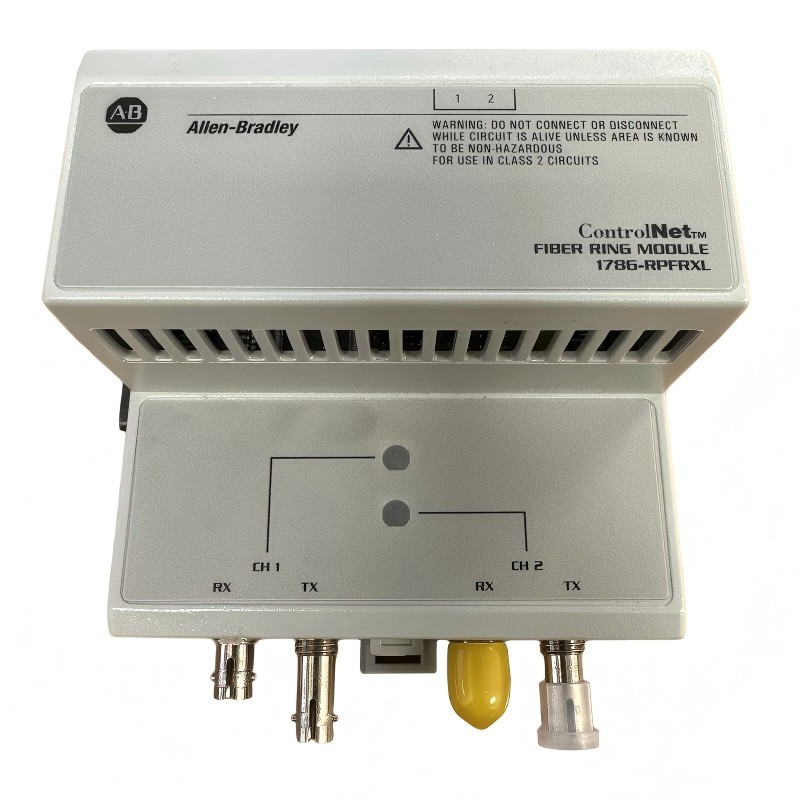
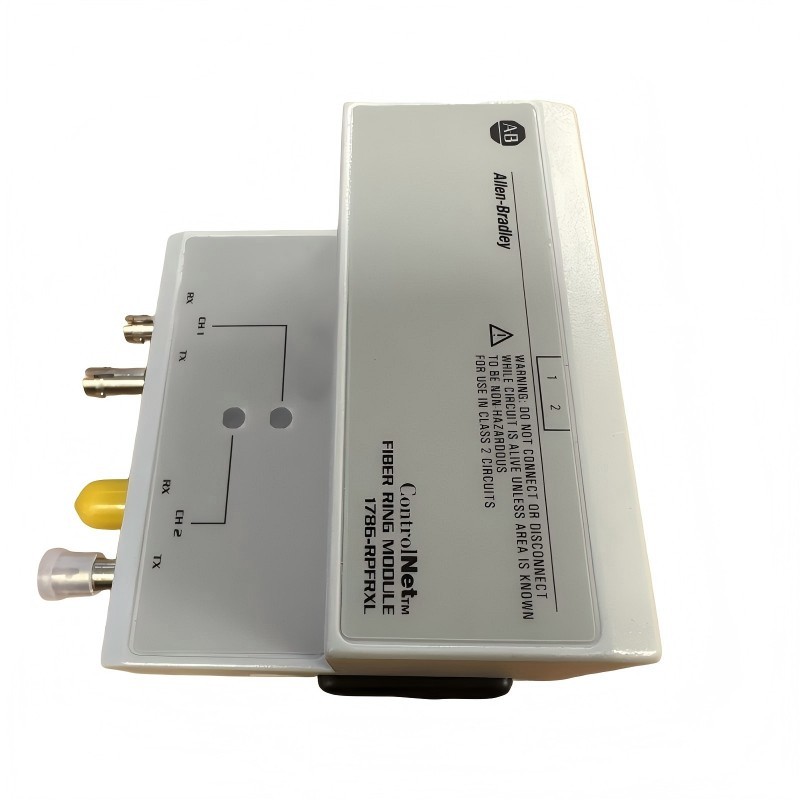
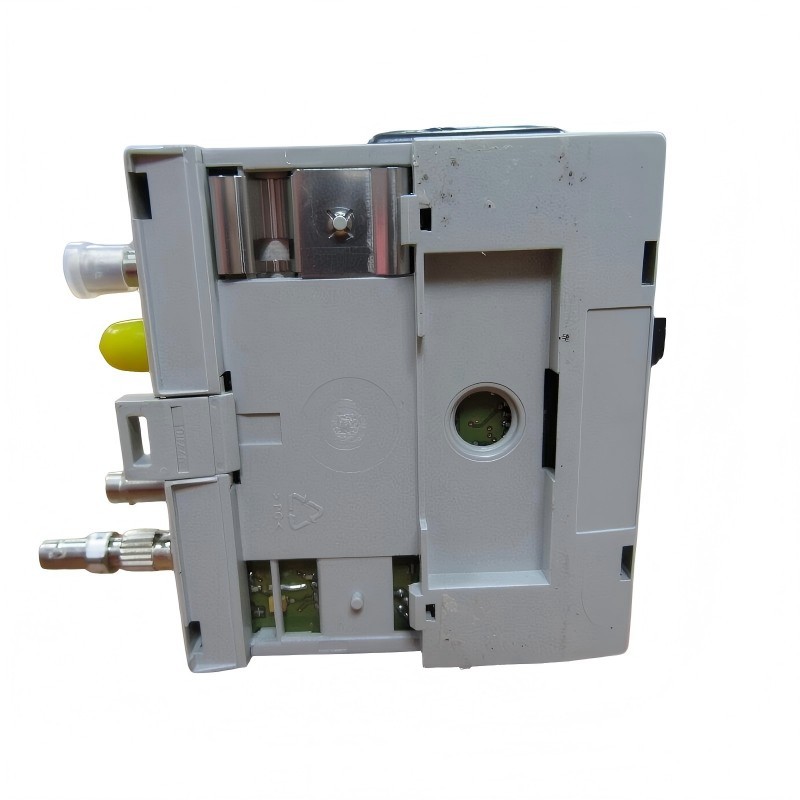
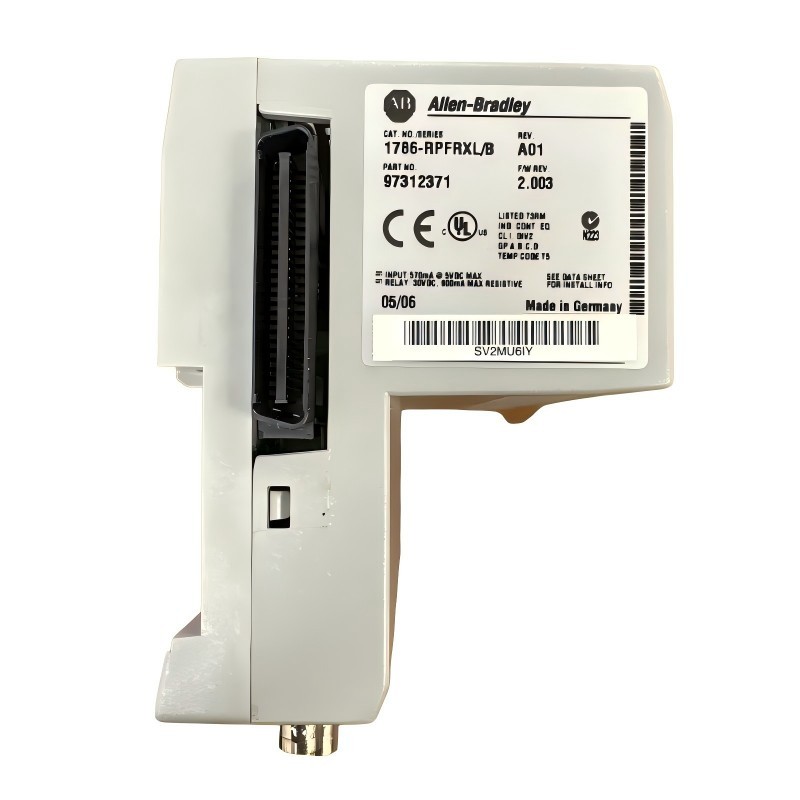
- Allen Bradley
- 1786-RPFRXL/B
- ControlNet Ultra-Long Distance Fiber Optic Ring Repeater Module
- USA
- 111 x 69 x 101.2 mm
- 0.18 kg
- Xiamen, China
- New & In Stock
- T/T, PayPal, Western Union
- 1 Year
- 1-3 Working Days
- DHL, UPS, TNT, FedEx and EMS.
- 24-Hour Service
- COO
- 5
Our advantage

Global Logistics
We have a 10-year logistics and express cooperation agreement, so our products can be shipped to any place in the world.

Brand new and original
Our products are imported in bulk from the place of origin. Because of the cooperative relationship, our products are all original and 100% new.

24-hour service
We provide 7*24 hours service to our customers. We will be there whenever you need us.

Price advantage
All our products are priced very favorably because we have our own warehouse and supply.
| Company Information | |||
| [email protected] | |||
| Mobile | +8615980777398 | ||
| +8615980777398 | |||
| 15980777398 |
Product Overview
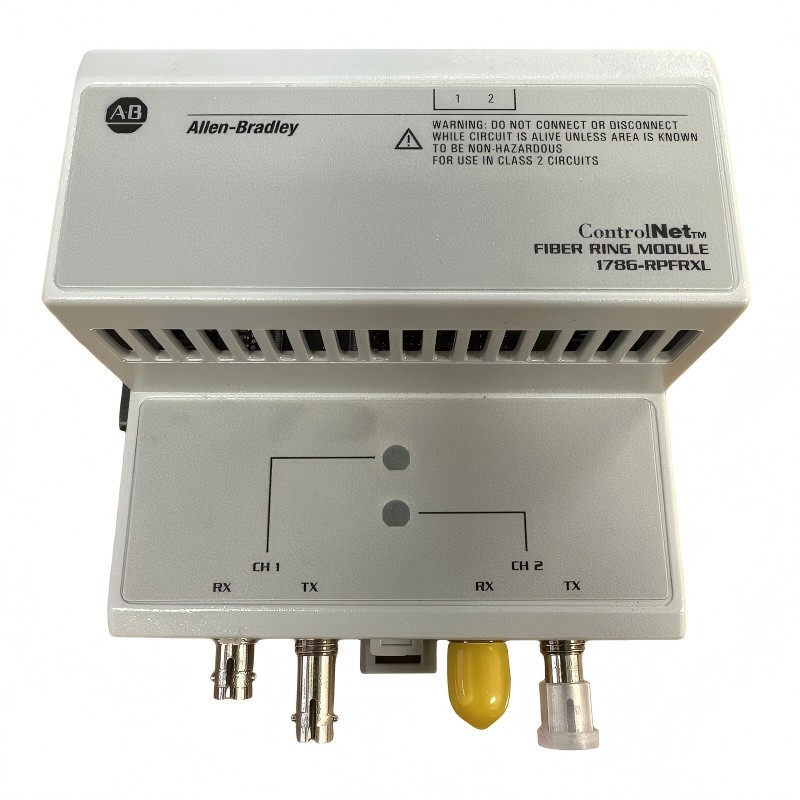
The Allen-Bradley 1786-RPFRXL/B is an ultra-long-distance fiber optic ring repeater module designed for ControlNet industrial communication networks. It extends communication links over fiber optic cable while supporting redundant ring network topologies.
Part of the Allen-Bradley ControlNet repeater product family, the 1786-RPFRXL/B is intended for applications where conventional copper communication links are unsuitable because of distance, electrical noise, or grounding differences between equipment locations.
The module provides two fiber optic channels, allowing it to participate in a fiber ring architecture. Fiber communication offers strong resistance to electromagnetic interference (EMI) and provides electrical isolation between network nodes. These characteristics make it useful in large industrial facilities, power-related installations, and distributed automation systems.
The 1786-RPFRXL/B is designed to work with the 1786-RPA/B ControlNet repeater adapter. The adapter supplies the required backplane power and manages communication between repeater modules. The repeater should therefore be treated as part of a modular ControlNet repeater system rather than as an independently powered Ethernet switch.
Technical Specifications
| Parameter | Specification |
|---|---|
| Brand | Allen-Bradley |
| Model | 1786-RPFRXL/B |
| Product Type | ControlNet Fiber Optic Ring Repeater Module |
| Network | ControlNet |
| Communication Rate | 5 Mbps |
| Fiber Channels | 2 |
| Network Topology | Fiber Optic Ring |
| Distance Category | Extra-Long Distance |
| Typical Repeater Distance | Up to 20 km, depending on fiber type and link conditions |
| Optical Power Budget | 10.5 dB |
| Preferred Fiber Type | 9/125 µm single-mode fiber |
| Alternative Fiber Type | 62.5/125 µm multimode fiber, with shorter achievable distance |
| Backplane Power Requirement | 570 mA maximum at 5V DC |
| Maximum Power Consumption | 2.8 W |
| Relay Contact Voltage | 30V DC maximum |
| Relay Contact Current | 1 mA minimum; 900 mA maximum |
| Relay Contact Load | Resistive only |
| Status Indicators | Power and individual fiber channel status |
| Mounting Orientation | Any orientation |
| Operating Temperature | 0–60°C |
| Storage Temperature | -40–85°C |
| Relative Humidity | 5–95%, non-condensing |
| Enclosure Rating | Open-style |
| Compatible Repeater Adapter | 1786-RPA/B |
| Dimensions | 111 × 69 × 101.2 mm |
| Weight | 0.18 kg |
The stated 20 km figure is a fiber-link distance capability under suitable conditions, not an unconditional guarantee for every installation. The total ControlNet network length is limited to 20 km or less. Confirm the actual optical budget, cable type, connectors, and installed link attenuation before commissioning.
Main Functions and Operating Principle
1. Ultra-Long-Distance Fiber Communication
The 1786-RPFRXL/B is designed to extend ControlNet communication over long fiber optic links. Compared with conventional copper communication media, fiber provides greater flexibility when connecting equipment across large facilities.
With suitable single-mode fiber and correctly designed optical connections, the repeater can support distances of up to 20 km between fiber repeater modules, subject to the overall ControlNet network limitations.
2. Redundant Fiber Ring Architecture
The module provides two fiber channels for use in a ring topology. This arrangement creates an alternative communication path through the fiber network.
If a fiber section is interrupted, the ring architecture can help maintain communication through the remaining path, provided that the network is correctly configured and the fault conditions are within the supported design.
3. Electromagnetic Interference Protection
Industrial environments frequently contain motors, variable-frequency drives, welding equipment, and high-power electrical systems. These devices can generate electromagnetic interference that affects conventional communication cabling.
Fiber optic transmission is highly resistant to electromagnetic interference. The 1786-RPFRXL/B is therefore suitable for ControlNet installations where electrical noise makes copper communication links less desirable.
4. Electrical Isolation Between Network Nodes
Fiber optic links provide ground isolation between connected network locations. This helps reduce problems associated with ground potential differences and electrical disturbances between separate areas of an industrial facility.
5. Channel and System Status Monitoring
The repeater includes indicators for power and the two fiber channels. These indicators help maintenance personnel identify communication activity and investigate possible link interruptions.
A relay contact connector also provides communication and system status information for integration with suitable monitoring circuits.
Industrial Applications
Large Manufacturing Facilities
Production facilities with equipment distributed across different buildings or production areas can use fiber optic ControlNet links to connect remote automation systems. The 1786-RPFRXL/B supports long-distance communication while reducing susceptibility to electrical interference.
Power Generation and Electrical Installations
Industrial power environments often contain high-voltage equipment and sources of electrical noise. Fiber optic communication provides isolation between network nodes and can help improve communication reliability in appropriately designed installations.
Oil and Gas Facilities
Large oil and gas installations may require communication between geographically separated control areas. Fiber optic repeater modules can extend ControlNet networks across suitable distances while supporting ring-based network structures.
Process Automation
Chemical plants, refineries, and other process facilities frequently distribute controllers and I/O equipment across large operating areas. The 1786-RPFRXL/B can form part of a fiber communication infrastructure connecting these locations.
Distributed ControlNet Networks
When ControlNet devices are installed far apart, fiber optic repeaters can help extend the communication infrastructure beyond the practical range of individual copper cable sections.
Installation and System Integration
Correct installation is essential for maintaining fiber signal quality and stable ControlNet communication.
Repeater Adapter Compatibility
The 1786-RPFRXL/B must be used with a compatible 1786-RPA/B repeater adapter. The adapter supplies backplane power and manages the communication flow between repeater modules.
Before installation, verify that the adapter, repeater modules, and ControlNet network architecture are compatible.
Fiber Cable Selection
The module is designed for extra-long-distance fiber communication. Single-mode 9/125 µm fiber is the preferred choice for achieving the longest distances.
Although 62.5/125 µm multimode fiber can also be used, the achievable distance is significantly shorter. Rockwell Automation documentation indicates that the distance with multimode fiber is limited to approximately 6.6 km.
Optical Link Budget
The 1786-RPFRXL/B has a specified optical power budget of 10.5 dB. The total attenuation of the installed fiber link must remain within this limit.
Fiber cable quality, connector losses, splices, and installation conditions all affect the available optical margin. Inspect and measure the complete link rather than relying only on the cable’s nominal distance rating.
Ring Network Configuration
Connect the two fiber channels according to the planned ControlNet ring topology. Verify the channel connections, fiber direction, and network layout against the applicable ControlNet installation documentation.
Commissioning and Testing
After installation:
- Verify the repeater adapter and module connections.
- Check that the power indicator shows normal operation.
- Inspect both fiber channel status indicators.
- Confirm that the fiber connectors are clean and properly seated.
- Measure link attenuation where necessary.
- Verify ControlNet communication across the complete network.
- Test the redundant path according to the site’s approved commissioning procedure.
Fiber connectors should be handled carefully. Avoid looking directly into fiber ports or optical connectors, and follow appropriate fiber optic safety procedures.
Troubleshooting and Maintenance
| Problem | Possible Cause | Recommended Action |
|---|---|---|
| Module does not power up | Repeater adapter or backplane power problem | Check the 1786-RPA/B adapter and module seating |
| Channel 1 indicator shows a fault | Fiber connection problem | Inspect Channel 1 cable and connectors |
| Channel 2 indicator shows a fault | Damaged fiber or poor connector contact | Check Channel 2 and measure link attenuation |
| Communication is intermittent | Excessive optical loss or damaged fiber | Inspect cable routing, splices, and connectors |
| Ring communication is interrupted | Broken fiber section or incorrect topology | Check the complete ring path |
| Communication distance is below expectations | Incorrect fiber type or excessive attenuation | Verify fiber specifications and optical budget |
| Status relay indicates a fault | Missing power or loss of received data | Check the power supply and both fiber channels |
Routine maintenance should include inspecting fiber connectors, checking cable routing, monitoring channel indicators, and verifying the condition of the repeater adapter. Avoid bending fiber cables beyond their specified minimum bend radius.
Technical FAQs
1. What is the Allen-Bradley 1786-RPFRXL/B?
It is an ultra-long-distance ControlNet fiber optic ring repeater module designed to extend industrial communication networks using fiber optic cable.
2. How many fiber channels does the 1786-RPFRXL/B provide?
It provides two fiber channels for use in a fiber optic ring topology.
3. What is the maximum communication distance?
The module supports fiber repeater distances of up to 20 km under suitable conditions using the recommended fiber type. The overall ControlNet network length must not exceed 20 km.
4. Which fiber cable should be used?
Single-mode 9/125 µm fiber is preferred for long-distance applications. Compatible 62.5/125 µm multimode fiber can also be used, but the achievable distance is shorter.
5. Does the 1786-RPFRXL/B require a separate repeater adapter?
Yes. It must be used with a compatible 1786-RPA/B ControlNet repeater adapter, which provides power and manages repeater communication.
6. What is the communication speed?
The module operates at a ControlNet communication rate of 5 Mbps.
7. How does the fiber ring topology improve network availability?
A ring provides an alternative communication path when a fiber section is interrupted. This can help maintain communication, provided the ring is correctly installed and configured.
8. Is the module suitable for electrically noisy environments?
Yes. Fiber optic communication is highly resistant to electromagnetic interference and provides electrical isolation between connected network nodes.
9. What does the 10.5 dB optical power budget mean?
It represents the maximum available optical loss budget for the fiber link. Cable attenuation, connectors, and splices must be considered together to ensure the total loss remains within the specified limit.
10. What should be checked before replacing the 1786-RPFRXL/B?
Verify the exact catalog number and revision, repeater adapter compatibility, fiber type, optical power budget, ring topology, and network distance requirements. A standard fiber repeater may not provide the same extra-long-distance capability.
Conclusion
The Allen-Bradley 1786-RPFRXL/B ControlNet Ultra-Long-Distance Fiber Optic Ring Repeater Module is designed for industrial networks requiring extended fiber communication and redundant ring connectivity. Its two fiber channels, 5 Mbps ControlNet communication rate, and compatibility with suitable single-mode fiber make it useful for large-scale automation installations.
For system integrators and maintenance teams, correct fiber selection, optical loss management, and compatibility with the 1786-RPA/B repeater adapter are essential considerations. The module is particularly relevant when maintaining existing ControlNet infrastructure across geographically distributed industrial equipment.