

ProductPRODUCT
Featured products
Contact Us
- Siemens
- 6AG4012-2CC20-0XX0
- Rack-Mounted Computer
- Germany
- 430 × 176 × 465.8 mm
- 17 kg
- Xiamen, China
- New & In Stock
- T/T, PayPal, Western Union
- 1 Year
- 1-3 Working Days
- DHL, UPS, TNT, FedEx and EMS.
- 24-Hour Service
- COO
- 11
Our advantage

Global Logistics
We have a 10-year logistics and express cooperation agreement, so our products can be shipped to any place in the world.

Brand new and original
Our products are imported in bulk from the place of origin. Because of the cooperative relationship, our products are all original and 100% new.

24-hour service
We provide 7*24 hours service to our customers. We will be there whenever you need us.

Price advantage
All our products are priced very favorably because we have our own warehouse and supply.
| Company Information | |||
| [email protected] | |||
| Mobile | +8615980777398 | ||
| +8615980777398 | |||
| 15980777398 |
Introduction
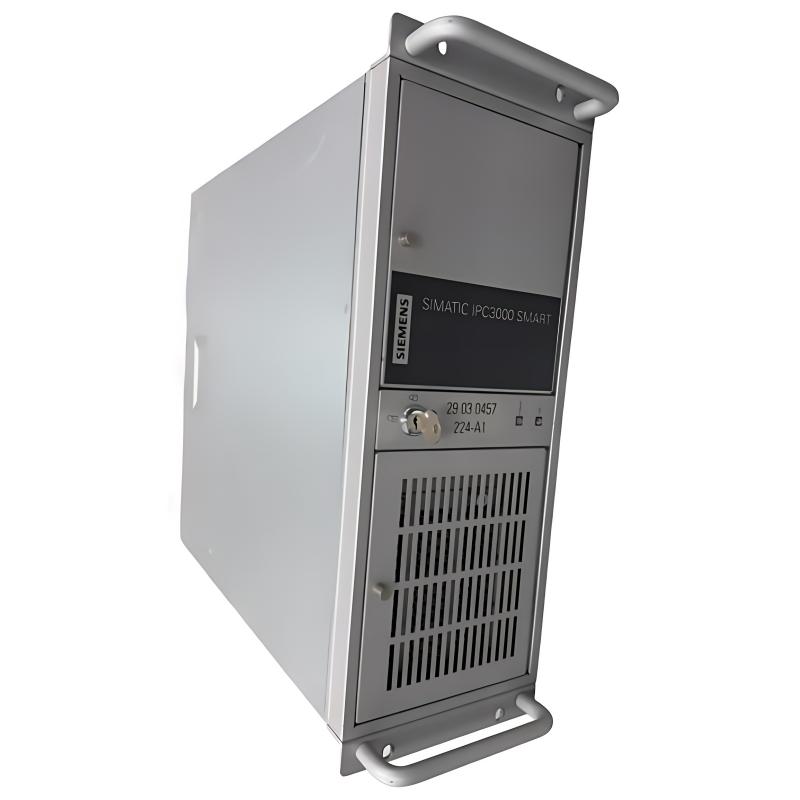
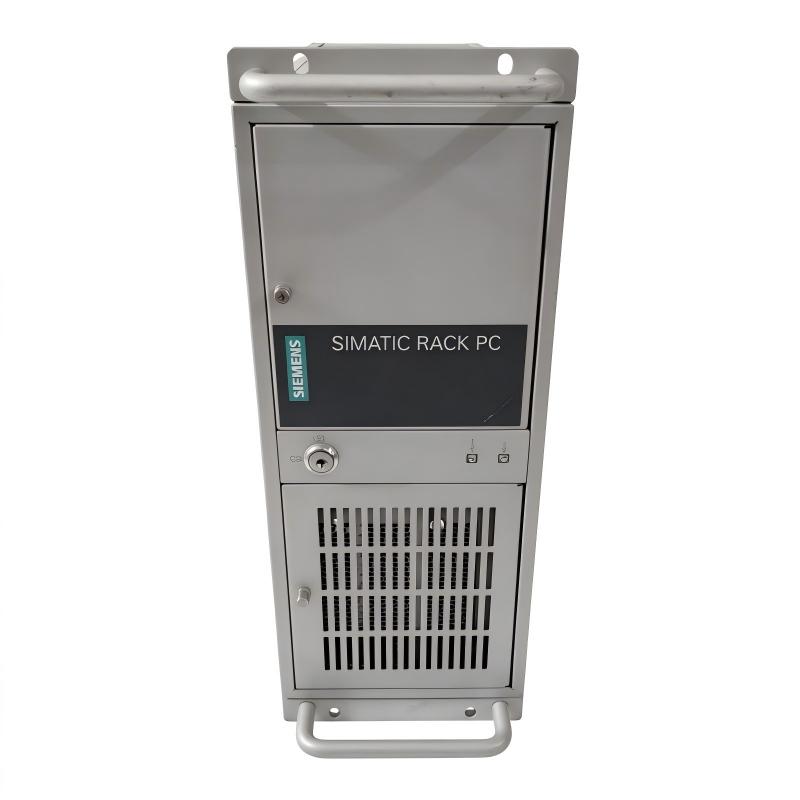
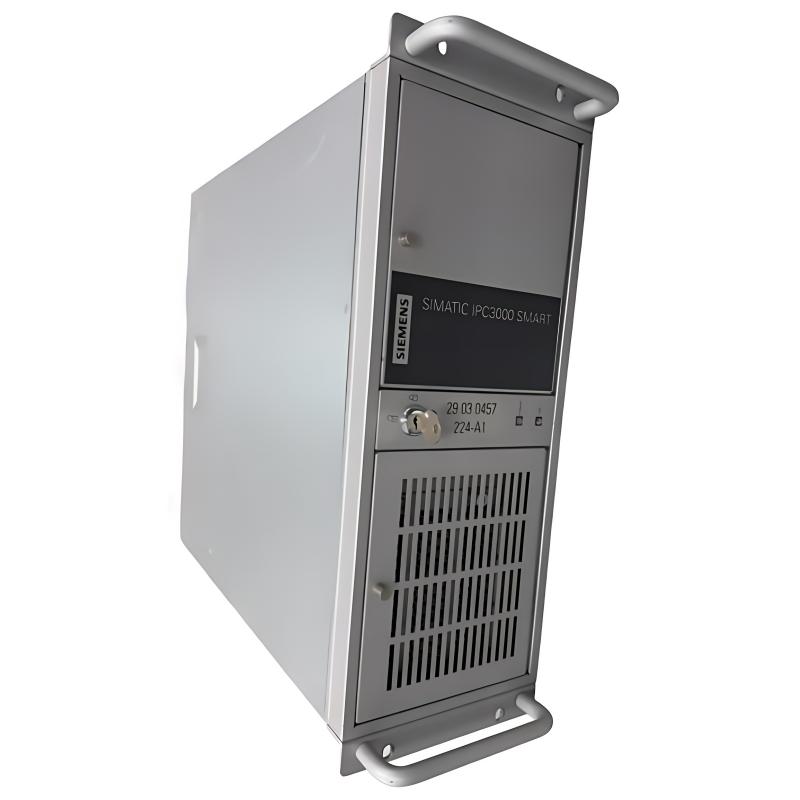
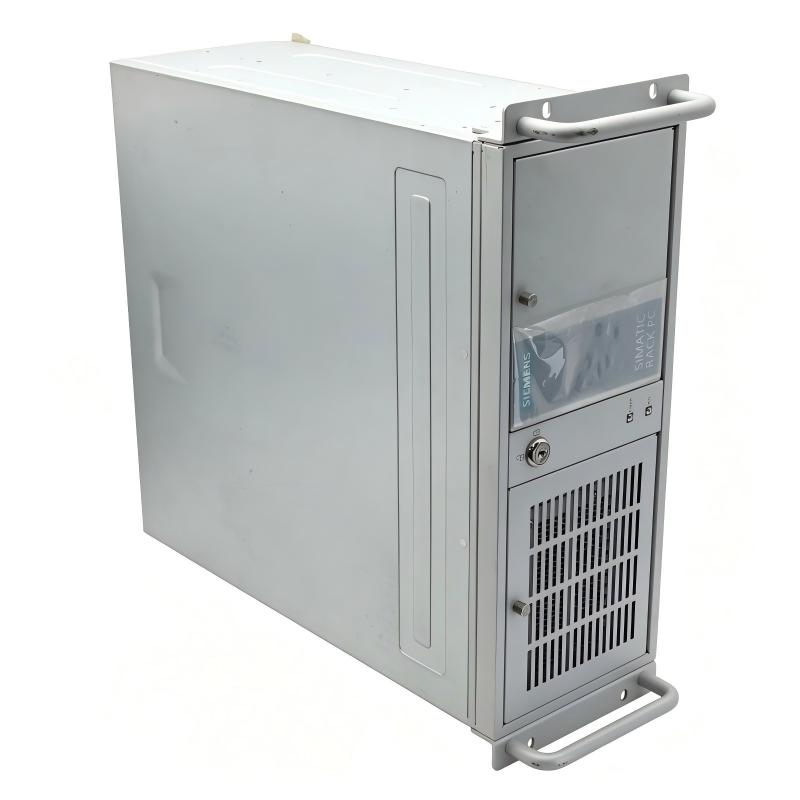
The Siemens 6AG4012-2CC20-0XX0 is a SIMATIC IPC347G industrial rack-mounted computer designed for PC-based automation, industrial data processing, and machine-level control applications. Its 19-inch, 4U rack format allows it to be integrated into industrial cabinets and equipment racks where a centralized computing platform is required.
Industrial computers play an important role in modern automation systems. They support operator interfaces, production monitoring, data collection, process visualization, and communication between industrial equipment and higher-level control systems. Compared with standard office computers, an industrial rack PC is designed for installation in structured industrial environments and provides a range of connectivity options for automation-related equipment.
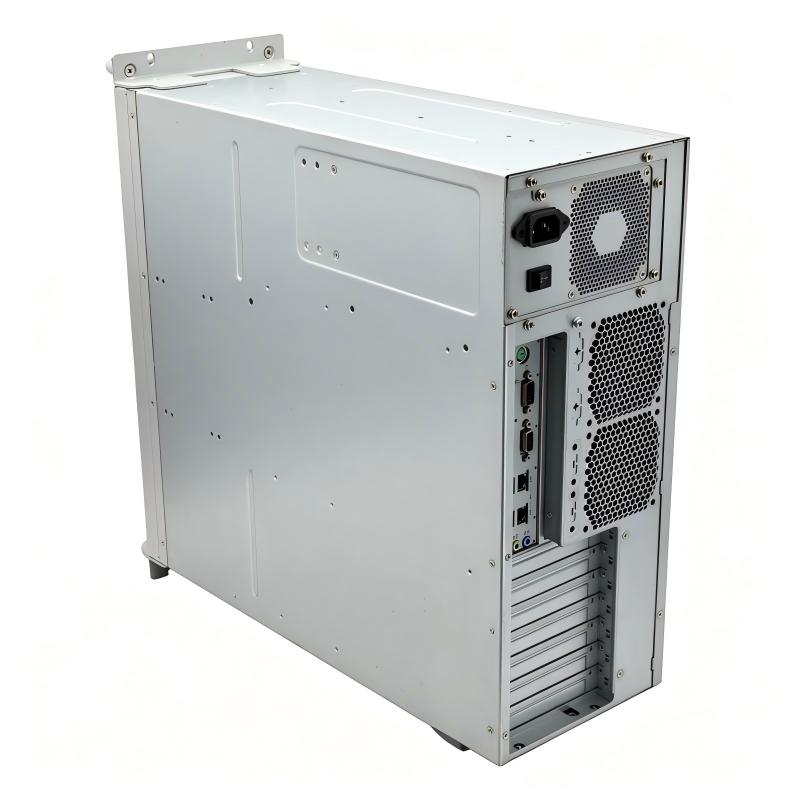
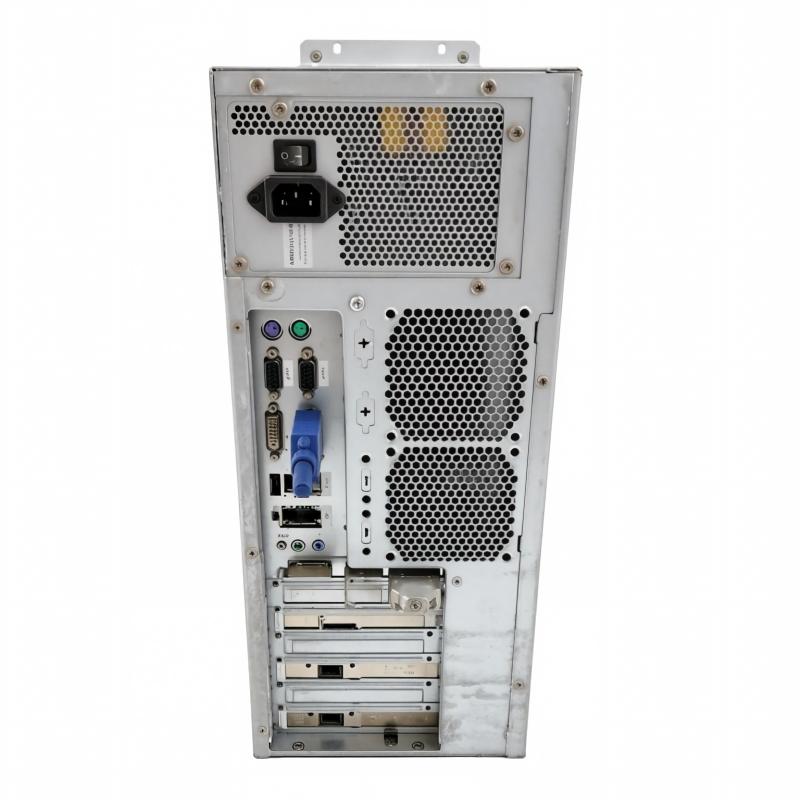
This model features an Intel Core i7-6700 processor configuration, Gigabit Ethernet connectivity, serial communication interfaces, and DisplayPort and VGA graphics outputs. These features make it suitable for applications that require multiple communication connections and reliable computing performance.
Technical Specifications
| Parameter | Specification |
|---|---|
| Brand | Siemens |
| Model | 6AG4012-2CC20-0XX0 |
| Product Family | SIMATIC IPC347G |
| Product Type | Rack-Mounted Computer |
| Installation Format | 19-inch, 4U |
| Processor | Intel Core i7-6700 |
| Processor Cache | 8 MB |
| Processor Frequency | 3.4 GHz, up to 4.0 GHz |
| Memory | 8 GB DDR4 |
| Maximum Memory Capacity | 32 GB |
| Storage | 512 GB SSD |
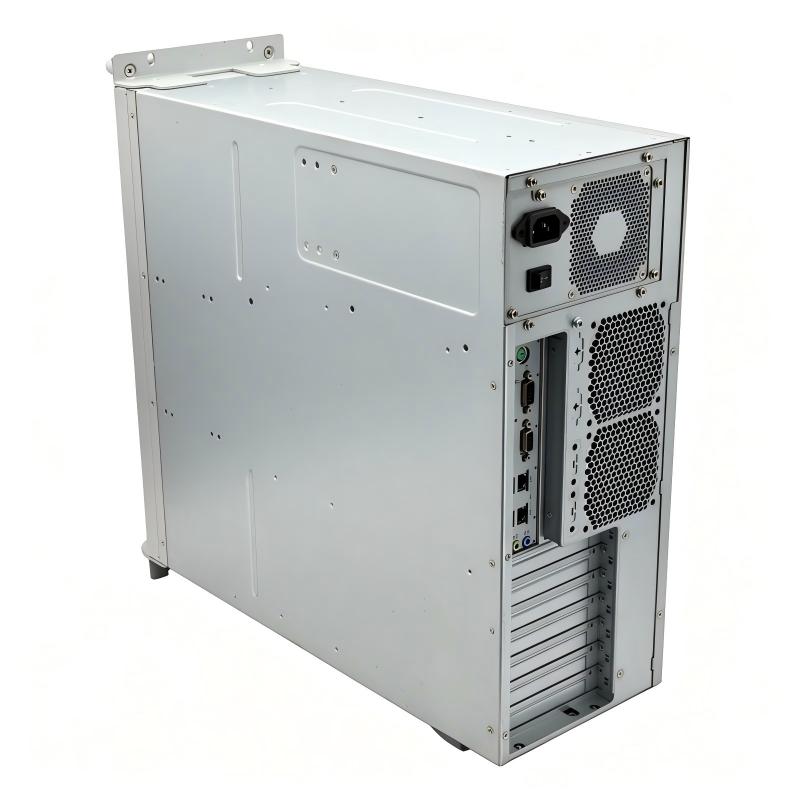
| Ethernet | 2 × Gigabit Ethernet |
| Serial Interfaces | 2 × COM, supporting RS232/RS422/RS485 |
| Additional Serial Connections | 2 × COM pin headers |
| Graphics Interfaces | 1 × DisplayPort, 1 × VGA |
| Supply Voltage | 100–240 V AC |
| Power Supply Rating | 350 W |
| Front Protection Rating | IP20 |
| Dimensions | 430 × 176 × 465.8 mm |
| Weight | 17 kg |
Note: Configuration details should be checked against the equipment’s nameplate and original ordering documentation before replacement or system modification. The dimensions and weight above are the supplied product data.
Computing Architecture and Main Functions
Processing Capability
The Intel Core i7-6700 processor provides the computing resources required for industrial software, visualization tasks, data handling, and communication services. Its multi-core architecture supports several tasks running concurrently, which is useful in applications where operator interfaces, data acquisition, and network communication operate on the same computer.
The actual processing load depends on the software installed, the number of connected devices, and the complexity of the application. For demanding projects, engineers should evaluate CPU utilization and memory requirements under realistic operating conditions.
Memory and Storage
The listed configuration includes 8 GB DDR4 memory and a 512 GB solid-state drive. System memory supports the operating system and running applications, while the SSD provides storage for software, configuration files, historical records, and operational data.
Solid-state storage has no conventional rotating disk mechanism. This can reduce mechanical wear associated with moving storage components, although the service life of an SSD still depends on write volume, temperature, and operating conditions.
The platform supports memory expansion up to 32 GB according to the listed product configuration. Any upgrade should be checked for module compatibility and supported memory specifications.
Industrial Network Communication
Two Gigabit Ethernet interfaces provide network connectivity for industrial communication and integration with plant-level systems. Depending on the application architecture, these connections may be used for communication with PLCs, engineering stations, supervisory systems, or other networked equipment.
Network separation can also be useful when different communication functions need to be managed independently. However, network segmentation, addressing, and security settings must be planned according to the plant’s network design.
Serial Communication
The computer provides two COM interfaces supporting RS232, RS422, and RS485 communication modes. These interfaces are relevant to industrial equipment that uses serial communication, including certain controllers, instruments, meters, and legacy automation devices.
The appropriate electrical standard and communication parameters must be selected according to the connected equipment. Baud rate, parity, data bits, stop bits, wiring topology, and termination requirements should be confirmed before commissioning.
Display Connectivity
DisplayPort and VGA outputs support connection to compatible monitors. This allows the computer to serve as a platform for local operator displays, engineering workstations, or industrial visualization terminals.
The selected monitor and cable must match the available output interface and the display requirements of the application.
Typical Industrial Applications
Production Line Monitoring
The IPC347G can be used as a computing platform for production monitoring software. It can collect information from connected control devices and present equipment status, production counts, alarms, and process information through an operator interface.
In a production environment, centralized visualization helps operators identify abnormal conditions and understand equipment status without accessing each individual controller.
SCADA and HMI Systems
PC-based SCADA and HMI applications often require a computer with sufficient processing capacity, storage, and communication interfaces. The 6AG4012-2CC20-0XX0 can support compatible visualization software and communication services when the required operating system, drivers, and application versions are installed.
Before deployment, engineers should confirm software compatibility and system resource requirements.
Industrial Data Acquisition
The available Ethernet and serial interfaces make the computer suitable for data acquisition architectures involving compatible instruments and automation devices. Data can be collected, processed, displayed, and stored by application software.
For systems with large numbers of connected devices, communication loading and network architecture should be evaluated during project design.
Equipment Integration
The rack-mounted format is useful in centralized control cabinets, test equipment racks, and industrial computing enclosures. It can provide a common platform for machine monitoring, equipment configuration, and production-related applications.
Installation and System Integration
Rack Preparation
Before installation, verify that the cabinet or equipment rack provides sufficient space for the 4U chassis. Check the mounting rails, mechanical support, cable access, and service clearance.
The supplied dimensions are 430 × 176 × 465.8 mm. The actual installation space should also account for connectors, cables, ventilation, and maintenance access.
Power Connection
The listed supply voltage is 100–240 V AC. Before connecting the computer, confirm that the available power source is within the specified range and that protective grounding is correctly provided.
Use an appropriately rated power connection and follow the cabinet’s electrical protection requirements. Do not connect or disconnect internal components while the equipment is energized.
Network Configuration
Connect the Ethernet interfaces to the intended industrial network infrastructure. Assign IP addresses according to the plant network plan and verify communication with the relevant PLCs, servers, or other devices.
Where separate networks are used for control and enterprise communication, configure the interfaces carefully to avoid unintended routing or network conflicts.
Serial Device Configuration
When using the COM ports, confirm the required communication standard and wiring arrangement. RS232, RS422, and RS485 have different electrical characteristics and cannot be treated as interchangeable wiring methods.
After connecting the device, configure the correct port settings in the application software and test communication with the connected equipment.
Software and Commissioning
Install an operating system and application software compatible with the hardware configuration. Confirm that the required drivers, network settings, display configuration, and communication services are available.
A practical commissioning procedure should include:
- Inspecting the chassis and checking for transportation damage.
- Confirming the power supply and protective grounding.
- Checking memory and storage recognition.
- Verifying Ethernet and serial interface operation.
- Installing the required operating system and automation software.
- Testing communication with connected industrial equipment.
- Running the application under normal operating conditions.
- Recording the final hardware and software configuration.
Maintenance and Troubleshooting
Regular maintenance helps reduce unexpected downtime and supports stable operation.
| Symptom | Possible Cause | Recommended Action |
|---|---|---|
| Computer does not start | Power supply interruption or loose connection | Check the AC supply, power cable, and cabinet protection |
| No display output | Incorrect monitor input or cable problem | Check the monitor input selection and display cable |
| Ethernet communication failure | Incorrect IP configuration or network fault | Verify IP settings, cable connections, and network status |
| Serial device cannot communicate | Incorrect COM settings or wiring | Check the communication standard, pinout, and port parameters |
| System performance is slow | High CPU or memory utilization | Review running applications and system resource usage |
| SSD is not detected | Storage connection or device fault | Check storage recognition and inspect the hardware |
| Unexpected shutdown | Power instability or overheating | Check the power source, ventilation, and temperature |
| System restarts repeatedly | Software conflict or hardware instability | Review system logs and perform hardware diagnostics |
Preventive Maintenance Recommendations
- Keep air inlets and exhaust paths clear.
- Inspect fans and ventilation openings periodically.
- Remove dust from the cabinet and computer enclosure using appropriate maintenance procedures.
- Monitor system temperature and operating performance.
- Check power connections and grounding during scheduled inspections.
- Back up operating system configurations, application files, and important production data.
- Maintain records of hardware changes, software versions, and maintenance activities.
Technical FAQs
1. What is the Siemens 6AG4012-2CC20-0XX0?
It is a Siemens SIMATIC IPC347G industrial rack-mounted computer designed for PC-based automation and industrial computing applications.
2. What processor does this model use?
The listed configuration uses an Intel Core i7-6700 processor with 8 MB cache and a frequency of 3.4 GHz, up to 4.0 GHz.
3. How much memory is installed?
The listed configuration includes 8 GB DDR4 memory. The platform supports a maximum memory capacity of 32 GB according to the product configuration information.
4. What storage capacity does it provide?
The listed configuration includes a 512 GB SSD for operating system files, applications, and industrial data storage.
5. What power supply does the computer require?
The specified input voltage is 100–240 V AC. The platform documentation lists a 350 W power supply rating.
6. Which Ethernet interfaces are available?
The computer provides two Gigabit Ethernet interfaces for network communication and system integration.
7. Does the computer support serial communication?
Yes. The listed configuration includes two COM ports supporting RS232, RS422, and RS485, together with two additional COM pin headers.
8. Which display interfaces are provided?
The computer provides one DisplayPort output and one VGA output for connection to compatible display equipment.
9. Can this computer be used in a SCADA system?
It can serve as a hardware platform for compatible SCADA and HMI software. Operating system, driver, and application compatibility should be verified before installation.
10. What should be checked before replacing an existing IPC347G?
Compare the complete order number, processor, memory, storage, interface configuration, power requirements, mechanical dimensions, and installed software. Matching the product family alone does not guarantee that two configurations are interchangeable.
Conclusion
The Siemens 6AG4012-2CC20-0XX0 SIMATIC IPC347G is an industrial rack-mounted computer intended for automation-related computing, visualization, communication, and data processing. Its listed Core i7-6700 configuration, 8 GB DDR4 memory, 512 GB SSD, dual Gigabit Ethernet ports, and serial communication interfaces provide a flexible foundation for compatible industrial applications.
For equipment replacement, system expansion, or new installations, engineers should verify the complete hardware configuration and software requirements before commissioning. Correct installation, adequate ventilation, stable power, and regular data backups are important for maintaining dependable operation in industrial environments.