

ProductPRODUCT
Featured products
Contact Us
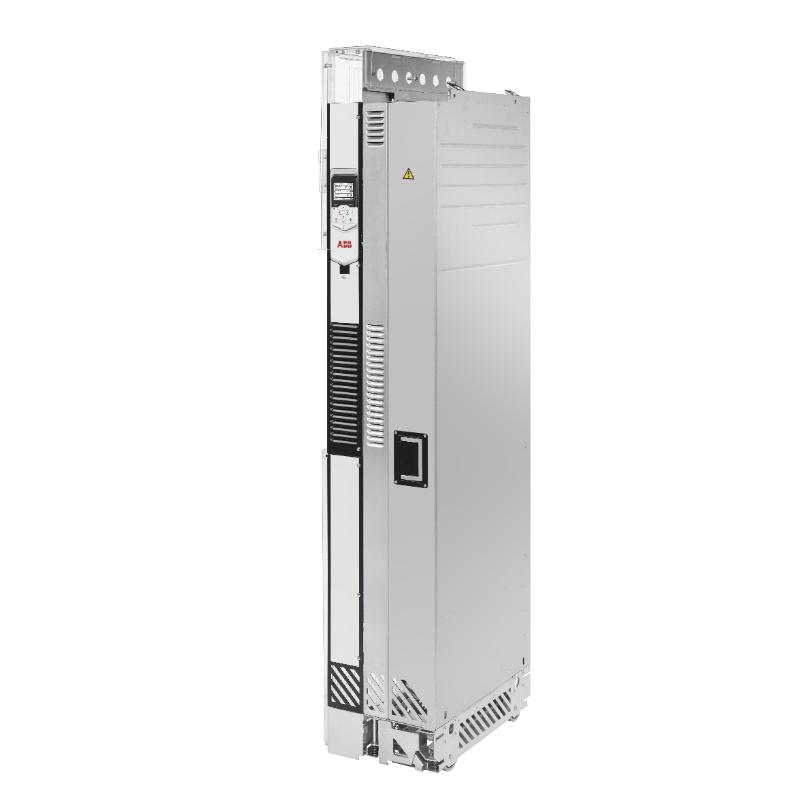
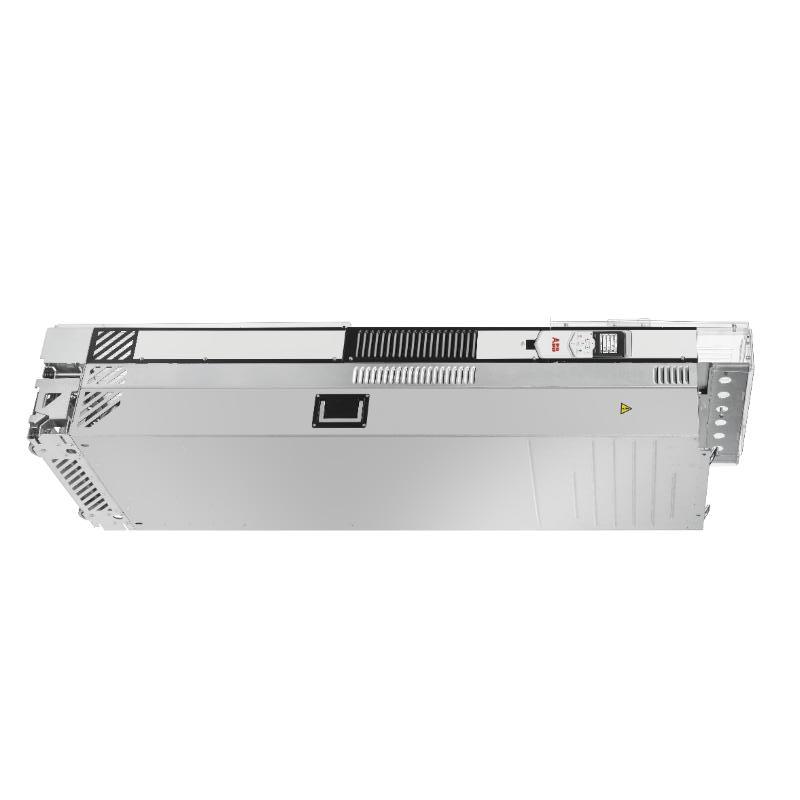
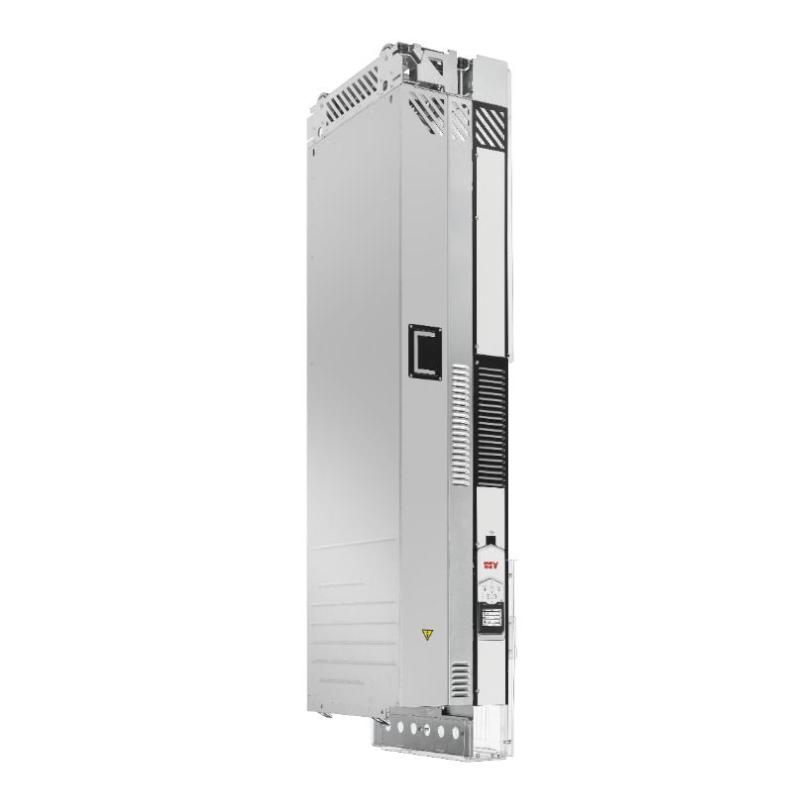
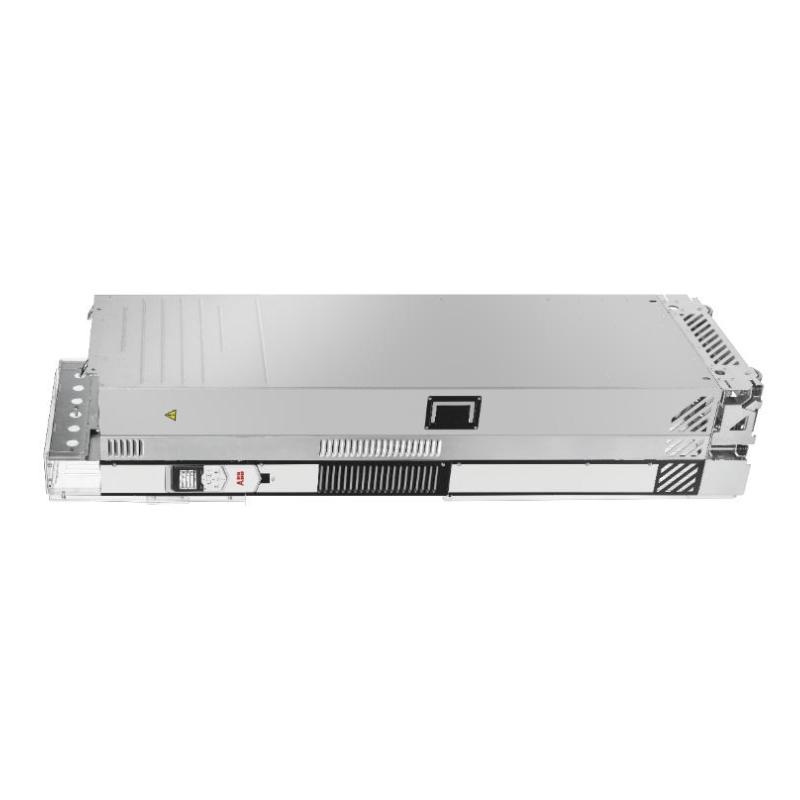
- ABB
- ACS880-04-820A-5 3AUA0000139080
- Frequency Inverter
- Sweden (SE)
- 1741 × 350 × 506 mm
- 165 kg
- Xiamen, China
- New & In Stock
- T/T, PayPal, Western Union
- 1 Year
- 1-3 Working Days
- DHL, UPS, TNT, FedEx and EMS.
- 24-Hour Service
- COO
- 7
Our advantage

Global Logistics
We have a 10-year logistics and express cooperation agreement, so our products can be shipped to any place in the world.

Brand new and original
Our products are imported in bulk from the place of origin. Because of the cooperative relationship, our products are all original and 100% new.

24-hour service
We provide 7*24 hours service to our customers. We will be there whenever you need us.

Price advantage
All our products are priced very favorably because we have our own warehouse and supply.
| Company Information | |||
| [email protected] | |||
| Mobile | +8615980777398 | ||
| +8615980777398 | |||
| 15980777398 |
Product Overview
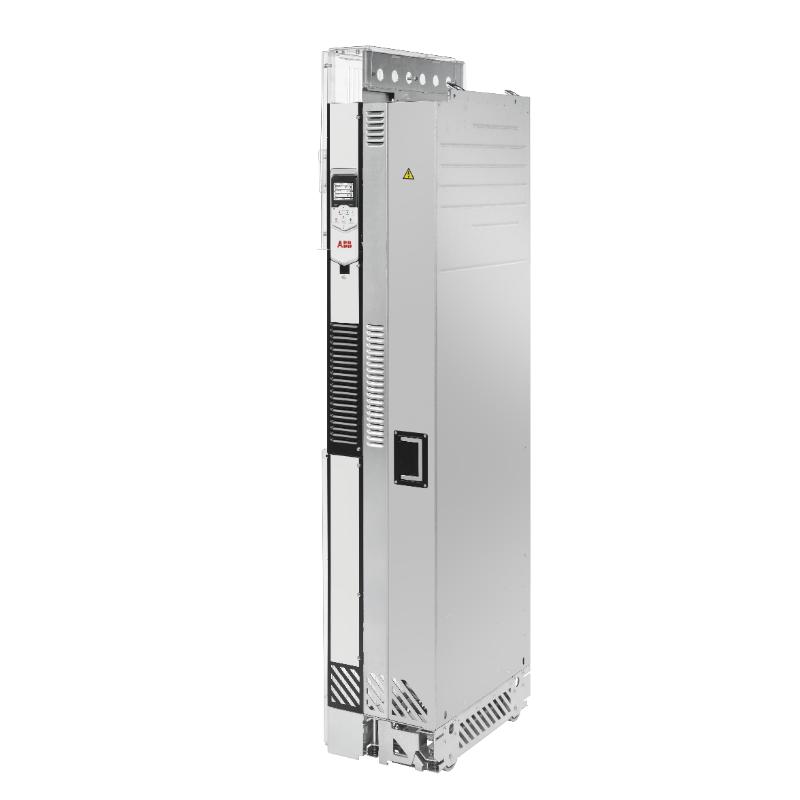
The ABB ACS880-04-820A-5 3AUA0000139080 Frequency Inverter is a high-power industrial AC drive module designed for controlling large three-phase electric motors in demanding industrial environments. It belongs to ABB’s ACS880 industrial drive family, which is developed for applications requiring precise motor speed regulation, torque control, and integration into complex automation systems.
With a nominal output current of 820 A and a rated output power of 560 kW, this drive is intended for heavy industrial machinery and large motor-driven processes. It can support applications where reliable motor control, operational flexibility, and coordination with higher-level automation equipment are essential.
The ACS880-04 is a single-drive module designed for cabinet installation. Unlike a complete wall-mounted drive package, the module is integrated into a suitable electrical cabinet or drive system with the required input protection, connections, cooling arrangements, and auxiliary equipment.
The ACS880-04-820A-5 operates within a 380–500 V AC input range and uses a three-phase supply. Its R11 frame size and high-current design make it suitable for large industrial installations, including manufacturing plants, material-handling systems, process industries, and infrastructure applications.
The ACS880 platform uses ABB’s Direct Torque Control (DTC) technology to regulate motor torque and speed. It supports different motor types and offers configurable control and communication options according to the selected hardware and system design.
For maintenance engineers and procurement specialists, the complete model number and product code are important. The 3AUA0000139080 identification helps distinguish this specific 500 V-class, 820 A drive module from other ACS880 products with different voltage classes, current ratings, and frame sizes.
Technical Specifications
| Parameter | Specification |
|---|---|
| Brand | ABB |
| Manufacturer | ABB |
| Model | ACS880-04-820A-5 |
| Product Code | 3AUA0000139080 |
| Product Type | Frequency Inverter / Industrial AC Drive Module |
| Product Series | ACS880 |
| Drive Configuration | Single Drive Module |
| Input Voltage Range | 380–500 V AC |
| Nominal Voltage Class | 500 V |
| Input Phase | Three-phase |
| Supply Frequency | 47.5–63 Hz |
| Nominal Output Current | 820 A |
| Maximum Continuous Output Power | 560 kW |
| Light-Overload Output Current | 807 A |
| Heavy-Duty Output Current | 625 A |
| Heavy-Duty Output Power | 450 kW |
| Frame Size | R11 |
| Protection Rating | IP20 |
| Mounting Type | Cabinet-mounted module |
| Motor Control Technology | Direct Torque Control (DTC) |
| Communication | Depends on installed control and communication options |
| Dimensions | 1741 × 350 × 506 mm |
| Weight | 165 kg |
| Typical Applications | Large industrial motors, pumps, fans, conveyors, and process machinery |
Technical ratings depend on supply voltage, ambient conditions, overload category, and installation requirements. Confirm the complete configuration and applicable ABB documentation before commissioning.
Function and Working Principle
The ACS880-04-820A-5 controls the electrical power delivered to a motor by converting incoming AC power into a controlled output. It adjusts motor speed and torque according to operating commands and configured application parameters.
Its main functions include variable-speed operation, torque regulation, acceleration and deceleration management, motor protection, and integration with industrial automation systems.
1. Variable-Frequency Motor Control
An AC motor’s operating speed is related to the frequency of its electrical supply. By changing the output frequency, the inverter can regulate motor speed to match process requirements.
For example, a large industrial pump may not need to operate continuously at full speed. The drive can adjust motor speed according to the required flow or pressure, provided the pump and process are designed for variable-speed operation.
This approach can improve process flexibility and may reduce energy consumption in suitable applications.
2. Direct Torque Control
ABB’s Direct Torque Control technology is a key feature of the ACS880 platform. DTC regulates motor torque and magnetic flux using motor feedback information and internal control algorithms.
This control method is designed to provide fast torque response and accurate motor operation. It is useful in applications where the load changes frequently or where stable motor performance is required across a range of operating conditions.
The actual performance depends on motor type, parameter configuration, operating conditions, and the selected control mode.
3. Motor Acceleration and Deceleration
The drive can control how quickly a motor accelerates or decelerates. Programmable ramp settings allow engineers to adapt motor movement to the mechanical characteristics of the equipment.
For large motors, controlled acceleration can help reduce starting stress on electrical and mechanical components. Controlled deceleration can also help limit sudden changes in load movement.
Where the application produces significant regenerative energy, the system design must account for the appropriate energy-management or braking arrangement.
4. Torque Regulation
Some industrial processes require more than simple speed control. Winding equipment, material-handling machinery, and process lines may need controlled torque to maintain stable operation.
The ACS880 platform supports torque-control functions that can be configured according to application requirements. This allows the drive to participate in more advanced motor-control strategies.
5. Motor and Drive Monitoring
The drive provides monitoring and diagnostic capabilities for operating conditions and faults. Relevant information can help maintenance personnel investigate abnormal motor operation, electrical conditions, and drive-system performance.
The exact monitoring signals and available functions depend on the installed control unit, software, and optional hardware.
Role in Industrial Automation Systems
The ACS880-04-820A-5 is generally installed as part of a larger industrial electrical and automation system. It provides the power-conversion and motor-control functions, while PLCs, HMIs, supervisory systems, and process instruments coordinate the overall operation.
PLC Integration
A programmable logic controller can send operating commands and speed references to the drive through an appropriate control interface.
For example, a PLC may adjust pump speed according to pressure-transmitter readings or regulate conveyor speed according to production-line requirements.
The communication method depends on the installed control unit and optional communication adapters. Engineers should verify the actual hardware configuration before planning network integration.
HMI and SCADA Monitoring
A human-machine interface can provide operators with access to drive status, operating references, alarms, and process information.
In larger installations, SCADA systems may collect operating data from multiple drives and other equipment. This information can help operators supervise production processes and identify abnormal conditions.
The drive’s available signals and communication capabilities must be matched to the selected HMI or supervisory architecture.
Motor Protection and Process Coordination
The inverter operates alongside upstream protection equipment, motor protection arrangements, safety circuits, and process interlocks.
The PLC or plant control system may coordinate the drive with valves, pumps, conveyors, and other machinery. This allows the motor to operate according to the wider production sequence rather than independently.
Industrial Applications
The 820 A output rating and 560 kW nominal power make the ACS880-04-820A-5 suitable for large industrial motor-control applications.
1. Mining and Mineral Processing
Mining operations use large electric motors to drive conveyors, crushers, mills, pumps, and material-handling machinery.
The ACS880 platform can provide variable-speed and torque control for appropriately engineered equipment. Controlled motor operation can help coordinate material movement and adapt machine performance to changing process conditions.
2. Oil and Gas Industry
Oil and gas facilities use large motors in pumping, compression, and processing applications.
A high-power frequency inverter can regulate motor speed according to process demand. This can support operational flexibility in systems where flow, pressure, or mechanical load changes over time.
Equipment selection must consider the motor’s electrical requirements, hazardous-area installation rules, and the process safety design.
3. Water and Wastewater Treatment
Large pumps and blowers are widely used in water treatment and wastewater facilities.
Variable-speed control can help adjust pumping capacity or airflow according to system demand. In suitable applications, reducing motor speed can also lower energy consumption.
The inverter must be matched to the pump or blower characteristics and the required operating range.
4. Metals and Steel Manufacturing
Steel mills and metal-processing plants use large motors in rolling mills, winding equipment, material-handling systems, and production lines.
These applications may require stable torque and speed control under changing mechanical loads. The ACS880 platform provides configurable motor-control functions for appropriately designed installations.
5. Industrial Fans and Ventilation Systems
Large industrial fans are used in manufacturing facilities, power plants, and process installations.
A frequency inverter can adjust fan speed according to airflow or temperature requirements. This may reduce unnecessary energy consumption compared with continuous full-speed operation in suitable systems.
6. Pulp, Paper, and Chemical Processing
Pulp and paper production, chemical manufacturing, and other continuous-process industries use large motors to drive pumps, mixers, conveyors, and production machinery.
The ACS880-04 can support variable-speed motor operation in these systems, provided its electrical ratings and control functions meet the process requirements.
Installation and System Integration
The ACS880-04-820A-5 is a large, high-current drive module. Installation requires appropriate electrical engineering, mechanical support, cooling arrangements, and protective equipment.
1. Electrical Supply Requirements
The drive is designed for a three-phase AC supply within the specified 380–500 V range.
Before installation, engineers should verify:
- Incoming supply voltage and frequency.
- Available short-circuit current.
- Upstream fuse or circuit-breaker requirements.
- Supply cable current capacity.
- Protective grounding arrangements.
- Required isolation and maintenance provisions.
The protective devices must be selected according to the manufacturer’s recommendations and the installation’s electrical design.
2. Cabinet Installation
The module measures 1741 × 350 × 506 mm and weighs approximately 165 kg.
The cabinet must provide sufficient space for the drive, electrical connections, cooling airflow, and maintenance access. Mechanical support must be suitable for the module’s weight.
Because of its size and mass, suitable lifting equipment and approved handling procedures should be used during transportation and installation. Personnel should not attempt to move the module manually.
3. Cooling and Ventilation
High-power drives generate heat during operation. The cabinet and cooling arrangement must be designed to maintain the required airflow and operating temperature.
The R11 frame requires careful attention to ventilation and heat dissipation. Airflow paths should not be obstructed by cables, cabinet partitions, or other equipment.
The installation should also account for ambient temperature, altitude, dust, humidity, and other environmental conditions that may affect drive performance.
4. Motor Connection
The motor must be compatible with the drive’s output voltage, current, and control requirements.
Before energizing the system, verify motor nameplate data, cable sizing, grounding, insulation condition, and connection arrangements.
For large motors, cable length and installation characteristics should be evaluated according to the manufacturer’s motor-cable recommendations.
5. PLC and Communication Configuration
The communication architecture should be selected according to the plant’s control requirements.
Depending on the installed control hardware and options, the drive can be integrated into automation networks using supported communication interfaces. Confirm the installed communication adapter and firmware compatibility before configuring the network.
6. Commissioning
Commissioning should include verification of electrical connections, protective devices, motor parameters, control references, and safety interlocks.
The commissioning team should test acceleration, deceleration, speed regulation, torque response, fault handling, and communication with the supervisory control system.
All final parameters and configuration information should be documented for future maintenance.
Compatible System Components
The ACS880-04-820A-5 operates as part of a complete drive installation. The following components may be required depending on the cabinet design and application.
| Component | Function | Integration Considerations |
|---|---|---|
| Three-phase AC motor | Converts electrical power into mechanical energy | Verify voltage, current, power, and motor-control requirements |
| PLC | Coordinates machine and process operation | Confirm communication interface and control signals |
| HMI | Provides operator control and monitoring | Configure suitable drive status and command signals |
| SCADA system | Supervises multiple industrial devices | Verify network architecture and available data points |
| Input fuses or circuit breaker | Provides upstream electrical protection | Select according to ABB recommendations and installation requirements |
| Main isolator | Provides electrical isolation | Must be rated for the installation |
| Cabinet cooling system | Removes heat generated by drive equipment | Size according to total cabinet heat dissipation |
| Motor cables | Connect the drive to the motor | Select appropriate voltage, current, shielding, and cable length |
| Grounding system | Provides protective grounding and EMC performance | Follow applicable electrical and EMC requirements |
| Communication adapter | Enables supported industrial network connections | Confirm installed adapter and protocol compatibility |
The components listed above are system-level equipment and should not be assumed to be included with the drive module.
Alternative Models and Replacement Considerations
When replacing an ACS880-04-820A-5, engineers should compare electrical ratings, frame size, overload capability, control configuration, and physical installation requirements.
| Alternative Model or Product Family | Replacement Considerations |
|---|---|
| ABB ACS880-04-715A-5 | Lower current rating; suitability depends on the motor and load requirements |
| ABB ACS880-04-880A-5 | Higher current rating; verify cabinet, protection, and cooling requirements |
| ABB ACS880-04 series | Related drive modules with different current and power ratings |
| ABB ACS880-01 series | Wall-mounted drive family; not a direct mechanical replacement for an ACS880-04 module |
| ABB ACS880-07 series | Cabinet-built industrial drive option for applications requiring a different installation format |
Before selecting an alternative, compare:
- Nominal input voltage.
- Continuous output current.
- Normal-duty and heavy-duty power ratings.
- Motor type and control requirements.
- Overload capacity.
- Frame size and mounting arrangement.
- Cabinet dimensions and cooling requirements.
- Communication and I/O options.
- Safety and protection functions.
- Parameter and commissioning requirements.
A higher-rated model is not automatically a suitable replacement. The entire electrical and mechanical installation must be reviewed before substitution.
Key Advantages
High-Power Motor Control
With an 820 A nominal output current and 560 kW rated output power, the ACS880-04-820A-5 is designed for large industrial motor applications.
Direct Torque Control Technology
ABB’s DTC technology supports motor torque and speed regulation for applications requiring responsive motor control.
Flexible Industrial Integration
The ACS880 platform supports integration into PLC-based and supervisory automation systems through suitable control and communication hardware.
Configurable Application Control
The drive provides configurable motor-control functions that can be adapted to different industrial processes and load characteristics.
Heavy Industrial Applications
Its high-current design makes it suitable for demanding applications such as large pumps, fans, conveyors, and process machinery.
Modular Cabinet Installation
The ACS880-04 module format allows system designers to incorporate the drive into a suitable industrial cabinet with the required protection and auxiliary equipment.
Technical FAQs
1. What is the ABB ACS880-04-820A-5?
The ABB ACS880-04-820A-5 is a high-power industrial AC drive module designed to control large three-phase motors. Its product code is 3AUA0000139080.
2. What is the rated power of this frequency inverter?
Its nominal output power is 560 kW. The heavy-duty output power rating is 450 kW. The applicable rating depends on the load category and operating conditions.
3. What is the rated output current?
The nominal output current is 820 A. The documented light-overload current is 807 A, while the heavy-duty current is 625 A.
4. What input voltage does the ACS880-04-820A-5 support?
It operates within a 380–500 V AC three-phase input range, with a nominal voltage class of 500 V.
5. What does the R11 frame designation mean?
R11 identifies the drive’s physical frame size within the ACS880-04 product family. It determines the mechanical configuration and is important when planning cabinet space, cooling, and replacement compatibility.
6. What is the difference between ACS880-04 and ACS880-01?
The ACS880-04 is an industrial drive module intended for cabinet integration. The ACS880-01 is a wall-mounted drive family with a different physical installation format and configuration.
7. Can this drive control large industrial pumps?
Yes, it can be used for appropriately rated large pump motors. Engineers must verify motor current, voltage, load characteristics, process requirements, and the selected control configuration.
8. Does the drive support PLC communication?
The ACS880 platform supports industrial automation integration through suitable communication interfaces and options. The actual available protocols depend on the installed control unit and communication hardware.
9. What should be considered when installing this module?
Important considerations include electrical supply compatibility, upstream protection, cabinet dimensions, mechanical support, lifting arrangements, cooling airflow, grounding, and motor-cable requirements.
10. What is the weight of the ACS880-04-820A-5?
The listed product weight is 165 kg. Because this is a large industrial drive module, suitable lifting and handling equipment should be used during installation and transportation.
Procurement and Maintenance Recommendations
When purchasing the ABB ACS880-04-820A-5, verify both the model designation and product code 3AUA0000139080. The ACS880 family contains multiple drive modules with different current ratings, voltage classes, and mechanical configurations. A similar model number does not necessarily indicate direct compatibility.
For replacement projects, compare the original drive’s nameplate with the proposed unit. Confirm the output current, power rating, frame size, control hardware, communication options, and cabinet installation requirements.
For used or refurbished equipment, request clear photographs of the product label, power terminals, control connections, and external condition. Where possible, obtain information about the unit’s operating history, inspection status, and functional testing.
Maintenance personnel should periodically inspect cooling airflow, electrical connections, grounding, cabinet cleanliness, and the condition of associated components. Any maintenance work must follow the manufacturer’s safety instructions and the site’s electrical isolation procedures.
For a large drive installation, spare-parts planning should include the control hardware, cooling components, protective devices, and other equipment required to maintain the complete drive system.
Conclusion
The ABB ACS880-04-820A-5 3AUA0000139080 Frequency Inverter is a high-power industrial drive module designed for demanding three-phase motor-control applications. With an 820 A nominal output current and 560 kW rated output power, it provides a solution for large pumps, fans, conveyors, and other heavy industrial machinery.
Its ACS880 platform supports Direct Torque Control and integration into industrial automation systems through suitable control and communication configurations. For installation and replacement projects, engineers should pay particular attention to electrical ratings, cabinet design, cooling, mechanical handling, and system compatibility.
Accurate model identification and careful technical verification help ensure that the ACS880-04-820A-5 is selected and integrated appropriately into the intended industrial application.