

ProductPRODUCT
Featured products
Contact Us
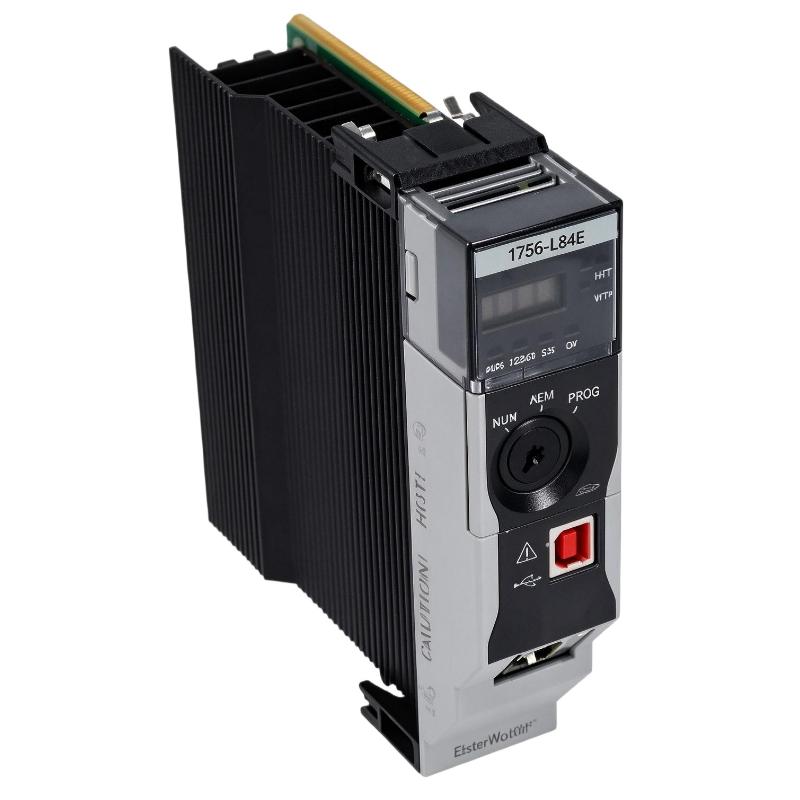
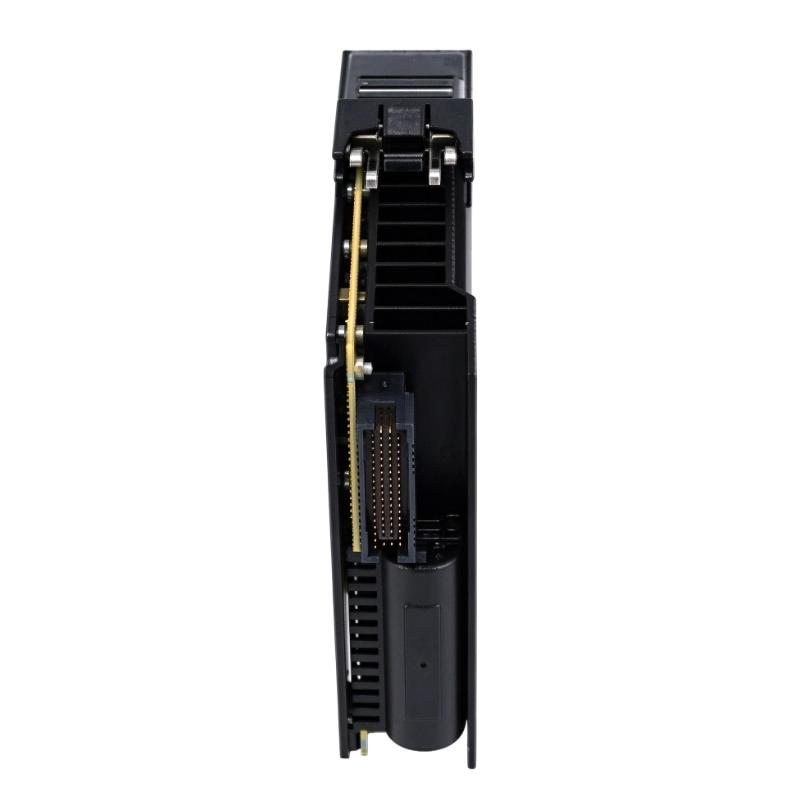
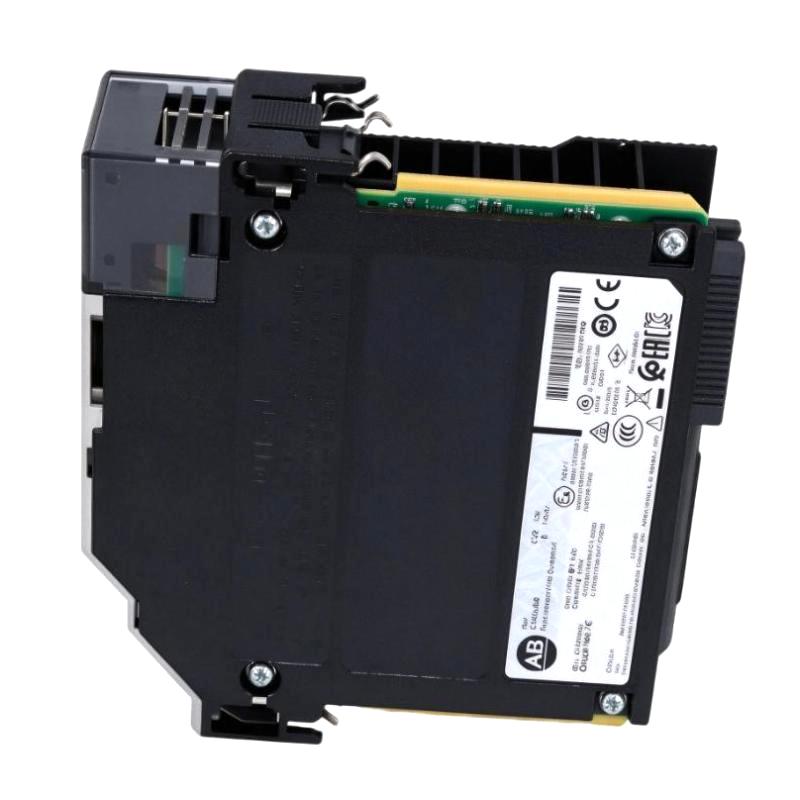
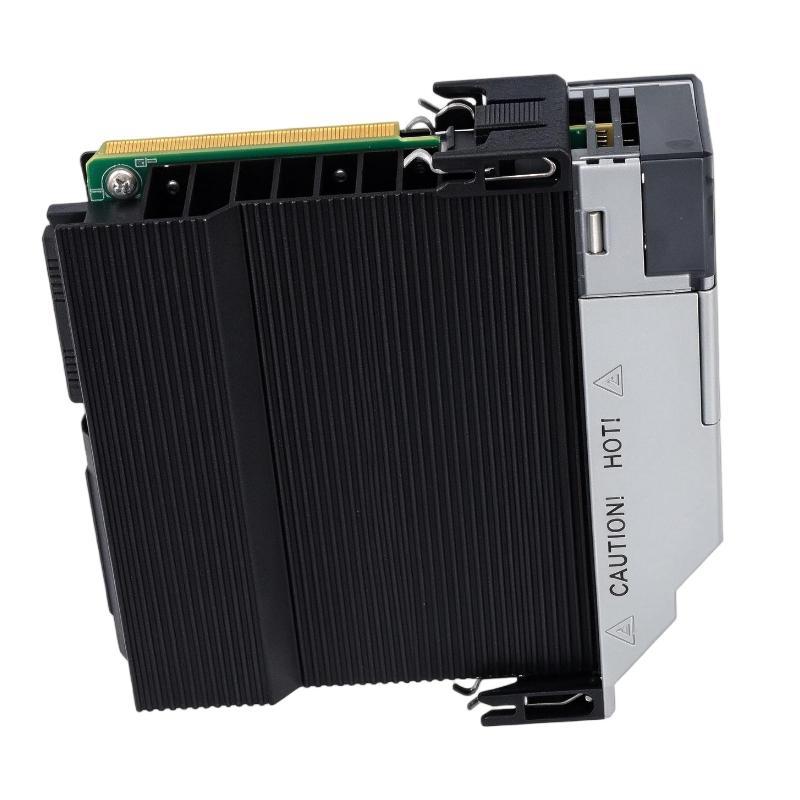
- Allen Bradley
- 1756-L84E
- GuardLogix 5580 Processor
- USA
- 145.2 x 34.6 x 139.6 mm
- 0.394 kg
- Xiamen, China
- New & In Stock
- T/T, PayPal, Western Union
- 1 Year
- 1-3 Working Days
- DHL, UPS, TNT, FedEx and EMS.
- 24-Hour Service
- COO
- 4
Our advantage

Global Logistics
We have a 10-year logistics and express cooperation agreement, so our products can be shipped to any place in the world.

Brand new and original
Our products are imported in bulk from the place of origin. Because of the cooperative relationship, our products are all original and 100% new.

24-hour service
We provide 7*24 hours service to our customers. We will be there whenever you need us.

Price advantage
All our products are priced very favorably because we have our own warehouse and supply.
| Company Information | |||
| [email protected] | |||
| Mobile | +8615980777398 | ||
| +8615980777398 | |||
| 15980777398 |
Product Overview
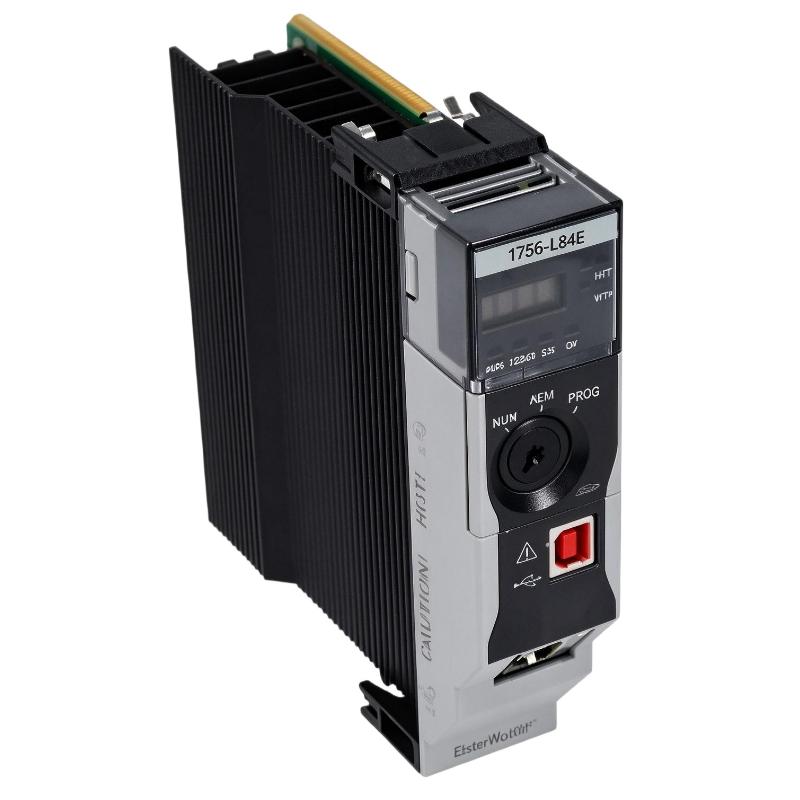
The Allen-Bradley 1756-L84E ControlLogix 5580 Controller is a high-performance programmable automation controller designed for complex industrial control applications. Manufactured by Rockwell Automation, this processor belongs to the ControlLogix 5580 platform and provides the processing capacity, memory, and communication capabilities required for integrated machine and process automation.
As the central processing unit of a ControlLogix system, the 1756-L84E executes user-developed control logic, processes input information, manages output operations, and coordinates communication with other automation devices. It is designed for applications where multiple machines, distributed I/O stations, drives, and industrial networks must operate as part of a coordinated control architecture.
The controller provides 20 MB of user memory, an embedded 1 Gb Ethernet port, and a USB programming port. Its embedded EtherNet/IP interface supports communication with industrial devices, while the USB connection provides a local interface for programming, configuration, and maintenance. A four-character alphanumeric display provides local status and diagnostic information.
The 1756-L84E supports up to 250 EtherNet/IP devices and up to 256 motion axes, subject to the applicable system configuration and performance limitations. It is suitable for demanding applications involving coordinated production lines, machine automation, material handling, and process control.
It is important to distinguish the 1756-L84E from the GuardLogix safety-controller family. The 1756-L84E is a standard ControlLogix 5580 controller and does not provide the integrated safety-controller functionality associated with models such as the 1756-L84ES.
With its modular chassis-based design, the 1756-L84E can be integrated with compatible ControlLogix power supplies, communication modules, digital and analog I/O modules, and other system components. It provides a flexible foundation for industrial automation systems that require centralized processing and distributed control.
Technical Specifications
| Parameter | Specification |
|---|---|
| Brand | Allen-Bradley |
| Manufacturer | Rockwell Automation |
| Model | 1756-L84E |
| Product Series | ControlLogix 5580 |
| Product Type | Programmable Automation Controller / PLC Processor |
| Controller Classification | Standard Controller |
| User Memory | 20 MB |
| Local Programming Port | 1 USB port |
| Embedded Ethernet | 1 Gb EtherNet/IP |
| Supported EtherNet/IP Devices | Up to 250 |
| Motion Axis Support | Up to 256 |
| Display | 4-character alphanumeric display |
| Nonvolatile Memory | Secure Digital (SD) |
| Configuration Software | Studio 5000 Logix Designer |
| Maximum Power Dissipation | 6.2 W |
| Current Draw at 1.2 V DC | 5 mA |
| Current Draw at 5.1 V DC | 1.20 A |
| Operating Temperature | 0 to 60°C |
| Storage Temperature | -40 to 85°C |
| Relative Humidity | Up to 95%, non-condensing |
| Dimensions | 145.2 × 34.6 × 139.6 mm |
| Weight | 0.394 kg |
| Mounting | ControlLogix chassis |
| Lifecycle Status | Active |
Specifications should be checked against the hardware series, firmware revision, and applicable Rockwell Automation documentation before system design or replacement.
Function and Working Principle
The 1756-L84E functions as the central controller in a ControlLogix automation system. It executes programmed instructions, evaluates process conditions, exchanges information with connected devices, and coordinates machine operations.
1. Centralized Logic Processing
The controller executes application programs created with Studio 5000 Logix Designer. These programs contain the instructions that determine how machines and processes respond to input signals, operating conditions, and control commands.
For example, a production line may use the processor to coordinate conveyor motors, pneumatic actuators, sensors, and inspection equipment. The controller evaluates incoming information and updates output commands according to the programmed sequence.
Its 20 MB user memory provides capacity for application logic, data structures, and other controller resources. Actual project capacity depends on program complexity, task configuration, communication requirements, and the resources used by the application.
2. EtherNet/IP Communication
The embedded gigabit Ethernet port allows the 1756-L84E to communicate with compatible EtherNet/IP devices.
EtherNet/IP is widely used in industrial automation for exchanging control and diagnostic information between controllers, remote I/O systems, drives, HMIs, and other network-connected equipment.
Through its network interface, the controller can coordinate distributed equipment and exchange data with other devices without requiring a separate Ethernet communication module for basic embedded-port connectivity.
Network architecture, device configuration, update rates, and traffic loading should be evaluated to maintain reliable communication performance.
3. USB Programming and Maintenance
The integrated USB port provides a local connection for programming, configuration, firmware updates, and online maintenance operations.
Engineers can use a compatible computer and Studio 5000 Logix Designer to access the controller, download application programs, monitor variables, and troubleshoot control logic.
The USB port is intended for programming and maintenance functions rather than serving as a general industrial field network.
4. Motion Control Coordination
The ControlLogix 5580 platform supports integrated motion-control applications. The 1756-L84E can coordinate supported motion axes through compatible motion devices and network configurations.
Typical applications include synchronized conveyors, packaging machinery, automated assembly equipment, and material-handling systems.
Motion performance depends on the selected drives, motion configuration, network design, application update rates, and controller resource allocation.
5. Diagnostics and Operating Status
The four-character alphanumeric display provides local status and diagnostic information. This helps technicians identify operating conditions and investigate certain controller faults without relying exclusively on a connected programming computer.
The controller also supports diagnostic and monitoring functions through its engineering software and connected automation system.
Role in Industrial Control Systems
The 1756-L84E is designed to serve as the main processing component of a ControlLogix 5580 system. It coordinates control operations across multiple equipment groups and provides communication between local and distributed automation devices.
PLC-Based Machine Control
In a machine-control application, the controller receives information from sensors and connected I/O modules. It processes the signals according to the application logic and updates outputs to operate motors, valves, relays, and other devices.
This architecture allows engineers to manage complex sequences using a centralized controller while distributing field connections throughout the installation.
Distributed I/O Management
Industrial systems often place I/O modules close to the equipment they control. The 1756-L84E can communicate with compatible remote I/O arrangements through EtherNet/IP and supported ControlLogix communication hardware.
Distributed I/O can reduce the amount of field wiring returning to a central control cabinet and provide flexibility when expanding an existing production line.
HMI and Supervisory Integration
An HMI or supervisory system can exchange process data with the controller to display machine status, operating values, alarms, and production information.
Operators can use these interfaces to monitor equipment and issue authorized commands. The controller remains responsible for executing the programmed control logic and managing the connected equipment.
Drive and Motion System Coordination
The controller can coordinate compatible variable-frequency drives and motion-control devices through supported network and control arrangements.
This is useful in applications where multiple motors must operate according to a common production sequence or where machine speed and position need to be synchronized.
Industrial Applications
The ControlLogix 5580 platform is suitable for a broad range of industrial automation applications. The 1756-L84E’s processing capacity and integrated Ethernet connectivity make it relevant to systems that require coordinated control across multiple devices.
1. Manufacturing Production Lines
Manufacturing lines often involve multiple processing stations, conveyors, sensors, and machine-control units. The 1756-L84E can coordinate these devices through programmed logic and industrial communication networks.
It can manage production sequences, monitor equipment status, and coordinate machine operations to support consistent production flow.
2. Packaging and Assembly Equipment
Packaging and assembly systems frequently require synchronized operation of motors, actuators, inspection equipment, and material-feeding mechanisms.
The controller can execute the logic needed to coordinate these operations and exchange information with compatible drives and distributed I/O devices.
3. Material Handling Systems
Conveyor networks, transfer equipment, sorting machines, and automated material-handling installations may use a centralized controller to coordinate multiple operating zones.
The 1756-L84E can manage equipment sequences, monitor sensor information, and communicate with network-connected control devices.
4. Process Automation
Industrial process facilities use PLCs to monitor equipment conditions and coordinate valves, pumps, motors, and instrumentation.
The ControlLogix 5580 architecture can support integrated control strategies where multiple process areas exchange operating information through a common automation network.
5. Motion-Control Applications
The controller can be used in applications that require coordinated motion across compatible axes and drives. Examples include automated assembly, packaging, cutting, and machine-tool systems.
Engineers should verify axis requirements, supported drive configurations, network update rates, and application performance before selecting the controller.
6. Large-Scale Equipment Integration
The 1756-L84E can form part of a broader automation architecture that combines local machine control, remote I/O, HMI systems, and supervisory communication.
Its embedded gigabit Ethernet interface supports integration with compatible EtherNet/IP devices, helping reduce the need for additional communication hardware in suitable configurations.
Installation and System Integration
Correct installation and configuration are important for reliable controller operation. The 1756-L84E is designed for installation in a compatible ControlLogix chassis rather than as a standalone panel-mounted PLC.
1. Chassis Installation
Before installation, confirm that the selected ControlLogix chassis supports the 1756-L84E. The controller occupies one chassis slot and should be installed according to the manufacturer’s mounting and handling instructions.
Check the chassis condition, backplane compatibility, available slots, and power-supply capacity before installing the processor.
2. Power Supply Selection
The controller receives its operating power through the ControlLogix chassis backplane. A compatible chassis power supply must provide sufficient capacity for the complete installed module configuration.
When designing or expanding a system, calculate the current requirements of all installed modules rather than considering the controller alone.
3. Ethernet Network Connection
Connect the embedded Ethernet port to the appropriate industrial network using suitable Ethernet cabling and network infrastructure.
Network configuration should include IP addressing, subnet settings, device identification, and appropriate network segmentation. For larger installations, engineers should evaluate switch capacity, network topology, traffic loading, and communication update requirements.
4. USB Programming Connection
The USB port can be used for local programming and maintenance. Ensure that the connected computer has a compatible version of Studio 5000 Logix Designer and the required controller firmware support.
Before downloading a program, verify the controller model, firmware revision, project compatibility, and operating state of the controlled equipment.
5. Program Development and Configuration
Application logic is developed and maintained using Studio 5000 Logix Designer. Engineers configure controller tasks, programs, routines, tags, I/O connections, and communication settings according to the system requirements.
For an existing installation, upload or obtain the correct project backup before modifying controller configuration. Changes should be reviewed and tested before being applied to production equipment.
6. Commissioning and Functional Testing
After installation, verify the controller’s status indicators and local display. Confirm that the chassis power supply, Ethernet connection, I/O modules, and connected devices are operating correctly.
Test the application logic under controlled conditions. Verify input signals, output responses, communication paths, alarms, interlocks, and machine sequences before returning the equipment to normal production.
Compatible System Components
The 1756-L84E is designed to operate as part of a modular ControlLogix system. The following components represent common equipment used in compatible system architectures.
| Component | Function | Integration Considerations |
|---|---|---|
| 1756 ControlLogix Chassis | Provides module mounting and backplane communication | Select a compatible chassis with sufficient available slots |
| 1756 Power Supply | Supplies power to the chassis backplane | Calculate total module current requirements |
| 1756 Digital Input Modules | Collects signals from field switches and sensors | Verify voltage, channel count, and wiring requirements |
| 1756 Digital Output Modules | Controls field devices such as relays and actuators | Confirm output type, voltage, and load capacity |
| 1756 Analog Input Modules | Acquires analog process signals | Check signal type, range, and resolution |
| 1756 Analog Output Modules | Provides analog control signals | Confirm connected equipment requirements |
| 1756-EN2T / 1756-EN3TR | Provides additional EtherNet/IP communication capabilities | Select according to network architecture and application requirements |
| EtherNet/IP Switch | Connects networked controllers and field devices | Use suitable industrial network equipment |
| HMI Panel | Displays operating information and accepts operator commands | Configure communication and tag access |
| Variable Frequency Drive | Controls compatible AC motor operation | Verify drive ratings, network interface, and control strategy |
| Motion Control Equipment | Supports coordinated motor and axis control | Confirm controller, drive, and motion-application compatibility |
Component selection should be based on the complete system design. Not every listed component is required in every ControlLogix installation.
Alternative Models and Replacement Considerations
The 1756-L84E belongs to the standard ControlLogix 5580 controller family. When selecting an alternative, compare memory capacity, communication requirements, motion requirements, firmware compatibility, and the existing application architecture.
| Model | Product Type | Key Difference |
|---|---|---|
| 1756-L81E | ControlLogix 5580 Controller | 3 MB user memory |
| 1756-L82E | ControlLogix 5580 Controller | 5 MB user memory |
| 1756-L83E | ControlLogix 5580 Controller | 10 MB user memory |
| 1756-L84E | ControlLogix 5580 Controller | 20 MB user memory |
| 1756-L85E | ControlLogix 5580 Controller | 40 MB user memory |
| 1756-L84ES | GuardLogix 5580 Safety Controller | Safety-controller functionality with standard and safety memory |
The 1756-L84ES is not simply an interchangeable version of the 1756-L84E. It belongs to the GuardLogix safety-controller family and requires an appropriate safety-system design.
Before replacing a controller, review:
- Controller catalog number and hardware series.
- User memory and application size.
- Firmware revision and Studio 5000 compatibility.
- Chassis and power-supply compatibility.
- EtherNet/IP device count and network configuration.
- Motion-axis requirements.
- I/O module configuration and connection paths.
- HMI and supervisory communication settings.
- Program backup and controller configuration.
- Safety requirements, where applicable.
A controller with a larger memory capacity is not automatically a direct replacement. Changes to firmware, communication configuration, project settings, or connected devices may require engineering and commissioning work.
Key Advantages
20 MB User Memory
The controller provides 20 MB of user memory for application logic and data. This capacity supports complex automation projects involving multiple programs, equipment groups, and process functions.
Embedded Gigabit Ethernet
The integrated 1 Gb EtherNet/IP port supports communication with compatible industrial network devices without requiring a separate Ethernet module for basic embedded-port connectivity.
USB Programming Interface
The USB port provides a convenient local connection for programming, configuration, and maintenance operations.
Integrated Motion Support
The ControlLogix 5580 platform supports motion-control applications with compatible drives and network configurations, making it suitable for coordinated machinery.
Local Diagnostic Display
The four-character alphanumeric display provides local operating and diagnostic information, helping maintenance personnel identify controller status.
Modular ControlLogix Architecture
The controller works within a modular chassis system that can accommodate compatible I/O, power, and communication modules.
Active Product Lifecycle
The 1756-L84E is listed by Rockwell Automation as an active product. This is relevant for system maintenance, engineering planning, and spare-parts sourcing.
Technical FAQs
1. What is the Allen-Bradley 1756-L84E?
The 1756-L84E is a ControlLogix 5580 programmable automation controller manufactured by Rockwell Automation. It acts as the central processor in a compatible ControlLogix chassis-based automation system.
2. Is the 1756-L84E a GuardLogix safety controller?
No. The 1756-L84E is a standard ControlLogix 5580 controller. The GuardLogix safety-controller equivalent is a different catalog number, such as the 1756-L84ES. The two models should not be treated as interchangeable.
3. How much memory does the 1756-L84E provide?
It provides 20 MB of user memory. Actual application capacity depends on program structure, controller configuration, and the resources used by the project.
4. What communication ports are available?
The controller includes one USB programming port and one embedded gigabit Ethernet port supporting EtherNet/IP communication.
5. How many EtherNet/IP devices can it support?
The controller supports up to 250 EtherNet/IP devices according to the published product specifications. Actual network performance depends on the communication architecture and system loading.
6. What software is used to program the controller?
The 1756-L84E is programmed and configured using Studio 5000 Logix Designer. The required software version must be compatible with the controller firmware.
7. Can the 1756-L84E control motion equipment?
Yes. The ControlLogix 5580 platform supports integrated motion applications and up to 256 motion axes, subject to the selected hardware, network configuration, and application requirements.
8. Does the controller require a separate power supply?
It receives power through the ControlLogix chassis backplane. A compatible chassis power supply is required to operate the complete system.
9. What is the difference between the 1756-L84E and 1756-L84ES?
The 1756-L84E is a standard ControlLogix controller with 20 MB user memory. The 1756-L84ES is a GuardLogix safety controller with 20 MB standard memory and 6 MB safety memory. The correct model depends on whether the application requires certified safety-control functionality.
10. What should be checked before purchasing a replacement?
Verify the full catalog number, hardware series, firmware revision, physical condition, and compatibility with the existing chassis and application. Also confirm whether the controller has the correct project backup and whether the installed system requires standard or safety-control functionality.
Procurement and Maintenance Recommendations
When purchasing the Allen-Bradley 1756-L84E, confirm the complete catalog number and ensure that it matches the controller required by the existing ControlLogix system. Do not rely solely on descriptions such as ControlLogix 5580 or GuardLogix 5580, because these product families include different controller types.
For new or surplus units, check the product label, hardware series, physical condition, and available test information. Confirm the controller’s firmware revision and whether it can be configured using the software version available at the installation site.
Before replacing an existing processor, secure a verified application backup and document the controller’s network settings, I/O configuration, and connected device relationships. A replacement controller may require firmware management, project downloads, and communication reconfiguration.
During routine maintenance, inspect the controller and chassis for contamination, loose connections, and signs of overheating. Maintain suitable cabinet ventilation and ensure that the chassis power supply operates within its rated capacity.
For critical automation systems, maintain spare-part records that include catalog numbers, series information, firmware versions, and configuration backups. These records can reduce troubleshooting time and help maintenance teams restore production equipment more efficiently.
Conclusion
The Allen-Bradley 1756-L84E ControlLogix 5580 Controller is a high-performance industrial PLC processor with 20 MB of user memory, embedded gigabit EtherNet/IP communication, a USB programming port, and support for integrated motion applications.
Designed for modular ControlLogix chassis installations, it can coordinate distributed I/O, drives, HMIs, and other automation equipment in manufacturing and process-control environments.
For procurement and replacement projects, the distinction between the standard 1756-L84E and the GuardLogix 1756-L84ES is particularly important. Correct model identification, firmware compatibility, and system configuration checks help ensure reliable integration and long-term operation.