

ProductPRODUCT
Featured products
Contact Us
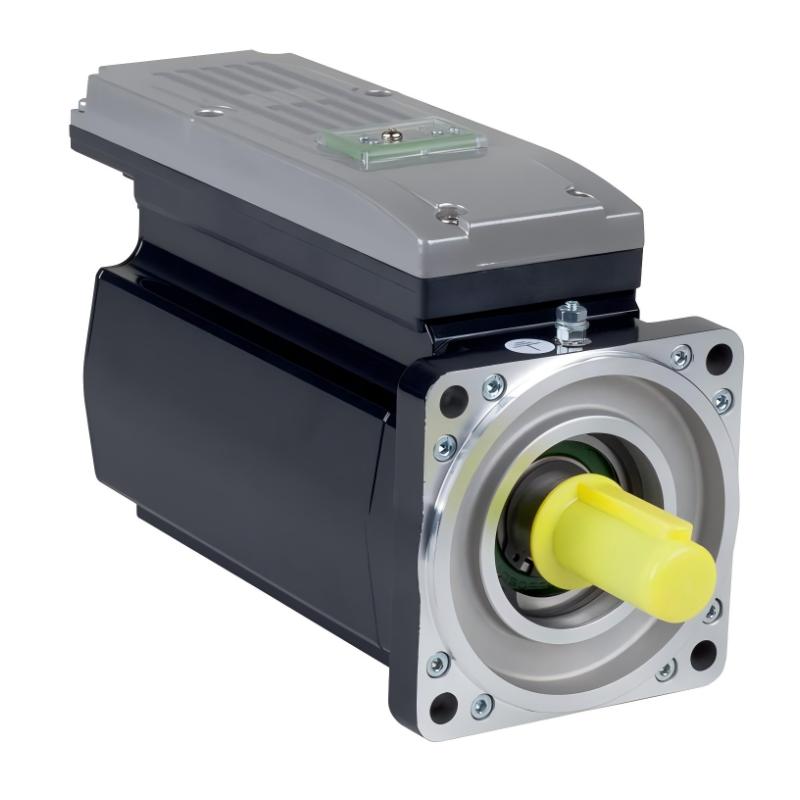
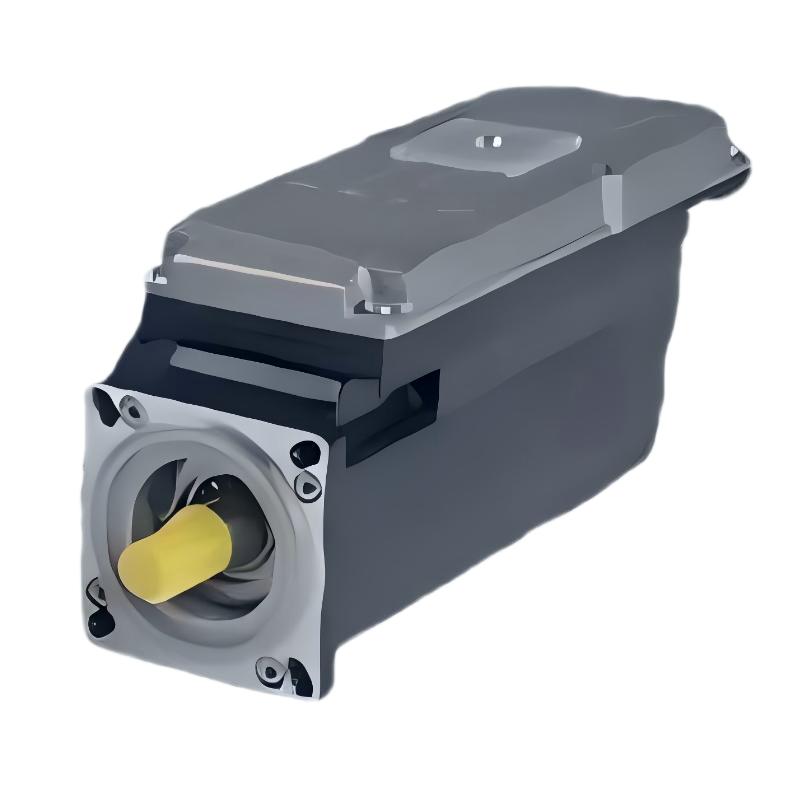
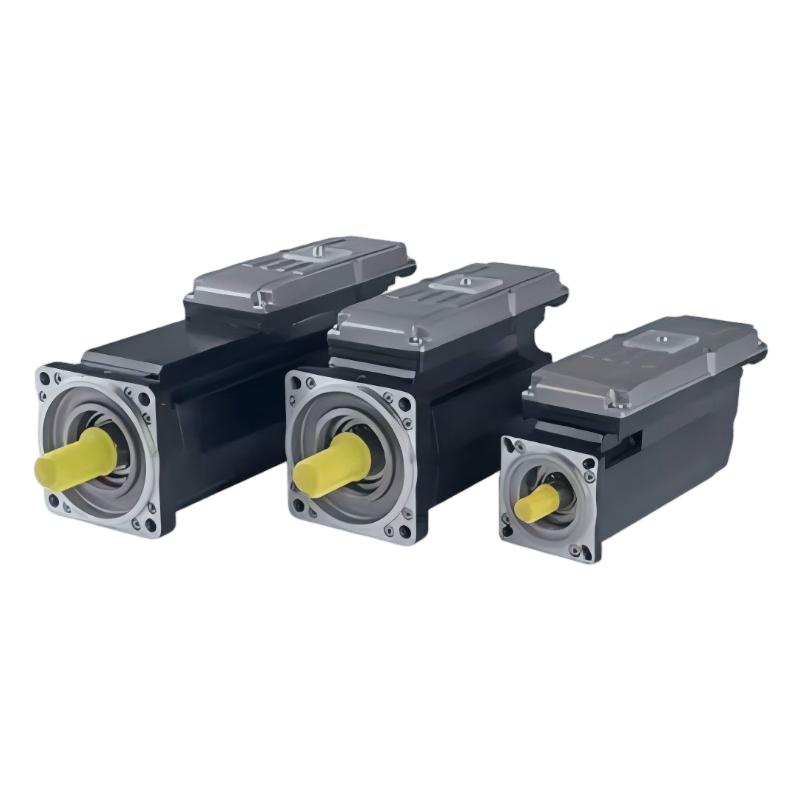
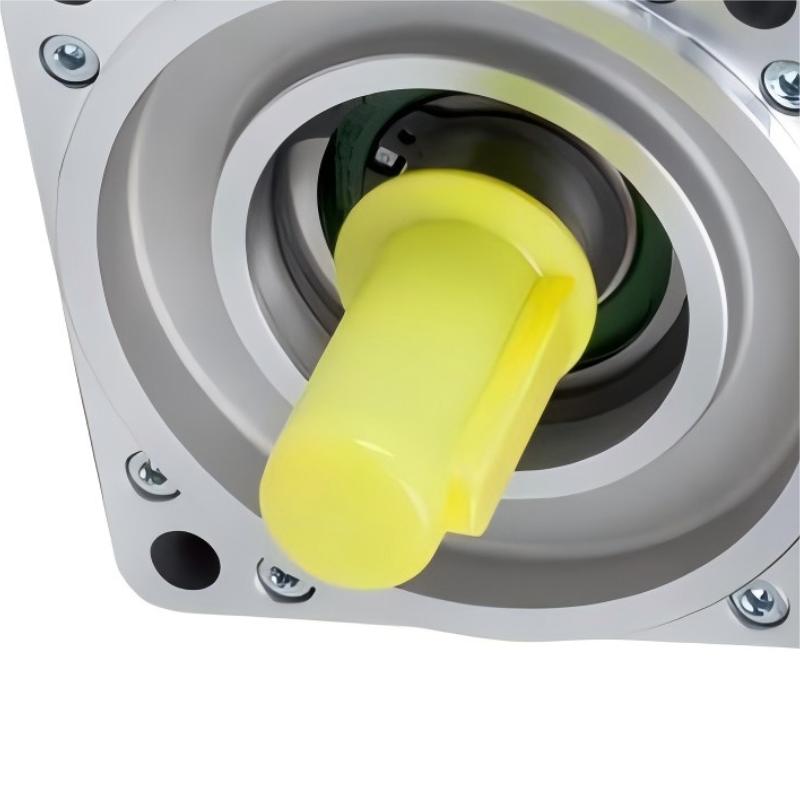
- Schneider
- VIA0701D12F0000
- Servo Motor
- France
- 430 mm
- 10.2 kg
- Xiamen, China
- New & In Stock
- T/T, PayPal, Western Union
- 1 Year
- 1-3 Working Days
- DHL, UPS, TNT, FedEx and EMS.
- 24-Hour Service
- COO
- 7
Our advantage

Global Logistics
We have a 10-year logistics and express cooperation agreement, so our products can be shipped to any place in the world.

Brand new and original
Our products are imported in bulk from the place of origin. Because of the cooperative relationship, our products are all original and 100% new.

24-hour service
We provide 7*24 hours service to our customers. We will be there whenever you need us.

Price advantage
All our products are priced very favorably because we have our own warehouse and supply.
| Company Information | |||
| [email protected] | |||
| Mobile | +8615980777398 | ||
| +8615980777398 | |||
| 15980777398 |
Product Overview
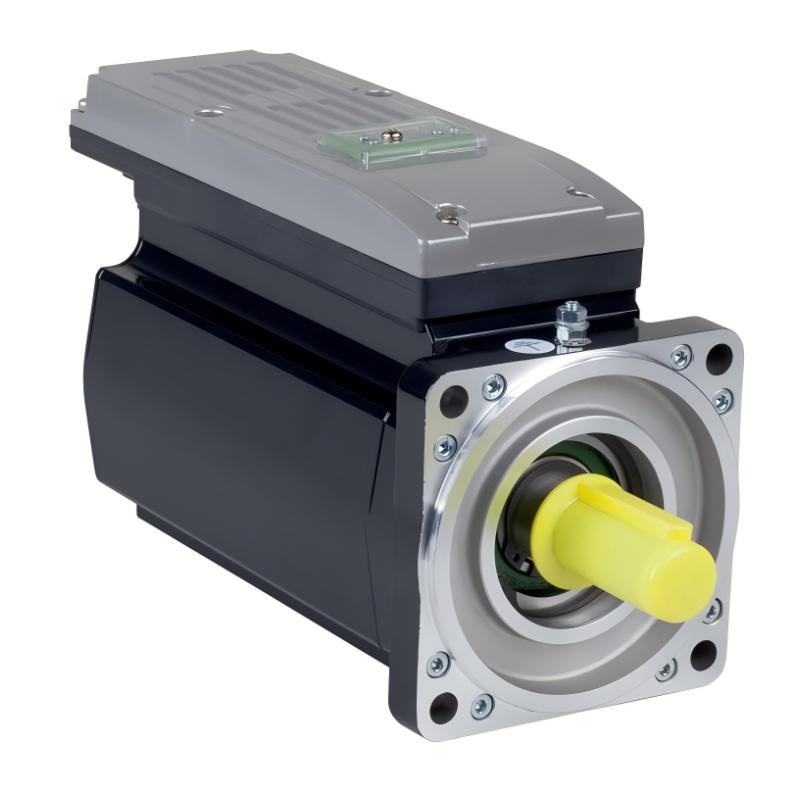
The Schneider Electric VIA0701D12F0000 Servo Motor is an industrial motion-control component identified within the Schneider Electric ELAU VIA product family. Servo motors are designed to convert electrical energy into controlled mechanical motion, supporting applications that require accurate speed regulation, torque control, and coordinated movement.
In automated production systems, servo motors are commonly used with dedicated servo drives and motion controllers. The control system processes motion commands and feedback signals to regulate motor operation according to the requirements of the machine. This arrangement is important in equipment where movement must be repeatable and synchronized with other production processes.
The VIA0701D12F0000 catalog number should be checked carefully before procurement or replacement. The VIA product family includes different motor configurations, and variations in the complete part number can indicate differences in electrical characteristics, feedback devices, connectors, braking arrangements, and other options.
The product is listed as a Schneider Electric servo motor. Its supplied physical information is a length of 430 mm and a weight of 10.2 kg. These values are useful for preliminary inventory and logistics records, but the actual mechanical drawing and nameplate should be checked before installation.
For industrial maintenance teams, identifying the exact motor configuration is essential. A servo motor with a similar frame size or appearance may not provide the same torque, speed, feedback, or electrical interface.
Technical Specifications
| Parameter | Specification |
|---|---|
| Brand | Schneider Electric |
| Product Family | VIA / ELAU |
| Model | VIA0701D12F0000 |
| Product Type | Servo Motor |
| Application | Industrial motion control |
| Motor Technology | Servo motor |
| Product Identification | VIA series |
| Length Provided | 430 mm |
| Weight Provided | 10.2 kg |
| Exact Rated Voltage | Verify from motor nameplate |
| Rated Current | Verify from motor nameplate |
| Continuous Torque | Verify from motor nameplate or product documentation |
| Peak Torque | Verify from motor nameplate or product documentation |
| Rated Speed | Verify from motor nameplate or product documentation |
| Encoder Configuration | Verify from exact model documentation |
| Holding Brake | Verify from exact model documentation |
| Connector Configuration | Verify before installation |
Important: Complete electrical and performance specifications for the exact VIA0701D12F0000 suffix have not been independently confirmed. Do not substitute specifications from VIA0701D12A0000 or other related variants.
Function and Working Principle
A servo motor operates as part of a closed-loop or application-specific motion-control system. Its purpose is to produce controlled mechanical movement according to commands from a servo drive or motion controller.
1. Electrical Energy Conversion
The servo motor receives electrical power from its compatible drive system. The motor converts this electrical input into rotational movement through electromagnetic interaction between its internal components.
The resulting mechanical output drives connected equipment such as shafts, belts, gears, positioning mechanisms, or other machine assemblies.
The voltage, current, and control requirements depend on the exact motor configuration and must be matched to the corresponding drive.
2. Speed Regulation
Servo systems can regulate motor speed according to a programmed reference. The motion controller determines the required operating speed, while the servo drive controls the electrical output supplied to the motor.
This capability is useful in automated equipment that needs different operating speeds during production, acceleration, positioning, or return movements.
3. Torque Control
Torque is the rotational force generated by the motor. In industrial machinery, sufficient torque is necessary to accelerate loads, overcome mechanical resistance, and maintain movement under changing operating conditions.
A properly matched servo drive manages motor current to produce the required torque. Engineers should distinguish between continuous torque and peak torque when selecting a motor for a particular machine.
4. Position Feedback
Many servo motors use an encoder or another feedback device to report rotor position and movement information to the drive.
The control system can use this feedback to compare commanded movement with actual motor behavior. This supports accurate positioning and repeatable motion when the motor and drive are configured correctly.
The specific feedback device fitted to the VIA0701D12F0000 must be confirmed from its exact documentation or nameplate.
5. Coordinated Motion
In automated production equipment, multiple servo axes may operate together. A motion controller coordinates their speed, position, and movement sequence to achieve the required machine operation.
This is particularly important in packaging, assembly, material handling, and other applications where several mechanical operations must remain synchronized.
Role in Industrial Automation Systems
The VIA0701D12F0000 can be considered as a motor component within a larger industrial motion-control architecture. Its integration depends on the compatible drive, feedback configuration, wiring, and controller.
Servo Drive Integration
A servo drive supplies controlled electrical power to the motor. It receives commands from the motion controller and regulates motor operation according to the configured control mode.
Before connecting the motor, engineers must verify the drive’s supported motor type, voltage range, current capacity, feedback interface, and connector arrangement.
A drive should never be selected solely because its brand or product family is similar.
PLC and Motion Controller Coordination
A PLC or dedicated motion controller can coordinate servo operation with sensors, actuators, and other automation equipment.
Typical commands include position references, speed references, motion enable signals, and operating sequences. The controller may also monitor drive status and fault information.
The exact communication and control architecture depends on the installed automation platform.
Feedback and Position Monitoring
Where the motor includes an encoder or other feedback device, its signals are used by the compatible drive to monitor motor movement.
Feedback compatibility is particularly important during replacement. Different encoder types, connector pin assignments, and feedback protocols may prevent an otherwise similar motor from operating correctly with the existing drive.
Mechanical Integration
The motor’s shaft, mounting flange, overall length, and mechanical coupling must match the driven equipment.
Incorrect mechanical alignment can introduce vibration, bearing loads, coupling wear, and positioning errors. The motor should be installed according to the manufacturer’s mechanical specifications.
Industrial Applications
Servo motors are widely used in automated equipment requiring controlled mechanical movement. The suitability of the VIA0701D12F0000 for a particular application must be determined from its verified torque, speed, voltage, and feedback specifications.
1. Packaging Machinery
Packaging machines use servo motors for product feeding, film movement, sealing mechanisms, cutting, and synchronized positioning.
Servo control can help coordinate these operations with production speed and product dimensions. Accurate motor configuration is essential for maintaining repeatable machine cycles.
2. Automated Assembly Equipment
Assembly systems may use servo-driven mechanisms to move components into defined positions. Controlled motion supports repeatable movement and coordination between assembly stations.
The motor must provide sufficient torque and speed for the mechanical load and required cycle time.
3. Material Handling Systems
Servo motors can drive positioning mechanisms, transfer units, and automated handling equipment.
In these applications, speed and acceleration must be coordinated with the weight and movement characteristics of the load. Mechanical alignment and appropriate drive tuning are important for stable operation.
4. Printing and Converting Machinery
Printing and converting equipment may require coordinated motor movement to maintain material tension, feed speed, and registration accuracy.
Servo systems can provide controlled movement for rollers, feeding mechanisms, and other machine axes.
5. Industrial Production Lines
Automated production lines often use servo motors to operate individual machine stations. Their movement can be coordinated through PLC and motion-control systems to support continuous production.
The exact motor configuration must be matched to the application’s load, speed, accuracy, and environmental requirements.
Installation and System Integration
Correct installation is essential for reliable servo operation and protection of connected equipment.
1. Verify the Exact Motor Model
Before installation, check the complete catalog number on the motor nameplate. Confirm that it is VIA0701D12F0000 and not a related model with a different suffix.
Also verify the electrical ratings, feedback type, connector configuration, brake arrangement, and compatible drive.
2. Confirm Mechanical Dimensions
The supplied motor length is 430 mm. Check this value against the manufacturer’s mechanical drawing before designing the mounting arrangement.
Confirm the flange dimensions, shaft diameter, shaft length, mounting-hole positions, and coupling requirements. Overall length alone is not sufficient to establish mechanical compatibility.
3. Check Electrical Compatibility
The motor must be connected to a compatible servo drive. Verify the motor’s rated voltage, current, continuous torque, peak torque, and operating speed.
Do not energize the motor using unverified electrical parameters. Incorrect drive configuration can cause faults or damage to the motor and connected equipment.
4. Verify Feedback Connections
If the motor includes an encoder or another feedback device, confirm that the drive supports the exact feedback type.
Check connector pin assignments, cable type, shielding, and grounding. Feedback wiring should be installed according to the manufacturer’s requirements and separated from high-power wiring where necessary.
5. Inspect Mechanical Coupling
Check the motor shaft and coupling for wear, contamination, or damage. Align the motor carefully with the driven mechanism to reduce vibration and unnecessary bearing loads.
The mechanical load should remain within the motor’s verified torque and speed limits.
6. Commission the Motion System
After installation, verify the drive parameters, feedback signals, motor direction, and control commands.
Begin testing under controlled conditions. Check acceleration, deceleration, operating speed, positioning behavior, and fault responses before returning the machine to normal production.
Record the final configuration to support future maintenance and replacement.
Compatible System Components
The motor requires compatible electrical, feedback, mechanical, and control components. The following table describes typical system elements rather than confirming specific accessories supplied with this model.
| Component | Function | Compatibility Considerations |
|---|---|---|
| Compatible servo drive | Supplies controlled electrical power to the motor | Verify exact motor model, voltage, current, and feedback support |
| PLC | Coordinates machine sequences and operating commands | Confirm controller capabilities and the motion-control architecture |
| Motion controller | Generates coordinated movement commands | Verify supported motion functions and interfaces |
| Encoder or feedback device | Reports motor position and movement | Confirm the exact feedback type and electrical interface |
| Motor power cable | Connects the servo drive to the motor | Verify connector type, current rating, shielding, and cable length |
| Feedback cable | Transfers feedback signals to the drive | Match the encoder and drive interfaces |
| Mechanical coupling | Transfers motor torque to the machine | Confirm shaft dimensions and alignment |
| Motor mounting assembly | Secures the motor to the machine | Match the flange and mounting-hole arrangement |
| Control cabinet | Houses the drive and related control equipment | Provide appropriate cooling and electrical protection |
Alternative Models and Replacement Considerations
Selecting an alternative for the VIA0701D12F0000 requires more than comparing the motor’s physical size or product family.
Related VIA models may have different electrical ratings, feedback systems, connectors, and braking options. A model with a similar designation should not be considered interchangeable without a technical comparison.
| Replacement Category | Evaluation Requirements |
|---|---|
| Same model, VIA0701D12F0000 | Preferred starting point for like-for-like replacement; verify condition and nameplate |
| Related VIA0701 variants | Compare the complete suffix and all electrical and mechanical characteristics |
| Other ELAU servo motors | Confirm drive compatibility, feedback, torque, speed, and mounting |
| Schneider Electric PacDrive servo motors | Check the control platform, motor-drive pairing, and feedback interface |
| Current Schneider Electric servo solutions | May require system redesign, parameter changes, and commissioning |
Before approving a replacement, compare:
- Complete motor catalog number.
- Rated and peak voltage requirements.
- Rated current and continuous torque.
- Peak torque and maximum speed.
- Encoder type and feedback interface.
- Holding-brake configuration.
- Shaft and flange dimensions.
- Connector type and cable arrangement.
- Overall length and mounting requirements.
- Compatible servo drive and motion controller.
A replacement motor may require a different drive, feedback cable, parameter configuration, or mechanical adapter. Always complete a compatibility review before installation.
Key Advantages
Precise Motion-Control Capability
Servo motors are designed for controlled speed, torque, and positioning when used with compatible drives and controllers.
Integration into Automated Machinery
The motor can form part of a broader automation system involving PLCs, motion controllers, feedback devices, and mechanical assemblies.
Support for Coordinated Motion
Servo technology allows machine axes to operate according to programmed movement sequences, supporting applications that require synchronized motion.
Industrial Equipment Compatibility
The VIA product family is associated with industrial automation and motion-control applications. Correct model identification helps maintenance teams evaluate suitable replacement components.
Maintenance and Spare-Part Identification
The complete catalog number provides an important reference for procurement, inventory management, and maintenance planning.
Technical FAQs
1. What is the Schneider Electric VIA0701D12F0000?
It is listed as a Schneider Electric ELAU VIA series servo motor for industrial motion-control applications. Its exact electrical configuration should be confirmed using the product nameplate and model-specific documentation.
2. What is the length of this motor?
The supplied product information gives a length of 430 mm. Verify the mechanical drawing before using this value for machine design or replacement planning.
3. What is the weight of the VIA0701D12F0000?
The supplied weight is 10.2 kg. Confirm whether this represents the motor alone or the packaged shipping weight.
4. Can this motor work with a Schneider Electric servo drive?
It may be suitable for a compatible Schneider Electric or ELAU drive, but compatibility must be confirmed from the exact motor and drive documentation. Voltage, current, feedback, and connector requirements are particularly important.
5. Does the motor include an encoder?
The encoder configuration for the exact VIA0701D12F0000 suffix has not been confirmed. Check the motor nameplate, connector details, or model-specific documentation.
6. Does it have a holding brake?
The holding-brake configuration must be verified for this exact catalog number. Do not assume that related VIA models have the same brake arrangement.
7. Can it replace another VIA0701 motor?
Not automatically. Different suffixes may identify different electrical or mechanical configurations. Compare all relevant specifications before substitution.
8. What should be checked before purchasing?
Confirm the complete catalog number, nameplate information, physical condition, connector condition, shaft condition, and available test results. For used equipment, request clear photographs and confirm the supplier’s warranty and return terms.
9. Why is exact model verification important?
Servo motors depend on matching electrical, feedback, and mechanical characteristics. A motor that looks similar may not operate correctly with the existing drive or machine.
10. Is the VIA0701D12F0000 suitable for a replacement project?
It may be suitable when its verified specifications match the original motor and the installed servo system. Check the motor, drive, feedback cables, mounting arrangement, and application requirements before approving the replacement.
Procurement and Maintenance Recommendations
When sourcing the Schneider Electric VIA0701D12F0000, begin by verifying the complete catalog number on the motor nameplate. Confirm the model suffix, electrical ratings, feedback configuration, brake arrangement, and connector details.
For used or surplus equipment, request photographs of the nameplate, motor housing, shaft, mounting flange, and connectors. Where possible, obtain information about the motor’s operating history and functional test results.
During maintenance, inspect the motor housing, shaft, mounting hardware, cables, connectors, and mechanical coupling. Check for signs of overheating, contamination, vibration, or physical damage. Follow the manufacturer’s service instructions for any internal inspection or repair.
Keep the motor’s configuration records with the associated servo drive and machine documentation. This information can reduce replacement errors and simplify troubleshooting.
For critical applications, confirm the exact motor-drive combination before placing an order. A correct match is necessary for reliable operation and safe commissioning.
Conclusion
The Schneider Electric VIA0701D12F0000 Servo Motor is identified as an ELAU VIA family motor intended for industrial motion-control applications. Its supplied physical information is a length of 430 mm and a weight of 10.2 kg.
For procurement and replacement, the complete catalog number must be checked carefully. Electrical ratings, encoder configuration, braking options, connectors, and mechanical dimensions should all be confirmed against the exact product documentation. Matching these details with the installed servo drive and machine requirements is essential for reliable integration and long-term maintenance.