

ProductPRODUCT
Featured products
Contact Us
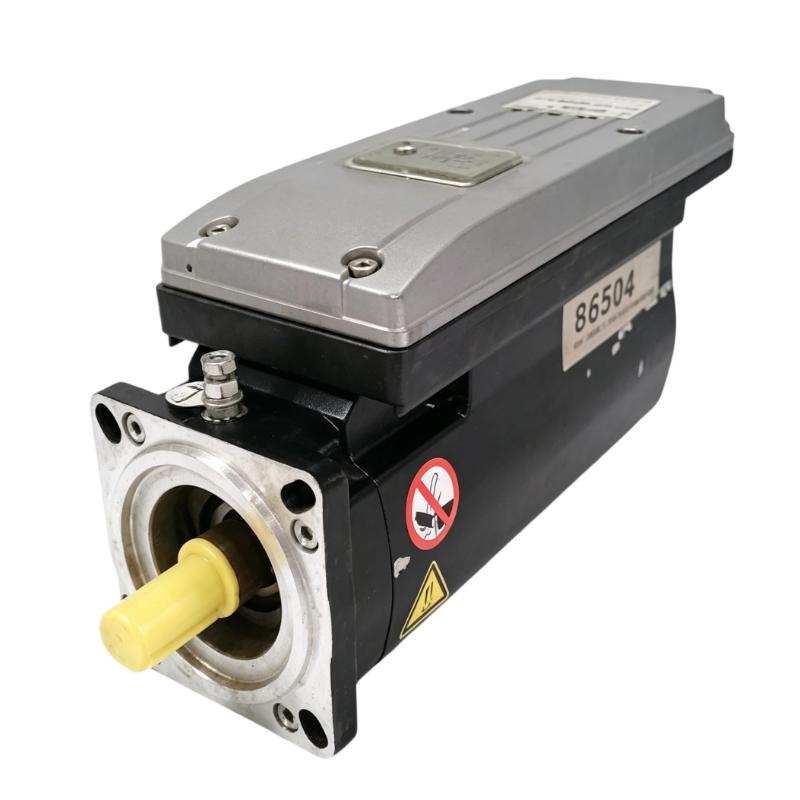
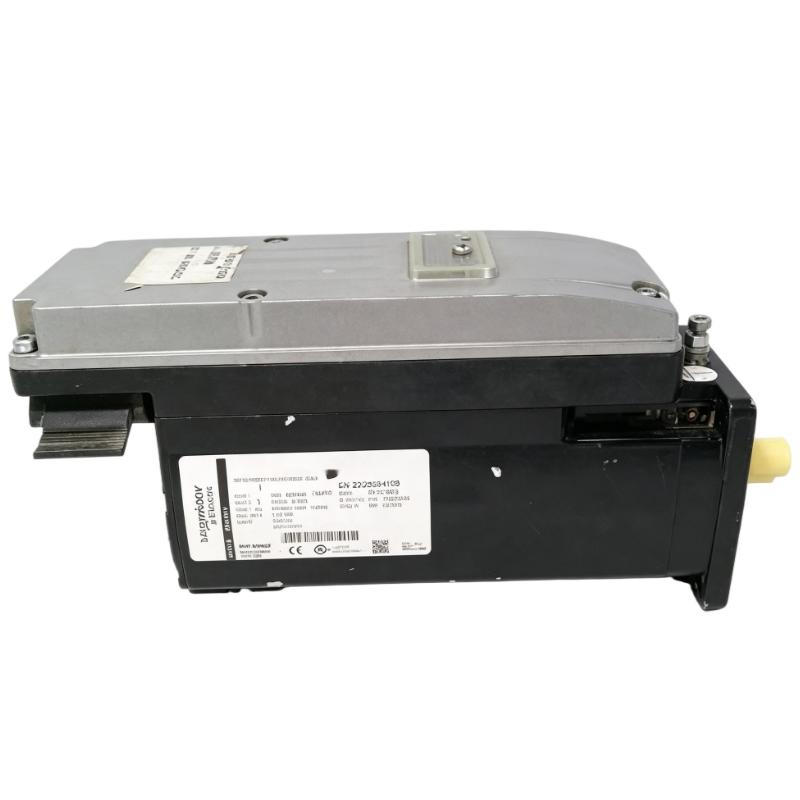
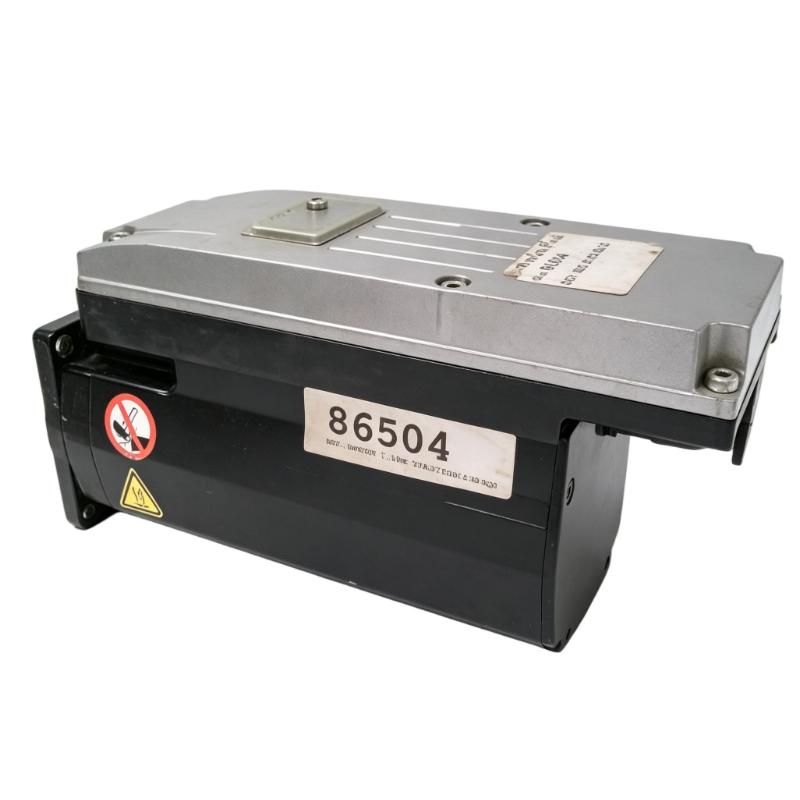
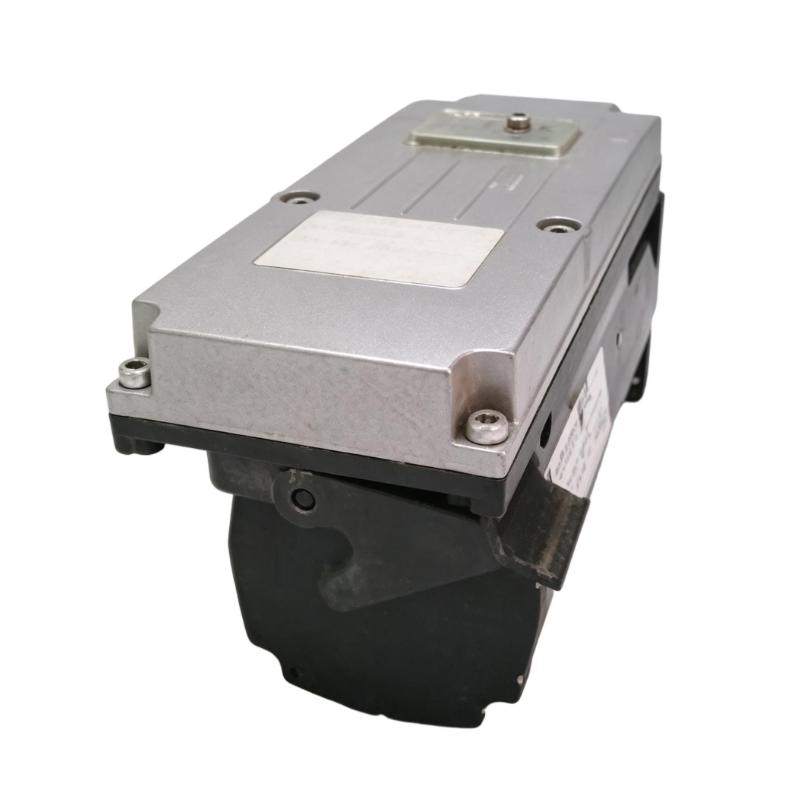
- Schneider
- VIA0701D02A0000
- Servo Motor
- France
- 70 mm
- 3.18 kg
- Xiamen, China
- New & In Stock
- T/T, PayPal, Western Union
- 1 Year
- 1-3 Working Days
- DHL, UPS, TNT, FedEx and EMS.
- 24-Hour Service
- COO
- 8
Our advantage

Global Logistics
We have a 10-year logistics and express cooperation agreement, so our products can be shipped to any place in the world.

Brand new and original
Our products are imported in bulk from the place of origin. Because of the cooperative relationship, our products are all original and 100% new.

24-hour service
We provide 7*24 hours service to our customers. We will be there whenever you need us.

Price advantage
All our products are priced very favorably because we have our own warehouse and supply.
| Company Information | |||
| [email protected] | |||
| Mobile | +8615980777398 | ||
| +8615980777398 | |||
| 15980777398 |
Product Overview
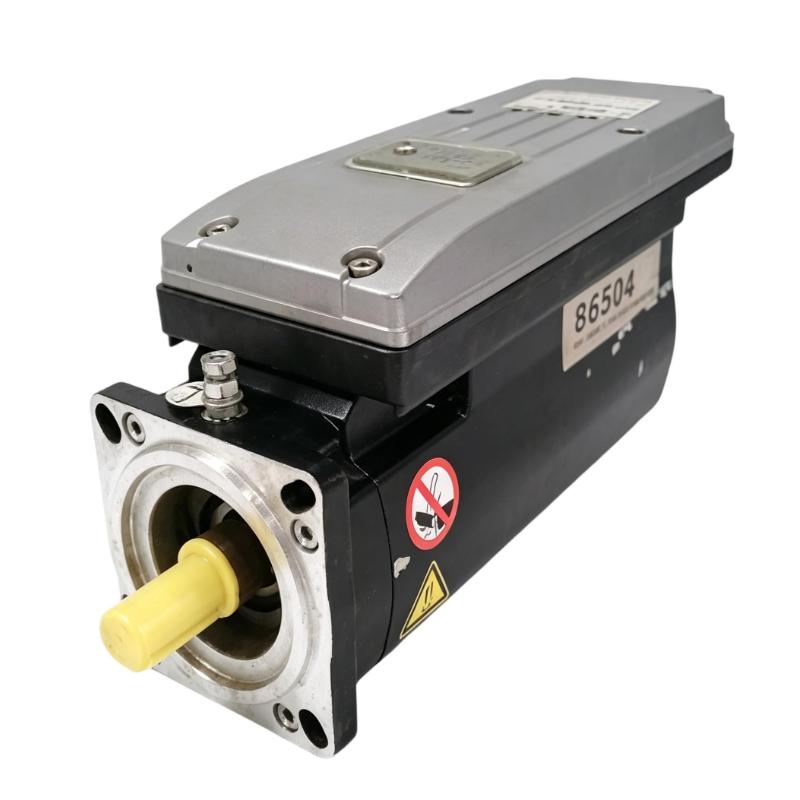
The Schneider Electric VIA0701D02A0000 Servo Motor is an integrated servo motor designed for industrial automation and precision motion-control applications. Associated with Schneider Electric’s PacDrive automation product range, this motor is intended for applications where controlled movement, coordinated motion, and accurate motor response are important.
Unlike a conventional induction motor used primarily for continuous rotation, a servo motor operates as part of a closed-loop motion-control system. It works with a compatible servo drive or integrated control electronics to regulate motor speed, torque, and position according to application commands and feedback information.
The VIA0701D02A0000 is identified in available product listings as an integrated servo motor. Integrated motor technology combines motor functionality with associated electronic or drive-related components in a compact assembly. This design can simplify machine architecture and reduce the need for separately installed components, depending on the system configuration.
The supplied flange size is 70 mm, and the listed product weight is 3.18 kg. These mechanical specifications are important when evaluating mounting compatibility, machine layout, replacement requirements, and transportation arrangements.
The VIA0701D02A0000 may be considered for automated machinery requiring controlled rotary motion, including packaging equipment, material-handling systems, assembly machinery, and other industrial motion-control applications. Before installation or replacement, engineers should verify the complete model number, electrical characteristics, feedback configuration, shaft dimensions, and compatible control equipment.
Technical Specifications
| Parameter | Specification |
|---|---|
| Brand | Schneider Electric |
| Manufacturer | Schneider Electric |
| Model | VIA0701D02A0000 |
| Product Type | Integrated Servo Motor |
| Product Family | PacDrive |
| Flange Size | 70 mm |
| Listed Weight | 3.18 kg |
| Voltage Information | 680 V DC reported in available product data; verify nameplate |
| Current Information | 1.55 A reported in available product data; verify nameplate |
| Torque Information | 1.1 N·m reported in available product data; verify nameplate |
| Speed Information | Up to 6000 rpm reported in available product data; verify nameplate |
| Dimensions | Not fully specified by the supplied information |
| Typical Application | Industrial servo motion control |
Note: The flange size and weight are the supplied listing specifications. Electrical and performance figures should be checked against the exact motor nameplate and manufacturer documentation before engineering use.
Function and Working Principle
The VIA0701D02A0000 is intended for controlled motor operation within an industrial motion-control system. Its role is to convert electrical energy into mechanical rotation while allowing the control system to regulate the motor’s operating behavior.
1. Servo Motor Operation
A servo motor operates according to commands from a motion controller or compatible servo control system. These commands may define a target position, speed, or torque.
The motor responds to the control command, while feedback information allows the system to monitor actual motor behavior. The controller can then make adjustments to reduce the difference between the commanded and actual operating values.
This closed-loop approach is important in applications requiring repeatable movement and coordinated machine operation.
2. Position and Speed Control
Position control is used when a machine component must move to a defined location. Speed control regulates how quickly the motor rotates, while torque control manages the force produced by the motor.
These functions are commonly used in packaging machines, automated handling systems, and production equipment. The actual control modes available depend on the compatible drive, controller, feedback device, and configuration of the complete system.
3. Torque Generation
The motor converts electrical input into rotational torque. Torque requirements depend on the mechanical load, acceleration profile, transmission arrangement, and operating cycle.
When selecting a replacement, engineers should compare rated torque, peak torque, speed range, and thermal characteristics. A motor with a similar flange size may still have different torque and performance characteristics.
4. Feedback and Motion Regulation
Servo systems commonly use feedback devices to provide information about motor position or speed. Depending on the motor design, feedback may be provided by an encoder or another supported sensing arrangement.
The controller uses this information to regulate motor operation. Feedback compatibility is therefore an essential consideration when pairing the motor with a servo drive or replacing an existing unit.
5. Integrated Motor Architecture
The VIA0701D02A0000 is identified as an integrated servo motor. Integrated designs can combine motor and associated electronic functions into a more compact assembly.
This approach may reduce external wiring and simplify machine construction. However, installation requirements, communication interfaces, cooling arrangements, and replacement procedures must be checked against the exact product configuration.
Role in Industrial Automation Systems
Servo motors are important components in industrial automation because they provide controlled movement for machinery and production equipment. The VIA0701D02A0000 can be used as part of a motion-control architecture in which a controller coordinates motor operation with sensors, actuators, and other machine components.
Motion Controller Integration
A motion controller generates movement commands based on the machine sequence and required operating profile. It may coordinate multiple axes and synchronize their movement.
The servo motor executes the commanded motion through its compatible control system. Correct configuration is necessary to achieve the required speed, position, and torque performance.
PLC Integration
A programmable logic controller can coordinate machine sequences and exchange operating information with the motion-control system.
For example, a PLC may initiate a positioning operation after receiving a sensor signal. The motion controller then manages the detailed motor movement, while the PLC coordinates the wider production process.
The communication interface and control architecture must be confirmed for the actual VIA0701D02A0000 configuration.
HMI and Operator Control
A human-machine interface provides operators with access to machine status, operating commands, alarms, and production information.
In a typical installation, the HMI communicates with the PLC or motion controller. Operators can use the interface to select operating modes, initiate production sequences, and monitor equipment conditions.
Coordinated Multi-Axis Motion
Some industrial machines require several motors to move in a coordinated sequence. Servo systems can synchronize these movements to support accurate positioning and repeatable production cycles.
The motor’s suitability for multi-axis operation depends on the supported controller, drive architecture, communication system, and application performance requirements.
Industrial Applications
The VIA0701D02A0000 can be considered for industrial equipment requiring controlled rotary motion. The specific application must be matched to the motor’s rated performance and compatible control hardware.
1. Packaging Machinery
Packaging equipment uses servo motors for product feeding, positioning, cutting, sealing, and material transportation.
Controlled movement helps coordinate different machine sections and supports repeatable production cycles. A compatible servo motor can execute motion commands generated by the machine’s motion controller.
2. Material Handling Systems
Automated material-handling equipment may require controlled movement for transferring, positioning, or sorting products.
Servo motors can provide accurate motion in mechanisms such as indexing units, transfer systems, and automated handling assemblies. Mechanical load and acceleration requirements must be evaluated before selecting the motor.
3. Assembly Automation
Assembly machines often require components to be positioned accurately before fastening, joining, inspection, or other operations.
Servo-controlled motion can support repeatable positioning and coordination between machine stations. The selected motor must provide sufficient torque and speed for the mechanical task.
4. Automated Production Lines
Production lines may use servo motors to coordinate movement between different processing stages. Controlled motion can help synchronize feeding, indexing, and transfer operations.
The motor’s performance should be evaluated together with the controller, transmission system, and production-cycle requirements.
5. Industrial Positioning Equipment
Servo motors are commonly used in positioning mechanisms where a moving component must reach a defined location.
Examples include rotary indexing tables, automated adjustment mechanisms, and precision handling equipment. The required positioning accuracy depends on the complete motion-control system rather than the motor alone.
Installation and System Integration
Correct installation is essential for reliable operation, electrical safety, and long-term equipment performance.
1. Verify the Complete Model Number
Before installation, confirm that the motor label identifies the exact model VIA0701D02A0000.
Do not rely solely on the product family or flange size. Models with similar mechanical dimensions may have different electrical ratings, feedback systems, shaft configurations, connectors, and control requirements.
2. Check Mechanical Mounting
The supplied flange size is 70 mm. Confirm the mounting-hole arrangement, pilot diameter, shaft dimensions, shaft extension, and mechanical interface before installing the motor.
The motor should be securely mounted to a suitable machine structure. Misalignment between the motor shaft and the driven mechanism can increase bearing loads, vibration, and mechanical wear.
3. Confirm Electrical Compatibility
Verify the motor’s rated voltage, current, power, torque, and speed from the nameplate and applicable technical documentation.
The reported electrical values should not be used as final connection specifications without confirmation. The motor must be connected to a compatible control or drive system designed for its electrical and feedback characteristics.
4. Check Feedback and Control Connections
If the motor uses an encoder or another feedback device, confirm that the connected controller supports the relevant feedback type and electrical interface.
Incorrect feedback wiring or incompatible control hardware can prevent commissioning or cause unstable motor operation.
5. Configure Motion Parameters
During commissioning, configure the motor parameters, operating limits, speed references, torque limits, acceleration profiles, and applicable protection functions.
The configuration should reflect the actual motor, mechanical load, and machine operating requirements. Incorrect settings may lead to poor motion performance or unnecessary trips.
6. Inspect the Mechanical Load
Before operation, inspect the coupling, gearbox, belt, pulley, or other transmission components connected to the motor.
Check for excessive friction, mechanical interference, loose fasteners, and alignment problems. Mechanical defects can affect servo performance even when the electrical system is operating correctly.
7. Perform Commissioning Tests
After installation, verify the wiring, grounding, mechanical mounting, and controller configuration.
Conduct controlled tests of motor direction, speed response, positioning behavior, acceleration, deceleration, and emergency-stop behavior. Record the final settings and commissioning results for future maintenance.
Compatible System Components
The VIA0701D02A0000 should be evaluated as part of a complete motion-control system. Compatibility depends on the exact electrical and mechanical configuration.
| Component | Function | Compatibility Considerations |
|---|---|---|
| Servo drive or integrated control system | Controls motor operation | Must support the motor’s electrical ratings and control configuration |
| Motion controller | Generates motion commands | Verify supported motion functions and communication interfaces |
| PLC | Coordinates machine sequences | Confirm control architecture and data exchange requirements |
| HMI | Provides operator interaction | Typically communicates through the PLC or motion controller |
| Encoder or feedback device | Provides motor position or speed information | Confirm feedback type and electrical compatibility |
| Power supply | Provides electrical energy to the system | Must meet the motor and controller requirements |
| Motor coupling | Transfers torque to the driven machine | Verify shaft dimensions and alignment |
| Gearbox | Adjusts torque and speed | Confirm ratio, load capacity, and mechanical compatibility |
| Machine frame | Supports the motor and driven equipment | Verify mounting dimensions and mechanical rigidity |
| Protective devices | Support electrical and machine safety | Select according to the system design and applicable regulations |
These are typical components in a servo-control installation. They are not necessarily supplied with the motor.
Alternative Models and Replacement Considerations
When replacing the VIA0701D02A0000, selecting a motor based only on flange size or weight is not sufficient. Servo motors can differ significantly in torque, speed, feedback, voltage, shaft geometry, and control compatibility.
| Alternative or Related Option | Replacement Considerations |
|---|---|
| Another VIA series integrated servo motor | Compare the complete model number, electrical ratings, mechanical dimensions, and control interface |
| Schneider Electric PacDrive servo motor | Verify compatibility with the installed PacDrive control architecture |
| Schneider Electric Lexium servo motor | Confirm drive compatibility, feedback type, and performance requirements |
| Schneider Electric BSH series servo motor | Compare flange, shaft, torque, speed, and feedback specifications |
| Current-generation Schneider Electric servo system | May be suitable for an upgrade, but could require controller, wiring, and configuration changes |
Before approving a replacement, compare:
- Rated and peak torque.
- Rated and maximum speed.
- Rated voltage and current.
- Flange size and mounting dimensions.
- Shaft diameter, length, and keyway.
- Feedback device and encoder interface.
- Motor connector and cable arrangement.
- Compatible servo drive or integrated controller.
- Thermal characteristics and cooling requirements.
- Mechanical load and operating duty.
A replacement motor with the same 70 mm flange may still be unsuitable if its shaft, feedback, torque, or electrical characteristics differ.
Key Advantages
Integrated Servo Design
The product is identified as an integrated servo motor, providing a compact motion-control component for compatible industrial systems.
Precision Motion Capability
Servo technology supports controlled position, speed, and torque operation when used with a suitable control system.
Compact Mechanical Interface
The supplied 70 mm flange specification provides a useful reference for machine-layout planning and replacement assessment.
Industrial Automation Compatibility
The motor is intended for use in industrial motion-control applications and can be incorporated into suitable automated machinery.
Flexible Application Potential
Servo motor technology is used across packaging, assembly, positioning, and material-handling equipment where controlled movement is required.
Support for Coordinated Motion
When paired with a compatible controller, the motor can participate in coordinated movement sequences within an automated machine.
Technical FAQs
1. What is the Schneider Electric VIA0701D02A0000?
It is an integrated servo motor associated with Schneider Electric’s PacDrive product range. It is designed for controlled motion in industrial automation systems.
2. What is the flange size?
The supplied flange size is 70 mm. Verify the mounting-hole pattern, pilot diameter, and shaft dimensions before installation or replacement.
3. What is the listed weight?
The supplied product weight is 3.18 kg. Confirm whether this represents the motor alone or a packaged shipment before using it for logistics calculations.
4. Is this a conventional AC induction motor?
No. It is identified as an integrated servo motor. Servo motors are designed for controlled motion and normally operate with compatible servo-control electronics.
5. Can it be connected to any servo drive?
No. The drive must support the motor’s electrical characteristics, feedback interface, and control requirements. Always check the manufacturer’s compatibility information.
6. What applications use this type of motor?
Typical applications include packaging machines, automated assembly equipment, material-handling systems, positioning mechanisms, and industrial production machinery.
7. What should be checked before replacing this motor?
Check the complete model number, flange dimensions, shaft geometry, rated torque, speed, voltage, current, feedback type, and compatible drive or controller.
8. Does the motor include a servo drive?
The product is identified as an integrated servo motor, but the exact included electronics and supplied accessories should be confirmed from the product label and delivery documentation. Do not assume that a separate drive or controller is included.
9. Why is feedback compatibility important?
The feedback device provides information about motor position or speed. The controller must support the correct feedback type to regulate motion accurately and reliably.
10. What maintenance is recommended?
Inspect connectors, cables, mounting fasteners, shaft coupling, and the surrounding environment. Monitor abnormal vibration, temperature, noise, and changes in motion performance. Follow the manufacturer’s maintenance instructions for the exact motor configuration.
Procurement and Maintenance Recommendations
When purchasing the Schneider Electric VIA0701D02A0000, verify the complete model number and inspect the motor nameplate. Confirm that the product matches the required PacDrive system configuration and that its electrical and mechanical specifications meet the application requirements.
For used or surplus equipment, request clear photographs of the nameplate, connectors, shaft, flange, and housing. Confirm the motor’s operating condition and whether functional testing has been completed. For critical production equipment, establish suitable warranty and return arrangements before purchase.
During maintenance, inspect the mounting interface, shaft coupling, cables, connectors, and mechanical load. Check for signs of overheating, excessive vibration, damaged insulation, or loose mounting hardware.
Keep a record of the motor’s installed position, parameter settings, controller configuration, and replacement history. This information can simplify troubleshooting and reduce commissioning time when a replacement is required.
For long-term equipment support, maintain a verified record of the motor’s compatible servo drive, feedback device, and communication architecture. These details are especially important when servicing integrated motion-control equipment.
Conclusion
The Schneider Electric VIA0701D02A0000 PacDrive Integrated Servo Motor is designed for industrial applications requiring controlled rotary motion and integration with a compatible servo-control system. Its supplied mechanical specifications include a 70 mm flange size and a weight of 3.18 kg.
For procurement and replacement projects, the complete model number and motor nameplate should be checked carefully. Electrical ratings, torque, speed, shaft geometry, feedback compatibility, and control-system requirements must all be considered before installation. Accurate identification helps ensure that the motor can be integrated into the intended industrial automation system safely and reliably.