

ProductPRODUCT
Featured products
Contact Us
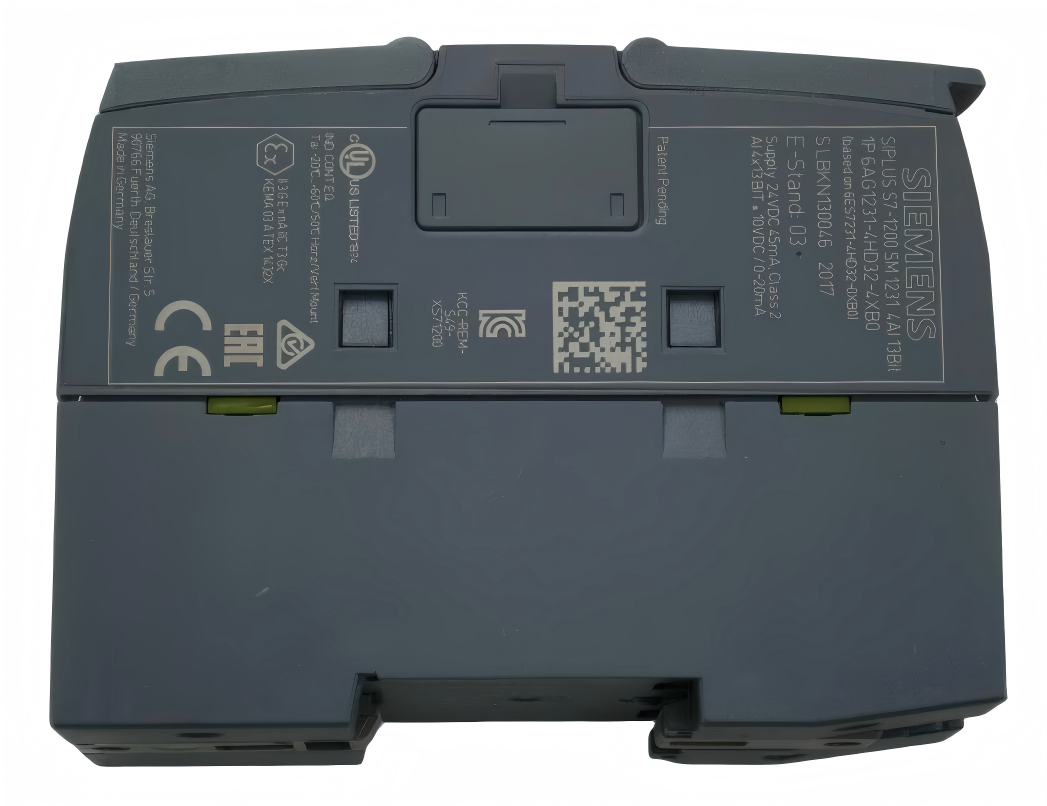
- Siemens
- 6AG1231-5QF32-4XB0
- SIPLUS S7-1200 SM 1231
- Germany
- 45 × 100 × 75 mm
- 0.18kg
- Xiamen, China
- New & In Stock
- T/T, PayPal, Western Union
- 1 Year
- 1-3 Working Days
- DHL, UPS, TNT, FedEx and EMS.
- 24-Hour Service
- COO
- 5
Our advantage

Global Logistics
We have a 10-year logistics and express cooperation agreement, so our products can be shipped to any place in the world.

Brand new and original
Our products are imported in bulk from the place of origin. Because of the cooperative relationship, our products are all original and 100% new.

24-hour service
We provide 7*24 hours service to our customers. We will be there whenever you need us.

Price advantage
All our products are priced very favorably because we have our own warehouse and supply.
| Company Information | |||
| [email protected] | |||
| Mobile | +8615980777398 | ||
| +8615980777398 | |||
| 15980777398 |
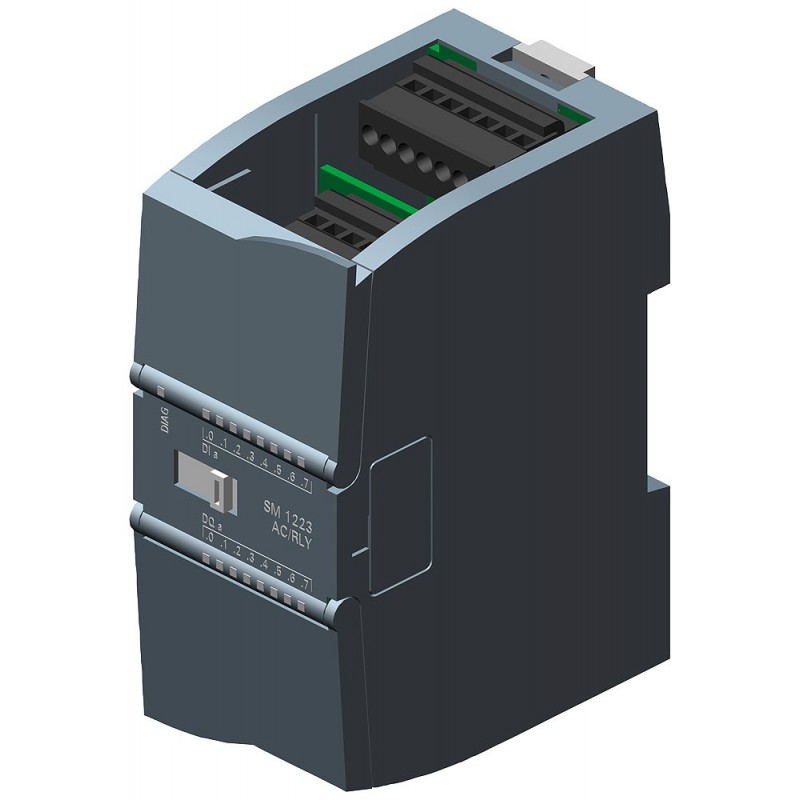
Siemens 6AG1231-5QF32-4XB0 — Product Introduction, Technical Specifications, Applications, Advantages, and Related Models
1. Product Overview
Product Model: 6AG1231-5QF32-4XB0
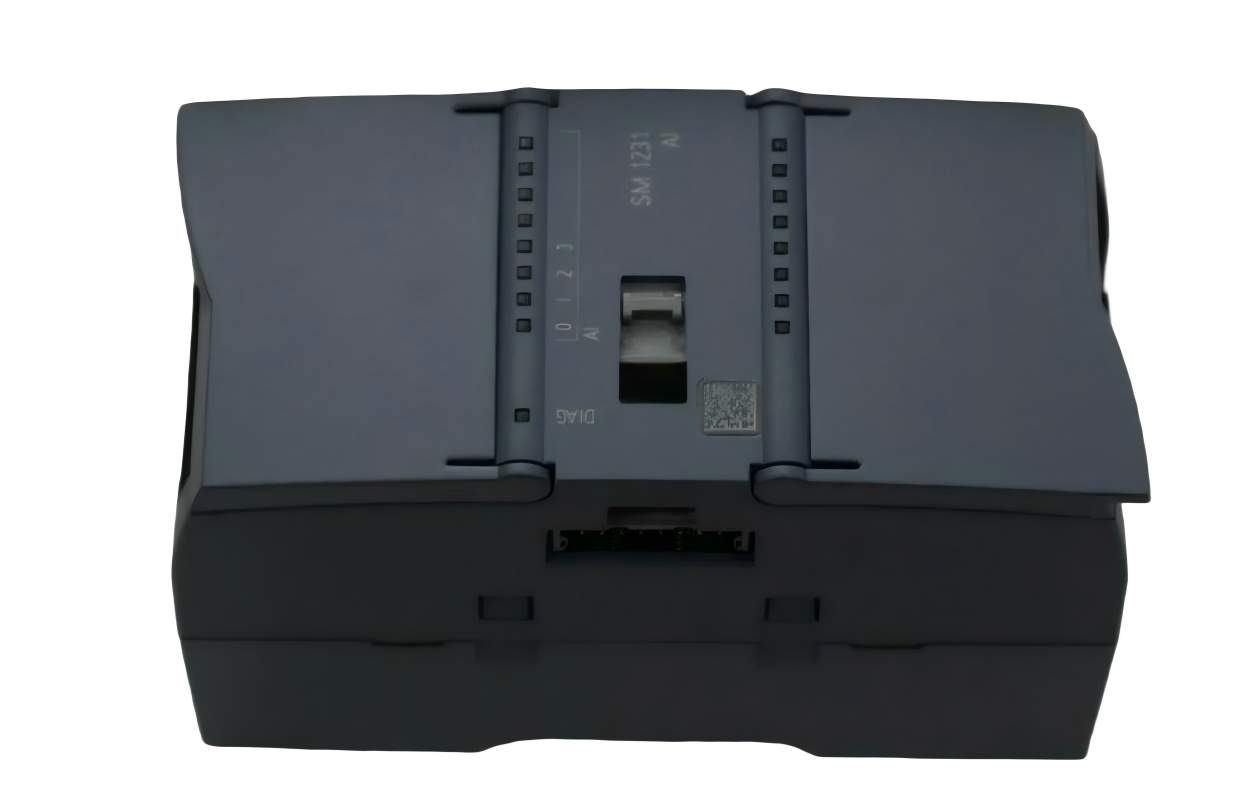
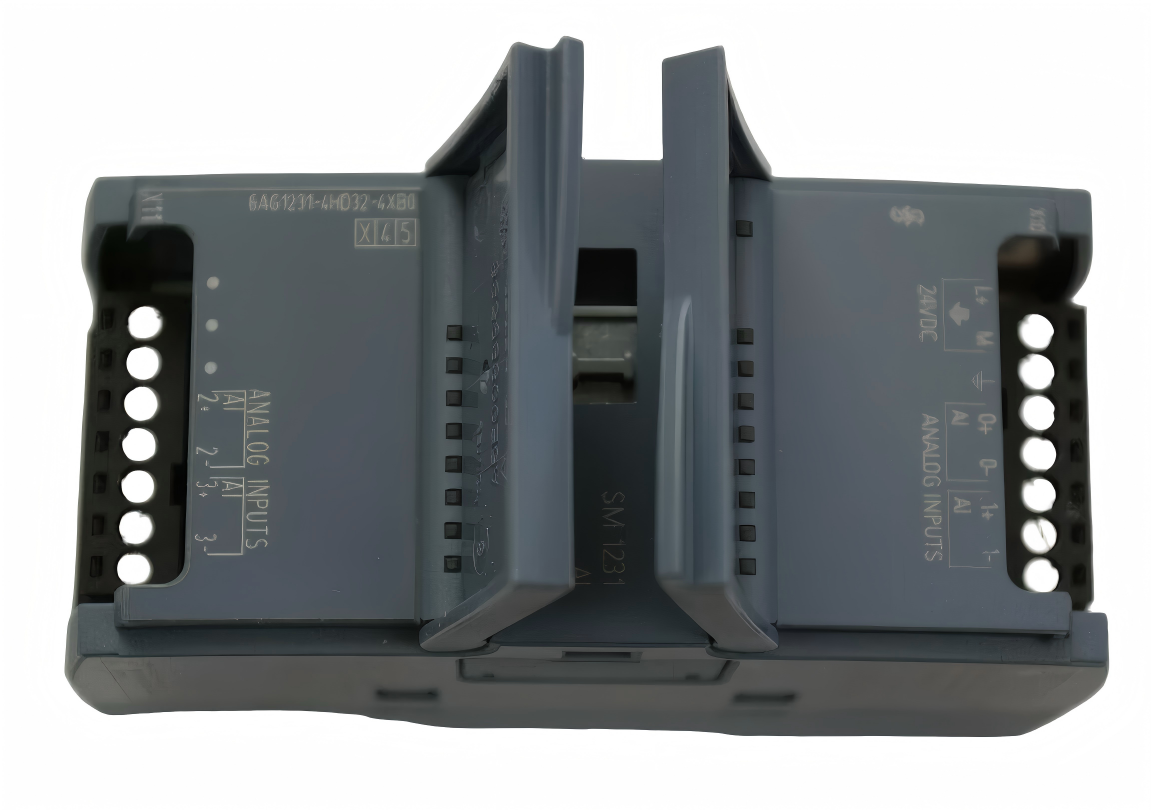
The 6AG1231-5QF32-4XB0 is a SIPLUS S7-1200 SM 1231 thermocouple analog input module. It is designed for industrial automation systems that need to collect temperature signals from multiple thermocouples and process the measurements through a programmable logic controller.
The module is based on the standard 6ES7231-5QF32-0XB0 design and adds conformal coating to the electronic assemblies. It is intended for industrial environments where additional protection against specified environmental influences is beneficial.
With its thermocouple measurement capability, the module can be used in machinery, heating systems, industrial ovens, thermal processing equipment, production lines, and process-control installations. Temperature measurements can be used by the PLC program for monitoring, temperature regulation, alarm generation, interlocks, and production sequencing.
The module belongs to the SIPLUS SM 1231 thermocouple family and is intended for integration into a compatible SIMATIC S7-1200 control system.
2. Brand and Product Series
| Item | Description |
|---|---|
| Model Number | 6AG1231-5QF32-4XB0 |
| Brand | Siemens |
| Product family | SIPLUS S7-1200 |
| Product series | SIPLUS SM 1231 thermocouple module |
| Module type | Thermocouple analog input module |
| Product designation | SM 1231, AI 8 × 16-bit TC |
| Base model | 6ES7231-5QF32-0XB0 |
| Main function | Industrial temperature signal acquisition |
| Number of input channels | 8 thermocouple channels |
| Rated supply voltage | 24 V DC |
| Electronic protection | Conformal coating |
| PLC platform | SIMATIC S7-1200 |
| Typical system role | Temperature monitoring and process control |
| Installation type | Compatible S7-1200 expansion-module installation |
| Protection rating | IP20 |
3. Detailed Product Introduction
The 6AG1231-5QF32-4XB0 is intended for applications where several temperature points must be measured within one automation system. It receives low-level electrical signals generated by compatible thermocouples, processes those signals, and supplies digital measurement values to the PLC.
Thermocouples are widely used in industrial temperature measurement because they can cover a broad range of temperatures and are available in different constructions for different operating conditions. Depending on the sensor type, they can be used in heating equipment, ovens, furnaces, manufacturing machinery, and other thermal processes.
The module provides eight thermocouple input channels, making it useful for systems with several temperature zones or measurement locations. For example, a machine may need to monitor temperatures at different heating stages, measure the temperature of multiple process sections, or compare temperatures at several points within the same chamber.
The SIPLUS design adds conformal coating to the electronic assemblies. This coating is intended to improve the module’s suitability for specified environmental conditions compared with a corresponding uncoated design. It is particularly relevant in industrial facilities where electronic components may be exposed to environmental influences that require additional protection.
The module supports common thermocouple types and a low-level voltage input range of ±80 mV for thermocouple measurement. The PLC can use the acquired values in control logic, operator displays, alarm systems, and process-monitoring functions.
Its role is focused on temperature signal acquisition. It is not a substitute for a general-purpose voltage/current analog input module, nor is it intended for direct measurement from resistance temperature detectors such as Pt100 or Pt1000.
4. Main Technical Parameters
| Parameter | Specification |
|---|---|
| Model Number | 6AG1231-5QF32-4XB0 |
| Brand | Siemens |
| Product family | SIPLUS S7-1200 |
| Product series | SM 1231 thermocouple input |
| Module type | Analog input module |
| Number of analog inputs | 8 thermocouple channels |
| Input signal | Thermocouple |
| Thermocouple input voltage range | ±80 mV |
| Supported thermocouple types | J, K, T, E, R, S, B, N, C, TXK/XK(L), subject to configuration |
| Maximum resolution | 15 bits plus sign |
| General voltage input | No |
| Current input | No |
| RTD input | No |
| Resistance measurement | No |
| Rated supply voltage | 24 V DC |
| Typical current consumption | 40 mA |
| Typical current consumption from 5 V DC backplane bus | 80 mA |
| Typical power loss | 1.5 W |
| Temperature unit | Degrees Celsius or degrees Fahrenheit |
| Measured-value smoothing | Supported |
| Diagnostic functions | Supported |
| Diagnostic alarms | Supported |
| Wire-break detection | Supported where applicable to the configured measurement and sensor |
| Degree of protection | IP20 |
| Conformal coating | Yes |
| Conformal coating classification | Class 2 for high reliability |
| Operating ambient temperature | -20 °C to +60 °C |
| Startup temperature requirement | Startup at 0 °C |
| Width | Approximately 45 mm; confirm against the exact hardware revision |
| Height | Approximately 100 mm |
| Depth | Approximately 75 mm |
| Net weight | Approximately 0.196 kg |
| Mounting | Compatible S7-1200 module mounting arrangement |
| Main application | Multi-point industrial temperature acquisition |
Technical note: Product documentation and catalog records may differ in how they present mechanical dimensions and weight. The values above are indicative; confirm the current mechanical drawing and ordering data before using them for cabinet layout, shipping calculations, or procurement.
5. Thermocouple Input Specifications
The module is intended for low-level thermocouple signals. Its input circuitry converts the sensor signal into a measurement value that the PLC program can process.
| Parameter | Description |
|---|---|
| Model Number | 6AG1231-5QF32-4XB0 |
| Input channel count | 8 |
| Sensor category | Thermocouple |
| Input signal range | ±80 mV |
| Measurement resolution | Up to 15 bits plus sign |
| Temperature representation | °C or °F |
| Supported sensor types | J, K, T, E, R, S, B, N, C, TXK/XK(L) |
| Signal processing | Configurable measurement processing and smoothing |
| Diagnostic support | Available for applicable operating conditions |
| Typical use | Temperature measurement at multiple industrial points |
The effective measurement range depends on the selected thermocouple type, the sensor’s construction, and the applicable module configuration. The thermocouple must be chosen according to the temperature range and process conditions rather than solely according to the input module.
Thermocouple extension wires, connectors, polarity, and installation methods should also match the selected sensor type. Incorrect wiring or unsuitable cable can cause inaccurate readings even when the module itself is operating correctly.
6. Supported Thermocouple Types
| Thermocouple Type | General Characteristics | Typical Applications |
|---|---|---|
| Type J | Iron-constantan thermocouple | General industrial heating and machinery |
| Type K | Nickel-chromium/nickel-alumel thermocouple | Furnaces, ovens, and general industrial temperature monitoring |
| Type T | Copper-constantan thermocouple | Lower-temperature measurement and selected process applications |
| Type E | Nickel-chromium/constantan thermocouple | Applications that benefit from relatively high thermoelectric sensitivity |
| Type R | Platinum-rhodium thermocouple | High-temperature industrial processes |
| Type S | Platinum-rhodium thermocouple | High-temperature measurement and specialized thermal equipment |
| Type B | Platinum-rhodium thermocouple | High-temperature furnaces and specialized industrial equipment |
| Type N | Nickel-based thermocouple | Industrial temperature measurement, including demanding high-temperature conditions |
| Type C | Tungsten-rhenium thermocouple | Specialized high-temperature applications where the sensor and installation are suitable |
| TXK/XK(L) | Thermocouple designations associated with specific standards | Compatible applications requiring these sensor types |
The suitability of a thermocouple depends on the required measurement range, atmosphere, mechanical construction, response time, and accuracy requirements. The module’s supported sensor list should be checked against the exact sensor specification before installation.
7. Power Supply and Electrical Characteristics
The module uses a rated 24 V DC supply and also consumes power from the S7-1200 backplane. Its typical current consumption is 40 mA from the specified supply and 80 mA from the 5 V DC backplane bus. The typical power loss is 1.5 W.
These values should be considered when designing the control cabinet and calculating the available power budget. The total load includes the CPU, signal modules, communication modules, sensors, actuators, and any other devices powered by the same supply.
The thermocouple inputs handle low-level signals, so installation quality is important. Signal wires should be routed appropriately, sensor polarity should be checked, and potential sources of electrical interference should be considered during wiring design.
For applications involving multiple heating zones, it is also good practice to check the measurement readings during commissioning. This helps identify wiring errors, incorrect thermocouple configuration, and unexpected differences between the measured values and a suitable reference.
8. Product Applications
8.1 Industrial Furnaces and Ovens
Industrial furnaces and ovens often contain multiple heating zones that need independent temperature monitoring. The eight input channels can be used to acquire temperature readings from different locations within the equipment.
The PLC can use the readings to regulate heating elements, detect temperature deviations, activate alarms, and manage the production sequence. This is useful for equipment that needs consistent thermal conditions across several sections.
8.2 Plastic Processing Machinery
Plastic processing equipment may have multiple heating zones along an extrusion barrel, nozzle, mold, or other heated component. Temperature measurement helps the control system maintain the operating conditions required by the production process.
The module can provide the temperature data needed for monitoring and control logic. The actual regulation strategy, including the control algorithm and output hardware, must be implemented in the wider automation system.
8.3 Thermal Treatment and Materials Processing
Processes such as heat treatment, curing, drying, and controlled heating may require measurements at multiple points. The module can acquire readings from compatible thermocouples installed at different stages or locations.
These values can be used to monitor temperature profiles, identify deviations, and support repeatable production conditions. Sensor placement and the response time of the sensor should be selected to match the process requirements.
8.4 Industrial Heating Systems
Industrial heaters, hot-air systems, and thermal chambers may need several temperature measurements to supervise different sections of the equipment.
The module can supply these measurements to the PLC, where they can be compared with target values and alarm thresholds. It can also be used as part of a broader system that coordinates heating, cooling, ventilation, and machine operation.
8.5 Chemical and Process Equipment
Temperature is an important process variable in many industrial plants. Compatible thermocouples can be installed on process vessels, heating jackets, pipelines, and thermal equipment.
The module can collect the corresponding signals for process monitoring and control. The environmental suitability of the complete installation must be assessed separately, including the enclosure, sensor protection, wiring, and possible exposure to chemicals or condensation.
8.6 Packaging and Production Lines
Some packaging and production machines use heated rollers, sealing elements, cutting equipment, or temperature-controlled tooling. Stable temperature readings can help the control system maintain product quality and detect abnormal operating conditions.
The module provides a practical way to collect multiple temperature values in an S7-1200-based machine, provided that the thermocouple types and measurement ranges are appropriate.
8.7 Energy and Utility Equipment
Industrial utility systems may require temperature monitoring in heating units, thermal circulation systems, or other equipment. The module can provide temperature data for the PLC’s monitoring logic and operator displays.
The system designer should verify that the selected sensors are suitable for the actual medium, temperature, pressure, and mechanical environment.
8.8 Equipment Condition Monitoring
Temperature measurements can also help identify abnormal operating conditions. Unexpected increases or differences in temperature may indicate a process deviation, cooling problem, overloaded component, or other issue that deserves investigation.
The module itself collects the measurements. The PLC program and supervisory system determine how the information is evaluated, displayed, recorded, and used to trigger alarms or protective responses.
9. Main Product Advantages
9.1 Eight Thermocouple Input Channels
The module is designed for multi-point temperature acquisition. Eight input channels allow several measurement points to be connected to one module, which can reduce the number of modules needed for some applications.
This arrangement is particularly useful for machinery with multiple heating zones or production equipment that requires temperature monitoring at several locations.
9.2 Dedicated Thermocouple Measurement
The module is designed specifically for thermocouple signals. It supports several common thermocouple types and an input range suitable for the intended low-level sensor signals.
This makes it a more appropriate choice than a general voltage/current analog input module when the field sensors are thermocouples.
9.3 Integration with the S7-1200 Platform
The module belongs to the S7-1200 expansion ecosystem and can be used in a compatible PLC configuration. Temperature values can be made available to the control program for monitoring, alarm handling, and process regulation.
For existing S7-1200 installations, this can be a straightforward way to expand the system’s temperature measurement capability without changing the overall controller platform.
9.4 Conformal-Coated Electronics
The SIPLUS design includes conformal coating intended to improve protection against specified environmental influences. This can be useful in industrial environments where the electronics require additional protection compared with a standard uncoated module.
The coating does not make the module waterproof or eliminate the need for an appropriate enclosure. The installation must still meet the specified environmental and operating limits.
9.5 Diagnostic Capabilities
The module supports diagnostic functions that can help the automation system identify relevant faults or abnormal conditions. Depending on the configuration, these capabilities may assist with sensor and wiring diagnostics and alarm handling.
A properly designed PLC program can use the diagnostic information to notify operators, support troubleshooting, and guide maintenance activities.
9.6 Configurable Temperature Units
The module supports temperature representation in degrees Celsius or degrees Fahrenheit. This makes it easier to integrate temperature measurements into systems that use different engineering conventions.
The units used in the PLC program, operator interface, engineering documentation, and maintenance records should be kept consistent.
9.7 Compact Expansion Design
The module is intended for installation as part of a compatible S7-1200 control system. Its expansion-module format helps engineers add temperature measurement to an existing machine or design a new control cabinet around a familiar PLC platform.
Actual cabinet space requirements should be based on the current mechanical drawing and the installation clearances specified for the system.
9.8 Suitable Measurement Resolution
The specified conversion resolution is up to 15 bits plus sign. This provides a digitally resolved temperature measurement for the controller.
Resolution and measurement accuracy are different specifications. Overall measurement performance also depends on the sensor, reference-junction behavior, wiring, configuration, ambient conditions, and the module’s detailed technical characteristics.
9.9 Flexible Application Across Multiple Thermal Processes
Support for several thermocouple types allows the module to be used in a variety of industrial temperature measurement applications. The engineer can select sensors that suit the temperature range and physical conditions of the process.
The actual sensor and wiring system must be compatible with the selected thermocouple type and the installation environment.
10. Installation and Configuration Recommendations
Before installation, confirm that the module is compatible with the intended S7-1200 CPU, engineering software, and hardware configuration.
Select thermocouples that match the required operating temperature range and the supported sensor types. Use appropriate thermocouple or extension wiring, observe the correct polarity, and follow the installation requirements for the selected sensor.
Because thermocouple signals are relatively small, avoid routing sensor wires alongside high-current conductors or other strong sources of electrical interference where practicable. Follow the grounding, shielding, and wiring practices specified for the complete control system.
Check the power budget before adding the module. The controller, signal modules, communications equipment, sensors, and other connected devices must all be included in the power calculation.
During commissioning, verify the configured thermocouple type, measurement unit, alarm thresholds, and relevant signal-processing settings. Compare representative channel readings against a suitable reference where appropriate.
Finally, ensure that the module is installed in a suitable enclosure and operated within its specified environmental limits. Conformal coating is an additional protective feature, not a replacement for correct cabinet design.
11. Five Related Models
The following models are related to the SIPLUS SM 1231 thermocouple family or the corresponding standard S7-1200 signal modules. The choice between them depends on channel count, environmental requirements, and the type of temperature sensor being used.
| Model Number | Product Description | Main Parameters | Dimensions (W × H × D) | Weight (kg) | Typical Application |
|---|---|---|---|---|---|
| 6AG1231-5QD32-4XB0 | SIPLUS SM 1231 thermocouple input module | 4 thermocouple inputs; 24 V DC; 15-bit plus sign; conformal coating; -20 °C to +60 °C | Approx. 45 × 100 × 75 mm | Approx. 0.196–0.220 | Systems requiring fewer thermocouple channels |
| 6AG1231-5QF32-2XB0 | SIPLUS SM 1231 thermocouple module, extended-temperature variant | 8 thermocouple inputs; extended ambient-temperature specification; verify exact revision | Approx. 45 × 100 × 75 mm; confirm revision | Approx. 0.196–0.220 | Multi-point temperature monitoring in a wider ambient-temperature range |
| 6AG1231-5QD32-2XB0 | SIPLUS SM 1231 thermocouple module, extended-temperature variant | 4 thermocouple inputs; extended ambient-temperature specification; verify exact revision | Approx. 45 × 100 × 75 mm; confirm revision | Approx. 0.196–0.220 | Temperature acquisition where the four-channel version is sufficient |
| 6ES7231-5QF32-0XB0 | Standard SM 1231 thermocouple input module | 8 thermocouple inputs; S7-1200 expansion module; standard environmental design | Confirm exact hardware revision | Confirm exact hardware revision | Standard industrial temperature acquisition |
| 6ES7231-5QD32-0XB0 | Standard SM 1231 thermocouple input module | 4 thermocouple inputs; S7-1200 expansion module; standard environmental design | Approx. 45 × 100 × 75 mm | Approx. 0.180–0.220 | Four-channel thermocouple measurement |
The related models are not automatically interchangeable. Confirm the exact ordering number, channel count, ambient-temperature limits, startup requirements, sensor support, and hardware compatibility before selecting a replacement.
12. Five Popular Models from the Same Brand
The following models are common components in S7-1200 automation systems. They cover controller processing, digital input/output, and general analog measurement. They are complementary products rather than direct substitutes for the thermocouple module.
| Model Number | Product Description | Main Parameters | Dimensions (W × H × D) | Weight (kg) | Typical Application |
|---|---|---|---|---|---|
| 6ES7214-1AG40-0XB0 | SIMATIC S7-1200 CPU 1214C | PLC CPU; integrated digital I/O; Ethernet communication; expandable with compatible signal modules | Approx. 110 × 100 × 75 mm | Approx. 0.445 | General machine control and automation |
| 6ES7215-1AG40-0XB0 | SIMATIC S7-1200 CPU 1215C | PLC CPU; integrated I/O; communication functions; expansion support | Approx. 130 × 100 × 75 mm | Approx. 0.475 | More complex machine-control applications |
| 6ES7221-1BH32-0XB0 | SM 1221 digital input module | Digital input expansion; discrete signal acquisition; confirm the exact electrical rating and channel count | Approx. 45 × 100 × 75 mm | Approx. 0.150 | Pushbuttons, switches, and digital status signals |
| 6ES7222-1BH32-0XB0 | SM 1222 digital output module | Digital output expansion; controls compatible discrete loads within rated limits | Approx. 45 × 100 × 75 mm | Approx. 0.150 | Relays, indicator lamps, and control interfaces |
| 6ES7231-4HF32-0XB0 | SM 1231 general analog input module | General analog input for supported voltage/current signals; verify input ranges and channel configuration | Approx. 45 × 100 × 75 mm | Approx. 0.180 | Pressure, flow, level, and other analog transmitter signals |
The dimensions and weights shown for these additional models are indicative reference values, not guaranteed purchasing specifications. Confirm the exact product revision and technical drawing before using these figures for cabinet design, replacement planning, or procurement.
13. How to Select the Most Suitable Model
Select 6AG1231-5QF32-4XB0 when:
- The application requires multiple thermocouple inputs.
- The control system uses a compatible S7-1200 PLC.
- Conformal-coated electronics are desirable for the specified industrial environment.
- The required ambient operating range is compatible with -20 °C to +60 °C and startup at 0 °C.
- Temperature values are needed for PLC monitoring, alarms, or process control.
Select the four-channel thermocouple version when:
- Four measurement points are sufficient.
- Cabinet space or module count is a key consideration.
- The application uses the same general thermocouple measurement approach but does not require eight inputs.
Select the extended-temperature SIPLUS variant when:
- The operating environment requires a wider ambient-temperature range than the -4XB0 version supports.
- The exact variant’s operating and startup limits meet the installation requirements.
- The project documentation confirms that the module is compatible with the controller and engineering configuration.
Select a standard SM 1231 thermocouple module when:
- The environmental conditions are suitable for the standard module.
- The additional environmental protection features of the SIPLUS version are not required.
- The sensor type, channel count, and operating limits match the application.
Select an RTD module when:
- The field sensor is a Pt100, Pt1000, or another supported resistance temperature detector.
- The application requires direct resistance-based temperature measurement rather than thermocouple input.
Select a general analog input module when:
- The sensors provide standard voltage or current signals such as 0–10 V or 4–20 mA.
- The application involves pressure, flow, level, or other process transmitters.
- The selected module explicitly supports the required signal ranges.
14. Summary
The 6AG1231-5QF32-4XB0 is a SIPLUS S7-1200 SM 1231 thermocouple analog input module intended for industrial temperature acquisition. It is designed to collect signals from compatible thermocouples and provide measurement values to a PLC for monitoring and control.
Its principal features include eight thermocouple input channels, support for several common thermocouple types, a maximum resolution of 15 bits plus sign, 24 V DC supply, diagnostic capabilities, and conformal-coated electronics. The specified operating ambient temperature range is -20 °C to +60 °C, with startup at 0 °C.
The module is suitable for machinery, heating equipment, industrial ovens, thermal processing, and other applications where several temperature points must be monitored through an S7-1200 automation system.
When selecting or installing the module, the most important considerations are the number of measurement points, thermocouple compatibility, operating-temperature limits, environmental conditions, wiring quality, PLC compatibility, and available power capacity. The current mechanical drawing and product revision should be checked before purchasing or designing the control cabinet.