

ProductPRODUCT
Featured products
Contact Us
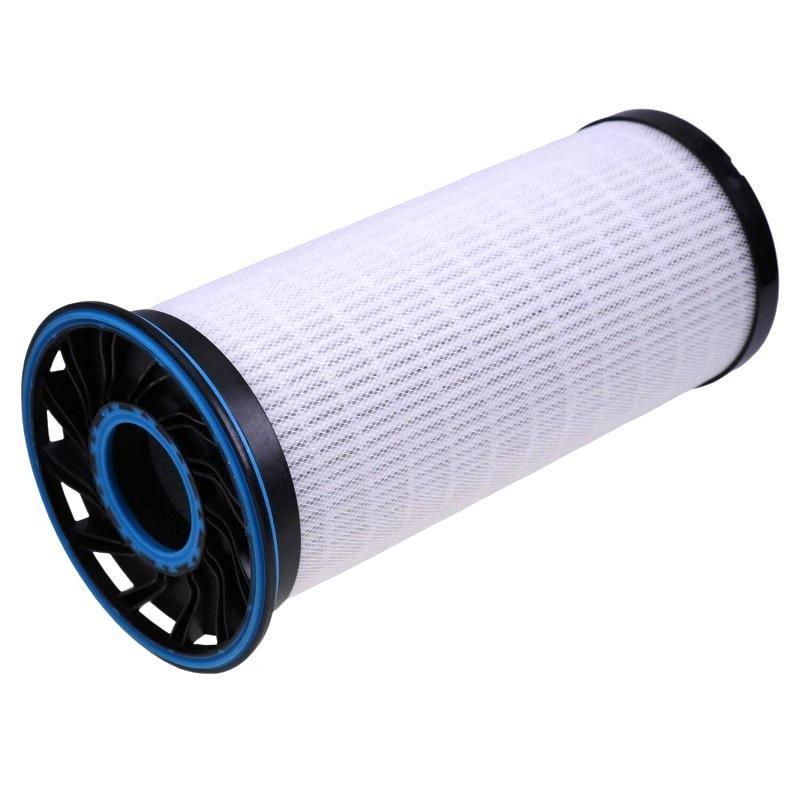
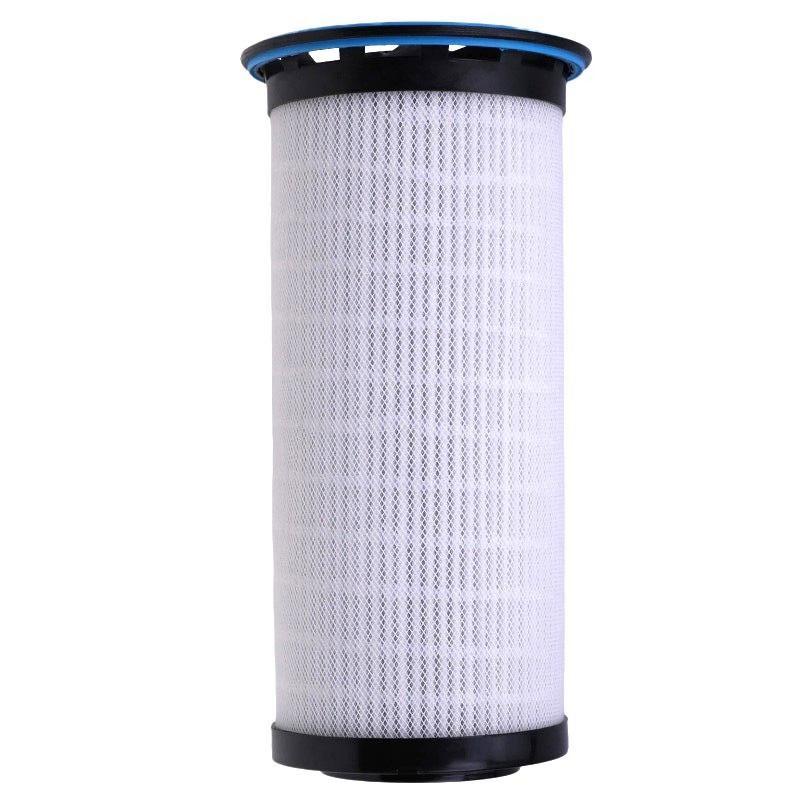
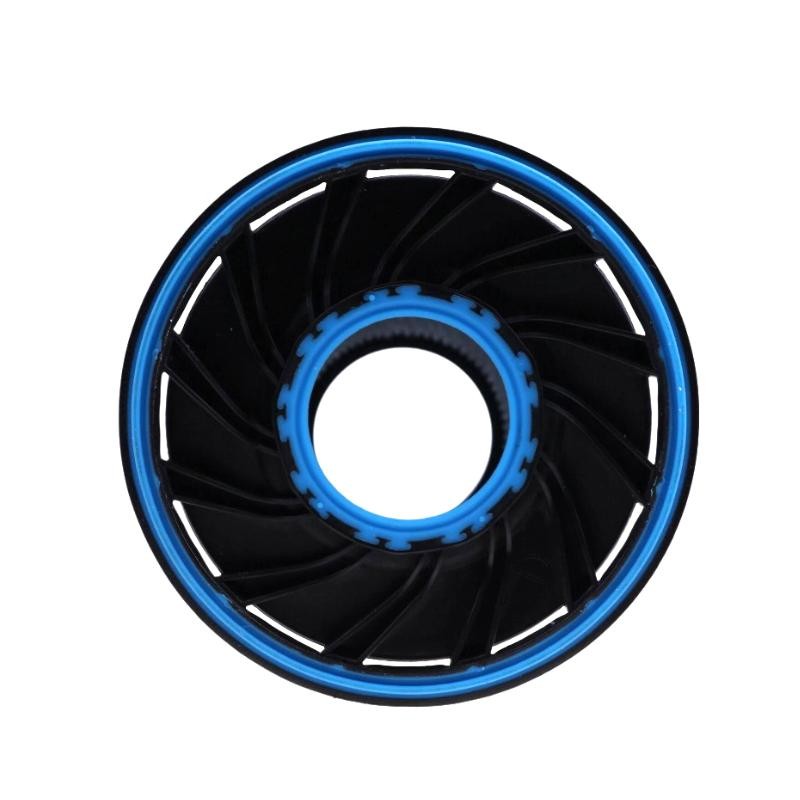
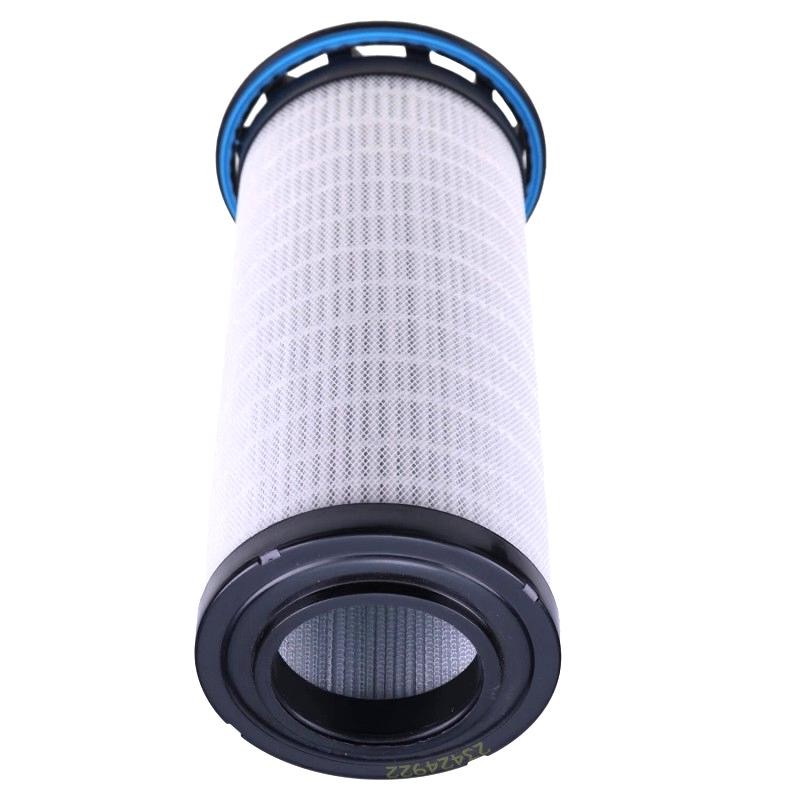
- Ingersoll Rand
- 47555212001 23424922
- Oil Filter Element
- USA
- 232.2 × 114.3 × 96.5 mm
- 2.3 kg
- Xiamen, China
- New & In Stock
- T/T, PayPal, Western Union
- 1 Year
- 1-3 Working Days
- DHL, UPS, TNT, FedEx and EMS.
- 24-Hour Service
- COO
- 6
Our advantage

Global Logistics
We have a 10-year logistics and express cooperation agreement, so our products can be shipped to any place in the world.

Brand new and original
Our products are imported in bulk from the place of origin. Because of the cooperative relationship, our products are all original and 100% new.

24-hour service
We provide 7*24 hours service to our customers. We will be there whenever you need us.

Price advantage
All our products are priced very favorably because we have our own warehouse and supply.
| Company Information | |||
| [email protected] | |||
| Mobile | +8615980777398 | ||
| +8615980777398 | |||
| 15980777398 |
Product Overview
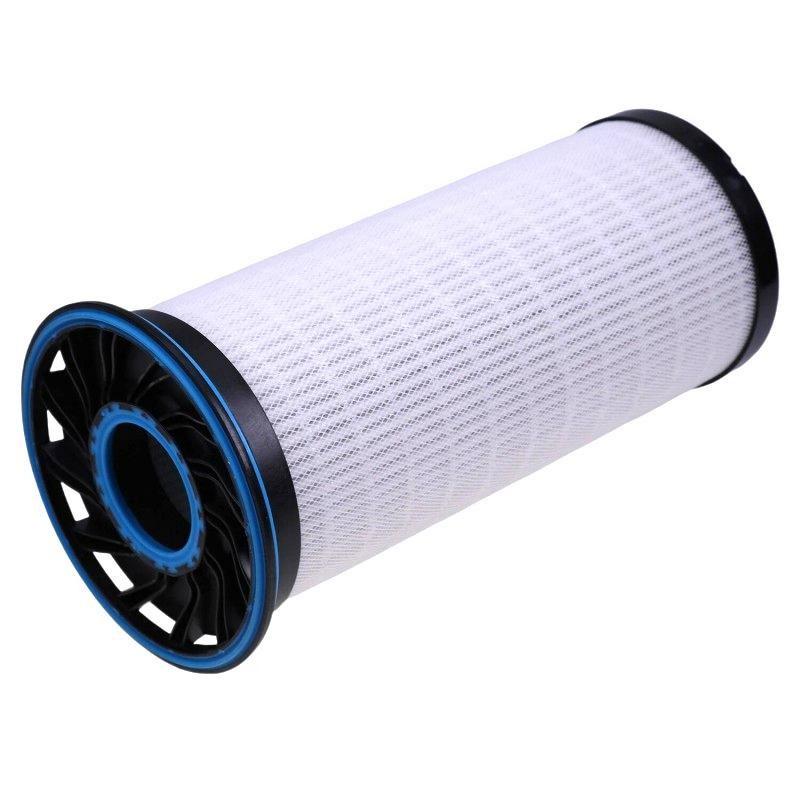
The Ingersoll Rand 47555212001 23424922 Oil Filter Element is an industrial filtration spare part intended for compatible Ingersoll Rand air compressor systems. Oil filtration is an important part of compressor maintenance because lubricating oil circulates through the equipment and can collect contaminants during operation.
The filter element helps capture particles and other contaminants from the oil circuit before they can contribute to wear or interfere with the operation of internal components. Maintaining appropriate oil cleanliness supports reliable lubrication, helps protect precision mechanical parts, and contributes to stable compressor performance.
Identifying the correct filter is essential when servicing an industrial air compressor. Different compressor models may use filter elements with similar dimensions but different mounting interfaces, sealing arrangements, or filtration characteristics. The part number 23424922 should therefore be checked against the compressor’s parts documentation and equipment identification plate before ordering.
The supplied reference 47555212001 is included in the product listing alongside 23424922. Buyers should confirm that both references correspond to the exact item being sourced, particularly when comparing original equipment parts with replacement products.
This oil filter element may be relevant to maintenance programs in manufacturing facilities, industrial workshops, process plants, and other locations that rely on compressed air. A correctly matched replacement helps maintain the intended filtration function and supports the compressor’s overall maintenance strategy.
Technical Specifications
| Parameter | Specification |
|---|---|
| Brand | Ingersoll Rand |
| Product Reference | 47555212001 |
| Part Number | 23424922 |
| Product Type | Oil Filter Element |
| Application | Compatible industrial air compressors |
| Filtration Function | Removes contaminants from compressor oil |
| Dimensions Provided | 232.2 × 114.3 × 96.5 mm |
| Weight Provided | 2.3 kg |
| Installation Location | Compressor oil / coolant filtration circuit, subject to model compatibility |
| Replacement Type | Service replacement filter element |
| Compatibility Verification | Confirm by compressor model, serial number, and parts documentation |
Note: The dimensions and weight above are the supplied product-listing values. Confirm the physical item and the manufacturer’s specifications before installation or shipment. Filtration rating, media composition, and service interval should not be assumed without model-specific documentation.
Function and Working Principle
The oil filter element is part of the compressor’s fluid-filtration system. Its principal function is to remove contaminants from the oil circulating through the compressor, helping maintain the cleanliness required for lubrication and equipment protection.
1. Contaminant Capture
During compressor operation, oil may collect fine particles from normal component wear, environmental contamination, and other sources. The filter media provides a barrier that captures contaminants as oil passes through the element.
The effectiveness of filtration depends on the element’s media construction, particle-retention characteristics, oil compatibility, and operating conditions. A replacement filter should meet the requirements specified for the compressor rather than simply matching its external dimensions.
2. Supporting Lubrication
In oil-injected rotary screw compressors, oil can perform several functions, including lubrication, cooling, and sealing within the compression process. Maintaining appropriate oil cleanliness helps support these functions and protects components that depend on a reliable oil supply.
A filter element does not replace the need for correct oil selection, suitable oil levels, or scheduled maintenance. It is one component of the compressor’s wider lubrication system.
3. Protecting Internal Components
Contaminants in the oil can contribute to abrasion, wear, and reduced component life. By capturing particles, a properly matched filter helps reduce the circulation of harmful contaminants.
The level of protection depends on the filter’s specified performance and the condition of the compressor. Excessive contamination, unsuitable oil, or operation outside the equipment’s recommended conditions can still lead to premature wear.
4. Maintaining Oil Flow
The filter must allow sufficient oil flow while providing the required level of filtration. As contaminants accumulate, resistance to flow may increase.
A filter that is clogged, incorrectly installed, or unsuitable for the application may affect lubrication performance. Regular inspection and replacement according to the compressor manufacturer’s maintenance instructions are therefore important.
Role in Industrial Air Compressor Systems
The 23424922 oil filter element supports the maintenance of compatible compressor lubrication circuits. Although it is a relatively small service component compared with the compressor itself, its condition can influence the cleanliness of the circulating oil.
Compressor Lubrication Circuit
In an oil-lubricated compressor, oil moves through designated passages and components as part of the machine’s operating cycle. The oil filter helps remove contaminants from this circuit.
The precise filter location and flow arrangement depend on the compressor design. Maintenance personnel should consult the relevant service documentation before removing or installing the element.
Compressed-Air Production
The filter element contributes indirectly to the reliable operation of compressed-air production equipment by helping maintain oil cleanliness. Stable compressor operation is important for processes that depend on a continuous supply of compressed air.
The oil filter does not directly remove moisture or particles from the delivered compressed air. Those functions may be handled by separate air filters, moisture separators, dryers, or other downstream treatment equipment.
Preventive Maintenance
Replacing the oil filter at the recommended interval helps prevent excessive contaminant accumulation. It also provides an opportunity to inspect the oil, filter housing, seals, and surrounding components for signs of leakage or abnormal contamination.
A documented maintenance schedule can help facilities plan replacement parts in advance and reduce the risk of unexpected service interruptions.
Industrial Applications
The Ingersoll Rand 23424922 oil filter element is intended for compatible air compressor installations. Its suitability depends on the compressor model, serial number, and specified service parts.
1. Manufacturing Facilities
Factories use compressed air to support pneumatic tools, actuators, packaging equipment, cleaning systems, and other production processes. Proper compressor maintenance helps support a dependable air supply.
The oil filter element contributes to the maintenance of the compressor’s lubrication system and should be replaced according to the applicable service schedule.
2. Industrial Workshops
Maintenance workshops often operate pneumatic tools and equipment that depend on compressed air. A properly maintained compressor helps reduce the risk of interruptions caused by lubrication-system problems.
Keeping the correct replacement filter in stock can help maintenance teams complete scheduled servicing without unnecessary delays.
3. Process Industries
Industrial process facilities may rely on compressed air for valves, actuators, instrumentation, and auxiliary machinery. Compressor availability can be important to the continuity of plant operations.
A suitable oil filter helps support compressor reliability, although the compressor’s complete maintenance program must also address oil quality, cooling, air intake filtration, and other service requirements.
4. Packaging and Material Handling
Packaging and material-handling operations frequently use pneumatic cylinders, grippers, and air-powered devices. Maintaining the compressor helps ensure that the compressed-air system can support these applications.
The oil filter is one part of that maintenance effort and should be selected according to the installed compressor’s requirements.
5. General Industrial Compressed-Air Systems
The element may be used in other industrial environments where a compatible Ingersoll Rand compressor is installed. Always verify the part number and application rather than assuming that all compressors in the same brand family use interchangeable filters.
Installation and System Integration
Correct filter installation helps preserve filtration performance and avoid oil leakage or flow problems.
1. Verify the Part Number
Before installation, confirm the replacement part number against the compressor’s service manual, parts list, or authorized parts identification system. Check the compressor model and serial number because equipment configurations may change between production versions.
Do not rely solely on a similar appearance or approximate dimensions.
2. Prepare the Compressor
Shut down the compressor and follow the manufacturer’s isolation procedure. Allow the equipment to cool as required, relieve any relevant pressure, and ensure the system is in a safe condition before opening the filter housing.
Use the required personal protective equipment and follow site-specific lockout procedures. Hot oil and pressurized systems can cause serious injury if opened incorrectly.
3. Inspect the Filter Housing
After removing the old element, inspect the housing and sealing surfaces for contamination, damage, or signs of leakage. Clean the area using an approved method that prevents dirt from entering the oil circuit.
Check the condition of any seals or O-rings and replace them when required by the service instructions.
4. Install the Replacement Element
Fit the correct element in accordance with the compressor manufacturer’s instructions. Confirm that the element is properly seated and that any seals, retainers, or fittings are installed in the specified position.
Avoid using excessive force or improvised tools that could damage the filter or its housing.
5. Restart and Inspect
After reassembly, restore the system according to the manufacturer’s procedure. Check for leaks and verify that the compressor operates normally.
Observe the relevant oil pressure, temperature, and alarm indications where available. If abnormal readings, unusual noise, or leakage occur, stop the equipment safely and investigate the cause before returning it to normal service.
Compatible System Components
The oil filter element operates within a larger compressor system. The following components may be relevant during maintenance, but their presence and compatibility depend on the specific compressor model.
| Component | Function | Maintenance Considerations |
|---|---|---|
| Compressor oil | Lubricates and supports cooling and sealing functions in applicable compressors | Use the specified oil grade and replacement interval |
| Oil filter housing | Holds and seals the filter element | Inspect threads, sealing surfaces, and housing condition |
| O-rings and seals | Prevent oil leakage around joints and interfaces | Replace with the correct type when required |
| Air intake filter | Removes airborne contaminants before air enters the compressor | Replace according to the intake filter’s service requirements |
| Oil separator element | Separates oil from compressed air in applicable oil-injected compressors | Verify its part number independently; it is not interchangeable with an oil filter |
| Oil cooler | Helps manage compressor oil temperature | Keep cooling surfaces clean and investigate abnormal temperatures |
| Pressure and temperature sensors | Monitor compressor operating conditions | Check readings and alarms during service |
| Compressor controller | Coordinates operating functions and displays alarms | Review service warnings and maintenance indicators |
| Replacement filter element | Restores the specified oil-filtration function | Match the part number and technical requirements to the compressor |
These components serve different functions. An oil filter element should not be confused with an air intake filter or an oil separator, even if the parts are used in the same compressor.
Alternative Models and Replacement Considerations
Replacement selection should begin with the exact part number and the compressor’s equipment information.
| Replacement Option | Key Considerations |
|---|---|
| Ingersoll Rand 23424922 | Confirm the part number and application against the installed compressor |
| A verified OEM replacement | Check the current parts documentation and compressor serial number |
| A third-party replacement filter | Verify dimensional fit, sealing design, filtration performance, and oil compatibility |
| A cross-referenced equivalent | Confirm that the cross-reference applies to the exact compressor configuration |
| A different Ingersoll Rand filter element | Do not substitute based only on appearance or similar dimensions |
Before ordering an alternative, compare:
- Exact part number and cross-reference.
- Compressor model and serial number.
- Overall dimensions and mounting interface.
- Seal type, position, and material compatibility.
- Filtration performance and pressure-drop characteristics.
- Compatibility with the specified compressor oil.
- Manufacturer-recommended service interval.
- Supplier traceability, product condition, and warranty terms.
A filter that physically fits may not deliver the required filtration performance. Using an unsuitable element can affect oil flow and equipment protection, so technical compatibility should take priority over price or appearance.
Key Advantages
Oil Contamination Control
The filter element helps capture contaminants circulating through the compressor oil system, supporting the cleanliness required for reliable lubrication.
Support for Component Protection
Appropriate filtration helps reduce the circulation of particles that may contribute to wear in internal compressor components.
Contribution to Compressor Reliability
Maintaining the correct filter and replacing it at the recommended interval supports the wider preventive-maintenance program.
Serviceability
A replaceable filter element allows maintenance teams to restore filtration without replacing the entire compressor assembly.
Maintenance Planning
Identifying the part by its exact number helps purchasing and maintenance teams manage spare-parts inventory and prepare for scheduled servicing.
Compatibility with Existing Equipment
When correctly matched to the compressor, the replacement element supports continued operation of existing industrial air-compressor installations.
Technical FAQs
1. What is the Ingersoll Rand 23424922?
It is an oil filter element used in compatible Ingersoll Rand air compressor systems. Its purpose is to remove contaminants from the compressor’s oil circuit.
2. What is the function of an air compressor oil filter?
An oil filter captures contaminants from circulating oil. This helps maintain oil cleanliness and reduce the risk of particle-related wear in components that rely on the oil supply.
3. Is 47555212001 the same as 23424922?
The supplied product listing associates these two references. Confirm the relationship using the compressor’s parts documentation or supplier identification records before purchasing.
4. Which compressors use part number 23424922?
Available parts listings associate 23424922 with certain Ingersoll Rand R-series compressors. Exact compatibility may vary by model and serial number, so verify the equipment information before ordering.
5. What are the dimensions and weight?
The supplied product data lists dimensions of 232.2 × 114.3 × 96.5 mm and a weight of 2.3 kg. Confirm these values against the actual item if they will be used for shipping or inventory planning.
6. Can I replace the element with a filter of similar dimensions?
Not without checking technical compatibility. The mounting interface, sealing arrangement, filtration performance, oil compatibility, and pressure-drop characteristics must also meet the compressor’s requirements.
7. How often should the oil filter be replaced?
Follow the service interval specified for the particular compressor and operating conditions. Dust levels, oil condition, operating hours, and maintenance recommendations can affect the required replacement schedule.
8. What can happen if the oil filter becomes clogged?
A clogged element can increase resistance to oil flow and may compromise the intended lubrication performance. If abnormal oil pressure, temperature, or filter-related alarms occur, investigate the cause according to the compressor’s service instructions.
9. Is an oil filter the same as an oil separator?
No. An oil filter removes contaminants from the oil circuit. An oil separator is used in applicable oil-injected compressors to separate oil from compressed air. The two components perform different functions and should not be interchanged.
10. What should buyers check before ordering?
Verify the complete part number, compressor model and serial number, dimensions, interface, seals, filtration requirements, and supplier product condition. For third-party replacements, request documentation showing compatibility with the intended compressor.
Procurement and Maintenance Recommendations
When sourcing the Ingersoll Rand 47555212001 23424922 Oil Filter Element, verify the part references against the compressor’s service documentation. Confirm whether the supplier is offering an original equipment part or an aftermarket replacement and request the appropriate technical details.
For maintenance planning, keep a record of compressor model numbers, serial numbers, installed filter references, operating hours, and replacement dates. This information helps purchasing teams identify the correct parts and reduces the risk of selecting an incompatible filter during urgent maintenance.
During each service, inspect the old filter and the oil condition for unusual contamination. If the element contains excessive debris or the oil shows signs of abnormal degradation, investigate the underlying cause rather than relying on filter replacement alone.
Store replacement elements in clean, dry conditions and keep their packaging intact until installation. Protecting the element from dust, moisture, and physical damage helps prevent contamination before it enters the compressor system.
Conclusion
The Ingersoll Rand 47555212001 23424922 Oil Filter Element is a service component intended to help maintain oil cleanliness in compatible industrial air compressors. By capturing contaminants from the oil circuit, a correctly specified filter supports lubrication performance and helps protect internal compressor components.
For reliable replacement, confirm the part number, compressor model, serial number, mounting interface, and filtration requirements. Using the correct element and following the compressor manufacturer’s maintenance instructions can help support equipment reliability and reduce avoidable service interruptions.