

ProductPRODUCT
Featured products
Contact Us
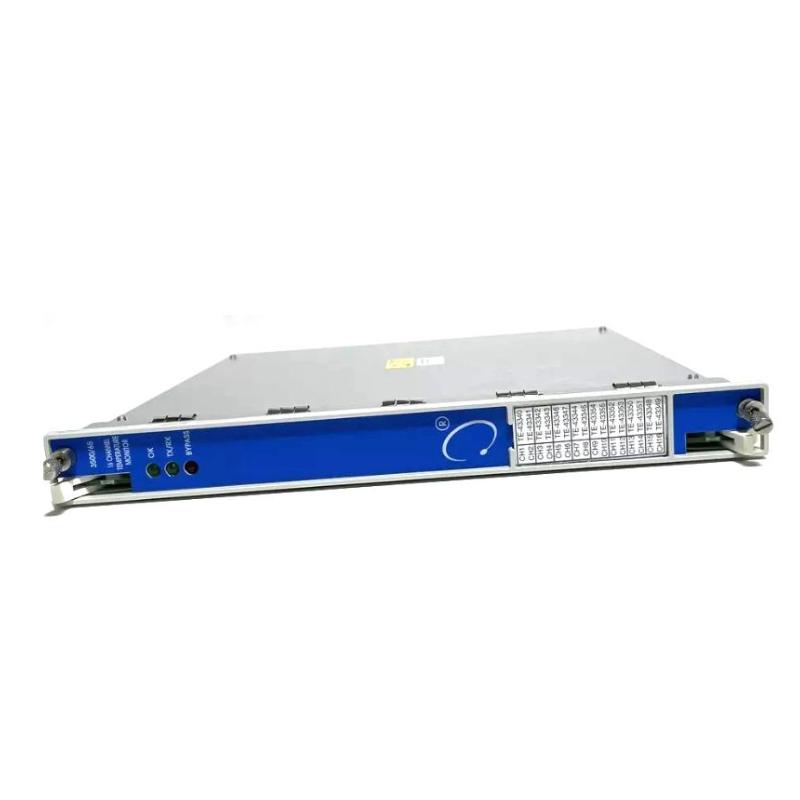
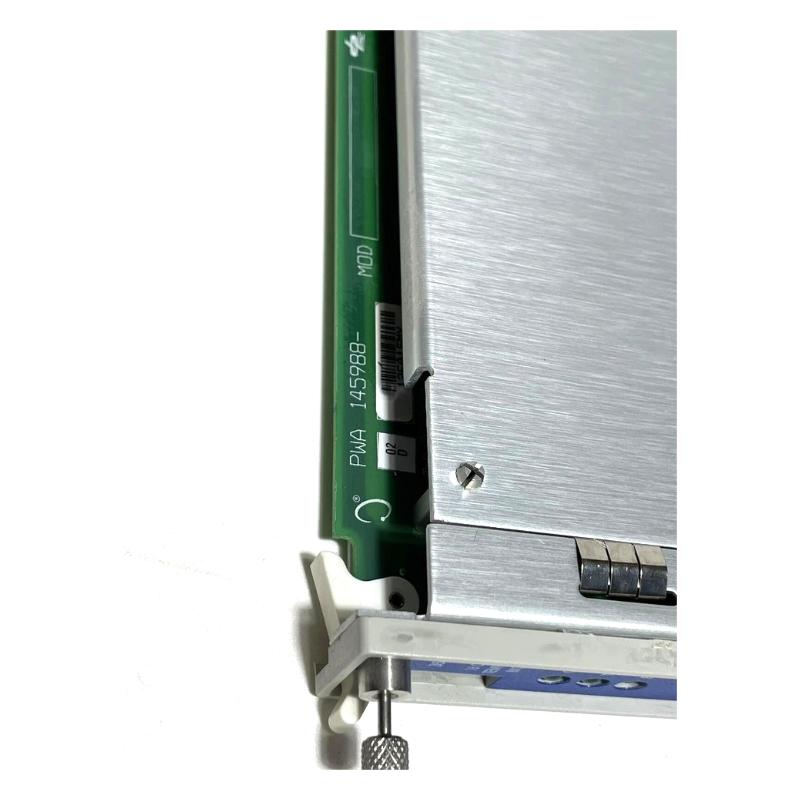
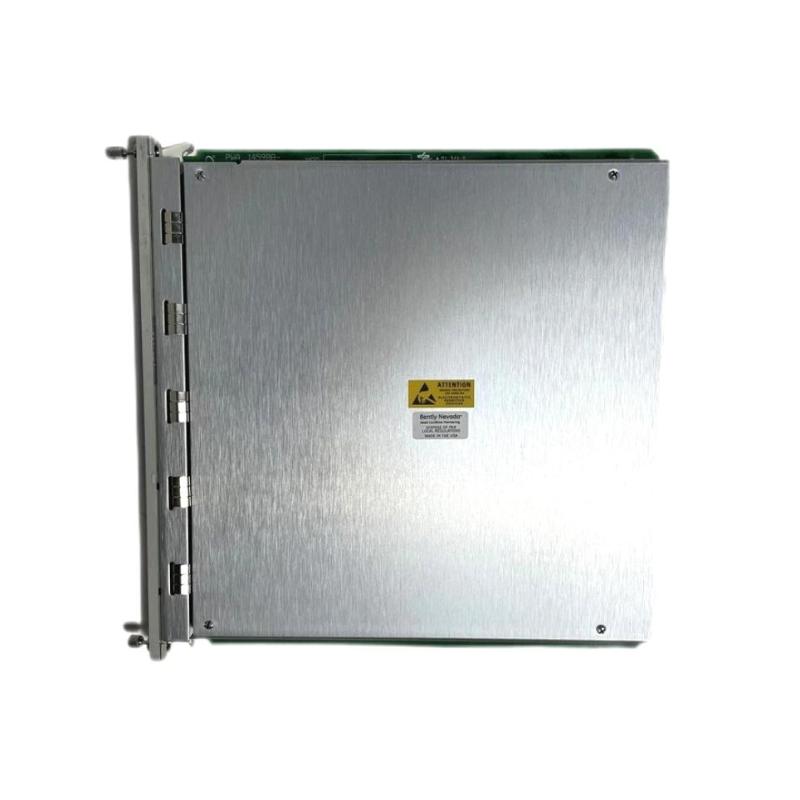
- Bently Nevada
- 3500/65-01-01
- Temperature Monitor Module
- USA
- 241.3 × 24.4 × 241.8 mm
- 0.91kg
- Xiamen, China
- New & In Stock
- T/T, PayPal, Western Union
- 1 Year
- 1-3 Working Days
- DHL, UPS, TNT, FedEx and EMS.
- 24-Hour Service
- COO
- 3
Our advantage

Global Logistics
We have a 10-year logistics and express cooperation agreement, so our products can be shipped to any place in the world.

Brand new and original
Our products are imported in bulk from the place of origin. Because of the cooperative relationship, our products are all original and 100% new.

24-hour service
We provide 7*24 hours service to our customers. We will be there whenever you need us.

Price advantage
All our products are priced very favorably because we have our own warehouse and supply.
| Company Information | |||
| [email protected] | |||
| Mobile | +8615980777398 | ||
| +8615980777398 | |||
| 15980777398 |
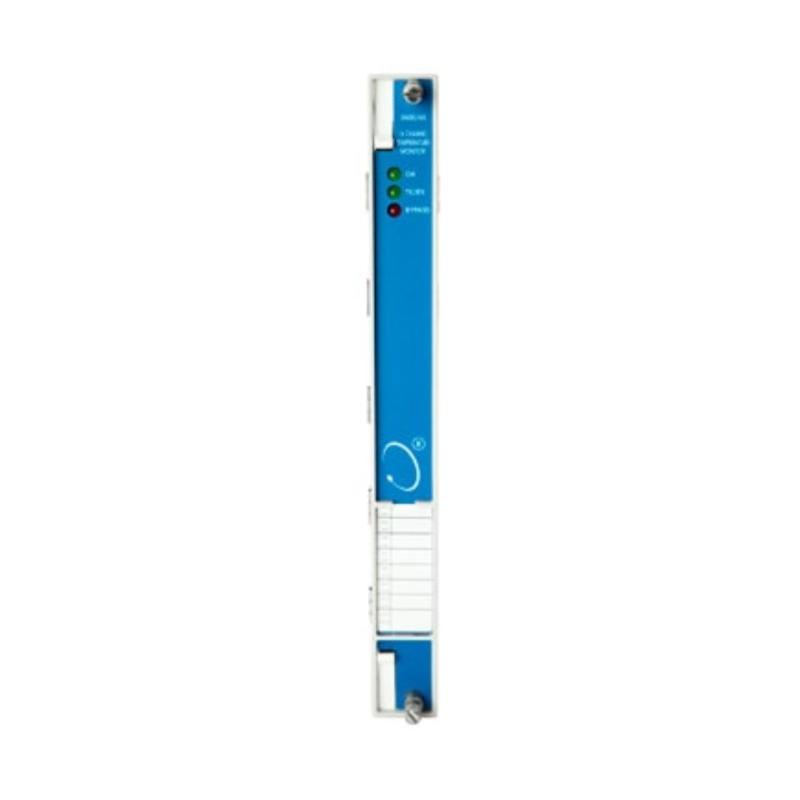
Bently Nevada 3500/65-01-01 — 16-Channel Temperature Monitor
1. Product Overview
The Bently Nevada 3500/65-01-01 is a 16-channel temperature monitoring module designed for industrial machinery condition monitoring and protection. It belongs to the 3500 Series Machinery Protection System and is intended to monitor temperature signals from compatible resistance temperature detectors (RTDs) and isolated-tip thermocouples (TCs).
The monitor receives temperature signals from connected sensors, conditions the signals, calculates temperature readings, and compares the results with user-configurable alarm setpoints. When a reading reaches a configured limit, the system can indicate an alarm condition and provide information for further investigation or protective action through the wider monitoring system.
The model is suitable for installations where temperature needs to be monitored at multiple points on rotating machinery or associated equipment. Common examples include turbine bearings, compressor bearings, motor windings, generator components, and selected industrial process locations.
The model code 3500/65-01-01 identifies a 3500/65 temperature monitor configuration with an RTD/isolated-tip thermocouple I/O arrangement using internal terminations and a CSA/NRTL/C approval option. The exact hardware and approval markings should be checked on the installed unit before procurement, replacement, or commissioning.
2. Brand and Product Series
| Item | Specification |
|---|---|
| Brand | Bently Nevada |
| Model | 3500/65-01-01 |
| Product name | 16-Channel Temperature Monitor |
| Product family | 3500 Machinery Protection System |
| Product series | 3500 Series |
| Product category | Industrial temperature monitoring |
| Main function | Continuous temperature measurement and alarm monitoring |
| Number of channels | 16 |
| Supported sensor types | Compatible RTDs and isolated-tip thermocouples |
| I/O configuration | RTD/isolated-tip TC with internal terminations |
| Approval option | CSA/NRTL/C, as indicated by the -01 configuration code |
| Installation format | Rack-mounted monitor module with rear I/O module |
| Typical system use | Machinery condition monitoring and protection |
3. Technical Specifications
The following table summarizes the commonly specified characteristics of the 3500/65 monitor. Temperature ranges depend on the configured sensor type, while exact operating and approval conditions must be confirmed for the specific hardware revision.
| Parameter | Specification |
|---|---|
| Model number | 3500/65-01-01 |
| Monitor type | 16-channel temperature monitor |
| Measurement channels | 16 |
| Supported inputs | RTD and isolated-tip thermocouple |
| RTD wiring | Compatible 3-wire and 4-wire arrangements |
| Input impedance | Greater than 1 MΩ per input lead |
| Temperature resolution | 1°C or 1°F |
| Typical measurement accuracy | ±3°C at +25°C under specified conditions |
| Thermocouple cold-junction compensation accuracy | Approximately ±2°C at +25°C under specified conditions |
| Nominal power consumption | 3 W |
| RTD current source | 913 ±7 μA at 25°C per transducer |
| Alarm setpoints | User-configurable |
| Alert delay | 1–60 seconds in 1-second increments |
| Danger delay | 1–60 seconds in 0.5-second increments, or minimum delay setting |
| Minimum alarm delay | Approximately 225 ms |
| Front-panel indicators | OK, TX/RX, Bypass |
| Main module dimensions (H × W × D) | 241.3 × 24.4 × 241.8 mm |
| Main module weight | Approximately 0.91 kg |
| I/O module dimensions (H × W × D) | 241.3 × 24.4 × 99.1 mm |
| I/O module weight | Approximately 0.45 kg |
| Main module rack space | One full-height front slot |
| I/O module rack space | One full-height rear slot |
| I/O termination type | Internal terminations |
| Approval configuration | CSA/NRTL/C option indicated by -01 |
| Operating temperature | Commonly specified from -20°C to +65°C for the applicable approval configuration; verify the unit’s rating |
| Shipping weight | Depends on packaging and included accessories |
Dimensions and weight: the main monitor and rear I/O module are separate components. Their weights should not be added to the published weight of a complete packaged product unless the actual shipment contents are known. The dimensions above describe the individual modules, not the overall rack.
4. Temperature Measurement Ranges
The monitor supports different temperature sensor types. Each sensor has its own usable measurement range, so the correct sensor type and range must be selected during system configuration.
RTD input ranges
| Sensor type | Typical measurement range |
|---|---|
| 100 Ω platinum RTD, α = 0.00385 | -200°C to +850°C |
| 100 Ω platinum RTD, α = 0.00392 | -200°C to +700°C |
| 120 Ω nickel RTD | -80°C to +260°C |
| 10 Ω copper RTD | -100°C to +260°C |
Thermocouple input ranges
| Sensor type | Typical measurement range |
|---|---|
| Type E thermocouple | -100°C to +1,000°C |
| Type J thermocouple | 0°C to +760°C |
| Type K thermocouple | 0°C to +1,370°C |
| Type T thermocouple | -160°C to +400°C |
These are representative ranges for supported sensor types, not a guarantee that every sensor configuration will use the entire range. Sensor calibration, wiring, ambient conditions, and configuration settings can affect the final measurement performance.
5. Product Introduction
The 3500/65-01-01 is designed for industrial sites that need reliable temperature information from several machine components at the same time. It consolidates up to 16 temperature inputs into a rack-based monitoring system, allowing operators and maintenance personnel to review multiple measurement points through a common platform.
In rotating machinery, temperature is an important indicator of operating condition. Bearing temperatures may rise because of lubrication problems, friction, excessive loading, or changes in operating conditions. Motor winding temperatures can reflect electrical loading and cooling performance. Temperature changes in turbines and compressors may also help identify abnormal thermal behavior that warrants further inspection.
The monitor conditions incoming RTD and thermocouple signals and compares the calculated readings with configured alarm thresholds. This makes it useful for applications where temperature limits need to be established for individual measurement points rather than relying on a single general-purpose temperature reading.
The 3500/65-01-01 configuration uses an RTD/isolated-tip thermocouple I/O module with internal terminations. The internal termination arrangement is important when planning wiring, replacement parts, and installation work. An external-termination I/O module should not be assumed to be interchangeable with this configuration.
The monitor is intended to work as part of a larger machinery protection system. Its value comes not only from the individual temperature readings but also from the ability to integrate these readings into an established monitoring and alarm arrangement.
6. Main Applications
6.1 Steam and gas turbines
Turbines contain bearings and other components that operate under demanding mechanical and thermal conditions. Monitoring selected bearing temperatures helps operators identify abnormal changes and determine whether further inspection is necessary.
The 3500/65-01-01 can be used with compatible temperature sensors installed at designated measurement points. Depending on the turbine design, these points may include journal bearings, thrust bearings, and selected auxiliary systems.
Temperature information should be reviewed alongside vibration, shaft position, speed, and operating data. A temperature alarm alone does not identify the precise cause of a fault, but it can provide an important indication that the machine needs attention.
6.2 Centrifugal and process compressors
Compressors may operate continuously under varying pressure, speed, and process loads. Bearing temperatures and selected process temperatures can help operators assess whether the equipment is operating within its expected thermal conditions.
By monitoring several inputs simultaneously, the 3500/65 can support comparison between measurement points. A rising temperature on one bearing, for example, may require a different investigation from a temperature increase affecting several locations at the same time.
6.3 Electric motors
Large motors may have temperature sensors installed in their windings, bearings, or other critical locations. Monitoring these points helps plant personnel observe thermal conditions that can be associated with overload, cooling problems, friction, or insulation deterioration.
Where the installed sensors and wiring match the monitor’s supported inputs, the module can collect temperature data and compare readings with the configured alarm thresholds.
6.4 Generators
Generators may require temperature monitoring at selected winding and bearing locations. Thermal measurements help operators observe changes during different load conditions and investigate deviations from established operating patterns.
The monitor can form part of a wider monitoring arrangement that combines temperature data with other machine measurements and operating information.
6.5 Pumps and auxiliary machinery
Industrial pumps, gearboxes, lubrication systems, and other auxiliary equipment may have temperature sensors at selected locations. Temperature monitoring can help identify changes associated with increased friction, reduced lubrication performance, or unusual operating conditions.
The suitability of the 3500/65 depends on the input signal type, sensor arrangement, and the requirements of the overall monitoring system.
6.6 Industrial plants and process facilities
Power generation, petrochemical, refining, and other continuous-process facilities often need to supervise numerous temperature points across different machines. The 16-channel design can help consolidate these measurements within an established rack-based system.
This arrangement is particularly useful when temperature readings need to be considered together with vibration, speed, position, and other machinery condition data.
7. Product Advantages
7.1 Sixteen measurement channels
The monitor supports up to 16 temperature inputs, allowing multiple sensor readings to be collected through a single monitor module. This can help organize temperature monitoring for machines with several critical measurement points.
It also provides a consistent approach to channel configuration and alarm management within a compatible 3500 system.
7.2 Support for RTD and thermocouple sensors
The module supports compatible RTD and isolated-tip thermocouple inputs. This gives engineers flexibility when designing temperature monitoring arrangements for different equipment and measurement locations.
Sensor selection should be based on the required temperature range, response characteristics, installation conditions, and measurement accuracy.
7.3 Configurable alarm limits
The temperature monitor compares measured values with user-configurable setpoints. Alarm thresholds and delays can be established according to the monitored equipment and the plant’s operating procedures.
Correct configuration is essential. Alarm settings that are too sensitive may create unnecessary alarms, while excessively high limits may delay detection of an abnormal condition.
7.4 Integration with the 3500 system
The 3500/65 is designed to operate within the 3500 machinery monitoring architecture. Temperature information can therefore be considered alongside other compatible measurements in the same system.
This can support more consistent monitoring and make it easier for maintenance teams to investigate abnormal conditions across several measurement types.
7.5 Clear front-panel status indicators
The OK, TX/RX, and Bypass indicators provide basic information about module health, communication activity, and bypass status. These indicators are useful during routine inspection, commissioning, and initial troubleshooting.
For detailed diagnosis, technicians may also need to review the rack configuration, channel status, alarm records, and connected sensor wiring.
7.6 Rack-based installation
The module uses a defined rack installation format, with the monitor at the front and its associated I/O module at the rear. This arrangement helps keep monitoring electronics and field wiring organized within the overall system design.
The physical installation must still provide the correct slot allocation, wiring access, grounding, and environmental conditions.
7.7 Support for condition-based maintenance
Continuous temperature measurements can help maintenance teams identify changes in machine behavior before a problem becomes more severe. Trends can be compared with previous operating conditions and reviewed alongside vibration or other diagnostic measurements.
This information can support maintenance planning, inspection prioritization, and investigation of recurring alarms.
8. Installation and Maintenance Recommendations
Before installing or replacing a 3500/65-01-01, verify the complete model code and the associated I/O module. The same base model may be available with different termination arrangements or approval options.
Recommended checks include:
-
Confirm that the main monitor and rear I/O module match the required configuration.
-
Verify the RTD or thermocouple type and its wiring arrangement.
-
Check the sensor polarity, lead connections, and grounding where applicable.
-
Confirm the available rack slot and compatibility with the existing system configuration.
-
Review channel ranges, alarm thresholds, and delay settings.
-
Verify any required approval markings for the installation environment.
-
Check the condition of connectors, terminals, and the module enclosure.
-
Record the existing configuration before replacing a module.
-
After installation, confirm that all configured channels show reasonable readings.
-
Test alarm behavior using the approved commissioning and maintenance procedures.
A module should not be selected for replacement based only on its appearance or general series designation. The full part number, I/O arrangement, approval option, and system compatibility all matter.
9. Five Related Models in the Same Series
The following models are related members of the 3500 machinery monitoring family. They cover temperature monitoring, process variables, and other machinery measurements. Dimensions and weights are listed where a general module specification is available; values that depend on the exact hardware revision are marked for verification rather than presented as confirmed specifications.
| Model | Product type | Main parameters | Dimensions (H × W × D) | Weight (kg) |
|---|---|---|---|---|
| 3500/60 | Temperature monitor | Six-channel temperature monitoring; supports compatible temperature sensor inputs according to configuration | Verify exact module and I/O version | Verify |
| 3500/61 | Temperature monitor with recorder outputs | Six-channel temperature monitoring with additional recorder-output functionality | Verify exact module and I/O version | Verify |
| 3500/62 | Process variable monitor | Monitors compatible process signals, depending on the installed configuration | Verify exact part number | Verify |
| 3500/40M | Proximitor monitor | Monitors compatible proximity-probe signals for shaft vibration or position-related measurements | Verify exact module and I/O version | Verify |
| 3500/42M | Proximitor/Seismic monitor | Supports compatible vibration and position measurements, depending on channel configuration | Verify exact module and I/O version | Verify |
The 3500/60 and 3500/61 are the closest functional alternatives when the application is temperature monitoring. They have fewer channels than the 3500/65, so they should not be treated as direct replacements when all 16 measurement points are required.
The 3500/62, 3500/40M, and 3500/42M serve different measurement functions. They may be relevant to a broader machinery monitoring project, but they do not replace a temperature monitor unless the system design and required input functions specifically allow it.
10. Five Popular Models from the Same Brand
These models represent other commonly used components in the same industrial machinery monitoring product range. Their functions differ, so the appropriate choice depends on the application rather than the model’s popularity alone.
| Model | Product category | Main parameters and functions | Dimensions (H × W × D) | Weight (kg) |
|---|---|---|---|---|
| 3500/15 | Power supply module | Provides rack power; exact input type depends on the selected part number | Verify exact AC/DC version | Verify |
| 3500/22M | Transient Data Interface | Supports rack communication, configuration access, and data interface functions | Verify exact hardware version | Verify |
| 3500/25 | Enhanced Keyphasor module | Processes compatible Keyphasor signals for speed and phase reference applications | Verify exact module and I/O version | Verify |
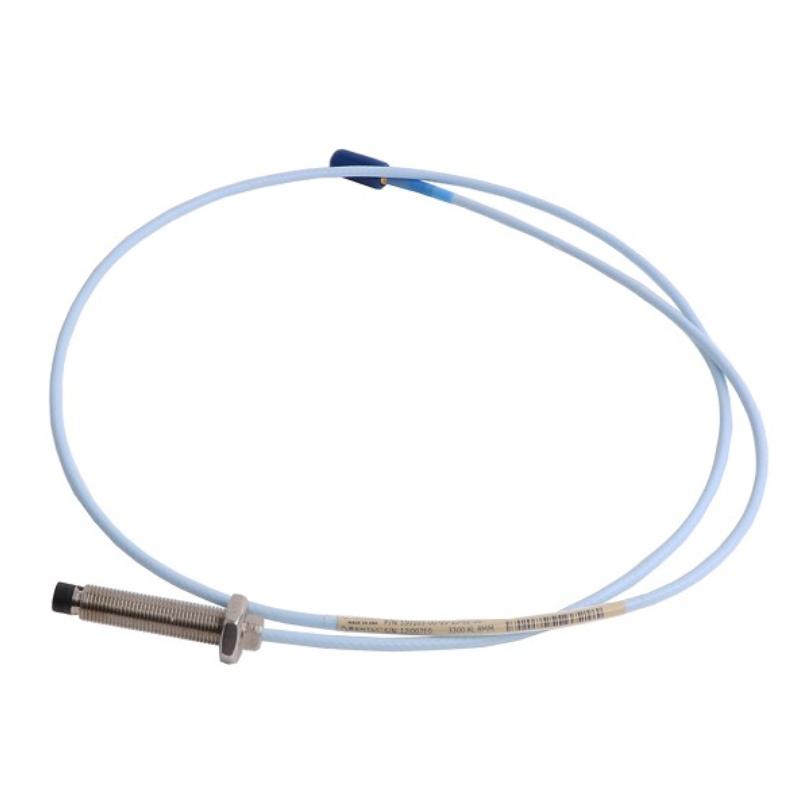
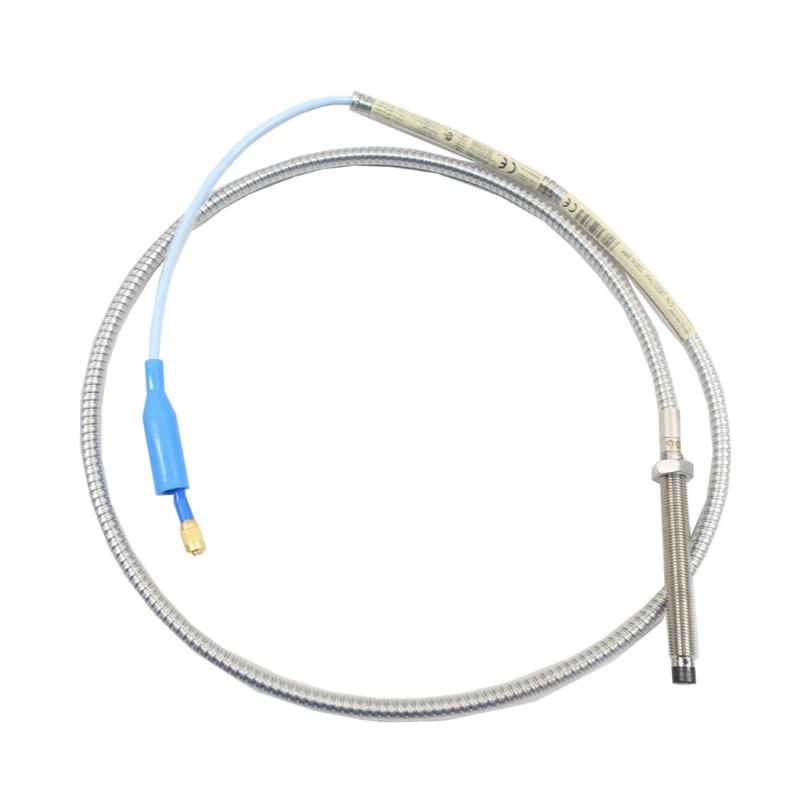
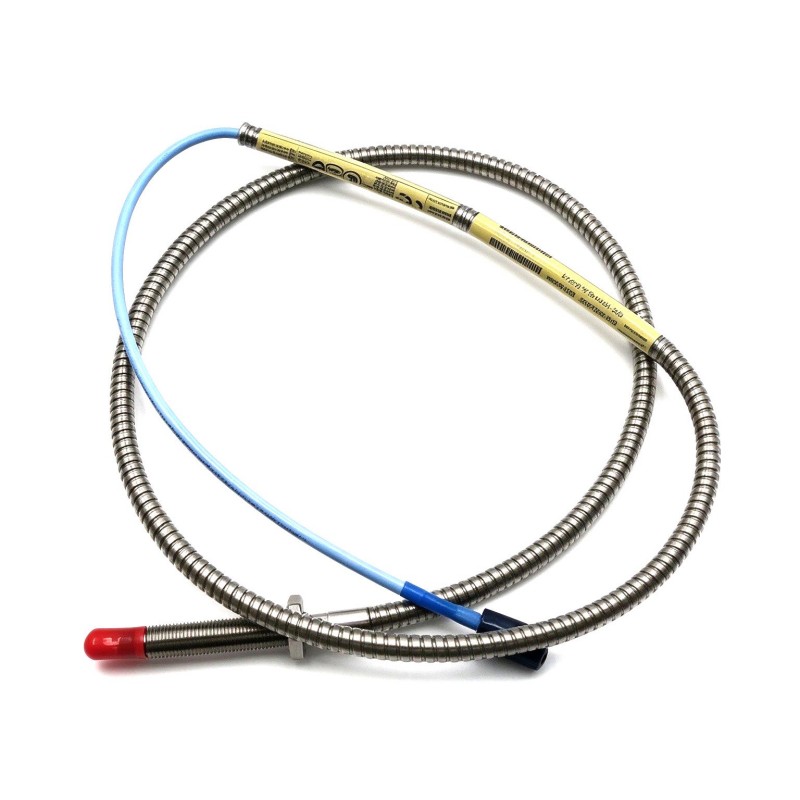
| 330103 | Proximity probe | Part of the 3300 XL 8 mm proximity transducer family; probe length and connector details depend on the full part number | Depends on probe configuration | Depends on configuration |
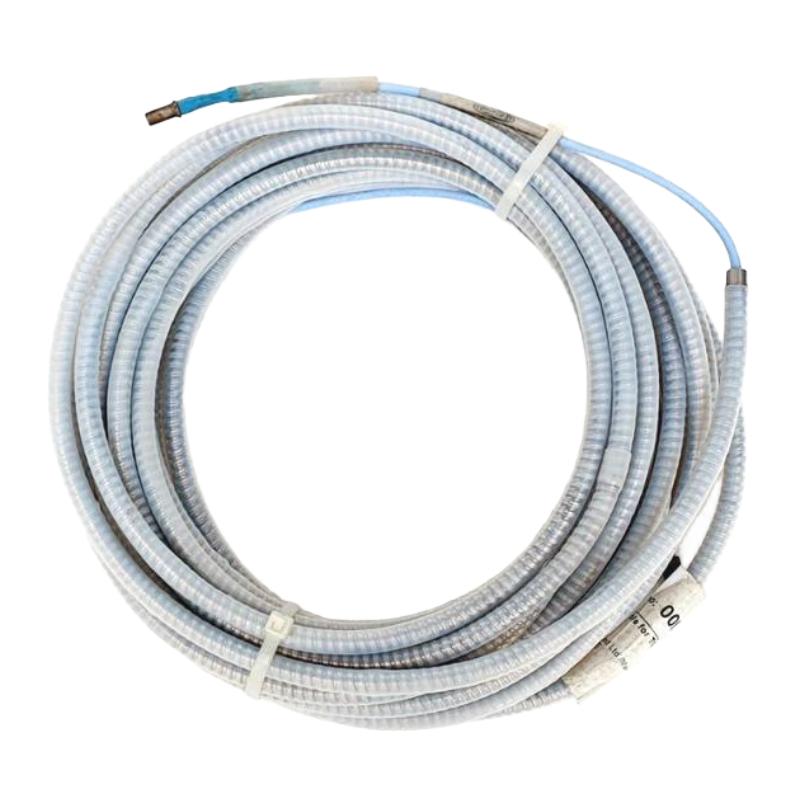
| 330180 | Extension cable | Part of the 3300 XL 8 mm proximity transducer system; cable length and connector arrangement depend on the full part number | Depends on cable length and connectors | Depends on cable length |
Note on dimensions and weight: rack modules and proximity transducer components have different physical formats. The exact dimensions and mass of each item should be confirmed using its complete ordering code. For probe and cable products, length is a major factor in overall dimensions and weight.
11. Comparison of the Main Model and Related Temperature Monitors
| Comparison item | 3500/65-01-01 | 3500/60 | 3500/61 |
|---|---|---|---|
| Main function | Temperature monitoring | Temperature monitoring | Temperature monitoring with recorder outputs |
| Channel capacity | 16 channels | 6 channels | 6 channels |
| RTD input support | Yes, in compatible configurations | Depends on configuration | Depends on configuration |
| Thermocouple input support | Yes, isolated-tip TC | Depends on configuration | Depends on configuration |
| Recorder-output functionality | Not its defining feature | Check exact version | Additional recorder-output functionality |
| Typical application | Monitoring many temperature points | Monitoring a smaller number of temperature points | Temperature monitoring where recorder outputs are required |
| I/O configuration | Internal terminations for the -01 arrangement | Confirm full ordering code | Confirm full ordering code |
| Dimensions | 241.3 × 24.4 × 241.8 mm for the main module | Verify exact version | Verify exact version |
| Main module weight | Approximately 0.91 kg | Verify exact version | Verify exact version |
The main difference is channel capacity and the particular functions offered by each monitor. The 3500/65 is suited to installations requiring up to 16 temperature channels, while the 3500/60 and 3500/61 may suit applications with fewer measurement points.
12. Ordering Checklist
Use this checklist when specifying or purchasing the 3500/65-01-01.
| Item to check | Requirement |
|---|---|
| Complete model | 3500/65-01-01 |
| Monitor function | 16-channel temperature monitoring |
| I/O module type | RTD/isolated-tip TC with internal terminations |
| Approval option | CSA/NRTL/C, as indicated by the configuration code |
| Sensor compatibility | Confirm RTD or thermocouple type |
| Wiring arrangement | Confirm 3-wire or 4-wire RTD and thermocouple wiring requirements |
| Rack compatibility | Confirm rack, slot, and system configuration |
| Software compatibility | Check the applicable rack configuration software and firmware |
| Alarm settings | Verify setpoints, delays, and system logic |
| Physical condition | Inspect front panel, connectors, and rear terminals |
| Dimensions | Main module: 241.3 × 24.4 × 241.8 mm |
| Main module weight | Approximately 0.91 kg |
| I/O module dimensions | 241.3 × 24.4 × 99.1 mm |
| I/O module weight | Approximately 0.45 kg |
| Shipping requirements | Confirm packed dimensions, accessories, and shipping weight separately |
13. Conclusion
The Bently Nevada 3500/65-01-01 is a 16-channel temperature monitor designed for continuous temperature supervision within the 3500 Machinery Protection System. It supports compatible RTD and isolated-tip thermocouple inputs, provides configurable alarm thresholds, and integrates temperature measurements into a broader industrial machinery monitoring arrangement.
Its main advantages are its 16-channel capacity, support for different temperature sensor types, rack-based installation, and ability to contribute useful thermal information to condition monitoring and maintenance decisions.
The commonly specified dimensions of the main monitor are 241.3 × 24.4 × 241.8 mm, with a weight of approximately 0.91 kg. The associated I/O module measures approximately 241.3 × 24.4 × 99.1 mm and weighs approximately 0.45 kg. These figures refer to the individual modules rather than a packaged shipment.
For a replacement or new installation, the key points are to confirm the complete model number, internal-termination I/O arrangement, approval option, sensor compatibility, and system configuration. These checks help ensure that the selected module is suitable for the intended monitoring application.