

ProductPRODUCT
Featured products
Contact Us
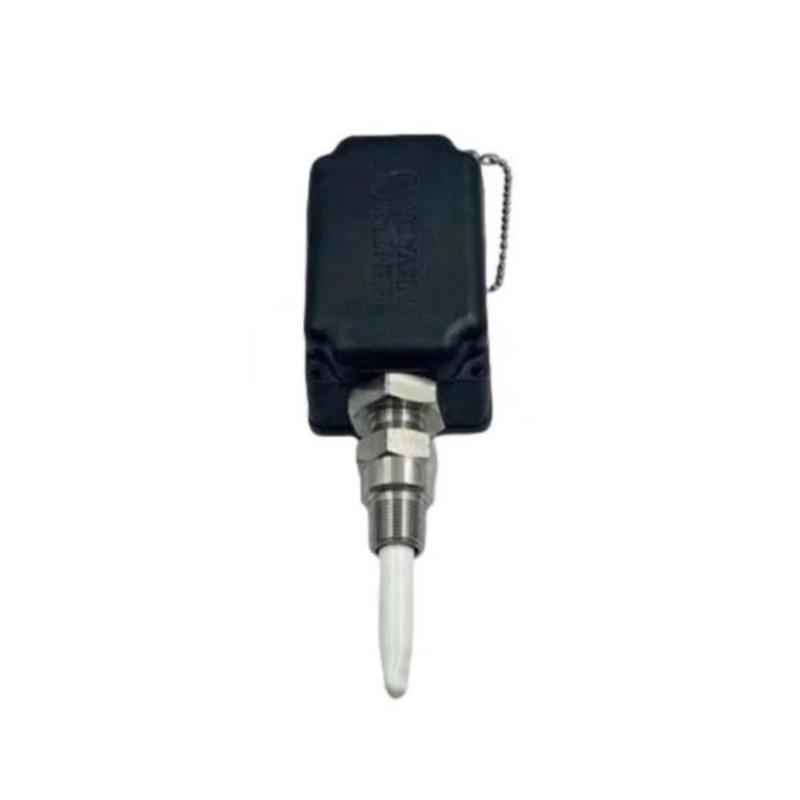
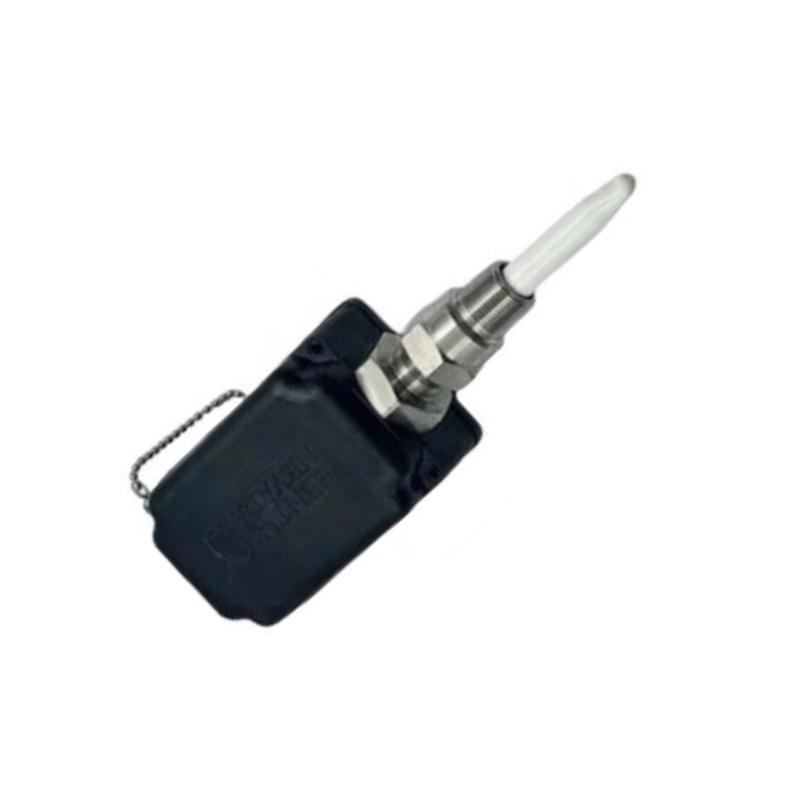
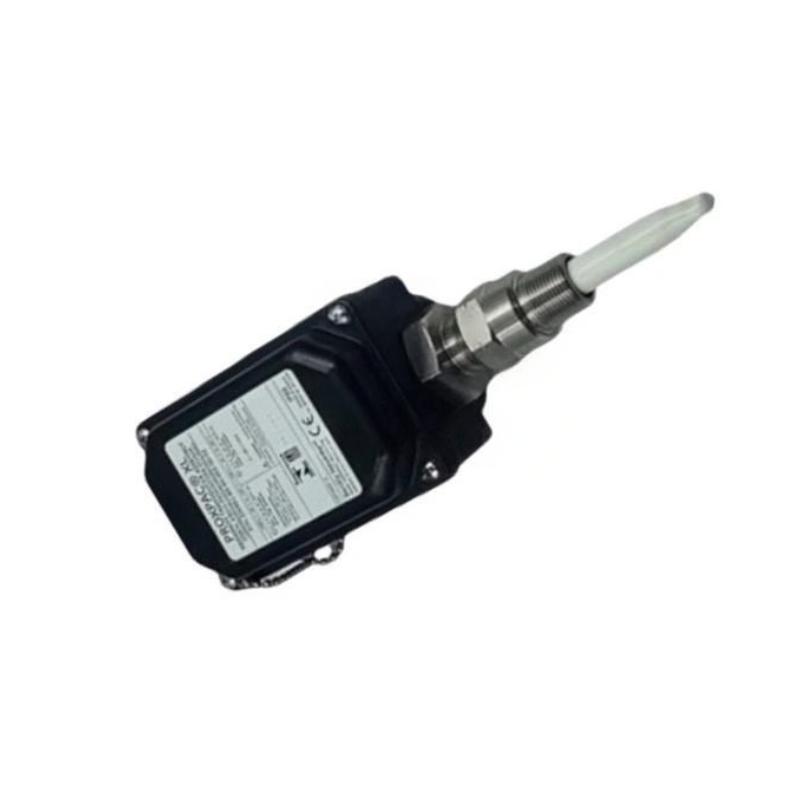
- Bently Nevada
- 330881-16-09-165-07-02
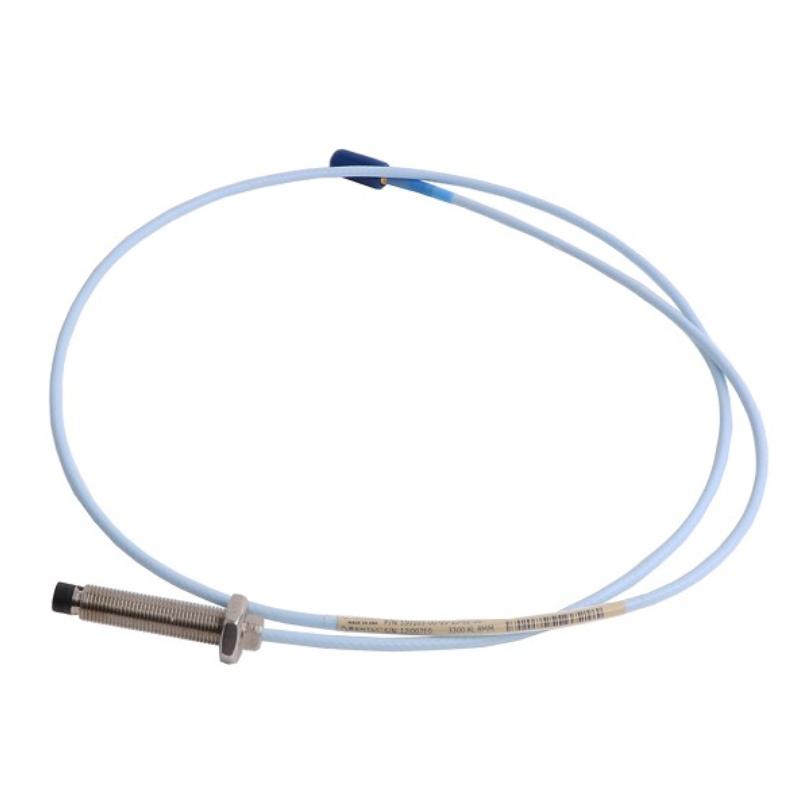
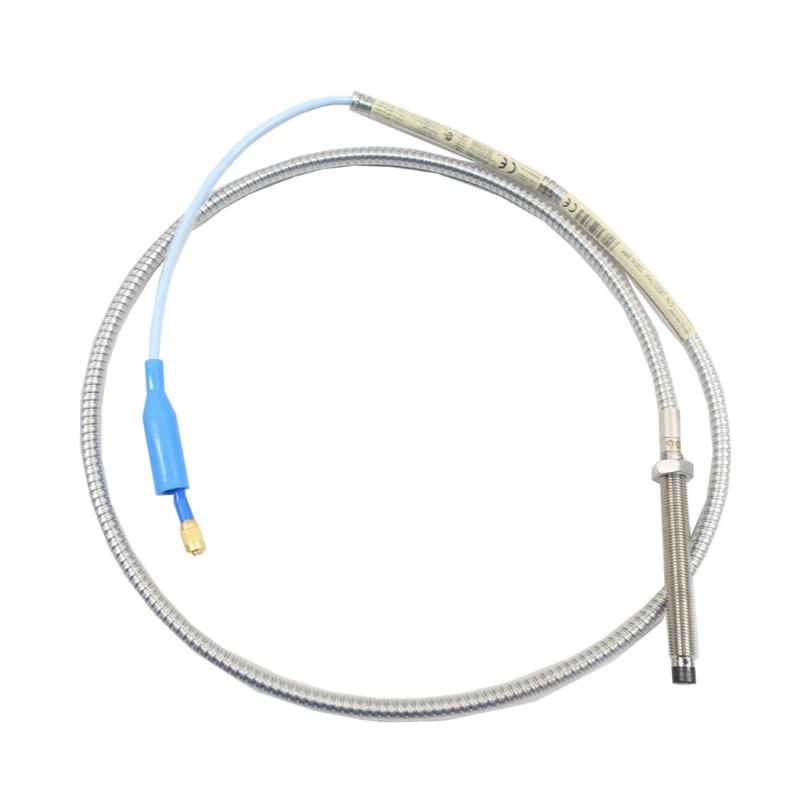
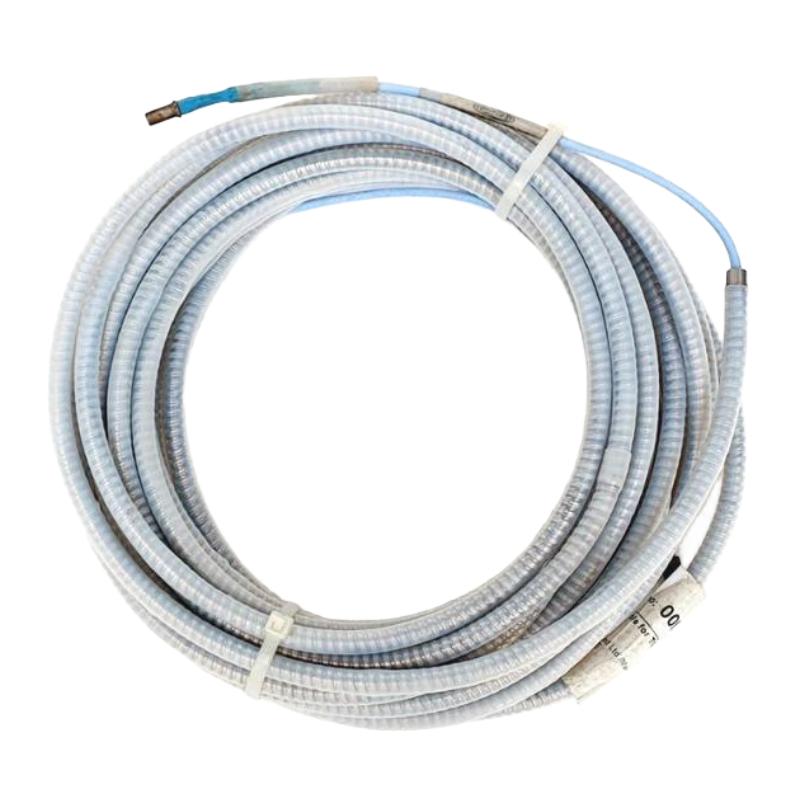
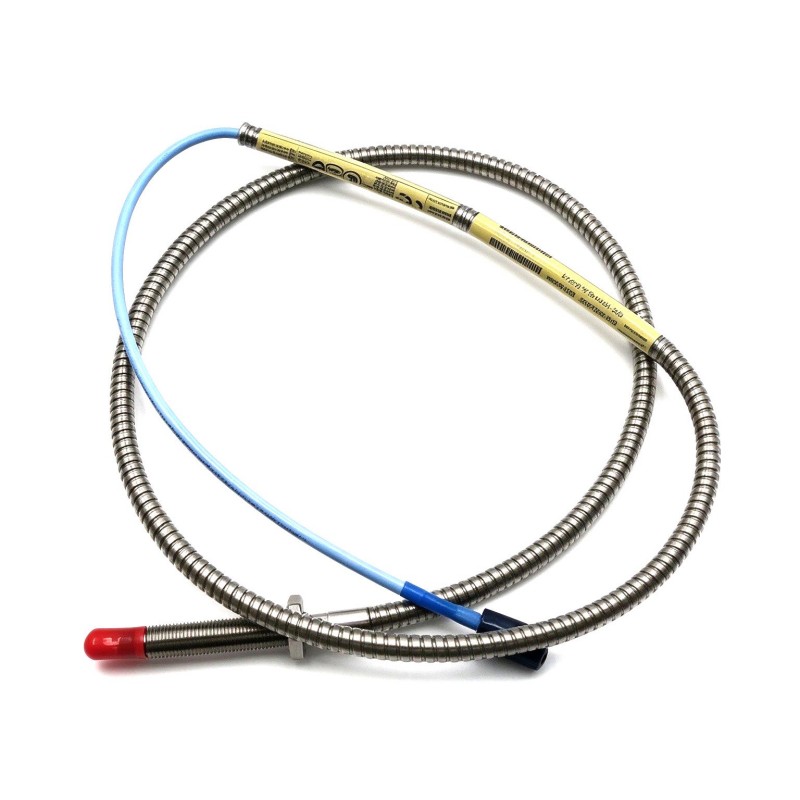
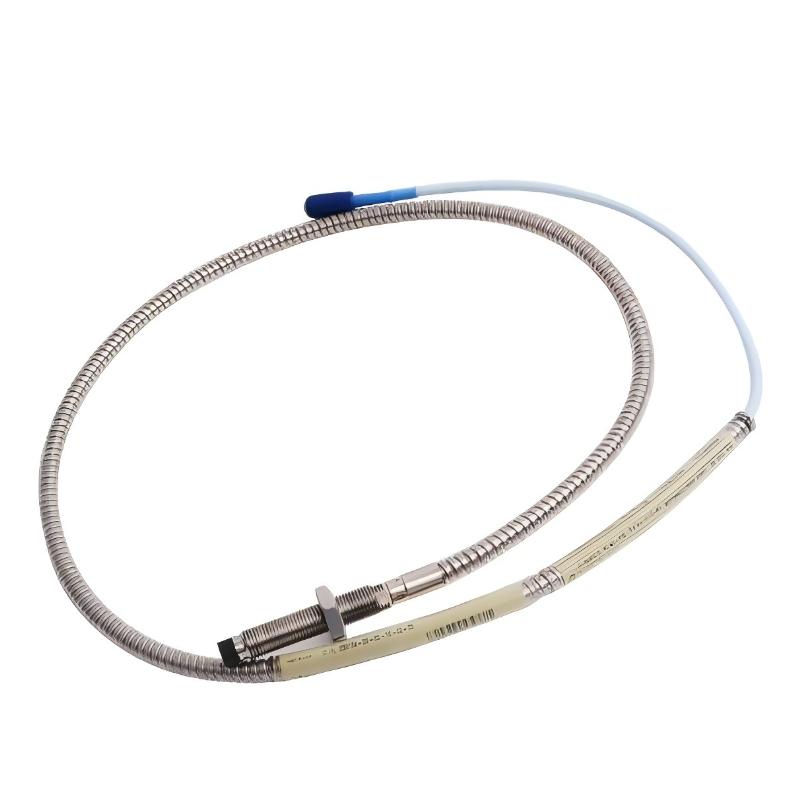
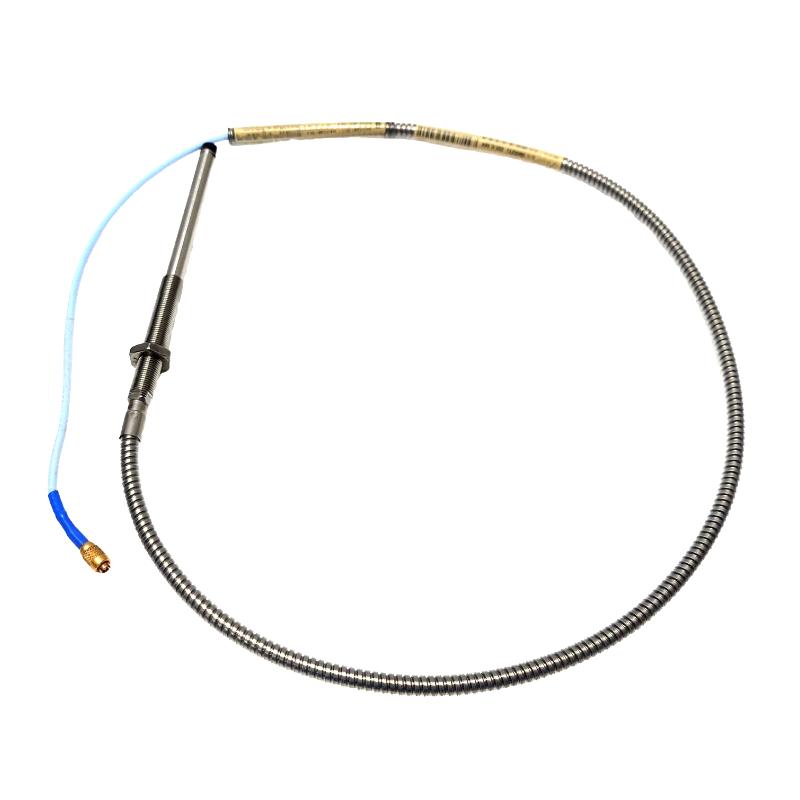
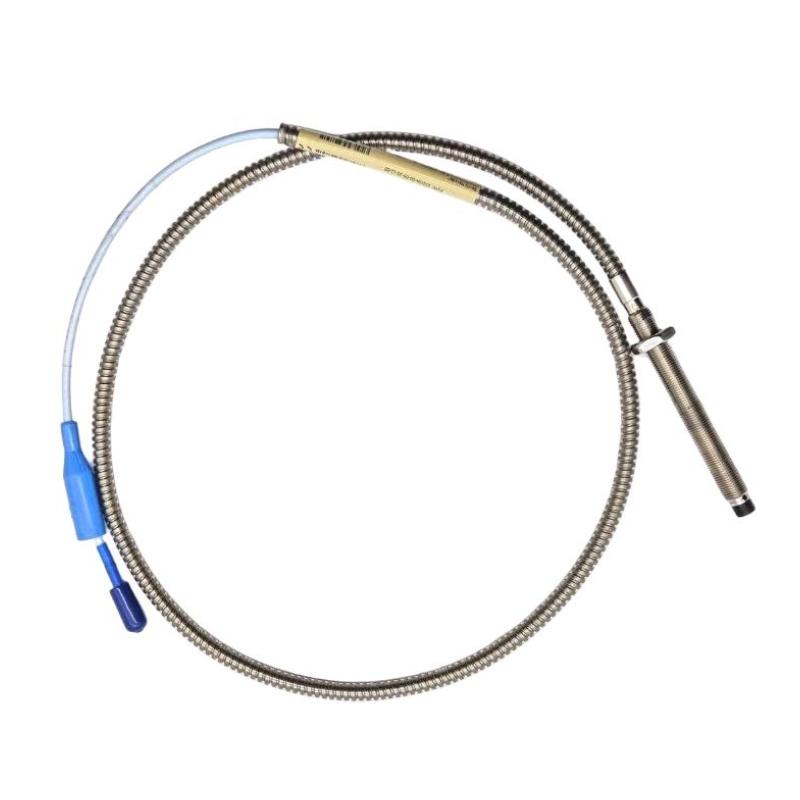
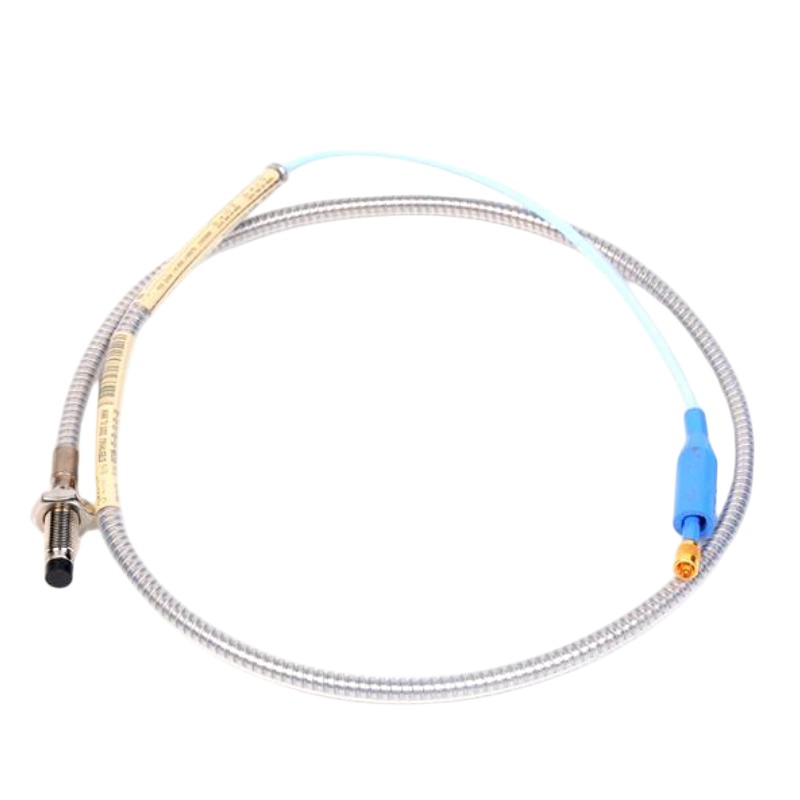
- PROXPAC XL Proximity Transducer Assembly
- USA
- 36.5 × 9 × 9.3 cm
- 1.44kg
- Xiamen, China
- New & In Stock
- T/T, PayPal, Western Union
- 1 Year
- 1-3 Working Days
- DHL, UPS, TNT, FedEx and EMS.
- 24-Hour Service
- COO
- 4
Our advantage

Global Logistics
We have a 10-year logistics and express cooperation agreement, so our products can be shipped to any place in the world.

Brand new and original
Our products are imported in bulk from the place of origin. Because of the cooperative relationship, our products are all original and 100% new.

24-hour service
We provide 7*24 hours service to our customers. We will be there whenever you need us.

Price advantage
All our products are priced very favorably because we have our own warehouse and supply.
| Company Information | |||
| [email protected] | |||
| Mobile | +8615980777398 | ||
| +8615980777398 | |||
| 15980777398 |
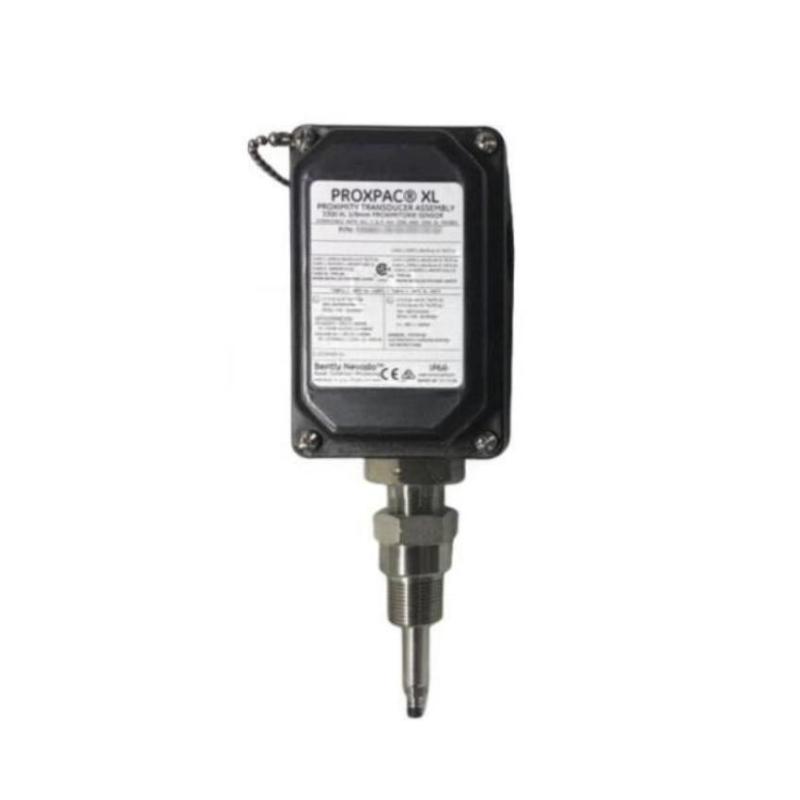
Bently Nevada 330881-16-09-165-07-02 — Product Description, Technical Parameters, Applications, and Related Models
1. Product Overview
The Bently Nevada 330881-16-09-165-07-02 is a model number within the PROXPAC XL product family, associated with proximity-based machinery measurement. This type of equipment is designed for industrial applications that require reliable monitoring of shaft position, vibration, and the operating condition of rotating machinery.
Proximity measurement systems work without direct mechanical contact between the probe and the target shaft. The probe generates an electromagnetic field, and changes in the gap between the probe tip and a conductive target influence the electrical signal. When used with compatible monitoring electronics, this signal can be used to assess shaft vibration, relative movement, and other machinery conditions.
The exact configuration of this particular ordering code should be verified against the product’s configuration drawing before installation or procurement. In particular, the “-09-” option and the “-07-” option should not be assumed to have the same meaning as similarly positioned codes in other configurations. The information below separates general family characteristics from details that require confirmation for the exact unit.
2. Brand and Product Series
| Item | Description |
|---|---|
| Brand | Bently Nevada |
| Product series | PROXPAC XL |
| Product type | Proximity transducer assembly |
| Measurement principle | Non-contact eddy-current proximity measurement |
| Primary purpose | Shaft vibration and position measurement |
| Typical equipment monitored | Turbines, compressors, pumps, motors, and other rotating machinery |
| Installation environment | Industrial machinery installations, subject to the selected configuration’s environmental and approval ratings |
| Model number | 330881-16-09-165-07-02 |
3. Technical Parameters
The table below summarizes the main technical characteristics relevant to this product family. Values that depend on the precise ordering code or the assembly drawing are marked for verification rather than presented as confirmed specifications.
| Parameter | Description |
|---|---|
| Model | 330881-16-09-165-07-02 |
| Brand | Bently Nevada |
| Series | PROXPAC XL |
| Product category | Proximity transducer assembly |
| Sensor technology | Eddy-current proximity sensing |
| Measurement method | Non-contact measurement of the gap between the probe and a conductive target |
| Typical measurement targets | Conductive rotating shafts and compatible metal surfaces |
| Typical measured variables | Relative shaft vibration, shaft position, and displacement, depending on the connected monitoring system |
| Probe family | Associated with the 3300 XL 8 mm proximity measurement family; exact assembly configuration to be confirmed |
| Probe penetration / insertion length | The model includes a “165” configuration segment; confirm the unit and the exact mechanical definition from the assembly drawing before treating it as a 165 mm insertion length |
| Mounting arrangement | Determined by the full ordering code and mechanical drawing |
| Fittings and connectors | Must be confirmed from the “-09-” and “-07-” configuration options |
| Power supply | Depends on the compatible Proximitor and monitoring-system arrangement |
| Output signal | Depends on the installed transducer electronics and system configuration |
| Environmental protection | Depends on the specified housing, connectors, and installation arrangement |
| Hazardous-area approval | Must be checked against the exact order code and applicable certification documents |
| Operating temperature | Verify against the product datasheet for the exact assembly |
| Overall dimensions | Exact dimensions require the assembly drawing |
| Package dimensions | Not confirmed for this exact model |
| Net weight | Not confirmed for this exact model |
| Shipping weight | Not confirmed; may differ from the net weight because of protective packaging and accessories |
Important note about dimensions and weight: I cannot reliably establish the exact physical dimensions or mass from the model number alone. A fabricated value could lead to incorrect shipping estimates, mounting clearances, or installation planning. For purchasing and logistics, use the dimensions and net weight on the manufacturer’s drawing or the supplier’s packing specification.
3.1 Electrical and Measurement Characteristics
The PROXPAC XL family combines a proximity probe with a Proximitor sensor housed in the assembly. The following values are representative of the 3300 XL 8 mm measurement system and should be checked against the precise hardware revision and installation arrangement.
| Parameter | Typical value or description |
|---|---|
| Measurement range | Approximately 2 mm for the standard 3300 XL 8 mm system; exact usable range depends on configuration |
| Recommended probe gap | Approximately 1.27 mm (50 mils) for the standard system |
| Scale factor | Approximately 7.87 V/mm (200 mV/mil), subject to system compatibility and calibration |
| Output resistance | Approximately 50 Ω |
| Power supply | Commonly −17.5 to −26 VDC for configurations without barriers |
| Power supply with barriers | May require approximately −23 to −26 VDC, depending on the barrier and system design |
| Maximum current consumption | Approximately 12 mA for the relevant Proximitor arrangement |
| Frequency response | Suitable for machinery vibration measurement; confirm the specified frequency range for the complete system |
| Probe-to-target method | Non-contact eddy-current sensing |
| Signal transmission | Integrated probe and Proximitor assembly, with field wiring routed to the compatible monitor |
| Calibration requirement | Use the approved probe, target material, cable arrangement, and compatible monitoring channel |
| System compatibility | Confirm compatibility with the installed 3300 XL / 3500 monitoring configuration |
These figures are reference characteristics of the product family, not a substitute for the complete model-specific datasheet. The exact operating limits must be confirmed before commissioning.
4. Model Number and Configuration
The ordering code identifies the assembly family and its mechanical and electrical options. Based on the PROXPAC XL ordering structure, the model can be interpreted as follows, with the mechanical options confirmed against the applicable ordering table before purchase.
| Code segment | Interpretation |
|---|---|
| 330881 | PROXPAC XL proximity transducer assembly |
| 16 | 3300 XL 8 mm probe without multiple approvals |
| 09 | Standoff adapter option; verify the exact nominal length against the ordering table |
| 165 | Nominal probe penetration configuration, generally associated with a 165 mm option |
| 07 | Fittings option; confirm the precise fitting type and supplied accessories from the configuration drawing |
| 02 | 3/4-14 NPT mounting-thread option |
The complete code matters. Two assemblies from the same product family can have different adapter lengths, probe penetration, conduit fittings, mounting interfaces, and approval status. Those differences can affect both installation and suitability for the intended environment.
Because option 16 specifies a probe without multiple approvals, hazardous-area suitability should not be assumed. Where the installation is in a classified area, confirm the complete system certification and the requirements for the probe, sensor, barriers, cabling, and monitoring equipment.
5. Product Introduction
The Bently Nevada PROXPAC XL proximity transducer assembly is designed to simplify the installation of a proximity measurement system on industrial rotating machinery. It combines the probe assembly and Proximitor sensor within a single housing, reducing the number of separate components that would otherwise need to be mounted and wired individually.
In a conventional arrangement, the proximity probe is installed near the shaft, while a separate Proximitor sensor is mounted elsewhere. The probe, extension cable, and sensor must be selected as a compatible measurement chain. The PROXPAC XL design brings the probe and Proximitor sensor together in one assembly, eliminating the conventional extension cable between the probe and its separate Proximitor housing.
This integrated construction can make the installation more straightforward, especially where access is limited or where a separate sensor enclosure would be inconvenient. It also gives maintenance personnel a defined assembly to inspect when investigating a measurement problem.
The housing uses glass-reinforced polyphenylene sulfide (PPS) with conductive fibers. This material is intended to provide mechanical strength and help dissipate electrostatic charge. The product family is associated with Type 4X and IP66 enclosure protection; however, the applicable rating must be checked against the exact assembly and installation conditions.
The unit is intended to operate as part of a compatible machinery monitoring system. It is not a standalone vibration display or a complete machinery protection system by itself. Accurate readings depend on correct installation, the appropriate target material, probe gap adjustment, suitable wiring, and a properly configured monitor.
6. Main Applications
6.1 Steam and Gas Turbines
Turbines operate at high rotational speeds and require continuous observation of shaft movement and vibration. A properly configured proximity system can provide relative shaft vibration and position signals for compatible monitoring equipment.
The data can help operators identify changes in vibration patterns, investigate abnormal operating conditions, and support maintenance decisions. The sensor assembly must be selected to suit the turbine casing, mounting geometry, shaft material, and monitoring requirements.
6.2 Centrifugal and Process Compressors
Compressors are often critical to production and may operate continuously under demanding mechanical conditions. Shaft vibration and position measurements are useful for assessing changes in rotor behavior and identifying developing mechanical problems.
The PROXPAC XL form factor can be useful where a compact, integrated installation is preferred. The selected probe penetration and adapter arrangement must match the available mounting point and required measurement location.
6.3 Industrial Pumps
Large process pumps, boiler-feed pumps, and other rotating pump systems may require shaft vibration monitoring as part of a wider condition-monitoring program.
The proximity system can supply measurement signals to compatible monitoring equipment, helping maintenance teams observe changes in shaft motion and compare operating behavior over time. The specific measurement arrangement depends on the pump design and the location of the probe.
6.4 Electric Motors and Generator Sets
For suitable motor and generator installations, shaft proximity measurements can be used to monitor relative shaft motion and support vibration analysis.
The assembly must be selected according to the shaft diameter, target material, installation clearance, and monitoring channel requirements. Not every motor installation requires a proximity probe; the technique is most appropriate where the machine design and measurement objective call for shaft-relative measurements.
6.5 Petrochemical and Refining Equipment
Rotating machinery in process plants can be difficult to access and costly to take out of service. A consolidated sensor assembly may simplify installation and reduce the number of separate enclosures and cable connections around the machine.
The actual suitability of the model depends on the operating environment, required approvals, temperature, mounting arrangement, and the plant’s electrical and machinery protection standards.
6.6 Power Generation and Heavy Industry
In power generation, utilities, and heavy industrial processes, machinery condition data can support planned maintenance and troubleshooting. The PROXPAC XL assembly can be part of a broader monitoring arrangement that includes vibration channels, shaft-position measurements, alarm settings, and machinery protection logic.
Its role is to provide a measurement signal. Diagnosis, alarming, shutdown decisions, and trend interpretation are handled by the compatible monitoring system and the site’s operating procedures.
7. Product Advantages
7.1 Integrated Construction
The probe and Proximitor sensor are incorporated into one assembly. This reduces the need for a separate Proximitor housing and avoids the conventional extension cable between the probe and its separate sensor.
For equipment layouts with limited space, the integrated structure can make the installation more compact and easier to organize.
7.2 Simplified Installation
A combined assembly can reduce the number of individual parts that must be mounted, aligned, and wired. This may simplify installation planning and make the measurement system easier to inspect during maintenance.
Correct installation is still essential. Mounting-thread compatibility, probe penetration, adapter length, cable routing, and the probe gap must all be checked against the equipment drawing.
7.3 Support for Continuous Condition Monitoring
When connected to a compatible monitoring system, the assembly can provide measurement signals for ongoing observation of shaft vibration and position. These measurements can help maintenance personnel identify changes from normal operating behavior and investigate possible mechanical issues.
The equipment does not independently diagnose every failure mode. Its usefulness depends on correct sensor placement, monitoring configuration, trend interpretation, and suitable alarm limits.
7.4 Industrial Housing Design
The housing is made from glass-reinforced PPS with conductive fibers. This construction is designed to provide a robust enclosure and help dissipate electrostatic charge.
The product family is associated with Type 4X and IP66 protection, which can be valuable in demanding industrial installations. Actual protection depends on the selected assembly, cable entry, fittings, and installation practices.
7.5 Reduced Component Complexity
By bringing the probe and Proximitor sensor together, the design can reduce the number of separate enclosures and interconnecting components in comparison with a conventional split arrangement.
Fewer separate components may simplify inspection and replacement planning. Nevertheless, the complete order code and accessories should be retained in maintenance records to ensure that a replacement matches the original configuration.
7.6 Compatibility with Machinery Monitoring Systems
The PROXPAC XL family is designed to provide proximity measurement signals for compatible machinery monitoring equipment. This allows the assembly to form part of a larger monitoring and protection arrangement rather than functioning as an isolated instrument.
Compatibility should always be checked at the level of the full measurement chain, including the probe, sensor, wiring, barriers where required, and monitor input.
8. Installation and Maintenance Considerations
Before installation, compare the assembly drawing with the actual machine mounting point. Confirm the standoff arrangement, penetration length, mounting thread, conduit fittings, available clearance, and the required probe-to-shaft gap.
The probe gap should be set using the correct procedure and compatible measuring equipment. An incorrect gap can affect the operating point and the accuracy of the resulting measurement signal.
Cable entries should be properly secured and sealed according to the installation requirements. Moisture ingress, poor grounding practices, incorrect wiring, or unsuitable cable routing can create measurement problems even when the sensor itself is functioning normally.
During maintenance, inspect the housing, mounting hardware, conduit entries, wiring terminations, and probe assembly. If a replacement is required, match the complete part number rather than choosing a unit based only on the PROXPAC XL family name.
For this specific model, the mechanical drawing should be treated as the final reference for dimensions, net weight, adapter length, fitting type, and installation clearances.
9. Five Related Models
The following models belong to the same general PROXPAC XL family. They are useful comparison candidates, but they are not guaranteed to be direct substitutes for model 330881-16-09-165-07-02. Their option codes and mechanical interfaces should be compared before ordering.
| Model | Series / product type | Main configuration detail | Dimensions | Weight (kg) |
|---|---|---|---|---|
| 330881-16-00-165-07-02 | PROXPAC XL proximity transducer | Same nominal penetration and fitting option; no standoff adapter | Approx. 36.5 × 9 × 9.3 cm; verify exact drawing | Approx. 1.35–1.50 |
| 330881-28-00-165-07-02 | PROXPAC XL proximity transducer | 3300 XL 8 mm probe with multiple approvals; nominal 165 mm penetration | Approx. 36.5 × 9 × 9.3 cm; verify exact drawing | Approx. 1.35–1.50 |
| 330881-16-05-070-00-02 | PROXPAC XL proximity transducer | 50 mm standoff adapter, 70 mm penetration, no fittings option | Approx. 36.5 × 9 × 9.3 cm; verify exact drawing | Approx. 1.44 |
| 330881-16-10-110-06-02 | PROXPAC XL proximity transducer | 100 mm standoff adapter, 110 mm penetration, fitting option 06 | Approx. 36.5 × 9 × 9.3 cm; verify exact drawing | Approx. 1.44 |
| 330881-28-07-155-03-02 | PROXPAC XL proximity transducer | Multiple approvals, 70 mm standoff adapter, 155 mm penetration, M20 fitting option | Approx. 37 × 9 × 8 cm; estimated | Approx. 1.50 |
Selection advice: The first model is a useful comparison if the required penetration and fittings are similar but a standoff adapter is not needed. The second is worth evaluating when approvals are a key requirement. The remaining options illustrate alternative adapter lengths, penetration configurations, and fitting arrangements.
The dimensions and weights above are approximate family or handling references, not certified values for every individual unit. Verify the exact product drawing and net weight before finalizing mounting or shipping plans.
10. Five Popular Models from the Same Brand
The following models cover several commonly encountered product categories in the Bently Nevada machinery monitoring range. Some are complete sensors, while others are monitoring hardware; they serve different purposes and should not be treated as interchangeable with the PROXPAC XL assembly.
| Model | Product series / type | Main function | Dimensions | Weight (kg) |
|---|---|---|---|---|
| 330780-91-00 | 3300 XL 11 mm Proximitor Sensor | Proximity measurement for compatible 11 mm probe systems | Confirm exact enclosure and connector drawing | Approx. 0.25; verify exact version |
| 330180-91-00 | 3300 XL 8 mm Proximitor Sensor | Signal conditioning for a compatible 8 mm probe system | Confirm exact drawing | Verify exact version |
| 330101-00-20-10-02-00 | 3300 XL 8 mm proximity probe | Shaft vibration and position sensing when paired with compatible components | Depends on probe, cable, and mounting arrangement | Verify complete assembly |
| 330103-00-05-10-02-00 | 3300 XL 8 mm proximity probe | Alternative probe configuration for compatible proximity measurement systems | Depends on the complete ordered configuration | Verify complete assembly |
| 3500/42M | 3500 machinery monitoring system module | Monitoring of supported vibration and position measurement channels | Depends on module and rack configuration | Verify module specification |
These products are relevant to machinery condition monitoring, but they have different roles. A Proximitor sensor conditions the probe signal; a proximity probe detects shaft movement; and a monitoring module processes measurement inputs and supports monitoring or protection functions.
The exact dimensions and mass of these models depend on the complete ordering code and, in some cases, the associated mounting hardware. They should be taken from the applicable product drawings rather than inferred from the family name.
11. Product Selection Recommendations
When selecting a PROXPAC XL assembly, the most important factors are the mechanical installation and the measurement requirements.
– Probe penetration: Confirm that the probe reaches the intended measurement position without interfering with the shaft or other machine components.
– Standoff adapter: Check whether an adapter is required to achieve the correct mounting geometry and whether its length matches the machine casing.
– Mounting thread: Verify that the assembly’s mounting interface matches the prepared hole or mounting fitting.
– Fittings: Confirm the supplied conduit fittings, reducers, plugs, and any other accessories required for the installation.
– Approval requirements: If the equipment will operate in a hazardous area, verify the exact approvals and the compatibility of the complete installation.
– Monitoring-system compatibility: Confirm that the probe, Proximitor sensor, field wiring, and monitor form a compatible measurement chain.
– Dimensions and weight: Obtain the exact assembly drawing and distinguish the unit’s net weight from the gross shipping weight.
– Replacement requirements: When replacing an existing assembly, compare the complete part number and mechanical dimensions. A similar model may still differ in its penetration, adapter, fittings, or approvals.
12. Overall Assessment
The Bently Nevada 330881-16-09-165-07-02 is associated with the PROXPAC XL proximity transducer family, which is designed to consolidate a proximity probe and Proximitor sensor in one industrial assembly. Its main value is the integrated construction, which can simplify mounting and wiring while supplying measurement signals to a compatible machinery monitoring system.
The product family is suited to applications where relative shaft vibration and position measurements are needed, including suitable turbines, compressors, pumps, and other rotating machinery. Its actual suitability for a particular machine depends on the required measurement, mechanical geometry, environmental conditions, approval requirements, and compatibility with the monitoring equipment.
For this specific ordering code, the most important remaining checks are the precise meaning of the “-09-” standoff option, the “-07-” fittings option, and the confirmed dimensions and net weight. Those details should be resolved from the applicable configuration drawing before purchase or installation.