

ProductPRODUCT
Featured products
Contact Us
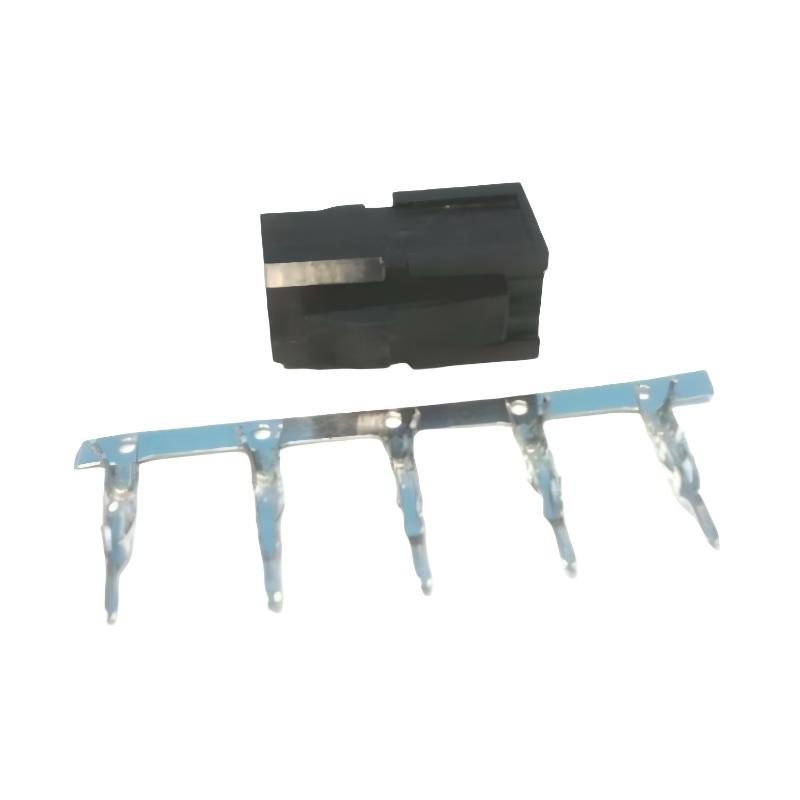
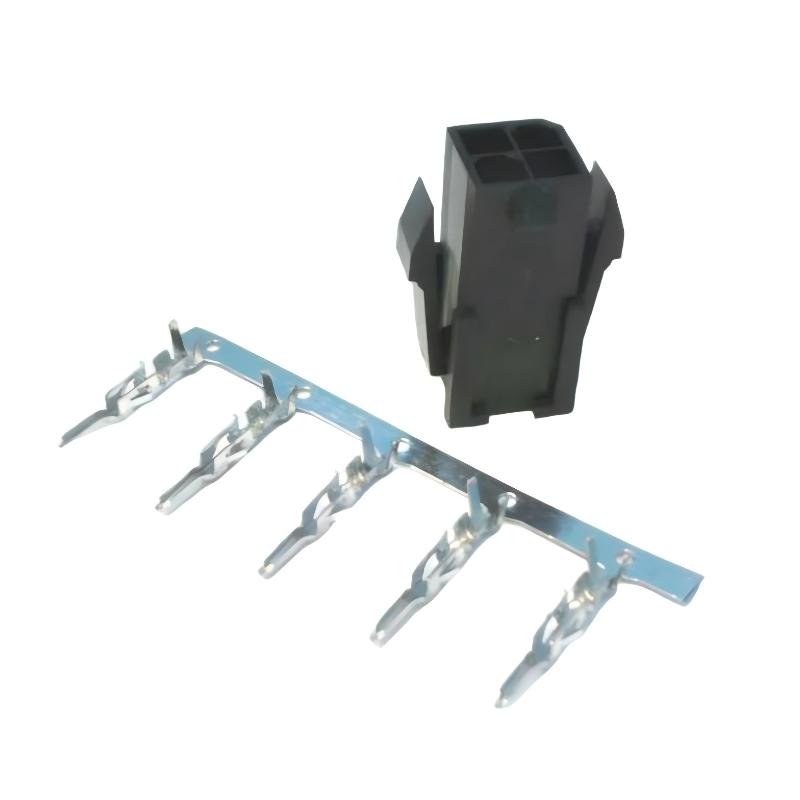
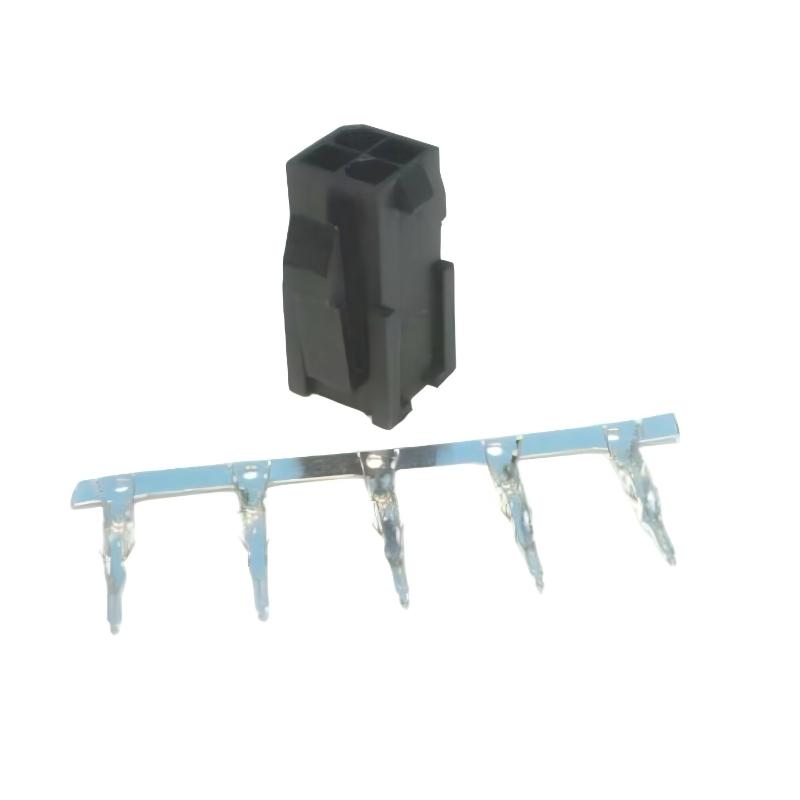
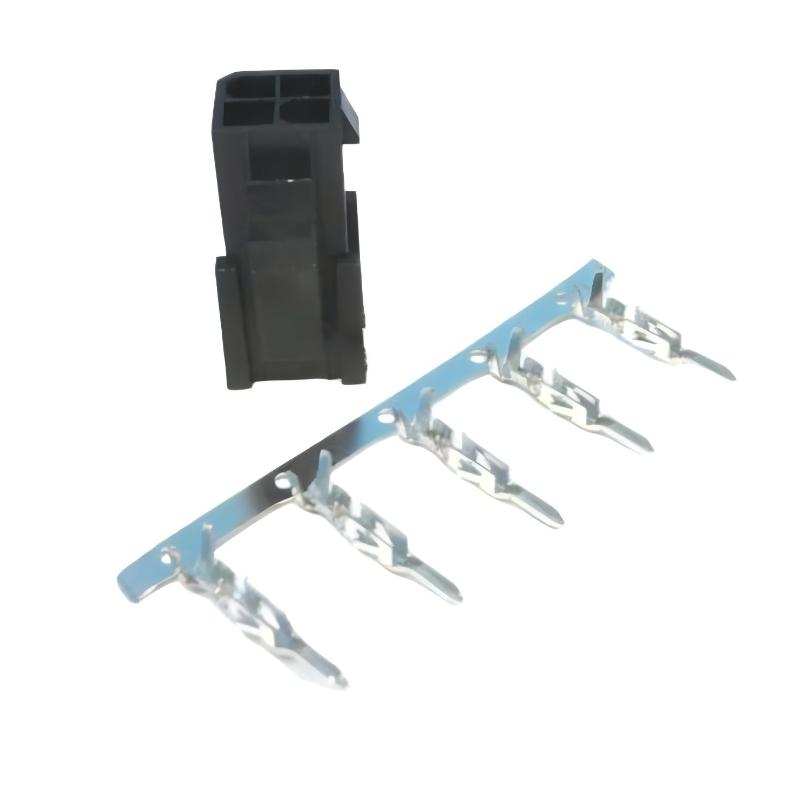
- Schneider
- VW3M5111
- Power Connector
- France
- 60 × 35 × 35 mm
- 0.03 kg
- Xiamen, China
- New & In Stock
- T/T, PayPal, Western Union
- 1 Year
- 1-3 Working Days
- DHL, UPS, TNT, FedEx and EMS.
- 24-Hour Service
- COO
- 4
Our advantage

Global Logistics
We have a 10-year logistics and express cooperation agreement, so our products can be shipped to any place in the world.

Brand new and original
Our products are imported in bulk from the place of origin. Because of the cooperative relationship, our products are all original and 100% new.

24-hour service
We provide 7*24 hours service to our customers. We will be there whenever you need us.

Price advantage
All our products are priced very favorably because we have our own warehouse and supply.
| Company Information | |||
| [email protected] | |||
| Mobile | +8615980777398 | ||
| +8615980777398 | |||
| 15980777398 |
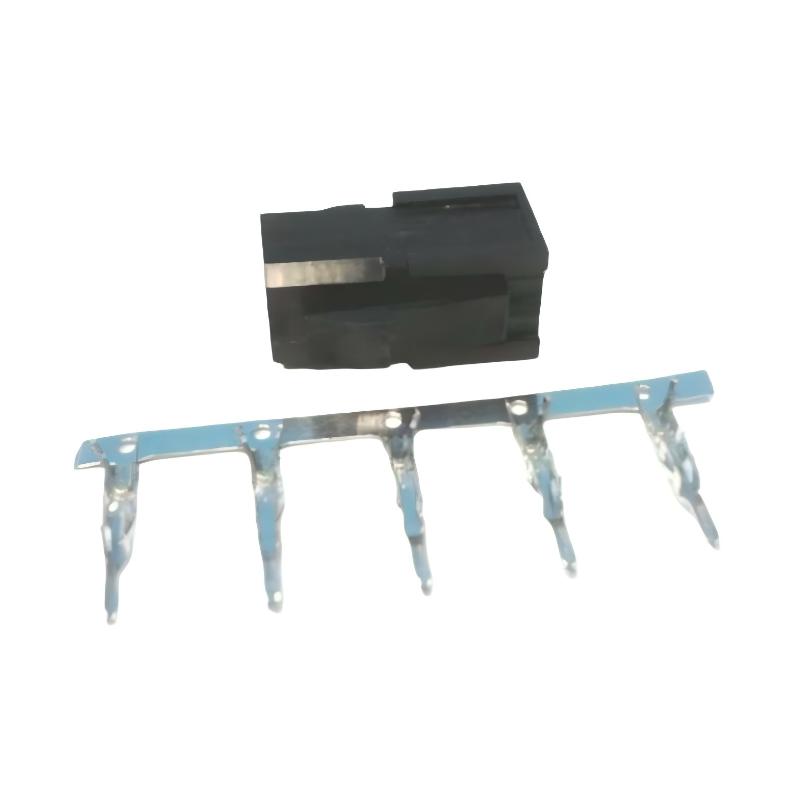
1. Product Overview
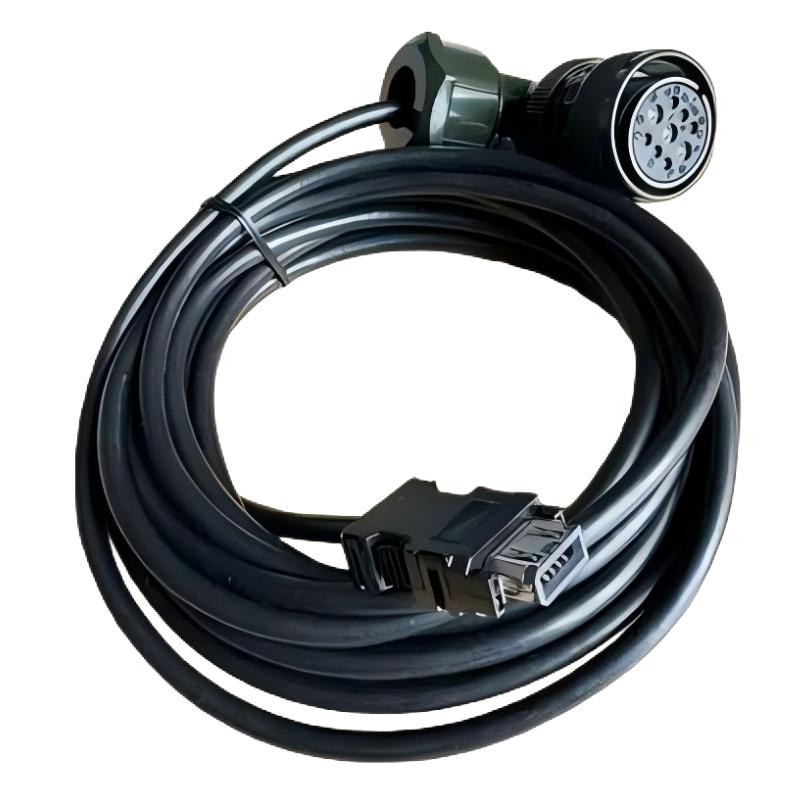
The Schneider VW3M5111 Power Connector is an industrial automation connection component intended for use in compatible electrical equipment. Power connectors are important parts of industrial control and motion systems because they provide the physical interface for establishing electrical connections between designated components.
In industrial automation environments, reliable electrical connections help support equipment operation, simplify maintenance, and reduce the risk of connection-related interruptions. Selecting the correct connector requires attention to the exact model, connector geometry, electrical ratings, contact arrangement, and compatibility with the equipment being connected.
The Schneider VW3M5111 has supplied dimensions of 60 × 35 × 35 mm and a listed weight of 0.03 kg. Its compact size may be useful when planning electrical connections in space-constrained machinery or control assemblies.
Before installation or replacement, verify the connector’s precise function, mating component, electrical specifications, and approved installation method against the product label and applicable Schneider Electric documentation. The designation “Power Connector” alone does not establish its voltage rating, current capacity, pin configuration, or compatibility with a particular drive or motor.
2. Technical Specifications
| Parameter | Specification |
|---|---|
| Brand | Schneider Electric |
| Model | VW3M5111 |
| Product Type | Power Connector |
| Dimensions | 60 × 35 × 35 mm |
| Weight | 0.03 kg |
| Application | Electrical connection in compatible industrial automation equipment |
| Connector Configuration | Verify against the product label and technical documentation |
| Contact Arrangement | Confirm the specified contact layout before connection |
| Electrical Ratings | Verify the rated voltage and current for the intended application |
| Mounting Method | Follow the approved installation instructions |
| Compatible Equipment | Confirm the exact mating component and supported equipment models |
| Operating Environment | Observe the applicable temperature, contamination, and environmental requirements |
The dimensions and weight above are the supplied product specifications. Other characteristics, including the number of contacts, connector gender, terminal arrangement, electrical ratings, and supported equipment combinations, should be confirmed before use.
3. Function and Working Principle
A power connector establishes an electrical connection between designated components in an industrial system. Depending on its specific design, a connector may provide a detachable interface for power distribution, equipment connection, or a particular assembly within an automation installation.
The VW3M5111 should be used according to its intended connection role. Its exact electrical function must be established from the model-specific documentation rather than inferred from its product name.
In a typical industrial electrical installation, a connector forms part of a larger connection path that may include a power supply, protective devices, wiring, control equipment, and a connected load. The connector provides the designated interface within this arrangement but does not independently regulate or control the electrical power.
Correct connector selection and installation help support:
- A secure connection between compatible components.
- Proper alignment of mating connector parts.
- Reliable electrical contact under specified operating conditions.
- Organized wiring and equipment maintenance.
- Efficient inspection and replacement when required.
The connector must match the intended equipment in terms of contact arrangement, electrical rating, mechanical design, and installation requirements. A connector that fits physically is not necessarily electrically compatible.
4. Role in Industrial Automation Systems
Power connectors support the electrical infrastructure required by industrial control equipment. Their suitability and condition can affect connection integrity, equipment availability, and maintenance efficiency.
4.1 Electrical Equipment Connection
A compatible power connector provides the specified interface between electrical components. Correct mating and installation are essential to ensure that the connection meets the equipment manufacturer’s requirements.
4.2 Motion Control Equipment
Industrial motion control installations may include servo drives, motors, power distribution components, and associated wiring. Where the VW3M5111 is specified for a particular connection within such an installation, its exact compatibility must be verified before use.
4.3 Compact Equipment Integration
The supplied dimensions of 60 × 35 × 35 mm provide a reference for preliminary space planning. Engineers should also consider connector clearance, cable bend radius, access for servicing, and the complete dimensions of the mating assembly.
4.4 Maintenance and Component Replacement
Connectors may need inspection or replacement following mechanical damage, contact deterioration, or changes to the equipment configuration. Correct identification of the original model helps reduce the risk of installing an unsuitable substitute.
4.5 Electrical Connection Reliability
Loose connections, contamination, damaged contacts, or incorrect installation can cause electrical faults. Selecting the correct connector and following approved assembly procedures help reduce avoidable connection problems.
5. Industrial Applications
The Schneider VW3M5111 may be considered for industrial applications where its verified specifications match the required electrical connection.
Manufacturing Machinery
Production equipment uses electrical connectors throughout its power and control infrastructure. Correctly matched connectors help maintain organized equipment connections and support maintenance activities.
Packaging Equipment
Packaging machinery may contain drives, motors, power distribution assemblies, and electrical enclosures. Connector selection should account for the intended connection, environmental conditions, and equipment configuration.
Material Handling Systems
Conveyors, transfer mechanisms, and automated handling equipment rely on electrical connections for their control and power systems. Connectors must be appropriate for the installed equipment and protected from mechanical stress.
Servo and Motion Control Installations
Motion control systems may use specialized power interfaces and detachable connectors. If the VW3M5111 is specified for a particular motion control component, the exact drive, motor, or assembly compatibility should be confirmed before installation.
Industrial Control Cabinets
Control cabinets contain electrical distribution and automation hardware arranged within limited space. Connector dimensions can help with layout planning, but clearances, wiring access, insulation requirements, and approved mounting arrangements must also be considered.
Equipment Repair and Modernization
During maintenance or system upgrades, a damaged connector may need replacement. Before introducing the VW3M5111 into an existing installation, confirm the original part number, contact arrangement, electrical requirements, and compatibility with the connected equipment.
These examples describe common industrial environments in which power connectors are used. They do not establish that the VW3M5111 is compatible with every application listed.
6. Installation and System Integration
Correct installation is essential for electrical safety and reliable operation. The following workflow provides a general checklist; the model-specific instructions and applicable electrical safety procedures take precedence.
Step 1: Verify the Product Model
Confirm that the connector is identified as Schneider VW3M5111. Compare the complete part number with the equipment documentation, bill of materials, and existing component where applicable.
Step 2: Isolate the Electrical Supply
Place the equipment in a safe state and isolate the relevant power sources according to the site’s lockout/tagout procedure. Verify the absence of hazardous voltage using an appropriate method before handling electrical connections.
Step 3: Inspect the Connector
Examine the housing, contacts, mating surfaces, and cable or terminal interface where applicable. Look for cracks, deformation, corrosion, contamination, or other visible damage. Do not install a connector that appears damaged or cannot be identified confidently.
Step 4: Confirm Electrical Compatibility
Check the approved wiring diagram and technical documentation for the intended connection. Verify voltage and current requirements, contact assignments, grounding provisions, and any relevant insulation or environmental requirements.
Step 5: Verify the Mating Component
Confirm that the connector is designed to mate with the intended component. Do not force parts together or assume compatibility based on similar appearance or dimensions.
Step 6: Prepare the Connection
Prepare the cable, terminals, or mating interface according to the manufacturer’s instructions. If the connector requires a specific crimping tool, terminal preparation method, or assembly procedure, use the approved equipment and process.
Step 7: Install and Secure the Connector
Align the connector correctly and complete the connection using the specified installation method. Apply any required locking or retention mechanism according to the product instructions. Do not improvise fastening methods or use excessive force.
Step 8: Inspect the Completed Assembly
Check that the connector is fully engaged and properly secured. Confirm that connected wiring is supported and that the assembly is protected from tension, abrasion, sharp edges, and other mechanical stresses.
Step 9: Restore Power and Test
After completing the required inspection, restore power according to the approved commissioning procedure. Check for abnormal equipment behavior or diagnostic messages and perform the required functional tests before returning the system to service.
7. Common Problems and Troubleshooting
Connector-related problems may result from incorrect selection, poor contact, physical damage, contamination, or faults elsewhere in the electrical system.
| Symptom | Possible Cause | Recommended Check |
|---|---|---|
| Connector will not mate correctly | Incorrect connector model, misalignment, or mechanical damage | Verify the model and mating component; inspect both interfaces |
| Electrical equipment does not operate | Incorrect wiring, missing supply, or a fault elsewhere in the system | Review the approved wiring diagram and equipment diagnostics |
| Intermittent electrical connection | Loose engagement, damaged contacts, or mechanical stress | Isolate the equipment and inspect the connector and wiring |
| Visible corrosion or contamination | Unsuitable storage or operating environment | Assess the connector condition and follow approved cleaning or replacement procedures |
| Connector housing is cracked or deformed | Impact, excessive force, or installation damage | Replace the damaged component with an approved part |
| Repeated faults after replacement | Incorrect replacement, wiring issue, or another equipment fault | Verify compatibility and investigate the complete electrical connection path |
| Connector becomes unusually warm | Possible high contact resistance, excessive load, or an unrelated electrical fault | Isolate the equipment and arrange qualified inspection before reuse |
7.1 Check the Mating Interface
With the equipment safely isolated, inspect the connector and its mating component for visible damage, contamination, or poor alignment. Do not touch exposed contacts while hazardous energy may be present.
7.2 Verify the Wiring Arrangement
Compare the installed wiring with the approved connection diagram. Incorrect contact assignments or unsuitable wiring can cause equipment malfunction or create an electrical hazard.
7.3 Inspect Mechanical Retention
Check that the connector is fully engaged and that its locking or retention mechanism, if provided, is functioning correctly. Ensure that cables are not pulling against the connector body.
7.4 Assess Contact Condition
Damaged, corroded, or contaminated contacts may prevent a reliable connection. Follow the manufacturer’s approved inspection and cleaning instructions. Replace the connector when its condition or electrical integrity cannot be assured.
7.5 Investigate Persistent Faults
If the fault continues after the connector and wiring have been checked, investigate the associated power supply, connected equipment, protective devices, and system diagnostics. A connector should not be assumed to be the cause of every electrical fault.
8. Preventive Maintenance and Reliability
Preventive maintenance can help identify connector deterioration before it causes equipment interruption.
- Inspect the housing: Check for cracks, deformation, and signs of impact.
- Check contact condition: Look for corrosion, contamination, or other visible deterioration.
- Verify connector engagement: Ensure that the connection is secure and any retention mechanism is correctly engaged.
- Protect the wiring: Avoid cable tension, sharp bends, abrasion, and unsupported loads on the connector.
- Maintain environmental suitability: Ensure that the connector is used within the specified environmental conditions.
- Follow approved cleaning procedures: Do not apply solvents or cleaning agents unless they are approved for the connector materials.
- Monitor electrical faults: Record recurring alarms or connection problems and investigate their causes.
- Maintain spare-part records: Record the complete model number and relevant equipment configuration for future replacement.
- Use qualified personnel: Have electrical inspections and testing performed by personnel trained for the equipment and installation.
Inspection frequency should be based on the operating environment, equipment criticality, manufacturer guidance, and the site’s maintenance schedule.
9. Compatible System Components
The following component categories may need to be checked when integrating the VW3M5111. They are verification points rather than confirmed compatible products.
| Component Category | Integration Considerations |
|---|---|
| Mating connector or socket | Confirm mechanical fit, contact arrangement, and approved pairing |
| Power cable or wiring assembly | Verify conductor size, termination method, and electrical ratings |
| Power supply or distribution assembly | Confirm the connection requirements and permitted electrical load |
| Servo drive or motor equipment | Verify compatibility only where the connector is specified for the particular equipment |
| Protective grounding system | Confirm the required grounding arrangement |
| Electrical enclosure | Check clearance, access, and any required environmental protection |
| Protective devices | Verify that the overall circuit design meets the equipment’s electrical safety requirements |
| Maintenance tools | Use the specified assembly, crimping, or inspection tools where required |
Compatibility must be established using the exact component models and the approved system documentation. The connector’s dimensions and product description alone are insufficient to determine which equipment it supports.
10. Replacement and Alternative Selection
When replacing the Schneider VW3M5111 Power Connector, compare the original part with the proposed replacement across all relevant mechanical and electrical characteristics.
| Selection Factor | What to Verify |
|---|---|
| Exact model | Confirm VW3M5111 and the complete product identification |
| Connector function | Ensure that the replacement serves the same intended connection role |
| Dimensions | Compare the supplied dimensions of 60 × 35 × 35 mm where relevant to fit |
| Weight | Use the listed 0.03 kg as a product identification reference |
| Contact arrangement | Confirm the contact count, layout, and assignment |
| Electrical ratings | Verify voltage, current, insulation, and other applicable ratings |
| Mating compatibility | Confirm the intended connector or socket pairing |
| Mounting and retention | Check the approved fastening and locking arrangement |
| Environmental requirements | Confirm suitability for the installation environment |
| Product condition | Evaluate the condition and traceability of the replacement |
| Installation requirements | Determine whether specialized tools or procedures are needed |
A replacement should not be selected solely because it has similar dimensions or a comparable appearance. Electrical and mechanical equivalence must be established before the connector is installed.
11. Key Benefits of Correct Connector Selection
Selecting the correct power connector supports the integrity and maintainability of industrial electrical systems.
Compact dimensions: The supplied dimensions of 60 × 35 × 35 mm help engineers assess preliminary space requirements for equipment layout.
Low listed weight: At 0.03 kg, the connector has a low supplied mass, which may be useful when planning assemblies and managing spare parts.
Reliable connection when correctly installed: A compatible connector, installed according to the manufacturer’s instructions, supports the intended electrical interface.
Simplified maintenance: Accurate model identification helps technicians select the appropriate replacement and maintain equipment records.
Reduced installation errors: Checking contact arrangements, electrical ratings, and mating compatibility helps avoid unsuitable substitutions.
Support for equipment availability: Inspection and correct installation can reduce preventable connector-related interruptions.
Actual performance depends on the connector’s verified specifications, operating environment, connected equipment, and installation quality.
12. Technical FAQs
Q1: What is the Schneider VW3M5111?
The Schneider VW3M5111 is identified as a power connector for compatible industrial equipment. Its precise connection function and approved mating components should be confirmed from the product documentation.
Q2: What are the dimensions of the VW3M5111?
The supplied dimensions are 60 × 35 × 35 mm.
Q3: How much does the VW3M5111 weigh?
The supplied product weight is 0.03 kg.
Q4: Can the VW3M5111 be used with any Schneider Electric product?
No. Compatibility depends on the intended connection, contact arrangement, electrical ratings, mating interface, and equipment requirements. The exact application should be verified before installation.
Q5: What should be checked before purchasing this connector?
Confirm the full part number, intended function, dimensions, contact arrangement, electrical specifications, mating component, and installation requirements. If replacing an existing connector, compare it with the original product and approved equipment documentation.
Q6: Why might a power connector fail to make a reliable connection?
Potential causes include damaged contacts, contamination, incorrect mating parts, poor engagement, mechanical stress, or unsuitable wiring. The connector and connected equipment should be inspected safely before further operation.
Q7: Can a similar-looking connector be used as a replacement?
Not without confirming mechanical and electrical compatibility. Similar appearance or dimensions do not establish equivalent contact assignments, current capacity, insulation characteristics, or approved equipment use.
Q8: Does the VW3M5111 require special installation tools?
The required tools depend on the connector’s actual termination and mounting design. Check the applicable installation instructions to determine whether specialized assembly, crimping, or fastening tools are necessary.
Q9: How should a damaged connector be handled?
Isolate the relevant electrical supply and follow the site’s safety procedures. Replace the connector with an approved part if its mechanical condition or electrical integrity is uncertain. Do not modify the connector unless an authorized procedure specifically permits it.
Q10: How can connector reliability be improved?
Use the correct model, follow the specified installation procedure, protect the connector from mechanical stress and contamination, inspect it periodically, and address recurring electrical faults promptly.
13. Conclusion
The Schneider VW3M5111 Power Connector is an industrial electrical connection component with supplied dimensions of 60 × 35 × 35 mm and a listed weight of 0.03 kg. These specifications support preliminary product identification, space planning, and replacement preparation.
For dependable integration, confirm the connector’s precise function, contact arrangement, electrical ratings, mating component, and compatibility with the intended equipment. Safe installation, secure engagement, suitable wiring, and routine inspection help maintain connection integrity and reduce avoidable downtime.
When purchasing or replacing the VW3M5111, verify the complete model number and the requirements of the target installation before commissioning the connector.