

ProductPRODUCT
Featured products
Contact Us
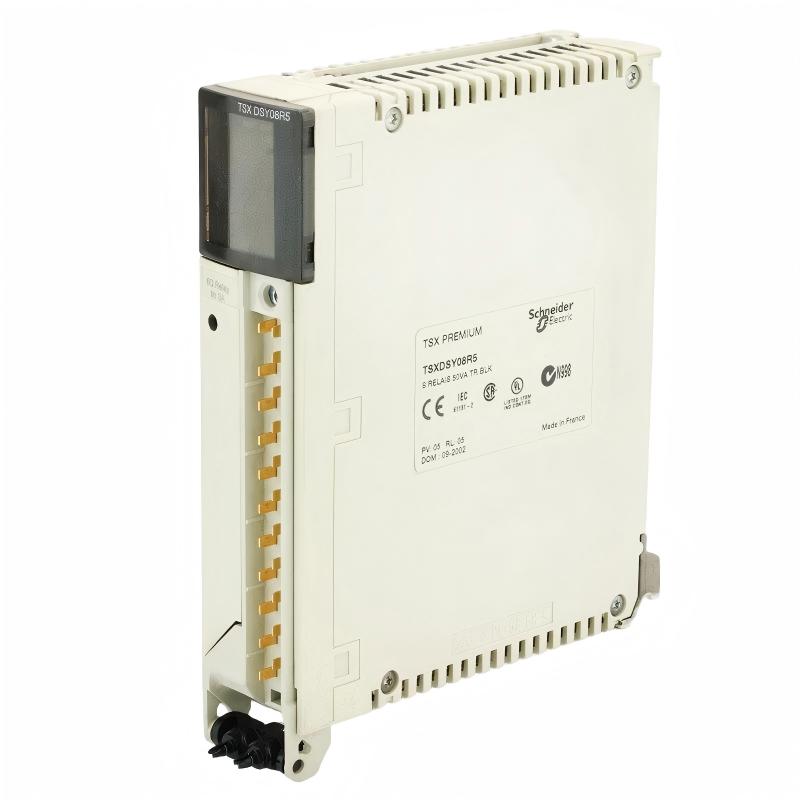
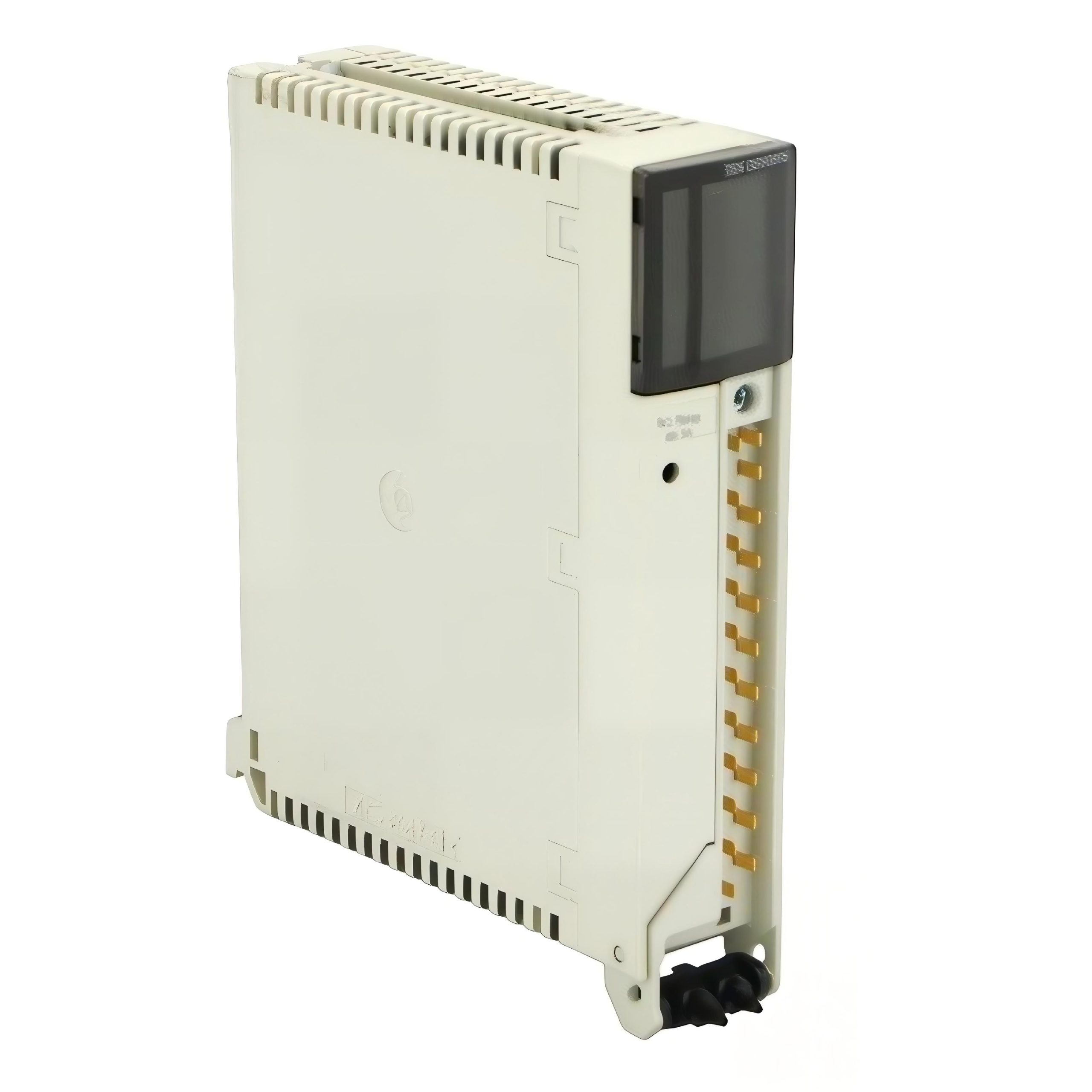
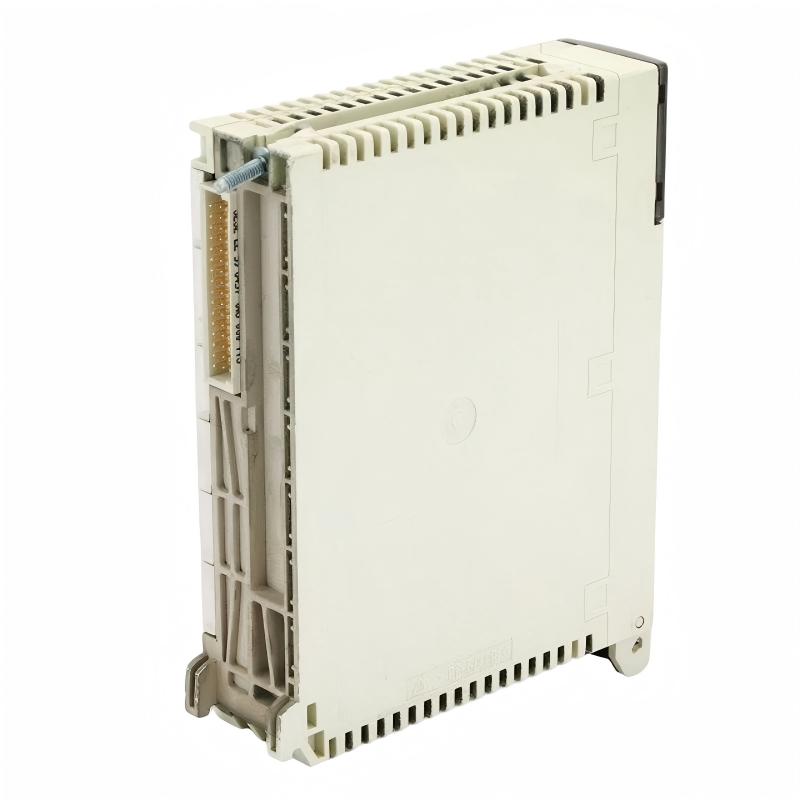
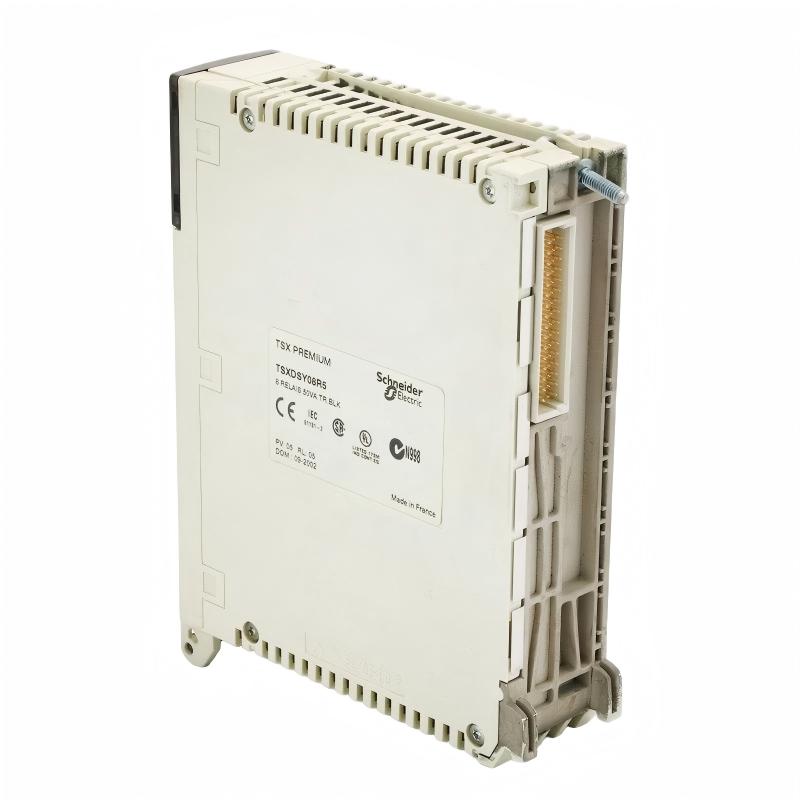
- Schneider
- TSXDSY08R5
- Discrete Output Module
- France
- 260 x 180 x 55 mm
- 0.33 kg
- Xiamen, China
- New & In Stock
- T/T, PayPal, Western Union
- 1 Year
- 1-3 Working Days
- DHL, UPS, TNT, FedEx and EMS.
- 24-Hour Service
- COO
- 4
Our advantage

Global Logistics
We have a 10-year logistics and express cooperation agreement, so our products can be shipped to any place in the world.

Brand new and original
Our products are imported in bulk from the place of origin. Because of the cooperative relationship, our products are all original and 100% new.

24-hour service
We provide 7*24 hours service to our customers. We will be there whenever you need us.

Price advantage
All our products are priced very favorably because we have our own warehouse and supply.
| Company Information | |||
| [email protected] | |||
| Mobile | +8615980777398 | ||
| +8615980777398 | |||
| 15980777398 |
1. Product Overview
The Schneider TSXDSY08R5 Discrete Output Module is an industrial automation component associated with Schneider Electric’s Modicon TSX PLC product family. Discrete output modules allow a programmable logic controller (PLC) to send digital control signals to compatible field devices, helping coordinate machine operations and automated production processes.
In industrial control systems, output modules serve as the interface between programmed logic and external equipment. Depending on their electrical design and ratings, discrete outputs may be used to operate intermediate relays, indicator lamps, solenoid valves, contactor control circuits, and other switching devices.
The TSXDSY08R5 is relevant to applications that require a compatible digital output interface within an established automation installation. For maintenance teams, using the correct replacement module is important for restoring equipment functionality while minimizing wiring changes and commissioning risks.
Before purchasing or installing this module, verify its exact output technology, rated voltage, current capacity, terminal arrangement, and compatibility with the installed controller. These details should be confirmed against the product label and applicable technical documentation.
2. Technical Specifications
| Parameter | Specification |
|---|---|
| Brand | Schneider Electric |
| Model | TSXDSY08R5 |
| Product Type | Discrete Output Module |
| Product Family | Modicon TSX |
| Function | Digital output signal control |
| Dimensions | 260 × 180 × 55 mm |
| Weight | 0.33 kg |
| Application | Industrial automation and machine control |
| Output Technology | Verify against the exact model documentation |
| Rated Voltage | Confirm from the product label and technical documentation |
| Output Current | Confirm before connecting loads |
| Channel Configuration | Verify the supported output arrangement |
| System Compatibility | Confirm the PLC and hardware configuration |
Technical note: The model designation and supplied product description alone are not sufficient to confirm the module’s exact output type, channel count, voltage range, or current rating. These specifications should be verified before selecting connected loads or commissioning the module.
3. Function and Working Principle
A discrete output module receives commands from a PLC and changes the state of its output circuits according to the controller’s program and the module’s hardware design.
Digital Output Control
Discrete outputs represent switching states, typically ON and OFF. When the PLC program meets a specified condition, the controller commands the corresponding output to change state.
For example, a programmed sequence may activate an output when a sensor confirms that a workpiece is in position or when a machine reaches a specified operating stage.
Field Device Interface
Output modules connect control logic with external equipment. Depending on the module’s verified electrical characteristics, supported applications may include indicator circuits, intermediate relays, solenoid valves, and other compatible loads.
The load must remain within the module’s rated electrical limits. Some applications require an intermediate relay or other interface device rather than direct connection to the output.
Automated Sequence Execution
In a PLC-controlled machine, output signals are used to initiate actions and coordinate different operating stages. These signals can support conveyor movement, actuator commands, status indication, and programmed process sequences.
Integration with PLC Logic
The module operates as part of a larger control system. The PLC program determines when output commands are issued, while the output hardware provides the corresponding electrical switching function.
Correct configuration, wiring, and load selection are essential for dependable operation.
4. Industrial Applications
Manufacturing and Assembly Lines
Manufacturing equipment uses discrete outputs to control compatible devices involved in positioning, material transfer, clamping, and machine sequencing. The output module provides an interface between PLC commands and the relevant external circuits.
Packaging Machinery
Packaging systems rely on coordinated switching signals for operations such as product transfer, sealing mechanisms, labeling equipment, and status indication. The specific loads must be compatible with the output module’s electrical characteristics.
Conveyor and Material Handling Systems
Conveyors and automated handling systems use digital control signals to operate suitable control circuits and coordinate equipment movement. Output commands can be incorporated into programmed start, stop, and sequencing logic.
Process Automation
Industrial processes may use discrete outputs to command compatible valves, auxiliary relays, alarm indicators, and equipment control circuits. The module’s suitability depends on the required signal type and electrical ratings.
Legacy PLC System Maintenance
Many industrial facilities continue to operate established Modicon TSX automation systems. Maintaining compatible output modules can help reduce downtime when a failed component must be replaced without redesigning the complete control system.
5. Installation and System Integration
Correct installation helps protect connected equipment and ensures that output commands produce the intended results.
Confirm the Model Number
Verify the complete TSXDSY08R5 part number on the component label. Compare it with the original installed module and check that the replacement matches the required hardware configuration.
Verify Electrical Compatibility
Confirm the output technology, rated voltage, current limits, load type, and switching requirements. Do not assume that modules with similar model numbers share identical electrical specifications.
Check Wiring and Terminal Assignments
Use the correct wiring documentation to identify each output terminal and its associated circuit. Check the external supply arrangement and any required protective or interface devices before connecting loads.
Follow Electrical Safety Procedures
Isolate relevant power sources and follow the facility’s lockout/tagout procedures before installing or rewiring the module. Confirm that connected machinery is in a safe condition before beginning work.
Configure and Test the Module
After installation, verify the controller’s hardware configuration and inspect all connections. Test each required output under controlled conditions, checking both the PLC command and the response of the connected device.
Do not return the machine to normal operation until the relevant control sequences and protective functions have been checked.
6. Common Problems and Troubleshooting
Output module faults can result from the module itself, external wiring, connected loads, power supplies, or incorrect PLC logic.
| Symptom | Possible Cause | Recommended Action |
|---|---|---|
| Output does not activate | Incorrect program logic, wiring fault, missing supply, or output failure | Check the PLC command and verify the external circuit |
| Connected device does not respond | Defective load, loose wiring, or incompatible electrical requirements | Test the device and inspect the circuit |
| Output operates intermittently | Loose terminals, unstable supply, or external interference | Inspect connections and verify power conditions |
| Output fault occurs repeatedly | Short circuit, overload, or incorrect load selection | Isolate the circuit and check the load against the module ratings |
| PLC does not recognize the module | Configuration mismatch or connection problem | Verify hardware configuration and module installation |
| Unexpected switching behavior | Incorrect program conditions, wiring errors, or configuration issues | Review the control logic and compare the wiring with the approved diagram |
Troubleshooting should begin with the control command, external power supply, wiring, and connected device. Replace the module only after external causes have been investigated.
7. Preventive Maintenance
Regular inspection can help maintain reliable output operation and reduce unplanned production interruptions.
- Inspect terminals and connectors: Look for loose connections, corrosion, and physical damage.
- Check connected loads: Verify that current requirements and load characteristics remain within the module’s specified limits.
- Monitor diagnostic information: Investigate recurring output faults or unexpected switching behavior.
- Inspect external wiring: Look for damaged insulation, short circuits, and poor connections.
- Maintain cabinet conditions: Keep the control cabinet within the environmental limits specified for the installed equipment.
- Document configuration details: Record the model number, output assignments, wiring information, and maintenance history.
- Keep verified replacement parts: Maintain suitable spares for critical control systems where component lead times could affect production.
All maintenance work should follow applicable manufacturer instructions and site safety procedures.
8. Compatibility and Replacement Considerations
When sourcing a replacement for the Schneider TSXDSY08R5, it is important to match the module’s electrical and system requirements rather than relying only on its physical appearance.
Consider the following points:
- Exact part number: Confirm the full TSXDSY08R5 designation.
- Output technology: Verify whether the module uses relay, transistor, or another output arrangement.
- Electrical ratings: Check voltage, current limits, and supported load characteristics.
- Channel configuration: Confirm the required number and arrangement of output circuits.
- Wiring layout: Verify terminal assignments and connection requirements.
- PLC compatibility: Ensure the module is supported by the installed controller and hardware configuration.
- Physical dimensions: Confirm that the supplied component fits the intended installation.
- Operating condition: Inspect the module and verify its identity before commissioning.
Relay and semiconductor output modules may behave differently and may not be interchangeable even when their physical dimensions are similar. Any proposed alternative should be verified against the original hardware and the application’s electrical requirements.
9. Key Benefits
When correctly selected and integrated into a compatible control system, the TSXDSY08R5 may offer the following practical benefits:
- Digital control output: Provides switching commands from PLC logic to compatible external circuits.
- Automation integration: Supports coordinated operation of equipment within a programmed control sequence.
- Maintenance flexibility: Provides a potential replacement option for installations using the corresponding hardware.
- Equipment control support: Can be used in applications requiring suitable discrete output signals.
- Legacy system continuity: Helps maintenance teams support existing automation installations when a compatible replacement is required.
Actual capabilities depend on the verified module specifications, connected loads, and controller configuration.
10. Frequently Asked Questions
What is the Schneider TSXDSY08R5?
The Schneider TSXDSY08R5 is identified as a discrete output module associated with the Modicon TSX automation product family. It provides an output interface for compatible PLC control applications.
What are the dimensions and weight?
The supplied dimensions are 260 × 180 × 55 mm, and the stated weight is 0.33 kg. Confirm whether these values refer to the component itself or its packaging.
What does a discrete output module do?
A discrete output module converts PLC output commands into switching signals for compatible external circuits. These signals can be used to control equipment or indicate operating status, subject to the module’s electrical ratings.
Can the TSXDSY08R5 directly drive a solenoid valve or contactor?
That depends on the module’s verified output type, voltage, current rating, and the characteristics of the connected load. An intermediate relay or interface device may be required.
Can it replace another Schneider output module?
Not automatically. The replacement must match the required output technology, electrical characteristics, channel arrangement, wiring, and controller compatibility.
What should be checked before ordering?
Confirm the complete part number, output type, voltage and current ratings, terminal arrangement, dimensions, physical condition, and compatibility with the existing PLC system.
11. Conclusion
The Schneider TSXDSY08R5 Discrete Output Module is an industrial automation component used to interface PLC control logic with compatible external devices. Discrete output hardware supports machine sequencing, switching operations, status indication, and coordinated equipment control.
For industrial maintenance teams, engineers, and spare-parts buyers, accurate model identification and verification of electrical specifications are essential. Confirming output technology, load compatibility, wiring requirements, and controller support before installation helps reduce replacement errors and supports dependable operation of existing automation equipment.