

ProductPRODUCT
Featured products
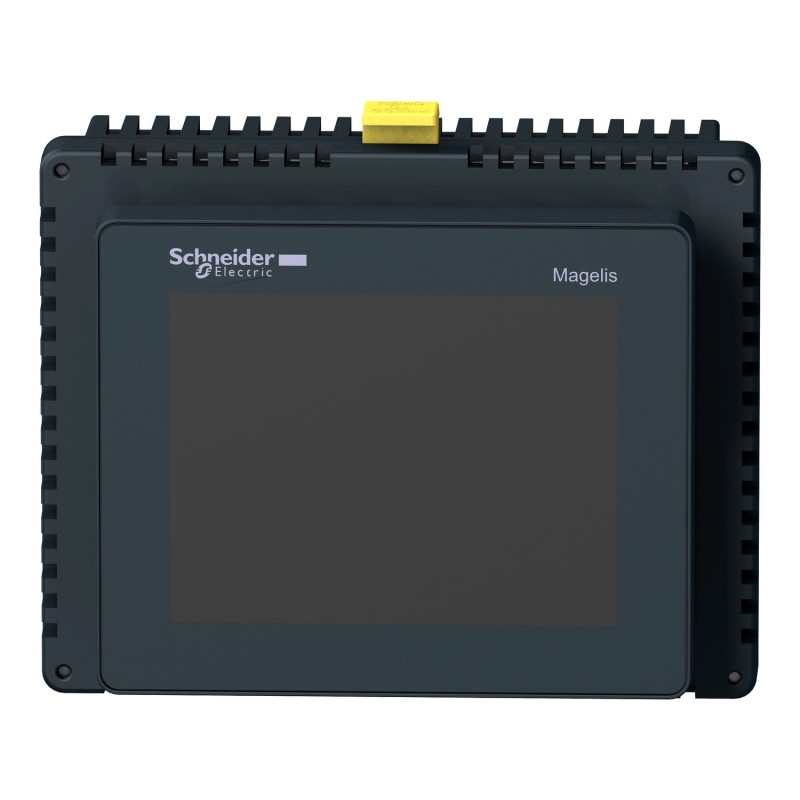
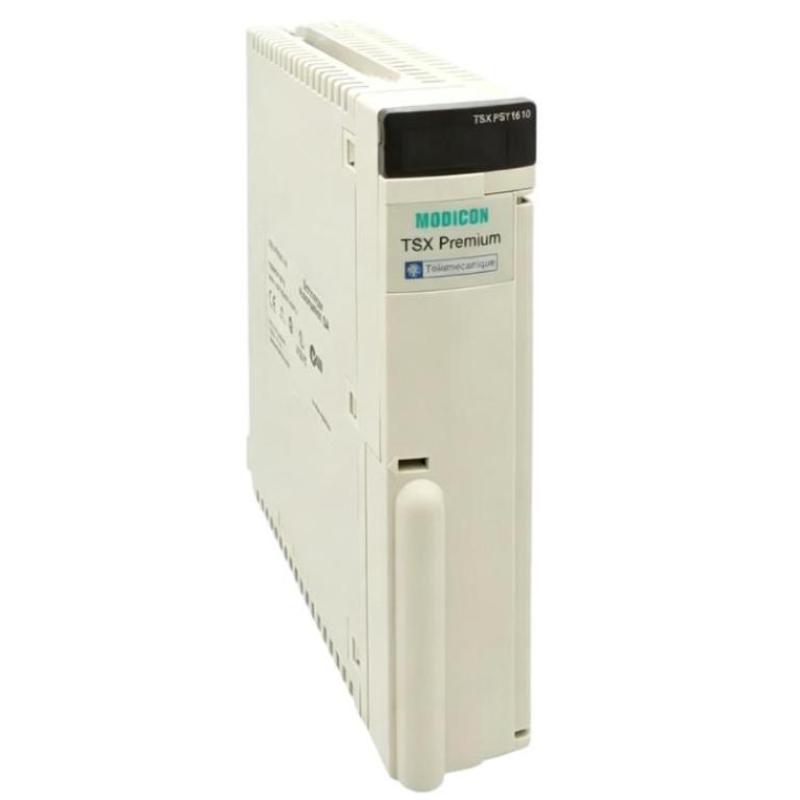
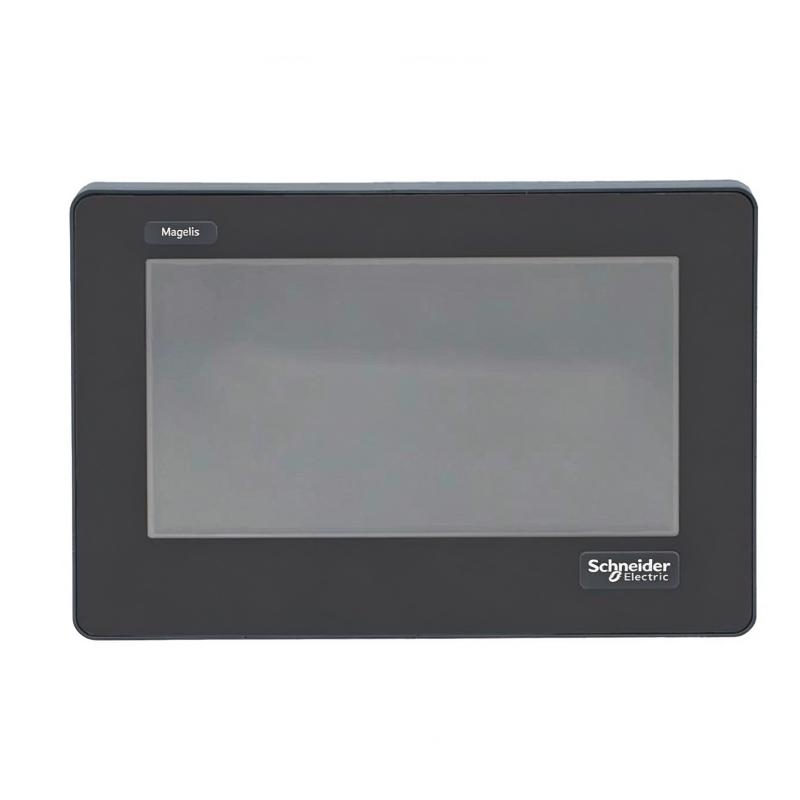
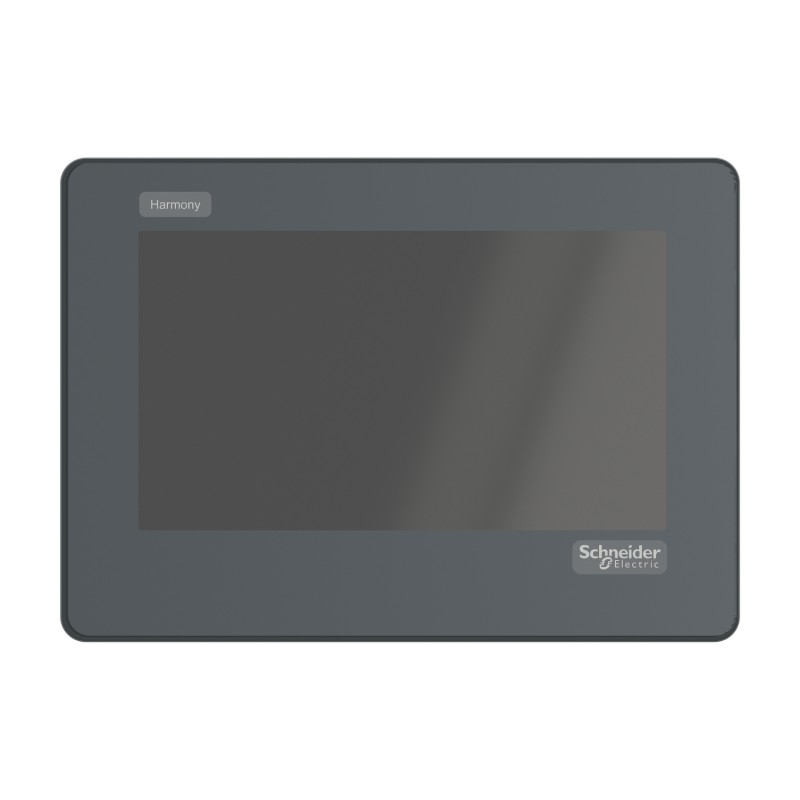
Contact Us
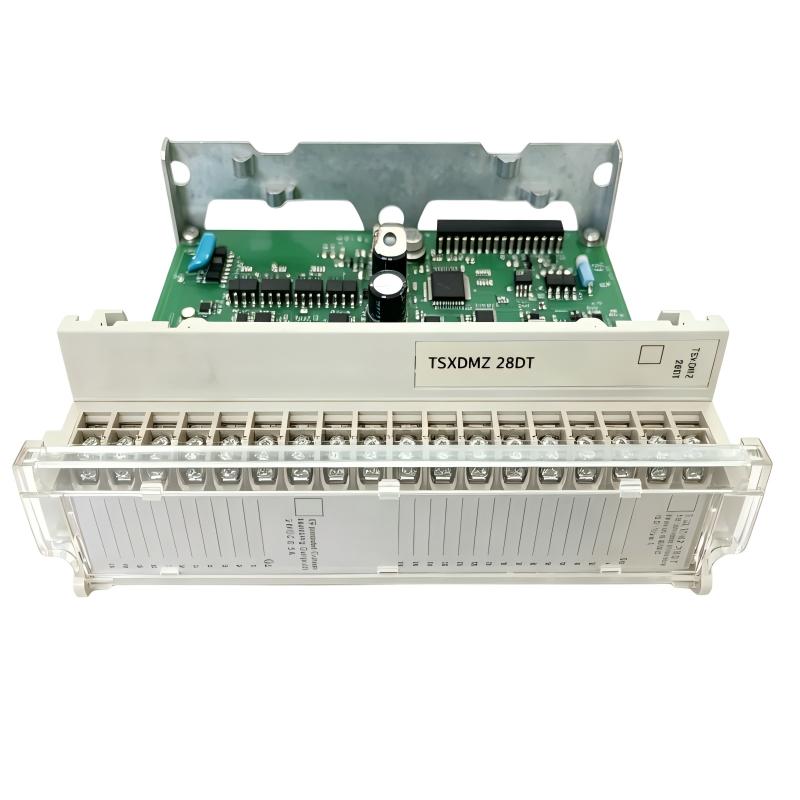
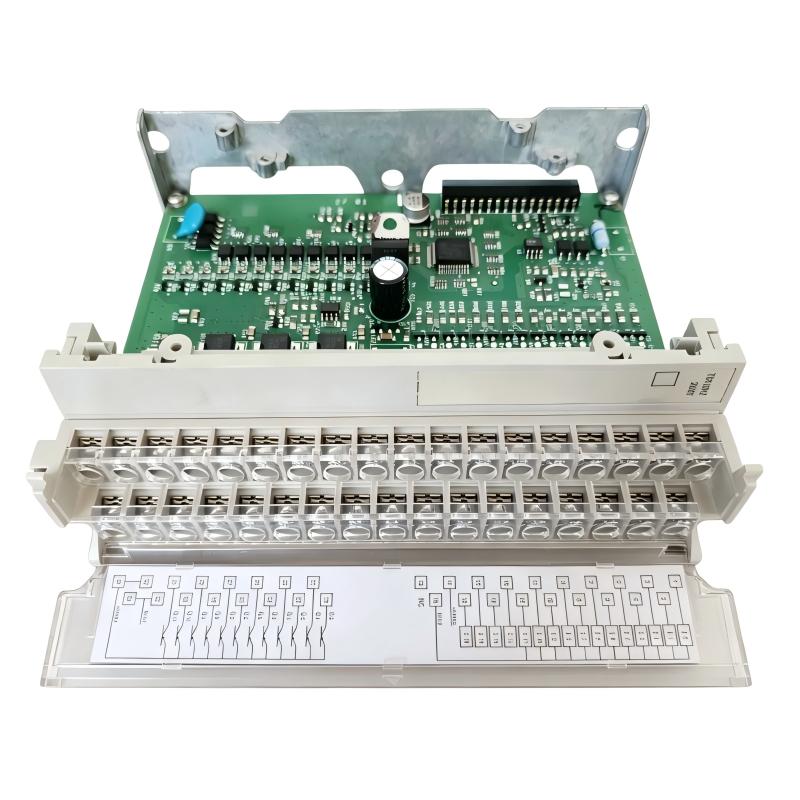
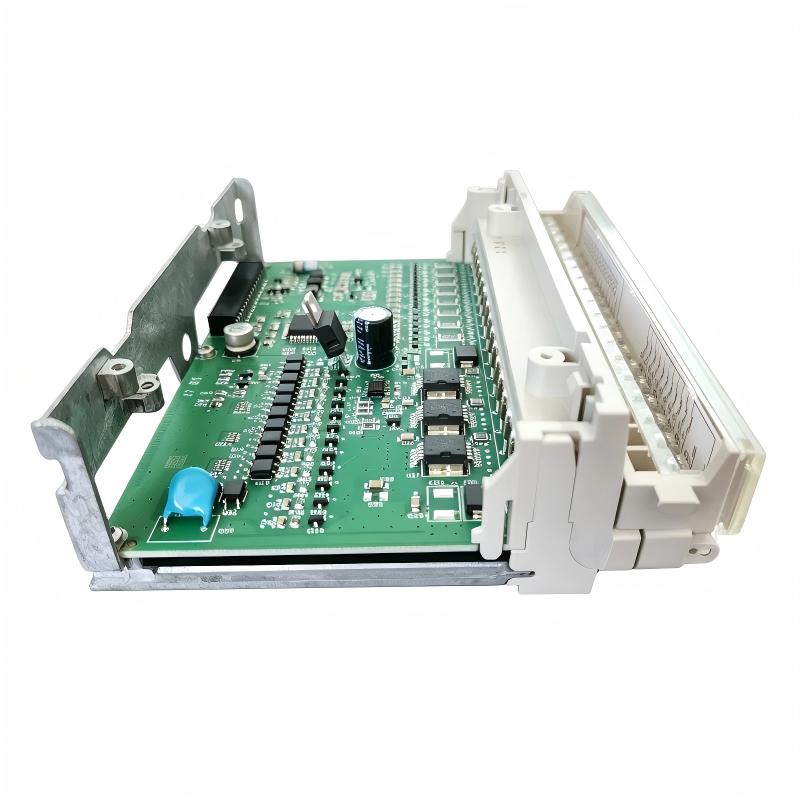
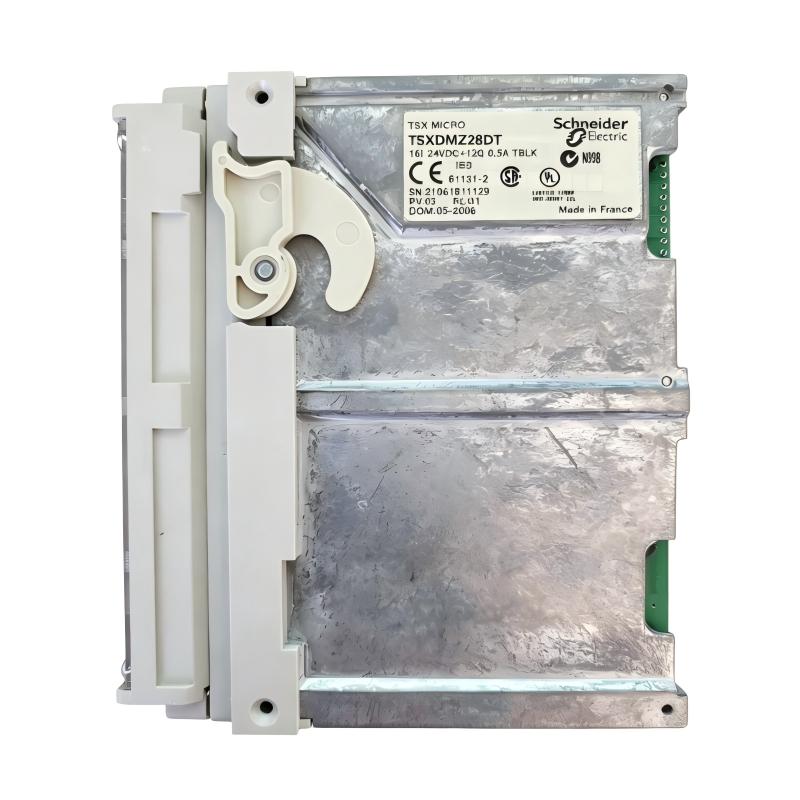
- Schneider
- TSXDMZ28DT
- Discrete Solid State I/O Base DC
- France
- 260 x 180 x 55 mm
- 0.425 kg
- Xiamen, China
- New & In Stock
- T/T, PayPal, Western Union
- 1 Year
- 1-3 Working Days
- DHL, UPS, TNT, FedEx and EMS.
- 24-Hour Service
- COO
- 3
Our advantage

Global Logistics
We have a 10-year logistics and express cooperation agreement, so our products can be shipped to any place in the world.

Brand new and original
Our products are imported in bulk from the place of origin. Because of the cooperative relationship, our products are all original and 100% new.

24-hour service
We provide 7*24 hours service to our customers. We will be there whenever you need us.

Price advantage
All our products are priced very favorably because we have our own warehouse and supply.
| Company Information | |||
| [email protected] | |||
| Mobile | +8615980777398 | ||
| +8615980777398 | |||
| 15980777398 |
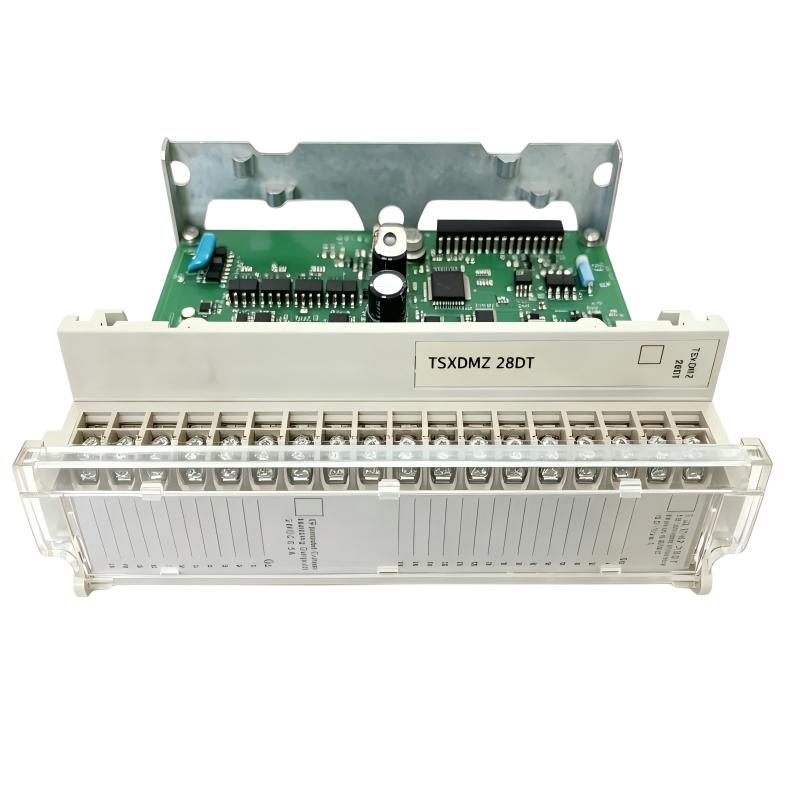
1. Product Overview
The Schneider TSXDMZ28DT Discrete Solid State I/O Base DC is an industrial automation component identified with Schneider Electric’s Modicon TSX product family. Designed for use in compatible control-system installations, discrete input/output hardware provides an interface between PLC control logic and field devices that operate using digital signals.
In industrial automation, discrete I/O components help connect sensors, switches, control devices, and external circuits to the control system. They support functions such as machine status monitoring, sequence control, equipment interlocking, and automated production operations.
The solid-state designation distinguishes this product description from conventional relay-based switching hardware. Solid-state output circuits generally use semiconductor switching devices rather than mechanical relay contacts. This can be relevant when selecting hardware for applications that require frequent switching, although the actual electrical characteristics and supported loads must be confirmed for the specific model.
For maintenance engineers and industrial spare-parts buyers, the TSXDMZ28DT may be relevant when servicing compatible legacy automation equipment. Before ordering or installing the component, verify its exact specifications, terminal configuration, and compatibility with the target controller.
2. Technical Specifications
| Parameter | Specification |
|---|---|
| Brand | Schneider Electric |
| Model | TSXDMZ28DT |
| Product Type | Discrete Solid State I/O Base |
| Signal Category | Digital input/output |
| Output Technology | Solid-state, as indicated by the supplied product description |
| Power/Signal Type | DC, as indicated in the supplied product description |
| Product Family | Modicon TSX |
| Dimensions | 260 × 180 × 55 mm |
| Weight | 0.425 kg |
| Application | Industrial automation and machine control |
| Input/Output Configuration | Verify against the exact product documentation |
| Electrical Ratings | Confirm before installation |
| System Compatibility | Verify the supported PLC and hardware configuration |
Technical note: The exact number of input and output channels, rated DC voltage, current limits, terminal assignments, and supported load types should be verified using the component label and applicable technical documentation. The product name alone does not establish these values.
3. Function and Working Principle
The TSXDMZ28DT is described as a discrete solid-state I/O base for DC applications. Discrete I/O hardware exchanges digital signals between the controller and compatible field devices.
Digital Input Signal Processing
Digital inputs receive discrete status signals from field devices. Examples include proximity sensors, limit switches, push buttons, and other devices that provide ON/OFF information. The controller uses these signals to evaluate machine conditions and execute its programmed logic.
Solid-State Output Switching
Solid-state outputs use semiconductor devices to switch compatible electrical loads. Compared with mechanical relay contacts, solid-state switching can avoid contact wear associated with mechanical movement. However, semiconductor outputs have specific voltage, current, leakage, and load requirements that must be checked before use.
DC Signal Interface
The DC designation indicates that DC electrical characteristics are relevant to the component’s intended application. The required supply voltage, signal polarity, and circuit arrangement must be established from the verified wiring documentation.
Integration with PLC Control Logic
Within a compatible automation system, the controller processes incoming signals and issues output commands according to its program. These signals can support machine sequencing, equipment monitoring, and coordinated operation of external devices.
The precise operating characteristics of the TSXDMZ28DT should be confirmed before it is integrated into a control application.
4. Industrial Applications
Manufacturing and Assembly Lines
Manufacturing systems use discrete signals to monitor equipment positions, detect products, and coordinate machine sequences. Suitable I/O hardware allows field devices to communicate their status to the controller.
Packaging Machinery
Packaging machines use sensors and switching devices to detect product presence, verify machine states, and control operating sequences. Compatible digital I/O hardware supports these functions.
Material Handling Systems
Conveyors and automated handling equipment rely on digital signals to monitor position, detect operating conditions, and coordinate movement between stations.
Automated Machine Control
Industrial machines use discrete inputs and outputs for operator controls, status indicators, actuator commands, and equipment interlocks. Solid-state switching may be suitable for specific DC loads when the electrical ratings and load characteristics match the application.
Legacy Automation Systems
Existing PLC installations may remain in operation long after their original commissioning. Sourcing the correct replacement I/O hardware can help maintenance teams restore functionality without immediately replacing the entire control system.
5. Installation and System Integration
Correct installation is essential for electrical safety, signal accuracy, and reliable operation.
Verify the Complete Model Number
Confirm that the component is marked TSXDMZ28DT. Check all characters and compare the item with the original installed hardware. Similar model numbers may have different electrical or switching characteristics.
Confirm PLC Compatibility
Verify that the component is supported by the target controller and hardware configuration. Review the installation arrangement, connectors, and applicable system requirements before proceeding.
Check DC Electrical Characteristics
Confirm the required DC voltage, signal polarity, input characteristics, output ratings, and permitted load types. Do not assume that all DC I/O hardware uses the same electrical interface.
Review Wiring and Terminal Assignments
Follow the correct wiring diagram and check all terminal assignments before connecting field devices. Incorrect polarity or unsuitable loads may cause malfunction or damage.
Follow Safe Installation Procedures
Isolate the relevant power sources and follow the facility’s lockout/tagout procedures before replacing or rewiring the component. Ensure the connected machinery is in a safe state before performing maintenance.
Conduct Functional Testing
After installation, verify the controller configuration and inspect all connections. Test the required input signals and output circuits under controlled conditions before returning the machine to normal service.
6. Common Problems and Troubleshooting
Discrete solid-state I/O problems may originate from field wiring, DC power supplies, connected devices, controller configuration, or the I/O hardware itself.
| Symptom | Possible Cause | Recommended Check |
|---|---|---|
| Input signal is not detected | Missing DC supply, incorrect polarity, wiring fault, or defective sensor | Check the supply, signal wiring, and field device |
| Output does not activate | Incorrect PLC logic, wiring issue, unsuitable load, or output fault | Verify the control command and check the output circuit |
| Output remains active unexpectedly | Incorrect program logic, wiring error, or an external circuit problem | Review the program and verify the circuit connections |
| Intermittent signals | Loose terminals, electrical interference, or unstable field-device operation | Inspect wiring and evaluate the operating environment |
| Hardware is not recognized | Incorrect configuration, connection problem, or incompatibility | Verify the hardware setup and physical connections |
| Repeated output faults | Excessive load, short circuit, or incompatible electrical characteristics | Isolate the circuit and verify the load against the module ratings |
Because solid-state outputs have different characteristics from mechanical relay contacts, troubleshooting should take the output technology into account. Follow the applicable testing procedures and avoid replacing the component before checking external circuits and configuration.
7. Preventive Maintenance
Preventive maintenance helps improve the reliability of industrial control systems and reduce unplanned downtime.
- Inspect connections: Check terminals, connectors, and wiring for looseness, corrosion, or physical damage.
- Verify DC supplies: Confirm that supply voltage and polarity meet the component’s documented requirements.
- Monitor system diagnostics: Investigate recurring input/output faults and unexpected signal changes.
- Inspect connected loads: Check for short circuits, overloads, and unsuitable load characteristics.
- Maintain cabinet conditions: Keep the enclosure within the environmental limits specified for the installed equipment.
- Record hardware details: Document the complete model number, wiring assignments, installation location, and replacement history.
- Maintain suitable spares: Keep verified replacement components for critical installations where downtime has a significant operational impact.
Maintenance should be performed according to the manufacturer’s instructions and the facility’s electrical safety procedures.
8. Compatibility and Replacement Considerations
When sourcing a Schneider TSXDMZ28DT, buyers should confirm both the component identity and the electrical requirements of the intended application.
Key considerations include:
- Exact model number: Confirm TSXDMZ28DT and check the full product label.
- Input/output configuration: Verify the number and type of digital channels.
- DC voltage requirements: Confirm the supported supply and signal voltage ranges.
- Solid-state output characteristics: Check output current limits, load compatibility, leakage current, and switching requirements where applicable.
- Wiring arrangement: Verify terminal assignments, polarity, and connection requirements.
- PLC compatibility: Confirm that the component is supported by the installed controller and hardware configuration.
- Physical fit: Check dimensions and mounting requirements before installation.
- Replacement condition: Inspect the component for damage and verify its identity before commissioning.
A relay-based I/O component should not automatically be substituted for a solid-state component, or vice versa. Their switching characteristics, load compatibility, and electrical behavior can differ significantly.
9. Key Benefits
When correctly selected and integrated into a compatible system, the TSXDMZ28DT may support the following operational requirements:
- Digital signal interfacing: Supports communication between the controller and suitable field devices.
- DC application support: The supplied description identifies the component with DC-based applications.
- Solid-state switching: Semiconductor switching can avoid mechanical contact wear in appropriately rated output circuits.
- Automation maintenance: Provides a potential replacement option for installations requiring the corresponding hardware.
- System continuity: Correct replacement selection can help maintain existing PLC-based machinery and production equipment.
Actual performance, supported loads, and operating capabilities depend on the verified product specifications and system configuration.
10. Frequently Asked Questions
What is the Schneider TSXDMZ28DT?
The TSXDMZ28DT is identified in the supplied product description as a Schneider Electric Discrete Solid State I/O Base DC associated with industrial automation.
What are its dimensions and weight?
The supplied dimensions are 260 × 180 × 55 mm, and the stated weight is 0.425 kg. Confirm whether these measurements refer to the component itself or its packaging.
What does solid-state I/O mean?
Solid-state I/O uses electronic semiconductor circuits for switching rather than relying on mechanical relay contacts. The exact input and output implementation depends on the specific hardware design.
What does DC indicate in the product description?
DC indicates that direct-current electrical characteristics are relevant to the intended application. The exact voltage range, polarity, and wiring arrangement must be confirmed before installation.
Can it replace a relay-based I/O component?
Not automatically. Solid-state and relay-based outputs can differ in current handling, leakage current, isolation, switching behavior, and supported loads. A replacement must be verified against the original hardware and application requirements.
What should be checked before ordering?
Confirm the complete part number, electrical ratings, input/output configuration, terminal layout, physical dimensions, and compatibility with the existing controller.
11. Conclusion
The Schneider TSXDMZ28DT Discrete Solid State I/O Base DC is identified as an industrial automation component intended for discrete signal interfacing in a compatible control-system installation. Its solid-state designation makes verification of output characteristics and load compatibility particularly important when selecting it for a replacement or maintenance application.
For engineers, maintenance teams, and spare-parts buyers, accurate model identification and confirmation of electrical specifications are essential. Proper installation, wiring checks, and functional testing help reduce replacement risks and support dependable operation of industrial automation equipment.