

ProductPRODUCT
Featured products



Contact Us
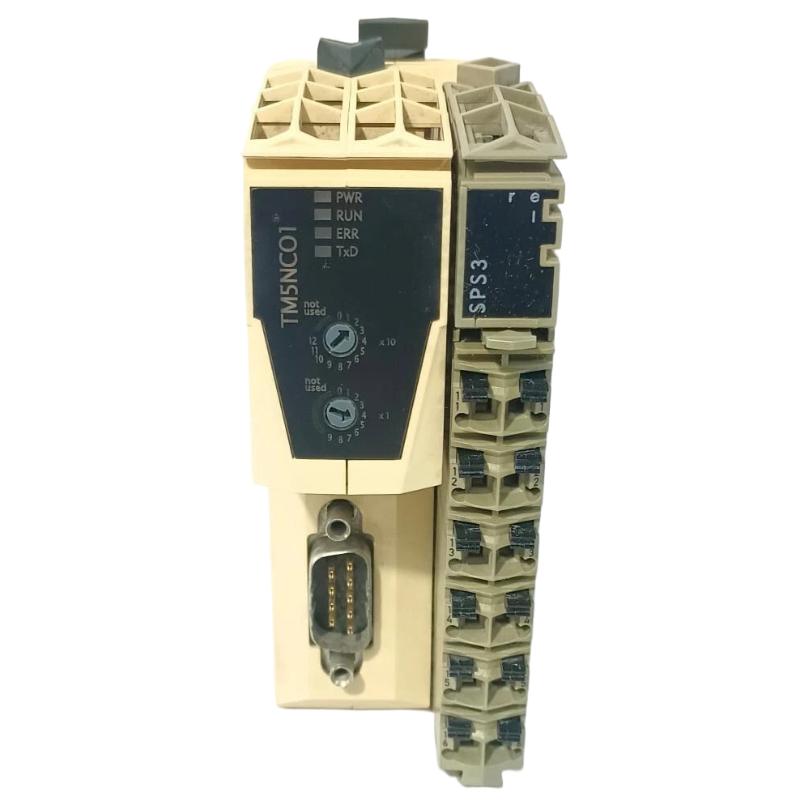
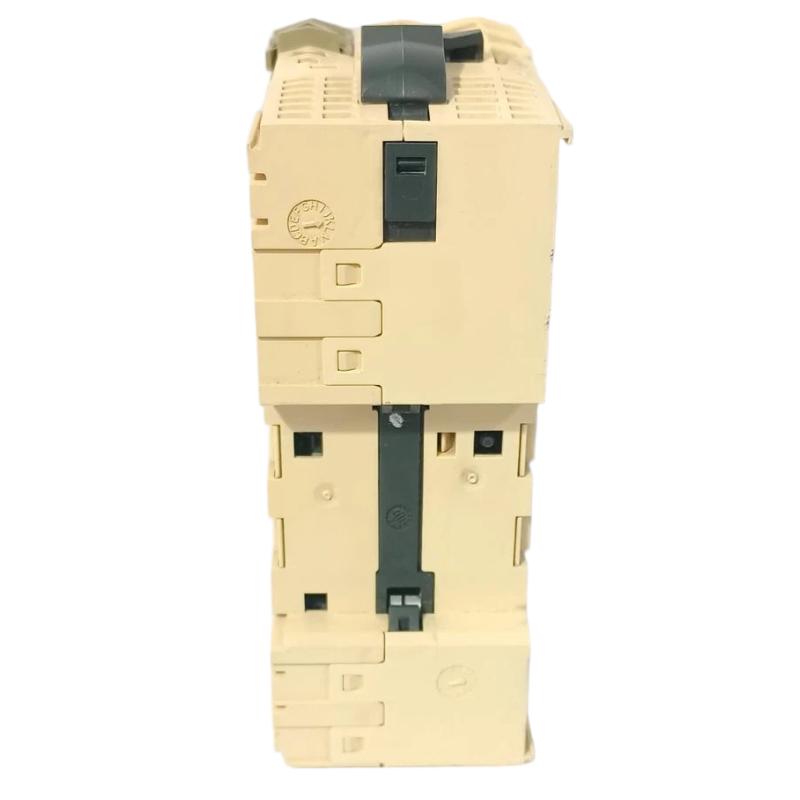
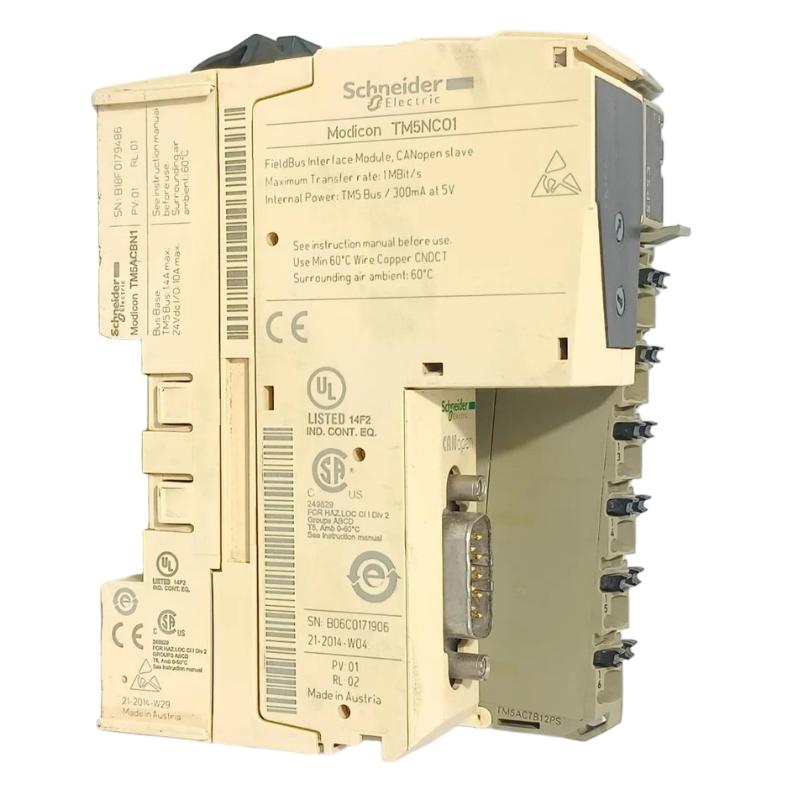
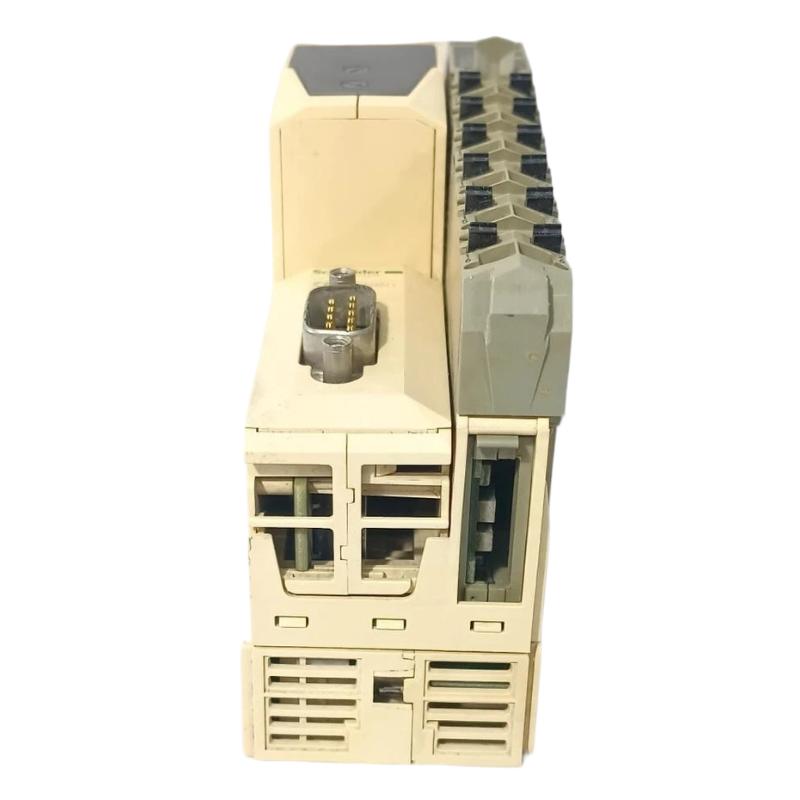
- Schneider
- TM5NCO1
- Communication Module
- France
- 99 × 37.5 × 75 mm
- 0.05 kg
- Xiamen, China
- New & In Stock
- T/T, PayPal, Western Union
- 1 Year
- 1-3 Working Days
- DHL, UPS, TNT, FedEx and EMS.
- 24-Hour Service
- COO
- 13
Our advantage

Global Logistics
We have a 10-year logistics and express cooperation agreement, so our products can be shipped to any place in the world.

Brand new and original
Our products are imported in bulk from the place of origin. Because of the cooperative relationship, our products are all original and 100% new.

24-hour service
We provide 7*24 hours service to our customers. We will be there whenever you need us.

Price advantage
All our products are priced very favorably because we have our own warehouse and supply.
| Company Information | |||
| [email protected] | |||
| Mobile | +8615980777398 | ||
| +8615980777398 | |||
| 15980777398 |
Product Overview
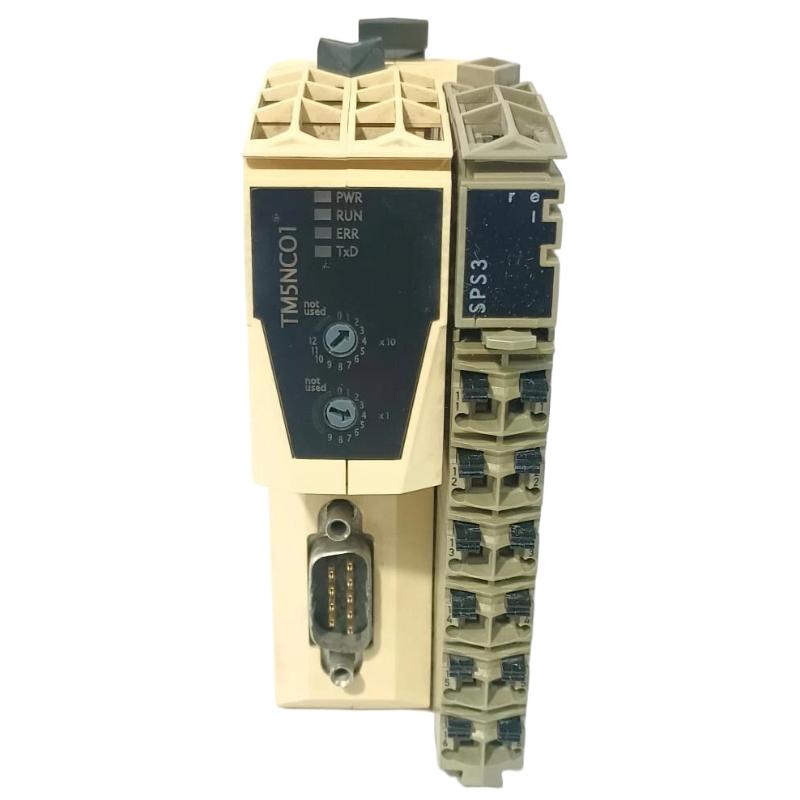
The Schneider Electric TM5NCO1 Communication Module is an industrial automation component identified for communication-related functions within compatible control architectures. Communication modules help automation equipment exchange information between controllers, distributed devices, and other system components, supporting coordinated operation and centralized monitoring.
In modern industrial environments, reliable communication is essential for connecting control hardware with remote equipment, operator interfaces, and other automation devices. Depending on the module’s specific interface and supported protocol, communication hardware may be used to exchange status information, configuration data, commands, or diagnostic information between compatible devices.
The TM5NCO1 belongs to Schneider Electric’s TM5 product designation family. Its exact communication interface, supported protocol, and compatible host hardware should be confirmed against the complete product reference and the applicable system documentation before installation. These details are important because communication modules that look similar may use different electrical interfaces, network technologies, or configuration methods.
The supplied physical specifications for the Schneider Electric TM5NCO1 are 99 × 37.5 × 75 mm, with a weight of approximately 0.05 kg. Its compact size can be advantageous in control cabinets where space is limited and multiple automation components must be installed together.
For industrial procurement, maintenance, and replacement planning, verifying the full model number is essential to ensure that the selected component matches the existing hardware configuration.
Technical Specifications
| Parameter | Specification |
|---|---|
| Manufacturer | Schneider Electric |
| Model | TM5NCO1 |
| Product Type | Communication Module |
| Product Family | TM5 Series designation |
| Primary Function | Communication-related interface within a compatible automation system |
| Application Area | Industrial automation and control |
| Communication Protocol | Verify against the exact product documentation |
| Physical Interface | Confirm from the product label and technical specification |
| Host-System Compatibility | Verify before installation |
| Dimensions | 99 × 37.5 × 75 mm |
| Weight | 0.05 kg |
| Installation | Compatible mounting arrangement; confirm before fitting |
| Typical Use | Control-system integration and communication between compatible devices |
The table includes the product identity and physical information supplied for this item. The exact communication protocol, connector type, electrical characteristics, supported network topology, and configuration requirements should not be assumed without confirmation of the precise product reference.
What Is the Schneider TM5NCO1?
A communication module provides an interface that enables compatible automation components to exchange information. Depending on its design, it may support communication between a controller and other devices, connect equipment to a network, or provide a dedicated interface within a distributed control architecture.
In an industrial automation system, communication is necessary for more than transmitting commands. Devices may also exchange operating states, configuration information, diagnostic messages, and process data. Correct communication allows the control system to coordinate operations and gives maintenance personnel better visibility into equipment status.
The TM5NCO1 is identified by the supplied product description as a communication module. Its precise role depends on the communication technology and system architecture supported by the actual hardware.
A generalized automation communication path can be represented as:
Controller → Communication Interface → Compatible Network or Device → Data Exchange → Control-System Response
The actual path may differ according to the installed equipment. The module’s intended position in that path must be established from the relevant hardware documentation.
Function and Working Principle
1. Communication Interface
The communication module provides an interface for exchanging information with compatible automation equipment. The electrical interface and communication method determine which devices can connect and how information is transmitted.
Before integration, engineers should confirm the supported interface, connector arrangement, signal characteristics, and communication requirements.
2. Data Exchange
Industrial communication systems transfer information between devices according to defined communication rules. Depending on the system, exchanged information may include device status, operating parameters, control commands, and diagnostic information.
The data types and exchange methods supported by the TM5NCO1 must be verified from its exact product specification.
3. Controller Integration
A communication module may form part of the controller’s hardware configuration. The controller and engineering software must recognize the installed hardware and support its intended function.
Incorrect module selection or configuration can prevent communication from starting, interrupt data exchange, or produce diagnostic faults.
4. Communication Monitoring
Where supported by the host system, diagnostic functions can help identify communication interruptions, configuration errors, or unavailable devices. Engineers can use this information to distinguish a communication problem from a fault in the controller, field device, or application program.
The available diagnostic features depend on the module and the associated automation platform.
5. Coordination Across Automation Equipment
When correctly integrated, communication interfaces allow compatible equipment to participate in a coordinated automation system. This can support centralized monitoring, distributed control, and the exchange of information between different parts of a production process.
The benefits depend on the complete system design, not solely on the communication module.
Role in Industrial Control Systems
The Schneider Electric TM5NCO1 may be considered as part of a larger control architecture where communication between compatible devices is required. Its actual function should be determined from the verified product identity and host-system design.
A typical industrial control system may contain controllers, input and output modules, communication interfaces, operator panels, sensors, actuators, and supervisory software. Communication connects these elements where supported by their hardware and protocols.
| System Component | Typical Function |
|---|---|
| PLC or Controller | Executes control logic and coordinates operations |
| Communication Module | Provides a defined communication interface |
| Digital Input Module | Acquires discrete signals from field devices |
| Digital Output Module | Controls compatible discrete loads or interface devices |
| Analog Input Module | Acquires continuous process measurements |
| Analog Output Module | Provides variable output signals where supported |
| HMI Panel | Displays operating states, alarms, and process information |
| Industrial Network | Carries data between compatible devices |
| Engineering Software | Supports configuration, programming, and diagnostics |
| Field Equipment | Performs sensing, switching, actuation, or process functions |
These are general functional categories, not a confirmed list of directly compatible products. Exact compatibility must be checked before selecting equipment for a specific installation.
Industrial Applications
Manufacturing Automation
Manufacturing systems often use communication interfaces to coordinate controllers, production stations, and supporting equipment. Depending on the supported protocol, communication hardware may help exchange operating status and production-related information between compatible devices.
Machine Control
Automated machines may contain multiple control components that must exchange data to complete a sequence. Communication interfaces can support integration when the devices use compatible hardware and communication methods.
Distributed Automation
Some installations distribute control and monitoring functions across multiple equipment locations. Communication links allow devices to exchange information without requiring every function to be handled by a single local component.
Equipment Monitoring
Communication-enabled systems can provide access to device status and diagnostic information. This information may help operators identify unavailable devices, communication interruptions, or abnormal operating conditions.
Process and Utility Systems
Industrial utility equipment may use networked controllers and monitoring devices to coordinate operation and collect status information. The suitability of the TM5NCO1 for any specific application depends on its verified interface and supported system architecture.
Control Cabinet Integration
The listed dimensions of 99 × 37.5 × 75 mm make the module’s physical size relevant to cabinet layout and maintenance planning. Installation suitability must also account for mounting requirements, connector access, cable routing, and environmental limits.
Installation and System Integration
Proper installation starts with confirming the product’s identity and its intended role in the control system.
Verify the Product Reference
Check the complete TM5NCO1 designation on the product label and compare it with the installed hardware and system records. If the reference appears incomplete or differs from the original component, resolve the discrepancy before installation.
Do not determine compatibility solely from the product’s physical appearance or dimensions.
Confirm Communication Requirements
Before connecting the module, establish the following from the applicable product documentation:
- Supported communication protocol or interface
- Connector and cable requirements
- Electrical signal characteristics
- Compatible host controller or hardware platform
- Required hardware configuration
- Network addressing or parameter settings, if applicable
- Supported diagnostic and status functions
These checks help prevent mismatched interfaces and configuration errors.
Prepare the Installation Environment
Inspect the mounting location and confirm that the module can be installed according to the system’s requirements. Maintain suitable access for connectors, cables, and future maintenance.
The control cabinet should remain within the environmental limits specified for the equipment. Protect the installation from excessive dust, moisture, vibration, and heat.
Install and Connect the Module
Follow the approved installation procedure for the verified product. Confirm the required power isolation and electrostatic-discharge precautions before handling the hardware.
Connect only the specified cables and interfaces. Ensure that connectors are fully seated and that cable routing follows the installation design.
Configure the Control System
Where configuration is required, use the appropriate engineering environment and hardware definition for the exact product. Confirm that the controller recognizes the installed module and that its settings match the intended network or device configuration.
Incorrect configuration can result in unavailable devices, communication timeouts, or inconsistent system behavior.
Commission the Communication Link
After installation, verify the module’s status and test communication with the intended compatible device. Where diagnostic information is available, review it for errors or warnings.
Record the final configuration, connected devices, cable identification, and test results. This documentation can significantly reduce the time required for future troubleshooting.
Troubleshooting the TM5NCO1 Communication Module
Communication problems should be investigated across the complete connection path, including the module, controller, cables, connected devices, and configuration.
Communication Cannot Be Established
Possible causes include:
- Incorrect product identification
- Unsupported interface or protocol
- Loose or incorrectly fitted connectors
- Damaged cables
- Incorrect hardware configuration
- Missing or incorrect communication parameters
- A device that is not powered or available
- A fault in the host system
Begin by confirming the product reference and the intended communication method. Inspect the connections and verify that the controller and connected device support the same interface and configuration.
Intermittent Communication
Intermittent communication may result from loose connectors, damaged cables, electrical interference, unstable power, or inconsistent configuration settings.
Inspect the physical connection and cable route. Review available diagnostic information and determine whether the interruption affects one device or multiple devices on the same connection.
Connected Device Is Not Recognized
If the controller does not recognize a connected device, check the hardware configuration, device identity, interface compatibility, and any required addressing or parameters.
Confirm that the connected equipment is powered and operating normally. Do not assume that a device is compatible simply because it uses the same manufacturer’s product family.
Communication Errors After Replacement
A replacement module may require configuration changes or may differ from the original in interface capabilities. Compare the complete product references and hardware requirements before placing the system back into service.
Check the connector arrangement, system configuration, and any required parameter settings. Preserve the previous configuration records so that changes can be reviewed and corrected.
Suspected Module Failure
A module fault should be considered only after checking the associated power, connections, cables, host-system configuration, and connected equipment.
Record any diagnostic indicators or controller messages before removing the hardware. If replacement is necessary, use a verified compatible component and complete the required commissioning tests.
Maintenance Recommendations
Regular inspection and accurate documentation help maintain communication reliability.
Inspect connectors and cables. Check for looseness, wear, damaged insulation, and signs of mechanical stress.
Review system diagnostics. Record recurring communication faults and investigate whether they affect one device or an entire communication path.
Maintain configuration records. Keep copies of relevant hardware configurations, network settings, and device identifiers where applicable.
Protect the control cabinet. Maintain suitable temperature, humidity, cleanliness, and vibration conditions according to the equipment requirements.
Verify replacement hardware. Confirm the complete model number and compatibility before installing a substitute module.
Document modifications. Record cable changes, configuration updates, and commissioning results to make future maintenance more efficient.
Maintenance procedures should follow the requirements of the verified hardware and the operating environment.
Compatible System Components
The TM5NCO1 may be used within a broader industrial control installation containing communication, processing, and field-interface components. The following table describes general component roles rather than guaranteeing direct compatibility with specific models.
| Component Category | Typical Purpose |
|---|---|
| Compatible Controller | Executes control logic and manages supported hardware |
| Communication Interface | Connects devices through a defined communication method |
| Digital I/O Modules | Handle discrete signals from field equipment |
| Analog I/O Modules | Handle supported continuous process signals |
| HMI or Operator Panel | Provides operator interaction and equipment status |
| Industrial Cables and Connectors | Establish physical communication connections |
| Network Infrastructure | Connects compatible devices where required |
| Engineering Software | Configures and diagnoses the automation system |
| Field Devices | Provide sensor data, equipment status, or control functions |
Before choosing a component, confirm that its electrical interface, communication method, mechanical arrangement, and system requirements match those of the installed hardware.
Replacement and Procurement Considerations
When purchasing or replacing a Schneider Electric TM5NCO1 Communication Module, confirm the exact product reference and intended application.
Important checks include:
- Complete model designation
- Product label and revision details, where applicable
- Communication interface and protocol
- Compatible host hardware
- Connector and cable arrangement
- Configuration requirements
- Mounting and environmental requirements
- Condition and traceability of the replacement unit
The supplied dimensions are 99 × 37.5 × 75 mm, and the supplied weight is 0.05 kg. These values are useful for inventory, shipping, and preliminary cabinet-space planning.
Physical dimensions alone do not establish electrical or functional compatibility. If the module is being replaced in an existing installation, compare it with the original unit and verify the system configuration before commissioning.
Key Advantages
Compact Physical Design
The supplied dimensions support preliminary planning for installations where control cabinet space is limited.
Support for Communication Integration
As described, the module is intended for communication-related use within a compatible automation system. Its actual interface and supported functions must be confirmed for the exact product.
Improved System Coordination
Suitable communication interfaces allow compatible controllers and devices to exchange information, supporting coordinated operation and centralized monitoring.
Easier Fault Investigation
When integrated with appropriate controller diagnostics, communication status information can help maintenance personnel identify connection, configuration, or device-availability problems.
Structured Industrial Integration
Correct product identification, documented configuration, and systematic commissioning help establish a maintainable automation installation.
Technical FAQs
What is the Schneider Electric TM5NCO1?
The TM5NCO1 is identified in the supplied product description as a communication module for industrial automation. Its precise interface and function should be confirmed from the complete product documentation.
What are the dimensions of the TM5NCO1?
The supplied dimensions are 99 × 37.5 × 75 mm.
How much does the TM5NCO1 weigh?
The supplied weight is approximately 0.05 kg.
Which communication protocol does the TM5NCO1 support?
The exact protocol should be verified against the full product reference and applicable technical documentation. It should not be inferred from the general description alone.
Which PLC can use this module?
Compatibility depends on the module’s actual interface, the controller family, hardware configuration, and any applicable software requirements. Confirm these details before installation.
What causes communication failure?
Common causes include incorrect configuration, incompatible interfaces, loose connectors, damaged cables, unavailable devices, power problems, and hardware faults.
Can another Schneider Electric communication module replace it?
Not automatically. The replacement must match the required interface, protocol, hardware compatibility, physical connection, and system configuration.
How should the module be maintained?
Inspect the connectors and cables, review available diagnostics, maintain accurate configuration records, and follow the verified hardware’s installation and maintenance requirements.
Conclusion
The Schneider Electric TM5NCO1 Communication Module is identified as an industrial automation component intended for communication-related integration within a compatible control system. Communication interfaces are important for connecting automation equipment, exchanging operating information, and supporting coordinated monitoring and control.
With supplied dimensions of 99 × 37.5 × 75 mm and a weight of 0.05 kg, the module has a compact physical profile suitable for preliminary installation and inventory planning. Reliable integration depends on confirming its exact communication interface, host-system compatibility, wiring requirements, and configuration method.
Before purchasing, installing, or replacing the TM5NCO1, verify the complete product reference and applicable technical specifications. Correct identification, compatible connections, careful configuration, and systematic commissioning are essential for dependable industrial automation performance.