

ProductPRODUCT
Featured products
Contact Us
- Schneider
- TM5ACTB32
- Terminal Block
- France
- 80 × 24 × 14 mm
- 0.025 kg
- Xiamen, China
- New & In Stock
- T/T, PayPal, Western Union
- 1 Year
- 1-3 Working Days
- DHL, UPS, TNT, FedEx and EMS.
- 24-Hour Service
- COO
- 6
Our advantage

Global Logistics
We have a 10-year logistics and express cooperation agreement, so our products can be shipped to any place in the world.

Brand new and original
Our products are imported in bulk from the place of origin. Because of the cooperative relationship, our products are all original and 100% new.

24-hour service
We provide 7*24 hours service to our customers. We will be there whenever you need us.

Price advantage
All our products are priced very favorably because we have our own warehouse and supply.
| Company Information | |||
| [email protected] | |||
| Mobile | +8615980777398 | ||
| +8615980777398 | |||
| 15980777398 |
Product Overview
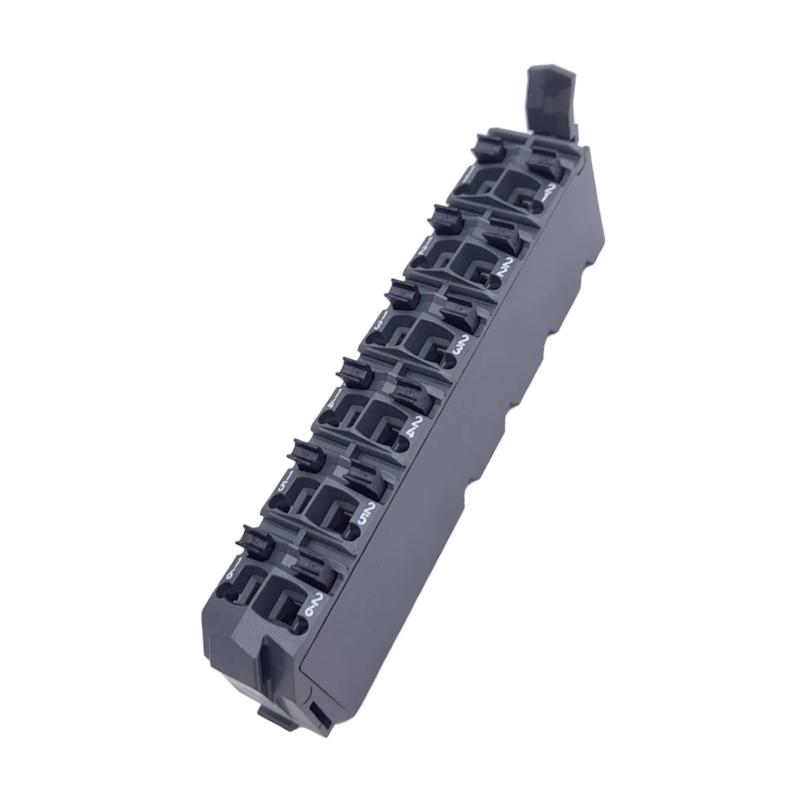
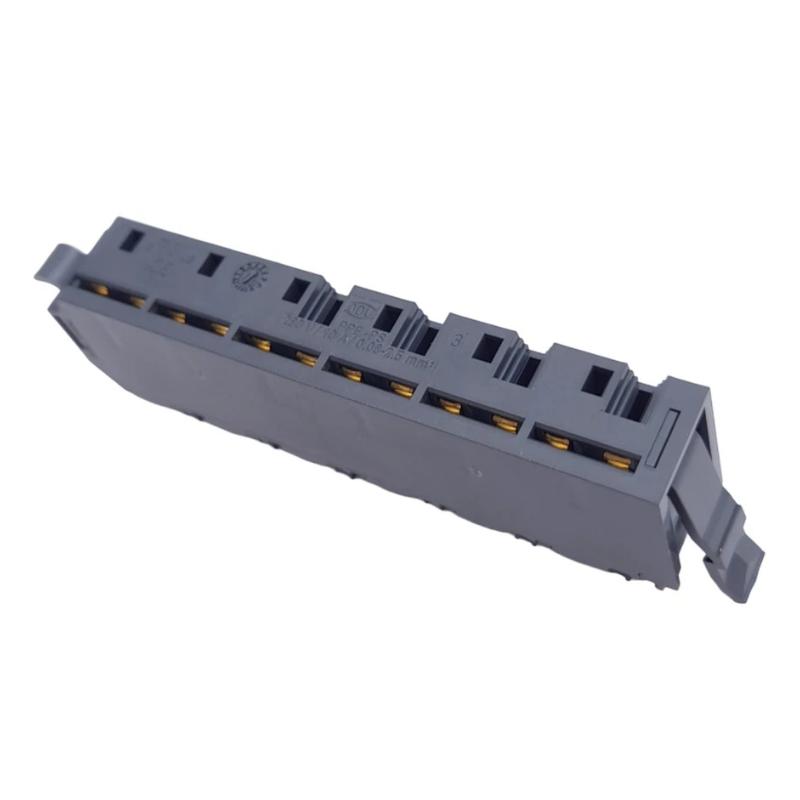
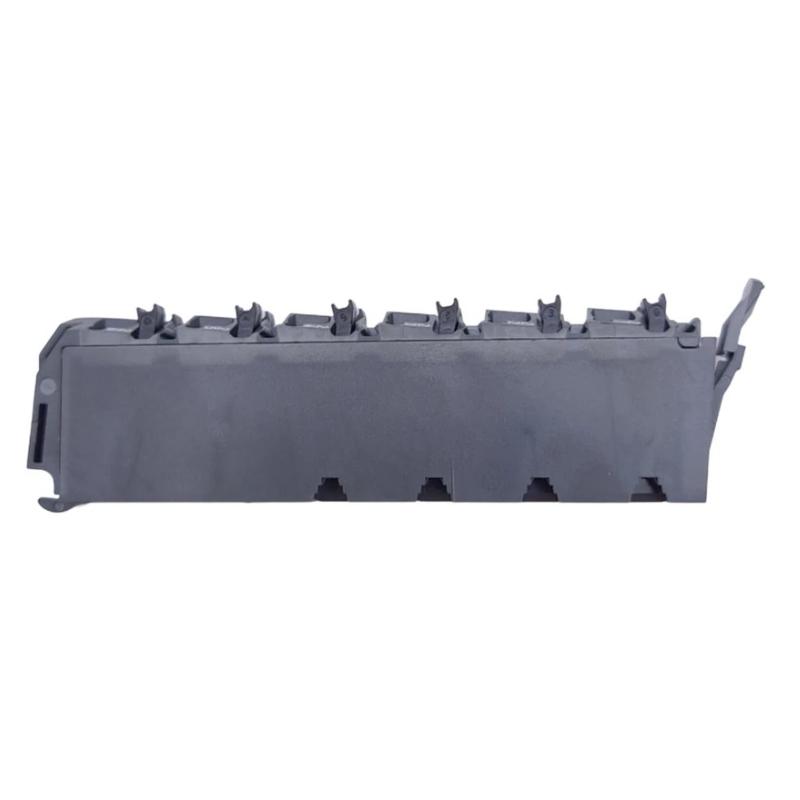
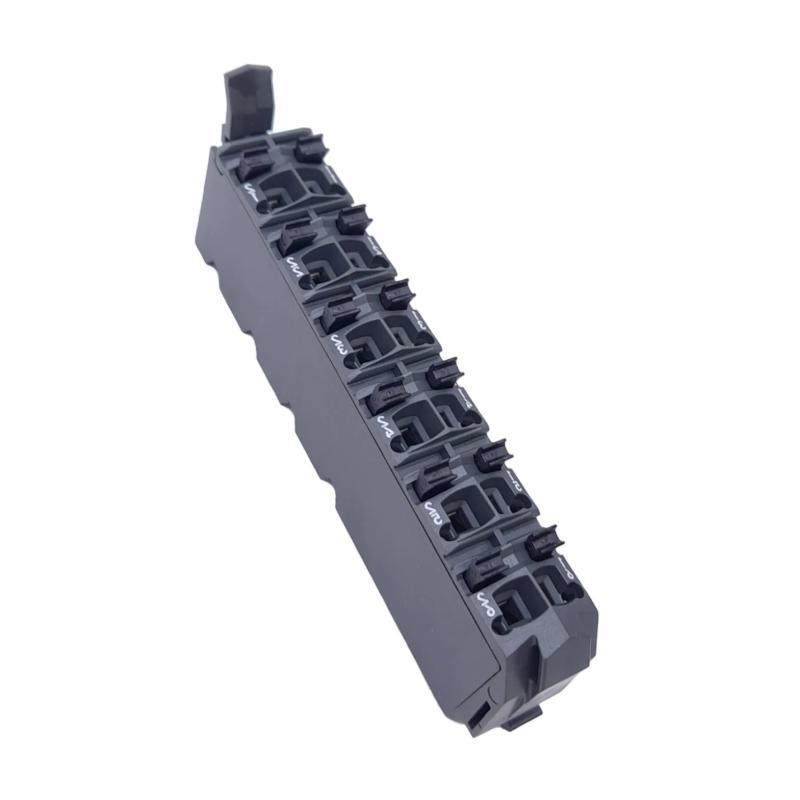
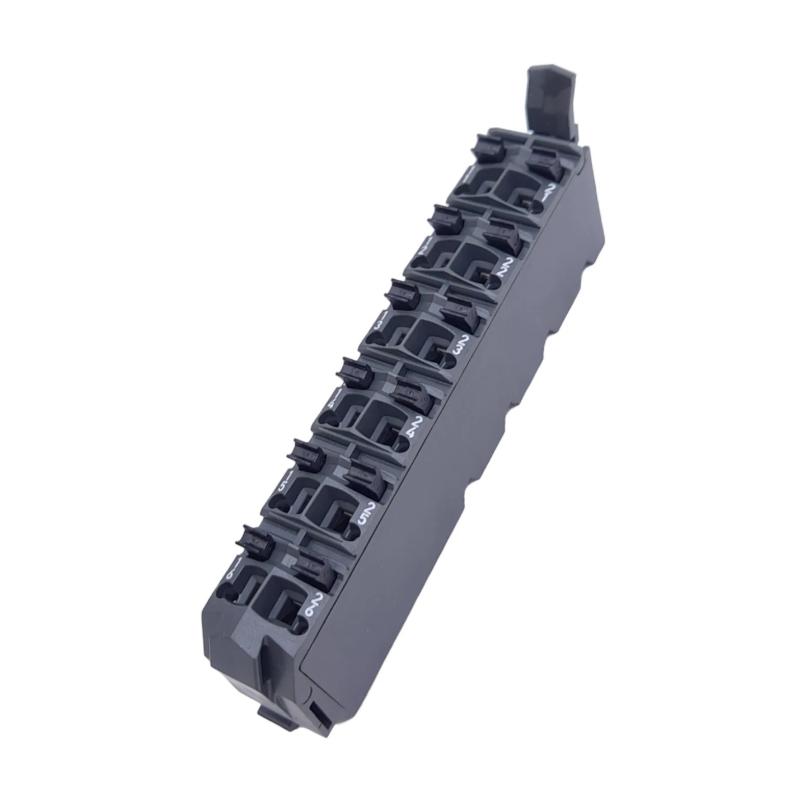
The Schneider Electric TM5ACTB32 Terminal Block is an electrical connection component identified for use in industrial automation systems. Terminal blocks provide organized connection points for electrical conductors, helping establish reliable wiring interfaces between control-system components, field devices, and associated electrical circuits.
In an industrial control cabinet, well-organized wiring is essential for reliable operation, efficient commissioning, and straightforward maintenance. Terminal blocks help technicians connect and identify conductors while supporting orderly cable routing and easier fault isolation. Depending on the specific terminal-block design, they may also provide connections for power distribution, control signals, or other electrical interfaces.
The TM5ACTB32 is associated with Schneider Electric’s Modicon TM5 automation product family. Its exact electrical role, terminal arrangement, and compatibility should be verified against the complete product designation and the hardware configuration in which it will be installed. The product name alone should not be used to infer the number of connection points, conductor sizes, current rating, or supported module combinations.
The supplied physical specifications are 80 × 24 × 14 mm, with a listed weight of 0.025 kg. Its compact dimensions make it suitable for consideration in control-system layouts where space-efficient wiring and component organization are important.
Technical Specifications
| Parameter | Specification |
|---|---|
| Manufacturer | Schneider Electric |
| Model | TM5ACTB32 |
| Product Type | Terminal Block |
| Product Family | Modicon TM5; verify exact product identification |
| Primary Function | Electrical connection and wiring interface |
| Application | Industrial automation and control-system wiring |
| Dimensions | 80 × 24 × 14 mm |
| Weight | 0.025 kg |
| Installation | According to the compatible hardware assembly and installation instructions |
| Electrical Ratings | Confirm from the exact product documentation |
| Terminal Arrangement | Confirm from the product label and terminal diagram |
| Compatibility | Verify against the installed TM5 hardware configuration |
The dimensions and weight above are based on the supplied product information. Electrical ratings, terminal count, conductor specifications, and supported mounting arrangements should be confirmed before procurement or installation.
What Is the Schneider TM5ACTB32 Terminal Block?
A terminal block is a component that provides a structured point for connecting electrical conductors. In automation equipment, terminal blocks help organize wiring between controllers, I/O modules, field instruments, sensors, actuators, and power circuits.
The TM5ACTB32 is identified as a terminal block associated with Schneider Electric automation hardware. In a compatible installation, its purpose is to support the required electrical connections between the relevant components.
A terminal block does not normally execute control logic or process field measurements by itself. Instead, it forms part of the electrical interface that allows signals or power to pass between the appropriate components.
A simplified connection arrangement is:
Field Wiring → Terminal Interface → Compatible Automation Hardware → PLC Control Logic
The actual signal path depends on the installed system and the specific terminal-block design. The correct connection points must always be established from the product’s terminal diagram and applicable installation documentation.
Function and Working Principle
1. Electrical Conductor Connection
The terminal block provides connection points for the conductors specified by its design. These connections help establish an organized interface between the relevant electrical circuits.
A secure connection is important because loose or incorrectly terminated conductors can cause intermittent signals, increased electrical resistance, localized heating, or complete circuit interruption.
2. Wiring Organization
Terminal blocks help keep control-cabinet wiring structured and identifiable. Organized wiring simplifies commissioning and makes it easier for maintenance personnel to trace a circuit from a field device to its associated control-system component.
Clear labeling is particularly valuable in installations with many sensors, actuators, and discrete control signals.
3. Interface Between Components
Depending on the verified product configuration, a terminal block may support connections associated with a compatible automation assembly. The exact interface must be established from the hardware documentation rather than assumed from the model name.
Using the correct terminal block helps maintain the intended mechanical fit and electrical connection arrangement.
4. Maintenance and Fault Isolation
A properly organized terminal interface can simplify inspection and troubleshooting. Technicians can identify the relevant conductors, inspect terminations, and check electrical continuity using approved procedures.
The terminal block itself does not diagnose faults, but its wiring arrangement can make the overall control system easier to maintain.
Role in Industrial Automation Systems
Industrial automation systems contain numerous electrical connections between control equipment and field devices. These connections must remain organized, accessible, and compatible with the equipment’s electrical requirements.
Within a suitable Schneider Electric automation installation, a terminal block such as the TM5ACTB32 may form part of the wiring interface for the associated hardware.
| System Component | Typical Role |
|---|---|
| PLC or Controller | Executes the automation program |
| TM5-Compatible Hardware | Provides the relevant control or I/O function |
| Terminal Block | Establishes the designated electrical connection interface |
| Field Sensors | Detect process or machine conditions |
| Actuators | Perform mechanical or electrical actions |
| Power Supply | Provides appropriately rated electrical power |
| Terminal Labels | Identify conductors and circuit functions |
| Engineering Software | Supports configuration and diagnostics where applicable |
| Control Cabinet | Houses and protects the automation equipment |
The exact system arrangement depends on the installed hardware. Compatibility should be confirmed before connecting the TM5ACTB32 to a specific module or assembly.
Industrial Applications
Machine Automation
Industrial machinery contains many electrical connections between control hardware, sensors, switches, and actuators. Terminal interfaces help organize these connections and simplify installation and maintenance.
Manufacturing and Assembly Lines
Automated production lines require clearly identified wiring for sensors, operating commands, equipment feedback, and control interfaces. Proper terminal organization can reduce wiring errors during installation and modification.
Packaging Equipment
Packaging machines often include sensors, motors, actuators, and sequence-control devices. Suitable terminal interfaces help maintain orderly connections within the machine’s electrical cabinet.
Material Handling Systems
Conveyors and material-handling equipment use electrical connections for position sensors, operator controls, and equipment-status feedback. Organized wiring helps technicians trace these circuits during maintenance.
Process Control Panels
Industrial process panels combine controllers, signal interfaces, power distribution, and field wiring. Correctly selected terminal components help maintain a clear and serviceable electrical layout.
Industrial Equipment Maintenance
During repair or replacement work, a correctly identified terminal block can help technicians restore the intended connection arrangement. The replacement must match the original component’s electrical and mechanical requirements.
These are general applications of terminal-block technology, not confirmation that the TM5ACTB32 is suitable for every listed installation.
Installation and System Integration
Correct installation begins with verifying the product’s identity and intended use. A component with similar dimensions or a related product-family designation should not automatically be treated as interchangeable.
Confirm the Model Number
Check the product label for the complete designation TM5ACTB32. Compare it with the existing component, the equipment bill of materials, and the applicable hardware documentation.
If the component is being used as part of a Modicon TM5 assembly, confirm the exact compatible module or mounting arrangement before installation.
Verify the Terminal Diagram
Use the correct terminal diagram to identify the connection points and their intended functions. Do not assume that terminal numbering, polarity, or conductor positions match those of another terminal block.
Confirm any requirements for conductor type, conductor cross-section, stripping length, and termination method before connecting wires.
Isolate Electrical Power
Before performing installation or maintenance, follow the equipment’s approved isolation and lockout procedures. Verify the absence of hazardous voltage using appropriate equipment and qualified personnel.
Never remove or install a terminal component under energized conditions unless the specific equipment and procedure explicitly permit that operation.
Prepare and Route Conductors
Inspect conductors for damaged insulation, corrosion, or unsuitable termination. Route cables according to the cabinet’s wiring design, maintaining appropriate separation between signal and power wiring where required.
Label conductors clearly so that each circuit can be identified during commissioning and future maintenance.
Secure the Connection
Install the terminal block according to the applicable mechanical instructions. Ensure that it is correctly seated and that all connections are secured using the specified method.
Do not apply an assumed tightening torque. If a torque value is required, obtain it from the exact product documentation.
Perform Commissioning Checks
Before returning the equipment to service, inspect the installation and verify the associated electrical circuits. Where appropriate, check continuity, connection integrity, signal behavior, and the operation of the connected control-system hardware.
Record any replacement or wiring changes in the equipment documentation.
Troubleshooting the TM5ACTB32 Terminal Block
Problems involving a terminal block can resemble failures in the connected controller, sensor, or actuator. Troubleshooting should therefore cover the complete electrical path.
Intermittent Electrical Connection
Possible causes include loose conductors, incorrect termination, damaged wire strands, vibration, corrosion, or an improperly seated component.
Inspect the connection under safe, isolated conditions. Verify the conductor preparation and termination method against the applicable instructions.
No Signal Reaches the Controller
If a connected signal is not detected, inspect the field device, wiring, terminal connections, and receiving module. Check the circuit diagram and verify that the conductor is connected to the intended terminal.
A terminal connection fault is only one possible cause; the sensor, power supply, receiving hardware, and configuration may also need investigation.
Unexpected Input or Output Behavior
Incorrect wiring, reversed polarity where applicable, misplaced conductors, or a mismatch between the installed hardware and the circuit design may produce unexpected behavior.
Compare the installed wiring with the approved electrical diagram. Do not move conductors based on appearance alone.
Signs of Overheating or Physical Damage
Discoloration, melted insulation, deformation, or unusual heat may indicate a loose connection, excessive current, an incorrect electrical application, or another fault in the circuit.
De-energize the affected equipment according to approved procedures and investigate the underlying cause before replacing the component. Installing a new terminal block without correcting the original fault may result in repeated damage.
Mechanical Fit Problems
If the component does not seat correctly, verify the model number, assembly orientation, mounting arrangement, and compatibility with the associated hardware.
Do not force the component into position. Mechanical interference may indicate an incorrect part or an installation error.
Maintenance Recommendations
Regular inspection helps maintain reliable electrical connections and reduces avoidable wiring faults.
Inspect the component: Look for cracks, deformation, discoloration, contamination, or other visible damage.
Check wiring condition: Inspect accessible conductors for damaged insulation, corrosion, strain, and incorrect routing.
Verify connection security: Follow the manufacturer’s procedures for checking terminals and mechanical seating. Avoid unnecessary disturbance of correctly installed connections.
Maintain clear labels: Keep wire identifiers and circuit diagrams consistent with the actual installation.
Control the cabinet environment: Maintain suitable environmental conditions for the installed automation hardware and protect the assembly from excessive dust, moisture, vibration, and heat.
Document replacements: Record the installed part number and any changes made during maintenance.
Maintenance work should always follow the applicable equipment instructions and site electrical-safety procedures.
Compatible System Components
The TM5ACTB32 should be selected as part of a verified hardware configuration. Potentially relevant component categories include:
| Component Category | Purpose |
|---|---|
| Compatible Schneider Electric TM5 Hardware | Provides the intended mechanical and electrical interface |
| PLC or Controller | Executes machine or process control logic |
| Digital I/O Hardware | Handles discrete control signals where applicable |
| Analog I/O Hardware | Handles analog signals where applicable |
| Field Sensors | Provide measurement or status signals |
| Actuators and Interface Devices | Perform control actions |
| Control Power Supply | Supplies the required electrical power |
| Terminal and Wiring Accessories | Support conductor organization and installation |
| Control Cabinet | Houses and protects the assembled equipment |
This table describes general automation-system roles. It does not establish compatibility with every component category or any specific module model. Confirm the TM5ACTB32’s exact intended application before ordering or installing it.
Replacement and Procurement Considerations
When sourcing a replacement for the Schneider Electric TM5ACTB32 Terminal Block, verify the complete model number and the hardware assembly in which it is installed.
Important checks include:
- Full product designation
- Terminal arrangement and connection function
- Mechanical fit and mounting method
- Supported conductor specifications
- Electrical ratings and application limits
- Compatibility with the associated TM5 hardware
- Physical condition and storage history
- Applicable installation instructions
The supplied dimensions are 80 × 24 × 14 mm, and the listed weight is 0.025 kg. These values can support preliminary cabinet-layout planning and inventory management, but they do not independently confirm product interchangeability.
For replacement work, compare the original component label and terminal layout with the proposed replacement. If any specification differs, confirm suitability before installation.
Key Advantages
Organized Electrical Connections
A suitable terminal block helps maintain a structured connection arrangement within industrial control equipment.
Simplified Wiring Maintenance
Clear terminal identification and accessible wiring can make circuit tracing, inspection, and troubleshooting more efficient.
Compact Physical Design
The listed dimensions of 80 × 24 × 14 mm provide a useful reference for component-layout planning, subject to confirmation of the actual mounting requirements.
Support for Industrial Automation Integration
When correctly matched to the associated hardware, a terminal block helps establish the required electrical interface between components.
Improved Serviceability
Proper installation, labeling, and documentation help maintenance teams identify connection points and restore circuits accurately after repair work.
Technical FAQs
What is the Schneider Electric TM5ACTB32?
The TM5ACTB32 is identified as a Schneider Electric terminal block associated with industrial automation wiring. Its exact function and compatible hardware arrangement should be confirmed from the complete product documentation.
What are the dimensions of the TM5ACTB32?
The supplied dimensions are 80 × 24 × 14 mm.
What is the weight of the TM5ACTB32?
The supplied weight is 0.025 kg.
Does the TM5ACTB32 perform PLC logic?
No. A terminal block is a connection component, not a programmable controller. Control logic is executed by the associated PLC or controller.
Which modules are compatible with the TM5ACTB32?
Compatibility must be verified against the exact product designation and the intended hardware assembly. Do not assume that every Schneider Electric TM5 module uses the same terminal interface.
What causes a terminal connection to fail?
Common causes include loose wiring, poor conductor preparation, corrosion, mechanical damage, vibration, excessive electrical loading, and incorrect installation.
Can a similar terminal block be used as a replacement?
Not without verification. The terminal arrangement, electrical characteristics, mechanical interface, and intended hardware compatibility must match the application.
What should be checked before installation?
Confirm the model number, wiring diagram, electrical ratings, conductor requirements, mounting method, and compatibility with the associated automation hardware. Follow approved electrical isolation procedures before working on the installation.
Conclusion
The Schneider Electric TM5ACTB32 Terminal Block is identified as an electrical connection component for industrial automation applications. Terminal blocks help organize conductors, establish the required electrical connections, and support maintenance of control-system wiring.
With supplied dimensions of 80 × 24 × 14 mm and a listed weight of 0.025 kg, the TM5ACTB32 offers a compact physical profile for suitable installations. Reliable operation depends on correct product identification, proper conductor preparation, secure connections, and compatibility with the associated automation hardware.
Before purchasing or replacing the component, verify its complete designation and intended use against the installed system. Accurate identification, careful wiring, and documented commissioning checks help maintain a reliable and serviceable industrial control installation.