

ProductPRODUCT
Featured products
Contact Us
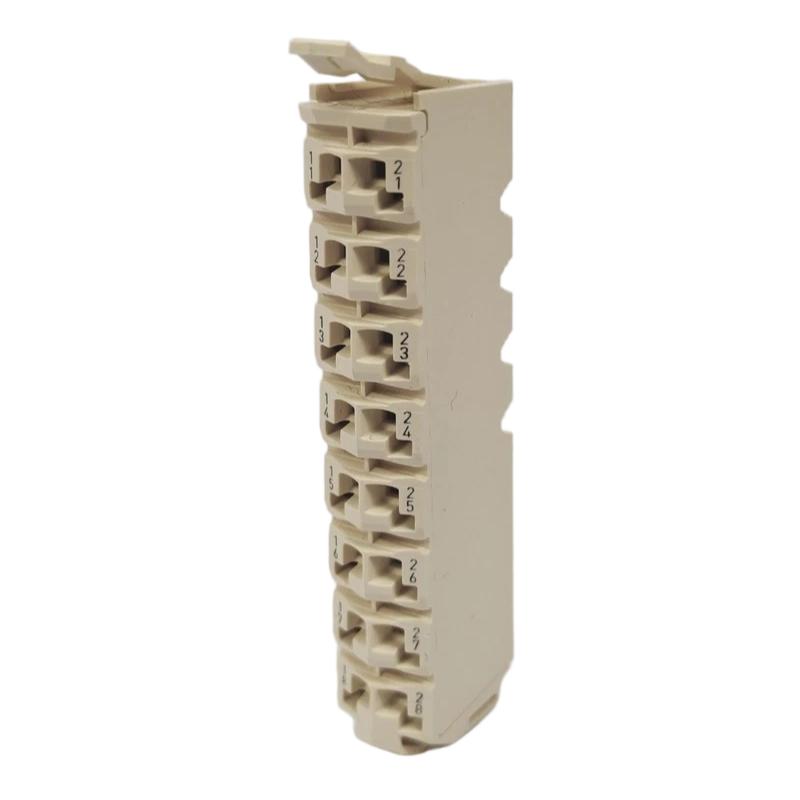
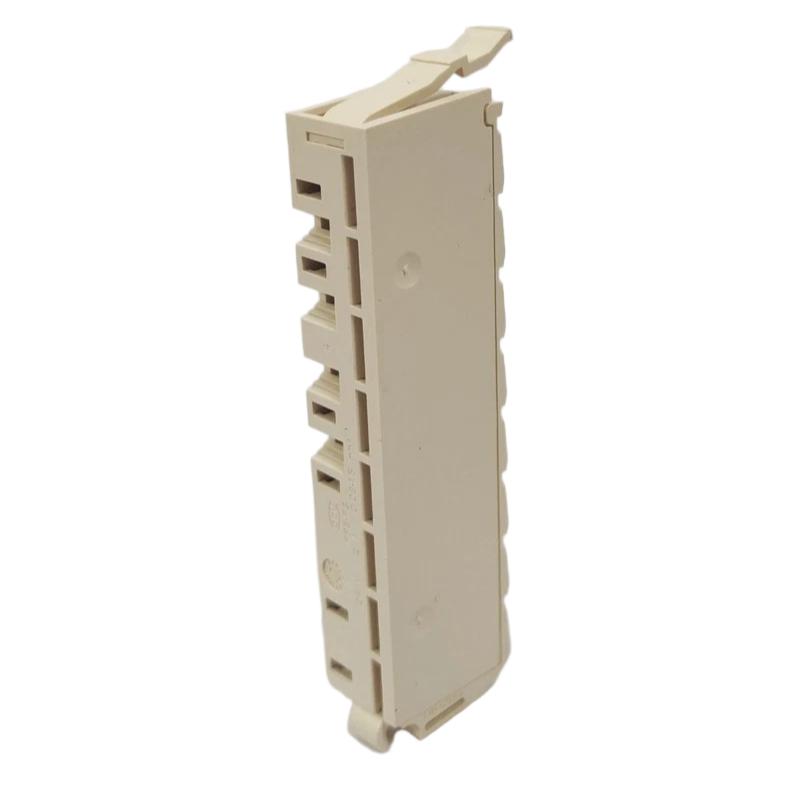
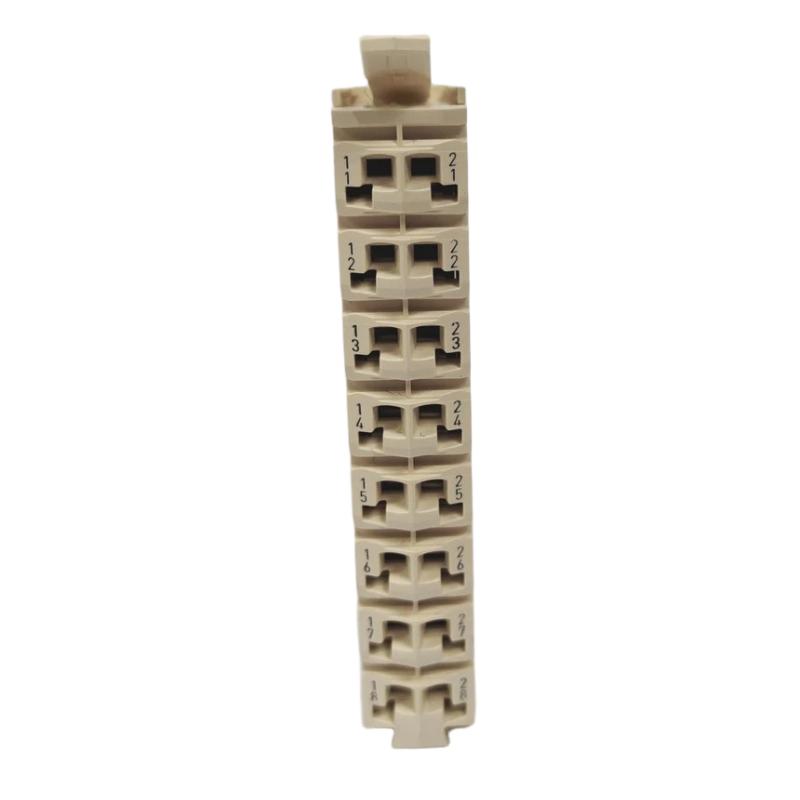
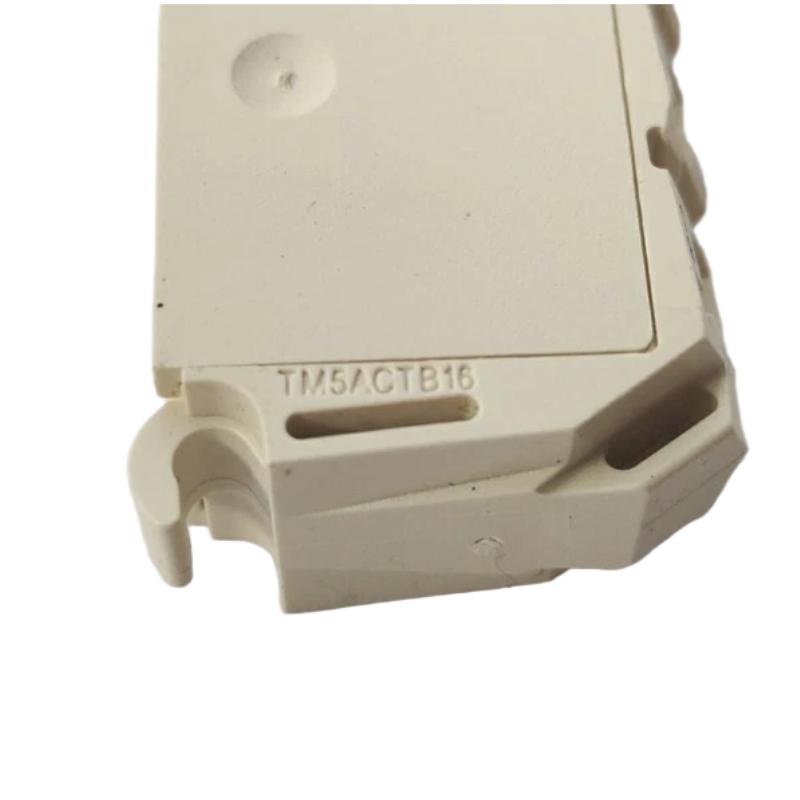
- Schneider
- TM5ACTB16
- Terminal Block
- France
- 80 × 24 × 14 mm
- 0.02 kg
- Xiamen, China
- New & In Stock
- T/T, PayPal, Western Union
- 1 Year
- 1-3 Working Days
- DHL, UPS, TNT, FedEx and EMS.
- 24-Hour Service
- COO
- 6
Our advantage

Global Logistics
We have a 10-year logistics and express cooperation agreement, so our products can be shipped to any place in the world.

Brand new and original
Our products are imported in bulk from the place of origin. Because of the cooperative relationship, our products are all original and 100% new.

24-hour service
We provide 7*24 hours service to our customers. We will be there whenever you need us.

Price advantage
All our products are priced very favorably because we have our own warehouse and supply.
| Company Information | |||
| [email protected] | |||
| Mobile | +8615980777398 | ||
| +8615980777398 | |||
| 15980777398 |
Product Overview
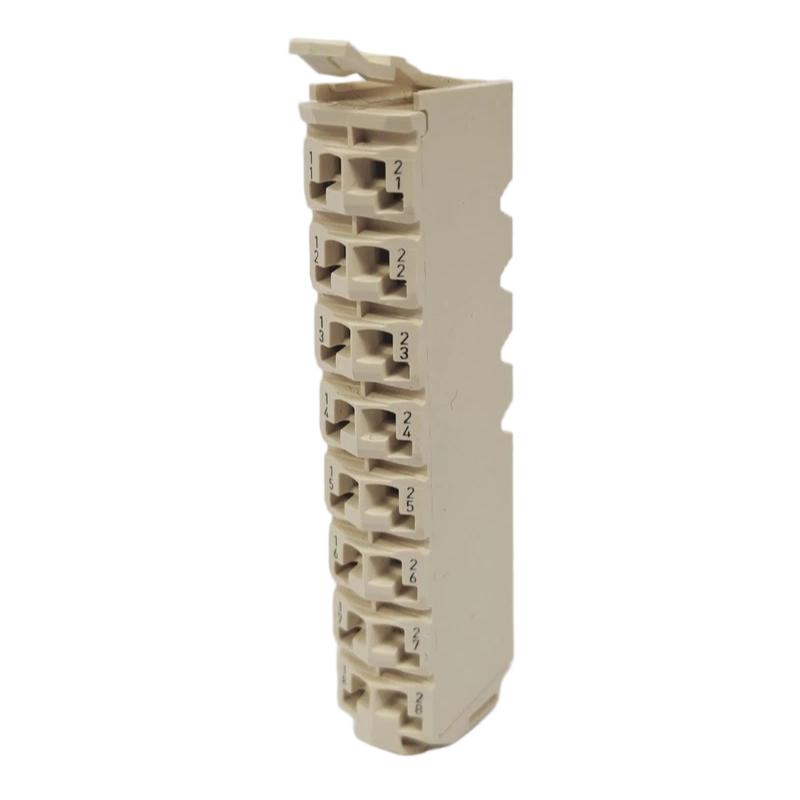
The Schneider Electric TM5ACTB16 Terminal Block is an electrical connection component identified for use in industrial automation and control installations. Terminal blocks provide organized connection points for conductors, helping establish reliable electrical interfaces between control modules, field wiring, power distribution circuits, and other automation components.
In industrial control systems, well-organized wiring is essential for dependable operation and efficient maintenance. A suitable terminal block helps technicians arrange electrical connections, identify conductors, and simplify inspection or replacement work. It can also contribute to a more structured control-cabinet layout by keeping wiring connections organized around the associated equipment.
The TM5ACTB16 is associated by its product designation with Schneider Electric’s Modicon TM5 automation product family. Before installation, its exact function and compatibility should be confirmed against the module or terminal assembly with which it is intended to operate. Terminal blocks designed for different hardware families may have different mechanical arrangements, electrical ratings, and connection assignments, even when their physical appearance is similar.
The supplied dimensions for the Schneider Electric TM5ACTB16 Terminal Block are 80 × 24 × 14 mm, with a listed weight of 0.02 kg. Its compact size can be useful in control installations where wiring accessories must fit within limited cabinet space.
Technical Specifications
| Parameter | Specification |
|---|---|
| Manufacturer | Schneider Electric |
| Model | TM5ACTB16 |
| Product Type | Terminal Block |
| Product Family | Associated with the Modicon TM5 product designation; confirm exact configuration |
| Primary Function | Electrical connection and wiring organization |
| Application | Industrial automation and control systems |
| Dimensions | 80 × 24 × 14 mm |
| Weight | 0.02 kg |
| Installation | Verify the required mounting and mating arrangement |
| Electrical Ratings | Confirm from the applicable product documentation |
| Connection Configuration | Verify terminal layout and conductor requirements |
| Compatibility | Confirm with the exact TM5-series module or assembly |
| Typical Use | Control-cabinet wiring and automation-system integration |
The dimensions and weight above are based on the supplied product information. The terminal count, conductor cross-section, rated voltage, rated current, wire-stripping length, and any special mounting requirements should be verified before the component is used in an electrical installation.
What Is the Schneider TM5ACTB16 Terminal Block?
A terminal block is an electrical connection component that provides defined points for connecting conductors. In automation systems, it can help organize wiring between control electronics and external circuits, depending on the terminal block’s design and intended application.
A terminal block is not normally a controller or signal-processing device. Its role is primarily electrical and mechanical: to maintain the intended connections between compatible conductors and the equipment they serve.
In a modular automation system, a terminal component may be designed to mate with a particular I/O module or terminal assembly. Correct identification is therefore important. A terminal block should not be assumed to fit or operate with another module simply because both products belong to the same manufacturer or product family.
The TM5ACTB16 should be selected according to its verified product description, connection arrangement, and intended host equipment.
Function and Working Principle
1. Electrical Connection
The fundamental purpose of a terminal block is to provide an organized connection point for compatible conductors. Depending on its design, it may connect field wiring, control wiring, or an associated electronic module.
The exact electrical role of the TM5ACTB16 should be confirmed before wiring. Its model number alone should not be used to infer a particular signal type or circuit assignment.
2. Mechanical Retention
A terminal block must retain conductors or mate securely with its intended assembly according to the manufacturer’s design. Correct installation helps prevent loose connections, intermittent signals, and damage to terminals.
The required insertion method, fastening procedure, and permissible conductor types depend on the specific terminal design.
3. Wiring Organization
Terminal blocks help maintain a structured arrangement of electrical connections. Properly labeled and routed conductors make it easier for commissioning engineers and maintenance technicians to trace circuits and identify connection points.
This organization is particularly valuable in control cabinets containing multiple I/O modules, power supplies, interface relays, and field-device connections.
4. Support for System Maintenance
A clearly identified terminal arrangement can simplify inspection and fault isolation. Technicians can compare wiring with the electrical drawings, check the appropriate connection points, and investigate problems without unnecessarily disturbing unrelated circuits.
Maintenance should always follow the equipment’s approved electrical isolation and handling procedures.
Role in Industrial Automation Systems
Industrial automation systems depend on both electronic control devices and the electrical connections that link them. PLCs process control logic, I/O modules acquire or transmit signals, and field devices interact with machines and processes. Terminal components support the physical wiring infrastructure that allows these elements to operate together.
Within an appropriate installation, a terminal block may contribute to:
- Organized conductor termination
- Clear separation of wiring circuits
- Simplified electrical inspection
- Easier identification of field connections
- More efficient maintenance procedures
- Consistent control-cabinet assembly
The precise role of the TM5ACTB16 depends on the compatible hardware and circuit in which it is installed. Its application should be established from the actual component identification and system wiring documentation.
Industrial Applications
PLC Control Cabinets
Control cabinets often contain PLCs, I/O assemblies, power supplies, protective devices, and interface components. Terminal blocks can help organize wiring and establish defined electrical connection points within these assemblies.
Machine Automation
Automated machinery uses electrical connections for sensors, switches, actuators, operator controls, and status feedback. Suitable terminal components support organized wiring between these devices and the control system.
Manufacturing Equipment
Production lines may contain distributed electrical panels and modular control assemblies. Correct terminal selection helps maintain consistent wiring practices and simplifies service procedures across the equipment.
Material Handling Systems
Conveyors, transfer equipment, and handling machinery require electrical connections for operating commands, position feedback, and equipment-status signals. Terminal blocks can form part of the wiring infrastructure supporting these functions.
Packaging and Processing Equipment
Packaging and process machinery frequently uses modular control hardware and extensive field wiring. Proper terminal organization supports installation, troubleshooting, and future modifications, provided the terminal component is correctly matched to the equipment.
Industrial Maintenance and Retrofit Projects
During control-panel upgrades or component replacement, the correct terminal block can help preserve the intended wiring arrangement. Before reusing or replacing a terminal component, technicians should verify its compatibility and inspect it for wear, damage, or deformation.
Installation and System Integration
Correct installation begins with confirming the identity and intended application of the TM5ACTB16.
Verify the Model Number
Check the complete model designation on the component and compare it with the bill of materials, equipment drawings, and installed hardware. Confirm that TM5ACTB16 is the required terminal component rather than a similarly named module or accessory.
Confirm Mechanical Compatibility
Inspect the intended mating component and verify the terminal block’s mechanical arrangement. Do not force a terminal block into a module or assembly that does not match its design.
A mismatch may damage connectors, prevent secure installation, or create unreliable electrical contact.
Review Electrical Requirements
Before connecting conductors, verify the component’s permitted electrical application and the requirements of the associated circuit. Confirm the rated voltage and current, terminal assignments, conductor type, and acceptable wire size from the applicable documentation.
Do not assume the terminal block’s electrical ratings from its dimensions or product-family designation.
Prepare the Wiring
Identify each conductor before installation. Use appropriate labels and follow the approved wiring diagram. Ensure that conductors are correctly prepared for the specified connection method and that no exposed copper extends beyond the intended termination area.
Avoid excessive pulling force, sharp bends, or cable routing that places mechanical stress on the terminal connection.
Install and Inspect
Fit the terminal block according to the manufacturer’s specified procedure. Check that it is seated correctly and that all required connections are secure.
Before energizing the equipment, inspect for misplaced conductors, short circuits, damaged insulation, foreign material, and incomplete connections.
Verify System Operation
After installation, carry out the appropriate continuity checks and functional tests under approved commissioning procedures. Confirm that the associated equipment behaves as expected and that any connection-related faults have been resolved before returning the system to normal operation.
Troubleshooting the TM5ACTB16 Terminal Block
Terminal-related faults can produce symptoms that resemble failures in PLC modules, sensors, or other electronic equipment. A systematic inspection helps identify the actual cause.
Intermittent Electrical Connection
An intermittent connection may result from an improperly seated terminal block, loose conductors, damaged contact surfaces, vibration, or mechanical strain on the wiring.
Inspect the component and connected conductors after isolating the relevant circuit. Check the mechanical fit and confirm that the installation follows the specified procedure.
No Signal or Power at the Connected Circuit
If a connected circuit does not receive the expected signal or power, check the wiring diagram and trace the connection through the relevant terminal points.
Potential causes include an open conductor, incorrect terminal assignment, an upstream power or signal fault, a damaged terminal, or a problem with the connected equipment. Verify the electrical circuit before replacing the terminal block.
Loose or Damaged Connection Point
Visible deformation, cracked housing, damaged contacts, discoloration, or signs of overheating may indicate that a terminal component needs further inspection or replacement.
Do not continue using a visibly damaged component without assessing its condition and suitability. The replacement must match the intended electrical and mechanical requirements.
Incorrect Wiring After Replacement
If problems begin after a terminal block has been replaced, compare the completed wiring with the approved drawings and the original connection records.
Check the complete model number, conductor positions, connector orientation, and associated module. A component that appears physically similar may not have the same connection arrangement.
Repeated Connection Faults
Recurring terminal problems may be caused by vibration, unsuitable conductors, incorrect preparation, environmental contamination, excessive mechanical loading, or an incompatible component.
Investigate the installation conditions as well as the terminal itself. Replacing the component without addressing the underlying cause may not prevent the fault from recurring.
Maintenance Recommendations
Regular inspection can help maintain reliable electrical connections and reduce avoidable downtime.
Inspect the housing and contacts: Look for cracks, deformation, discoloration, contamination, or signs of overheating.
Check conductor condition: Examine insulation, conductor preparation, labels, and signs of mechanical damage.
Confirm secure installation: Verify that the terminal block is properly seated and that the conductors are secured according to the specified connection method.
Maintain wiring organization: Keep conductors identified and routed according to the approved electrical drawings.
Protect the installation environment: Follow the host equipment’s requirements for temperature, humidity, contamination, vibration, and enclosure protection.
Document replacements: Record the model number and any changes to wiring or associated hardware.
Inspection frequency should reflect the operating environment, equipment criticality, and the maintenance requirements of the complete control system.
Compatible System Components
The TM5ACTB16 may be used within a broader automation installation that contains several functional component types. The following table describes common system roles rather than confirming compatibility with any specific model.
| Component Type | Function |
|---|---|
| Compatible PLC or Controller | Executes automation logic |
| Compatible I/O Assembly | Acquires field signals or controls outputs |
| Terminal Block | Provides the intended electrical connection interface |
| Field Sensors | Detect process or machine conditions |
| Actuators and Interface Devices | Carry out control actions |
| Industrial Power Supply | Provides appropriately rated electrical power |
| Protective Devices | Help protect circuits according to the system design |
| Interface Relays | Provide switching or isolation functions when required |
| Terminal Labels and Wiring Markers | Support circuit identification and maintenance |
| Control Cabinet | Houses and protects the automation equipment |
Before purchasing related components, verify the exact host module, mechanical interface, electrical requirements, and system documentation. A terminal block should not be considered interchangeable with another model solely because it belongs to the same product family.
Replacement and Procurement Considerations
When sourcing the Schneider Electric TM5ACTB16 Terminal Block, accurate identification is more important than appearance alone.
Check the following before ordering:
- Complete model number
- Exact product description
- Intended host module or assembly
- Mechanical mating arrangement
- Terminal configuration
- Electrical ratings and conductor requirements
- Physical condition, where applicable
- Required quantity and installation accessories
The listed dimensions are 80 × 24 × 14 mm, and the listed weight is 0.02 kg. These values can assist with inventory management, cabinet-layout planning, and shipping estimates, but they do not independently establish compatibility.
For replacement work, compare the original part markings with the new component and confirm the wiring arrangement before installation. If the original component is damaged, retain its identification information and document the connected circuit before removal.
Key Advantages
Compact Physical Design
The supplied dimensions of 80 × 24 × 14 mm make the component suitable for consideration in installations where space for wiring accessories is limited, subject to the verified mounting arrangement.
Organized Electrical Connections
A correctly selected terminal component supports a structured wiring layout and helps technicians identify connection points during inspection and maintenance.
Easier Troubleshooting
Clearly arranged and documented connections can reduce the time required to trace wiring and investigate electrical faults.
Support for Modular Automation
When correctly matched to its intended hardware, the terminal block can support the electrical connection requirements of a modular industrial control installation.
Lightweight Construction
With a listed weight of 0.02 kg, the component adds little mass to the overall control assembly. Its mechanical suitability must still be assessed according to the actual mounting and mating design.
Technical FAQs
What is the Schneider Electric TM5ACTB16?
The TM5ACTB16 is identified in the supplied product information as a Schneider Electric terminal block. Its exact connection function and compatible host assembly should be verified before use.
What are the dimensions of the TM5ACTB16?
The supplied dimensions are 80 × 24 × 14 mm.
How much does the TM5ACTB16 weigh?
The supplied weight is 0.02 kg.
Is the TM5ACTB16 a PLC module?
It is described as a terminal block, not a PLC CPU. A terminal block generally provides an electrical connection interface rather than executing control logic.
Can it be used with any Schneider Electric Modicon TM5 module?
Compatibility should not be assumed from the product-family name alone. Confirm the exact terminal block, host module, mechanical interface, and wiring requirements before installation.
What can cause a terminal connection to fail?
Possible causes include incorrect installation, loose or damaged conductors, contact damage, contamination, vibration, mechanical stress, or an incompatible terminal component.
Should a damaged terminal block be reused?
A damaged component should be assessed before reuse. Cracks, deformation, damaged contacts, or signs of overheating may compromise reliable operation and may require replacement according to the applicable maintenance procedure.
What should be checked before replacing the TM5ACTB16?
Verify the complete model number, the intended host assembly, the terminal layout, electrical requirements, and the approved wiring diagram. After replacement, perform the required inspection and functional tests.
Conclusion
The Schneider Electric TM5ACTB16 Terminal Block is identified as an electrical connection component for industrial automation applications. Terminal components support the physical wiring infrastructure of control systems by helping establish organized connections and simplifying inspection, troubleshooting, and maintenance.
With supplied dimensions of 80 × 24 × 14 mm and a weight of 0.02 kg, the TM5ACTB16 has a compact physical profile for suitable installations. Reliable use depends on confirming its exact function, matching it to the intended host hardware, following the correct wiring arrangement, and inspecting the completed installation.
For replacement and procurement, verify the complete TM5ACTB16 designation and the applicable mechanical and electrical specifications before installation. Correct identification and careful commissioning help maintain dependable connections and support the long-term reliability of industrial control equipment.