

ProductPRODUCT
Featured products
Contact Us
- GE
- PTX 661-13G-3433
- Pressure Transmitter
- USA
- 85 × 20 × 60 mm
- 0.15 kg
- Xiamen, China
- New & In Stock
- T/T, PayPal, Western Union
- 1 Year
- 1-3 Working Days
- DHL, UPS, TNT, FedEx and EMS.
- 24-Hour Service
- COO
- 7
Our advantage

Global Logistics
We have a 10-year logistics and express cooperation agreement, so our products can be shipped to any place in the world.

Brand new and original
Our products are imported in bulk from the place of origin. Because of the cooperative relationship, our products are all original and 100% new.

24-hour service
We provide 7*24 hours service to our customers. We will be there whenever you need us.

Price advantage
All our products are priced very favorably because we have our own warehouse and supply.
| Company Information | |||
| [email protected] | |||
| Mobile | +8615980777398 | ||
| +8615980777398 | |||
| 15980777398 |
Product Overview
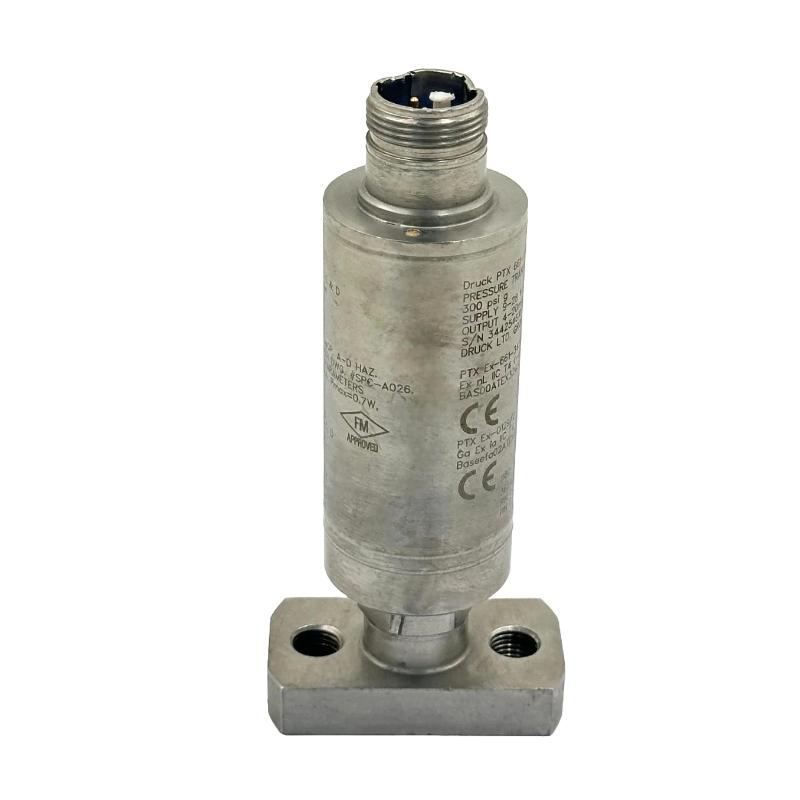
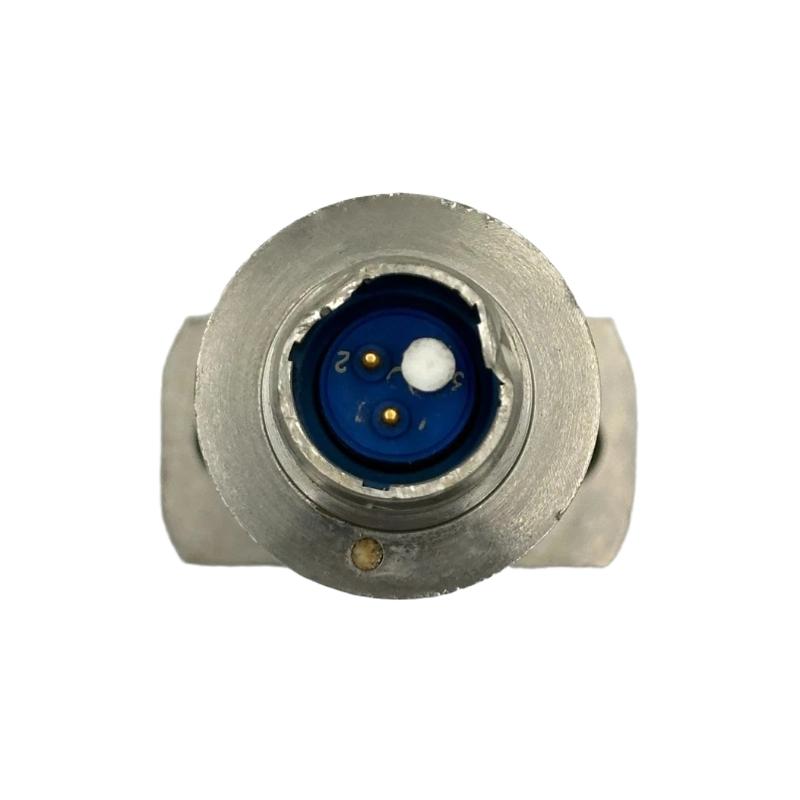
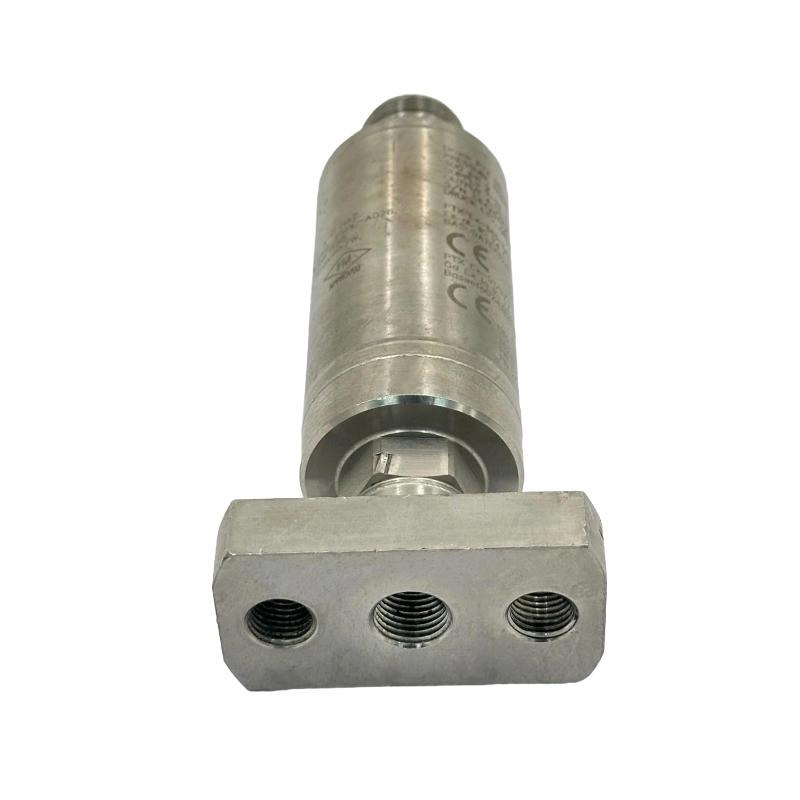
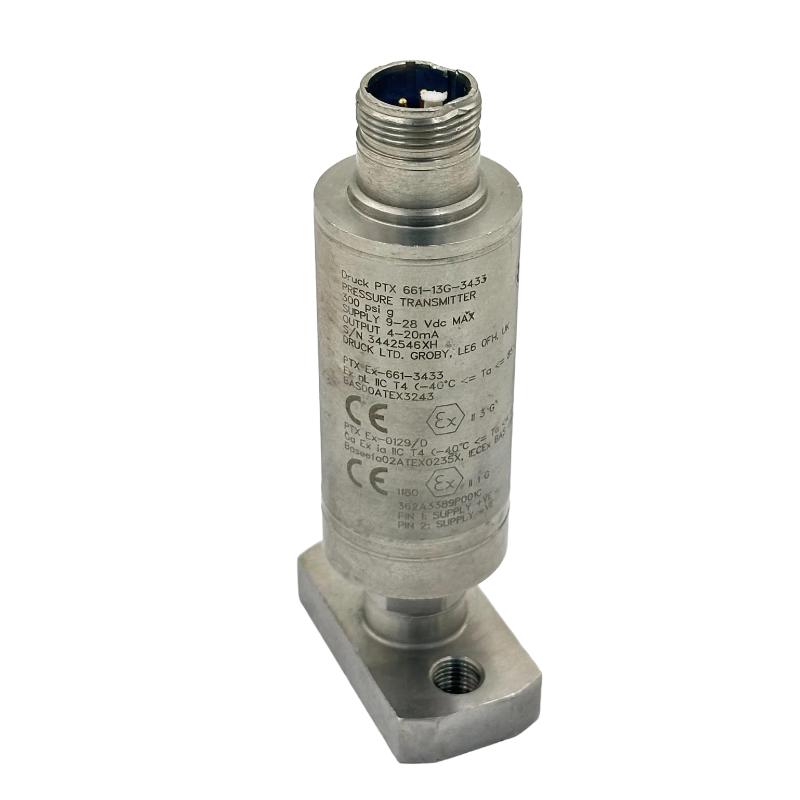
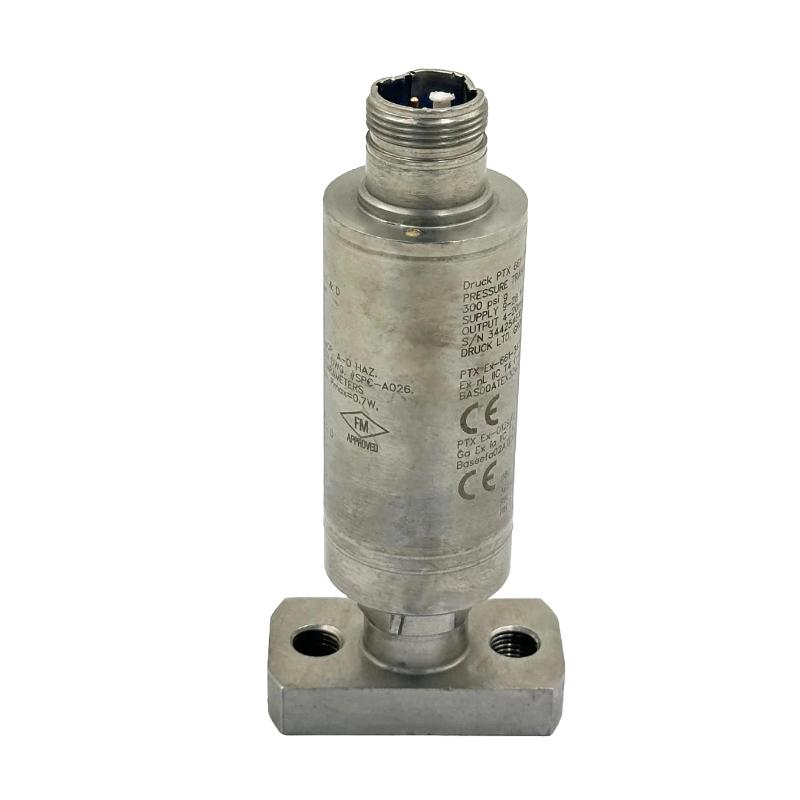
The GE PTX 661-13G-3433 Druck PTX 661 Pressure Transmitter is an industrial pressure measurement device identified by the PTX 661 model family and its specific ordering designation. Pressure transmitters are used in industrial systems to convert applied pressure into an electrical signal that can be interpreted by monitoring equipment, controllers, or other compatible instrumentation.
In a typical installation, a pressure transmitter is connected to a process line, pressure port, or measurement point. It detects the pressure acting on its sensing element and converts the measurement into a signal for the receiving system. This allows operators to monitor process conditions and gives control equipment access to pressure information for process supervision and regulation.
The PTX 661-13G-3433 designation is important when identifying a replacement unit or checking an existing instrument against maintenance records. Pressure transmitters within the same product family may differ in pressure range, output configuration, pressure connection, or electrical interface. The complete model designation should therefore be checked before selecting a replacement.
For maintenance engineers, the transmitter should be evaluated as part of the complete measurement loop. The sensing device, process connection, wiring, signal input, and controller configuration all affect the quality of the pressure reading received by the control system.
Technical Specifications
| Parameter | Specification |
|---|---|
| Manufacturer | GE |
| Brand | Druck |
| Model | PTX 661-13G-3433 |
| Product Series | PTX 661 |
| Product Type | Pressure Transmitter |
| Product Category | Industrial Pressure Measurement Instrument |
| Primary Function | Pressure measurement and electrical signal transmission |
| Measurement Principle | Pressure sensing with electrical signal conversion |
| Measurement Medium | Depends on the specified transmitter configuration and process requirements |
| Output Signal | Must be confirmed from the applicable model documentation |
| Pressure Range | Must be confirmed from the full model specification |
| Pressure Connection | Must be verified against the installed process connection |
| Electrical Connection | Must be verified against the transmitter configuration |
| System Interface | Compatible instrumentation or control-system input |
| Typical Installation | Industrial process measurement point |
| Maintenance Approach | Inspection, calibration verification, and signal-loop testing |
| Dimensions | 85 × 20 × 60 mm |
| Weight | 0.15 kg |
Product Features
- Pressure Measurement: Measures applied pressure for monitoring and control applications in industrial equipment and process systems.
- Electrical Signal Conversion: Converts the pressure detected by the sensing element into an electrical output that can be processed by compatible instrumentation.
- Model-Specific Identification: The complete PTX 661-13G-3433 designation helps distinguish the required transmitter from other configurations in the same product family.
- Process Monitoring Integration: Can be incorporated into a pressure measurement loop where its range, output, and connection arrangement match the receiving system.
- Instrumentation Compatibility: Correct integration depends on matching the transmitter’s electrical output and pressure interface with the intended application.
- Maintenance Accessibility: The transmitter can be inspected as an individual instrument when investigating abnormal readings or suspected pressure measurement faults.
- Replacement Planning: Confirming the full model designation and configuration helps reduce errors when sourcing spare instrumentation for existing equipment.
Working Principle
The GE PTX 661-13G-3433 Druck PTX 661 Pressure Transmitter operates by detecting pressure applied to its sensing element and converting the resulting measurement into an electrical signal. The receiving instrument or control system interprets this signal to determine the pressure represented by the transmitter output.
During operation, pressure from the process medium acts on the transmitter’s pressure-sensitive structure. The sensing electronics convert the resulting response into a corresponding electrical output according to the transmitter’s specified measurement range and output characteristics. The receiving system then uses the signal for display, recording, alarm handling, or process control, depending on the installation.
For a control system to interpret the measurement correctly, the transmitter configuration must match the receiving input. The pressure range, electrical output, wiring arrangement, and input scaling all need to be appropriate for the application. A mismatch can produce incorrect readings even when the transmitter itself is functioning.
When a pressure reading becomes unstable or deviates from the expected process value, troubleshooting should cover both the instrument and the surrounding measurement loop. Process conditions, pressure connections, wiring, power supply, receiving input, and instrument calibration may all need to be checked before the transmitter is identified as the source of the fault.
Role in an Industrial Pressure Control Architecture
Within an industrial pressure control architecture, the GE PTX 661-13G-3433 Druck PTX 661 Pressure Transmitter acts as a field measurement device. It supplies pressure information to the associated instrumentation or controller, allowing the wider system to monitor process conditions and respond according to its configured control strategy.
| System Component | Function | Relationship to the Pressure Transmitter |
|---|---|---|
| Pressure Transmitter | Measures process pressure and produces an electrical output | Supplies the pressure measurement to the receiving system |
| Process Connection | Connects the instrument to the measurement point | Applies the process pressure to the sensing element |
| Instrument Power Supply | Provides the required electrical power where applicable | Supports transmitter operation according to its electrical specification |
| Signal Wiring | Carries the transmitter output | Connects the instrument to the receiving input |
| Analog Input Module | Receives and converts a compatible analog signal | Makes the pressure measurement available to the controller |
| PLC or DCS Controller | Processes measurement data and executes configured logic | Uses the pressure value for monitoring, alarms, or control |
| Operator Interface | Displays process values and alarm information | Presents the pressure measurement to operators |
| Pressure Control Element | Adjusts the process when commanded by the control system | May respond to control actions based on the measured pressure |
Industrial Applications
| Application Area | Typical Use | Relevance of the Pressure Transmitter |
|---|---|---|
| Process Automation | Monitoring pressure in industrial process lines | Supplies pressure data to the control and monitoring system |
| Pumping Systems | Observing pressure conditions around pumps and associated pipework | Helps operators assess pressure changes during operation |
| Compressor Systems | Monitoring pressure at designated measurement points | Supports operating-condition supervision and fault investigation |
| Industrial Machinery | Measuring pressure in equipment circuits where the transmitter is suitable | Provides a pressure signal for monitoring or control |
| Utilities and Plant Services | Monitoring pressure in applicable service systems | Makes pressure conditions available to instrumentation |
| Process Control Cabinets | Connecting field measurements to PLC or DCS inputs | Supplies a field signal for display, recording, and control logic |
| Equipment Maintenance | Investigating abnormal pressure indications | Provides an instrument-level point for calibration and signal-loop checks |
| Industrial Instrumentation Replacement | Replacing an existing pressure transmitter | Supports spare-part identification when the full configuration is verified |
Installation and Maintenance
- Verify the Model Designation: Confirm that the installed or replacement instrument is identified as PTX 661-13G-3433 and matches the equipment documentation.
- Check the Instrument Specification: Verify the pressure range, output signal, pressure connection, electrical interface, and other configuration details from the applicable technical documentation before installation.
- Make the Process Safe: Isolate the measurement point and release process pressure according to the plant’s approved procedures before removing or installing the transmitter.
- Inspect the Mounting Location: Check the process port, mounting surface, and surrounding equipment for damage, contamination, or conditions that could affect installation.
- Verify Process Compatibility: Confirm that the transmitter is suitable for the process medium, expected pressure conditions, and operating environment.
- Inspect the Pressure Connection: Check the mating connection and sealing arrangement. Use the specified fittings and sealing method for the installed configuration.
- Check Electrical Requirements: Confirm the transmitter’s required power supply, output characteristics, and wiring arrangement before connecting it to the measurement loop.
- Connect the Wiring Correctly: Follow the applicable terminal diagram and wiring instructions. Check polarity and terminal assignments where relevant to the configured output.
- Inspect the Signal Loop: Examine the cable, terminals, receiving input, and associated connections for looseness, corrosion, damage, or incorrect wiring.
- Verify Measurement Scaling: Ensure that the receiving instrument or controller is configured for the transmitter’s specified output and pressure range.
- Perform Functional Verification: Restore the instrument according to the approved procedure and compare its indicated value with an appropriate reference or known process condition. Perform calibration checks when required.
- Document the Maintenance: Record the full model designation, configuration details, inspection results, calibration findings, and replacement information in the instrument maintenance history.
Compatible System Components
| Component | Function | Relationship to the Pressure Transmitter |
|---|---|---|
| Instrument Power Supply | Supplies the electrical power required by the instrument | Must meet the transmitter’s specified electrical requirements |
| Pressure Fitting or Adapter | Connects the transmitter to the process measurement point | Must match the transmitter connection and installation requirements |
| Instrument Cable | Carries power and measurement signals as applicable | Connects the transmitter to the receiving equipment |
| Analog Input Module | Accepts a compatible electrical measurement signal | Receives the transmitter output for system processing |
| PLC or DCS Controller | Processes pressure measurements and control logic | Uses the measurement for monitoring and process control |
| Signal Isolator or Conditioner | Conditions or isolates signals where required | May be used when the measurement loop requires additional signal interfacing |
| Calibration Reference Instrument | Provides a reference for checking pressure measurement accuracy | Supports calibration and verification procedures |
| Operator Display or HMI | Displays process measurements and alarms | Presents pressure information to plant operators |
Recommended Related Models
| Model or Product Category | Product Type | Relationship |
|---|---|---|
| GE Druck PTX 661 Series | Pressure Transmitter | Same product family; verify the complete configuration before replacement |
| GE Druck Industrial Pressure Transmitters | Pressure Measurement Instruments | Related product category for industrial pressure monitoring |
| Industrial Pressure Sensors | Pressure Sensing Components | Related category for pressure measurement applications |
| Industrial Pressure Switches | Pressure Switching Devices | Alternative instrument category for applications requiring switching rather than continuous measurement |
| Industrial Analog Input Modules | Signal Input Components | Related control-system component for receiving compatible transmitter outputs |
| Industrial Signal Conditioners | Signal Interface Components | Related category where signal conditioning or isolation is required |
Key Advantages
- Direct Pressure Monitoring: Converts pressure at the measurement point into an electrical signal for compatible instrumentation.
- Control-System Integration: Can supply pressure information to PLC, DCS, or monitoring equipment when the interfaces match.
- Model Traceability: The complete model designation supports maintenance records and replacement identification.
- Instrument-Level Troubleshooting: Allows the transmitter to be checked separately from the process connection and receiving electronics.
- Calibration Support: Can be included in routine pressure measurement verification and maintenance procedures.
- Process Visibility: Helps make pressure conditions available for operator monitoring and configured control functions.
Technical FAQs
1. What should be checked before replacing the GE PTX 661-13G-3433 Pressure Transmitter?
Confirm the complete model designation and verify the pressure range, output signal, electrical requirements, pressure connection, and process compatibility against the existing installation. A transmitter from the same product family should not be assumed to be interchangeable without checking these details.
2. Why might the pressure value from the transmitter differ from the actual process pressure?
Possible causes include incorrect input scaling, a mismatch between the transmitter output and receiving input, wiring problems, a blocked or unsuitable pressure connection, calibration drift, or an issue with the reference measurement. Check the instrument and the complete measurement loop before deciding which component requires replacement.
3. Can the PTX 661-13G-3433 be connected directly to a PLC or DCS?
Direct connection is appropriate only when the transmitter’s specified electrical output is compatible with the receiving input and the required power and wiring arrangements are satisfied. Verify the exact output configuration and the input module specifications before connecting the instrument.
4. What maintenance checks help identify a pressure transmitter fault?
Inspect the pressure connection and electrical wiring, verify the instrument’s power and signal conditions, review the controller’s input scaling, and compare the reading with a suitable reference. If the signal remains incorrect after external connections and configuration have been checked, perform the calibration or diagnostic procedure specified for the transmitter.