

ProductPRODUCT
Featured products
Contact Us
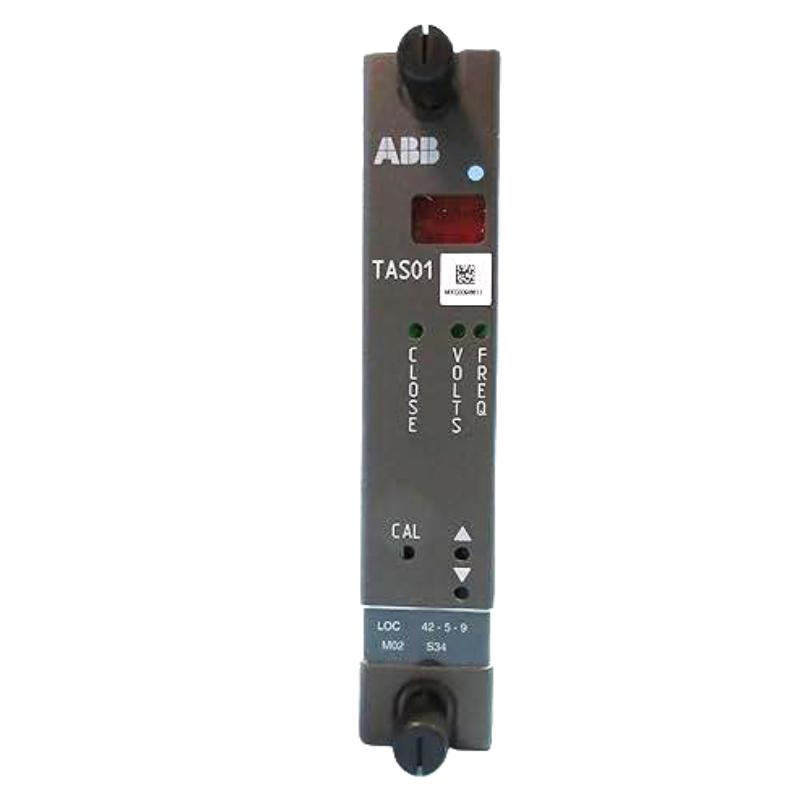
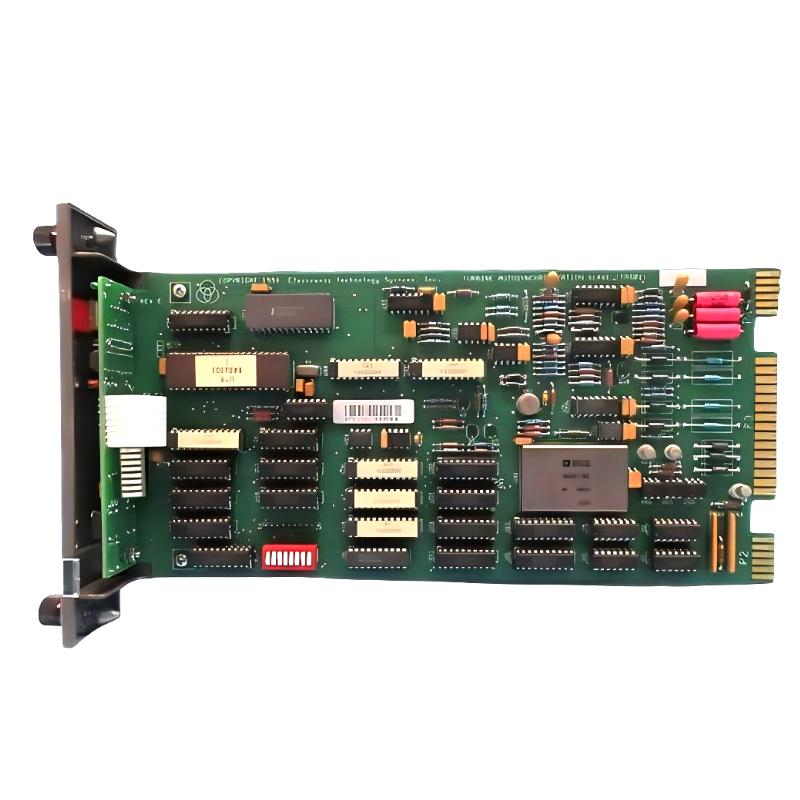
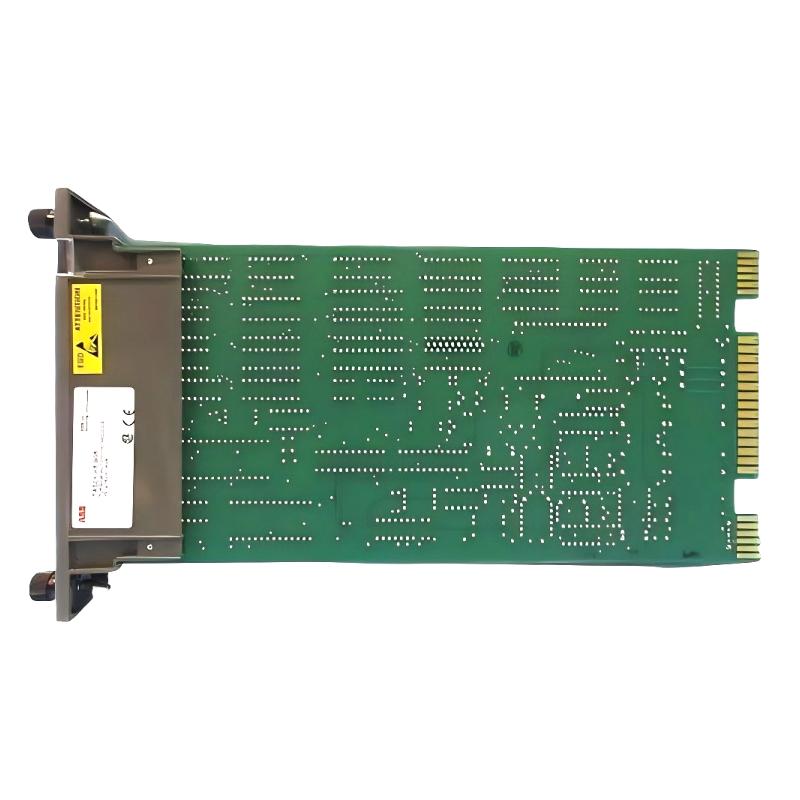
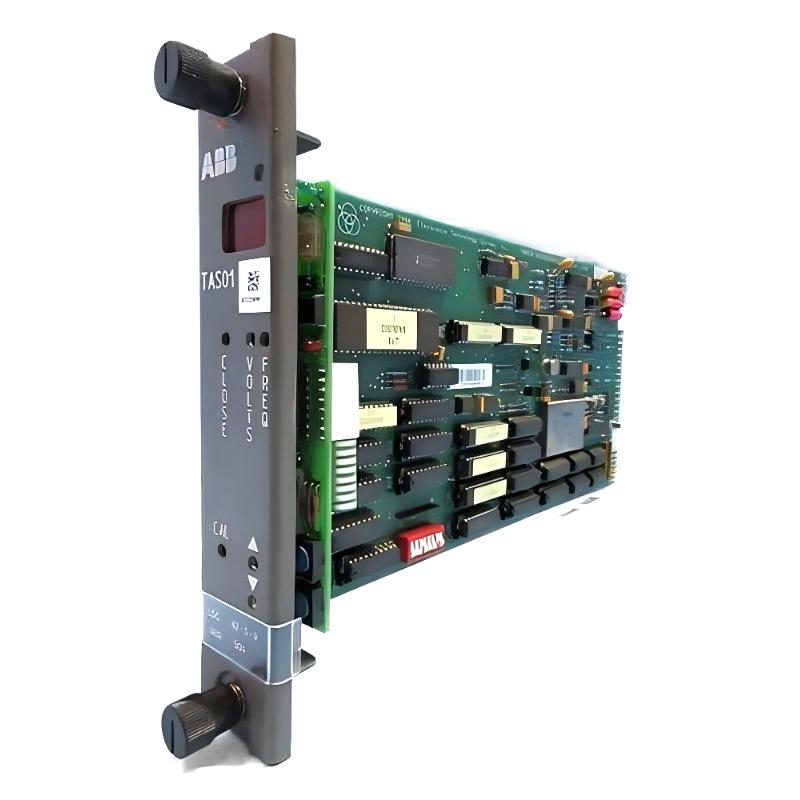
- ABB Bailey
- TAS01
- Turbine Auto Synchronization Module
- Sweden (SE)
- 300 × 175 × 35 mm
- 0.45 kg
- Xiamen, China
- New & In Stock
- T/T, PayPal, Western Union
- 1 Year
- 1-3 Working Days
- DHL, UPS, TNT, FedEx and EMS.
- 24-Hour Service
- COO
- 14
Our advantage

Global Logistics
We have a 10-year logistics and express cooperation agreement, so our products can be shipped to any place in the world.

Brand new and original
Our products are imported in bulk from the place of origin. Because of the cooperative relationship, our products are all original and 100% new.

24-hour service
We provide 7*24 hours service to our customers. We will be there whenever you need us.

Price advantage
All our products are priced very favorably because we have our own warehouse and supply.
| Company Information | |||
| [email protected] | |||
| Mobile | +8615980777398 | ||
| +8615980777398 | |||
| 15980777398 |
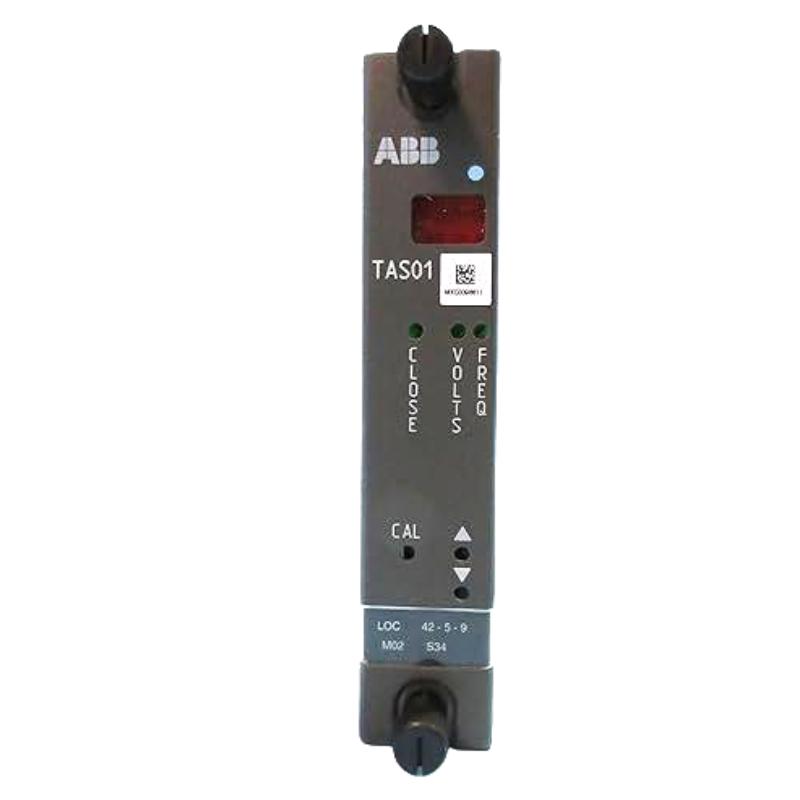
Product Overview
The ABB Bailey TAS01 Symphony Plus Turbine Auto Synchronization Module is associated with turbine-generator synchronization in industrial power-generation control systems. When a steam or gas turbine drives a generator, the generator cannot simply be connected to an energized electrical bus as soon as it reaches operating speed. Its voltage, frequency, and phase relationship must first be brought within the synchronization limits established for the installation.
In a typical power plant, this process takes place during unit startup, after maintenance, or when a generator is being returned to service. The synchronization arrangement coordinates information from the generator and bus with turbine speed regulation, excitation control, and circuit-breaker operation. If the generator frequency is slightly different from the bus frequency, the turbine governor must adjust speed; if the voltage differs, the excitation system must correct the generator output before the closing sequence proceeds.
The TAS01 is associated with this turbine auto-synchronization function within the ABB Bailey Symphony Plus environment. Its practical significance lies in the coordination required between turbine operation and the electrical system, rather than in ordinary process-signal acquisition. For engineers maintaining an existing installation, identifying the TAS01 correctly is important when reviewing the synchronization hardware, control logic, measurement circuits, and generator-breaker interfaces.
The module should be considered as part of the complete turbine-generator control arrangement. Its exact interfaces and assigned functions depend on the installed Symphony Plus configuration and the associated synchronization equipment.
Technical Specifications
| Parameter | Specification |
|---|---|
| Manufacturer | ABB Bailey |
| Model | TAS01 |
| Product Family | Symphony Plus |
| Product Type | Turbine Auto Synchronization Module |
| Primary Application | Turbine-generator automatic synchronization |
| Control-System Environment | ABB Bailey Symphony Plus |
| Typical Equipment | Turbine-driven synchronous generators |
| Main Process Context | Generator startup and connection to an energized bus |
| Related Control Functions | Turbine speed regulation, generator voltage regulation, synchronization logic |
| Electrical Conditions Involved | Generator voltage, frequency, and phase relationship |
| Associated Switching Equipment | Generator circuit breaker |
| System Integration | Depends on the installed control architecture |
| Dimensions | 300 × 175 × 35 mm |
| Weight | 0.45 kg |
Product Features
- Turbine auto-synchronization application: Associated with preparing turbine-driven generators for connection to an energized electrical bus.
- Symphony Plus system context: Relevant to turbine control installations using the ABB Bailey Symphony Plus platform.
- Coordination with turbine speed control: Synchronization requires the generator frequency to approach the electrical bus frequency before connection.
- Coordination with excitation control: Generator voltage must be brought within the required range relative to the bus.
- Phase relationship evaluation: The synchronization process must account for the phase angle between the generator and the electrical system.
- Circuit-breaker sequence coordination: Generator connection requires appropriate timing between synchronization conditions and breaker operation.
- Application in power-generation systems: Relevant to turbine-generator installations where automatic synchronization forms part of the startup or reconnection procedure.
- Maintenance identification: The TAS01 model reference helps engineers identify the equipment when checking installed hardware and spare-parts records.
- System-level troubleshooting: Synchronization problems can be investigated by examining the related measurements, control responses, permissive conditions, and breaker feedback.
Working Principle
The TAS01 is associated with the automatic synchronization stage of a turbine-generator operating sequence. The objective is to establish suitable electrical conditions before the generator circuit breaker connects the generator to the bus.
Generator and Bus Measurements → Synchronization Evaluation → Speed and Voltage Adjustment → Breaker Closing Sequence
The synchronization arrangement compares the generator’s voltage and frequency with the corresponding electrical-bus conditions. The phase relationship must also fall within the acceptable range for connection. These checks are particularly important during startup, when turbine speed may still be settling and the generator may not yet be electrically aligned with the bus.
If the generator frequency is too high or too low, the turbine speed-control system adjusts the turbine operating speed. If the generator voltage differs from the bus voltage, the excitation system adjusts the generator field. The synchronization function evaluates the resulting conditions and coordinates the next step according to the configured control sequence.
Breaker timing is another practical consideration. A generator circuit breaker does not close instantaneously after receiving a command. The synchronization arrangement must account for the breaker operating time so that the contacts close within the permitted phase-angle window. An incorrect closing instant can result in high transient current and mechanical torque on the generator and turbine shaft train.
Once the generator has been connected, turbine and generator controls continue to regulate operation according to the plant’s load and operating requirements. The TAS01 should not be treated as a substitute for the turbine governor, excitation controller, or generator protection relay. Those systems perform separate functions within the overall generation architecture.
The exact measurement inputs, command interfaces, control parameters, and sequence logic associated with the TAS01 depend on the installed system configuration.
Role in a Turbine-Generator Control Architecture
The TAS01 is associated with the synchronization function within the wider turbine-generator control system. Synchronization depends on several equipment groups working together, from electrical measurement to mechanical speed control and final breaker operation.
Turbine Control → Generator Voltage and Frequency Matching → Synchronization Evaluation → Circuit Breaker → Electrical Bus
| System Element | Function | Relationship to Synchronization |
|---|---|---|
| ABB Bailey TAS01 | Turbine Auto Synchronization Module | Associated with the turbine synchronization function |
| Symphony Plus Controller | Executes configured control logic | Provides the wider control-system environment |
| Turbine Speed Governor | Regulates turbine operating speed | Adjusts generator frequency through speed control |
| Generator Excitation Controller | Regulates generator field excitation | Adjusts generator voltage |
| Generator Voltage Measurement | Measures generator terminal voltage | Supplies information for voltage matching |
| Bus Voltage Measurement | Measures electrical-bus voltage | Provides the reference for generator voltage comparison |
| Frequency Measurement Circuit | Determines generator and bus frequency | Supports frequency-difference evaluation |
| Synchronization Logic | Evaluates synchronization conditions | Determines whether the required conditions are satisfied |
| Generator Circuit Breaker | Connects the generator to the bus | Executes the electrical connection |
| Generator Protection Relay | Detects faults and abnormal electrical conditions | Provides protection separate from synchronization control |
| Operator Interface | Displays status, alarms, and operating information | Allows operators to monitor startup and synchronization |
The exact arrangement depends on the installed Symphony Plus architecture, the generator-control equipment, and the method used to implement synchronization and breaker control.
Industrial Applications
| Application | Typical Use |
|---|---|
| Steam Turbine Power Plants | Coordinating generator synchronization during unit startup |
| Gas Turbine Generator Systems | Matching generator operating conditions before connection to the bus |
| Industrial Captive Power Plants | Connecting turbine-driven generators to an internal distribution network |
| Combined-Cycle Power Plants | Coordinating the generator connection sequence within a larger generation facility |
| Utility Generator Reconnection | Synchronizing a generator before returning it to parallel operation |
| Industrial Cogeneration | Preparing turbine-driven generators for connection to a plant electrical system |
| Symphony Plus Turbine Control Installations | Supporting turbine synchronization within the configured control architecture |
| Generator Startup Sequences | Coordinating speed, voltage, phase conditions, and breaker operation |
| Power-Generation Maintenance | Investigating synchronization problems following maintenance or equipment replacement |
| Electrical System Integration | Coordinating generator connection with existing bus conditions and control equipment |
Installation and Maintenance
- Confirm the complete TAS01 model designation against the installed module label and the plant’s equipment records before installation or replacement.
- Review the existing Symphony Plus system configuration to establish the module’s position and identify its associated control and synchronization interfaces.
- Apply the plant’s approved isolation and lockout procedures before handling the module or working on associated electrical and control circuits.
- Inspect the designated mounting location, enclosure condition, surrounding equipment, and mounting arrangement before installing the module.
- Record existing connector positions, cable identifiers, and terminal labels before disconnecting any wiring. Restore connections according to the approved installation documentation.
- Inspect associated signal wiring and connectors for loose connections, damaged insulation, corrosion, or signs of overheating.
- Verify that the turbine speed-control system is available and operating correctly before carrying out synchronization-related functional checks.
- Check the generator excitation system and relevant voltage-measurement circuits to confirm that generator voltage regulation is available.
- Review the configured synchronization limits and operating parameters against the approved plant records. Parameter changes should follow the site’s engineering and authorization procedures.
- Check the generator circuit-breaker interface, closing permissives, status feedback, and associated interlocks according to the installed control design.
- Perform the approved functional tests to verify relevant measurements, status indications, synchronization logic, and control responses before returning the equipment to service.
- Record the module identification, maintenance activity, configuration changes, functional test results, and any related equipment issues to support future troubleshooting and spare-parts planning.
For synchronization-related faults, examine the complete operating sequence rather than focusing on the synchronization module alone. Generator and bus measurements, turbine speed response, excitation behavior, control permissives, breaker timing, and feedback signals can all affect the outcome.
Compatible System Components
| Component | Function | Relationship to TAS01 |
|---|---|---|
| ABB Bailey Symphony Plus Controller | Executes configured control logic | Provides the wider turbine and plant control environment |
| Symphony Plus I/O Modules | Acquire and distribute field signals | Interface with relevant measurement and control circuits where required |
| Turbine Speed Governor | Regulates turbine speed | Supports matching of generator frequency to the bus |
| Generator Excitation Controller | Controls generator field excitation | Supports generator voltage adjustment |
| Voltage Transformers | Supply voltage measurement signals | Provide generator and bus voltage information |
| Frequency Measurement Equipment | Measures electrical frequency | Supports comparison of generator and bus frequency |
| Automatic Synchronizing Equipment | Evaluates synchronization conditions | Performs or supports synchronization functions, depending on the installation |
| Generator Circuit Breaker | Connects the generator to the electrical bus | Carries out the connection after closing conditions are met |
| Generator Protection Relay | Detects electrical faults and abnormal conditions | Provides a separate protection function |
| Operator Station or HMI | Displays status, alarms, and operating data | Supports monitoring of the synchronization sequence |
| Time and Measurement References | Support consistent measurement and control operation | Help maintain correct interpretation of electrical conditions where required |
Recommended Related Models
| Model / Product Family | Product Type | Typical Application |
|---|---|---|
| ABB Bailey SPSET01 | Symphony Plus Sequence of Events Timing Module | Recording event timing during startup, trips, and control-system disturbances |
| ABB Bailey SPSEM11 | Symphony Plus Sequence of Events Master Module | Collecting and coordinating sequence-of-events information |
| ABB Bailey Symphony Plus Controller Modules | Control-System Controller Hardware | Executing configured turbine and plant control logic |
| ABB Bailey Symphony Plus I/O Modules | Input/Output Modules | Acquiring field measurements and interfacing with control signals |
| ABB Bailey Symphony Plus Communication Modules | Communication Hardware | Supporting data exchange within the installed control architecture |
| Turbine Speed Governor | Turbine Control Equipment | Regulating turbine speed during synchronization |
| Generator Excitation Controller | Generator Voltage-Control Equipment | Adjusting generator voltage before connection to the bus |
| Automatic Synchronizer | Generator Synchronization Equipment | Evaluating or coordinating voltage, frequency, and phase matching |
Key Advantages
- Supports turbine-generator automatic synchronization applications.
- Fits into control arrangements that coordinate turbine operation and generator connection.
- Works alongside speed regulation, voltage control, measurement circuits, and breaker operation.
- Helps identify the relevant synchronization equipment during maintenance and troubleshooting.
- Supports system-level investigation of synchronization conditions and control responses.
Technical FAQs
What operating conditions must be checked before a generator is synchronized?
The main conditions are generator voltage, frequency, and phase relationship relative to the energized bus. The configured synchronization limits and breaker operating characteristics must also be considered before the generator is connected.
Why can breaker operating time affect synchronization?
A circuit breaker takes a finite time to close after receiving a command. The synchronization arrangement must account for this delay so the breaker contacts close within the permitted phase-angle window.
Is the TAS01 a generator protection relay?
No. The TAS01 is identified as a Turbine Auto Synchronization Module. Generator protection relays perform separate functions, such as detecting electrical faults and initiating protective actions. Synchronization and protection must operate as coordinated but distinct functions.
What should be checked if a generator fails to synchronize?
Check generator and bus voltage measurements, frequency difference, phase relationship, turbine speed response, excitation control, synchronization permissives, and breaker feedback. The specific troubleshooting sequence should follow the installed control-system documentation and plant procedures.