

ProductPRODUCT
Featured products
Contact Us
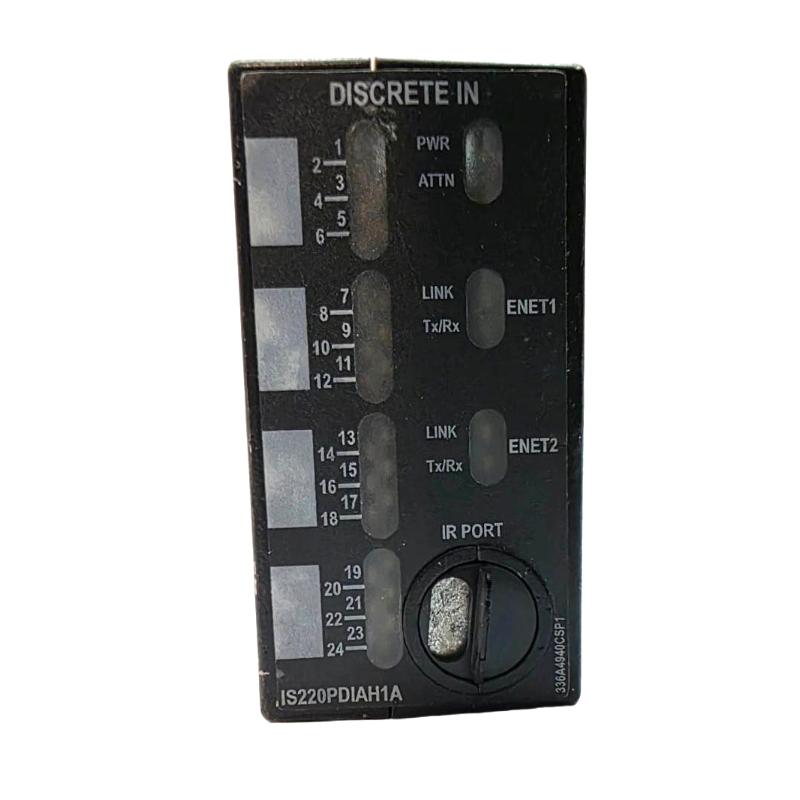
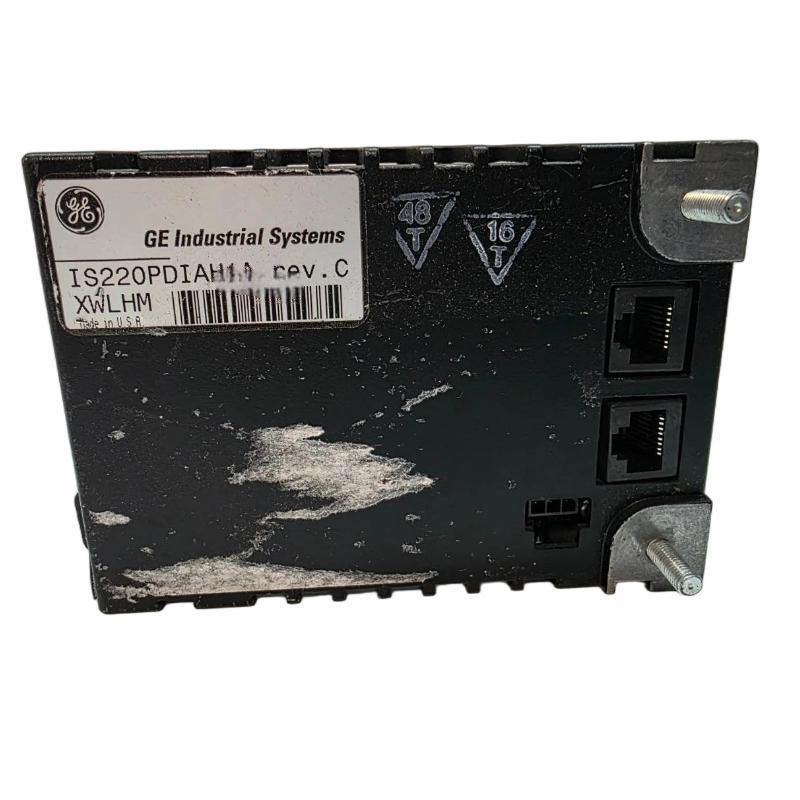
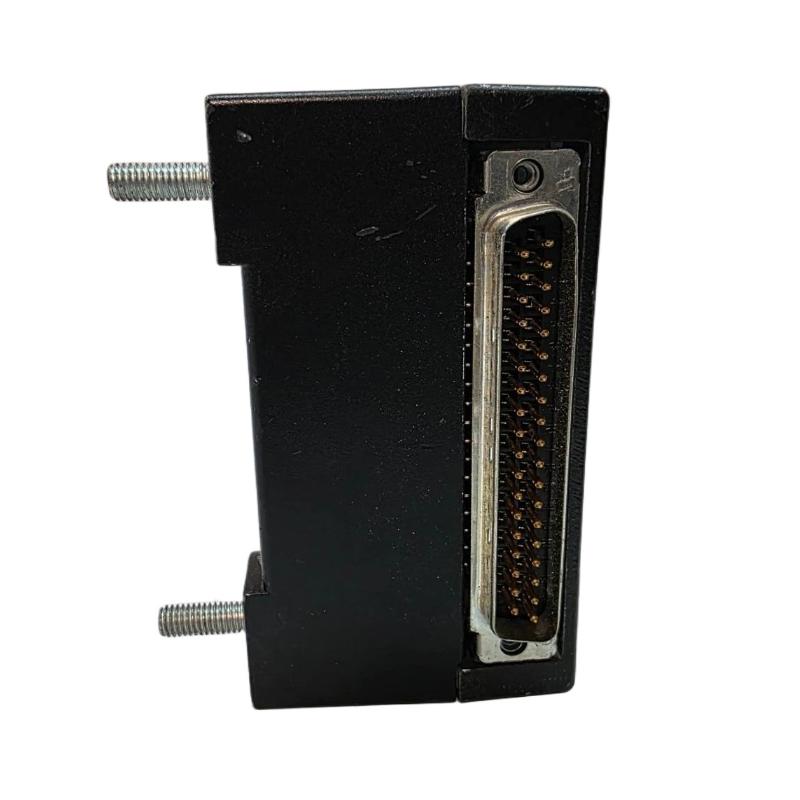
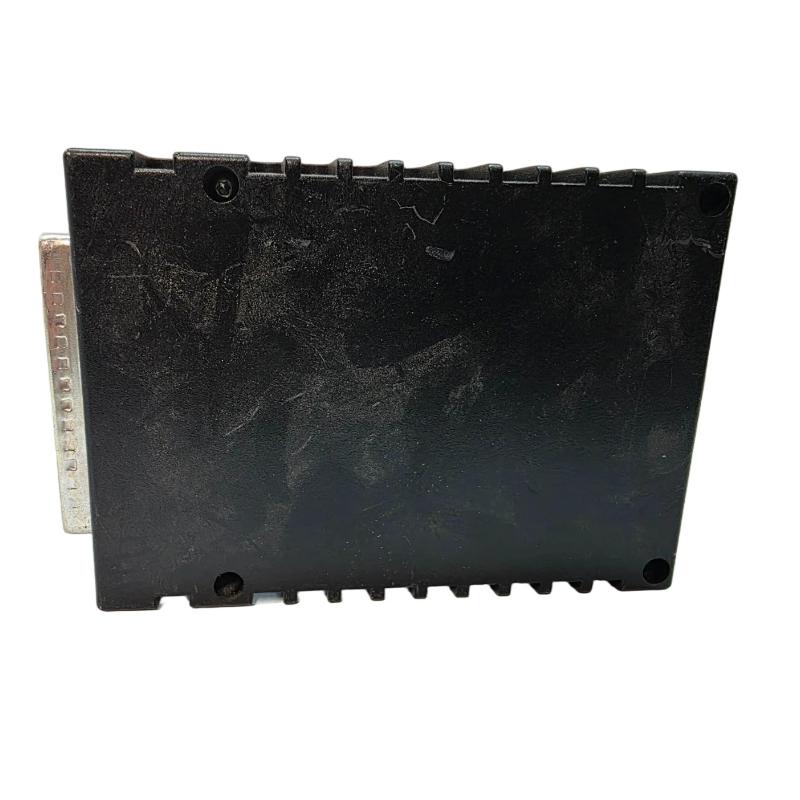
- GE
- IS220PDIAH1AD
- Discrete Output Module
- USA
- 158.75 x 20 x 107.95 mm
- 0.36 kg
- Xiamen, China
- New & In Stock
- T/T, PayPal, Western Union
- 1 Year
- 1-3 Working Days
- DHL, UPS, TNT, FedEx and EMS.
- 24-Hour Service
- COO
- 4
Our advantage

Global Logistics
We have a 10-year logistics and express cooperation agreement, so our products can be shipped to any place in the world.

Brand new and original
Our products are imported in bulk from the place of origin. Because of the cooperative relationship, our products are all original and 100% new.

24-hour service
We provide 7*24 hours service to our customers. We will be there whenever you need us.

Price advantage
All our products are priced very favorably because we have our own warehouse and supply.
| Company Information | |||
| [email protected] | |||
| Mobile | +8615980777398 | ||
| +8615980777398 | |||
| 15980777398 |
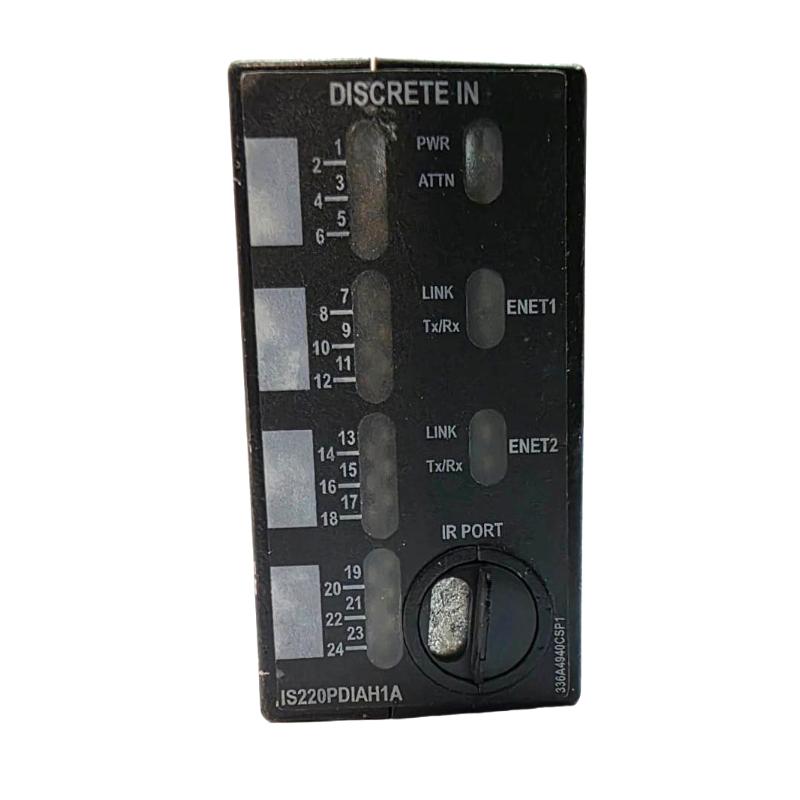
Product Overview
The GE IS220PDIAH1AD Discrete Output Module is an industrial automation interface component designed to provide discrete output functionality within a compatible GE control system. As part of the GE IS220 family, the module operates as an interface between control logic and field devices that require discrete commands or switching signals.
Discrete outputs are fundamental to industrial automation. Unlike analog signals, which represent continuously varying process values, discrete outputs generally represent defined states such as ON/OFF, enabled/disabled, open/closed, or active/inactive. These signals can be used to control relays, contactors, solenoids, actuators, indicators, interposing devices, and other equipment.
The GE IS220PDIAH1AD has listed dimensions of 158.75 × 20 × 107.95 mm and a weight of approximately 0.36 kg. Its narrow physical profile can be useful in industrial control cabinets where available mounting space is limited and efficient arrangement of I/O hardware is important.
In a typical automation architecture, the module can form part of a signal path such as:
Control Logic → Output Interface → IS220PDIAH1AD → Field Device → Process Response
The exact output channel configuration, electrical characteristics, terminal assignments, load capabilities, and protection functions should be verified against the applicable hardware revision and system documentation before installation.
Technical Specifications
| Parameter | Specification |
|---|---|
| Manufacturer | General Electric (GE) |
| Model | IS220PDIAH1AD |
| Product Type | Discrete Output Module |
| Product Family | GE IS220 Series |
| Primary Function | Discrete output signal interface |
| Signal Type | Discrete / digital output |
| Application | Industrial Automation and Control |
| Interface Role | Controller-to-field device output interface |
| Dimensions | 158.75 × 20 × 107.95 mm |
| Weight | 0.36 kg |
| Installation | Compatible GE industrial control equipment |
| Typical Applications | Equipment control, process automation, status and command circuits |
Exact channel count, output voltage, current capacity, isolation, protection characteristics, terminal arrangement, and communication architecture are not assumed here and should be confirmed for the specific IS220PDIAH1AD hardware revision and host-system configuration.
Understanding the GE IS220PDIAH1AD
The GE IS220PDIAH1AD is a discrete output interface module intended to transfer digital control information from an industrial automation system toward field equipment.
Industrial processes contain many devices that operate according to discrete commands. A motor starter may require an enable signal, a valve actuator may require an open or close command, and a relay may need to be energized when a particular operating condition is met.
The controller generates the required command according to its programmed logic. The output interface then provides the connection between the control architecture and the external field circuit.
A simplified architecture is:
Controller → Output Data → Discrete Output Module → Field Wiring → Actuator
This architecture allows software-based control logic to interact with physical industrial equipment.
The module should therefore be viewed as part of a larger control system rather than as an independent controller.
Discrete Output Function
Digital Command Generation
Industrial controllers frequently make decisions based on process conditions, equipment status, timing, interlocks, and programmed sequences.
Once a decision has been made, the controller can generate a discrete command.
Examples include:
- Start
- Stop
- Enable
- Disable
- Open
- Close
- Energize
- De-energize
- Alarm activation
- Equipment interlock
The output module participates in transferring these commands toward the associated field device.
Field Device Control
Discrete outputs are commonly associated with equipment that has clearly defined operating states.
Typical examples include:
- Relays
- Contactors
- Solenoids
- Valves
- Motor starters
- Indicator devices
- Interposing relays
- Alarm circuits
- Digital control interfaces
The actual load types supported by a particular installation must be verified from the applicable system documentation.
Status and Sequence Control
Discrete outputs are also widely used in automated sequences.
For example, a controller may execute a programmed process sequence:
- Confirm equipment permissives.
- Activate a discrete output.
- Start an external device.
- Monitor feedback.
- Continue the sequence when the expected status is confirmed.
The output module therefore becomes part of a larger feedback-and-control loop.
Role in Industrial Automation
A discrete output module is an important component in the interface layer between digital control logic and physical equipment.
A typical control architecture may include:
Sensors → Input Modules → Controller → Output Modules → Actuators
The input side provides information about the process, while the output side allows the controller to influence the process.
The IS220PDIAH1AD belongs to this output side of the architecture.
For example, an industrial controller may receive a signal indicating that a tank has reached a specified operating condition. Based on programmed logic, it can then issue a command to another field device. The discrete output interface transfers the command to the appropriate circuit.
This enables:
- Automated equipment sequencing
- Interlock control
- Start/stop functions
- Valve operation
- Alarm activation
- Equipment enable signals
- Process coordination
Discrete Output Signal Path
The output path can be understood as several stages.
1. Control Logic
The controller determines whether an output should be active or inactive.
2. Output Data
The control decision is transferred to the appropriate output interface.
3. Output Module
The IS220PDIAH1AD processes the applicable discrete output function within the system architecture.
4. Field Wiring
The output signal is transferred through the associated wiring and interface components.
5. Field Device
The connected device responds to the output command.
6. Process Response
The equipment changes state or performs the required operation.
The actual electrical implementation varies by system configuration, so the exact circuit arrangement should always be confirmed before commissioning.
Industrial Applications
Motor Control
Discrete outputs are commonly used to provide start, stop, enable, or interlock commands associated with motor control systems.
The output may operate an intermediate relay, starter, or other interface rather than directly switching the motor itself.
Valve and Actuator Control
Industrial valves frequently require discrete commands for defined operating states.
A control system may issue an open or close command based on process conditions.
Process Interlocking
Discrete output signals can participate in safety and operational interlocks by enabling or disabling equipment when defined conditions are met.
Alarm Systems
A digital output can be used to activate an external alarm circuit or indicator when an abnormal process condition occurs.
Equipment Sequencing
Manufacturing and process equipment often operates through predefined sequences. Discrete outputs provide the commands required to move equipment from one stage to another.
Utility Systems
Pumps, fans, compressors, heaters, and auxiliary equipment frequently require discrete control signals as part of utility automation.
Physical Dimensions and Cabinet Planning
The listed dimensions of the GE IS220PDIAH1AD are 158.75 × 20 × 107.95 mm.
The narrow 20 mm dimension is particularly relevant when designing or modifying compact control cabinets.
Cabinet planning should consider more than the basic module envelope. Additional space may be required for:
- Connectors
- Wiring
- Cable bending
- Maintenance access
- Adjacent modules
- Ventilation
- Module removal
- Inspection
The listed weight is 0.36 kg, which should also be considered when evaluating the mechanical installation arrangement.
Before installation, the actual mounting and connection requirements of the host GE control system should be confirmed.
Installation Guidelines
Verify Module Identification
Before installing the IS220PDIAH1AD, verify:
- Complete model number
- Revision designation
- Existing module position
- Connector arrangement
- Associated terminal hardware
- Host control system
- Existing wiring
A similar-looking IS220 module should not be treated as an automatic substitute.
Inspect the Module
Inspect the module for visible signs of damage before installation.
Check for:
- Cracked housing
- Damaged connectors
- Bent pins
- Contamination
- Corrosion
- Signs of overheating
- Mechanical damage
Check Associated Wiring
Output circuits should be checked carefully before energization.
Incorrect wiring can cause:
- Unexpected equipment operation
- Missing output signals
- Intermittent operation
- External device faults
- Control-system alarms
Verify the Load Circuit
The connected field device should be compatible with the output circuit used by the system. Exact output electrical ratings should be verified from the applicable technical documentation.
Wiring and Electrical Considerations
Discrete output circuits may be connected to a variety of external devices.
The installation engineer should confirm:
- Output circuit type
- Field-device requirements
- Voltage compatibility
- Current requirements
- Load characteristics
- Protective devices
- Wiring arrangement
- Grounding requirements
Particular care should be taken when switching inductive loads such as relays, contactors, and solenoids. Appropriate protection may be required depending on the circuit design.
The IS220PDIAH1AD should not be assumed to directly drive every type of field load without checking the actual electrical requirements.
Commissioning Procedure
A structured commissioning process helps prevent unintended equipment operation.
Step 1: Confirm Installation
Verify that the module is correctly installed and mechanically secured.
Step 2: Verify Wiring
Check output wiring and associated terminal connections against the approved system documentation.
Step 3: Confirm Field Device Status
Ensure that connected equipment is in a safe and controlled condition before testing output commands.
Step 4: Check Controller Recognition
Verify that the control system recognizes the applicable output interface correctly.
Step 5: Test Output States
Where permitted by the commissioning procedure, test the required ON and OFF states individually.
Step 6: Confirm Field Response
Verify that the connected field device responds correctly to each command.
Step 7: Test Interlocks
Confirm that output commands are correctly affected by required permissives and interlock conditions.
Step 8: Record Baseline Information
Record normal operating states and relevant diagnostic information for future maintenance.
Troubleshooting the GE IS220PDIAH1AD
Troubleshooting should begin with the complete signal path rather than immediately replacing the module.
Output Does Not Activate
If a commanded output remains inactive, inspect:
- Controller logic
- Output configuration
- Module status
- Connectors
- Field wiring
- Terminal equipment
- External power
- Field device
The fault may exist anywhere between the controller and the final actuator.
Output Remains Active
If an output does not deactivate as expected, check:
- Control logic
- Interlock conditions
- Output configuration
- Wiring
- External relay circuits
- Connected equipment
A software or wiring condition can produce symptoms similar to an electronic module fault.
Intermittent Output
Intermittent operation may be caused by:
- Loose connections
- Damaged wiring
- Electrical interference
- Mechanical vibration
- External relay problems
- Power instability
- Module-level faults
Monitoring the output while observing the complete circuit can help isolate the problem.
Multiple Outputs Affected
If several output points experience problems simultaneously, investigate common system elements first.
Possible causes include:
- System power problems
- Communication issues
- Configuration errors
- Shared wiring problems
- Controller faults
- Interface hardware problems
A simultaneous failure of multiple points does not automatically indicate multiple defective output channels.
Preventive Maintenance
Regular inspection can help maintain reliable discrete output performance.
Inspect Connectors
Check connectors for:
- Loose engagement
- Contamination
- Corrosion
- Mechanical damage
Inspect Field Wiring
Look for:
- Broken conductors
- Loose terminals
- Damaged insulation
- Excessive cable stress
- Poor routing
Monitor Output Behavior
Unexpected changes in equipment operation can provide an early indication of problems in the output circuit.
Maintain Cabinet Conditions
The control cabinet should be protected from excessive dust, moisture, heat, and vibration.
Review Diagnostic Information
Repeated communication or I/O warnings should be investigated rather than ignored.
Integration with Control Sequences
Discrete outputs become particularly valuable when used as part of coordinated control sequences.
Consider a simplified industrial sequence:
Process Ready → Controller Checks Permissives → Output Activated → Equipment Starts → Feedback Received → Sequence Continues
The output module is responsible for the command portion of this sequence.
If the expected feedback does not arrive after an output command, the controller may generate an alarm or stop the sequence depending on the programmed control strategy.
This illustrates why output reliability must be considered together with input feedback and control logic.
Interlocks and Equipment Protection
Industrial output commands are often subject to interlocks.
An interlock can prevent an output from activating when a required condition is not satisfied.
For example:
- Equipment may be prevented from starting if a safety condition is not met.
- A valve may remain closed until another process condition is satisfied.
- A pump may be inhibited if the required permissive signal is absent.
The IS220PDIAH1AD can therefore participate in control architectures where output commands are governed by multiple logical conditions.
The actual interlock implementation depends on the host control system and application.
Replacement and Compatibility Considerations
When replacing a GE IS220PDIAH1AD, technicians should verify the complete part identification before removing the existing hardware.
Important information includes:
- Full model number
- Revision
- Module location
- Connector arrangement
- Associated terminal boards
- Field wiring
- Control-system configuration
- Application requirements
Physical dimensions alone are not sufficient to establish electrical compatibility.
The listed 158.75 × 20 × 107.95 mm dimensions should be useful for mechanical planning, but the replacement must also match the functional and electrical requirements of the host system.
System-Level Fault Diagnosis
A useful troubleshooting method is to divide the output path into functional sections:
Controller → Output Data → IS220PDIAH1AD → Terminal / Wiring → Field Device
Each section can be tested independently.
If the controller indicates that an output command has been generated but the field device does not respond, the investigation can move progressively through the signal path.
This approach helps distinguish between:
- Controller problems
- Configuration problems
- Module problems
- Wiring problems
- Terminal interface problems
- Field-device problems
It also reduces unnecessary replacement of functioning electronic hardware.
Storage and Handling
Electronic control modules should be handled carefully during installation, maintenance, and storage.
Recommended practices include:
- Protect the module from moisture.
- Avoid unnecessary mechanical impact.
- Keep connectors protected from contamination.
- Use appropriate electrostatic handling procedures.
- Store replacement modules in suitable protective packaging.
- Avoid exposing electronic assemblies to conductive contamination.
Proper storage is especially important when maintaining spare control-system hardware for long-term industrial service.
Engineering Best Practices
For reliable use of the GE IS220PDIAH1AD, several engineering practices are beneficial.
Maintain Accurate Drawings
Keep current electrical drawings showing the output module and associated field circuits.
Document Output Assignments
Record the relationship between control logic, output points, terminal connections, and field devices.
Use Controlled Commissioning
Output testing should be performed under controlled conditions to prevent unintended equipment movement or process changes.
Verify Changes
After maintenance or configuration changes, verify output behavior before returning the system to normal automatic operation.
Monitor Repeated Faults
Repeated output faults should be investigated for underlying causes instead of being treated as isolated events.
Key Advantages
The GE IS220PDIAH1AD provides several practical benefits as part of a compatible industrial automation system:
- Dedicated discrete output functionality
- Interface between control logic and field equipment
- Support for digital equipment commands
- Useful for automated sequencing
- Suitable for interlock and equipment-control architectures
- Compact 158.75 × 20 × 107.95 mm physical design
- Listed weight of 0.36 kg
- Suitable for integration into industrial control cabinets
- Supports structured troubleshooting through a defined signal path
- Can form part of larger GE industrial control architectures
Technical FAQs
What is the GE IS220PDIAH1AD?
The GE IS220PDIAH1AD is a Discrete Output Module used as part of a compatible GE industrial control system.
What is a discrete output?
A discrete output generally represents a defined digital state such as ON/OFF or active/inactive. It can be used to control equipment or provide commands to external circuits.
What can a discrete output module control?
Depending on the system configuration, discrete outputs may be used with relays, contactors, solenoids, valves, motor-control circuits, indicators, and other digital field devices.
What are the dimensions of the IS220PDIAH1AD?
The listed dimensions are 158.75 × 20 × 107.95 mm.
How much does the IS220PDIAH1AD weigh?
The listed weight is approximately 0.36 kg.
Can the IS220PDIAH1AD directly control a motor?
A discrete output should not automatically be assumed to drive a motor directly. Motor control commonly requires an appropriate starter, relay, contactor, drive, or other interface depending on the application.
What causes a discrete output failure?
Potential causes include controller logic, configuration errors, wiring faults, connector problems, external power issues, field-device faults, electrical interference, or module-level problems.
How should an output fault be diagnosed?
The recommended approach is to trace the complete path from the controller through the output module and wiring to the final field device.
Can another IS220 module replace the IS220PDIAH1AD?
A different IS220 module should not be assumed to be interchangeable. The complete part number, revision, electrical characteristics, interface requirements, and host-system configuration must be verified.
Are the exact output ratings specified by the model number alone?
Not necessarily. Exact channel characteristics, voltage, current, isolation, protection, and terminal assignments should be confirmed using the documentation applicable to the specific hardware and installation.
Conclusion
The GE IS220PDIAH1AD Discrete Output Module is an industrial automation interface component designed to transfer digital control commands from a compatible GE control architecture toward field equipment. By providing a discrete output interface, it can participate in equipment sequencing, actuator control, interlocks, alarms, and other automated control functions.
The module has listed dimensions of 158.75 × 20 × 107.95 mm and a weight of 0.36 kg, making its physical characteristics suitable for consideration in compact industrial control cabinet layouts.
Reliable operation depends on the complete output circuit rather than the module alone. Controller logic, configuration, wiring, terminal interfaces, external power, field devices, and environmental conditions can all influence output performance.
For installation, commissioning, troubleshooting, or replacement, the complete GE IS220PDIAH1AD identification should be verified carefully. Exact electrical ratings, output channel characteristics, terminal assignments, and system-specific configuration should be confirmed against the applicable technical documentation before the module is placed into service.
When correctly integrated into the appropriate control architecture, the GE IS220PDIAH1AD provides a structured interface between digital control logic and physical industrial equipment, supporting reliable and organized discrete control in demanding automation environments.