

ProductPRODUCT
Featured products
Contact Us
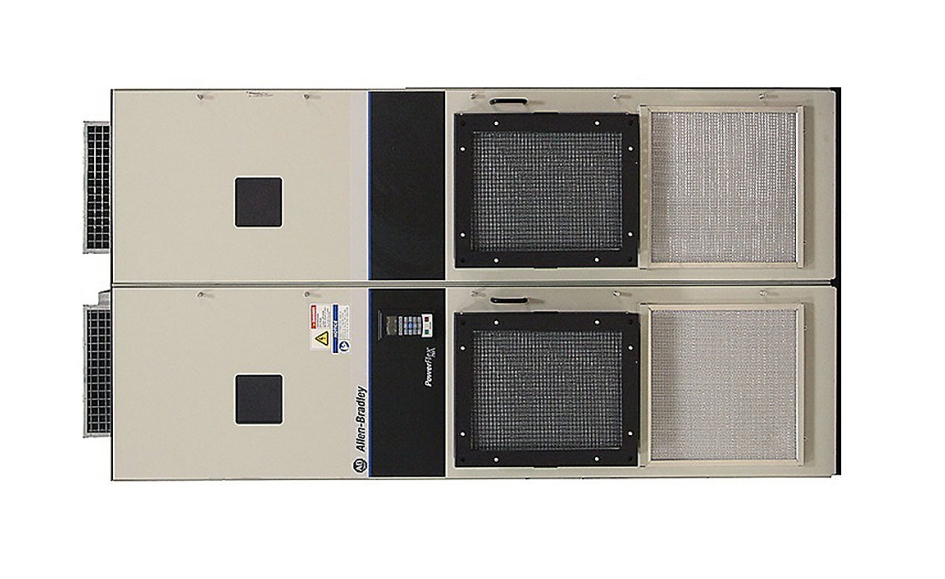
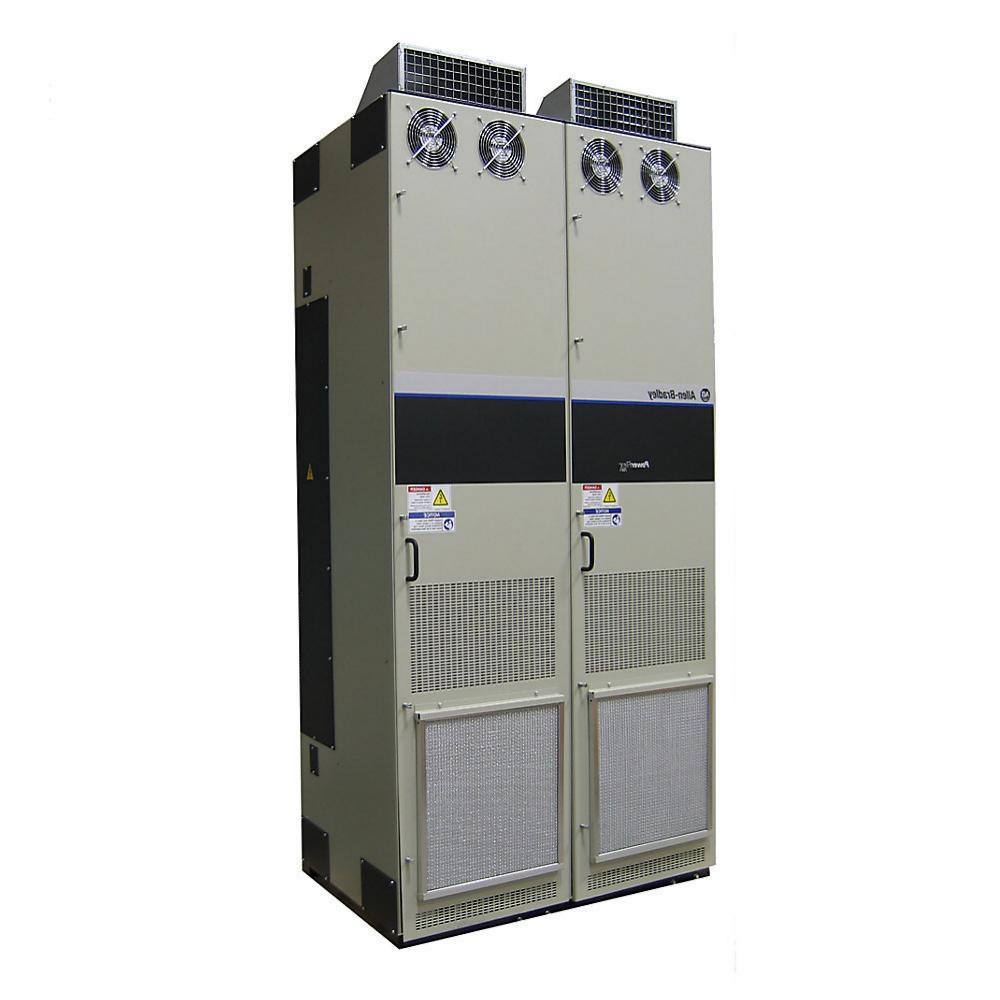
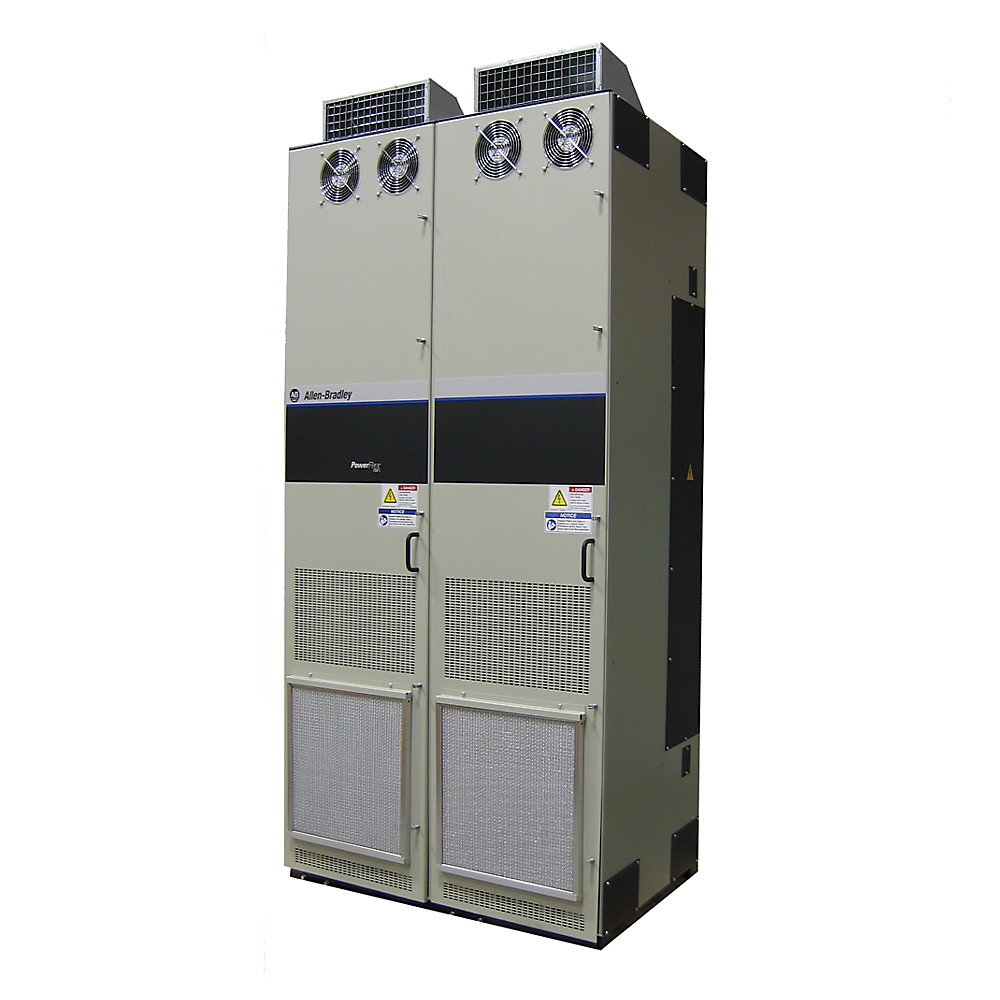
- Allen Bradley
- 20J1F3F1K4LNANNNNN
- PowerFlex AC Drive
- USA
- 2.6–3.4 m width × 0.72 m depth × 2.291 m height
- 2531kg
- Xiamen, China
- New & In Stock
- T/T, PayPal, Western Union
- 1 Year
- 1-3 Working Days
- DHL, UPS, TNT, FedEx and EMS.
- 24-Hour Service
- COO
- 4
Our advantage

Global Logistics
We have a 10-year logistics and express cooperation agreement, so our products can be shipped to any place in the world.

Brand new and original
Our products are imported in bulk from the place of origin. Because of the cooperative relationship, our products are all original and 100% new.

24-hour service
We provide 7*24 hours service to our customers. We will be there whenever you need us.

Price advantage
All our products are priced very favorably because we have our own warehouse and supply.
| Company Information | |||
| [email protected] | |||
| Mobile | +8615980777398 | ||
| +8615980777398 | |||
| 15980777398 |
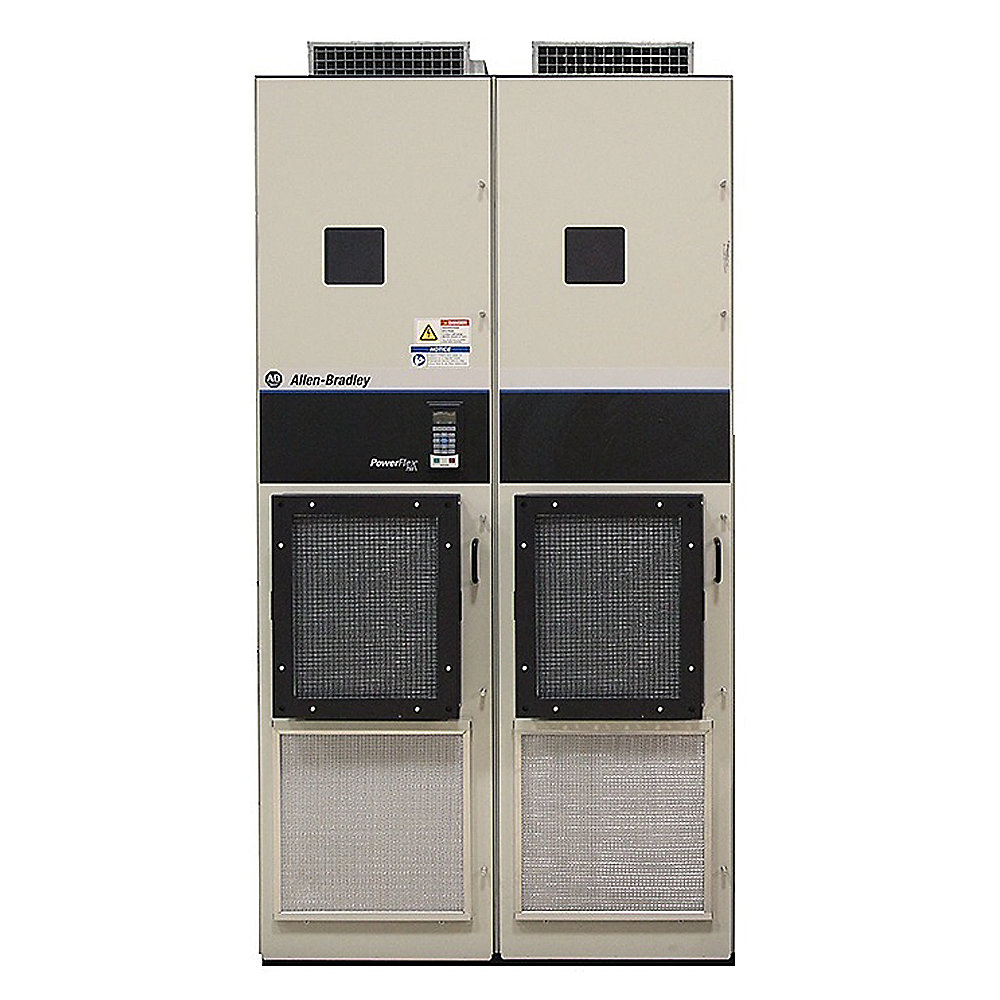
20J1F3F1K4LNANNNNN — Detailed Product Overview, Specifications, Applications and Related Model Guide
Product identification: 20J1F3F1K4LNANNNNN
Brand: Allen-Bradley
Product family: PowerFlex 750 Bus Supplies
Product type: Air-Cooled 750 Bus Supply / regenerative DC-bus power supply configuration
Application class: High-power industrial drive systems
Configuration: 20J1 series, F3/F1K4 configuration, L option configuration
1. Product Introduction
The 20J1F3F1K4LNANNNNN is a high-power industrial PowerFlex 750 Bus Supply configuration designed for applications that require a controlled DC bus for one or more connected drive sections.
It is substantially different from a small standalone variable-frequency drive. Instead of being primarily used to control one individual motor directly, a bus-supply configuration is normally used as the power-conversion section of a larger drive system.
The basic system concept is to take incoming three-phase AC power, convert it into a controlled DC-bus supply, and then distribute that DC-bus power to one or more inverter sections.
This architecture is particularly useful on large machines where several motors or drive axes need to operate together and where centralized DC-bus power distribution is desirable.
The 20J1F3F1K4LNANNNNN belongs to a high-power section of the PowerFlex 750 Bus Supply range. Its physical construction, power rating and installation requirements are therefore considerably larger than those of conventional cabinet-mounted small and medium-power drives.
For industrial users, the most important characteristics are its high-power capability, common DC-bus architecture, regenerative operating capability, centralized power conversion and suitability for large multi-drive systems.
2. Basic Product Information
| Item | Specification |
|---|---|
| Model | 20J1F3F1K4LNANNNNN |
| Brand | Allen-Bradley |
| Product Family | PowerFlex 750 Bus Supplies |
| Product Type | Air-Cooled 750 Bus Supply |
| Configuration | 20J1 |
| Input Architecture | Active Front End / regenerative bus-supply configuration |
| Electrical System | Industrial three-phase AC |
| Voltage Class | High-voltage industrial configuration |
| Power Class | Approximately 1.4 MW class |
| Rating Code | F1K4 |
| Cooling | Air cooled |
| Installation | Floor-standing / industrial cabinet system |
| Application | Common DC-bus drive systems |
| Regenerative Capability | Yes, depending on complete system configuration |
| Main Function | DC-bus power supply for connected drive sections |
| Duty | Heavy industrial |
| Construction | Large-frame industrial power-conversion assembly |
| Control | PowerFlex 750-class control architecture |
| Typical System | AFE / DC bus + multiple inverter sections |
3. What the 20J1F3F1K4LNANNNNN Actually Does
The easiest way to understand this product is to view it as the power-supply section of a large drive system.
A simplified system arrangement can be represented as:
Three-Phase AC Supply → 20J1 Bus Supply → DC Bus → Drive Inverters → Motors
This configuration allows the DC bus to act as a common power source for multiple drive sections.
For example, a large production machine may have six, eight or more motors. Instead of treating every motor drive as an entirely independent electrical system, a common DC-bus architecture can centralize the incoming power conversion.
This arrangement can be particularly useful where several motors operate simultaneously and where energy can move between different drive sections.
If one motor is accelerating while another motor is decelerating, energy generated by the regenerative motor can potentially be used elsewhere on the common DC bus or transferred back toward the AC supply through the regenerative front-end system.
That is one of the major reasons high-power common-bus architectures are used in large industrial machinery.
4. Detailed Technical Parameters
| Parameter | Specification |
|---|---|
| Model | 20J1F3F1K4LNANNNNN |
| Brand | Allen-Bradley |
| Family | PowerFlex 750 Bus Supplies |
| Product Category | High-power bus supply |
| Cooling Method | Air cooled |
| Input Type | Regenerative / AFE-type configuration |
| Input System | Three-phase AC |
| Voltage Class | 690 V-class configuration |
| Rated Power Class | Approximately 1,456 kW |
| Current Class | Approximately 1,456 A class |
| Frequency | 50/60 Hz system dependent |
| DC-Bus Function | Yes |
| Common-Bus Operation | Yes |
| Regenerative Operation | Yes |
| Enclosure Class | IP21 / NEMA Type 1 class configuration |
| Installation | Floor-standing |
| Frame | Large-frame configuration |
| Control Platform | PowerFlex 750-class architecture |
| Cooling | Forced-air / air-cooled industrial construction |
| Typical Application | Large multi-drive systems |
| Approx. Width | Configuration dependent; approximately 2,600–3,400 mm class |
| Approx. Depth | Approximately 720 mm class |
| Approx. Height | Approximately 2,291 mm class |
| Approx. Weight | Approximately 2,531 kg class |
| Weight Unit | kg |
| Installation Environment | Industrial electrical room / control room |
| Power Level | Approximately 1.46 MW |
| System Architecture | Centralized DC-bus power conversion |
Important: The dimensions and weight of a 20J1 system can vary according to cabinet arrangement, wiring bays and installed options. The values above should therefore be treated as approximate engineering values rather than guaranteed shipping dimensions.
5. Dimensions and Weight
Because this is a high-power bus-supply system, the physical size is an important part of the product selection process.
| Mechanical Parameter | Approximate Specification |
|---|---|
| Model | 20J1F3F1K4LNANNNNN |
| Installation | Floor-standing |
| Width | Approx. 2,600–3,400 mm |
| Depth | Approx. 720 mm |
| Height | Approx. 2,291 mm |
| Approx. Weight | Approx. 2,531 kg |
| Weight | 2,531 kg class |
| Cabinet Construction | Large industrial cabinet / bay construction |
| Cooling Space | Required around ventilation areas |
| Floor Loading | Must be checked before installation |
| Transportation | Heavy industrial lifting equipment required |
| Wiring Bays | May increase overall width and weight |
| Service Clearance | Dependent on final cabinet configuration |
At more than two tonnes, this equipment needs to be treated as a major electrical installation rather than as an ordinary cabinet-mounted VFD.
The final installation should account for floor loading, lifting access, transportation routes, cabinet positioning, ventilation and maintenance access.
6. Product Series
The product belongs to the:
PowerFlex 750 Bus Supplies
The 20J1 designation identifies the bus-supply family.
Within this family, different catalog-number sections are used to define the electrical rating, voltage class, enclosure arrangement, cooling arrangement and other configuration options.
The F1K4 portion identifies a particular high-power rating configuration.
This makes the model part of a scalable high-power platform rather than an isolated product.
7. Brand Information
| Item | Information |
|---|---|
| Brand | Allen-Bradley |
| Product Family | PowerFlex 750 Bus Supplies |
| Series | 20J1 |
| Industrial Category | Variable-frequency drive and power-conversion equipment |
| Product Type | Bus supply |
| Application Level | Large industrial machinery |
8. Main Product Features
8.1 High-Power DC-Bus Supply
The major characteristic of the 20J1F3F1K4LNANNNNN is its high power capacity.
At approximately the 1.4 MW class, the product is intended for applications that require significantly more power than ordinary compact industrial drives.
This makes it suitable for large production lines, large material-handling systems, heavy machinery and other high-power applications.
8.2 Common DC-Bus Architecture
The common DC bus is one of the most important features of this type of equipment.
Multiple inverter sections can receive power from the same DC bus.
This can reduce the need for multiple independent incoming AC power-conversion sections and can create a more centralized system architecture.
8.3 Regenerative Operation
The regenerative architecture allows electrical energy generated during motor deceleration to be managed through the drive system.
This is particularly useful in applications with:
- Large rotating inertia
- Frequent braking
- Rapid acceleration and deceleration
- Vertical loads
- Hoisting
- Lowering
- Reversing
- High-speed production cycles
Instead of treating regenerated energy only as unwanted heat, the system can make better use of the energy through the common DC bus and regenerative power path.
8.4 Air-Cooled Construction
The model is associated with an air-cooled PowerFlex 750 bus-supply configuration.
Air cooling provides a practical solution for large industrial electrical equipment when sufficient ventilation and thermal management are available.
The installation environment nevertheless needs to be designed carefully because a system in the megawatt range can produce a substantial amount of heat.
9. Product Advantages
9.1 Suitable for Very High-Power Applications
The approximately 1,456 kW class rating places the product in the high-power industrial category.
It can therefore be considered for large machines that would exceed the practical range of conventional small and medium-power drives.
9.2 Centralized Power Architecture
A common DC-bus system allows the incoming electrical power to be handled centrally.
This can make the electrical architecture of a large multi-axis machine more organized.
9.3 Energy Sharing Between Drive Sections
A common DC bus can allow energy to be shared between connected drive sections.
For example, one axis may be accelerating while another is decelerating.
Under suitable operating conditions, energy generated by the decelerating axis can contribute to the DC-bus energy available to another axis.
9.4 Regenerative Energy Recovery
Regenerative operation is particularly valuable in large machinery.
When the amount of braking energy becomes significant, simply converting the energy into heat through braking resistors can become inefficient and physically demanding.
A regenerative bus-supply architecture provides another way to manage this energy.
9.5 Suitable for Large Multi-Motor Systems
The product is well suited to systems where many motors operate as part of one coordinated machine.
Typical examples include large conveyors, cranes, hoists, rolling equipment and complex process machinery.
9.6 High-Voltage Industrial Architecture
The 690 V class is commonly used in large industrial installations.
At a given power level, a higher operating voltage can reduce current compared with a lower-voltage equivalent system.
This can have benefits for cable sizing, busbar arrangements and electrical distribution, although the complete installation still requires proper engineering.
10. Typical Applications
| Application | Typical Use |
|---|---|
| Mining equipment | Large conveyors, crushers and material-processing machinery |
| Steel and metals | Rolling equipment and high-power process lines |
| Material handling | Cranes, hoists and lifting machinery |
| Large conveyors | Long multi-motor conveyor systems |
| Cement plants | Large fans, conveyors and process machinery |
| Marine machinery | High-power propulsion or auxiliary systems where applicable |
| Test stands | Repeated acceleration and regenerative braking |
| Large production lines | Coordinated multi-motor systems |
| Hoisting equipment | Lifting and lowering applications |
| Heavy processing | High-power continuous-duty machinery |
| Paper and converting | Large coordinated production systems |
| Mining conveyors | Multi-drive synchronized conveyor systems |
11. Application Example — Large Conveyor
A large conveyor may contain several motors distributed along the conveyor structure.
With a conventional arrangement, each motor could have its own incoming AC drive supply.
With a common DC-bus system, a centralized bus supply can feed multiple inverter sections.
The resulting architecture can look like:
AC Power → Bus Supply → Common DC Bus → Drive 1 → Motor 1
AC Power → Bus Supply → Common DC Bus → Drive 2 → Motor 2
AC Power → Bus Supply → Common DC Bus → Drive 3 → Motor 3
AC Power → Bus Supply → Common DC Bus → Drive 4 → Motor 4
This architecture can be particularly useful when the motors need coordinated speed and torque control.
12. Application Example — Crane and Hoist
Cranes and hoists are particularly demanding because the motor can alternate between motoring and regeneration.
During lifting, the motor consumes energy.
During lowering, the motor can enter a regenerative operating condition.
During rapid stopping, additional regenerative energy may be produced.
A regenerative common-bus system can provide a more suitable architecture for this type of duty than a simple non-regenerative system.
13. Application Example — Multi-Axis Machinery
Large machinery can contain many independent axes.
For example:
- Main drive
- Auxiliary drive
- Feed motor
- Take-up motor
- Positioning motor
- Tension-control motor
- Cooling motor
- Pump motor
These motors can have different operating states.
A common DC bus can make it possible to coordinate the electrical power architecture across these different drive sections.
14. Five Related Models in the Same Series
The following models are closely related 20J1 PowerFlex 750 Bus Supply configurations.
The exact suffix should always be matched to the required electrical and mechanical configuration before replacement.
| Model | Product Type | Voltage Class | Approx. Power Class | Cooling | Application | Approx. Dimensions | Approx. Weight |
|---|---|---|---|---|---|---|---|
| 20J1F3F1K1LNANNNNN | 750 Bus Supply | 690 V class | Approx. 1.18 MW | Air cooled | Large common DC-bus system | Large-frame cabinet | Approx. 2,100 kg class |
| 20J1F3F1K4LNANNNNN | 750 Bus Supply | 690 V class | Approx. 1.46 MW | Air cooled | High-power regenerative system | Approx. 2600–3400 × 720 × 2291 mm | Approx. 2,531 kg |
| 20J1F3F1K8LNANNNNN | 750 Bus Supply | 690 V class | Approx. 1.91 MW | Air cooled | Higher-power common bus | Large-frame cabinet | Approx. 2,500 kg class |
| 20J1F3F2K3LNANNNNN | 750 Bus Supply | 690 V class | Approx. 2.38 MW | Air cooled | Very high-power system | Large multi-bay cabinet | Approx. 3,000 kg class |
| 20J1F3F3K6LNANNNNN | 750 Bus Supply | 690 V class | Approx. 3.78 MW | Air cooled | Extremely high-power application | Large multi-bay cabinet | Approx. 5,000+ kg class |
The models above should be regarded as related catalog configurations, not automatic drop-in replacements.
In particular, increasing the power rating can change the frame size, cabinet dimensions, weight, busbar arrangement, cooling requirements and installation requirements.
15. Comparison of the Five Related Models
| Parameter | 20J1F3F1K1LNANNNNN | 20J1F3F1K4LNANNNNN | 20J1F3F1K8LNANNNNN | 20J1F3F2K3LNANNNNN | 20J1F3F3K6LNANNNNN |
|---|---|---|---|---|---|
| Product Family | 750 Bus Supply | 750 Bus Supply | 750 Bus Supply | 750 Bus Supply | 750 Bus Supply |
| Voltage Class | 690 V | 690 V | 690 V | 690 V | 690 V |
| Power Class | ~1,180 kW | ~1,456 kW | ~1,914 kW | ~2,379 kW | ~3,781 kW |
| Cooling | Air cooled | Air cooled | Air cooled | Air cooled | Air cooled |
| DC Bus | Yes | Yes | Yes | Yes | Yes |
| Regenerative Architecture | Yes | Yes | Yes | Yes | Yes |
| Installation | Floor-standing | Floor-standing | Floor-standing | Floor-standing | Floor-standing |
| Approx. Weight | ~2,100 kg | ~2,531 kg | ~2,500 kg class | ~3,000 kg class | ~5,000+ kg class |
| Size | Large | Large | Large | Very large | Extremely large |
| Typical Use | High-power machinery | High-power machinery | Larger machinery | Heavy industrial systems | Multi-megawatt systems |
16. Five Related Popular Models Under the Same Brand
The following products are from the broader industrial drive portfolio and are related in terms of industrial motor-control applications.
They are not direct replacements for the 20J1F3F1K4LNANNNNN because their electrical architecture and power ranges can be very different.
| Model | Product Family | Product Type | Typical Voltage Class | Approx. Power Range | Cooling | Approx. Dimensions | Approx. Weight |
|---|---|---|---|---|---|---|---|
| 20F1AGF012JN0NNNNN | PowerFlex 753 | AC Drive | 690 V class | Approx. 7.5 kW class | Air cooled | Approx. 665 × 308 × 346 mm | Approx. 38.6 kg |
| 20F1AGF020JN0NNNNN | PowerFlex 753 | AC Drive | 690 V class | Approx. 15 kW class | Air cooled | Approx. 665 × 308 × 346 mm | Approx. 38.6 kg |
| 20G2ANF050JA0NNNNN | PowerFlex 755TS | AC Drive | 690 V class | Approx. 45–50 kW class | Air cooled | Configuration dependent | Configuration dependent |
| 20G2ANF119JA0NNNNN | PowerFlex 755TS | AC Drive | 690 V class | Approx. 110–120 kW class | Air cooled | Configuration dependent | Configuration dependent |
| 20G2ANF212JA0NNNNN | PowerFlex 755TS | AC Drive | 690 V class | Approx. 200–220 kW class | Air cooled | Configuration dependent | Configuration dependent |
These products serve different parts of the industrial drive market.
The smaller models are intended for individual motor applications, whereas the 20J1 is intended for high-power bus-supply architecture.
17. Main Product vs. Related Products
| Feature | 20J1F3F1K4LNANNNNN | PowerFlex 753 Class | PowerFlex 755TS Class |
|---|---|---|---|
| Main Function | Bus supply | Individual AC drive | Advanced individual AC drive |
| Common DC Bus | Yes | Application dependent | Application dependent |
| AFE Architecture | Yes | Not the primary architecture | Available depending on configuration |
| Power Level | ~1.46 MW | Low to medium | Medium to high |
| Motor Connection | Through inverter sections | Direct motor-drive output | Direct motor-drive output |
| Typical Installation | Large power cabinet | Cabinet/panel | Cabinet/panel |
| Application | Multi-drive system | Individual motor | High-performance motor |
| Regeneration | Core application | Configuration dependent | Configuration dependent |
| Physical Size | Very large | Much smaller | Smaller than 20J1 |
| Weight | ~2,531 kg class | Tens to hundreds of kg depending on frame | Frame dependent |
18. Advantages in Large Industrial Systems
The biggest advantage of the 20J1 architecture is that it allows the power-conversion system to be designed around a shared DC bus.
This can be particularly useful when a machine contains many motors that have different power-flow conditions.
For example, one motor may consume electrical energy while another is returning energy.
Instead of treating each drive as an isolated electrical system, the common bus allows the complete machine to be considered as one coordinated power system.
This can simplify the electrical concept of large machines.
19. Advantages for Regenerative Loads
Regenerative loads can be difficult to manage at high power.
A conventional braking system may require substantial braking resistors.
At megawatt-class power levels, the amount of heat generated by resistive braking can become significant.
A regenerative bus-supply system provides an alternative architecture in which regenerated energy can be handled electrically rather than simply dissipated as heat.
This can be especially relevant to cranes, hoists, test stands, conveyors and machines with repeated acceleration and deceleration.
20. Advantages for Multi-Motor Systems
A common DC bus can also provide an organized way of supplying several inverter sections.
This is useful when the machine contains:
- Multiple synchronized motors
- Multiple conveyor motors
- Master/slave drive arrangements
- Tension-control motors
- Hoist and lowering drives
- Large positioning systems
- Coordinated production axes
The common bus provides a central electrical foundation for the individual drive sections.
21. Important Installation Considerations
Electrical Infrastructure
A product in the approximately 1.46 MW class requires substantial upstream electrical infrastructure.
The transformer, switchgear, protection equipment, cables, busbars and grounding system all need to be compatible with the actual installation.
Thermal Management
Air-cooled equipment requires adequate airflow.
The electrical room should have suitable ventilation and sufficient heat-removal capacity.
Ambient temperature, altitude, dust and humidity should also be considered during system design.
Mechanical Installation
With an approximate weight in the 2,531 kg range, floor loading should be checked before installation.
The transportation route should also be checked for:
- Door width
- Door height
- Floor loading
- Turning radius
- Lifting capacity
- Crane access
- Cabinet positioning
- Maintenance access
Maintenance Access
Large industrial power equipment requires sufficient space for inspection and maintenance.
Access to fans, power components, terminals and internal cabinet sections should be considered during the initial layout rather than after installation.
22. Selection Points When Replacing This Model
If the purpose is to find a replacement for 20J1F3F1K4LNANNNNN, matching only the model’s approximate power rating is not enough.
The following parameters should be matched:
| Replacement Parameter | Required Check |
|---|---|
| Product family | 750 Bus Supply |
| Catalog number | Exact configuration |
| Voltage | Same system voltage |
| Input architecture | Same AFE / regenerative architecture |
| Power | Equal or suitable rating |
| Current | Equal or higher where appropriate |
| Cooling | Air cooled |
| Enclosure | Same environmental protection |
| Cabinet dimensions | Must fit installation |
| Weight | Must be acceptable for floor structure |
| DC-bus voltage | Must match connected drives |
| Control architecture | Must be compatible |
| Communication | Must match system requirements |
| Regeneration | Required if the machine regenerates |
| Protection | Must coordinate with upstream system |
| Busbar arrangement | Must match the system |
| Wiring configuration | Must match field installation |
| Optional features | Must match the original system |
23. Practical Product Positioning
The 20J1F3F1K4LNANNNNN sits at the high-power end of industrial drive equipment.
It should be considered when the application requires:
High voltage + high power + common DC bus + regenerative operation + multiple drive sections.
It is not normally the first choice for a simple single-motor machine.
For a single motor in the tens or hundreds of kilowatts range, an individual AC drive is generally a more appropriate product architecture.
For a large production machine with several motors and substantial regenerative energy, the 20J1 architecture becomes much more relevant.
24. Condensed Technical Data Sheet
| Category | Specification |
|---|---|
| Model | 20J1F3F1K4LNANNNNN |
| Brand | Allen-Bradley |
| Series | PowerFlex 750 Bus Supplies |
| Product Type | Air-Cooled 750 Bus Supply |
| Configuration | 20J1 |
| Input | Three-phase AC |
| Voltage Class | 690 V class |
| Power | Approximately 1,456 kW |
| Current | Approximately 1,456 A class |
| Frequency | 50/60 Hz system dependent |
| AFE | Yes |
| Regeneration | Yes |
| Common DC Bus | Yes |
| Cooling | Air cooled |
| Enclosure | IP21 / NEMA Type 1 class |
| Installation | Floor-standing |
| Approx. Width | 2,600–3,400 mm |
| Approx. Depth | 720 mm |
| Approx. Height | 2,291 mm |
| Approx. Weight | 2,531 kg |
| Weight Unit | kg |
| Application | High-power multi-drive systems |
| Typical Industries | Mining, metals, material handling, process machinery, conveyors |
| Main Advantage | High-power centralized regenerative DC-bus architecture |
25. Final Product Summary
The 20J1F3F1K4LNANNNNN is a large-scale PowerFlex 750 Bus Supply designed for high-power industrial applications where several drive sections can be supplied from a common DC bus.
Its approximately 1.46 MW power class, 690 V-class electrical architecture, air-cooled construction and regenerative/common-bus capability make it fundamentally different from a conventional small or medium-power AC drive.
Its main value is not simply its high kW rating. The more important characteristic is the way it can form the power-conversion center of a large multi-drive machine.
For applications involving large conveyors, cranes, hoists, mining equipment, metals processing, test equipment and other machines with multiple high-power motors, a common DC-bus architecture can provide a practical way to organize the machine’s electrical power system.
The approximate physical envelope is in the 2.6–3.4 m width × 0.72 m depth × 2.291 m height range, with an equipment mass around 2,531 kg, although the final dimensions and shipping weight can change with cabinet arrangement, wiring bays and other options.
For purchasing, replacement or engineering purposes, the most important point is to match the complete catalog configuration, rather than selecting another model based only on voltage or kW.
The five closest related 20J1 configurations listed above provide different power levels within the same general bus-supply architecture, while the additional PowerFlex 753 and PowerFlex 755TS examples represent individual-drive alternatives within the broader industrial drive portfolio.