

ProductPRODUCT
Featured products
Contact Us
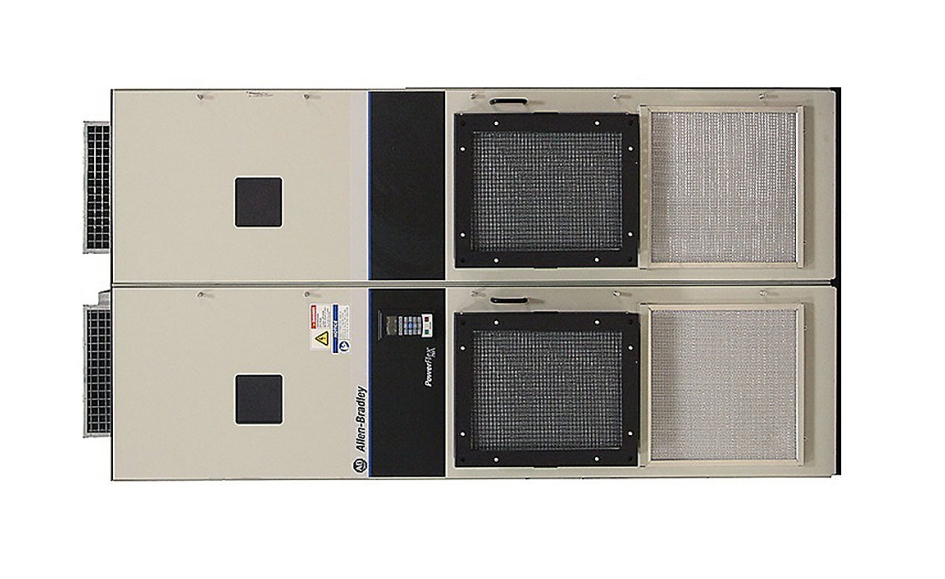
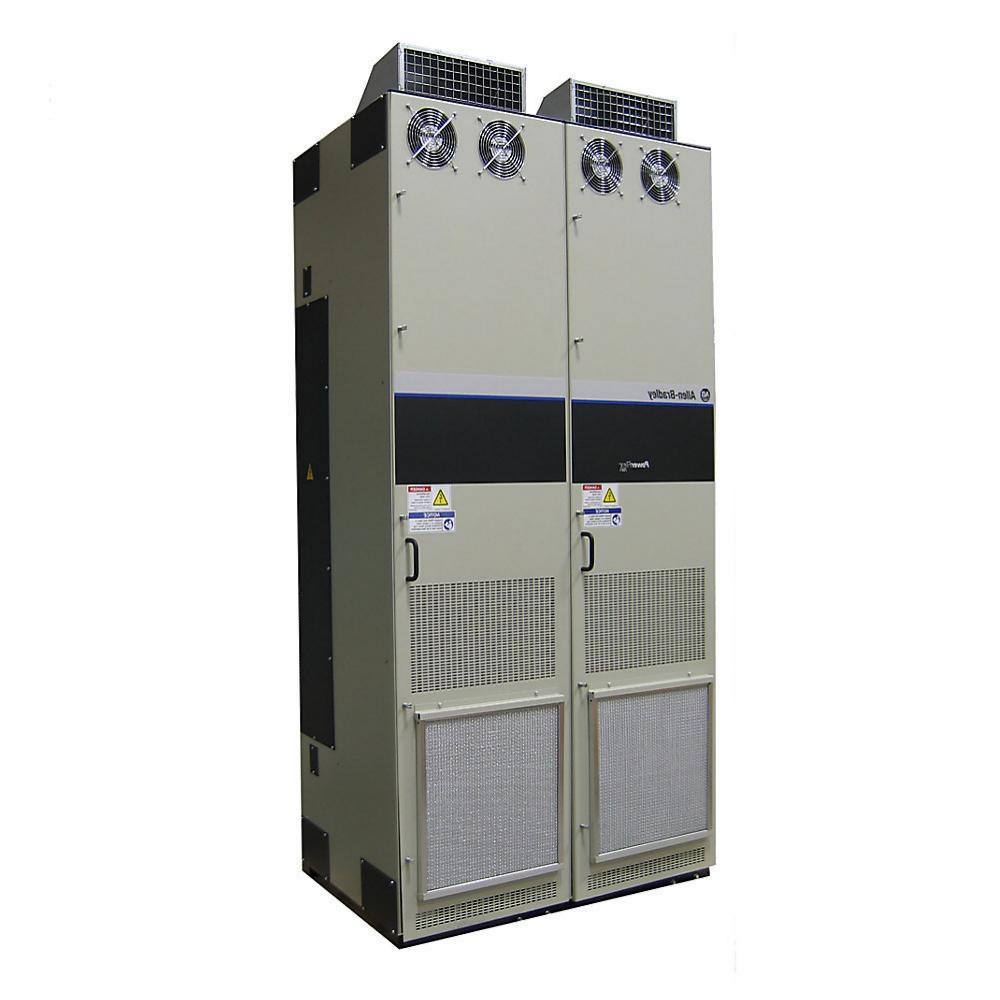
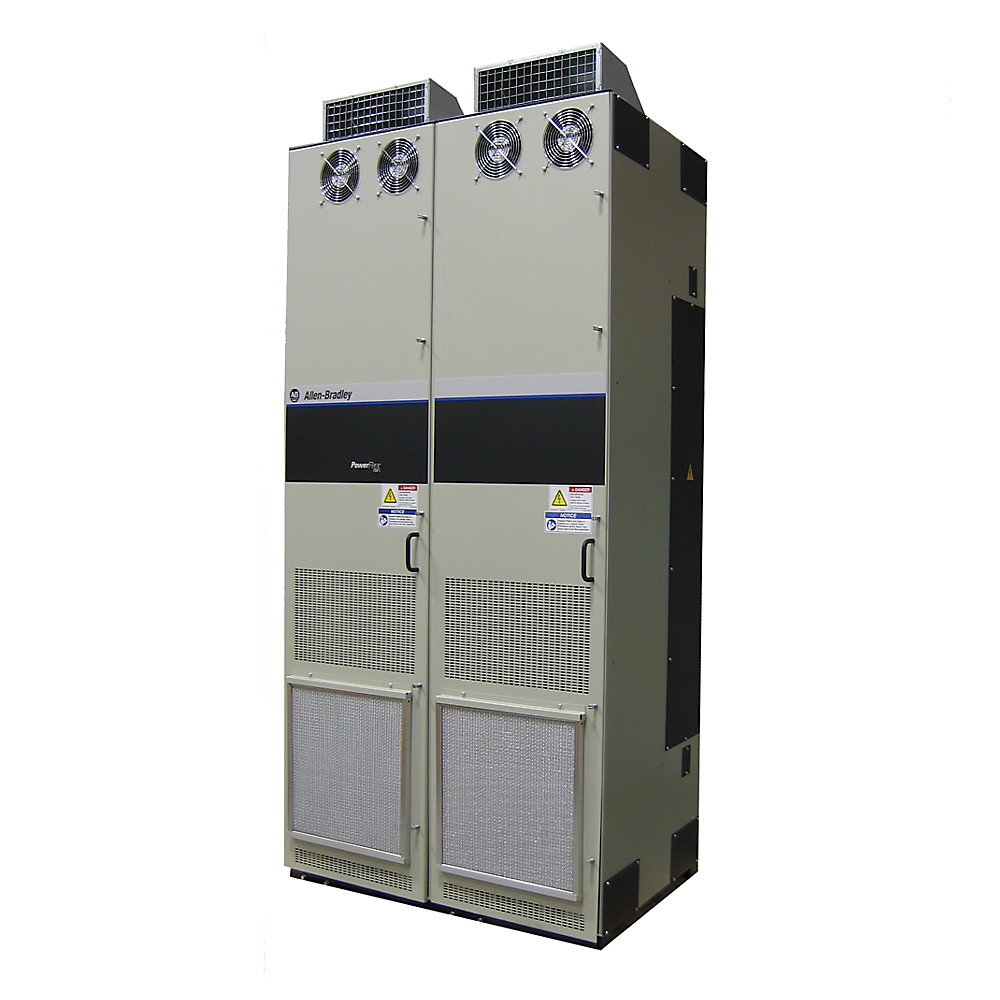
- Allen Bradley
- 20J1F3D960LNDNNNNN
- PowerFlex AC Drive
- USA
- 2300 × 1300 × 800 mm
- 650kg
- Xiamen, China
- New & In Stock
- T/T, PayPal, Western Union
- 1 Year
- 1-3 Working Days
- DHL, UPS, TNT, FedEx and EMS.
- 24-Hour Service
- COO
- 5
Our advantage

Global Logistics
We have a 10-year logistics and express cooperation agreement, so our products can be shipped to any place in the world.

Brand new and original
Our products are imported in bulk from the place of origin. Because of the cooperative relationship, our products are all original and 100% new.

24-hour service
We provide 7*24 hours service to our customers. We will be there whenever you need us.

Price advantage
All our products are priced very favorably because we have our own warehouse and supply.
| Company Information | |||
| [email protected] | |||
| Mobile | +8615980777398 | ||
| +8615980777398 | |||
| 15980777398 |
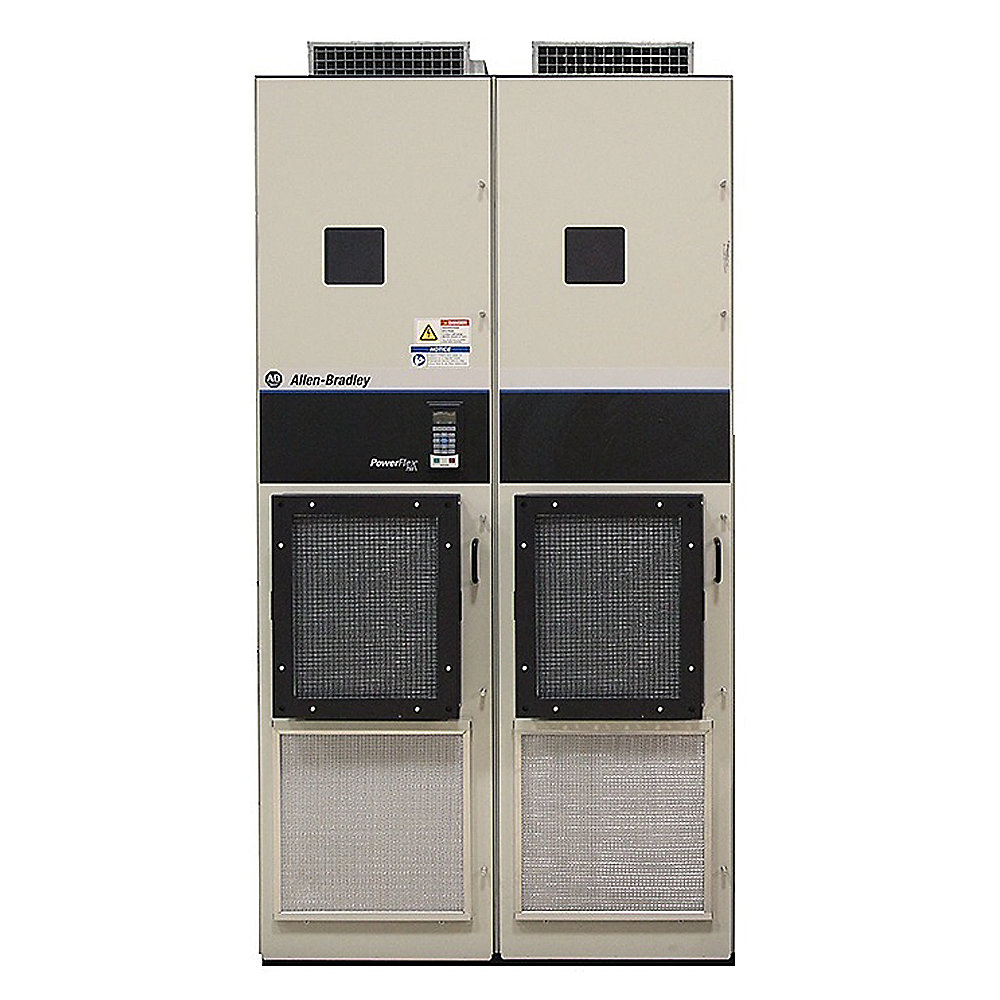
Allen-Bradley 20J1F3D960LNDNNNNN PowerFlex 750 Bus Supply
1. Product Overview
The Allen-Bradley 20J1F3D960LNDNNNNN is a high-power PowerFlex 750 Bus Supply designed for large industrial common-DC-bus drive systems.
It is an air-cooled, AFE regenerative bus supply intended for demanding multi-drive applications where several motor drives operate from a shared DC-bus architecture.
The D960 configuration is a very high-current member of the PowerFlex 750 Bus Supply family. Related D960 configurations are specified for 480 VAC, three-phase operation, with a 960 A rating and large-frame construction.
The product is associated with a Type 1/IP21, floor-mounted, air-cooled construction. The D960 configuration is intended for large industrial electrical installations rather than compact machine enclosures.
The fundamental purpose of this unit is to convert incoming AC electrical power into a controlled DC-bus supply for compatible drive sections while also providing a controlled path for regenerative energy.
This makes the model particularly suitable for large machinery containing multiple motors, especially where acceleration, deceleration, lifting, lowering, braking, and regenerative operation occur repeatedly.
The complete catalog number 20J1F3D960LNDNNNNN is identified within the PowerFlex 750 Bus Supplies product family.
2. Basic Product Parameters
| Parameter | Specification |
|---|---|
| Model | 20J1F3D960LNDNNNNN |
| Brand | Allen-Bradley |
| Product Series | PowerFlex 750 Bus Supplies |
| Product Type | Air-Cooled 750 Bus Supply |
| Configuration | D960 |
| Front-End Type | AFE Regenerative |
| Input Voltage | 480 VAC |
| Input Phase | 3 Phase |
| Rated Current | 960 A |
| Duty Classification | High-power industrial drive application |
| Architecture | Common DC Bus |
| Cooling | Air Cooled |
| Mounting | Floor Mount |
| Enclosure / Protection | Type 1 / IP21 |
| Frame | Large-frame configuration; related D960 variants are identified as Frame 9B |
| EMC | Configuration dependent; related D960 versions are listed without EMC |
| Regeneration | Yes |
| Primary Function | Common DC-bus power conversion |
| Typical System | Multi-drive common-bus system |
| Application Range | Heavy industrial machinery |
| Approx. Height | 1,500–2,000 mm |
| Approx. Width | 700–1,000 mm |
| Approx. Depth | 700–1,000 mm |
| Approx. Weight | 300–450 kg |
| Installation | Industrial electrical room / drive cabinet area |
| Product Lifecycle | Legacy / discontinued configuration |
The 960 A / 480 VAC combination places this model in the high-current class of PowerFlex 750 Bus Supplies. Related D960 configurations are explicitly identified as AFE regenerative, air cooled, 480 VAC, three phase, 960 A, floor mounted, Type 1/IP21 equipment.
The dimensions and weight shown above are engineering planning estimates for preliminary layout, transportation, and cabinet-space evaluation. The exact shipping weight and mechanical envelope can vary according to installed options and the final configured assembly.
For final cabinet construction, foundation loading, lifting equipment, shipping arrangements, and replacement work, the actual unit nameplate and mechanical documentation should be used.
3. Product Identification
The 20J1F3D960LNDNNNNN belongs to the PowerFlex 750 Bus Supply family.
The D960 configuration represents a very high-power bus-supply arrangement.
The F3 portion is associated with the floor-mounted construction used within this family.
The LNDNNNNN portion represents additional catalog configuration information and option positions.
It is important not to treat the model number as simply a current rating. The complete catalog number determines the electrical, mechanical, enclosure, interface, and option configuration.
This is especially important when comparing the base model with versions such as 20J1F3D960LNDNNNNN-C1, 20J1F3D960LNDNNNNN-C1-P17, 20J1F3D960LNDNNNNN-C1-P46, or other option-specific configurations. These variants can share the same basic D960 power architecture while having different option combinations.
4. Product Introduction
The 20J1F3D960LNDNNNNN is designed for large industrial machines where multiple variable-speed drive sections need to share a common DC bus.
In a conventional distributed drive installation, each drive may have its own AC input section and rectifier.
A common-bus system takes a different approach.
A centralized bus supply provides the DC power source, while multiple compatible drive sections are connected to the shared DC bus.
This arrangement is especially useful when multiple motors operate together and energy continuously moves between different mechanical sections of the machine.
For example, one motor may be accelerating while another is decelerating.
The decelerating motor can generate electrical energy, while another motor may simultaneously require electrical energy.
A common DC-bus architecture provides a way for energy to be exchanged within the drive system rather than treating every motor as a completely independent electrical load.
The AFE regenerative architecture adds another important function.
During regenerative operation, electrical energy generated by the motor-side drive sections can be managed through the active front end and transferred toward the incoming AC electrical system.
This makes the D960 configuration particularly suitable for machinery with substantial regenerative duty.
5. Main Technical Characteristics
AFE Regenerative Architecture
The AFE regenerative configuration is one of the defining characteristics of this product.
AFE stands for Active Front End.
Instead of using only a conventional passive rectifier arrangement, the active front end provides controlled electrical conversion between the AC supply and the DC bus.
This allows the system to control power flow more actively.
When the connected motors are operating in regenerative mode, energy can be transferred from the DC bus back toward the AC supply.
This is particularly valuable in machinery where regenerative operation is frequent rather than occasional.
High-Current 960 A Configuration
The D960 configuration is designed for high-power industrial applications.
The associated configuration is identified at 960 A, making it appropriate for large multi-drive systems requiring substantial DC-bus capacity.
This current level requires careful system engineering.
Incoming feeders, disconnects, circuit protection, busbars, cable systems, grounding, short-circuit protection, cooling, and cabinet construction must all be designed around the actual installation requirements.
The 960 A specification should therefore be considered as one part of a complete electrical-system design rather than as an isolated component rating.
6. Common DC-Bus Operation
The product is designed for a common DC-bus architecture.
A common DC bus can provide several advantages in multi-axis machinery.
Multiple compatible drive sections can receive power from a centralized DC source.
Regenerative energy from one motor can potentially be used by another motor.
This can reduce unnecessary energy dissipation and provide a more integrated electrical architecture.
Common-bus systems are especially useful in machines where multiple motors are mechanically or operationally interconnected.
Examples include cranes, hoists, conveyors, rolling equipment, material-handling systems, mining machinery, and large process machines.
7. Applications
Heavy Material Handling
The D960 bus supply is suitable for consideration in large material-handling systems.
Large conveyors, transfer systems, bulk-material handling equipment, and automated production lines can use multiple high-power motors operating together.
A common DC bus can provide a centralized electrical architecture for these drive sections.
Cranes and Hoists
Cranes and hoists are natural applications for regenerative drive systems.
When a heavy load is lowered, the motor can operate as a generator.
The resulting electrical energy must be managed properly.
An AFE regenerative architecture provides a controlled electrical path for this energy.
This can be useful in high-duty crane systems where lifting and lowering cycles occur continuously.
Mining Machinery
Mining equipment often contains multiple large motors.
Applications can include conveyors, crushers, stackers, reclaimers, material-transfer systems, and other large electrically driven machinery.
The high-current D960 configuration is appropriate for consideration in large mining drive architectures when environmental, thermal, mechanical, and electrical requirements are properly engineered.
Metal Processing Equipment
Metal-processing machinery can contain numerous coordinated motor axes.
Rolling equipment, material feeders, tension systems, positioning systems, and other processing machinery can require high-power multi-drive systems.
A common DC bus can provide a centralized electrical platform for such applications.
Large Conveyor Systems
Large conveyor installations can contain multiple drive stations.
The common DC-bus concept can be useful when different conveyor motors need coordinated operation.
It can also provide an electrical path for energy exchange between accelerating and decelerating drive sections.
Process Machinery
Large industrial process systems often have motors operating continuously under changing load conditions.
Where regenerative operation is significant, the AFE regenerative bus supply architecture can provide a useful approach to electrical energy management.
Large Production Lines
Production lines with multiple high-power motor sections can benefit from a centralized DC-bus architecture.
Examples include large manufacturing lines, material-processing systems, automated handling systems, and continuous-production machinery.
8. Main Advantages
1. High Power and High Current Capability
The D960 configuration is designed for large industrial systems.
The 960 A configuration provides substantial current capacity for high-power drive architectures.
This makes it suitable for applications where smaller bus-supply configurations would not provide sufficient capacity.
2. Regenerative Energy Management
The AFE regenerative architecture allows the system to manage power flowing from the DC bus back toward the AC network.
This is particularly useful for overhauling loads, frequent braking, and repeated acceleration/deceleration cycles.
Compared with systems that depend exclusively on braking resistors, regenerative architectures can provide a more efficient way to handle substantial regenerative energy.
3. Shared Energy Between Drive Axes
A common DC bus allows electrical energy to move between compatible drive sections.
When one motor is braking and another motor is accelerating, the electrical energy generated by one section can potentially be used by another section.
This can improve overall energy utilization within the machine.
4. Centralized Power Conversion
The common-bus architecture centralizes the front-end power-conversion function.
This can simplify the overall system concept when multiple compatible drives are used together.
Instead of designing every drive section as a completely independent AC-fed unit, the electrical architecture can be organized around a centralized bus supply.
5. Suitable for Large Multi-Motor Systems
The D960 configuration is designed for large industrial installations.
It is particularly relevant to machinery where multiple high-power motors operate as part of one coordinated system.
6. Air-Cooled Construction
Air cooling provides a practical solution for large industrial installations where appropriate ventilation and thermal management can be provided.
The floor-mounted construction also makes the product suitable for dedicated electrical-room and large drive-system installations.
7. Industrial Common-Bus Architecture
The PowerFlex 750 Bus Supply family was designed around industrial common-bus applications.
This provides a structured platform for large drive systems rather than requiring engineers to construct an independent DC-bus solution from individual components.
9. Mechanical Parameters
| Mechanical Parameter | Estimated / Applicable Value |
|---|---|
| Model | 20J1F3D960LNDNNNNN |
| Mounting | Floor Mount |
| Cooling | Air Cooled |
| Enclosure | Type 1 / IP21 |
| Approx. Height | 1,500–2,000 mm |
| Approx. Width | 700–1,000 mm |
| Approx. Depth | 700–1,000 mm |
| Approx. Weight | 300–450 kg |
| Installation Orientation | Vertical |
| Maintenance Access | Front access required |
| Ventilation | Forced-air cooling |
| Recommended Layout | Dedicated industrial drive area |
| Lifting Consideration | Heavy industrial equipment |
The D960 configuration is a large-frame product, and related versions are identified as Frame 9B.
The exact dimensions and mass can vary according to option configuration.
For that reason, the values in this table should be used for preliminary engineering only.
10. Electrical Parameters
| Electrical Parameter | Specification |
|---|---|
| Model | 20J1F3D960LNDNNNNN |
| Input Voltage | 480 VAC |
| Phase | 3 Phase |
| Nominal Current | 960 A |
| Front End | AFE Regenerative |
| DC-Bus Architecture | Common DC Bus |
| Cooling | Air Cooled |
| Enclosure | Type 1/IP21 |
| Mounting | Floor Mount |
| Regenerative Operation | Yes |
| Application | High-power industrial drive system |
| Typical Connected System | Multiple compatible PowerFlex drive sections |
| Harmonic / Power Quality Function | Associated with active-front-end architecture |
| EMC Configuration | Verify exact catalog suffix |
| DC-Bus Capacity | System dependent |
| Short-Circuit Coordination | Application dependent |
| Upstream Protection | Application dependent |
The 960 A / 480 VAC information is confirmed for the D960 configuration and its closely matching option variants.
11. Recommended Same-Series or Closely Related Models
The following five models are useful for comparison within the same PowerFlex 750 Bus Supply family.
| Model | Series / Type | Configuration | Electrical Information | Typical Position |
|---|---|---|---|---|
| 20J1F3D617LNDNNNNN | PowerFlex 750 Bus Supply | D617 | LD 508 kW / 730 A; ND 442 kW / 635 A; HD 347 kW / 499 A | Lower-capacity related D-series |
| 20J1F3D710LNDNNNNN | PowerFlex 750 Bus Supply | D710 | LD 529 kW / 761 A; ND 508 kW / 730 A; HD 390 kW / 560 A | Closely related high-power model |
| 20J1F3D740LNDNNNNN | PowerFlex 750 Bus Supply | D740 | LD 573 kW / 823 A; ND 529 kW / 761 A; HD 442 kW / 635 A | High-power D-series model |
| 20J1F3D960LNDNNNNN-C1-P17 | PowerFlex 750 Bus Supply | D960 | LD 748 kW / 1075 A; ND 687 kW / 987 A; HD 573 kW / 823 A | Option-specific D960 configuration |
| 20J1F3F735LNDNNNNN | PowerFlex 750 Bus Supply | F735 | LD 842 kW / 842 A; ND 754 kW / 754 A; HD 667 kW / 667 A | Closely related very-high-power configuration |
The D617, D710, D740, D960 and F735 configurations are listed within the same broad PowerFlex 750 Bus Supply catalog family. Their published LD/ND/HD ratings show the range of power and current configurations available around this class of equipment.
The 20J1F3D960LNDNNNNN-C1-P17 is particularly useful as a comparison because it retains the D960 configuration while adding specific option information. Its listed ratings are 748 kW / 1075 A LD, 687 kW / 987 A ND, and 573 kW / 823 A HD.
These models should not be regarded as automatic replacements for the base 20J1F3D960LNDNNNNN.
A replacement decision should consider input voltage, current, overload duty, bus voltage, enclosure, cooling, options, control transformer requirements, EMC configuration, and the connected drive system.
12. Five Same-Brand Popular / Common Comparison Models
The following models are useful same-brand comparison products when evaluating large industrial drive architectures.
| Model | Product Family | Voltage / Configuration | Main Parameter | Typical Application |
|---|---|---|---|---|
| 20GEF3D505LNDNNNNN-C0 | PowerFlex regenerative AC drive | 480 VAC | LD 450 HP / 545 A; ND 400 HP / 505 A; HD 350 HP / 430 A | Regenerative high-power drive |
| 20GEF3F505LNDNNNNN | PowerFlex regenerative AC drive | 690 VAC | LD 560 kW / 565 A; ND 500 kW / 505 A; HD 400 kW / 415 A | High-voltage regenerative drive |
| 20J1F3D710LNDNNNNN | PowerFlex 750 Bus Supply | 480 VAC class | LD 529 kW / 761 A; ND 508 kW / 730 A; HD 390 kW / 560 A | Common DC-bus system |
| 20J1F3F735LNDNNNNN | PowerFlex 750 Bus Supply | High-power configuration | LD 842 kW / 842 A; ND 754 kW / 754 A; HD 667 kW / 667 A | Very-high-power bus supply |
| 20J1F3D1K1LNDNNNNN-C1-P17 | PowerFlex 750 Bus Supply | High-power configuration | LD 977 kW / 1404 A; ND 812 kW / 1167 A; HD 748 kW / 1075 A | Very large common-bus installation |
The comparison models above cover regenerative AC drives and large PowerFlex bus supplies rather than being presented as direct substitutes.
They are useful when comparing system architectures, current capacity, voltage class, and regenerative requirements.
For example, the 20GEF3D505LNDNNNNN-C0 is a regenerative drive configuration rated at 480 VAC, with published LD, ND, and HD ratings of 450 HP / 545 A, 400 HP / 505 A, and 350 HP / 430 A respectively.
The 20GEF3F505LNDNNNNN moves into a 690 VAC class and is listed at 560 kW / 565 A LD, 500 kW / 505 A ND, and 400 kW / 415 A HD.
The 20J1F3F735LNDNNNNN is another high-power bus-supply configuration, with published ratings of 842 kW / 842 A LD, 754 kW / 754 A ND, and 667 kW / 667 A HD.
13. Product Series
The product belongs to the:
PowerFlex 750 Bus Supplies Series
This series is intended for industrial common-DC-bus drive architectures.
The family includes multiple power ratings and configurations, ranging from lower-current units to very large high-current bus supplies.
The D960 configuration is positioned toward the high-power end of this family.
The series supports industrial applications where a centralized DC-bus source is required for multiple compatible drive sections.
14. Brand
Brand: Allen-Bradley
Allen-Bradley is the brand associated with this product.
The 20J1F3D960LNDNNNNN is part of the Allen-Bradley PowerFlex family of industrial drive and power-conversion products.
Within a large automation system, the product can operate as the central power-conversion element of a common DC-bus architecture.
15. Typical System Architecture
A typical installation can be conceptually divided into several sections.
The incoming three-phase AC supply feeds the bus supply.
The AFE section converts and controls the electrical power associated with the DC bus.
The DC bus then distributes power to compatible drive sections.
Each drive section controls its associated motor.
During normal motoring operation, energy flows from the AC network toward the DC bus and then toward the motor drives.
During regenerative operation, energy can flow in the opposite direction.
This bidirectional energy-management capability is one of the major reasons an AFE architecture can be attractive in high-performance industrial machinery.
16. Regenerative Energy Benefits
Regeneration becomes especially important when a machine repeatedly changes speed or handles an overhauling load.
Consider a large hoist.
During lifting, electrical energy is supplied to the motor.
During lowering, the mechanical load can drive the motor.
The motor then behaves as a generator.
A regenerative front end can manage the generated electrical energy and transfer it back toward the AC system.
The same principle can apply to conveyors, elevators, centrifuges, test stands, winding equipment, and other machinery with substantial kinetic or potential energy.
17. Energy Sharing Between Motors
A common DC bus provides another important benefit.
Not every motor on the machine needs to be accelerating or braking at the same time.
One motor may be consuming energy while another motor is generating energy.
The shared DC bus provides an electrical connection between these drive sections.
This can allow regenerative energy to be reused inside the machine.
The actual amount of energy recovered depends on the machine’s operating cycle, drive configuration, motor characteristics, DC-bus control, and utility-side conditions.
18. Advantages for Large Industrial Machines
The D960 configuration can be attractive for large machines because it combines several functions in one coordinated architecture.
It provides a centralized front end.
It supports common DC-bus operation.
It provides regenerative energy management.
It supports very high current.
It is designed for industrial floor-mounted installation.
It can be integrated into large multi-drive systems.
These characteristics make the architecture particularly relevant to heavy machinery rather than small standalone motor applications.
19. Installation Requirements
A D960-class bus supply should be installed by personnel familiar with high-power industrial drive systems.
The incoming AC feeder must be properly sized.
Protection equipment must be coordinated with the system’s fault-current level.
Grounding must be correctly engineered.
DC-bus conductors must be appropriately rated.
The cabinet or electrical room must provide adequate airflow.
Maintenance clearances must be preserved.
The installation must also account for the significant mechanical mass of the equipment.
Because the equipment operates at high electrical energy levels, DC-bus discharge and lockout procedures are particularly important.
20. Cooling and Thermal Management
The D960 configuration uses air cooling.
Large power-conversion systems produce substantial heat during operation.
The cooling system therefore needs sufficient airflow to maintain acceptable internal temperatures.
The electrical-room temperature should be controlled within the permitted operating range.
Dust accumulation should be minimized.
Air filters and ventilation paths should be maintained.
Fans should be checked for abnormal noise, vibration, and airflow reduction.
A blocked airflow path can increase semiconductor and capacitor temperatures and reduce equipment reliability.
21. Maintenance Considerations
Routine inspection should include the cooling system, power connections, bus connections, cabinet condition, ventilation paths, and visible signs of overheating.
Power terminals should be checked according to the applicable maintenance procedure.
Signs of discoloration, melted insulation, unusual odor, or localized heating should be investigated immediately.
Cooling fans should be monitored because fan failure can cause rapid temperature increases in high-power equipment.
The DC bus must always be considered hazardous until the appropriate isolation and voltage-verification procedure has been completed.
22. Replacement and Retrofit Considerations
The D960 model should not be replaced solely because another model has a similar current rating.
A proper replacement assessment should compare:
- AC input voltage.
- Phase configuration.
- Continuous current.
- LD/ND/HD duty ratings.
- DC-bus voltage.
- Regenerative requirements.
- Enclosure type.
- Cooling arrangement.
- Frame size.
- EMC configuration.
- Control transformer configuration.
- HIM and interface requirements.
- Connected drive models.
- DC-bus system rating.
- Upstream protection.
- Available short-circuit current.
The complete catalog number should be checked before purchasing or installing a replacement.
23. Engineering Planning Dimensions
For preliminary mechanical planning, the following values can be used as a conservative working range.
| Mechanical Item | Planning Range |
|---|---|
| Model | 20J1F3D960LNDNNNNN |
| Height | Approx. 1.5–2.0 m |
| Width | Approx. 0.7–1.0 m |
| Depth | Approx. 0.7–1.0 m |
| Weight | Approx. 300–450 kg |
| Installation Type | Floor Mount |
| Cooling | Air Cooled |
| Service Space | Front maintenance clearance required |
| Cabinet Arrangement | Large industrial drive installation |
| Transportation | Heavy equipment handling required |
These figures are intentionally expressed as planning ranges.
The exact physical dimensions and weight should be confirmed from the actual unit configuration before manufacturing an enclosure or planning transportation.
24. Application Selection Guide
| Application | Suitability of D960 Architecture | Main Reason |
|---|---|---|
| Large Conveyor | High | Multi-drive common DC bus |
| Crane | High | Regenerative lifting/lowering |
| Hoist | High | Regenerative energy management |
| Mining Conveyor | High | High-current multi-motor operation |
| Metal Processing | High | Coordinated high-power drives |
| Rolling Equipment | High | High-power regenerative operation |
| Material Handling | High | Multiple coordinated motors |
| Large Production Line | High | Centralized DC-bus architecture |
| Pumping System | Application dependent | Depends on regenerative duty |
| Small Standalone Motor | Generally unnecessary | Excessive power architecture |
25. Key Advantages at a Glance
| Advantage | Description |
|---|---|
| High Current | 960 A configuration for large industrial systems |
| Regeneration | AFE architecture supports regenerative energy handling |
| Common DC Bus | Multiple compatible drives can share a centralized DC bus |
| Energy Sharing | Regenerative energy can potentially be reused by other drive axes |
| Large-System Capability | Designed for demanding multi-drive applications |
| Air Cooling | Suitable for engineered industrial ventilation systems |
| Floor Mounting | Practical for dedicated electrical-room installations |
| Industrial Architecture | Designed around large PowerFlex common-bus systems |
| Flexible Application | Suitable for cranes, conveyors, mining, processing and material handling |
26. Final Product Summary
| Category | Detailed Information |
|---|---|
| Model | 20J1F3D960LNDNNNNN |
| Brand | Allen-Bradley |
| Series | PowerFlex 750 Bus Supplies |
| Product Type | Air-Cooled 750 Bus Supply |
| Configuration | D960 |
| Front End | AFE Regenerative |
| Input Voltage | 480 VAC |
| Phase | 3 Phase |
| Rated Current | 960 A |
| Architecture | Common DC Bus |
| Mounting | Floor Mount |
| Enclosure | Type 1 / IP21 |
| Frame | Large frame / related D960 configurations use Frame 9B |
| Cooling | Air Cooled |
| Approx. Height | 1,500–2,000 mm |
| Approx. Width | 700–1,000 mm |
| Approx. Depth | 700–1,000 mm |
| Approx. Weight | 300–450 kg |
| Regeneration | Yes |
| Typical Application | High-power multi-drive systems |
| Main Industries | Mining, material handling, cranes, metal processing, conveyors, heavy machinery |
| Main Benefit | Centralized high-power regenerative DC-bus supply |
| Lifecycle | Legacy / discontinued configuration |
27. Overall Technical Description
The Allen-Bradley 20J1F3D960LNDNNNNN is a large-scale PowerFlex 750 Bus Supply intended for industrial common-DC-bus applications.
Its 480 VAC, three-phase, 960 A configuration places it in the high-current range of this product family.
The combination of AFE regenerative technology, common DC-bus operation, air cooling, floor mounting, and high current capability makes it suitable for large multi-drive machines.
The product is particularly relevant where several motors operate together and where regenerative energy is an important part of the machine’s operating cycle.
Applications such as cranes, hoists, mining machinery, conveyors, metal-processing equipment, material-handling systems, and large production lines can benefit from this type of architecture.
The common DC bus can allow compatible drive sections to share electrical energy, while the active front end provides controlled interaction between the DC bus and the incoming AC network.
For new system design, the complete electrical architecture should be evaluated rather than selecting the bus supply solely according to current.
For legacy equipment, the complete 20J1F3D960LNDNNNNN catalog number should be matched carefully, including voltage, current, frame, enclosure, EMC, control-transformer, interface, and option requirements.
The D960 configuration is therefore best viewed as a high-power centralized regenerative power-conversion platform for large industrial drive systems, rather than simply as a high-current power supply.