

ProductPRODUCT
Featured products
Contact Us
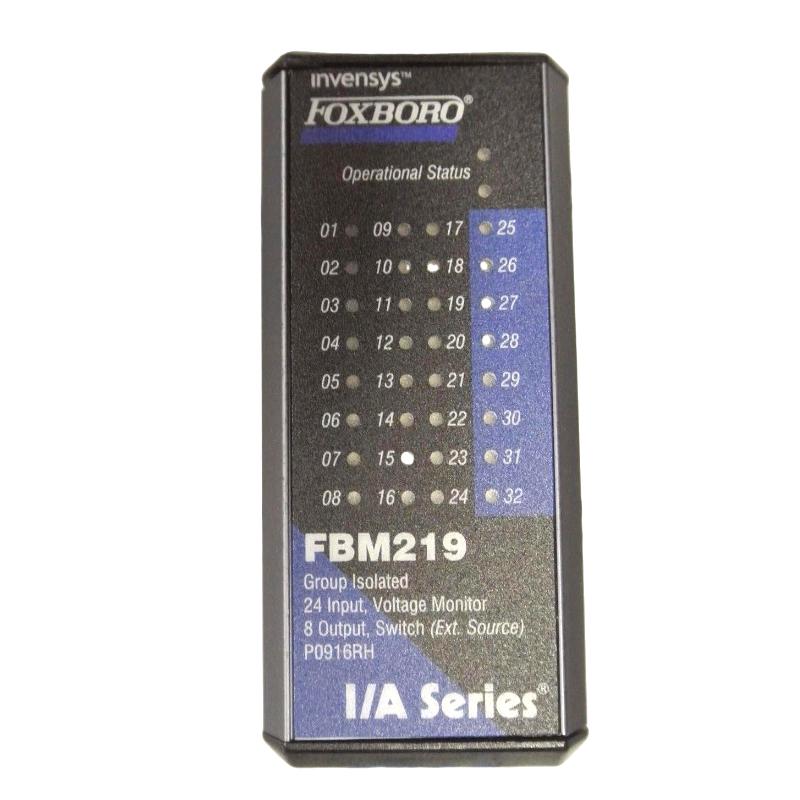
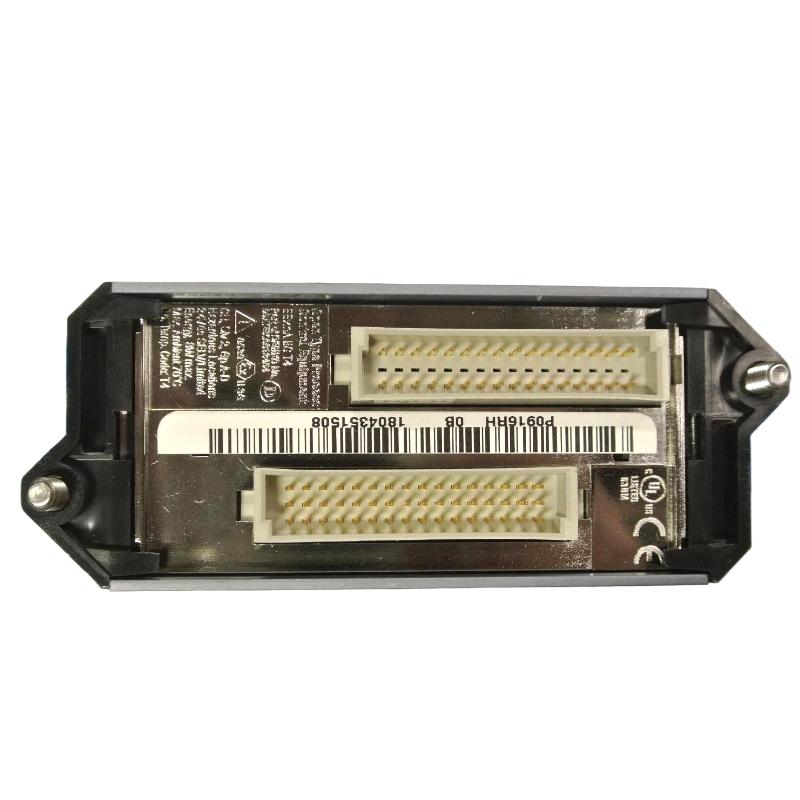
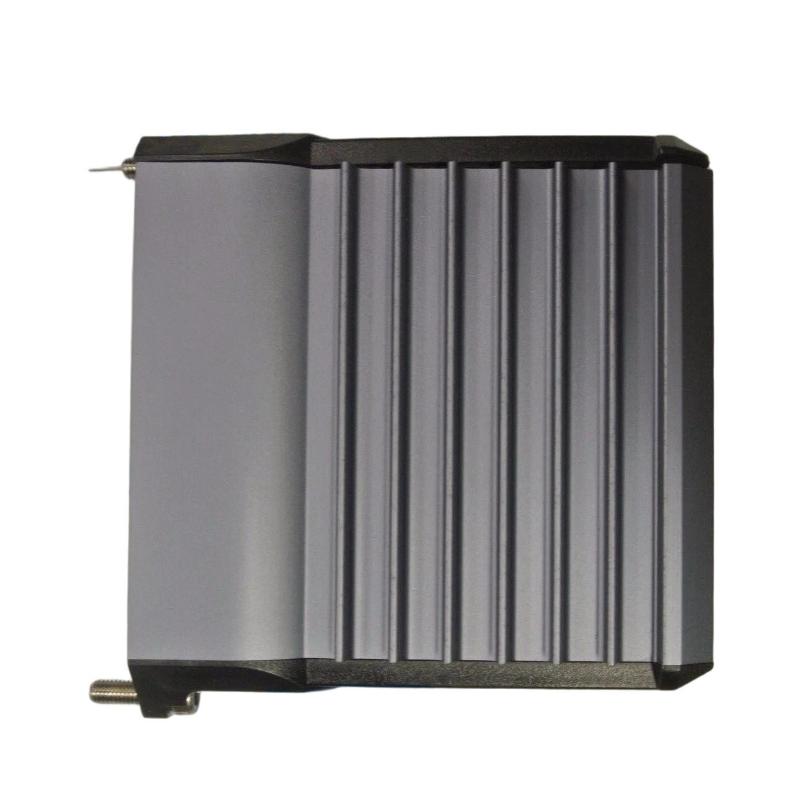
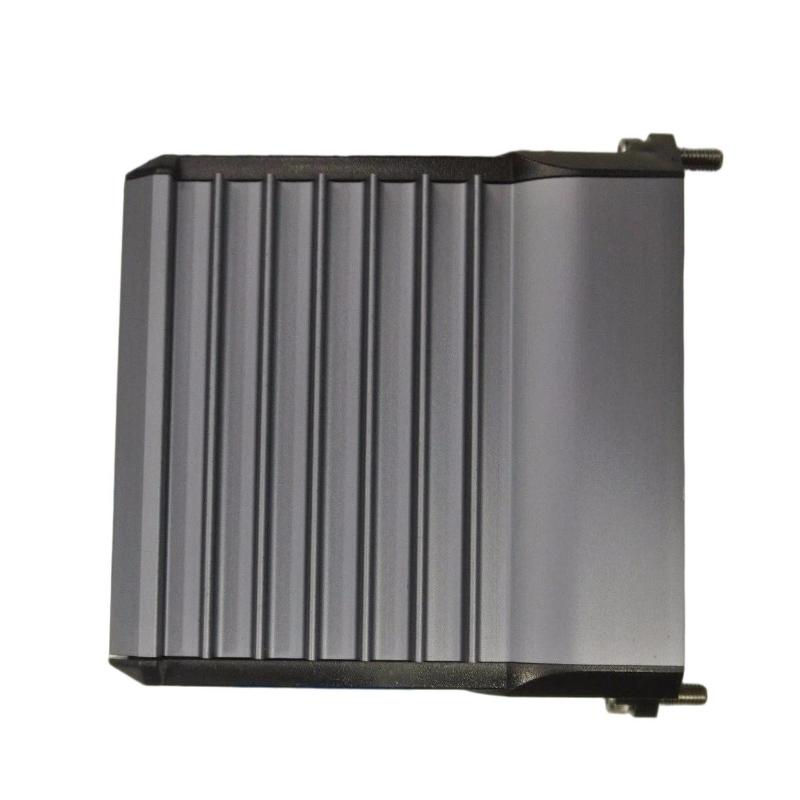
- Foxboro
- FBM219 P0916RH
- Discrete I/O Interface Module
- USA
- 114 × 45 × 104 mm
- 0.284 kg
- Xiamen, China
- New & In Stock
- T/T, PayPal, Western Union
- 1 Year
- 1-3 Working Days
- DHL, UPS, TNT, FedEx and EMS.
- 24-Hour Service
- COO
- 4
Our advantage

Global Logistics
We have a 10-year logistics and express cooperation agreement, so our products can be shipped to any place in the world.

Brand new and original
Our products are imported in bulk from the place of origin. Because of the cooperative relationship, our products are all original and 100% new.

24-hour service
We provide 7*24 hours service to our customers. We will be there whenever you need us.

Price advantage
All our products are priced very favorably because we have our own warehouse and supply.
| Company Information | |||
| [email protected] | |||
| Mobile | +8615980777398 | ||
| +8615980777398 | |||
| 15980777398 |
Product Overview
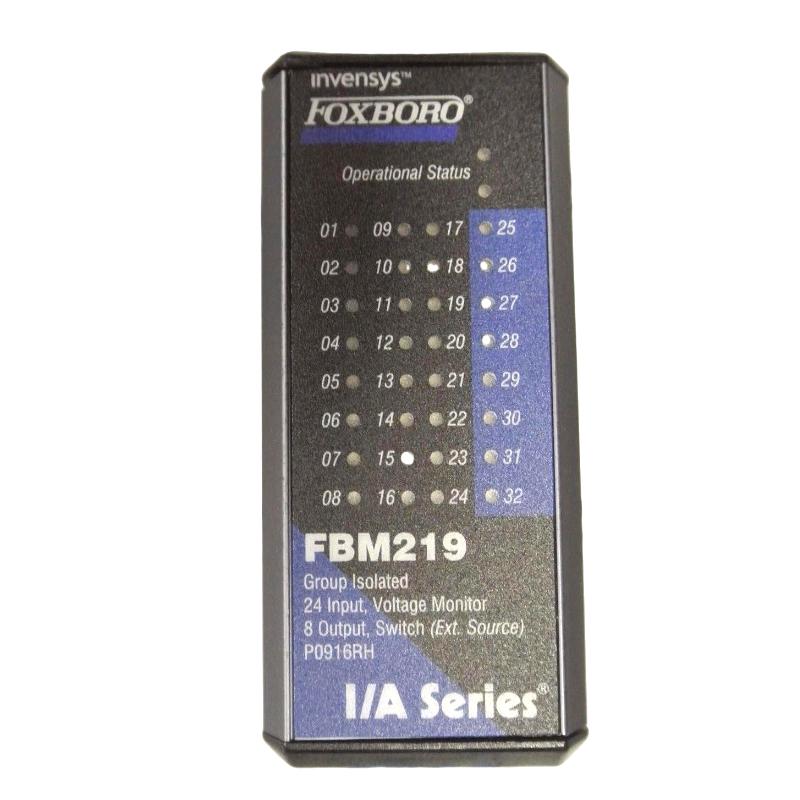
The Foxboro FBM219 P0916RH is an I/A Series discrete I/O interface module used to connect binary field signals with the Foxboro control system. Unlike a dedicated input-only interface, a discrete I/O module supports the field-side interface requirements associated with both discrete input and output circuits, making it suitable for control architectures where equipment status and command signals are handled within the same I/O environment.
Typical field signals include motor running or stopped status, valve position feedback, alarm contacts, permissive signals, interlock conditions, and discrete commands to field equipment. The module provides the interface between these field circuits and the higher-level I/A Series control processing environment.
In an established Foxboro installation, the FBM219 P0916RH works together with the appropriate termination hardware, field wiring, control processor, and operator interface. This arrangement keeps field signal connections organized while allowing configured control strategies to use discrete equipment states and issue corresponding commands.
Technical Specifications
| Parameter | Specification |
|---|---|
| Product Model | FBM219 P0916RH |
| Product Type | Discrete I/O Interface Module |
| Product Family | Foxboro I/A Series |
| Series | I/A Series |
| Signal Type | Discrete / Digital I/O |
| Primary Function | Discrete Field Signal Interface |
| Input Function | Discrete Field Status Acquisition |
| Output Function | Discrete Field Command Interface |
| System Role | Field I/O Interface |
| Typical Signals | Equipment Status, Alarms, Permissives, Interlocks, Commands |
| Control Architecture | Foxboro I/A Series |
| Field Interface | Discrete Field Wiring and Termination |
| Installation | I/A Series I/O Cabinet / Interface Assembly |
| Dimensions | 114 × 45 × 104 mm |
| Weight | 0.284 kg |
Product Features
- Provides discrete I/O interfacing within the Foxboro I/A Series architecture.
- Supports the connection of binary field signals to the control system.
- Handles applications involving both equipment status and discrete control commands.
- Suitable for alarms, permissives, interlocks, status feedback, and command circuits.
- Works with the associated field termination and cabinet wiring arrangement.
- Keeps field-level discrete signal handling separate from higher-level control logic.
- Supports structured troubleshooting from field wiring through the I/O layer.
- Fits established I/A Series process control and industrial automation installations.
Working Principle
The FBM219 P0916RH operates at the discrete field I/O layer, providing the physical and electrical interface between field circuits and the Foxboro I/A Series control architecture.
1. Field devices provide discrete conditions
Switches, auxiliary contacts, limit switches, relays, and other field devices generate binary status information. These conditions may indicate whether equipment is running, stopped, open, closed, tripped, or ready for operation.
2. Input signals enter the I/O interface
Discrete field signals are routed through the associated termination and wiring arrangement to the FBM219. The module receives the field conditions and makes the corresponding states available to the control system.
3. Control logic evaluates field status
The I/A Series control processor can use acquired discrete information as part of configured sequences, permissives, alarms, and interlocks. For example, a motor-running status can be used as feedback to confirm that a start command produced the expected equipment response.
4. Discrete output commands are issued
When the control strategy requires a field action, the corresponding discrete output command is delivered through the I/O architecture toward the connected field circuit. Typical applications include command signals for relays, contactors, solenoids, or other discrete control elements.
5. Field response returns as status
After an output command is issued, associated feedback contacts can provide confirmation of the equipment state. This creates a practical command-and-feedback path between the control system and field equipment.
The FBM219 therefore supports both sides of a discrete control loop: acquiring field conditions and interfacing configured discrete commands with the process equipment.
Role in an I/A Series Discrete I/O Control Architecture
The FBM219 P0916RH occupies the discrete I/O interface layer between field equipment and the I/A Series control processor. It allows the control system to receive equipment status while also interfacing discrete commands with field devices.
| Architecture Layer | Typical Component | Role |
|---|---|---|
| Process Layer | Motors, Pumps, Valves, Process Equipment | Performs the physical process operation |
| Field Device Layer | Switches, Relays, Limit Contacts, Solenoids | Generates status or receives discrete commands |
| Field Wiring Layer | Control and Instrument Cables | Carries discrete signals between field and cabinet |
| I/O Interface Layer | FBM219 P0916RH | Interfaces discrete input and output circuits |
| Control Processing Layer | I/A Series Control Processor | Executes configured sequences, logic, alarms, and interlocks |
| Operator Layer | HMI / Operator Workstation | Displays equipment status and alarms |
| Engineering Layer | System Configuration Tools | Supports I/O configuration, diagnostics, and maintenance |
Industrial Applications
| Application | Use of FBM219 P0916RH |
|---|---|
| Motor Control | Interfaces start/stop commands and motor status feedback |
| Pump Systems | Handles running, stopped, fault, and permissive conditions |
| Valve Control | Interfaces discrete commands and open/closed feedback |
| Process Interlocks | Provides equipment states used by configured interlock logic |
| Alarm Monitoring | Acquires discrete alarm and trip contacts |
| Machine Sequencing | Provides sequence feedback and discrete control signals |
| Utility Systems | Interfaces pumps, fans, breakers, and auxiliary equipment |
| Industrial Process Plants | Connects discrete field devices with the I/A Series control system |
Installation and Maintenance
- Verify that the FBM219 P0916RH matches the intended Foxboro I/A Series discrete I/O architecture before installation.
- Confirm the associated termination assembly, field wiring, and I/O channel assignments using the approved system documentation.
- Isolate the relevant I/O and field circuits according to the plant’s electrical safety and maintenance procedures.
- Inspect the module interface and associated termination points for contamination, mechanical damage, loose connections, or corrosion.
- Verify that each field conductor is connected to the correct termination point before restoring the circuit.
- Check the operation of connected switches, contacts, relays, and other field devices when troubleshooting unexpected discrete states.
- Compare the actual field condition with the state displayed by the control system to determine whether the fault is in the field circuit, I/O interface, or configuration.
- Verify configured input and output assignments after module replacement to ensure that each point corresponds to the intended field device.
- For command circuits, confirm that the connected load and associated control wiring respond correctly during a controlled functional test.
- Check feedback circuits after an output command to verify that the expected equipment status returns to the control system.
- When intermittent I/O behavior occurs, inspect the complete circuit path, including field contacts, wiring, termination points, and system configuration.
- Record module replacement, channel assignments, wiring corrections, functional test results, and abnormal signal conditions in the maintenance documentation.
Related Components
| Component | Function |
|---|---|
| Foxboro I/A Series Control Processor | Executes configured discrete control, sequencing, alarm, and interlock logic |
| I/A Series Termination Assembly | Provides the field-side connection between wiring and I/O hardware |
| Motor Starter / Relay | Receives discrete commands and provides equipment status contacts |
| Control Valve / Solenoid | Receives discrete control signals and changes field state |
| Limit Switch | Provides discrete position or equipment status feedback |
| Field Wiring | Carries discrete input and output circuits |
| Operator Workstation | Displays equipment states, commands, and alarms |
| I/A Series Engineering Tools | Support I/O configuration and diagnostics |
Recommended Related Models
| Model | Product Type | Typical Relationship |
|---|---|---|
| Foxboro FBM217 P0916PW | I/A Series Discrete Input Interface Module | Related discrete input interface |
| Foxboro FBM217 P0914TR | I/A Series Discrete Input Interface Module | Related I/A Series discrete input module |
| Foxboro FBM218 P0922VW | I/A Series HART Communication Redundant Output Module | Related output interface module |
| Foxboro FBM216b P0927AJ | I/A Series HART Communication Redundant Input Module | Related redundant input interface |
| Foxboro FBM215/218 P0917XV | I/A Series Termination Assembly | Related field termination hardware |
Key Advantages
- Provides discrete I/O interfacing within the Foxboro I/A Series architecture.
- Supports both field status acquisition and discrete control commands.
- Suitable for motors, pumps, valves, alarms, and interlock circuits.
- Connects field-level discrete signals with configured control strategies.
- Supports practical command-and-feedback applications.
- Simplifies integration of discrete field equipment into established I/A Series systems.
Technical FAQs
What is the difference between a discrete input module and the FBM219 P0916RH?
A discrete input module is focused on acquiring binary field states, while the FBM219 P0916RH is identified as a discrete I/O interface module and is used for applications involving both discrete input and output functions. The actual point configuration should be verified against the system documentation for the specific installation.
How is the FBM219 used in a motor control application?
The module can interface discrete motor-related signals such as command circuits and running, stopped, or fault feedback. The control processor uses these signals as part of the configured motor-control strategy, while the field wiring and associated devices provide the actual electrical interface to the motor control equipment.
What should be checked if an output command is issued but the equipment does not respond?
Check the control-system point configuration first, followed by the I/O interface, termination connection, field wiring, relay or contactor, and the final field device. The feedback circuit should also be checked because a missing status indication may result from either an actual equipment problem or a separate feedback-circuit fault.
Can the FBM219 be used for interlock and permissive applications?
Yes, discrete input states can provide the equipment conditions required by configured permissive and interlock logic, while discrete outputs can interface associated control commands. The actual interlock strategy is implemented by the I/A Series control configuration rather than by the I/O module itself.