

ProductPRODUCT
Featured products
Contact Us
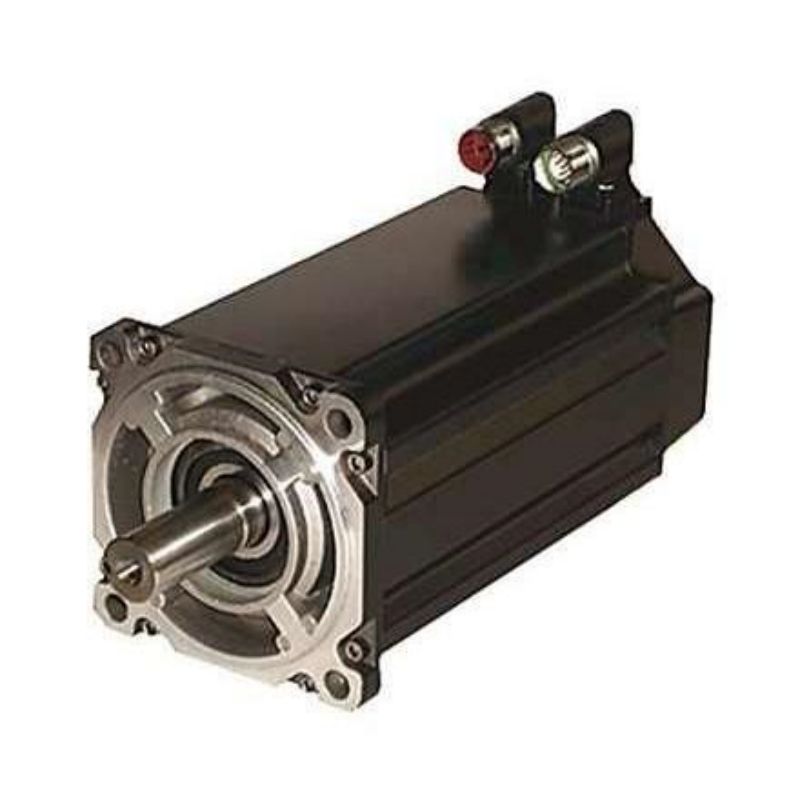
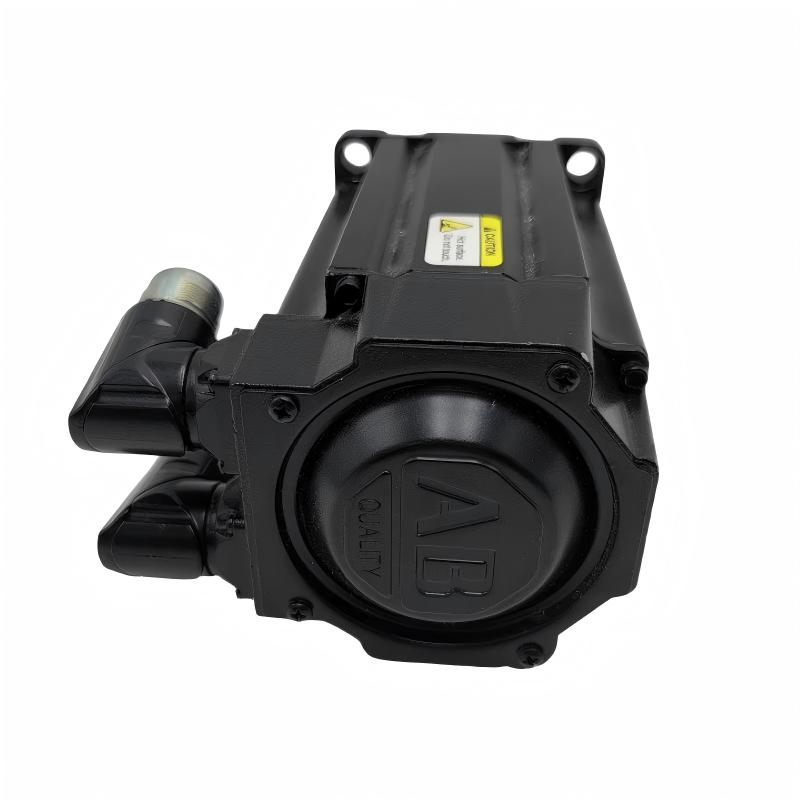
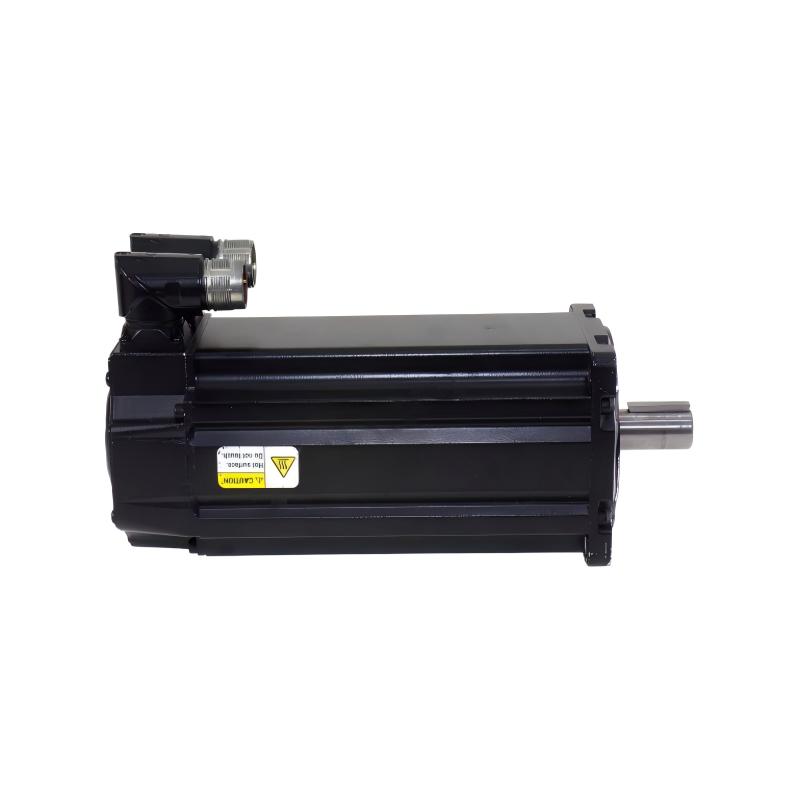
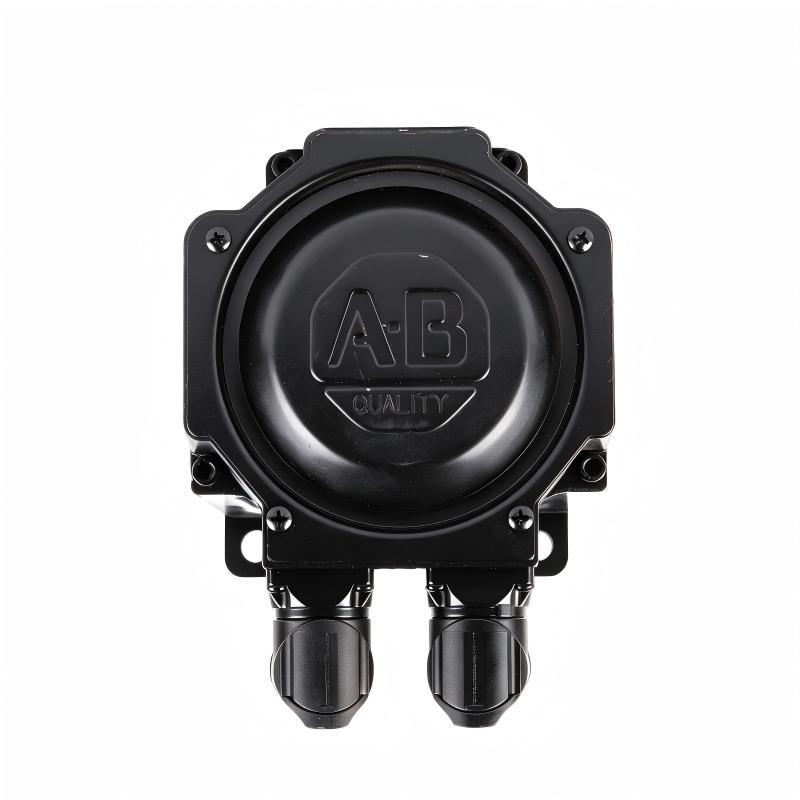
- Allen Bradley
- MPL-A4530F-MK72AA
- Servo Motor
- USA
- 130 mm
- 7.3 kg
- Xiamen, China
- New & In Stock
- T/T, PayPal, Western Union
- 1 Year
- 1-3 Working Days
- DHL, UPS, TNT, FedEx and EMS.
- 24-Hour Service
- COO
- 4
Our advantage

Global Logistics
We have a 10-year logistics and express cooperation agreement, so our products can be shipped to any place in the world.

Brand new and original
Our products are imported in bulk from the place of origin. Because of the cooperative relationship, our products are all original and 100% new.

24-hour service
We provide 7*24 hours service to our customers. We will be there whenever you need us.

Price advantage
All our products are priced very favorably because we have our own warehouse and supply.
| Company Information | |||
| [email protected] | |||
| Mobile | +8615980777398 | ||
| +8615980777398 | |||
| 15980777398 |
Product Overview
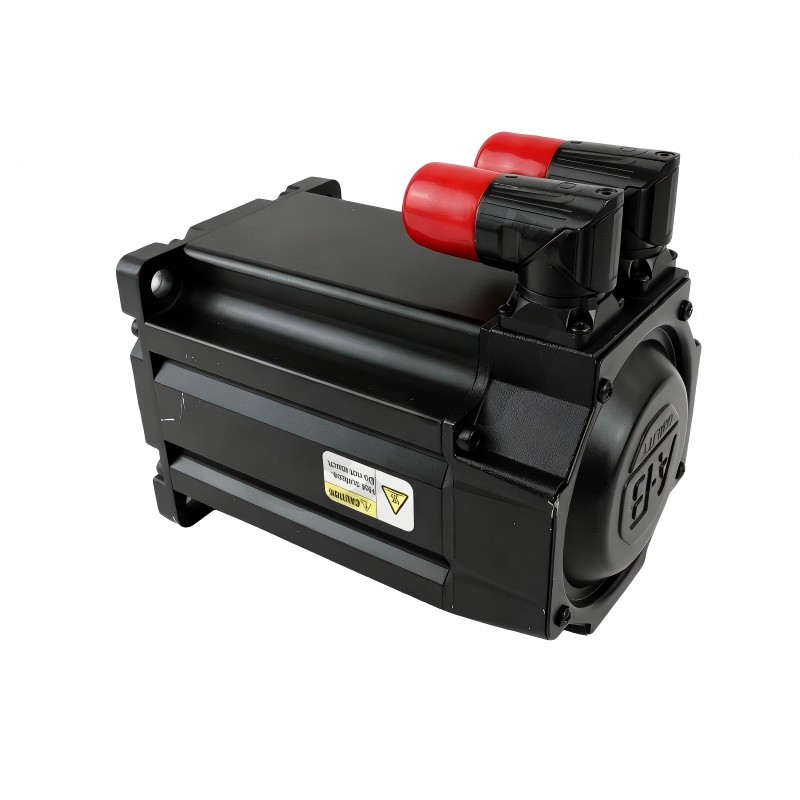
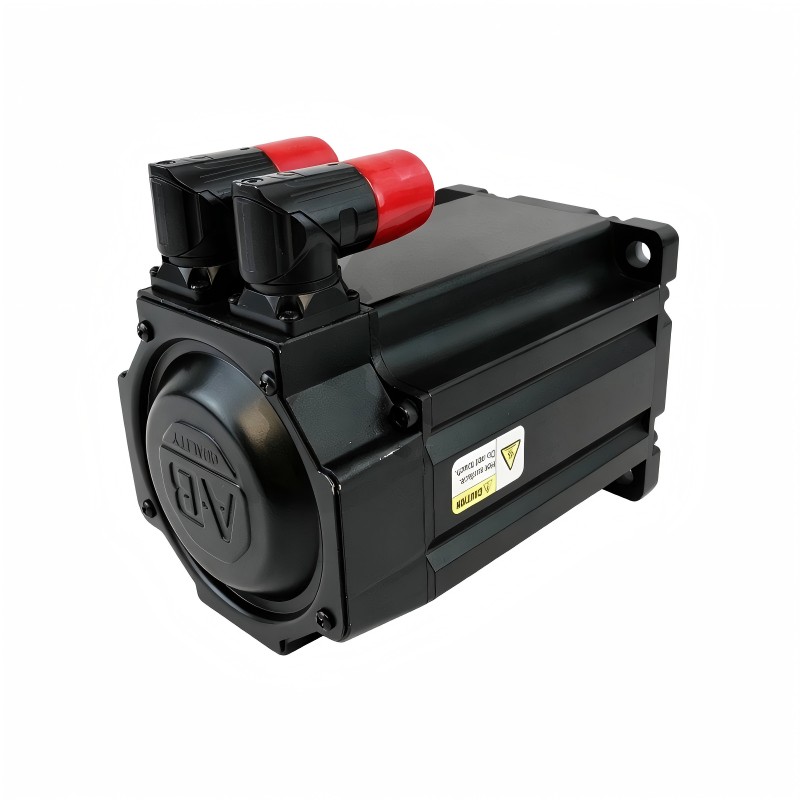
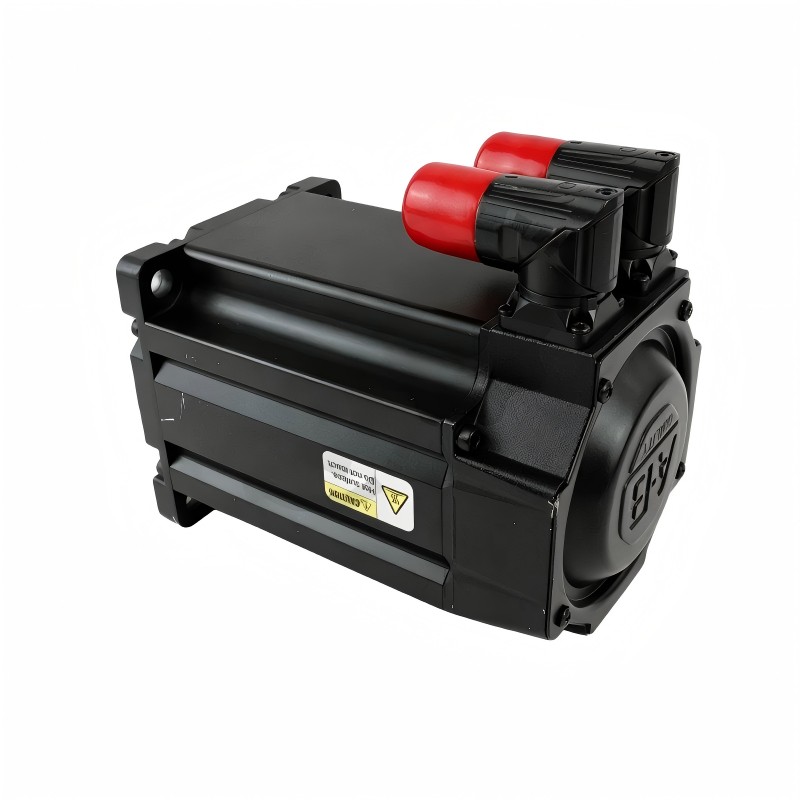
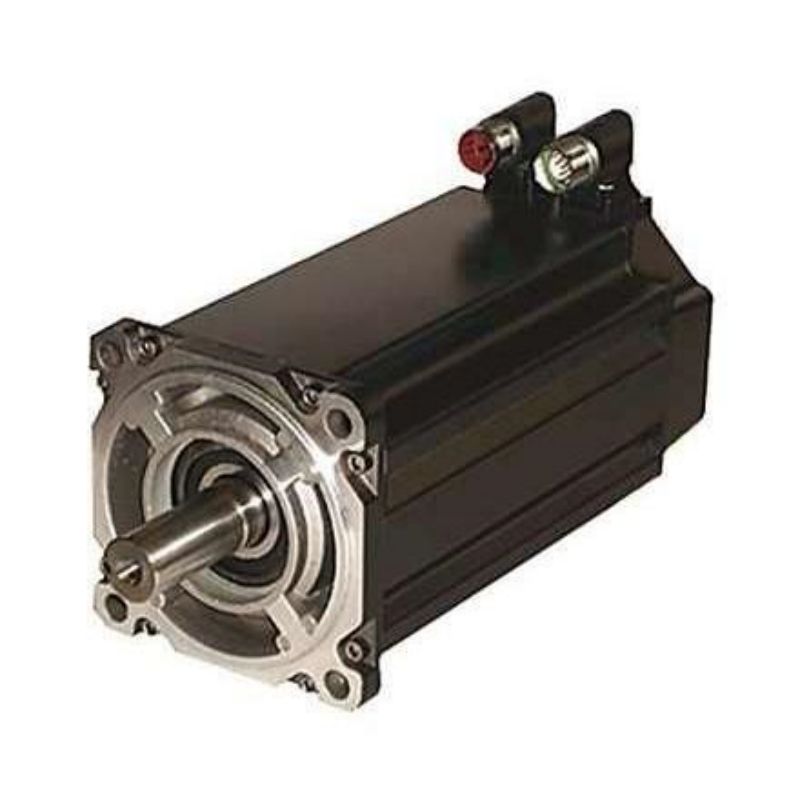
The Allen Bradley MPL-A4530F-MK72AA Servo Motor is an industrial servo motor designed for integration into automated motion-control systems. As a member of the Allen Bradley MPL servo motor family, the MPL-A4530F-MK72AA is intended for machine applications that require controlled rotary movement, repeatable operation, coordinated motion, and reliable integration with a suitable servo drive and automation controller.
Servo motors are widely used in modern industrial machinery because they provide controlled motion rather than simply continuous motor rotation. A properly configured servo system can coordinate acceleration, deceleration, speed, positioning, and synchronization according to the requirements of the machine.
The supplied specification for the MPL-A4530F-MK72AA identifies a 130 mm frame size and a weight of 7.3 kg. These physical specifications are important when evaluating machine-space requirements, mounting structures, replacement procedures, transportation, and mechanical integration.
The motor can form part of an automation architecture consisting of a controller, motion-control system, servo drive, motor, feedback system, and mechanical load. The exact electrical ratings, feedback configuration, shaft dimensions, connector arrangement, and drive compatibility should be verified from the motor nameplate and applicable technical documentation before installation.
Technical Specifications
| Parameter | Specification |
|---|---|
| Manufacturer | Allen Bradley |
| Product Family | MPL Servo Motor |
| Model | MPL-A4530F-MK72AA |
| Product Type | Servo Motor |
| Motor Technology | Permanent-Magnet Servo Motor |
| Frame Size | 130 mm |
| Weight | 7.3 kg |
| Application | Industrial Motion Control |
| Operating Architecture | Closed-Loop Servo System |
| Typical Applications | Automated Machinery, Packaging, Assembly, Material Handling, Machine Automation |
| Installation | Machine-Mounted |
| Feedback Configuration | Verify according to specific motor configuration |
| Electrical Ratings | Verify from motor nameplate and applicable documentation |
| Shaft Configuration | Verify according to specific motor configuration |
What Is the Allen Bradley MPL-A4530F-MK72AA?
The Allen Bradley MPL-A4530F-MK72AA is a servo motor used as the mechanical motion-producing element within an industrial automation system.
A servo motor generally operates together with a servo drive. The controller generates a motion command, the drive regulates electrical power supplied to the motor, and the motor converts that electrical energy into mechanical rotation.
A simplified system can be represented as:
Controller → Motion Command → Servo Drive → MPL-A4530F-MK72AA → Mechanical Load
Feedback information can be returned through the servo system so that commanded and actual motion can be coordinated.
This architecture is particularly useful when a machine must repeatedly move an axis to defined positions, maintain controlled speed, synchronize multiple movements, or perform a programmed acceleration and deceleration profile.
The MPL-A4530F-MK72AA should therefore be evaluated as part of a complete motion system rather than as an independent motor.
Servo Motor Working Principle
The operating principle of a servo motor system is based on controlled electrical power and feedback-assisted motion management.
The automation controller determines the desired movement. This may involve position, speed, direction, acceleration, or another motion requirement.
The servo drive interprets the command and supplies controlled electrical power to the motor.
The motor produces rotational movement, which is transferred to the machine through an appropriate mechanical connection.
Feedback information allows the control system to monitor actual motor or axis behavior. When a difference exists between the commanded movement and the measured movement, the servo system can make appropriate corrections according to its configuration.
The general motion loop can be represented as:
Motion Command → Servo Drive → Motor → Mechanical System → Feedback → Controller/Drive
The exact feedback technology and motor electrical characteristics for the MPL-A4530F-MK72AA should be confirmed from the applicable product documentation.
Main Functions of the MPL-A4530F-MK72AA
Controlled Rotary Motion
The primary function of the motor is to provide controlled mechanical rotation to an automated machine.
The motor can drive a mechanical axis, rotary mechanism, conveyor, positioning system, or other equipment when correctly matched to the application.
Repeatable Machine Movement
Servo systems are suitable for applications in which a machine must repeatedly perform the same motion sequence.
Repeatability is particularly important in automated production where consistent machine movement contributes to process consistency.
Speed Regulation
A servo drive can regulate motor operation according to the required motion profile.
Different stages of a machine cycle can therefore use different speeds when supported by the complete control system.
Dynamic Acceleration and Deceleration
Servo control allows the machine to use defined acceleration and deceleration profiles.
This can help coordinate motion with other machine operations and reduce unnecessary mechanical shock.
Coordinated Multi-Axis Motion
When multiple servo axes are used, a motion controller can coordinate their operation.
This makes servo motors useful in complex machinery where several mechanisms must operate according to a synchronized production sequence.
Role in Industrial Automation
The MPL-A4530F-MK72AA can occupy the motor layer of a modern industrial automation architecture.
A typical system contains several functional levels:
Control Layer
The PLC or motion controller executes the machine program and determines the required movement.
Drive Layer
The servo drive receives motion commands and controls electrical power delivered to the motor.
Motor Layer
The MPL-A4530F-MK72AA converts electrical power into mechanical rotary motion.
Mechanical Layer
Couplings, belts, gears, screws, pulleys, or other mechanisms transfer motor movement to the machine.
Feedback Layer
Feedback information allows the servo system to monitor actual motion and support closed-loop operation.
This separation makes it possible to build sophisticated automated machines while maintaining coordinated control of individual axes.
Industrial Applications
The MPL-A4530F-MK72AA can be considered for industrial motion applications where its complete motor and drive characteristics meet the application requirements.
Packaging Machines
Packaging equipment often requires precise movement of feeding, indexing, sealing, cutting, and positioning mechanisms.
Servo motors can provide the controlled motion required to coordinate these operations.
Automated Assembly
Assembly equipment may require several axes to move components into precise positions.
Servo systems allow individual movements to be programmed and coordinated with the production cycle.
Material Handling
Automated handling systems may require controlled movement when transferring products between machine stations.
Acceleration and deceleration can be coordinated with the rest of the machine to reduce mechanical shock.
Conveyor and Indexing Systems
Servo-driven conveyors and indexing mechanisms can move products through defined positions instead of simply operating continuously.
Machine Tools
Servo motors can be used as motion elements in automated machine tools and production equipment where controlled axis movement is required.
Printing and Converting Equipment
Printing and converting machinery often relies on coordinated movement between rollers, feeds, and processing mechanisms.
Servo technology can provide the controlled motion required for these synchronized processes.
General Factory Automation
The motor can also be incorporated into custom automation machinery where controlled rotary motion is required and the motor’s complete specifications match the application.
Mechanical Integration
Mechanical installation is a critical part of servo-system performance.
The MPL-A4530F-MK72AA has a specified 130 mm frame size. This value should be considered during machine design and replacement planning.
However, frame size alone does not define the complete mechanical interface.
Before installing the motor, verify:
- Mounting arrangement
- Available installation space
- Shaft dimensions
- Shaft coupling
- Motor orientation
- Load alignment
- Mechanical clearance
- Mounting hardware
- Cable routing
- Cooling requirements
The motor should be mounted to a sufficiently rigid machine structure.
Misalignment between the motor shaft and the driven mechanism can create additional mechanical loading. This can contribute to vibration, noise, coupling wear, and reduced equipment life.
The precise shaft and mounting dimensions should be obtained from the applicable motor documentation rather than inferred from the frame size.
Servo Drive and Control Integration
The MPL-A4530F-MK72AA requires integration into a suitable servo-control architecture.
Drive selection should consider the complete motor specification and application requirements.
Important engineering factors include:
- Motor identification
- Electrical motor requirements
- Feedback requirements
- Required machine speed
- Required load torque
- Load inertia
- Acceleration and deceleration
- Duty cycle
- Motion profile
- Controller architecture
- Communication requirements
- Safety requirements
The servo drive must be configured for the specific motor.
Incorrect configuration can result in motion errors, alarms, unstable operation, or abnormal motor behavior.
Because the exact electrical and feedback specifications have not been provided, they should not be assumed from the model number. The motor nameplate and applicable documentation should be used when selecting and configuring the drive.
Installation Guidelines
Verify the Complete Model
Before installation or replacement, confirm that the motor is:
Allen Bradley MPL-A4530F-MK72AA
The complete catalog number should be recorded because similar MPL models may have different technical characteristics.
Inspect the Motor
Before mounting, inspect the motor for visible damage.
Check:
- Housing condition
- Connectors
- Cables
- Mounting surfaces
- Shaft condition
- Contamination
- Moisture exposure
- Signs of impact
Confirm Machine Compatibility
Verify that the machine is designed for the motor’s specified:
Frame Size: 130 mm
Also consider the supplied:
Weight: 7.3 kg
The mounting structure should safely support the motor and associated mechanical loads.
Install Securely
Secure the motor using the appropriate mounting arrangement.
A loose motor can introduce vibration and alignment problems during operation.
Align the Mechanical Load
The motor and driven mechanism should be correctly aligned.
Avoid forcing the motor shaft into an improperly aligned coupling.
Connect the Cables
Connect motor and feedback wiring according to the applicable wiring documentation.
Do not assume connector pin assignments or feedback connections without verification.
Verify Grounding
Appropriate grounding and cable routing should be maintained as part of the complete servo installation.
Commissioning Procedure
A structured commissioning process helps identify installation problems before the machine enters production.
Mechanical Check
Verify that the motor is firmly mounted and that the driven mechanism moves freely within its expected operating range.
Wiring Check
Confirm power, feedback, grounding, and control connections.
Drive Configuration
Enter and verify the required motor information in the servo drive.
Feedback Verification
Confirm that the drive receives valid feedback information.
Direction Test
Perform a controlled low-risk movement test to verify that the motor moves in the intended direction.
Motion Test
Gradually test the required speed, acceleration, deceleration, and positioning functions.
Load Test
Operate the motor with the intended mechanical load while monitoring system behavior.
Final Verification
Check for:
- Abnormal vibration
- Unexpected noise
- Drive alarms
- Position errors
- Feedback faults
- Excessive heating
- Mechanical interference
The system should only be released for normal production after the commissioning checks have been completed.
Troubleshooting the MPL-A4530F-MK72AA
Servo Motor Does Not Start
If the motor does not rotate, check the complete control chain.
Potential areas include:
- Controller command
- Drive enable
- Servo drive status
- Motor wiring
- Feedback wiring
- Safety circuit
- Drive configuration
- Mechanical obstruction
- Active drive alarm
A no-motion condition does not automatically indicate a defective motor.
Motor Moves but Does Not Reach the Required Position
Possible causes include:
- Feedback problems
- Incorrect tuning
- Mechanical backlash
- Coupling problems
- Excessive load
- Incorrect motion parameters
- Mechanical misalignment
- Controller configuration
Troubleshooting should begin with the complete servo loop.
Motor Vibrates Excessively
Excessive vibration may result from:
- Mechanical misalignment
- Loose mounting
- Coupling problems
- Load imbalance
- Incorrect tuning
- Mechanical resonance
- Damaged mechanical components
Mechanical and control-system causes should be evaluated separately before replacing the motor.
Motor Becomes Abnormally Hot
Potential factors include:
- Excessive mechanical load
- Continuous high-duty operation
- Mechanical resistance
- Inadequate cooling
- Incorrect system configuration
- Operating conditions outside the intended application
The motor’s actual operating conditions should be compared with the requirements of the complete servo system.
Intermittent Servo Faults
Intermittent faults may be associated with:
- Loose connectors
- Cable damage
- Feedback problems
- Electrical interference
- Mechanical vibration
- Configuration problems
Inspect the motor, cables, connectors, drive, and controller rather than assuming the motor itself is defective.
Maintenance Recommendations
Proper preventive maintenance can help reduce unexpected servo-system downtime.
Inspect Mounting Hardware
Check that the motor remains securely mounted and that mounting components have not loosened.
Monitor Mechanical Alignment
Inspect the coupling and connected mechanical equipment for signs of misalignment or abnormal wear.
Inspect Cables and Connectors
Motor and feedback cables should be checked for:
- Mechanical damage
- Excessive bending
- Abrasion
- Loose connections
- Connector damage
- Environmental contamination
Monitor Vibration and Noise
Changes in normal operating vibration or sound can provide an early indication of mechanical or control problems.
Monitor Motion Performance
Changes in positioning behavior, acceleration, deceleration, or synchronization can indicate developing problems elsewhere in the servo system.
Maintain the Operating Environment
The motor should be installed and operated under environmental conditions appropriate for the equipment.
Physical Dimensions and Weight
The supplied physical specifications for the Allen Bradley MPL-A4530F-MK72AA are:
| Physical Parameter | Value |
|---|---|
| Frame Size | 130 mm |
| Weight | 7.3 kg |
The 130 mm frame size provides an important reference when planning the motor mounting area.
The 7.3 kg weight should be considered when designing mounting structures and when handling the motor during installation or replacement.
These values should not be interpreted as complete dimensional drawings. Detailed mounting, shaft, connector, and clearance information should be verified from the applicable technical documentation.
Servo System Architecture
The MPL-A4530F-MK72AA normally operates as one component of a complete servo system.
A simplified architecture is:
PLC / Motion Controller
↓
Motion Command
↓
Servo Drive
↓
MPL-A4530F-MK72AA Servo Motor
↓
Mechanical Transmission
↓
Machine Axis
↓
Production Load
The feedback path provides information used by the motion-control system to monitor actual movement.
This architecture enables the machine to coordinate motor speed, direction, positioning, and motion profiles according to the application.
Replacement Considerations
When replacing an existing motor, the complete model designation should be checked carefully.
The target model is:
MPL-A4530F-MK72AA
Important replacement checks include:
- Complete catalog number
- Frame size
- Motor weight
- Electrical characteristics
- Feedback configuration
- Shaft configuration
- Mounting arrangement
- Connector type
- Servo drive compatibility
- Controller configuration
- Mechanical load requirements
The specified 130 mm frame size and 7.3 kg weight are useful identification and installation references, but they do not by themselves establish electrical or mechanical interchangeability.
A different MPL motor with a similar physical appearance may have different operating characteristics.
Engineering Best Practices
Verify the Complete Motor Model
Always record the complete MPL-A4530F-MK72AA catalog number during installation and maintenance.
Match the Complete Servo System
The motor, servo drive, controller, feedback system, and mechanical load should be considered as one integrated system.
Avoid Mechanical Misalignment
Correct shaft and coupling alignment can help reduce unnecessary mechanical stress and vibration.
Protect Motor and Feedback Cables
Proper cable routing and protection can help prevent intermittent feedback or motor connection problems.
Use Controlled Commissioning
Initial movement tests should be performed under controlled conditions before applying full production loads.
Keep Maintenance Records
Recording motor replacement dates, alarms, maintenance activities, and observed motion behavior can help identify recurring problems.
Key Advantages
Industrial Motion Control
The MPL-A4530F-MK72AA provides a servo-motor solution for controlled rotary motion in industrial automation systems.
130 mm Frame Size
The specified 130 mm frame size provides a clear physical reference for equipment design and installation planning.
7.3 kg Weight
The specified 7.3 kg weight is useful for mounting calculations, handling procedures, and replacement logistics.
Closed-Loop Servo Architecture
When combined with an appropriate drive and feedback system, the motor can participate in closed-loop motion control.
Repeatable Automated Motion
Servo technology is suitable for machinery requiring repeatable movement, controlled speed, positioning, and coordinated operation.
Flexible Industrial Applications
The motor can be considered for packaging, assembly, material handling, machine automation, indexing, and other applications where its complete specifications meet the requirements.
Technical FAQs
What is the Allen Bradley MPL-A4530F-MK72AA?
The Allen Bradley MPL-A4530F-MK72AA is an industrial servo motor designed for use within a suitable automated motion-control system.
What is the frame size of the MPL-A4530F-MK72AA?
The specified frame size is 130 mm.
What is the weight of the MPL-A4530F-MK72AA?
The specified motor weight is 7.3 kg.
What does the MPL-A4530F-MK72AA do?
It provides controlled rotary mechanical motion as part of an industrial servo system.
Can the motor be connected directly to a PLC?
A servo motor is normally controlled through a suitable servo drive. The PLC or motion controller provides commands to the motion-control system rather than directly powering the motor.
What should be verified before selecting a servo drive?
The complete motor electrical requirements, feedback configuration, application load, required speed and torque, motion profile, and controller architecture should be verified.
What can cause servo positioning errors?
Positioning errors can result from feedback problems, incorrect configuration, mechanical backlash, load changes, coupling issues, poor alignment, tuning problems, or controller settings.
Does a 130 mm frame size guarantee compatibility with another servo motor?
No. Frame size is only one mechanical reference. Electrical, feedback, shaft, mounting, and drive-interface characteristics must also be verified.
How should the motor be maintained?
Maintenance should include inspection of mounting hardware, mechanical alignment, cables, connectors, vibration, noise, and motion performance. Maintenance requirements for the complete servo system should also be followed.
What information should be recorded when replacing the motor?
The complete model number, installation position, drive configuration, mechanical interface, and relevant commissioning information should be recorded to simplify future maintenance.
Conclusion
The Allen Bradley MPL-A4530F-MK72AA Servo Motor is an industrial servo motor intended to operate as part of a coordinated motion-control system. By working together with a suitable servo drive, controller, feedback system, and mechanical load, it can support automated machinery requiring controlled rotary movement, repeatable operation, positioning, acceleration, deceleration, and coordinated motion.
For the specified configuration, the MPL-A4530F-MK72AA has a 130 mm frame size and a weight of 7.3 kg. These specifications are particularly useful for mechanical integration, machine-layout planning, installation, handling, and replacement logistics.
For reliable operation, the complete motor identification and all application-specific electrical and mechanical requirements should be verified before commissioning. Correct mounting, proper shaft alignment, secure wiring, appropriate servo-drive configuration, valid feedback operation, and systematic commissioning are important factors in achieving dependable performance.
The Allen Bradley MPL-A4530F-MK72AA can therefore serve as a practical component in industrial automation and motion-control systems where the complete motor and system specifications are properly matched to the machine requirements.