

ProductPRODUCT
Featured products
Contact Us
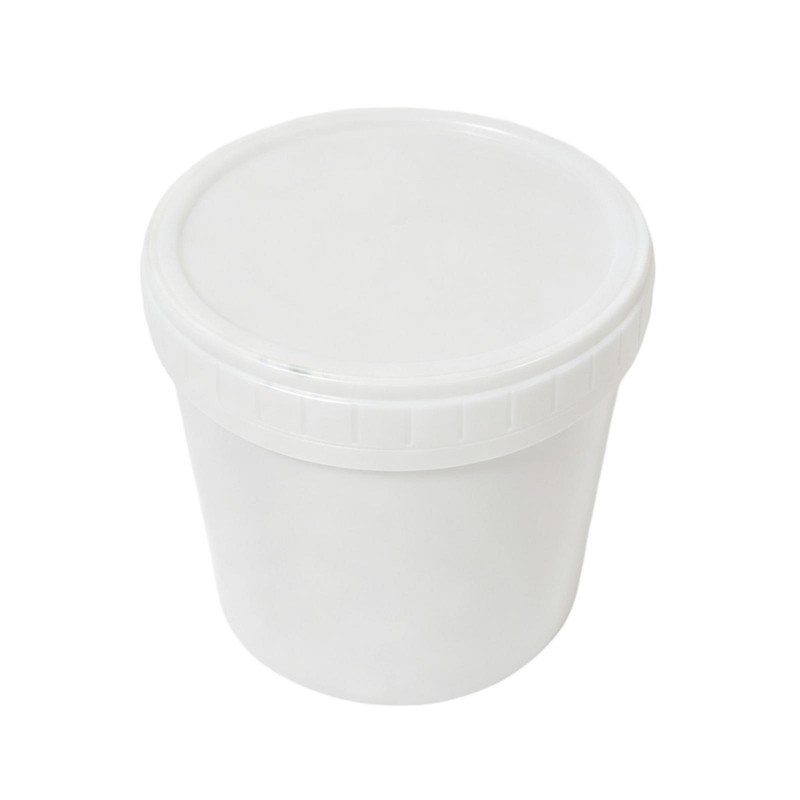
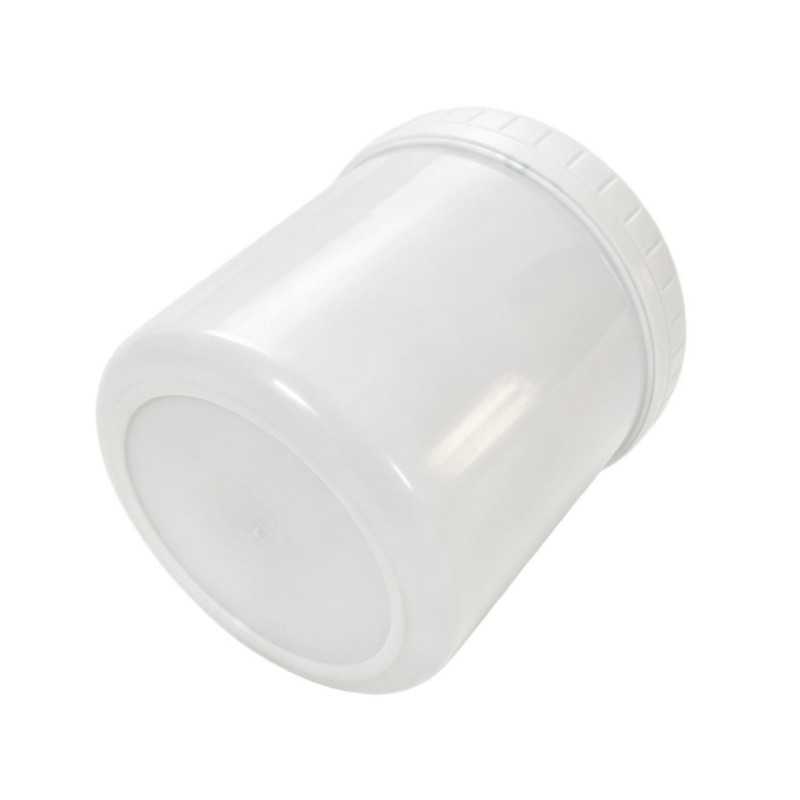
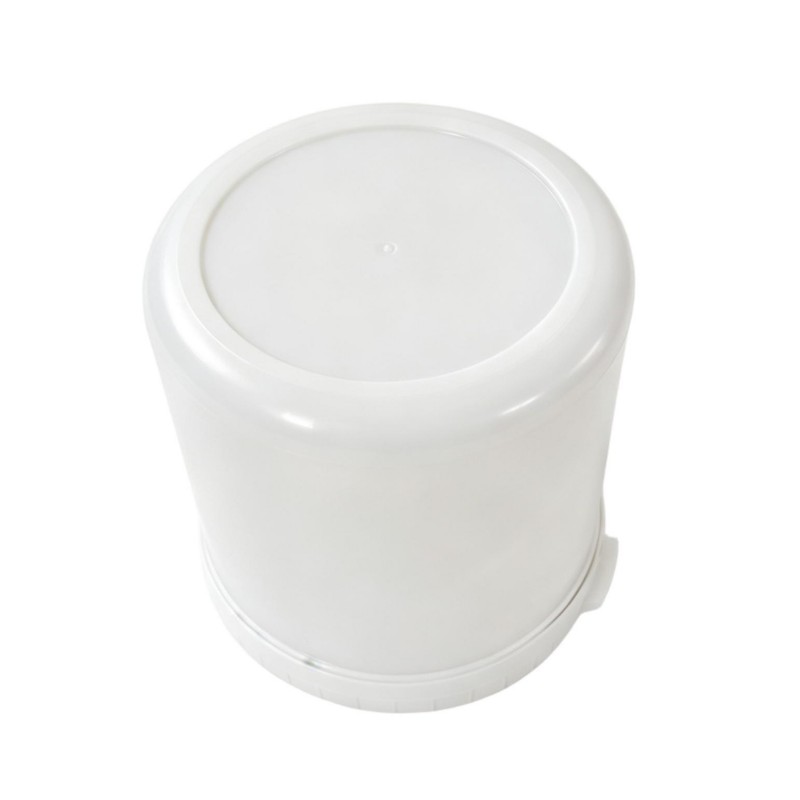
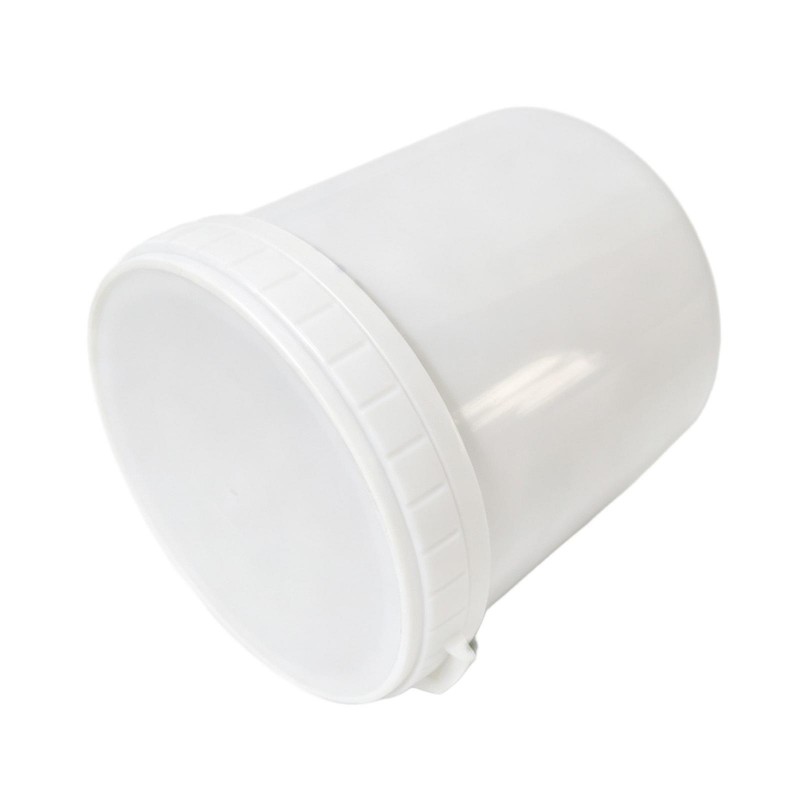
- Ingersoll Rand
- 47545135001 39218193
- High Temperature Grease
- USA
- 95 × 95 × 80 mm
- 0.40 kg
- Xiamen, China
- New & In Stock
- T/T, PayPal, Western Union
- 1 Year
- 1-3 Working Days
- DHL, UPS, TNT, FedEx and EMS.
- 24-Hour Service
- COO
- 3
Our advantage

Global Logistics
We have a 10-year logistics and express cooperation agreement, so our products can be shipped to any place in the world.

Brand new and original
Our products are imported in bulk from the place of origin. Because of the cooperative relationship, our products are all original and 100% new.

24-hour service
We provide 7*24 hours service to our customers. We will be there whenever you need us.

Price advantage
All our products are priced very favorably because we have our own warehouse and supply.
| Company Information | |||
| [email protected] | |||
| Mobile | +8615980777398 | ||
| +8615980777398 | |||
| 15980777398 |
Product Overview
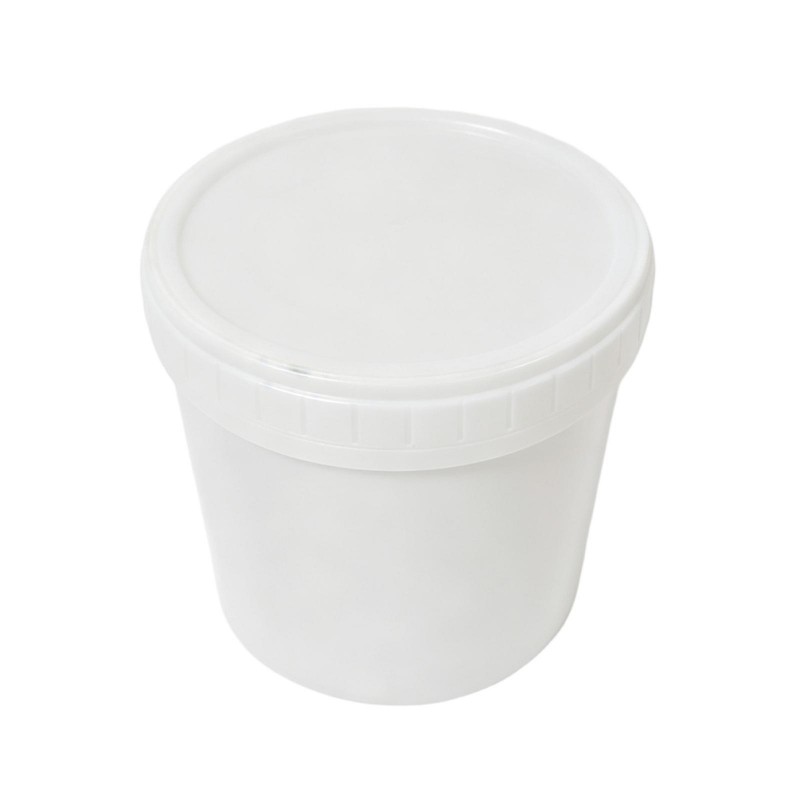
The Ingersoll Rand 47545135001 39218193 High Temperature Grease is a maintenance lubricant intended for compatible Ingersoll Rand compressor equipment and associated service applications. It is used where components require grease lubrication under elevated-temperature operating conditions.
In compressor maintenance, grease is applied to designated mechanical components to reduce friction and wear between contacting surfaces. Appropriate lubrication helps maintain smooth mechanical movement and reduces direct metal-to-metal contact during operation. High-temperature grease is particularly relevant where the lubricated area is exposed to heat generated by the machine or its surrounding operating environment.
The 39218193 grease is a consumable maintenance item rather than an electrical or control component. Its correct use depends on the equipment manufacturer’s lubrication points, maintenance procedure, and lubricant requirements. It should be applied only to components for which the specified grease is appropriate.
Technical Specifications
| Parameter | Specification |
|---|---|
| Product Model | 47545135001 |
| Alternate Part Number | 39218193 |
| Product Type | High Temperature Grease |
| Product Family | Ingersoll Rand Compressor Parts |
| Component Category | Maintenance Lubricant |
| Lubrication Function | Mechanical component lubrication |
| Temperature Application | High-temperature service conditions |
| System Role | Lubrication and maintenance consumable |
| Application | Compatible Ingersoll Rand equipment |
| Service Function | Friction and wear reduction |
| Maintenance Type | Scheduled lubrication and servicing |
| Installation Method | Application at designated lubrication points |
| Compatibility | Equipment-specific lubrication requirements |
| Dimensions | 95 × 95 × 80 mm |
| Weight | 0.40 kg |
Product Features
- High-temperature grease for compatible Ingersoll Rand maintenance applications.
- Supports lubrication of designated mechanical components.
- Helps reduce friction between contacting mechanical surfaces.
- Suitable for maintenance work involving components exposed to elevated temperatures.
- Used as a consumable service material rather than a machine control component.
- Supports routine lubrication procedures during compressor maintenance.
- Can be incorporated into preventive maintenance programs where grease lubrication is specified.
- Helps maintain the mechanical condition of appropriately lubricated components.
Working Principle
1. Grease is applied to the specified lubrication point
The grease is introduced at a designated lubrication point according to the equipment maintenance procedure. The application location depends on the specific compressor assembly and component being serviced.
2. Lubricating film forms between contacting surfaces
During component movement, the grease remains around the lubricated contact area and helps separate moving surfaces. This reduces direct surface-to-surface contact and supports smoother mechanical operation.
3. Friction and wear are controlled
With appropriate lubrication, frictional interaction between mechanical surfaces can be reduced. This helps limit unnecessary wear on components that depend on grease lubrication during operation.
4. Lubricant remains useful under elevated temperatures
High-temperature grease is intended for lubrication situations where the operating environment or component temperature is higher than that encountered in ordinary service. The actual allowable operating conditions must follow the applicable equipment and lubricant specifications.
5. Maintenance restores the lubrication condition
Grease gradually changes through operating time, temperature exposure, contamination, and mechanical movement. Periodic lubrication or replenishment at the specified service interval helps maintain the required lubrication condition of the serviced component.
Role in an Ingersoll Rand Compressor Mechanical Maintenance System
The 47545135001 39218193 High Temperature Grease belongs to the mechanical maintenance layer of a compressor system. It does not perform compression, filtration, sensing, or control. Instead, it supports the mechanical components that require grease lubrication as part of their normal service procedure.
| Maintenance Layer | Typical Function | Relationship with High Temperature Grease |
|---|---|---|
| Compressor Mechanical Assembly | Contains moving and load-bearing components | Provides the components requiring lubrication |
| Lubrication Points | Provide designated locations for grease application | Receives the specified grease |
| High Temperature Grease | Lubricates suitable mechanical contact surfaces | 39218193 performs the lubrication function |
| Bearings / Mechanical Interfaces | Support movement and mechanical loads | Benefit from appropriate lubrication |
| Maintenance Procedure | Defines lubrication frequency and method | Determines when and how the grease is applied |
| Inspection | Identifies wear, contamination, or lubrication issues | Helps determine the condition of lubricated components |
| Compressor Control System | Monitors and controls machine operation | May indicate operating abnormalities associated with mechanical conditions |
Industrial Applications
| Application | Use of the 47545135001 39218193 |
|---|---|
| Industrial Air Compressors | Supports grease lubrication of designated mechanical components |
| Compressor Preventive Maintenance | Used during scheduled lubrication service |
| High-Temperature Service Areas | Provides lubrication where compatible components experience elevated temperatures |
| Manufacturing Plants | Supports routine maintenance of compatible compressor equipment |
| Process Industries | Used as part of mechanical compressor servicing |
| Compressor Overhaul | Applied where the maintenance procedure specifies grease lubrication |
| Mechanical Component Service | Supports maintenance of appropriate grease-lubricated interfaces |
| Replacement Lubricant Stock | Maintained as a consumable service item for compatible equipment |
Installation and Maintenance
- Confirm the lubricant requirement — Verify that 39218193 is the specified lubricant for the component being serviced before application.
- Identify the correct lubrication point — Use the applicable equipment maintenance documentation to locate the designated grease fitting or lubrication area.
- Shut down the equipment — Place the compressor in the approved maintenance condition before performing lubrication work.
- Relieve applicable stored energy — Follow the equipment safety procedure and ensure that the machine is safe to service.
- Clean the lubrication area — Remove dirt and contamination around the lubrication point before applying fresh grease.
- Check the existing grease condition — Observe the existing lubricant for unusual discoloration, contamination, hardening, or other abnormal conditions.
- Avoid lubricant contamination — Keep the grease container, application tools, and lubrication point clean during servicing.
- Apply the specified amount — Follow the equipment maintenance procedure for the appropriate grease quantity rather than adding excessive lubricant.
- Avoid cross-contamination — Do not mix different grease types unless compatibility has been specifically established by the applicable equipment or lubricant documentation.
- Inspect the surrounding component — Check the serviced area for leakage, abnormal wear, damaged fittings, or other mechanical conditions.
- Return the equipment to service — Restore the compressor according to the normal startup procedure after completing lubrication work.
- Record the lubrication service — Document the service date, equipment identification, lubricant used, and any abnormal mechanical observations.
Related Components
| Component | Function |
|---|---|
| Ingersoll Rand Compressor Bearings | Mechanical components that may require specified lubrication |
| Grease Fittings | Provide access to designated grease lubrication points |
| Compressor Mechanical Assemblies | Contain components requiring periodic maintenance |
| Lubrication Components | Distribute or retain lubricant around applicable mechanical interfaces |
| Compressor Oil Filter | Supports filtration of circulating compressor oil |
| Compressor Oil Separator | Performs oil separation in compatible compressor systems |
| Air Filter | Filters incoming air in compatible compressor equipment |
| Compressor Maintenance Kit | May contain consumable components used during scheduled servicing |
Recommended Related Models
| Model | Product Type | Typical Relationship |
|---|---|---|
| Ingersoll Rand 47545135001 39911631 | Oil Filter | Related compressor lubrication-system maintenance component |
| Ingersoll Rand 24133019 | Air Filter | Related compressor filtration component |
| Ingersoll Rand 24900458 | Oil Filter | Related compressor oil filtration component |
| Ingersoll Rand 47571612001 | Filter Pad | Related compressor filtration maintenance component |
| Ingersoll Rand 47594342001 | Pre-Filter | Related compressor air filtration component |
| Ingersoll Rand 47639430001 | Pre-Filter Assembly | Related compressor maintenance component |
| Ingersoll Rand 47639431001 | Compressor Filter Component | Related compressor service component |
Key Advantages
- Supports lubrication of compatible mechanical compressor components.
- Helps reduce friction and mechanical wear at designated lubrication points.
- Suitable for maintenance applications involving elevated-temperature conditions.
- Supports scheduled compressor lubrication procedures.
- Useful as a consumable maintenance item for compatible Ingersoll Rand equipment.
- Helps maintain the intended lubrication condition of serviced mechanical assemblies.
Technical FAQs
Where should the Ingersoll Rand 47545135001 39218193 grease be applied?
It should only be applied to lubrication points specified for this lubricant by the applicable Ingersoll Rand equipment maintenance procedure. The correct lubrication location depends on the particular compressor and mechanical assembly.
Why is high-temperature grease used instead of ordinary grease?
High-temperature grease is intended for lubrication applications where the component or surrounding environment experiences elevated temperatures. The lubricant must still be selected according to the specific component and equipment requirements.
Can different types of grease be mixed during maintenance?
Different grease formulations should not be mixed unless their compatibility has been confirmed. When changing lubricant types, the applicable maintenance procedure should determine whether the existing grease needs to be removed or purged before applying the replacement.
What should be checked if a lubricated component continues to run abnormally?
Check the lubricant condition and application, but also inspect the mechanical component itself. Abnormal noise, heat, vibration, or resistance can be associated with wear, misalignment, contamination, damaged bearings, an incorrect lubrication quantity, or another mechanical issue.