

ProductPRODUCT
Featured products
Contact Us
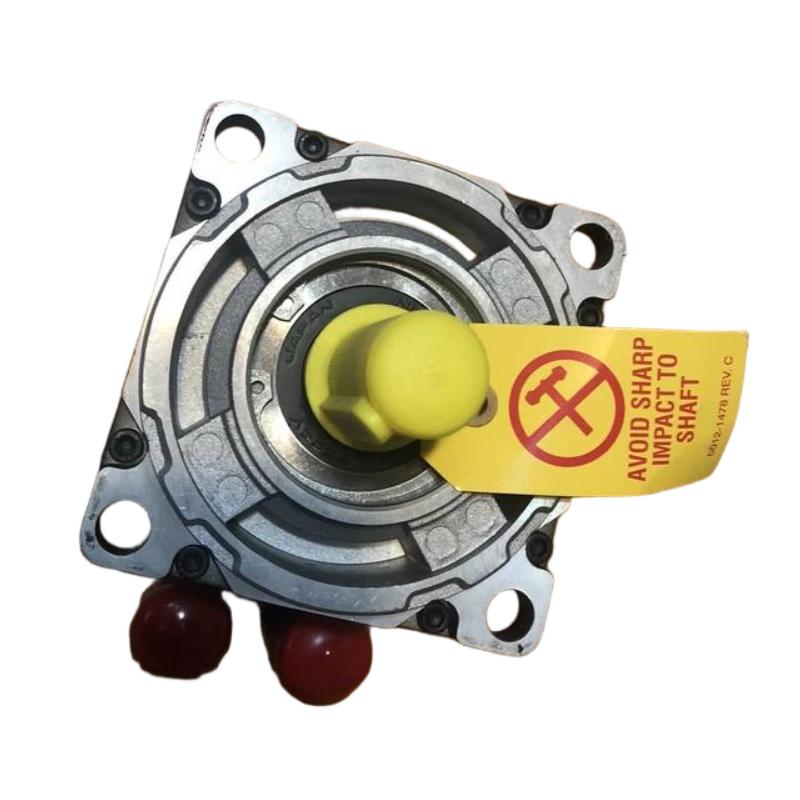
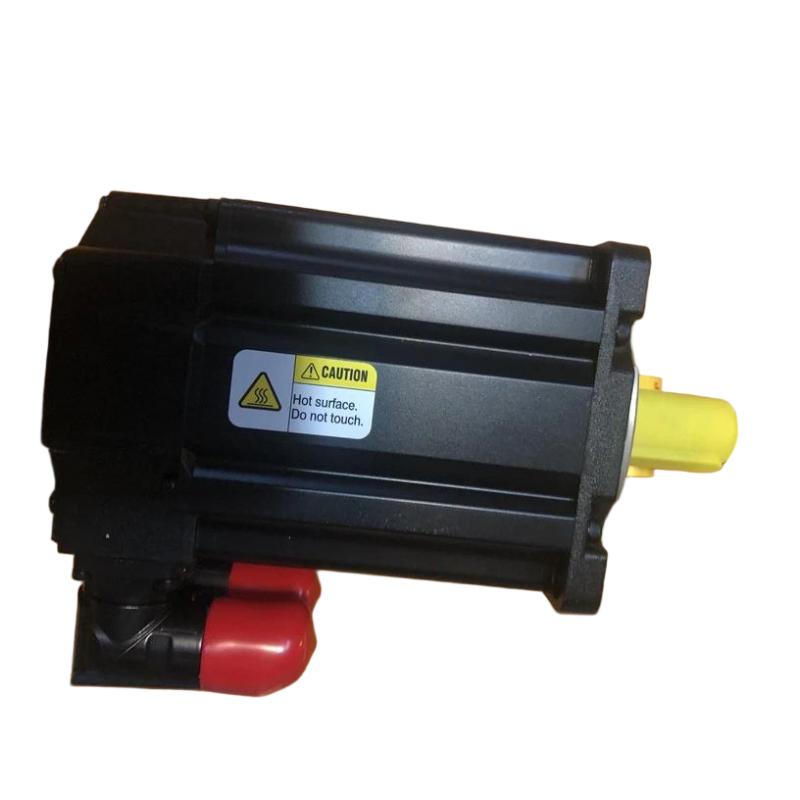
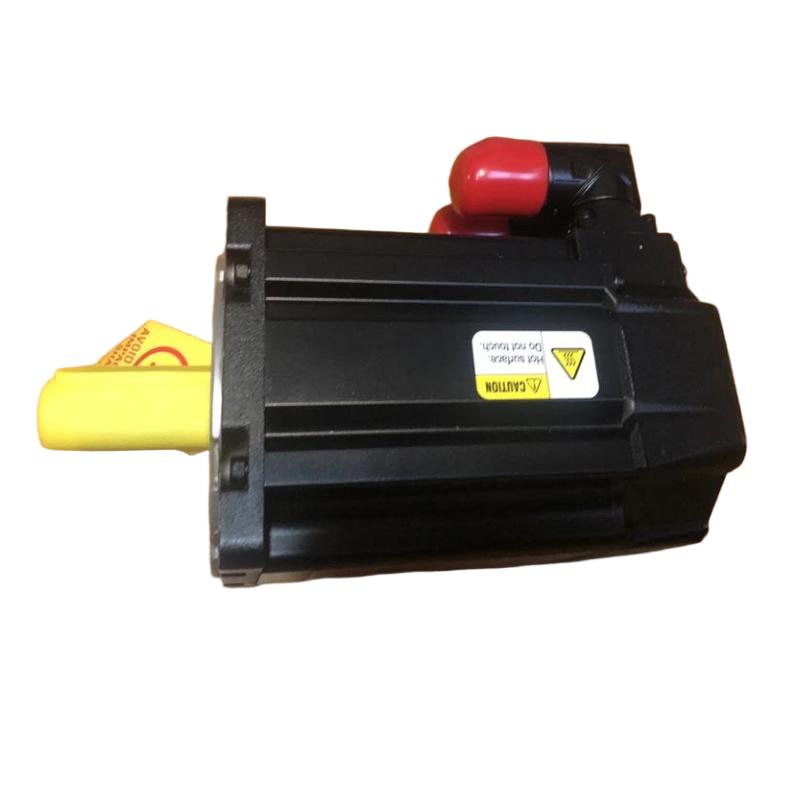
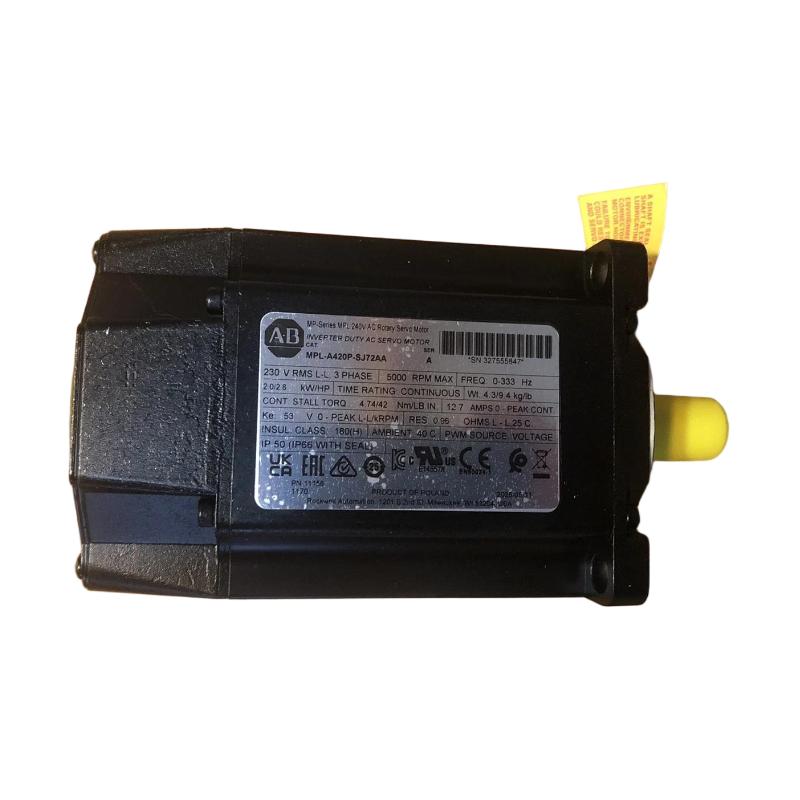
- Allen Bradley
- MPL-A420P-SJ72AA
- Servo Motor
- USA
- 115 mm
- 4.3 kg
- Xiamen, China
- New & In Stock
- T/T, PayPal, Western Union
- 1 Year
- 1-3 Working Days
- DHL, UPS, TNT, FedEx and EMS.
- 24-Hour Service
- COO
- 4
Our advantage

Global Logistics
We have a 10-year logistics and express cooperation agreement, so our products can be shipped to any place in the world.

Brand new and original
Our products are imported in bulk from the place of origin. Because of the cooperative relationship, our products are all original and 100% new.

24-hour service
We provide 7*24 hours service to our customers. We will be there whenever you need us.

Price advantage
All our products are priced very favorably because we have our own warehouse and supply.
| Company Information | |||
| [email protected] | |||
| Mobile | +8615980777398 | ||
| +8615980777398 | |||
| 15980777398 |
Product Overview
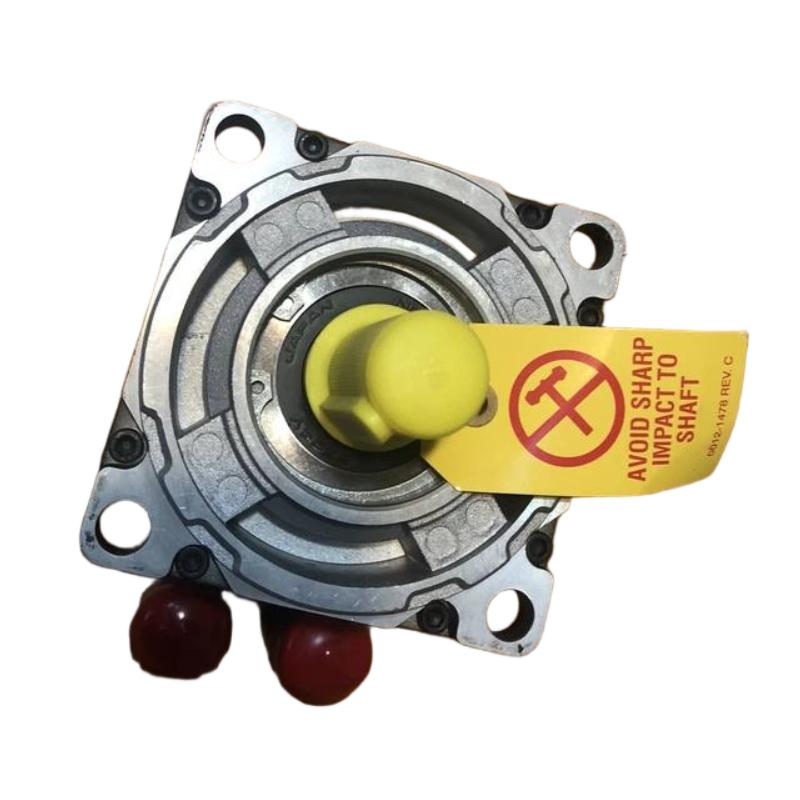
The Allen Bradley MPL-A420P-SJ72AA Servo Motor is an industrial AC servo motor designed for automated motion-control systems. As part of the Allen Bradley MPL servo motor family, it is intended for machine applications where controlled rotation, repeatable positioning, coordinated movement, and responsive motor operation are required.
A servo motor normally operates as one part of a complete motion-control system. The motion controller generates the required command, the servo drive regulates electrical power delivered to the motor, and feedback information is used to monitor motor operation and support closed-loop control.
The supplied specifications identify the MPL-A420P-SJ72AA with a 115 mm frame size and a weight of 4.3 kg. These physical specifications are important for mechanical design, mounting, machine integration, transportation, maintenance, and replacement planning.
The motor can be considered for applications such as automated assembly, packaging, material handling, production machinery, indexing systems, and other industrial motion-control equipment when its complete electrical and mechanical characteristics match the application.
Technical Specifications
| Parameter | Specification |
|---|---|
| Manufacturer | Allen Bradley |
| Model | MPL-A420P-SJ72AA |
| Product Type | AC Servo Motor |
| Product Family | MPL Series |
| Motor Technology | Permanent Magnet Servo Motor |
| Frame Size | 115 mm |
| Weight | 4.3 kg |
| Application | Industrial Motion Control |
| Control Method | Closed-Loop Servo Control |
| Installation | Machine-Mounted |
| Drive Interface | Compatible Servo Drive |
| Feedback | Verify according to motor nameplate and system configuration |
| Electrical Ratings | Verify according to applicable technical documentation |
| Typical Applications | Packaging, Assembly, Material Handling, Production Automation, Positioning Systems |
Technical note: Exact torque, rated speed, peak speed, voltage, current, feedback configuration, shaft dimensions, connector arrangement, duty cycle, and other model-specific characteristics should be confirmed from the motor nameplate and applicable technical documentation before installation or replacement.
What Is the Allen Bradley MPL-A420P-SJ72AA?
The Allen Bradley MPL-A420P-SJ72AA is an industrial servo motor designed to provide controlled rotary motion for automated machinery.
Unlike a simple motor that may operate primarily according to a start/stop command, a servo motor is normally integrated into a closed-loop control system. The controller defines the desired motion, the servo drive supplies controlled electrical power, and feedback information helps the control system regulate actual motor behavior.
A simplified servo architecture can be represented as:
Motion Controller → Servo Drive → MPL-A420P-SJ72AA → Mechanical Load
with feedback information returning to the servo control system.
This arrangement allows the motor to participate in:
- Position control
- Speed regulation
- Indexing
- Controlled acceleration
- Controlled deceleration
- Repetitive machine cycles
- Multi-axis synchronization
- Automated motion sequences
The 115 mm frame size provides an important mechanical reference for machine integration, while the 4.3 kg weight is relevant to mounting and handling requirements.
Servo Motor Working Principle
The MPL-A420P-SJ72AA works as part of a closed-loop motion-control system.
The general operating process is:
- The motion controller generates a movement command.
- The servo drive receives the command.
- The drive regulates electrical power supplied to the motor.
- The motor generates controlled rotary torque.
- The mechanical system transfers movement to the machine load.
- Feedback information is monitored by the servo system.
- The servo drive adjusts motor operation according to the required motion.
This process enables the machine to control movement according to programmed motion profiles.
For example, an automated axis may need to accelerate from a stationary condition, move to a target position, decelerate, and stop. The servo system manages the motor response throughout this sequence.
The actual motion performance depends on the complete system, including the motor, servo drive, controller, feedback arrangement, mechanical transmission, load inertia, and tuning parameters.
Main Functions
Controlled Rotary Movement
The primary role of the MPL-A420P-SJ72AA is to provide controlled mechanical rotation within an automated machine.
Positioning
When connected to a suitable servo drive and motion controller, the motor can participate in automated positioning tasks.
Speed Control
Servo control allows the motor’s rotational behavior to follow the required machine operating profile.
Acceleration and Deceleration
Controlled acceleration and deceleration help the machine execute defined movement profiles.
Repetitive Motion
The motor can support repeated machine movements where consistent motion control is required.
Coordinated Motion
Multiple servo axes can be coordinated through a suitable motion-control system for synchronized operations.
Role in Industrial Automation
The MPL-A420P-SJ72AA acts as the motor element of an automated motion-control axis.
A typical architecture consists of:
PLC / Motion Controller
↓
Motion Command
↓
Servo Drive
↓
MPL-A420P-SJ72AA Servo Motor
↓
Coupling / Mechanical Transmission
↓
Machine Load
Feedback information is incorporated into the closed-loop control process.
This allows the servo axis to participate in machine functions such as feeding, indexing, positioning, transfer, synchronized movement, and repetitive production cycles.
The motor therefore operates as part of a complete automation solution rather than as an independent control device.
Industrial Applications
Packaging Machinery
Packaging machines often require controlled movement for product feeding, indexing, cutting, sealing, labeling, and positioning.
A servo motor can provide controlled movement when correctly matched to the drive and mechanical load.
Automated Assembly
Assembly equipment may use servo motors to position tools, fixtures, components, and workpieces.
Material Handling
Servo-driven mechanisms can provide controlled movement for transfer systems, positioning mechanisms, and indexing equipment.
Machine Tools
Automated machine tools can use servo motors for controlled axis movement and coordinated mechanical operations.
Printing and Converting
Printing and converting machinery can require coordinated movement between rollers, feeders, cutters, and other mechanisms.
Production Equipment
Automated production machinery may use servo motors for repetitive and programmable motion sequences.
Specialized Motion Systems
The motor can also be incorporated into dedicated industrial mechanisms where closed-loop rotary motion is required.
Mechanical Integration
The 115 mm frame size should be considered during machine design and installation.
Before installing the MPL-A420P-SJ72AA, verify:
- Mounting dimensions
- Mounting-hole arrangement
- Shaft dimensions
- Shaft extension
- Coupling requirements
- Machine clearance
- Cable routing
- Mechanical alignment
- Load characteristics
- Environmental conditions
The supplied motor weight is 4.3 kg.
The mounting structure should be sufficiently rigid to support the motor and the dynamic forces associated with acceleration, deceleration, and machine operation.
Correct shaft alignment is particularly important. Misalignment can increase vibration, coupling stress, bearing loads, and mechanical wear.
Servo Drive Integration
The MPL-A420P-SJ72AA should be paired with a servo drive that is confirmed to be compatible with the complete motor configuration.
Compatibility should not be determined only by the MPL family or frame size.
The following factors should be verified:
- Complete motor model
- Motor electrical characteristics
- Feedback configuration
- Servo drive capacity
- Required motor speed
- Required acceleration
- Machine load
- Duty cycle
- Motion controller architecture
- Motor and feedback cabling
- Safety requirements
The servo drive should be configured for the installed motor before normal operation.
Installation Guidelines
Confirm Motor Identification
Verify the complete model designation as MPL-A420P-SJ72AA.
Record the motor nameplate information before installation.
Inspect the Motor
Check the motor housing, shaft, mounting surfaces, connectors, and cables for visible damage.
Prepare the Mounting Surface
Ensure that the machine mounting structure is rigid and appropriate for the 115 mm frame size.
Secure the Motor
Mount the motor using suitable hardware and the applicable mechanical installation procedure.
Avoid applying unnecessary force to the motor shaft.
Align the Mechanical Drive
Ensure that the motor shaft and driven mechanism are correctly aligned.
Connect Power and Feedback
Connect motor power, feedback, and grounding circuits according to the applicable servo-system configuration.
Protect the Cables
Route cables away from sharp edges, excessive heat, moving mechanisms, and sources of mechanical damage.
Commissioning Procedure
A controlled commissioning process helps minimize unexpected motion and equipment damage.
Step 1: Verify Wiring
Check motor power, feedback, grounding, and control connections.
Step 2: Confirm Drive Configuration
Verify that the servo drive configuration matches the installed motor.
Step 3: Verify Feedback
Confirm that valid feedback information is being received by the servo drive.
Step 4: Check Mechanical Movement
Ensure that the machine axis can move without obstruction.
Step 5: Enable the Servo
Enable the drive according to the machine commissioning procedure.
Step 6: Perform Initial Motion Testing
Start with controlled movement and observe the motor and machine.
Step 7: Confirm Direction
Verify that the commanded direction corresponds to the intended machine movement.
Step 8: Test Positioning
Check the required movement and positioning sequence.
Step 9: Adjust Servo Tuning
Tune the system according to the actual mechanical characteristics and application requirements.
Step 10: Test the Complete Machine
After individual-axis testing, perform a complete machine sequence test.
Troubleshooting
Motor Does Not Rotate
Possible causes include:
- Servo drive disabled
- Incorrect motor configuration
- Motor power interruption
- Feedback connection problem
- Servo drive alarm
- Incorrect motion command
- Mechanical obstruction
Check drive diagnostics before determining that the motor itself has failed.
Positioning Is Inaccurate
Possible causes include:
- Feedback configuration issues
- Incorrect position scaling
- Mechanical backlash
- Coupling problems
- Incorrect servo tuning
- Excessive mechanical load
The motor, drive, feedback system, and mechanical transmission should be evaluated together.
Excessive Vibration
Potential causes include:
- Shaft misalignment
- Coupling problems
- Mechanical resonance
- Incorrect tuning
- Excessive load
- Mechanical wear
Both mechanical and servo-control conditions should be investigated.
Motor Overheating
Possible causes include:
- Excessive load
- High duty cycle
- Insufficient cooling
- Mechanical resistance
- Incorrect drive configuration
- Operating outside applicable limits
Operating conditions should be checked against the applicable motor specifications.
Intermittent Operation
Possible causes include:
- Loose connectors
- Damaged cables
- Feedback interruptions
- Electrical interference
- Mechanical vibration
- Drive configuration problems
Inspect the entire connection path from controller to drive and motor.
Maintenance Recommendations
Inspect Motor Mounting
Check mounting hardware periodically for looseness or movement.
Check Shaft Alignment
Inspect the motor coupling and driven mechanism for alignment problems.
Inspect Motor Cables
Check cables for abrasion, damage, excessive bending, or loose connections.
Monitor Temperature
Unexpected increases in motor temperature should be investigated.
Monitor Vibration
Changes in vibration can indicate alignment issues, mechanical wear, load changes, or servo-control problems.
Inspect Connectors
Ensure that motor and feedback connectors remain clean and securely connected.
Monitor Motion Performance
Changes in positioning accuracy, machine response, noise, or alarm frequency can indicate developing problems.
Replacement Considerations
When replacing the Allen Bradley MPL-A420P-SJ72AA, verify the complete model designation and system requirements.
Important identification information includes:
- Manufacturer
- Complete motor model
- Frame size
- Motor nameplate data
- Feedback configuration
- Mounting arrangement
- Shaft configuration
- Connector arrangement
- Servo drive compatibility
- Machine load
- Application requirements
The supplied physical specifications are:
Frame Size: 115 mm
Weight: 4.3 kg
A replacement motor should not be selected solely according to physical appearance or frame size.
The complete electrical, mechanical, feedback, and control requirements should be confirmed before installation.
Physical Size and Weight
The 115 mm frame size provides a useful mechanical reference for machine integration.
The supplied 4.3 kg weight is relevant to:
- Machine structural design
- Motor mounting
- Transportation
- Maintenance handling
- Spare-parts management
- Packaging
- Replacement planning
Frame size does not represent the complete external dimensions of the motor. Exact motor length, shaft dimensions, mounting-hole positions, connector locations, and other mechanical measurements should be verified from the appropriate technical drawing.
Servo System Architecture
A typical automation system incorporating the MPL-A420P-SJ72AA may include:
| Component | Typical Function |
|---|---|
| PLC / Motion Controller | Generates motion commands |
| Servo Drive | Regulates motor operation |
| MPL-A420P-SJ72AA | Produces controlled rotary motion |
| Feedback System | Provides motor operating information |
| Motor Cable | Transfers electrical power |
| Feedback Cable | Transfers feedback signals |
| Coupling | Connects the motor to the mechanical system |
| Mechanical Transmission | Transfers motor movement |
| Machine Load | Performs the required process |
| HMI | Provides operator monitoring |
| Industrial Network | Exchanges control and diagnostic information |
The exact architecture depends on the machine design and selected automation components.
Engineering Best Practices
Match the Motor to the Application
Verify torque, speed, acceleration, load inertia, duty cycle, and mechanical requirements before commissioning.
Provide a Rigid Mount
A rigid mounting structure helps reduce unwanted movement and vibration.
Maintain Shaft Alignment
Correct alignment reduces mechanical stress on the motor and connected equipment.
Manage Cables Properly
Motor and feedback cables should be protected from physical damage and routed appropriately.
Tune the Servo System
Servo parameters should be adjusted according to the actual machine mechanics and required motion response.
Monitor Operating Trends
Temperature, vibration, positioning accuracy, and drive alarms should be monitored for changes.
Verify Replacement Parts
The complete MPL-A420P-SJ72AA model should be checked before ordering or installing a replacement.
Key Advantages
- 115 mm frame size for industrial machine integration
- 4.3 kg weight for practical handling and installation planning
- Designed for closed-loop servo motion control
- Suitable for controlled rotary movement
- Supports automated positioning applications
- Suitable for repetitive machine cycles
- Can participate in coordinated multi-axis motion
- Applicable to packaging and assembly equipment
- Suitable for material-handling and production machinery
- Can be integrated into compatible Allen Bradley motion-control systems
Technical FAQs
What is the Allen Bradley MPL-A420P-SJ72AA?
The Allen Bradley MPL-A420P-SJ72AA is an industrial AC servo motor intended for automated motion-control applications.
What is the frame size?
The supplied frame size of the MPL-A420P-SJ72AA is 115 mm.
What is the weight of the motor?
The supplied weight is 4.3 kg.
What does the MPL-A420P-SJ72AA do?
The motor converts controlled electrical power supplied by a compatible servo drive into mechanical rotary motion for an automated machine axis.
Where can this servo motor be used?
Potential applications include packaging machinery, assembly equipment, material handling, production automation, machine tools, and specialized motion systems where the complete motor characteristics match the application.
Does the 115 mm frame size provide all mechanical dimensions?
No. Frame size is a mechanical reference and does not specify every external dimension. Detailed drawings should be verified for machine mounting and mechanical integration.
What should be checked before replacing the motor?
The complete model number, nameplate information, feedback configuration, electrical characteristics, mounting arrangement, shaft configuration, drive compatibility, and machine load should be verified.
Why might a servo motor vibrate excessively?
Possible causes include mechanical misalignment, coupling problems, resonance, excessive load, mechanical wear, or incorrect servo tuning.
Why is feedback important?
Feedback allows the servo control system to monitor motor operation and regulate the actual movement relative to the commanded motion.
How should the motor be maintained?
Maintenance should include checking mounting hardware, mechanical alignment, cables, connectors, temperature, vibration, and overall servo-system performance.
Conclusion
The Allen Bradley MPL-A420P-SJ72AA Servo Motor is an industrial AC servo motor designed for integration into automated motion-control systems. With a supplied 115 mm frame size and 4.3 kg weight, the motor provides important physical characteristics for machine design, installation, handling, maintenance, and replacement planning.
When integrated with a compatible servo drive, motion controller, feedback system, and mechanical transmission, the MPL-A420P-SJ72AA can support controlled rotary movement, positioning, speed regulation, indexing, repetitive motion, and coordinated machine-axis operation.
Reliable operation depends on correct motor selection, appropriate servo-drive configuration, proper mechanical alignment, suitable feedback integration, and systematic commissioning. Before installation or replacement, the complete motor model and applicable electrical and mechanical specifications should be verified to ensure proper integration with the intended industrial automation system.